











Import Nail Clippers from China: A Practical Sourcing Guide for Beauty Tool Buyers
Importing nail clippers from China can be a sound sourcing decision for distributors, private-label buyers, salon supply companies, and ecommerce sellers that need reliable grooming tools at scale. The opportunity is not only about price. A good sourcing plan should also consider cutting performance, material consistency, hand feel, packaging, inspection methods, export experience, and how well the supplier can support repeat orders.
For a simple tool, a nail clipper has many details that affect the end user’s experience. Blade alignment, pivot pressure, lever strength, surface finishing, corrosion resistance, and packaging protection all influence whether the product feels dependable or disposable. Buyers who evaluate these points before placing an order are more likely to receive products that match their market positioning and fewer complaints after delivery.
Why Import Nail Clippers from China?
China is a major manufacturing and export base for metal beauty tools, including nail clippers. For international buyers, this creates access to a broad supplier network, different product structures, and flexible sourcing options. Instead of being limited to a narrow local catalog, buyers can compare finishes, sizes, packaging formats, and order configurations across multiple manufacturers or trading partners.
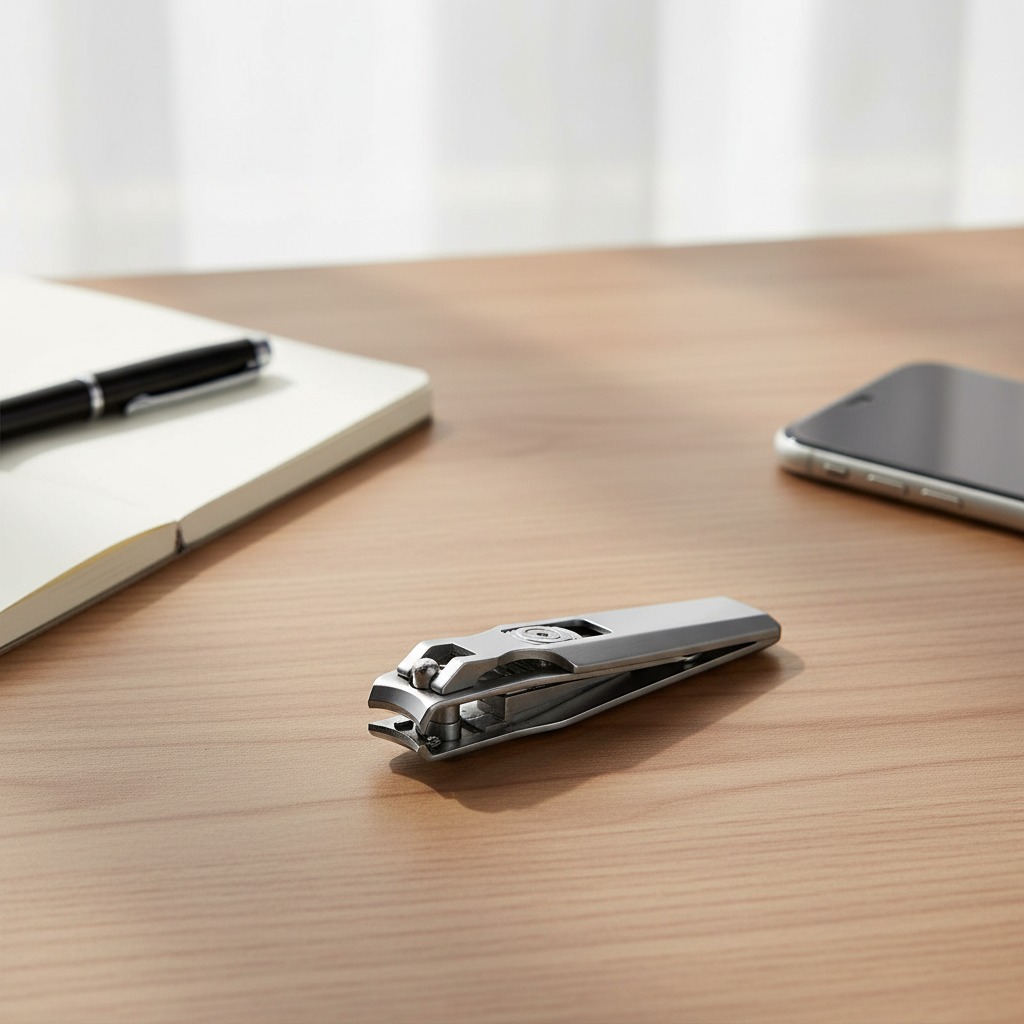
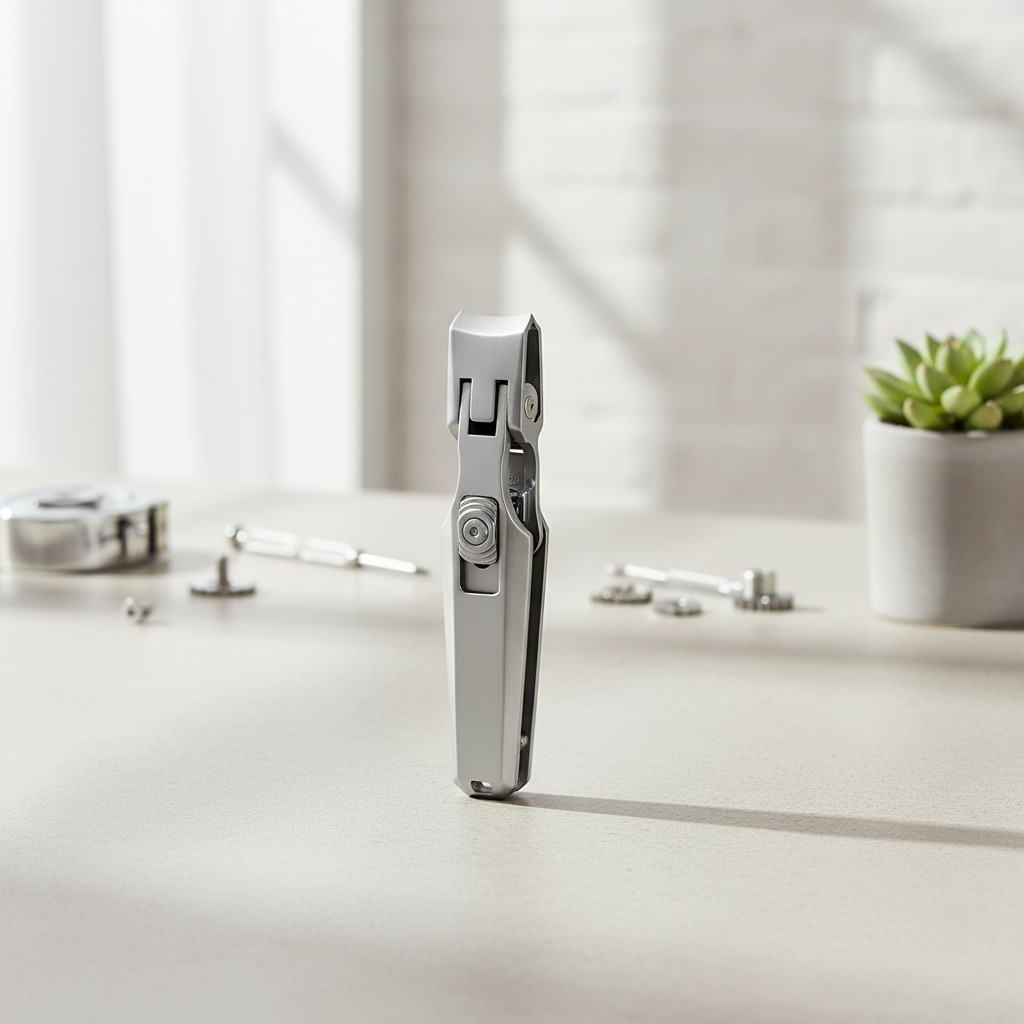
The original product details describe a stainless steel nail clipper with a compact structure, a central pivot mechanism, and a portable weight of 48 grams. Its listed size is 91 mm long and 16 mm wide, which places it in a practical range for home grooming kits, travel sets, salon retail displays, and personal care bundles. These are useful reference points when comparing similar products from different suppliers, because even small differences in size, spring tension, and lever geometry can change how the clipper feels in the hand.
Cost efficiency is one reason buyers explore nail clipper export from China, but it should not be the only reason. A cheaper clipper that bends easily, cuts unevenly, rusts quickly, or arrives with inconsistent packaging can become expensive through returns and brand damage. The best import strategy is to balance landed cost with repeatable quality.
Key Product Details to Evaluate Before Ordering
A nail clipper is often purchased quickly by consumers, but it is judged immediately when used. The cut should be clean, the lever should press smoothly, and the tool should not feel loose or sharp in the wrong places. When reviewing samples, buyers should examine both functional and cosmetic details.
- Blade alignment: The two cutting edges should meet evenly from one side to the other. Misalignment can cause tearing instead of a clean cut.
- Cutting sharpness: Test on different nail thicknesses when possible. A clipper should cut with controlled pressure rather than crushing the nail.
- Lever stability: The lever should not wobble excessively. It should return to position cleanly after pressure is released.
- Pivot construction: A central pivot mechanism can help distribute pressure, but the buyer should still check consistency across multiple samples.
- Surface finish: Edges around the handle and body should feel smooth. Burrs or rough finishing can make the product unpleasant to use.
- Corrosion resistance expectations: Stainless steel is commonly chosen for grooming tools, but buyers should clarify finishing, storage conditions, and care instructions for their market.
- Portability: A compact clipper around the stated 91 mm by 16 mm size can suit travel, retail sets, and everyday personal care kits.
Olimor Beauty focuses on beauty tool sourcing and product support for buyers evaluating practical grooming items. You can explore related beauty tool products to compare how different tools fit into retail, salon, or distributor assortments.
China Sourcing Compared with Local Purchasing
Local purchasing may be suitable when a buyer needs immediate stock, very small quantities, or simplified communication. However, domestic channels can limit product variation and may include additional layers of distribution cost. Importing directly or semi-directly from China often gives buyers more control over product selection, packaging decisions, and long-term sourcing strategy.
The tradeoff is that importers must manage more details. International nail clipper trade involves sample approval, product documentation, production follow-up, inspection, packaging checks, logistics planning, and customs coordination. Buyers who treat these steps as part of the product development process usually achieve better results than buyers who focus only on the quoted unit price.
| Decision Area | Local Purchasing | Importing from China |
|---|---|---|
| Product variety | Often limited to stocked items | Broader options for size, finish, and packaging |
| Lead time | Can be faster for available stock | Requires planning for production and shipping |
| Cost structure | May include distributor margins | Can be more competitive when managed well |
| Quality control | Depends on local supplier stock checks | Can be specified through sample approval and inspection |
| Packaging control | Usually less flexible | More room to align with retail or brand requirements |
How to Compare Nail Clipper Global Suppliers
Choosing a nail clipper global supplier should involve more than checking whether the factory can make a similar shape. Buyers need to understand how the supplier controls repeatability. A sample may look acceptable, but the order must match the approved sample across thousands of units. This is where supplier questions become important.
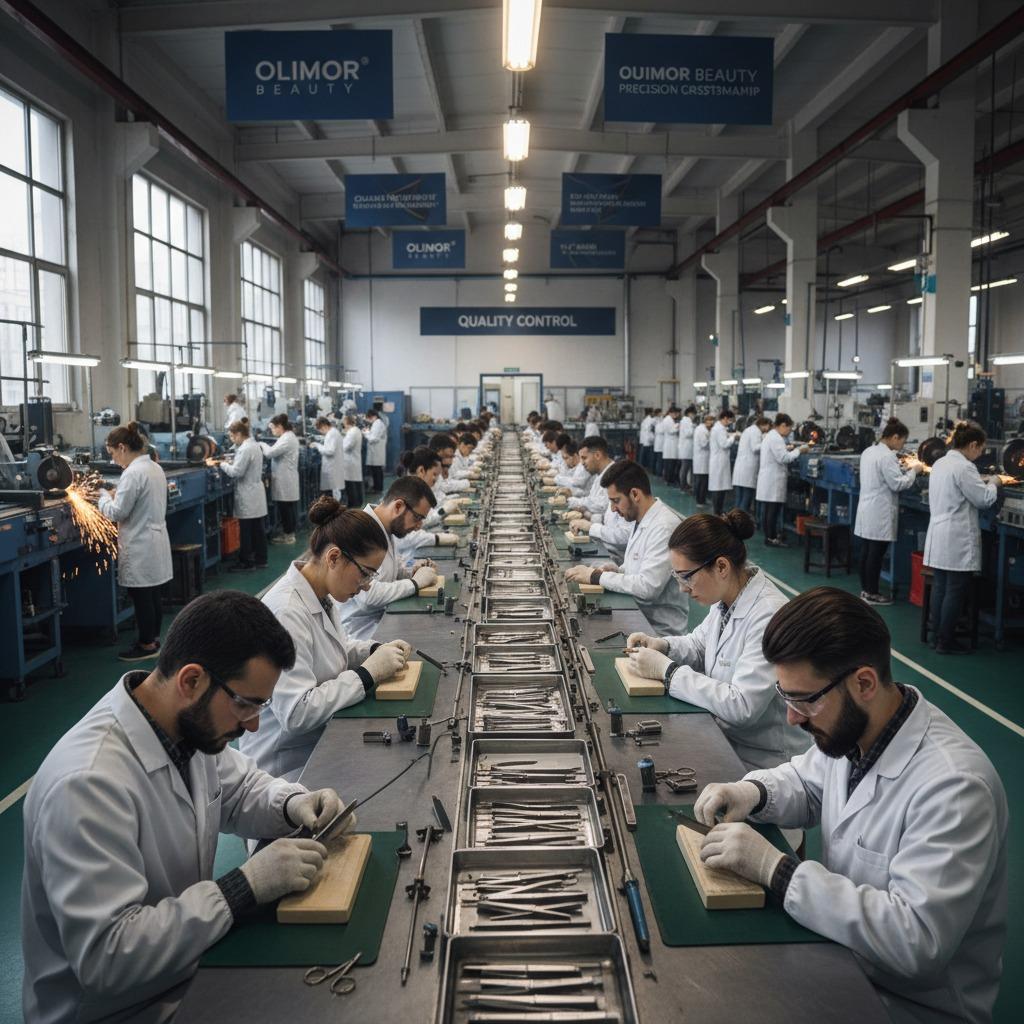
Begin by confirming the supplier’s experience with nail clippers and related metal grooming tools. Review the clarity of their product photos, sample communication, packaging options, and willingness to define inspection standards. A capable supplier should be able to discuss the important variables: blade grinding, polishing, lever assembly, pivot tightness, and protective packing for export cartons.
Buyers should also avoid making assumptions about certifications, steel grades, or testing unless these are documented. If a market requires specific compliance, labeling, or documentation, define that requirement early and verify what can be supported. For many beauty tool importers, the safest approach is to create a written specification sheet that includes product dimensions, material description, finish, packaging, barcode or label needs, carton requirements, and acceptable quality limits.
Sample Review and Quality Inspection Checklist
Before confirming a larger order, request samples that represent the intended product as closely as possible. If the final order will use a specific finish, package, or accessory insert, the sample stage should include those elements where practical. A bare clipper sample is useful for judging cutting function, but it does not confirm retail presentation or shipping protection.
- Measure the sample: Compare length, width, and weight with the agreed reference details, such as the stated 91 mm length, 16 mm width, and 48 gram weight if those are part of your chosen specification.
- Check cutting consistency: Test multiple clippers, not just one. Look for clean cutting and even blade contact.
- Inspect edges and corners: Confirm that the body and lever do not have burrs, scratches, or uncomfortable sharp points.
- Review pivot pressure: The central pivot should feel stable and balanced. Excessive looseness may indicate assembly inconsistency.
- Assess finish appearance: Compare color, polish, and surface marks under good lighting.
- Test packaging fit: Make sure the clipper is held securely and will not scratch, shift, or damage presentation materials during transport.
- Document approval: Keep photos, measurements, and written notes so production can be compared with the approved sample.
Inspection should cover both function and appearance. For import orders, a pre-shipment check is especially useful because it gives the buyer a chance to identify issues before goods leave the supplier’s side. Even a straightforward tool such as a nail clipper can have batch variation if inspection standards are not defined.
Packaging, Positioning, and Use Cases
Nail clippers can be sold in many channels: supermarket personal care aisles, pharmacy grooming sections, salon retail shelves, travel kits, hotel amenity programs, subscription boxes, and online marketplaces. Each channel has different packaging expectations. Ecommerce packaging must protect the product from warehouse handling and shipping. Retail packaging must communicate the product clearly and hang or display properly. Travel kit packaging may need to be compact and lightweight.
When choosing packaging, consider whether the buyer needs individual cards, pouches, boxes, barcode labels, multilingual instructions, or carton markings. Avoid overcomplicated packaging if the product is positioned as a simple daily grooming tool, but do not under-protect metal surfaces that could scratch during transit. A good sourcing decision includes both the tool and the way it arrives to the customer.
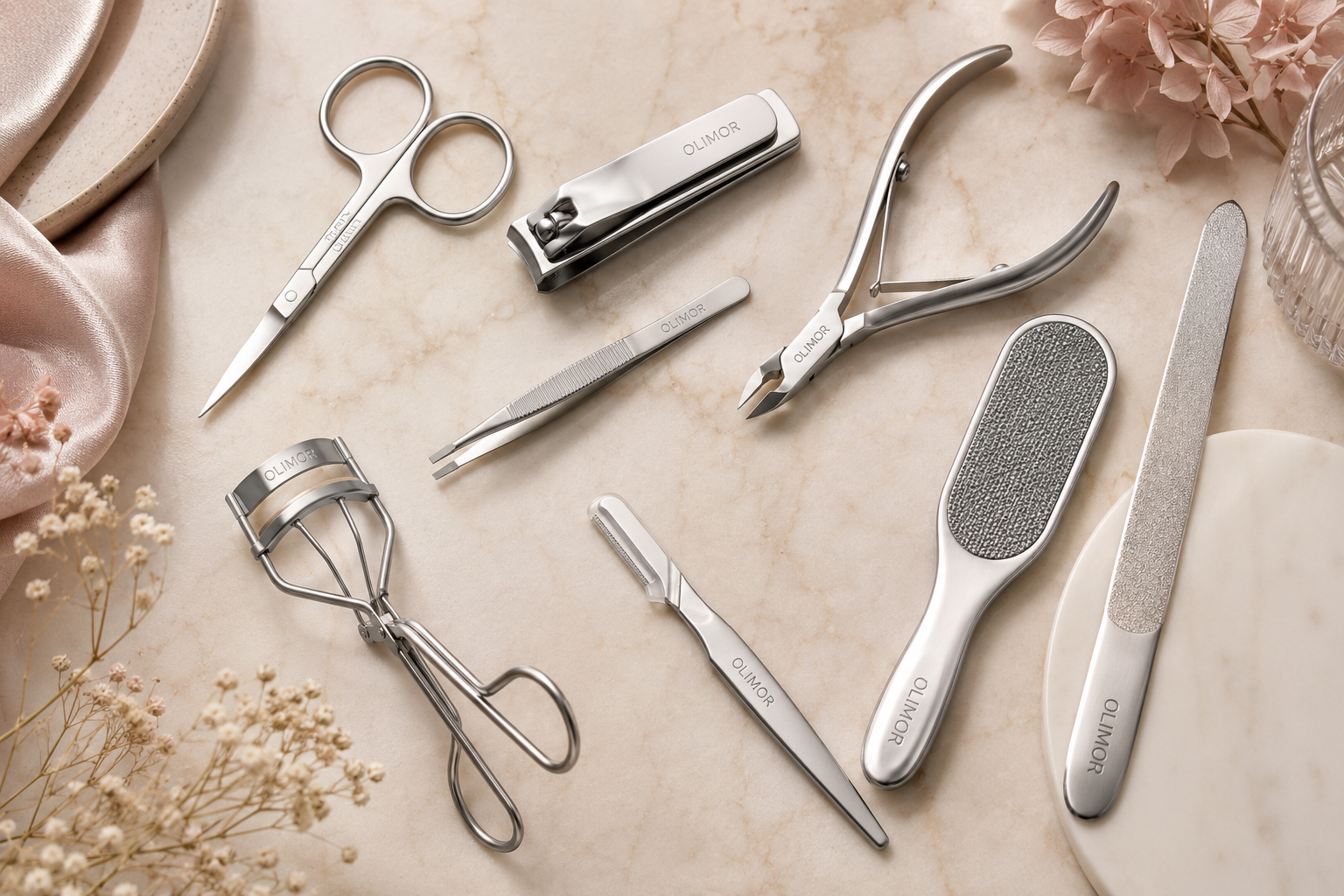
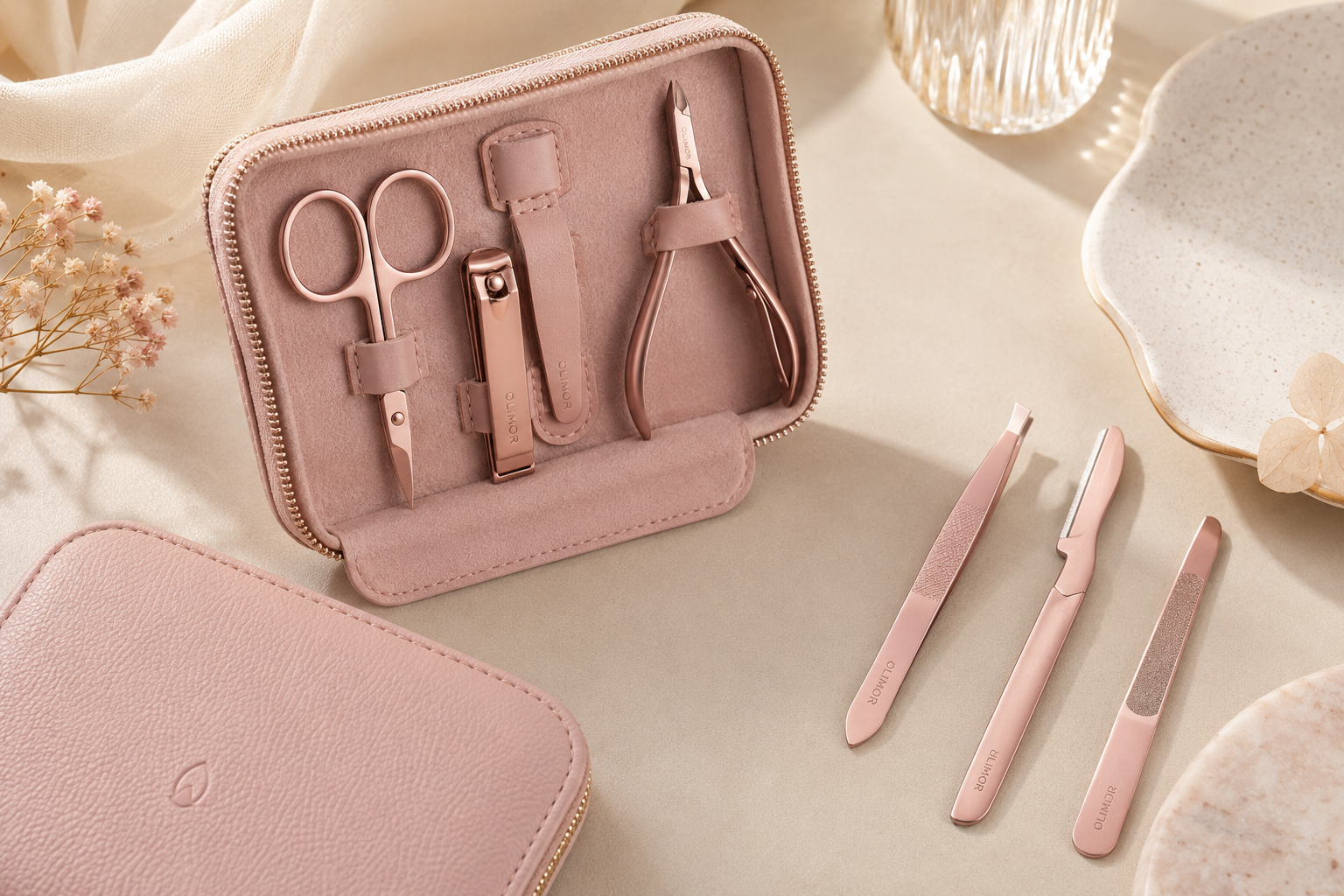
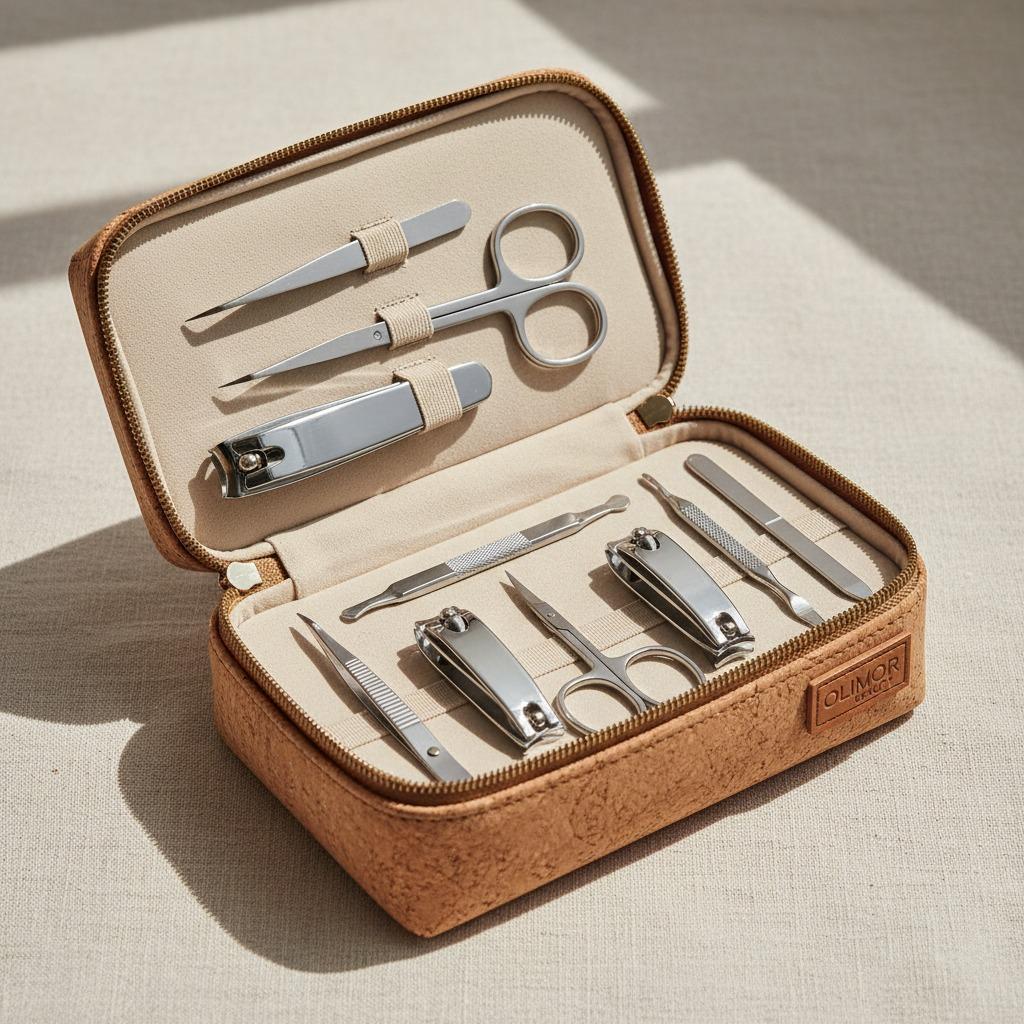
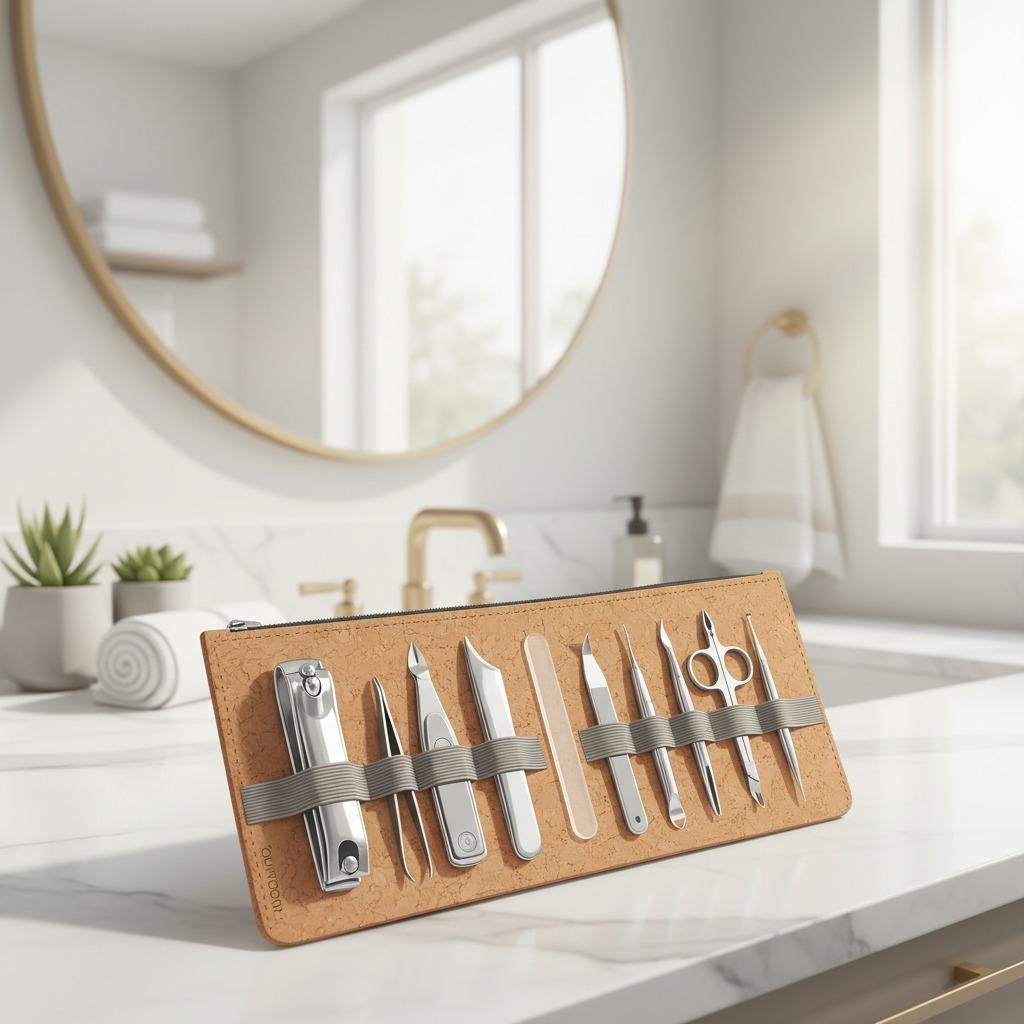
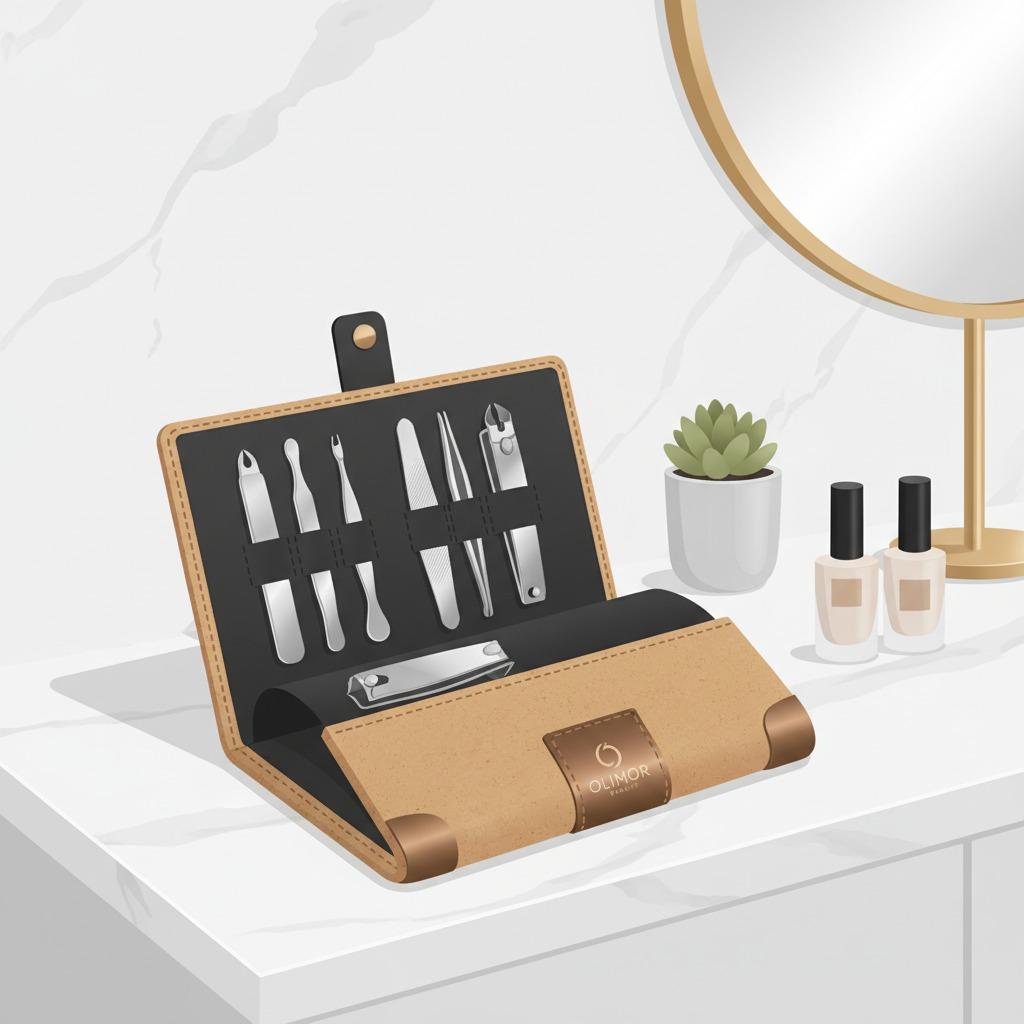
If you are building a wider personal care range, reviewing product collections can help you think beyond a single item. Nail clippers often work well alongside files, tweezers, scissors, mirrors, and other compact beauty tools, provided the quality level and packaging style are consistent.
Maintenance Guidance for End Users
Importers should also think about after-sale use. Clear care guidance can reduce complaints and help customers keep the clipper in better condition. Stainless steel grooming tools are generally chosen for durability, but they should still be kept clean and dry. Moisture, residue, and improper storage can affect appearance over time.
Useful end-user care instructions may include wiping the clipper after use, storing it in a dry place, avoiding harsh chemical exposure, and keeping it away from children. For salon or shared-use environments, hygiene procedures should follow local regulations and professional standards. These instructions can be placed on packaging inserts or product pages to support safe and realistic use.
Building a Better Import Plan with Olimor Beauty
Importing nail clippers from China is most effective when buyers define what they need before negotiating price. Product size, blade alignment, stainless steel construction, lever feel, packaging, inspection criteria, and shipping requirements should all be part of the conversation. The goal is not simply to buy a clipper; it is to create a repeatable sourcing process that supports your customers and sales channel.
Olimor Beauty works with buyers evaluating beauty tools for international trade and product development. If you are comparing nail clipper options, preparing a specification, or planning a broader grooming tool assortment, you can contact Olimor or send an inquiry with your sourcing requirements. A clear brief helps narrow the options and makes quality expectations easier to manage from sample review through delivery.