











Import Nail Clippers from China: Supplier Insights for Beauty Tool Buyers
Importing nail clippers from China can be a practical sourcing route for distributors, salon suppliers, private label buyers, promotional product companies, and beauty retailers that need consistent grooming tools at commercial volume. Nail clippers look simple, but buyers quickly discover that small differences in cutting edge alignment, spring tension, plating, polishing, packaging, and inspection standards can affect customer satisfaction and repeat sales.
China remains a major manufacturing base for personal care and beauty tools because it combines metalworking experience, component supply chains, packaging options, and export logistics. For buyers comparing international nail clipper trade with domestic sourcing, the best decision is not only about unit price. It is about whether the supplier can deliver the right product feel, finish, packaging, documentation, and shipment reliability for your market.
What Makes Nail Clippers a Serious Import Product?
A nail clipper is a high-contact personal care item. Consumers expect it to cut cleanly without tearing the nail, feel comfortable in the hand, resist corrosion in humid bathrooms, and remain safe in a toiletry bag or retail package. For business buyers, these expectations create several sourcing questions: Is the cutting edge sharp and aligned? Does the lever move smoothly? Is the surface finish consistent? Is the clipper easy to inspect in bulk? Will the packaging protect the product during shipment?
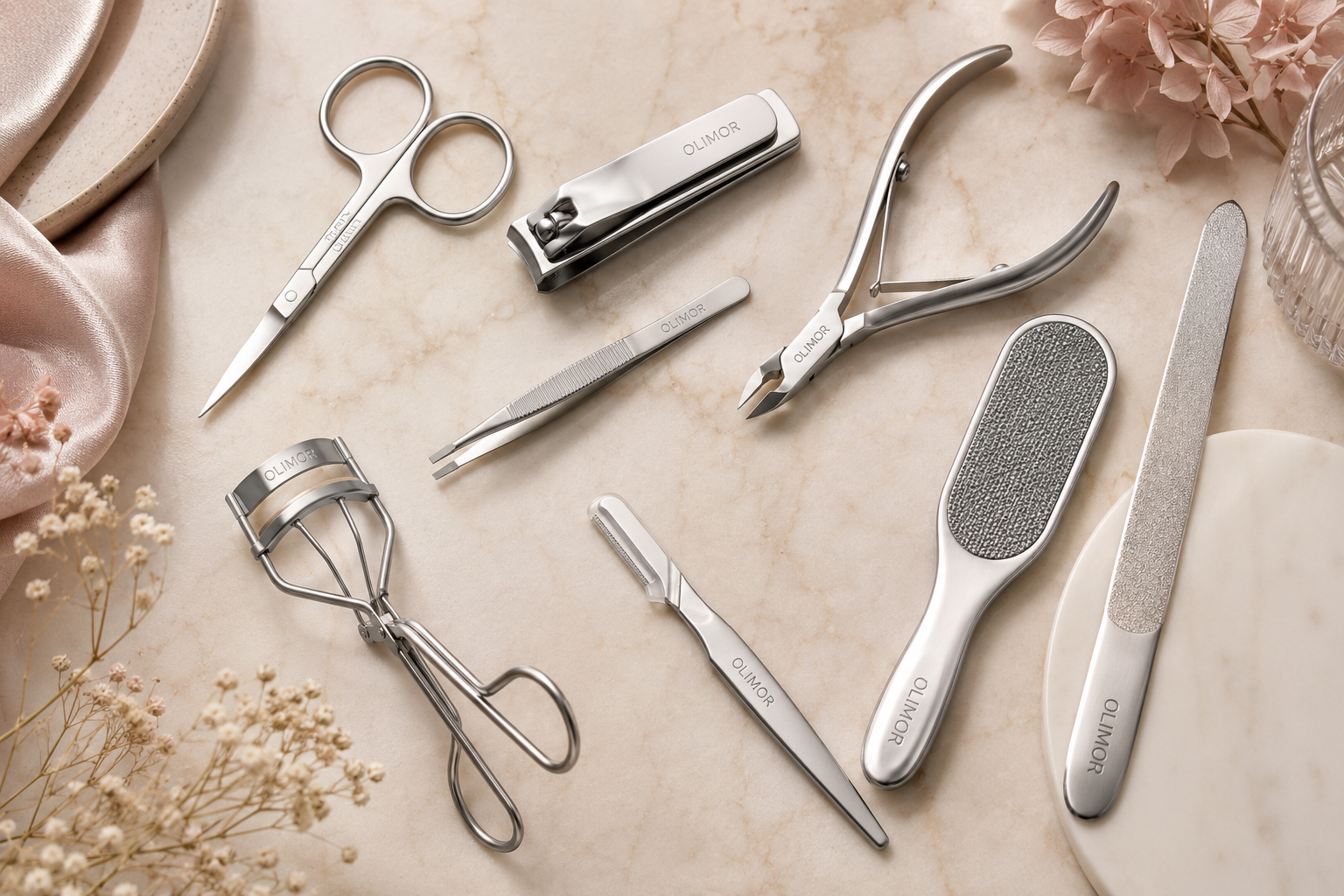
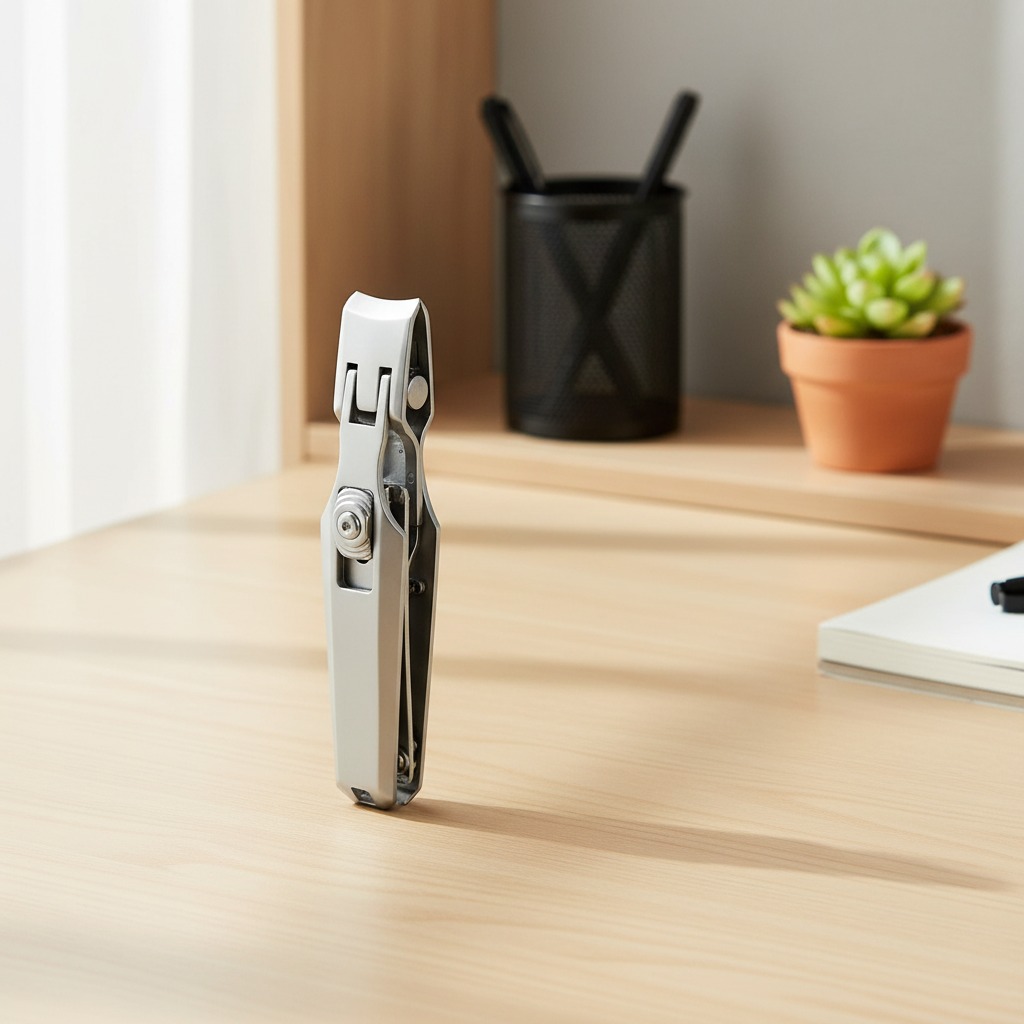
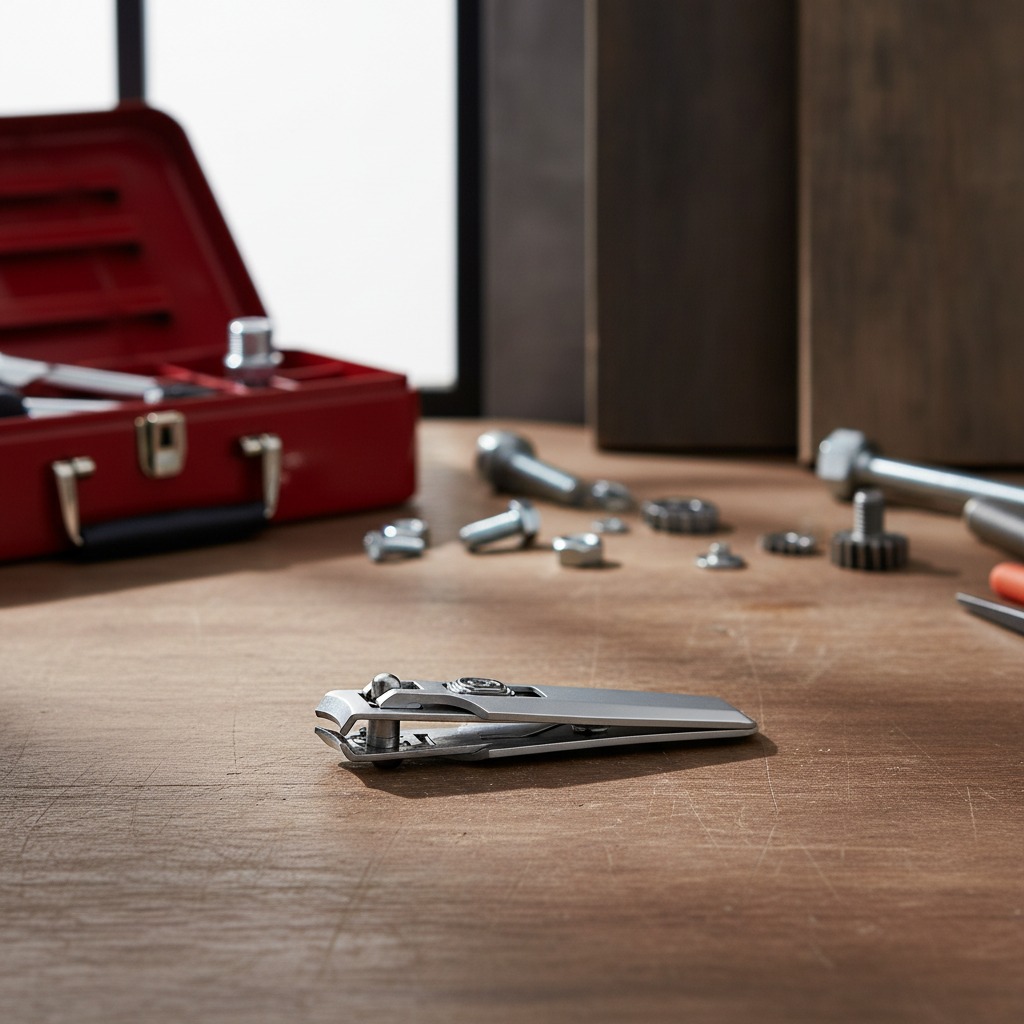
The supplied Olimor Beauty nail clipper example is described as a sleek, modern tool measuring 91 mm in length and 16 mm in width, with a weight of 48 grams. Those dimensions indicate a compact grooming tool that is light enough for personal use while still offering a substantial feel. When reviewing any similar nail clipper from China, buyers should treat such details as part of a broader specification sheet rather than a final purchasing decision on their own.
China Sourcing Compared with Local Alternatives
Local suppliers may be convenient when a buyer needs short lead times, small replenishment quantities, or simplified communication within the same market. Domestic sourcing can also reduce customs paperwork and may be easier for urgent replacement orders. However, local supply often relies on imported products somewhere upstream, which can limit control over tooling, finish, packaging, and long-term price negotiation.
Importing directly from China gives buyers more room to compare manufacturers, evaluate different finish options, and align the product with specific retail or professional channels. A beauty retailer may prioritize attractive packaging and smooth finishing, while a wholesaler may care more about carton strength, barcode placement, and consistent bulk inspection. A salon supplier may look for a professional hand feel and reliable cutting action because the product will be judged by frequent users.
The trade-off is that direct importing requires better preparation. Buyers should plan around sampling, production confirmation, export packaging, shipping schedules, and destination-country requirements. If your company is building a wider assortment, it can help to review related beauty tool products and compare nail clippers with files, tweezers, manicure sets, and other grooming accessories that may ship together.
Key Quality Checks Before Placing an Order
Because nail clippers are mechanical tools, quality is best judged through both visual inspection and use testing. A polished product may still fail if the jaws do not meet evenly or if the lever pressure feels unstable. Before confirming a production order, create a written checklist that your purchasing, quality, and sales teams can all understand.
- Cutting edge alignment: The upper and lower blades should meet evenly without visible offset.
- Sharpness and cutting feel: The clipper should cut sample nails or suitable test material cleanly without crushing or slipping.
- Lever action: Movement should feel controlled, not loose, gritty, or excessively stiff.
- Surface finish: Check for scratches, plating marks, stains, burrs, or uneven polishing.
- Corrosion resistance expectations: Confirm the intended storage and use environment, especially for bathroom, travel, or salon channels.
- Dimensional consistency: Compare production samples against confirmed measurements and weight targets when these are part of the specification.
- Safety and edge finishing: Non-cutting edges should not feel sharp to the hand during normal use.
- Packaging fit: The clipper should not shift excessively, scratch against inserts, or damage the retail pack during transport.
For a product such as the 91 mm by 16 mm Olimor Beauty nail clipper described above, a buyer may also evaluate whether the size suits the intended audience. A compact clipper may work well for travel kits, general retail displays, and personal grooming sets, while larger or specialty tools may be better for toenails or professional kits. The important point is to match the tool to the customer’s actual use case.
How to Evaluate a Nail Clipper Global Supplier
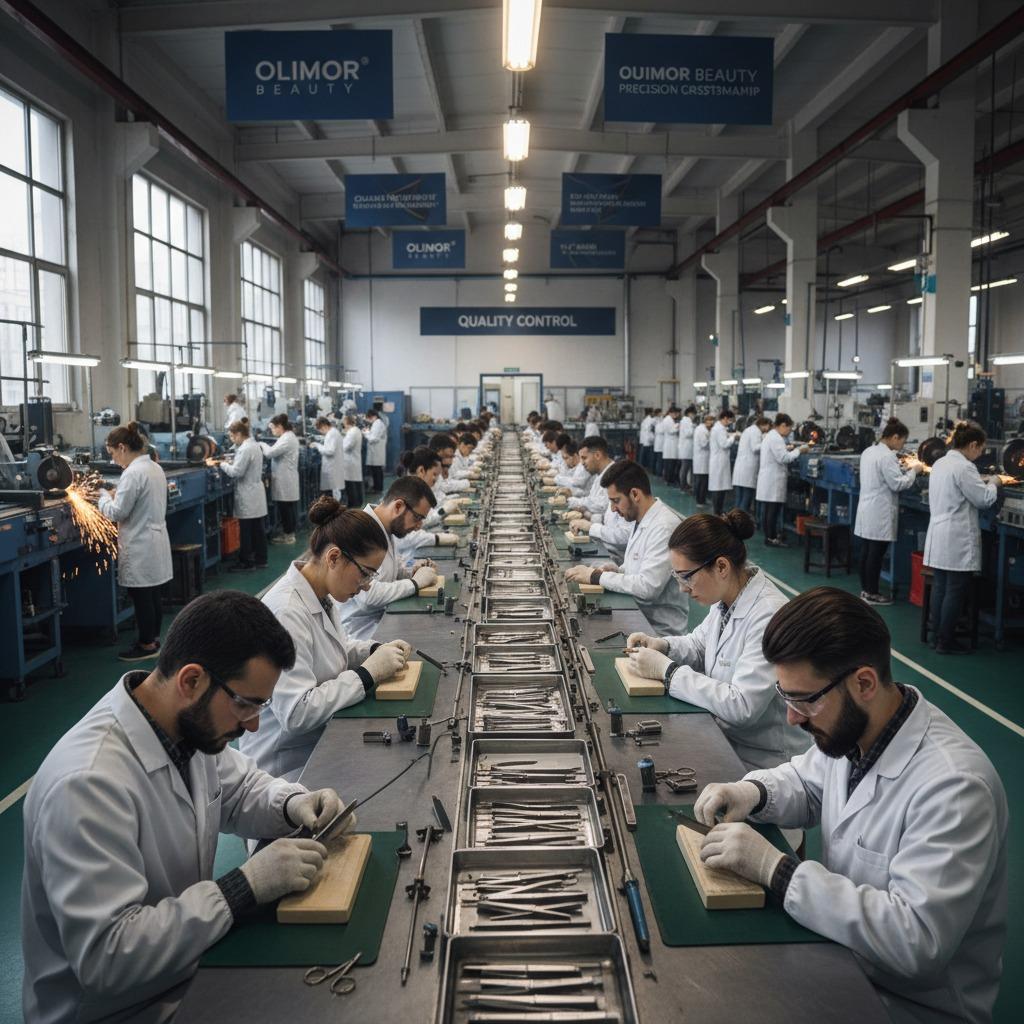
A capable nail clipper global supplier should be able to discuss more than a product photo. Buyers should look for clear communication around materials, production steps, finishing choices, packaging structure, labeling, and inspection points. When a supplier can explain what is controlled during manufacturing, it is easier to reduce misunderstandings before production begins.
Useful supplier evaluation areas include:
- Product specification control: Confirm dimensions, weight, finish, function, and packaging in writing before production.
- Sample approval process: Keep approved samples, photos, and written notes so production can be compared against a clear reference.
- Inspection method: Define how many pieces will be checked and which defects are considered critical, major, or minor.
- Export packaging plan: Review inner packing, master carton strength, moisture protection, and carton markings.
- Communication reliability: A supplier should answer technical and commercial questions clearly, not only provide a price.
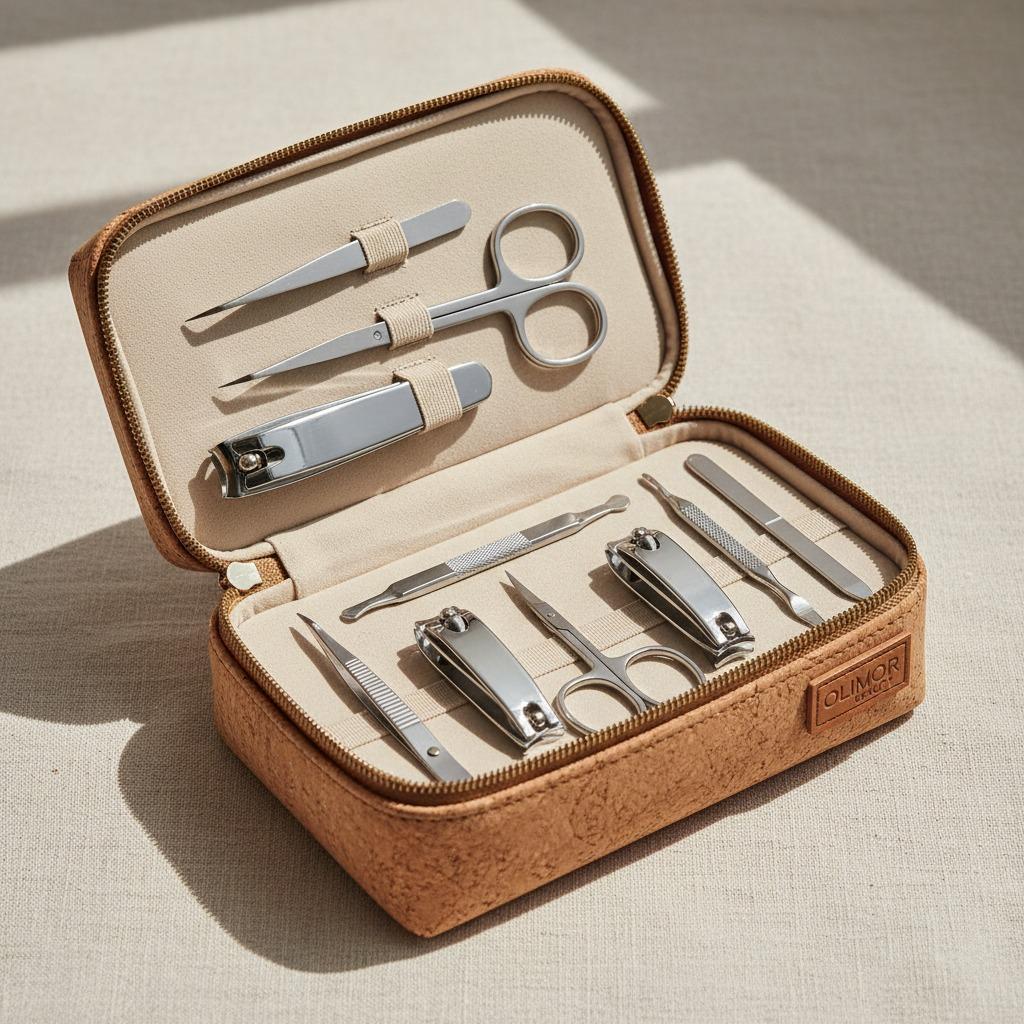
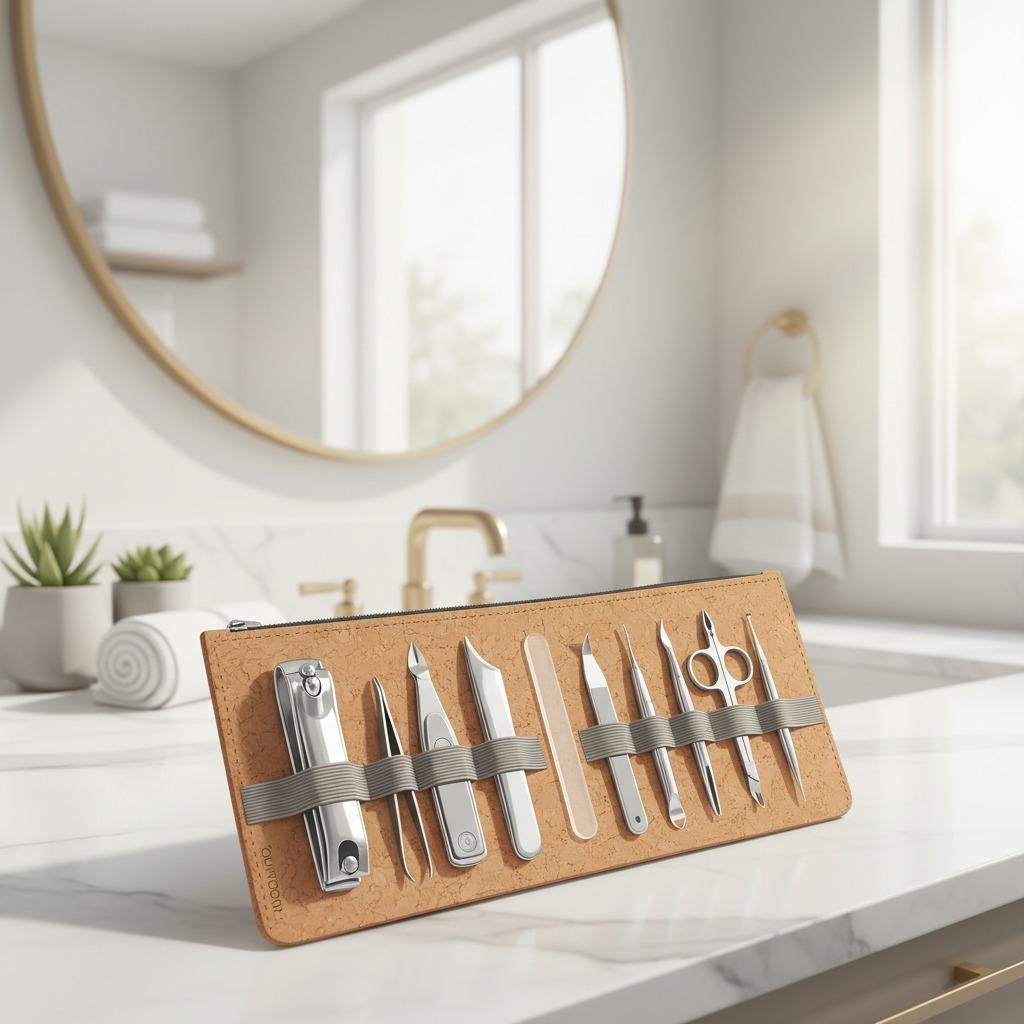
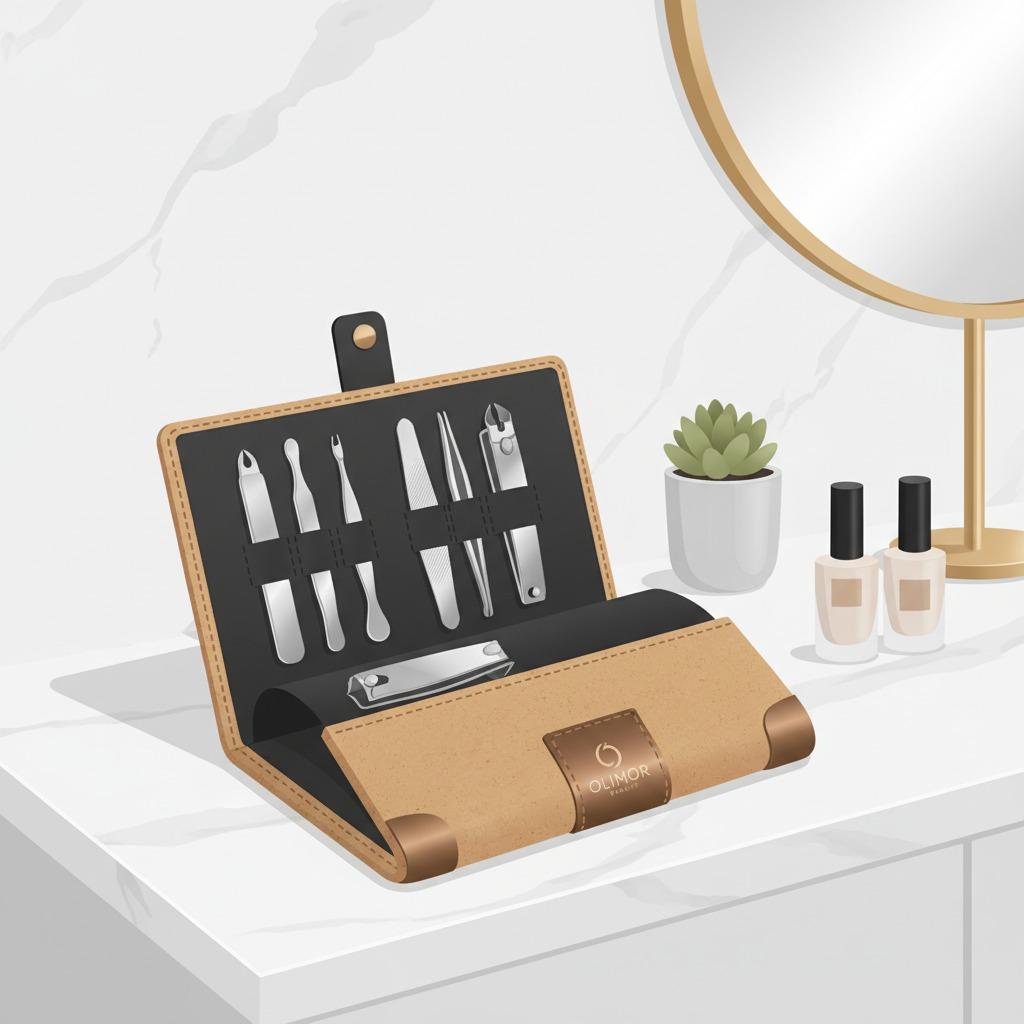
If you are comparing nail clippers with other grooming tools, Olimor’s product collections can help you think through category structure and how items may fit into retail, wholesale, or promotional assortments. For a sourcing discussion based on your target market and packaging needs, you can also send an inquiry.
Packaging, Labeling, and Retail Readiness
Packaging is a major sourcing decision for nail clippers because it affects both cost and customer perception. A simple bulk pack may be suitable for hospitality kits, refill programs, or assembly into manicure sets. A blister card, paper box, hanging card, or pouch may be more appropriate for retail display. The best packaging choice depends on the selling channel, expected shelf presentation, and destination-market labeling rules.
Before confirming packaging, check whether your market requires country-of-origin marking, importer information, barcode placement, recycling symbols, warning language, or specific retail dimensions. Even when the nail clipper itself is acceptable, weak packaging can create problems such as scratched surfaces, bent cards, loose product movement, or carton compression during ocean or air transport.
| Buyer Need | Packaging Focus | Why It Matters |
|---|---|---|
| Retail display | Hanging hole, barcode area, front visibility | Improves shelf handling and customer recognition. |
| Wholesale distribution | Strong cartons, clear item labels, easy counting | Reduces warehouse confusion and handling damage. |
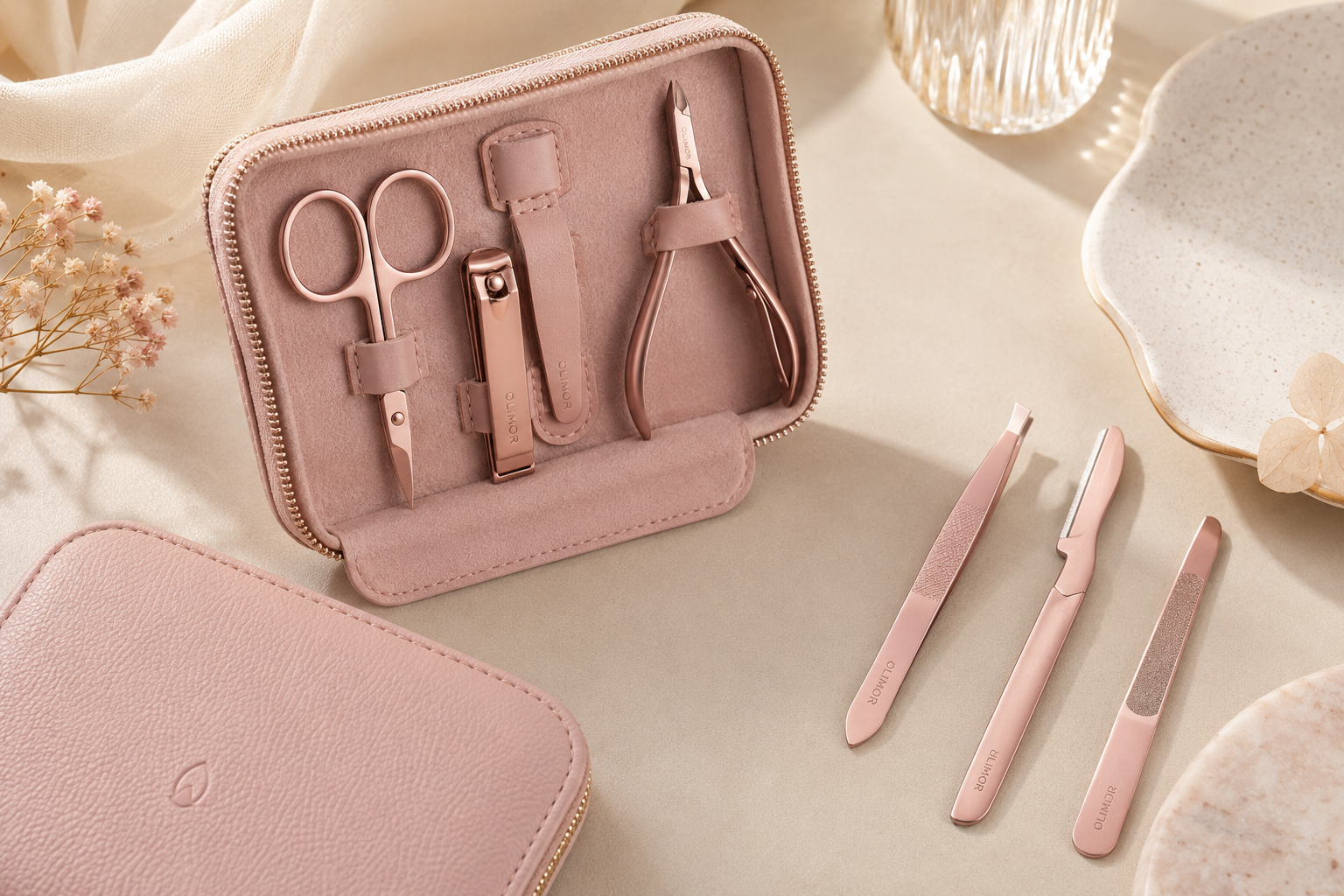
| Travel or gift sets | Compact fit, scratch protection, coordinated appearance | Helps the clipper integrate with other grooming tools. |
| Online sales | Protective inner pack and accurate product images | Supports delivery condition and reduces complaints. |
Logistics and Export Planning for Nail Clipper Orders
Nail clipper export from China typically involves sample confirmation, order placement, production, inspection, export packing, customs documentation, and international freight. The right shipping method depends on order size, urgency, packaging volume, and destination. Air freight may suit urgent or smaller shipments, while sea freight is often considered for larger commercial orders where transit time is less critical.
Buyers should confirm carton dimensions, gross weight, packing quantity, and shipping marks before the goods leave the factory. These details help freight forwarders quote accurately and help destination warehouses prepare for receiving. It is also wise to align payment terms, inspection timing, and shipment release procedures before production starts, rather than trying to solve these issues after the goods are ready.
Building a Better Import Specification
A strong specification reduces risk in international nail clipper trade. Instead of ordering only by photo, define the product in practical terms: size, approximate weight if required, finish, cutting performance expectations, packaging type, logo or label placement if applicable, carton packing, and acceptable defect standards. Keep communication simple but specific.
For beauty tool buyers, the goal is not to find the lowest quote in isolation. The goal is to source a nail clipper that fits your customer, arrives in sellable condition, and can be reordered with consistent results. When you are ready to compare options or clarify whether a current design suits your channel, contact Olimor with your target use, destination market, and packaging expectations. A better brief leads to a better sourcing outcome.