











Import Nail Clippers from China: Practical Sourcing Guide for Beauty Tool Buyers
Importing nail clippers from China can be a strong option for beauty tool distributors, grooming brands, retail buyers, salon suppliers and e-commerce sellers who need consistent products at workable margins. The opportunity is not only about low unit cost. A successful import program depends on choosing the right nail clipper type, checking the cutting performance, confirming packaging requirements, and building a repeatable quality process before the goods leave the factory.
China has a broad supply base for manicure and pedicure tools, from simple household clippers to more refined grooming tools for retail sets. That variety is useful, but it also means buyers need clear specifications. A nail clipper looks simple, yet small differences in steel thickness, blade alignment, lever tension, edge finishing and plating can affect the customer experience. This guide explains how to evaluate a nail clipper export project from China in a practical way, using buyer-focused checks rather than generic sourcing claims.
Start with the exact nail clipper your market needs
Before comparing suppliers, define the product role. A nail clipper for a supermarket checkout display is not the same as one for a salon kit, a travel grooming set, or a private-label beauty accessory line. Buyers who begin with a vague request such as “stainless steel nail clipper” often receive quotes that are hard to compare because each factory may quote a different size, surface finish, blade profile or packaging format.
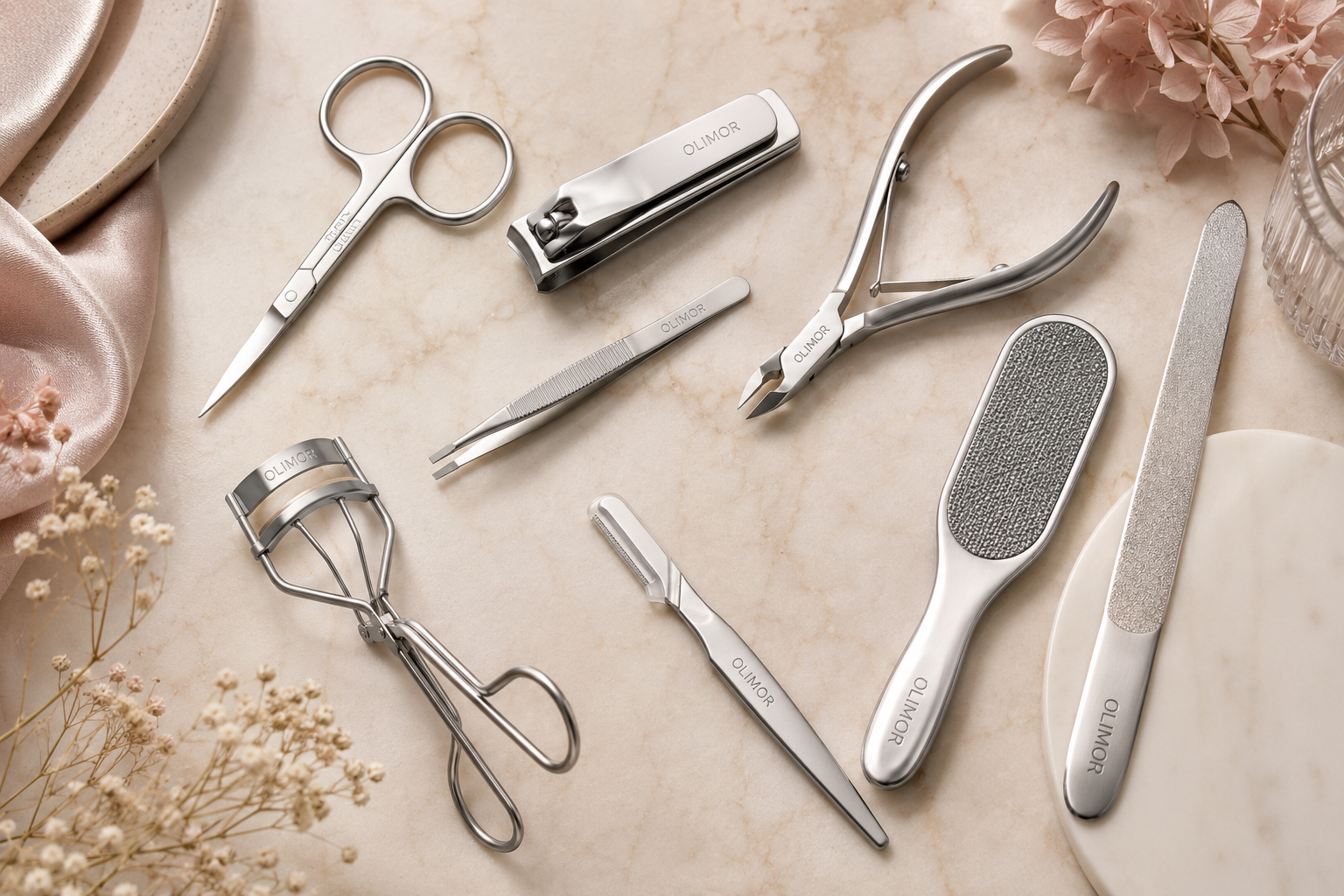
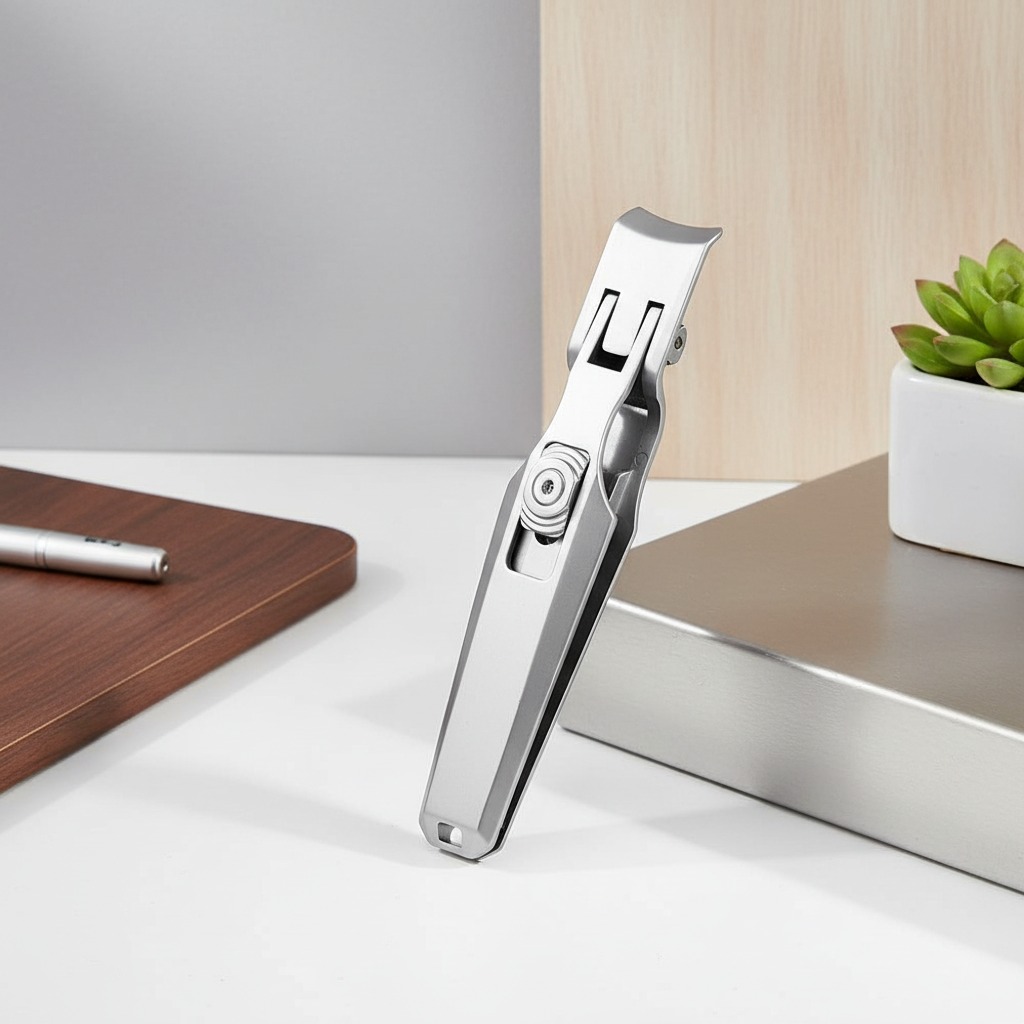
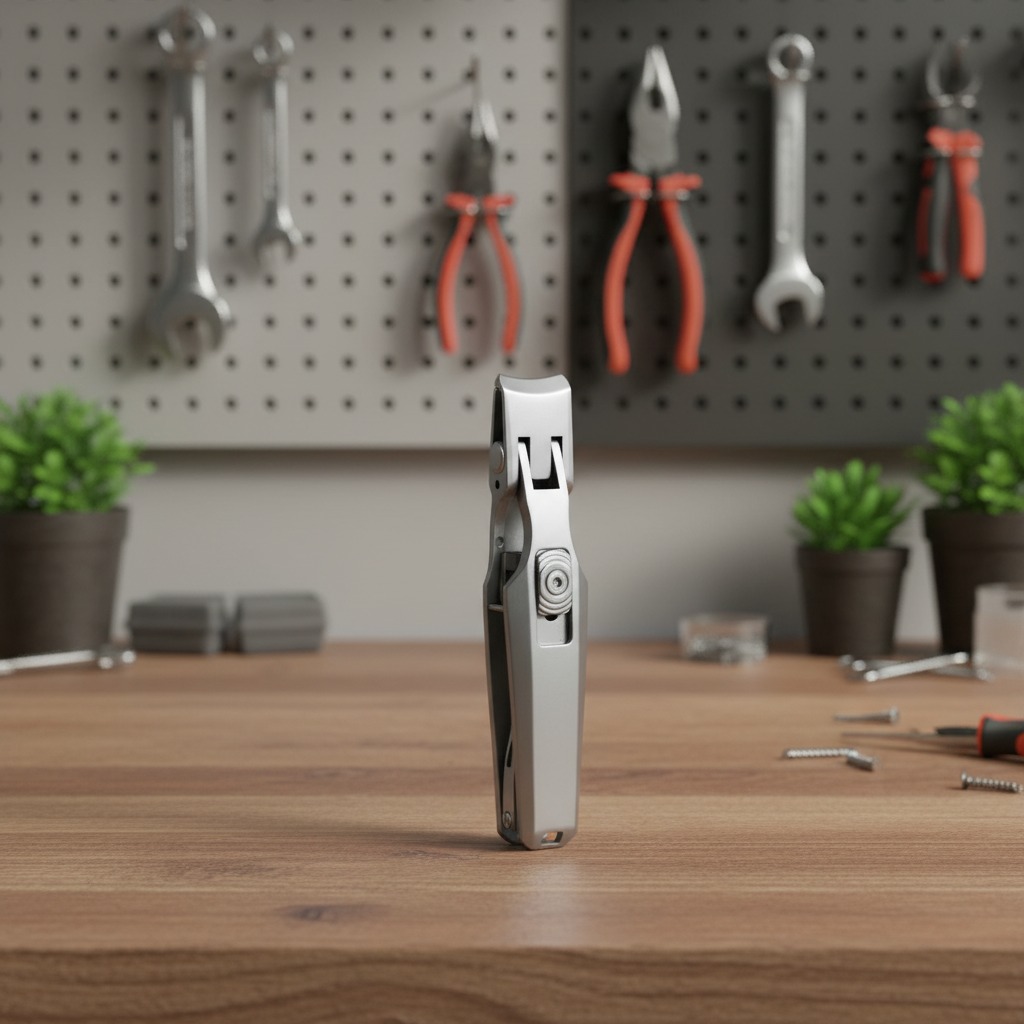
The supplied example from Olimor Beauty is a stainless steel nail clipper measuring 91 mm in length and weighing 48 g. Those two details matter because length and weight influence grip comfort, perceived value and shipping weight. A longer clipper may feel more stable for adult use, while a lighter unit can be better for travel packs or online bundles where logistics cost is important. When reviewing beauty tool products, treat dimensions and weight as part of the commercial specification, not minor details.
Useful starting criteria include:
- User group: adults, travel users, salon professionals, gift buyers, or general household customers.
- Clipper size: compact, standard or longer-grip format depending on hand comfort and nail thickness.
- Material: stainless steel is common for grooming tools, but buyers should still confirm finish, corrosion expectations and edge treatment.
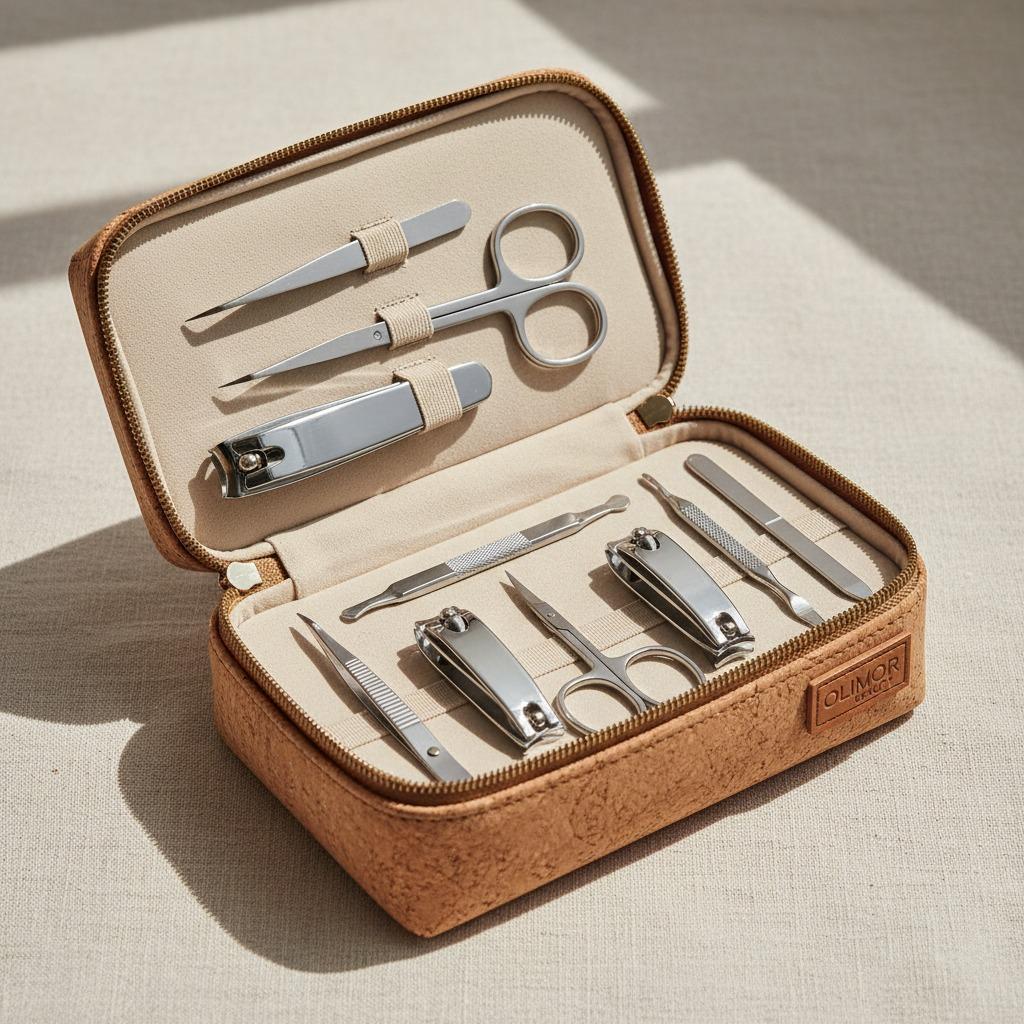
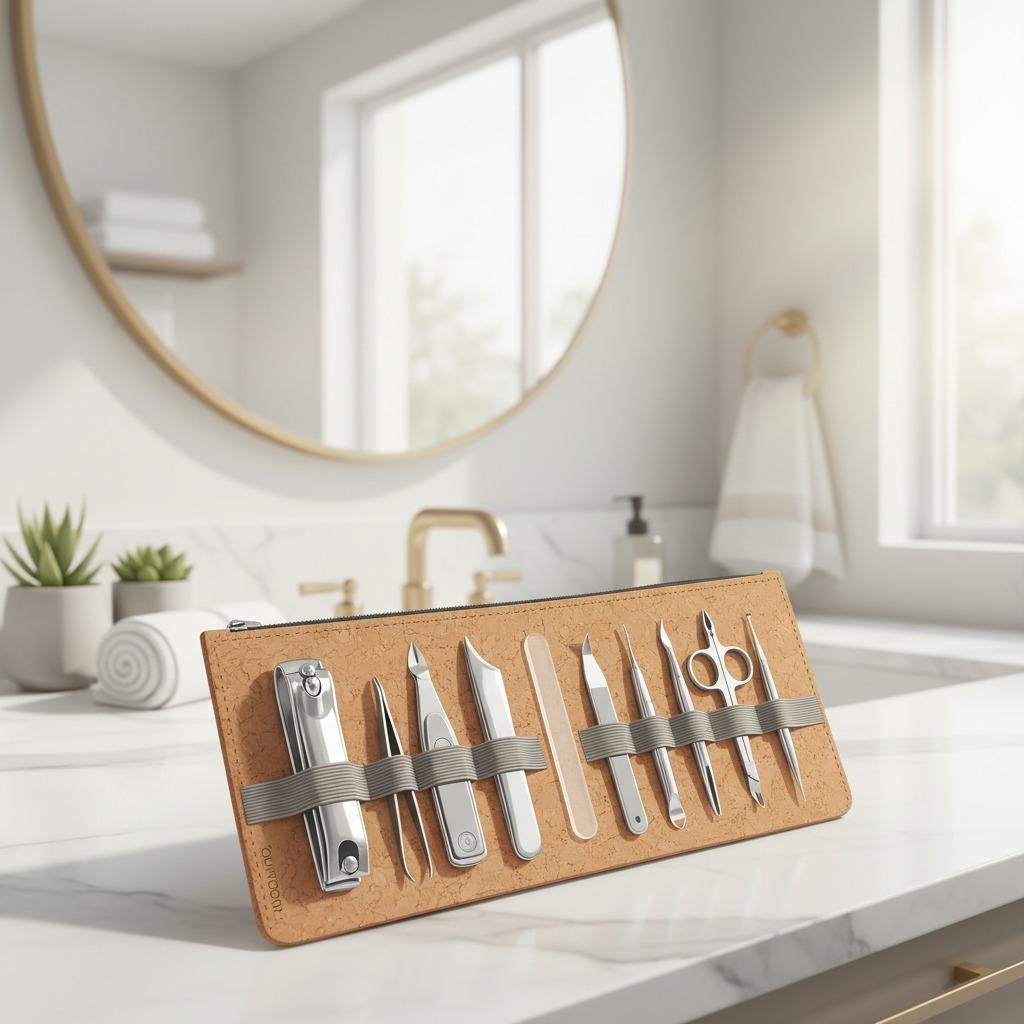
- Function: standard cutting only, integrated file, catcher design, or set inclusion with tweezers, scissors or other tools.
- Packaging: bulk pack, blister card, paper box, pouch, display box or private-label retail packaging.
Compare suppliers by specification, not only by price
In the international nail clipper trade, the lowest quote is rarely the full answer. Two clippers may look similar in a photo but perform differently after repeated use. Blade sharpness, jaw alignment and lever movement are especially important because the end user immediately notices pulling, splitting or uneven cutting. A supplier comparison should therefore include samples, physical measurements and packaging review, not only a price sheet.
When comparing nail clipper global suppliers, create one specification sheet and ask each supplier to quote against that same document. This helps avoid mismatched quotations. For example, one supplier may quote a plain bulk-packed item, while another includes individual packaging, barcodes or an upgraded finish. Without a common reference, the cheaper quote may not actually represent the same product.
| Comparison point | Why it matters | What to check before ordering |
|---|---|---|
| Blade alignment | Misalignment causes rough cuts and customer complaints. | Close the clipper slowly and check whether the edges meet evenly from side to side. |
| Lever tension | Too loose feels weak; too tight is uncomfortable for repeated use. | Test several sample units, not only one hand-selected sample. |
| Surface finish | Visible scratches or rough edges reduce retail appeal. | Inspect edges, corners, underside and pivot area under normal light. |
| Weight and dimensions | Affects grip feel, listing accuracy and shipping estimates. | Measure samples and compare them with the approved specification. |
| Packaging strength | Weak packaging can be damaged during ocean or air shipment. | Review carton packing, inner protection and retail pack durability. |
Quality control points for nail clipper imports
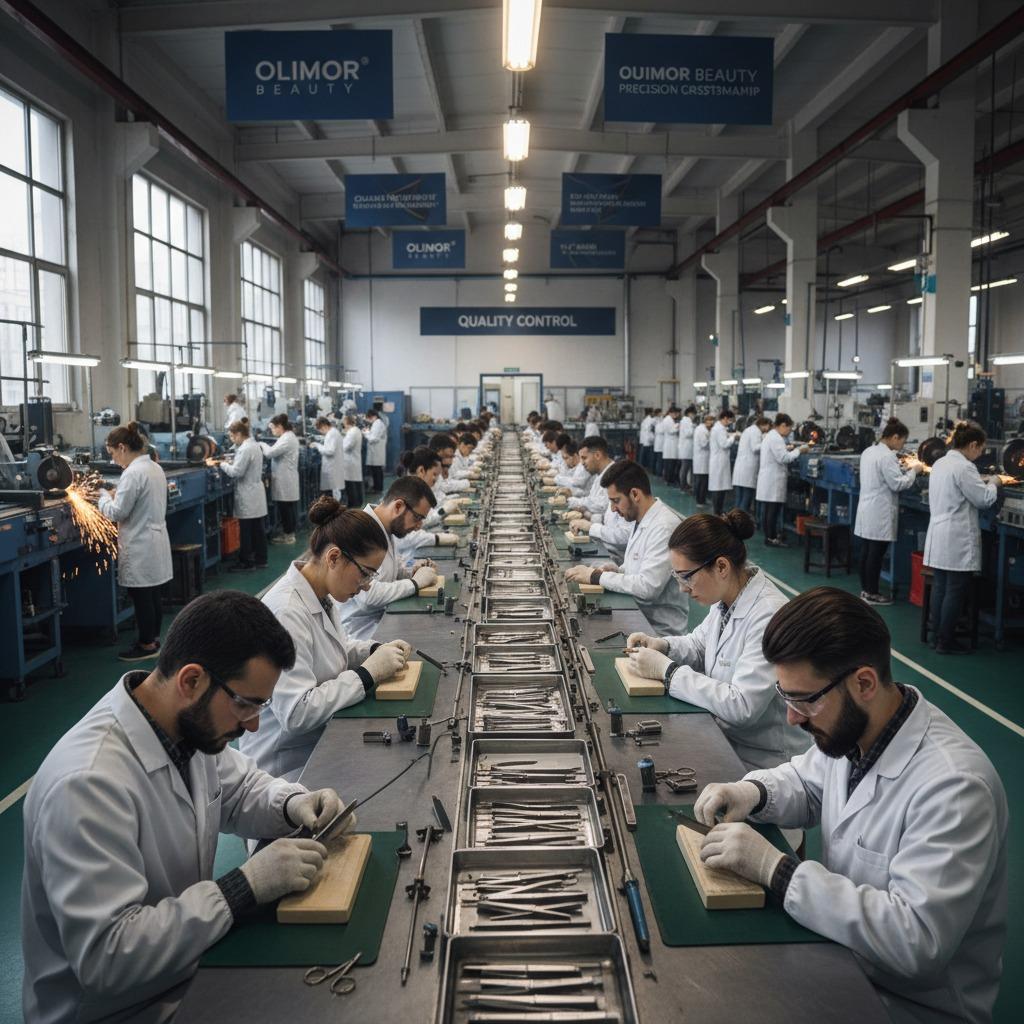
Nail clippers are small, but quality control should be structured. A good inspection plan separates appearance, function and packaging checks. For retail orders, appearance defects can be just as costly as functional failures because a scratched or poorly finished clipper may be returned even if it cuts properly. For salon and professional supply channels, consistent cutting performance is usually the key concern.
For stainless steel nail clippers, buyers should pay attention to the cutting edge, pivot point and finish. The lever should lift and press smoothly. The jaws should not wobble excessively. The tool should feel stable in the hand and should cut cleanly without requiring excessive force. If the product includes an integrated file or other secondary feature, that feature should also be checked for usability and safe finishing.
A practical pre-shipment inspection can include these steps:
- Confirm product identity: match the item to the approved sample, including size, weight range, shape, finish and packaging.
- Check cutting function: test a reasonable sample quantity for clean cutting action and smooth lever operation.
- Review safety finish: look for burrs, sharp unintended edges, loose parts or rough contact points.
- Inspect appearance: check for stains, scratches, color variation, plating issues or inconsistent polishing.
- Verify labeling: confirm barcode, item name, country-of-origin marking, care text and any importer-required information.
- Assess carton packing: review carton strength, quantity per carton, inner packing and shipping marks.
For repeat orders, keep a retained approved sample. This creates a practical benchmark for future production and reduces disputes caused by subjective descriptions such as “good quality” or “better finish.”
Packaging and branding decisions for import buyers
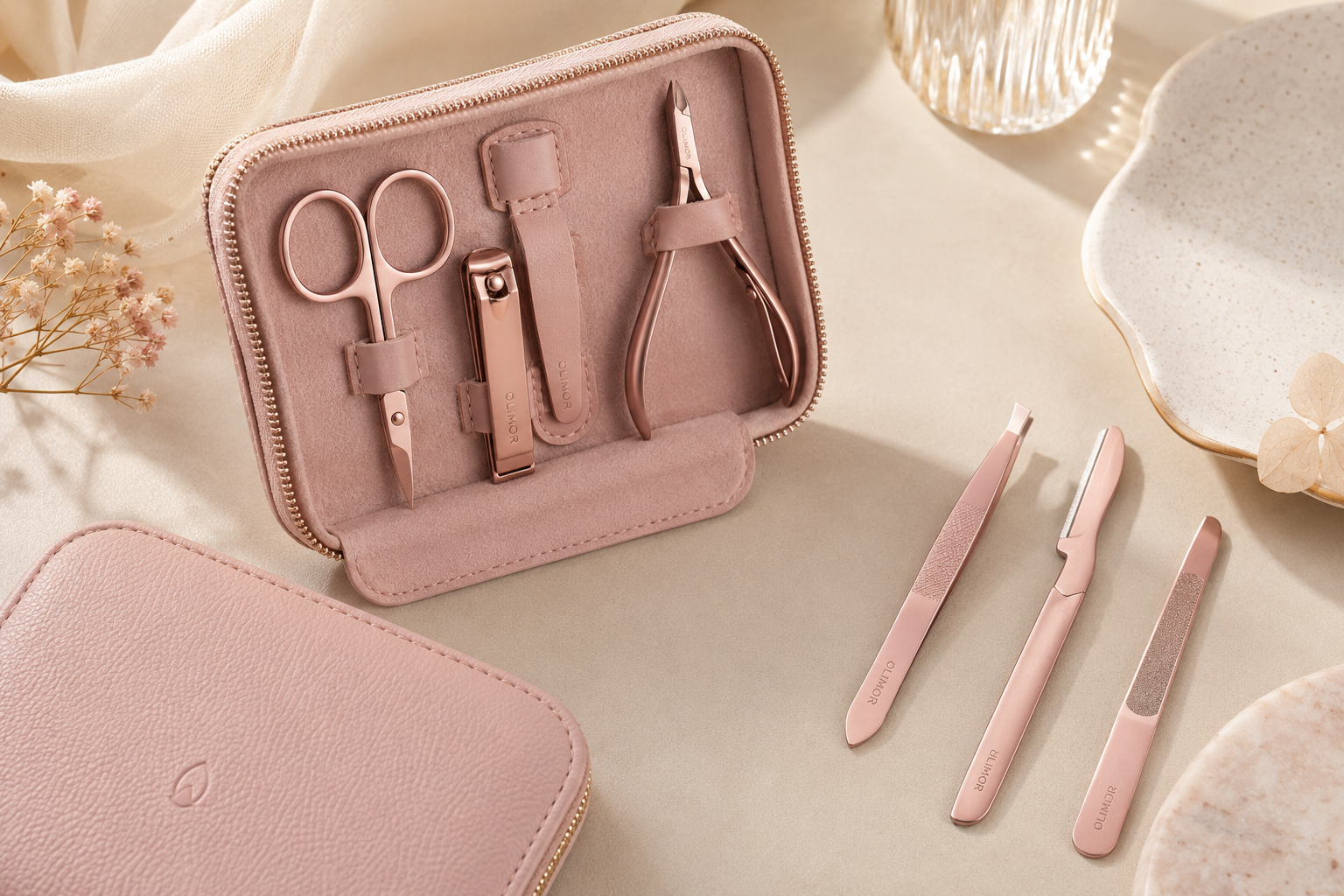
Packaging can change the economics of importing nail clippers from China. A plain bulk-packed clipper may suit wholesalers or kit assemblers, while retail channels often need packaging that protects the product, communicates basic use, and fits shelf or online presentation requirements. If the nail clipper is part of a grooming set, the packaging also needs to keep every component in place during transport.
Buyers should decide early whether the order requires neutral packaging, customized artwork or private-label presentation. Packaging artwork can affect lead time because it may require design confirmation, print proofing and barcode verification. For online marketplaces, the packaging must also support accurate listing images and reduce damage during fulfillment. For offline retail, hanging holes, display trays and readable product information may be more important.
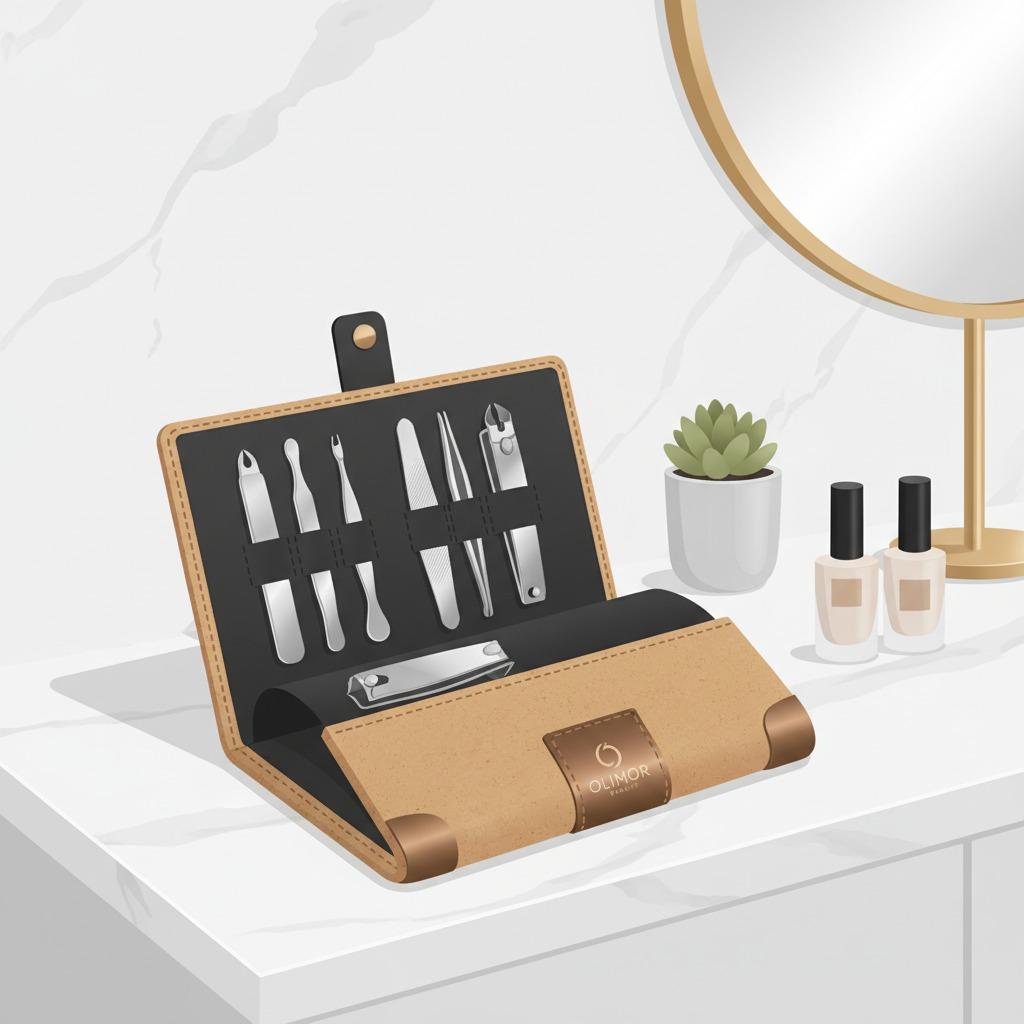
If you are building a broader grooming assortment, it can help to review Olimor product collections and consider whether the nail clipper should match other tools in color, finish, packaging size or overall positioning. Consistent packaging across a range can make a small beauty tool line feel more organized and easier for buyers to understand.
Cost planning beyond the factory quote
The quoted unit price is only one part of the total landed cost. Importers should calculate packaging cost, inland transport, export handling, international freight, insurance if used, duties, customs brokerage, destination handling, warehousing and local delivery. Nail clippers are compact, but packaging style can significantly change carton volume. A retail blister card or gift box may take more space than the metal tool itself.
When comparing suppliers, request packing details such as units per inner box, units per master carton, carton dimensions and gross weight. These details help estimate freight cost and avoid surprises after production. For e-commerce sellers, also consider fulfillment fees and storage charges. A slightly higher product cost may be acceptable if the packaging reduces returns, improves reviews or lowers fulfillment problems.
Buyers should also prepare for sample charges, artwork proofing costs, inspection fees and possible testing expenses depending on the destination market. Do not treat these as unexpected extras; include them in the sourcing plan from the beginning.
Compliance, documentation and market readiness
Import requirements differ by destination country and sales channel. Nail clippers may appear simple, but importers still need correct commercial documents and product labeling. Marketplace platforms, retailers or customs brokers may request information about material, country of origin, packaging, item description and supplier details. If the product is sold in a manicure set, requirements may apply to the full set rather than only the clipper.
A neutral buyer checklist should include commercial invoice, packing list, product description, HS code review with a customs professional, shipping marks, country-of-origin marking, and any labeling required by the importer’s market. If the product will be sold under a private label, the brand owner should confirm artwork responsibility, trademark clearance and packaging language before production begins.
How to work with Olimor on a nail clipper sourcing project
A clear inquiry makes supplier communication faster and more accurate. Instead of asking only for the “best price,” provide the target size, material preference, expected packaging, order use, destination market and whether customization is needed. If you are not sure which format fits your market, share the sales channel and buyer profile so the discussion can focus on realistic options.
Olimor Beauty works with beauty tools, and the stainless steel 91 mm, 48 g nail clipper shown on this page is an example of the type of practical grooming product that importers may evaluate for their assortment. Buyers can contact Olimor for product discussion or send an inquiry with specifications, packaging needs and target market details.
The best import results come from treating the nail clipper as a precise grooming tool rather than a commodity. Define the product, approve samples carefully, compare suppliers on the same specification, check packaging before production, and plan the landed cost. With those steps in place, importing nail clippers from China can support a stable, scalable beauty tool program for retail, wholesale and professional grooming channels.