











Importing Nail Clippers from China: A Practical Guide for Beauty Tool Buyers
For beauty retailers, grooming brands, distributors, salon suppliers, and private-label buyers, the decision to import nail clippers from China is usually driven by three practical needs: stable supply, a broad choice of designs, and competitive unit cost. Nail clippers are small products, but sourcing them well is not a small decision. Blade sharpness, alignment, surface finish, spring tension, packaging strength, and consistency across cartons all affect customer satisfaction and repeat orders.
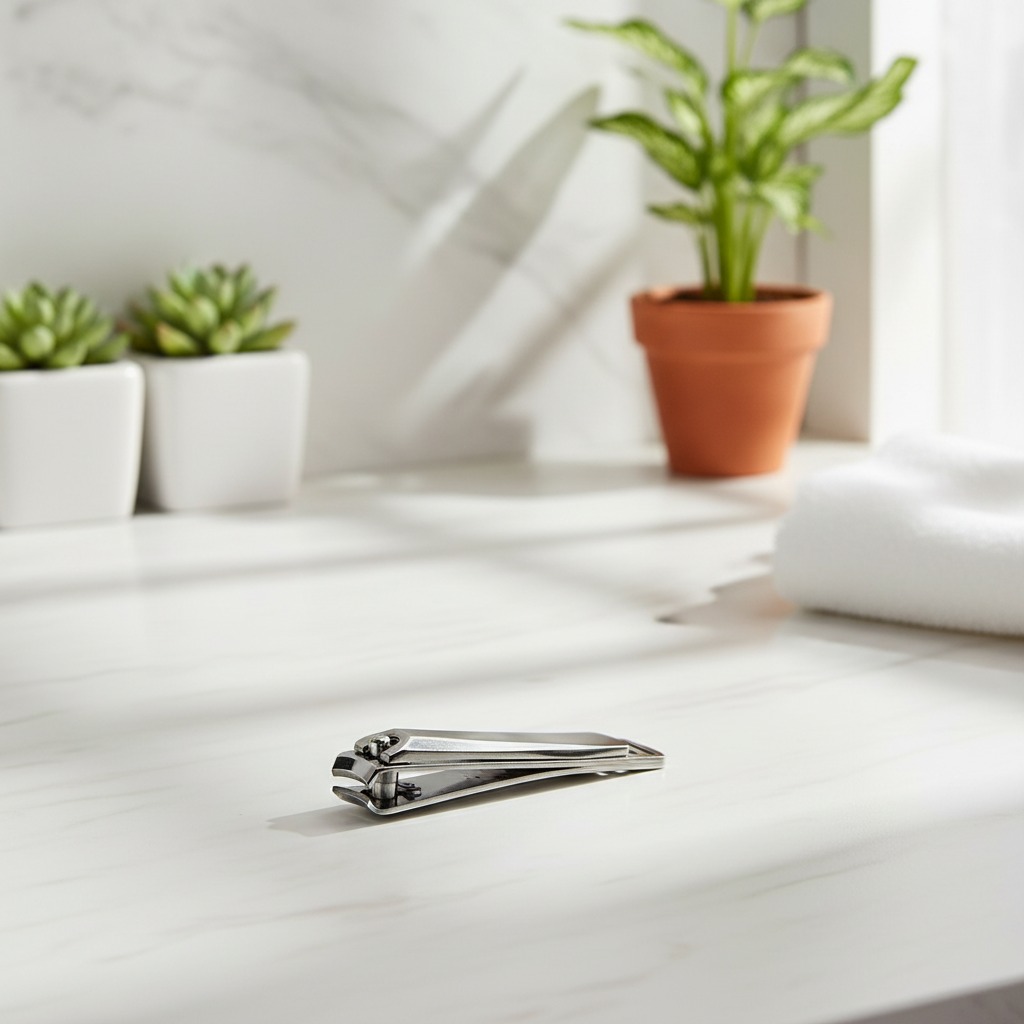
China remains an important manufacturing base for manicure and grooming tools because buyers can compare many product formats, from minimalist travel clippers to stainless steel models with built-in files. The original product information for this article highlights stainless steel construction, sharp blades, ergonomic handling, built-in filing functions, compact 70mm options, and lightweight models around 30g. Those details are useful because they point to what buyers should evaluate before placing an order: not only how the clipper looks, but how it cuts, feels, packs, and performs after repeated use.
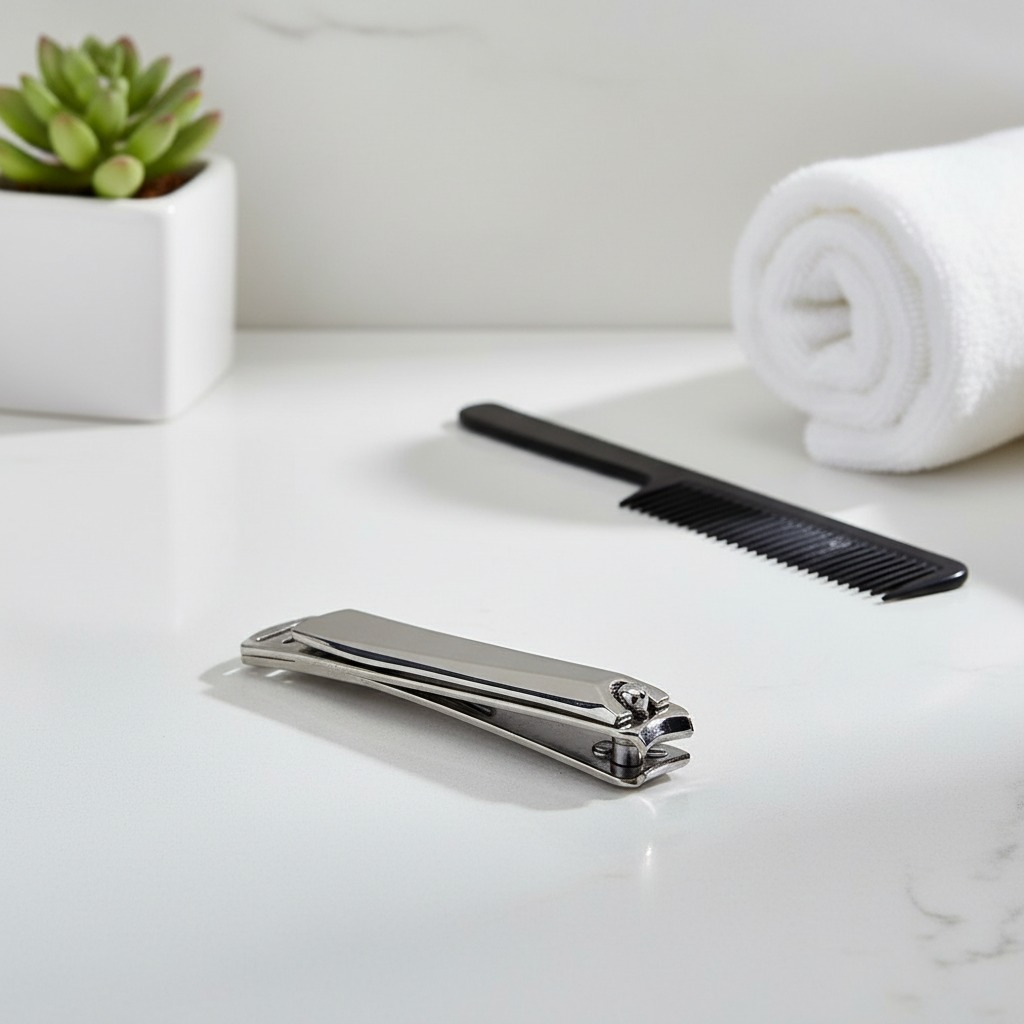
Why Nail Clippers Are Commonly Imported from China
Nail clippers are high-volume grooming tools with wide consumer demand. They are sold through pharmacies, beauty stores, supermarkets, nail salons, travel kits, gift sets, ecommerce channels, and hotel amenity programs. Because the product is compact and relatively easy to ship compared with bulky beauty equipment, international buyers often evaluate China as a sourcing destination for both standard and customized supply.
The appeal is not only price. Buyers often look to China for product variety: different handle shapes, lever designs, finishes, sizes, packaging formats, and accessory combinations. A clipper may be positioned as a budget household item, a travel grooming tool, a salon retail add-on, or part of a broader manicure set. That flexibility matters for buyers building product ranges across multiple price points.
However, a lower quoted unit price is only useful when the product meets the market’s quality expectations. A nail clipper that tears nails, loses sharpness quickly, pinches during use, or arrives with scratched plating can create returns and poor reviews. The best sourcing decisions combine cost comparison with a structured quality checklist.
Product Features Buyers Should Compare Before Ordering
When comparing nail clipper suppliers, it is helpful to look beyond the catalog image. A simple grooming tool has several functional parts, and small differences can change the user experience. Buyers should request clear details, production samples, and packaging samples before confirming a bulk order.
- Material and finish: Stainless steel is commonly valued for grooming tools because it can offer durability and a clean appearance. Check whether the surface is smooth, free from burrs, and resistant to visible spotting under normal storage conditions.
- Blade alignment: The two cutting edges should meet evenly. Misalignment can cause bending, tearing, or incomplete cuts.
- Sharpness and cutting feel: A good clipper cuts cleanly with controlled pressure. Test on different nail thicknesses when possible.
- Lever strength: The lever should feel stable without wobbling excessively. Weak rivets or loose movement may indicate poor assembly control.
- Ergonomics: Compact clippers can be convenient for travel, but the grip should still be comfortable. A 70mm clipper, for example, may suit travel kits or daily carry if the lever is easy to press.
- Built-in file: If the product includes a file, check the texture, placement, and usability. The file should be practical, not only decorative.
- Weight: Lightweight clippers, including models around 30g, can be attractive for portable kits, but buyers should still confirm that the product feels solid enough for the intended market.
- Packaging: Blister cards, boxes, pouches, or bulk packing each serve different channels. Ecommerce packaging should protect the finish during parcel handling.
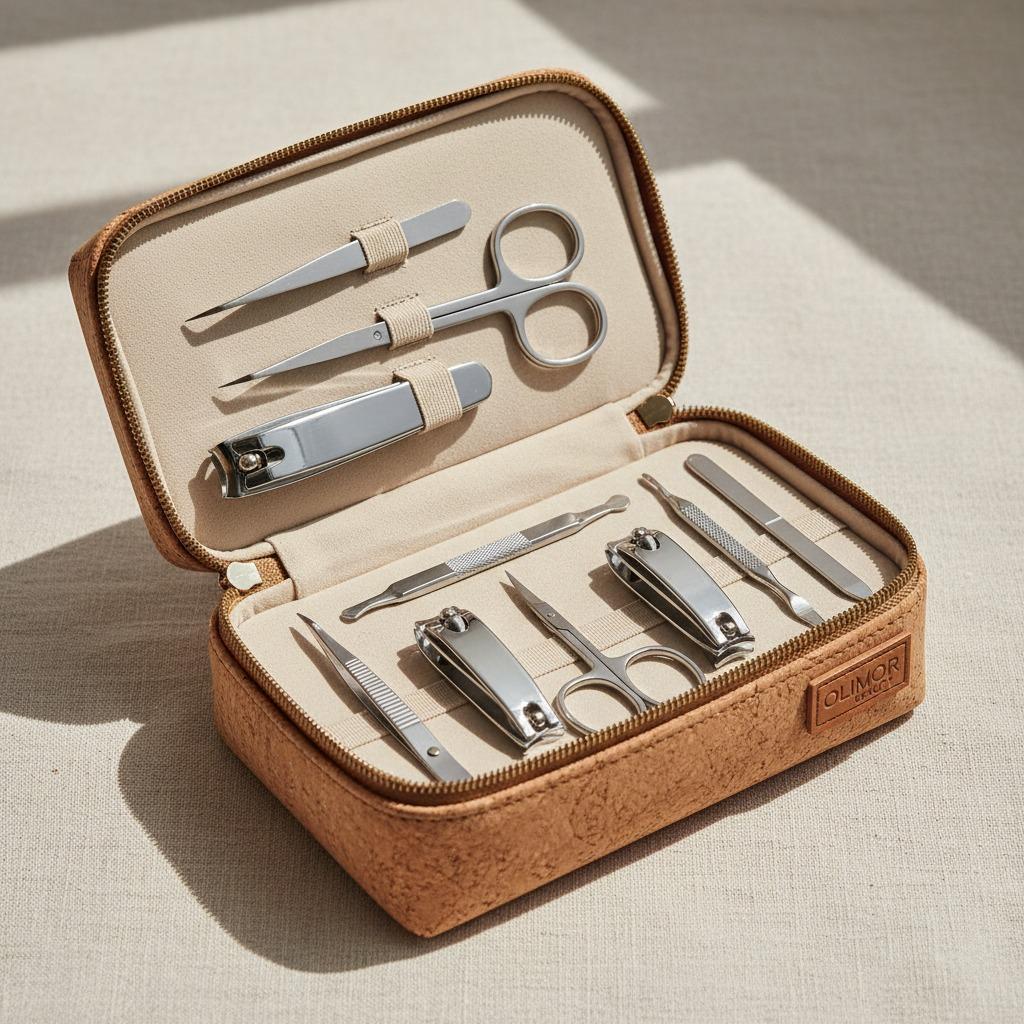
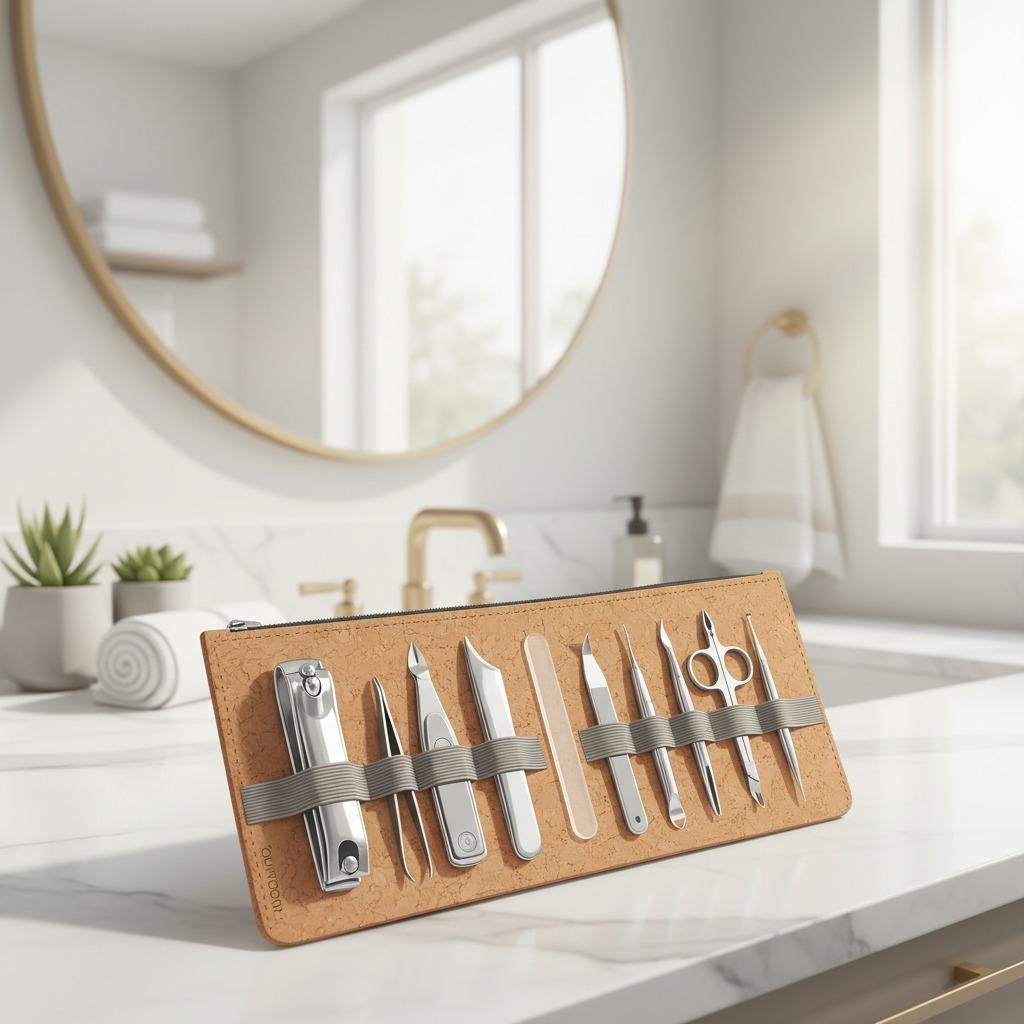
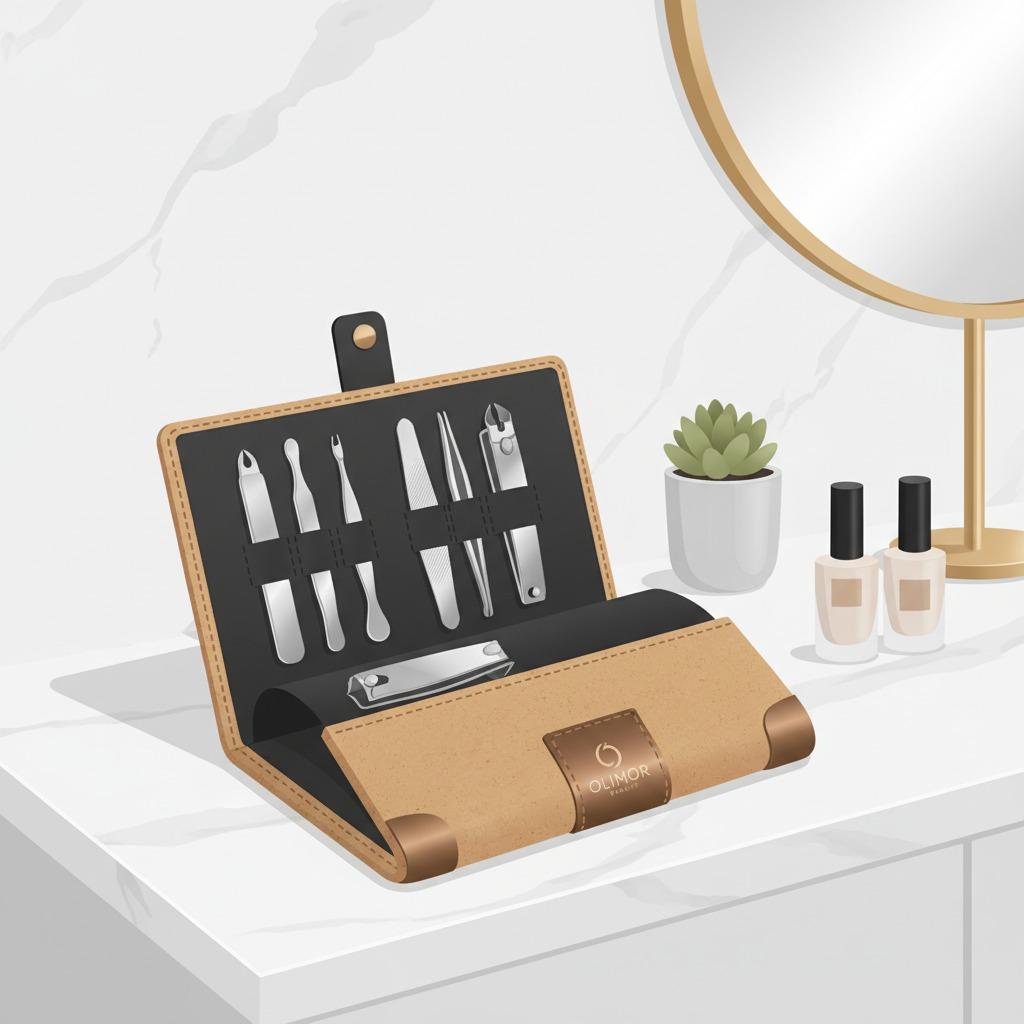
Olimor Beauty works with beauty tool categories where buyers often compare function, finishing, and packaging together. To review broader sourcing options, visit beauty tool products or browse product collections for related grooming and beauty tool categories.
China Sourcing Versus Local Supply: What to Calculate
Local sourcing may offer advantages such as shorter communication loops, smaller replenishment batches, and faster domestic delivery. For urgent orders or region-specific compliance requirements, a local supplier can be convenient. Importing from China, on the other hand, may provide broader selection and better economies of scale when the buyer has enough time to plan production, inspection, and shipping.
The right choice depends on landed cost rather than unit price alone. A nail clipper quoted at a low factory price can become less attractive if the order is poorly packed, shipped inefficiently, or requires rework after arrival. Buyers should calculate the full commercial picture before comparing suppliers.
| Cost or Risk Factor | What Buyers Should Check |
|---|---|
| Product unit cost | Compare like-for-like specifications, not just photos or general descriptions. |
| Packaging cost | Confirm whether retail packaging, barcodes, inserts, or protective sleeves are included. |
| Inspection cost | Plan checks for blade function, finish, quantity, labeling, and carton condition. |
| Freight and duties | Estimate landed cost based on shipping method, destination, tariff classification, and import charges. |
| Defect handling | Agree on acceptable quality expectations and remedies before production begins. |
This comparison is especially important for ecommerce sellers. A small defect rate can become expensive when each customer complaint requires replacement shipping, refund processing, and review management. For wholesale distributors, inconsistent cartons or unclear labeling can slow warehouse receiving and create downstream errors.
How to Evaluate a Nail Clipper Global Supplier
A capable nail clipper supplier should be assessed through samples, documentation, communication quality, and production consistency. Buyers do not need to rely on marketing claims alone. A structured supplier review reduces the chance of misunderstandings and helps both sides define success clearly.
- Start with the intended channel. A salon retail product may need a more polished finish than a basic utility clipper. A travel-size clipper may prioritize compactness and weight.
- Request physical samples. Test cutting performance, lever pressure, file function, and comfort in hand. Check whether the sample quality matches the quoted specification.
- Compare packaging samples. Retail packaging should survive handling, display well, and communicate required information for the market.
- Define inspection points. Include blade alignment, sharpness, surface scratches, rust-like marks, burrs, rivet tightness, logo placement if applicable, and carton labeling.
- Clarify production communication. Confirm how artwork, sample approval, mass production, inspection, and shipment updates will be handled.
- Review after-sales expectations. Agree how quality issues will be documented and resolved if they are found after delivery.
Supplier communication is also a practical signal. Clear answers, consistent sample follow-up, and organized product information often indicate stronger order management. If you are comparing manicure tool options or planning a custom sourcing project, you can send an inquiry or contact Olimor to discuss suitable beauty tool directions.
Quality Inspection Points for Imported Nail Clippers
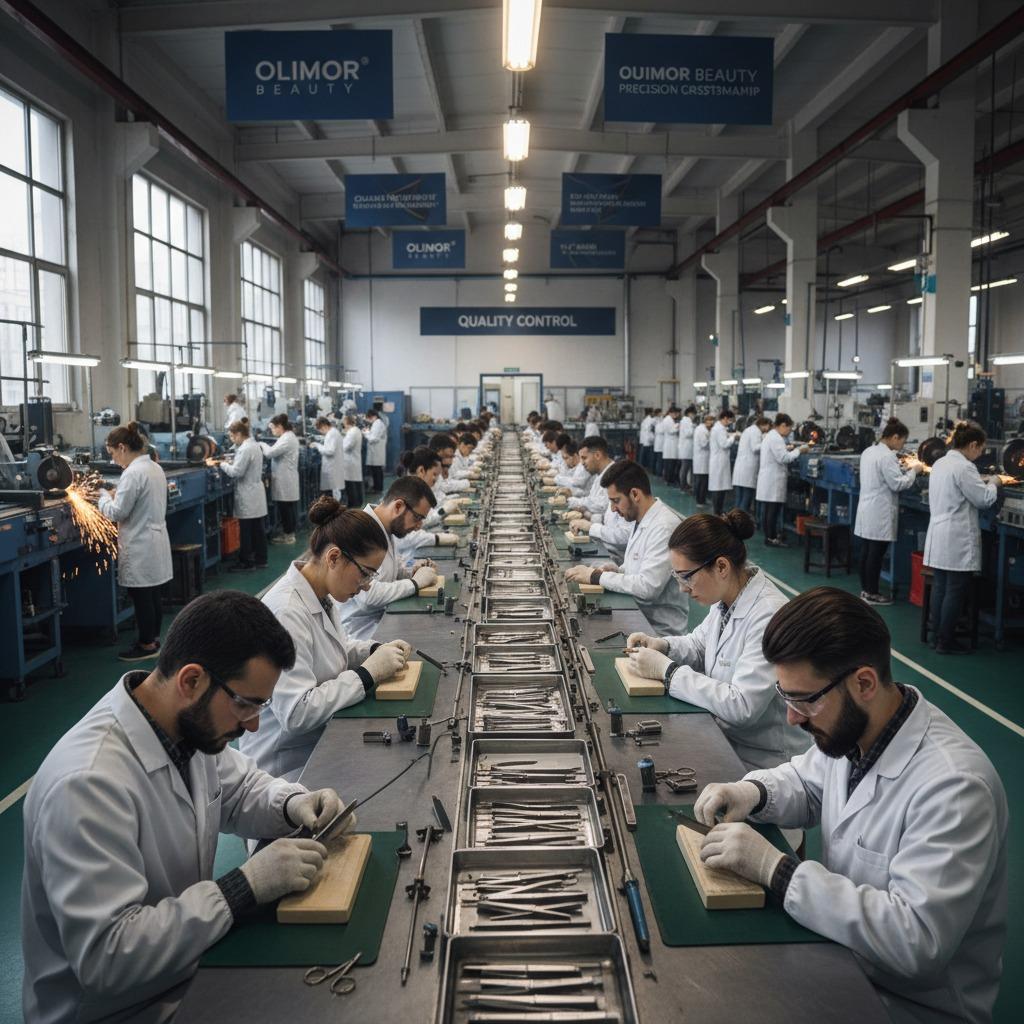
Quality control for nail clippers should focus on function and finish. A visually attractive product can still fail if the cutting edges do not meet properly. Conversely, a clipper that cuts well but arrives scratched or poorly packed may not meet retail expectations.
Common inspection checks include opening and closing the lever repeatedly, verifying that the jaws meet evenly, testing cutting performance, checking for burrs near contact points, and examining the file texture if one is built in. Inspectors should also check whether clippers are clean, dry, and protected from abrasion inside the packaging. For stainless steel products, surface consistency matters because buyers and end users often associate a clean finish with hygiene and durability.
For private-label or retail-packaged orders, labeling checks are equally important. Confirm that printed information, barcodes, warning text, and country-of-origin requirements match the destination market’s needs. If multiple clipper sizes or finishes are ordered together, carton marks should be clear enough for warehouse teams to distinguish them quickly.
Packaging, Shipping, and Storage Considerations
Nail clippers are compact, but they still require sensible packaging. Metal tools can rub against each other during transit, causing scratches or dulling if packed too loosely. Retail units should remain presentable after international shipment, domestic warehousing, and final delivery to customers.
Buyers should consider whether the product will be sold in single units, multipacks, manicure kits, or travel sets. A compact clipper may be ideal for a portable grooming kit, while a larger or heavier version may suit home use. If the clipper includes a built-in file, the packaging should protect both the file surface and the cutting edge from contamination or damage.
Shipping decisions depend on order size, delivery timeline, and cost tolerance. Air freight may help when replenishment is urgent, while sea freight is often evaluated for larger planned orders. Whatever the method, buyers should verify carton strength, moisture protection, and clear outer markings. Good logistics planning supports both cost control and product condition on arrival.
Making a Better Import Decision
Importing nail clippers from China can be a practical choice when buyers compare complete value rather than only the lowest quote. The strongest sourcing process begins with a clear product position, then checks material, blade performance, ergonomics, packaging, inspection criteria, and landed cost. Features such as stainless steel construction, sharp blades, ergonomic design, built-in files, compact sizing, and lightweight portability can all support a strong product offer when they are matched to the right sales channel.
For beauty tool buyers, the goal is not simply to find a supplier; it is to build a repeatable sourcing system that delivers consistent grooming products to the market. With careful sampling, documented specifications, and realistic cost planning, imported nail clippers can serve retailers, distributors, salons, and ecommerce sellers with dependable everyday demand.