











Import Nail Clippers from China: A Practical Guide for Beauty Tool Buyers
Importing nail clippers from China can be a strong sourcing option for wholesalers, beauty tool brands, salon suppliers, gift set buyers, and personal care distributors. The category looks simple at first, but a nail clipper is a precision tool: cutting feel, blade alignment, spring tension, surface finish, corrosion resistance, packaging, and inspection standards all affect customer satisfaction. A low unit price is not enough if the clipper feels rough, chips easily, arrives with scratches, or fails to cut cleanly.
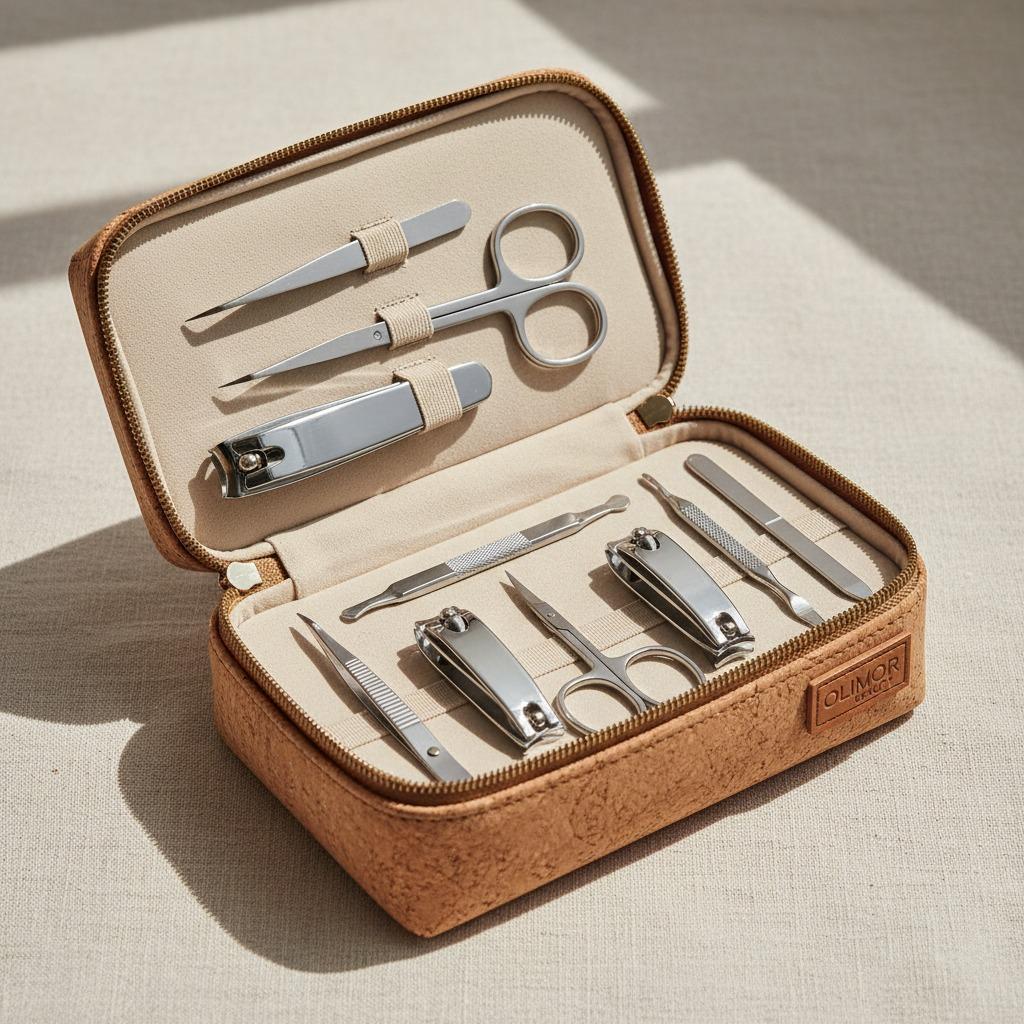
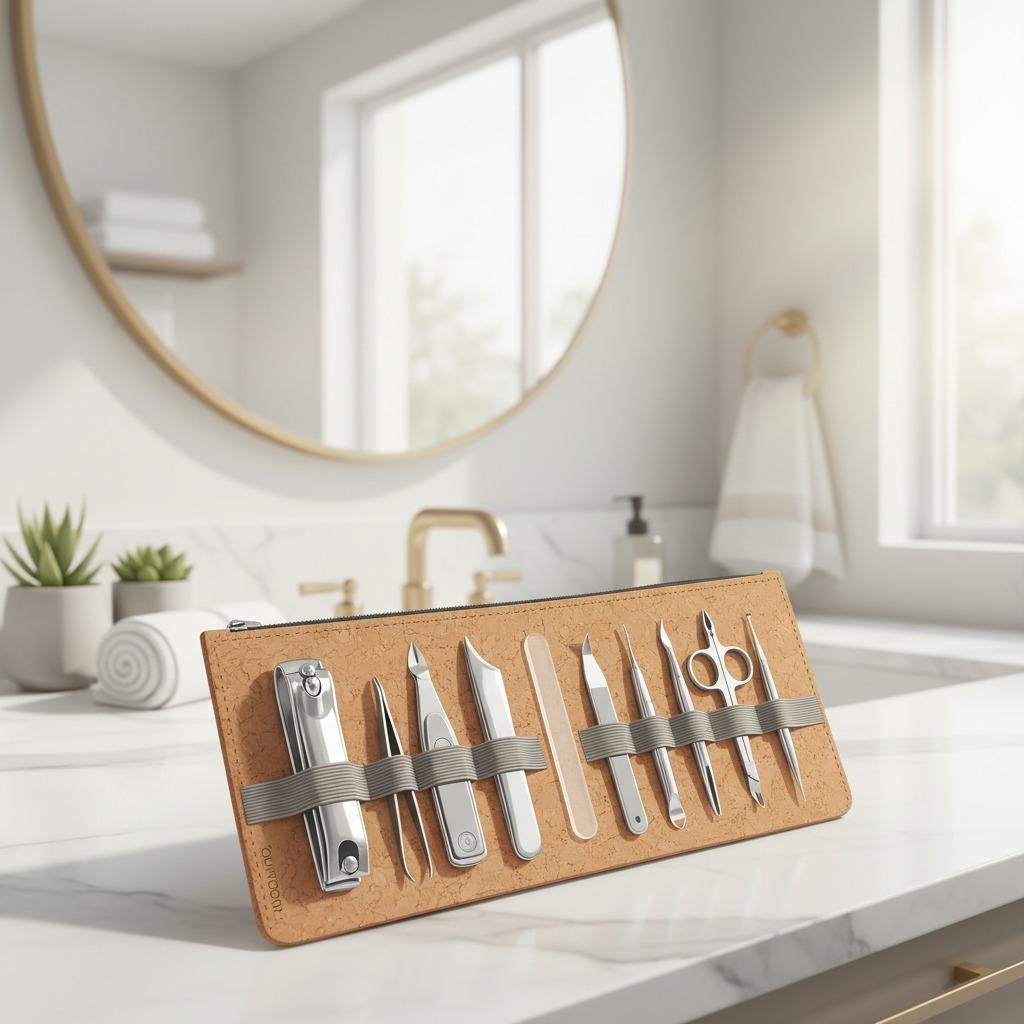
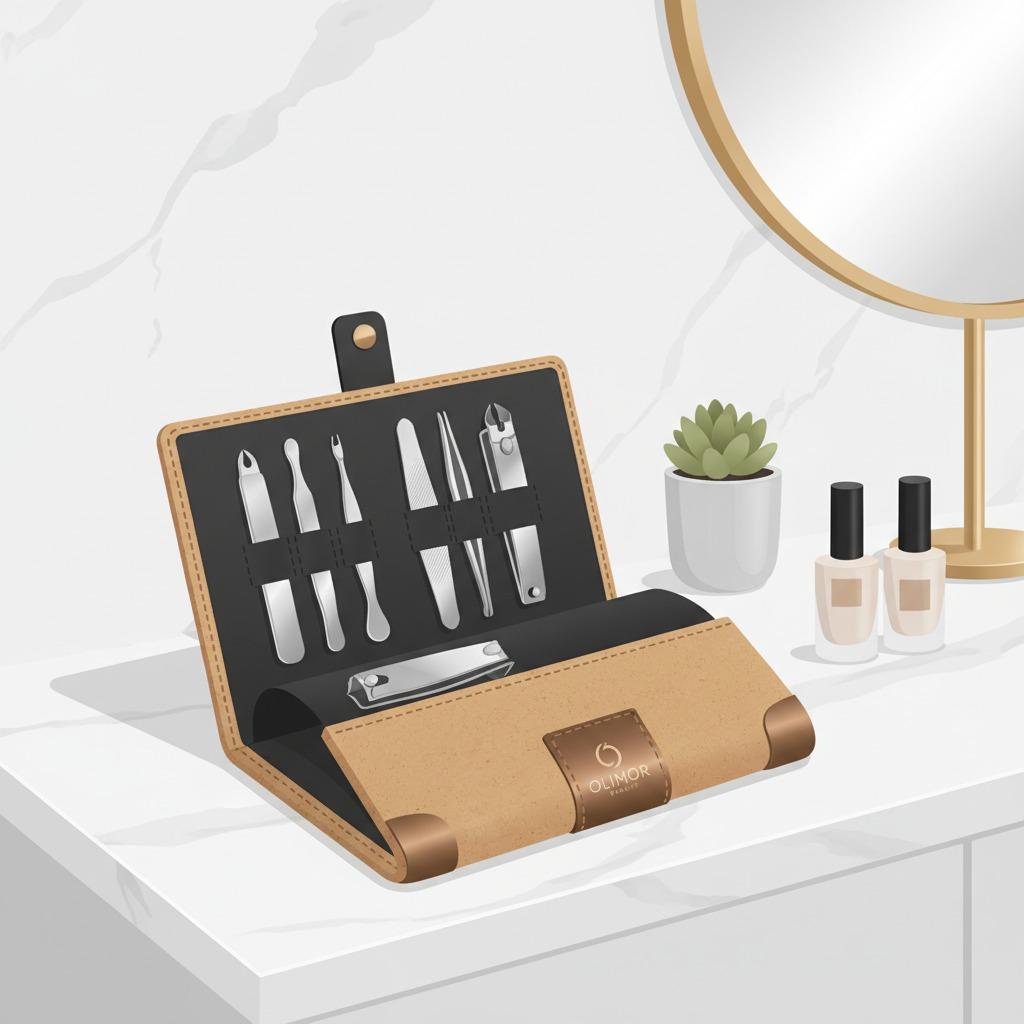
This guide explains how to approach nail clipper sourcing with a buyer’s mindset. It focuses on practical selection criteria, supplier communication, quality checks, and import preparation so you can compare options more confidently. If you are reviewing beauty tool products for a retail line or distribution program, you can also browse Olimor’s beauty tool products to understand the wider category and request details for the items that match your market.
Why Nail Clippers Are Commonly Sourced from China
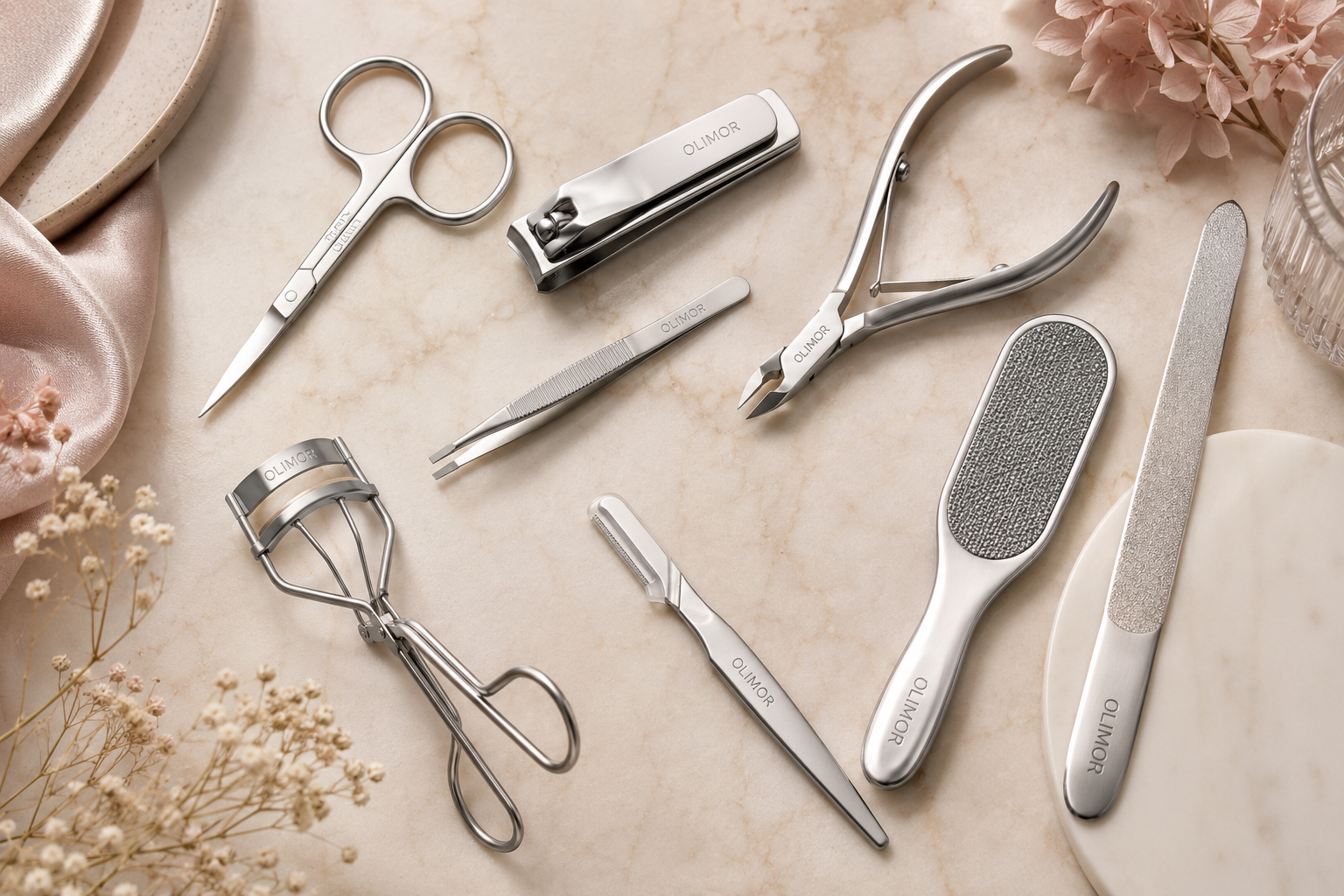
China has a mature supply base for personal care and grooming tools. For importers, that usually means access to multiple manufacturing processes, finishing options, packaging formats, and export experience in one sourcing region. Buyers can compare standard nail clippers, larger toenail clippers, compact travel designs, clippers with built-in files, and premium-looking finishes for retail or promotional channels.
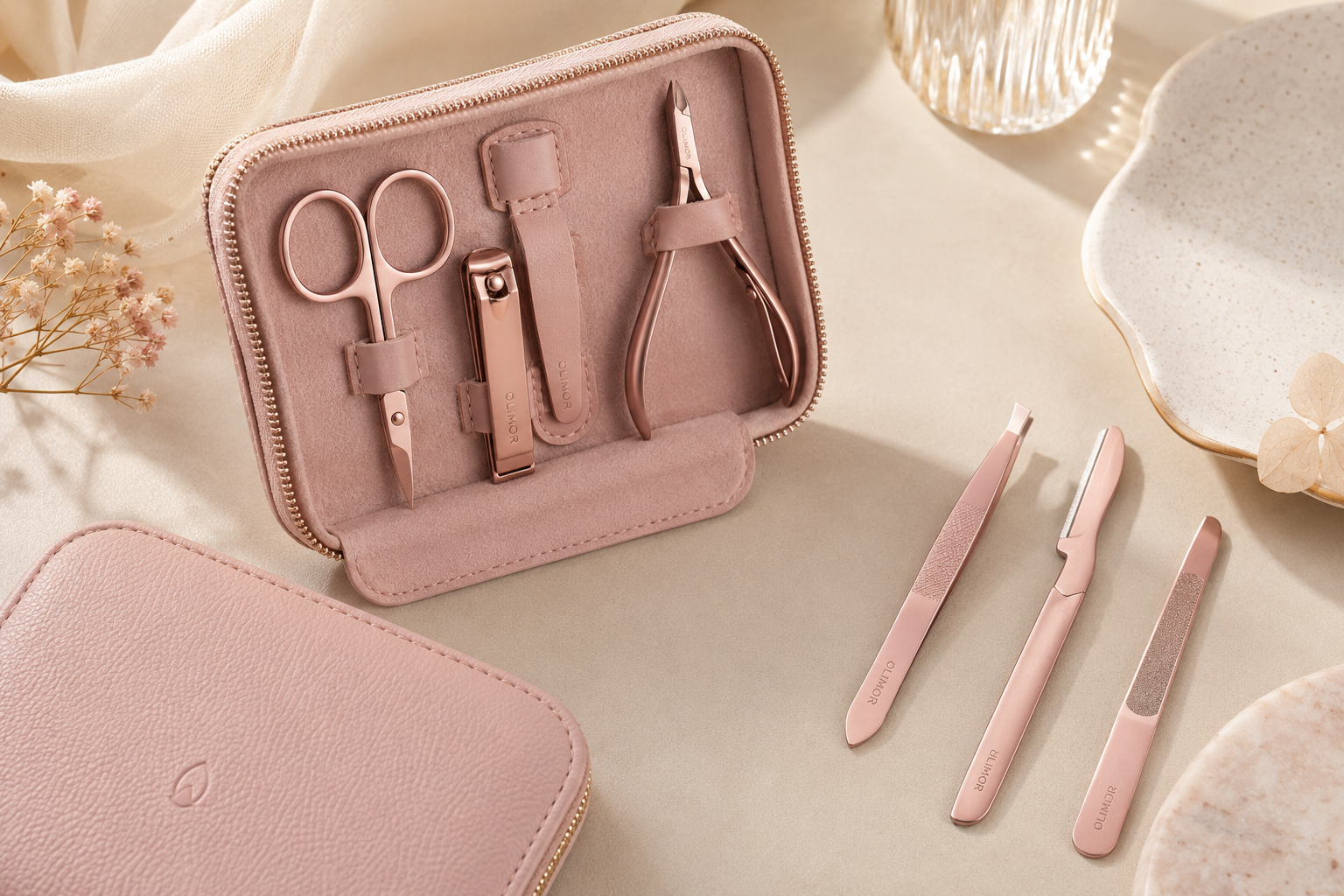
The main advantage is not only cost. A good China-based sourcing program can offer flexible product selection and efficient production planning, especially when buyers prepare specifications clearly. Nail clippers may be sold individually, as part of manicure sets, in travel kits, or as accessories for beauty retail. Because these use cases differ, the right supplier should be able to discuss function, finish, packaging, and inspection rather than simply quote a generic item.
Olimor Beauty focuses on beauty tools and can support buyers who need to compare nail clipper options within a broader grooming range. For buyers developing a complete personal care selection, Olimor’s product collections can help organize related items and make sourcing decisions more consistent across categories.
Key Product Details to Confirm Before Ordering
Before you compare prices, define what the nail clipper needs to do for your customer. A salon supplier may prioritize smooth cutting and durability, while a retail buyer may focus on attractive packaging and comfortable handling. An online seller may need a product that photographs well, ships safely, and has a low defect rate. The more precise your product requirements are, the easier it is to avoid mismatched samples and unclear quotations.
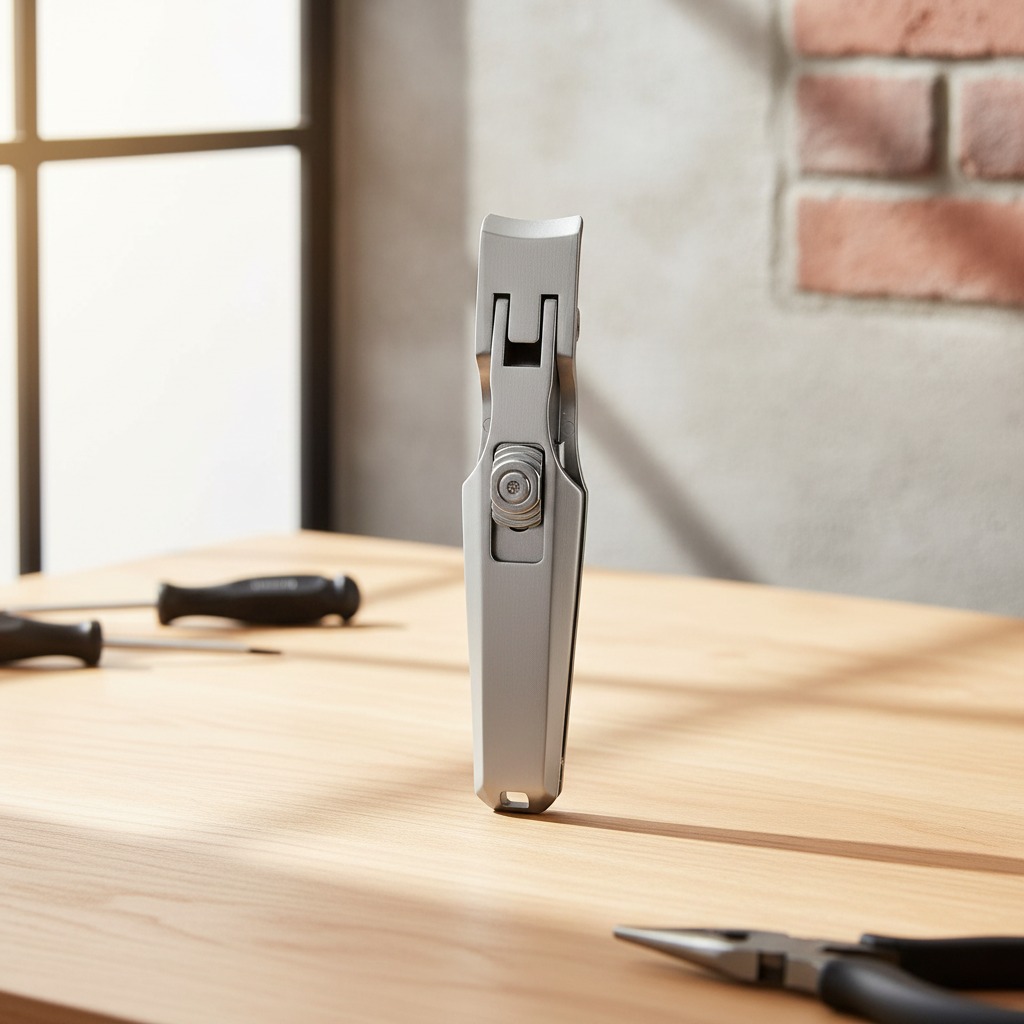
- Size and intended use: Confirm whether the clipper is for fingernails, toenails, travel use, or a mixed grooming set. One explicit example from the current product information is a 91 mm titanium model weighing 48 g, which may suit buyers looking for a compact but substantial hand feel.
- Blade performance: Ask for clean cutting, proper blade contact, and a smooth edge finish. Blades should meet evenly without visible gaps or rough contact points.
- Material and finish: If selecting titanium or titanium-finished products, confirm the exact description used for quotation and packaging. The supplied product information refers to rust-resistant titanium blades, so this feature should be checked through samples and documentation before purchase.
- Ergonomics: Test lever comfort, grip stability, and pressure required to cut. A clipper that causes hand fatigue may lead to poor reviews even if it looks attractive.
- Additional functions: Built-in files can add convenience, but they must be smooth, securely integrated, and consistent across production.
- Packaging format: Decide whether you need bulk packing, blister card, paper box, pouch, set packaging, or retail-ready labeling.
How to Evaluate a Nail Clipper Supplier
A reliable nail clipper global supplier should be able to answer technical and commercial questions clearly. The goal is to determine whether the supplier understands export requirements, beauty tool quality, and repeat production consistency. Avoid making a decision based only on the lowest quotation. Nail clippers with poor blade alignment, weak rivets, uneven plating, or scratched surfaces can create returns and damage your brand reputation.
When reviewing a supplier, look for evidence of category experience. Useful discussions include material options, available sizes, surface treatment choices, packaging limitations, inspection methods, and export documentation. You do not need to know every manufacturing detail, but you should expect clear answers and consistent sample quality. If a supplier cannot explain the difference between models or cannot identify the inspection points used before shipment, the sourcing risk is higher.
It is also important to check communication quality. Import projects involve samples, artwork, packing details, production schedules, shipping marks, and inspection timing. A supplier that responds accurately and keeps records organized will reduce confusion. For customized packaging or assortment planning, prepare your requirements in writing and include reference photos, target market, approximate order quantity, barcode or label needs, and any retail compliance requirements you already know.
Quality Control Points for Nail Clipper Imports
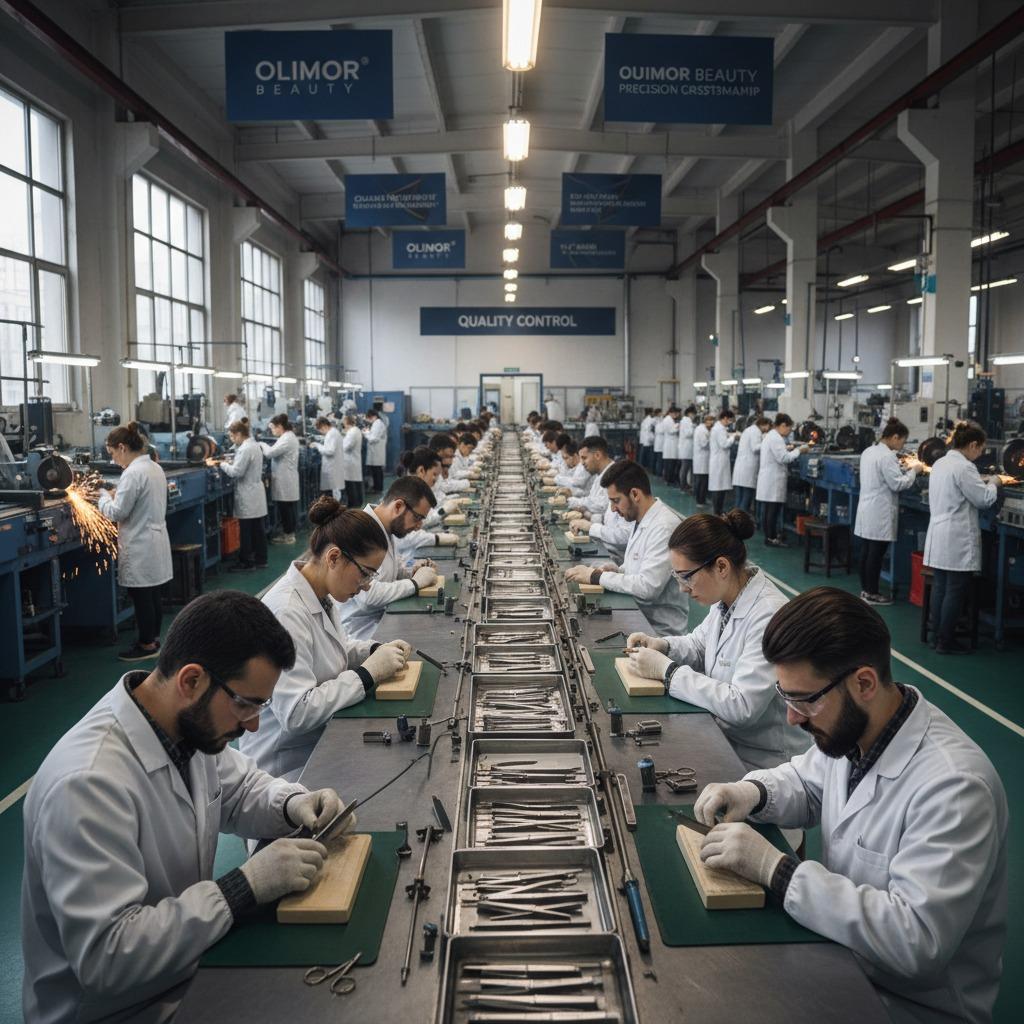
Quality control for nail clippers should focus on function, appearance, and safety. Because the product is small, minor defects are easy to miss during casual checking. A structured inspection plan helps prevent inconsistent shipments.
| Inspection Area | What to Check | Why It Matters |
|---|---|---|
| Cutting edge | Blade alignment, sharpness, smooth cutting, no visible chips | Directly affects product performance and customer reviews |
| Lever and rivet | Stable movement, no looseness, comfortable pressure | Prevents breakage and improves user comfort |
| Surface finish | No scratches, stains, peeling, burrs, or rough edges | Important for retail appearance and safe handling |
| Built-in file | Secure placement, even texture, no sharp unwanted edges | Adds function only if it is comfortable and safe |
| Packaging | Correct artwork, labels, quantity, barcode, and protection | Reduces retail, warehouse, and shipping problems |
Sample approval should not be treated as the final step. A production shipment must match the approved sample in size, finish, cutting feel, packaging, and labeling. For larger or repeat orders, consider defining acceptable quality limits, defect categories, and inspection timing before production begins. Even basic written criteria can prevent misunderstandings.
Packaging, Branding, and Retail Presentation
Nail clippers are often impulse purchases, practical accessories, or components in personal care sets. Packaging should protect the blade, present the product cleanly, and match the sales channel. A premium retail product may need a clear front view and concise function claims, while a salon supply product may prioritize simple protective packaging and easy stock handling.
When preparing packaging files, avoid vague claims unless they are supported by your own compliance review. Terms related to material, coating, corrosion resistance, and durability should be accurate. If the product includes a built-in file or a specific finish, confirm how that feature will be described on packaging and online listings. Small wording errors can create customer confusion or compliance issues in the destination market.
For shipping, confirm carton strength, inner packing, and how clippers are protected from surface rubbing. Metal beauty tools can scratch each other if packed too loosely. If your product has a polished, colored, or titanium-style finish, surface protection becomes especially important. A well-packed shipment reduces the chance of receiving products that function correctly but look unsuitable for retail sale.
Import Planning: From Inquiry to Shipment
A successful nail clipper import project usually follows a clear sequence. Rushing from quotation to production without confirming the product standard often leads to delays later. The following process is practical for many buyers:
- Define the target product: Choose size, finish, function, packaging, and target market.
- Request a clear quotation: Include quantity, packaging type, customization needs, and shipping terms if known.
- Review samples: Test cutting performance, comfort, surface finish, and packaging appearance.
- Confirm specifications: Record the approved sample details, artwork, packing method, and inspection criteria.
- Monitor production: Keep communication organized and confirm timing for packaging and final inspection.
- Prepare import documents: Coordinate commercial invoice, packing list, shipping marks, and destination requirements with your logistics provider.
- Inspect before shipment: Check function, appearance, quantity, packaging, and carton condition before goods leave the factory.
International nail clipper trade may involve customs clearance, shipping schedules, and destination-market documentation. These factors are manageable when planned early. Work with your freight forwarder or customs broker to confirm import classification, duties, labeling expectations, and any market-specific requirements. The supplier can provide product and packing details, while your local import professional can confirm destination rules.
Questions to Prepare for an Olimor Beauty Inquiry
To receive a useful response, prepare a concise but complete inquiry. Instead of asking only for “best price,” share the commercial context. Mention whether the product is for retail, wholesale, salon distribution, online sales, gift packaging, or a manicure kit. If you already have a reference product, provide dimensions, photos, packaging style, and desired improvements.
Helpful inquiry details include target quantity, preferred nail clipper size, finish preference, packaging requirements, logo or artwork needs, destination country, and expected timeline. If you are comparing a 91 mm titanium model or another specified design, state the exact features you want to verify, such as weight, built-in file, blade finish, and rust-resistant characteristics. This helps avoid assumptions and allows the supplier to respond with relevant options.
If you are ready to compare options for nail clipper export from China, you can send an inquiry with your requirements or contact Olimor for guidance on beauty tool sourcing. A structured inquiry saves time, improves sample accuracy, and makes it easier to build a repeatable import program.
Final Buying Advice
Importing nail clippers from China is most effective when buyers evaluate the product as a functional grooming tool, not just a low-cost metal accessory. Focus on blade alignment, hand comfort, finish consistency, packaging protection, and supplier communication. Use samples to confirm performance, document your approved standard, and inspect production before shipment.
For importers building a beauty tool line, nail clippers can be a dependable category when sourced carefully. Clear specifications and realistic quality checks help you avoid common problems and select products that match your customers’ expectations. With the right preparation, China-based sourcing can support practical, well-presented nail clipper programs for retail, wholesale, and professional beauty channels.