Import Nail Clippers from China: A Practical Guide for Beauty-Tool Resellers
Importing nail clippers from China can be a strong sourcing strategy for beauty retailers, distributors, salon suppliers and promotional-product buyers. Nail clippers are compact, widely used and easy to bundle with other grooming tools, but they are also judged quickly by end users. A clipper that feels loose, tears the nail or rusts early can damage customer trust even if the unit cost looked attractive.
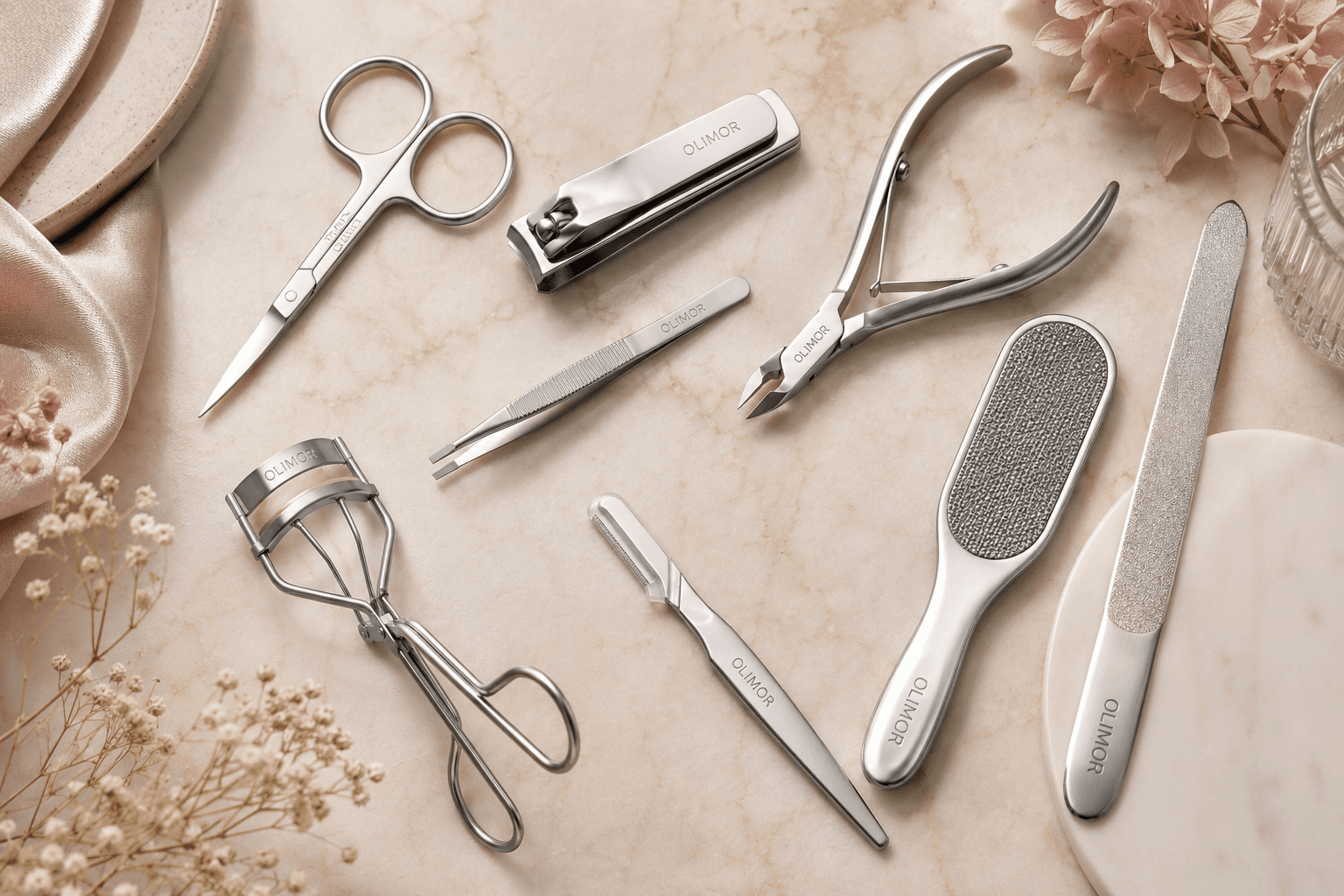
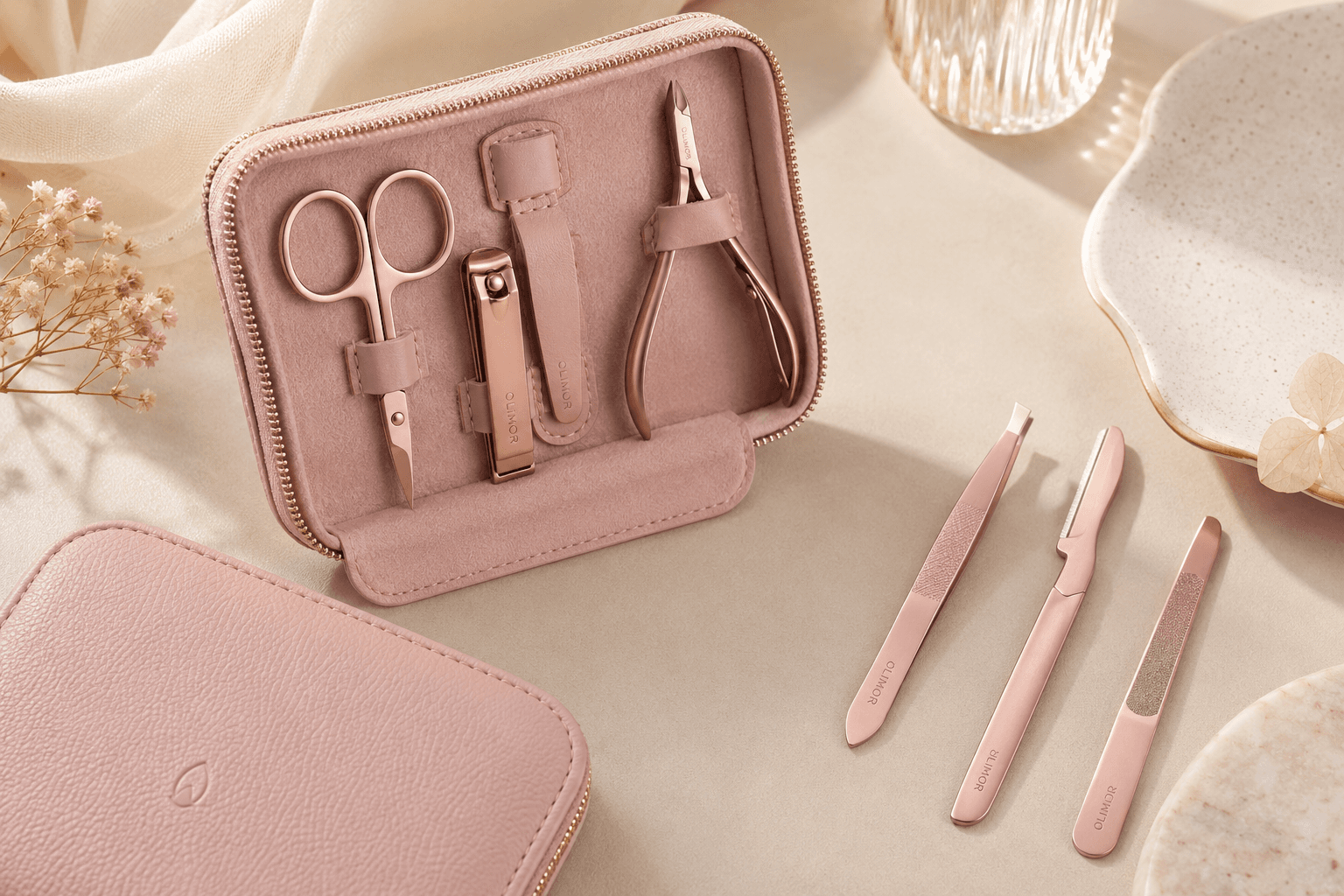
The goal is not simply to find the lowest quoted price. A better approach is to define the product you need, compare suppliers on manufacturing discipline, test samples carefully and plan logistics before you place a bulk order. Olimor Beauty works in the beauty-tools category, and buyers can review broader beauty tool products or browse related product collections when planning a sourcing mix. This guide focuses on the buying decisions that matter when importing nail clippers from China for resale or distribution.
Start With the Right Nail Clipper Specification
Before contacting factories or trading companies, build a clear specification. Nail clippers may look similar in online catalogs, but small differences affect cost, performance and market positioning. A budget clipper for a travel kit is not the same as a retail-ready grooming tool sold in a beauty aisle. If your request is vague, suppliers will quote different constructions, making price comparisons unreliable.
Your specification should describe the intended sales channel, user group and packaging format. For example, a reseller supplying pharmacies may prioritize retail packaging and consistent appearance, while a salon distributor may care more about grip comfort and repeat-use durability. If you sell sets, confirm whether the clipper needs to match other tools in finish, color or presentation.
- Size and use: fingernail clipper, toenail clipper, travel-size clipper or mixed grooming set component.
- Material expectation: define the metal type or finish only when you can verify it through documentation or testing.
- Cutting feel: smooth leverage, aligned jaws and no tearing or crushing during use.
- Surface finish: polished, matte, coated or plated appearance, with attention to scratch visibility.
- Packaging: bulk pack, pouch, blister card, paper box or retail set packaging.
- Market requirements: labeling, barcode, importer details, language, safety warnings and local compliance needs.
How to Screen Nail Clipper Suppliers in China
Supplier selection should combine product capability, communication quality and export experience. A supplier that answers quickly but cannot explain quality checks may become risky at scale. A supplier with strong production capability but poor documentation can also slow customs clearance or retail onboarding. When comparing options, request information that helps you evaluate how the business works, not just what it sells.
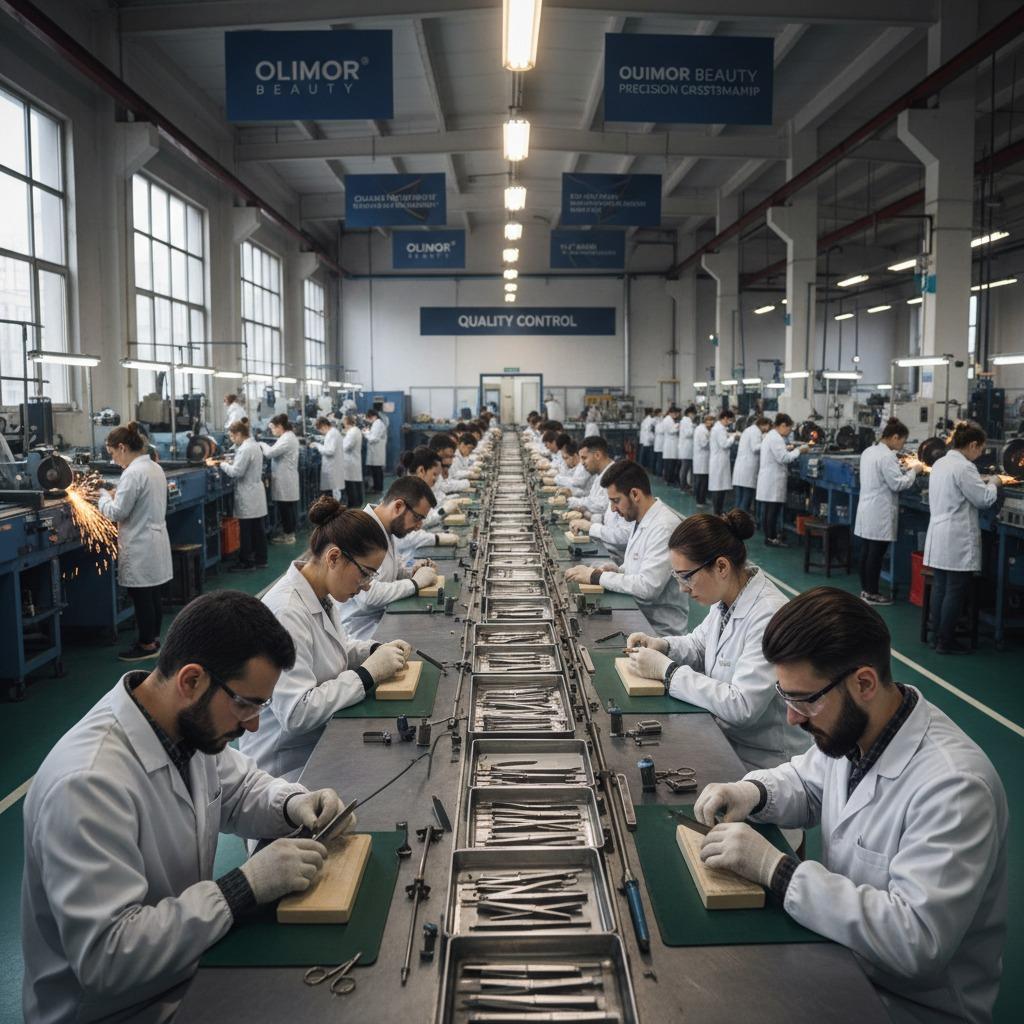
Look for evidence of consistent production control. This may include a clear sample approval process, inspection points during production, packaging review, order documentation and traceable communication. Avoid assuming that every supplier advertising stainless steel tools or ergonomic designs follows the same standards. Claims should be supported by samples, written specifications and, where relevant, test reports or compliance documents appropriate to your market.
Useful screening questions include:
- Which nail clipper types and packaging formats are currently available?
- Can the supplier provide pre-production samples before bulk production?
- How are blade alignment, cutting force, surface finish and packaging checked?
- What export documents can be supplied for the destination market?
- How are defects handled if they are found before shipment?
- Can product photos, carton details and packing lists be confirmed before dispatch?
For buyers who want to discuss a nail clipper sourcing project with Olimor Beauty, the most direct next step is to send an inquiry with the target product type, quantity range, packaging preference and destination country.
Sample Evaluation: What to Check Before Ordering
Samples are essential when importing nail clippers from China. A photo can show the shape and finish, but it cannot prove cutting performance, hinge stability or hand feel. Test samples in a structured way and keep notes. If several decision makers are involved, use the same checklist so the buying decision is based on comparable observations rather than first impressions.
Begin with visual inspection. Check whether the top and bottom jaws align evenly when closed. Look at the cutting edges under good light. They should appear clean and consistent, without obvious burrs or gaps. Open and close the lever several times to feel whether the movement is stable. A clipper that wobbles at the sample stage may become worse after shipping, handling or repeated use.
Then test practical performance. Use the clipper on appropriate sample materials or controlled nail-test conditions. The cut should be clean, not jagged. The lever should not require excessive force. The tool should feel safe in the hand, without sharp corners on non-cutting areas. For retail products, also review packaging strength, print clarity and whether the tool stays secure inside the pack.
| Check area | What to look for | Why it matters |
|---|---|---|
| Jaw alignment | Even closure with no visible offset | Helps prevent splitting and uneven cutting |
| Cutting edge | Clean edge without burrs or dull spots | Affects user satisfaction immediately |
| Lever action | Smooth pressure and stable hinge feel | Indicates comfort and repeat-use reliability |
| Finish | No obvious scratches, stains or rough edges | Supports retail appearance and perceived quality |
| Packaging | Secure, clean and suitable for shipping | Reduces damage and improves shelf presentation |
Compliance, Labeling and Import Documents
Nail clippers are simple grooming tools, but import compliance still matters. Requirements vary by country and sales channel. A marketplace, retail chain or distributor may request documentation beyond what customs needs. Plan these requirements early, because packaging artwork and product labels are harder to change after production has started.
Common documents in international nail clipper trade may include a commercial invoice, packing list, bill of lading or air waybill and certificate of origin when applicable. Depending on the destination, buyers may also need product composition information, compliance statements, safety documentation or labeling details. If you sell in the United States, European Union, United Kingdom, Canada, Australia or other regulated markets, confirm the rules that apply to grooming tools, packaging materials and consumer labeling.
Do not leave label details until the last week before shipment. Confirm importer name, country of origin marking, barcode placement, language requirements and any retailer-specific information. If your nail clippers are sold as part of a set, check whether the outer package needs different labeling from the individual tool. When in doubt about project feasibility or documentation expectations, buyers can contact Olimor to start a practical discussion.
Packaging Choices for Resellers and Distributors
Packaging affects landed cost, freight efficiency, retail presentation and customer experience. Bulk packaging may be suitable for distributors who repack locally or supply kits. Retail packaging is better when products move directly to shops, salons or online fulfillment centers. The right choice depends on your channel, not on what looks most attractive in a catalog.
For e-commerce, packaging should protect the clipper from scratching while staying compact enough for efficient shipping. For physical retail, hanging options, barcode readability and front-facing product visibility may matter. For promotional or kit assembly orders, consistency and easy handling can be more important than premium presentation. If the nail clipper is one part of a larger beauty tool assortment, align packaging dimensions and visual style across the range where possible.
Also consider carton strength and inner packing. Nail clippers are not fragile in the same way as glass items, but poor packing can cause surface abrasion, bent retail cards or mixed cartons. Confirm the packing method, carton quantity, gross weight and shipping marks before production is completed. These details help freight forwarders estimate costs and help warehouses receive goods more efficiently.
Logistics and Landed Cost Planning
The quoted unit price is only one part of the total cost. Importers should calculate landed cost, including product price, packaging, inland transport, export handling, international freight, insurance, duties, taxes, customs brokerage and local delivery. Because nail clippers are compact, shipping may seem simple, but carton weight, order volume and delivery deadlines still influence the best transport method.
Air freight can help with urgent replenishment or sample launches, but it is usually more expensive per unit. Sea freight may be better for larger orders and stable replenishment schedules. Courier shipping is convenient for samples and small shipments, though it may not be the most economical option for bulk imports. Work with a freight forwarder that understands your destination market and can explain documentation timing, customs clearance steps and possible charges.
Build a timeline with decision points: sample approval, packaging artwork confirmation, production window, inspection, final payment if applicable, booking, customs clearance and delivery. A realistic timeline protects your launch schedule and reduces the temptation to skip inspections or documentation checks.
Quality Control Before Shipment
Pre-shipment inspection is one of the most useful risk controls for nail clipper imports. The inspection plan should match your order size and market expectations. At minimum, it should check appearance, function, quantity, packaging, labeling and carton marks. If you have approved a golden sample, inspectors can compare bulk goods against it for finish, size, construction and overall workmanship.
Common defect categories include misaligned jaws, dull cutting edges, loose levers, scratches, plating or coating inconsistencies, dirty packaging, incorrect labels and mixed styles in the same carton. Define what counts as a critical, major or minor defect before inspection. This makes the pass or fail decision easier and reduces arguments after goods are packed.
Good quality control also protects the supplier relationship. When expectations are documented, both sides know what must be delivered. For repeat orders, keep records of inspection results, customer complaints and sell-through feedback. Over time, this information helps refine specifications and improve reorder accuracy.
Building a Sustainable Nail Clipper Import Program
Successful sourcing is not a one-time purchase. Resellers benefit when they treat nail clippers as part of a broader beauty-tool strategy. Review customer feedback, return reasons, packaging damage and reorder speed. If a specific size or finish sells well, use that data to plan inventory. If complaints appear, trace them back to sample approval, production control, packing or shipping.
China remains an important sourcing base for nail clippers because of its manufacturing ecosystem and export experience, but buyers still need disciplined selection and verification. Define the product clearly, test samples carefully, confirm compliance needs, calculate landed cost and inspect before shipment. With those steps in place, importing nail clippers from China can support a reliable product line for beauty retailers, salons, distributors and online sellers.
Tag: