











How to Import Nail Clippers from China Efficiently
Importing nail clippers from China can be a practical sourcing route for retailers, salon suppliers, beauty distributors, promotional product buyers, and personal care brands that need consistent grooming tools at scalable quantities. The opportunity is clear: China has a mature manufacturing base for metal personal care tools, including compact stainless steel nail clippers, travel grooming accessories, and private-label beauty tools. Efficiency, however, does not come from choosing the lowest unit price alone. It comes from defining the product correctly, checking production quality, planning packaging, and understanding the trade steps before money is committed.
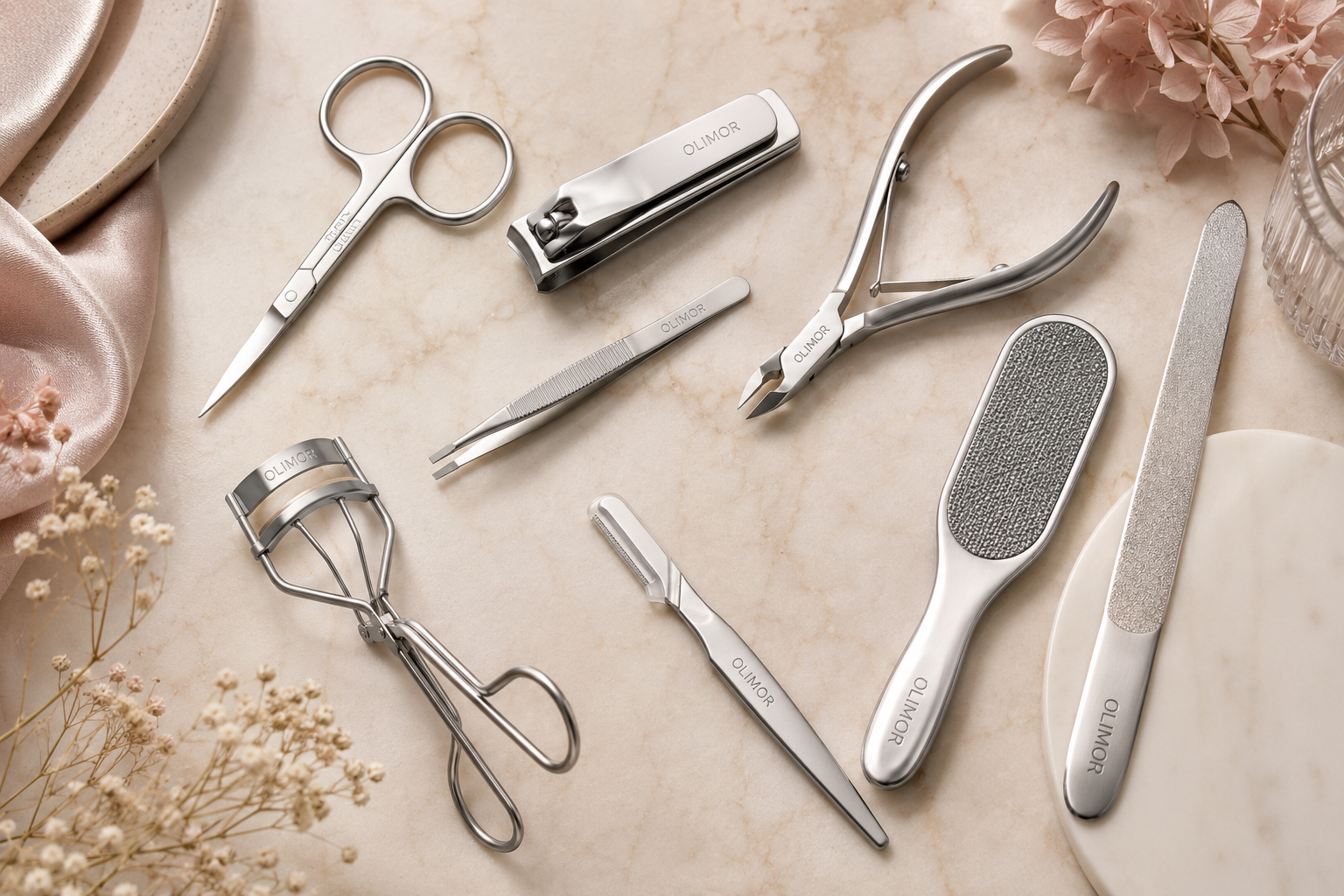
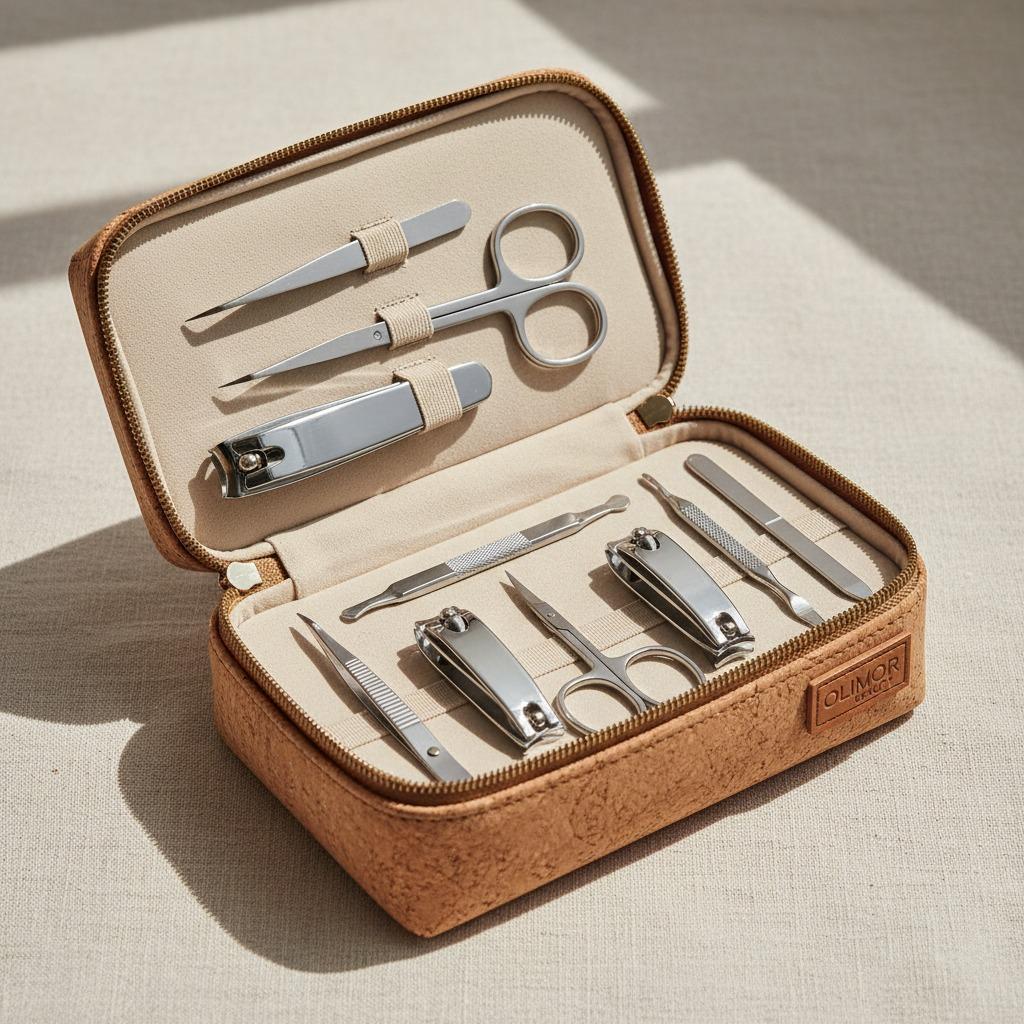
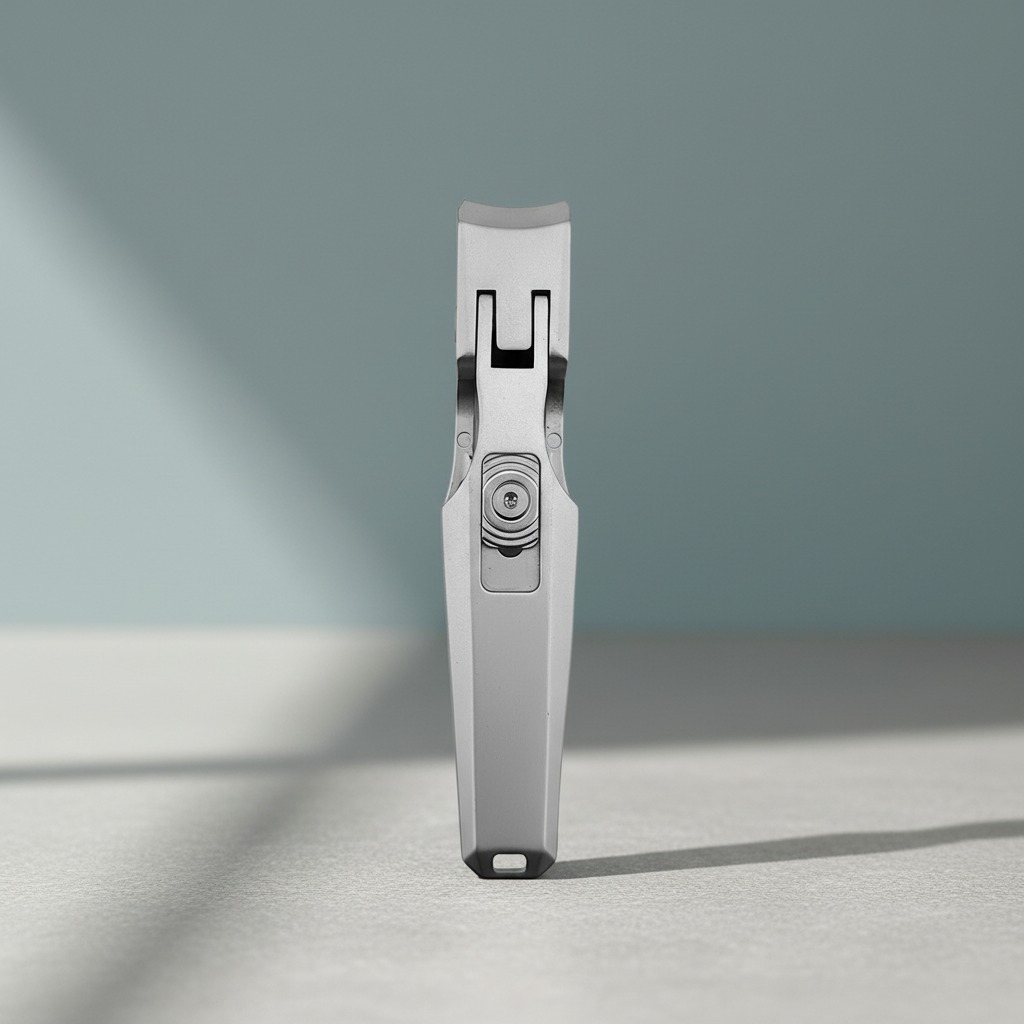
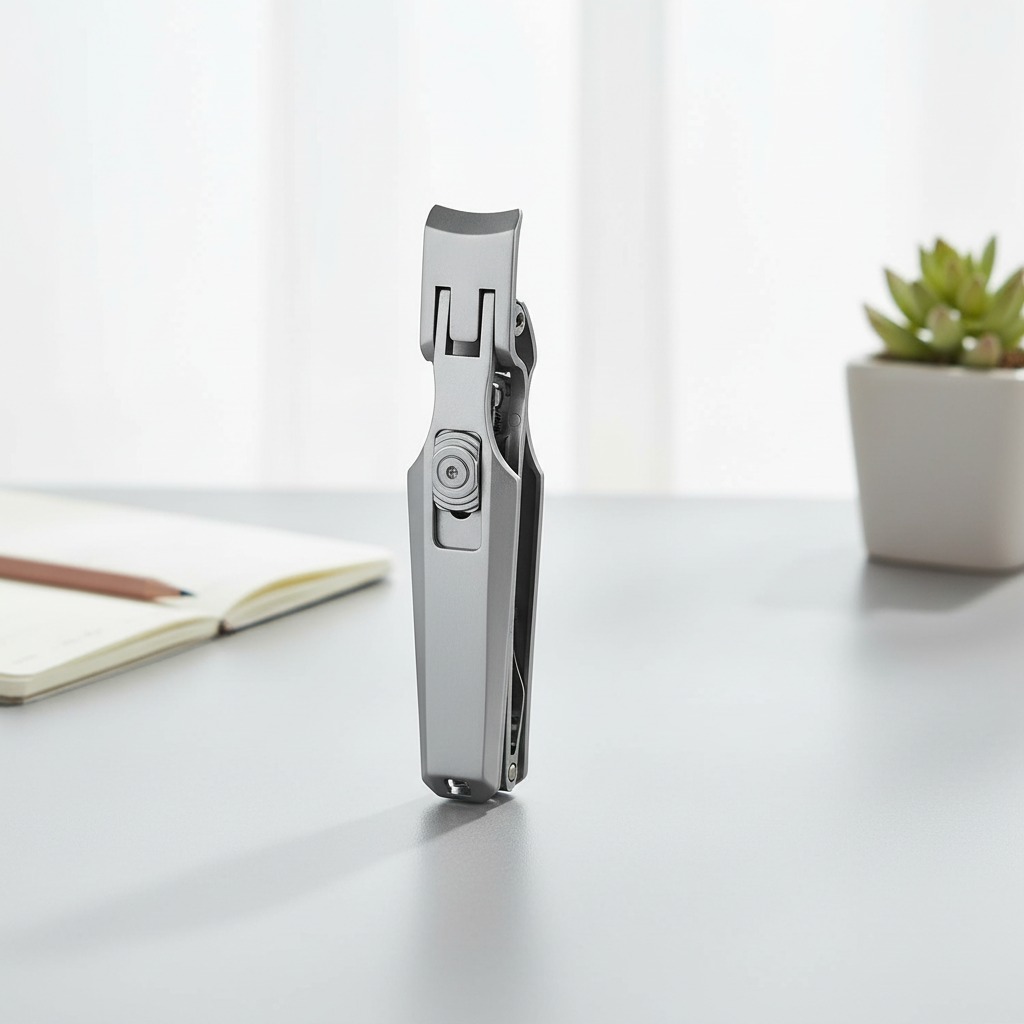
For buyers comparing options, a compact nail clipper such as Olimor Beauty’s 91mm x 16mm design, weighing 48g and made for an ergonomic grip, shows the type of detail that should be reviewed before placing an order. Dimensions, weight, cutting comfort, surface finish, packaging suitability, and inspection standards all affect the final customer experience. Whether you are building a grooming kit, adding a personal care item to a retail line, or sourcing everyday salon tools, the following guide outlines how to import nail clippers from China with fewer delays and better control over quality.
Start with a Precise Nail Clipper Specification
A clear specification is the foundation of an efficient import project. “Nail clipper” is too broad for sourcing because small differences in size, lever shape, jaw curve, cutting edge, and finish can change both cost and market fit. A buyer sourcing for a travel kit may want a compact, lightweight option, while a salon distributor may prioritize hand feel, repeat cutting performance, and a clean presentation for professional use.
When reviewing a nail clipper product, document the measurable and visible details first. The supplied Olimor Beauty example identifies a 91mm x 16mm nail clipper with a weight of 48g and an ergonomic grip for precise cuts. Those are useful reference points because they help compare samples objectively rather than relying on photos alone. If you are comparing multiple factories or trading partners, ask each option to quote against the same size, finish, packaging format, and intended market use.
- Size and weight: Confirm length, width, thickness, and approximate product weight so retail listings and packaging can be planned accurately.
- Material and finish: Stainless steel is commonly used for durable grooming tools, but surface finish and edge consistency still need sample review.
- Cutting comfort: Check jaw alignment, lever tension, grip feel, and whether the clipper cuts smoothly without excessive pressure.
- Packaging: Decide whether the product will ship in bulk, individual retail packaging, blister cards, pouches, or grooming sets.
- Market position: Match the tool to the buyer’s channel, such as salon supply, retail, travel accessories, corporate gifts, or e-commerce bundles.
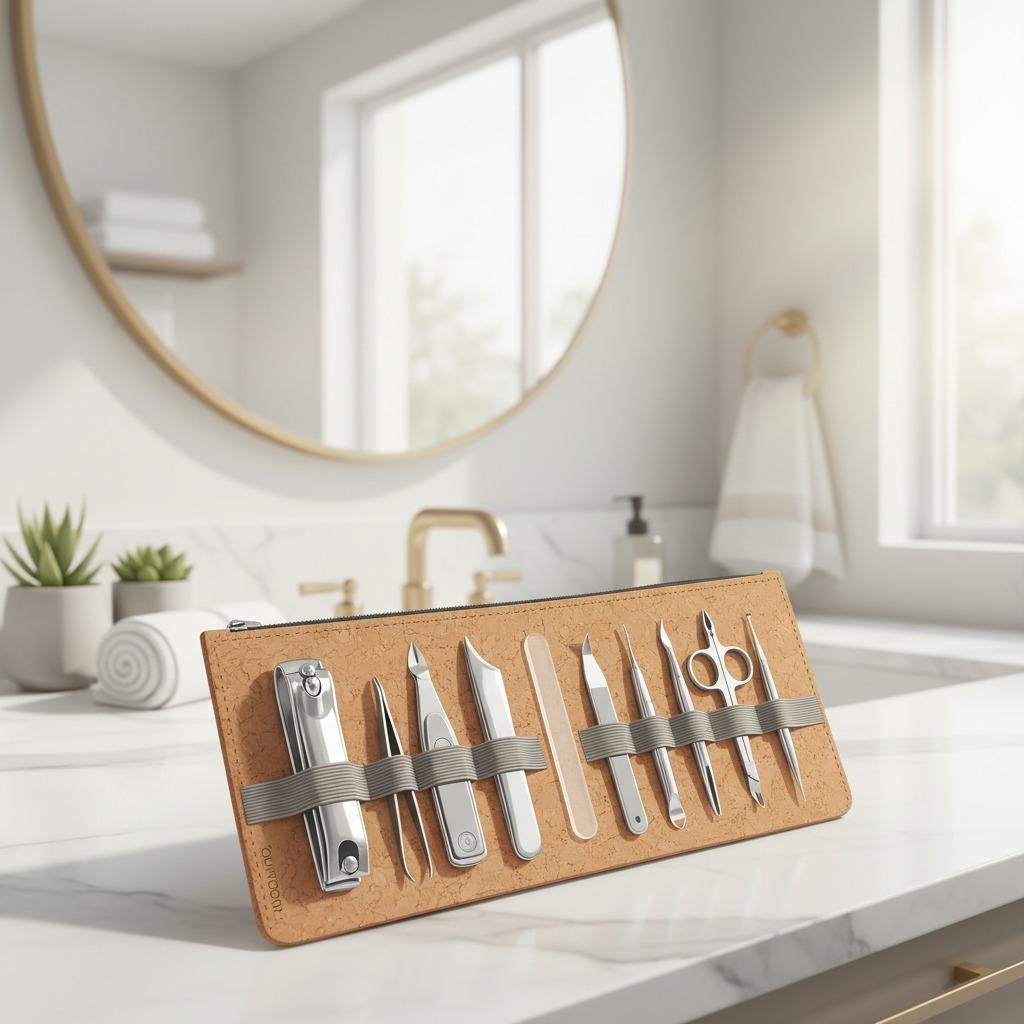
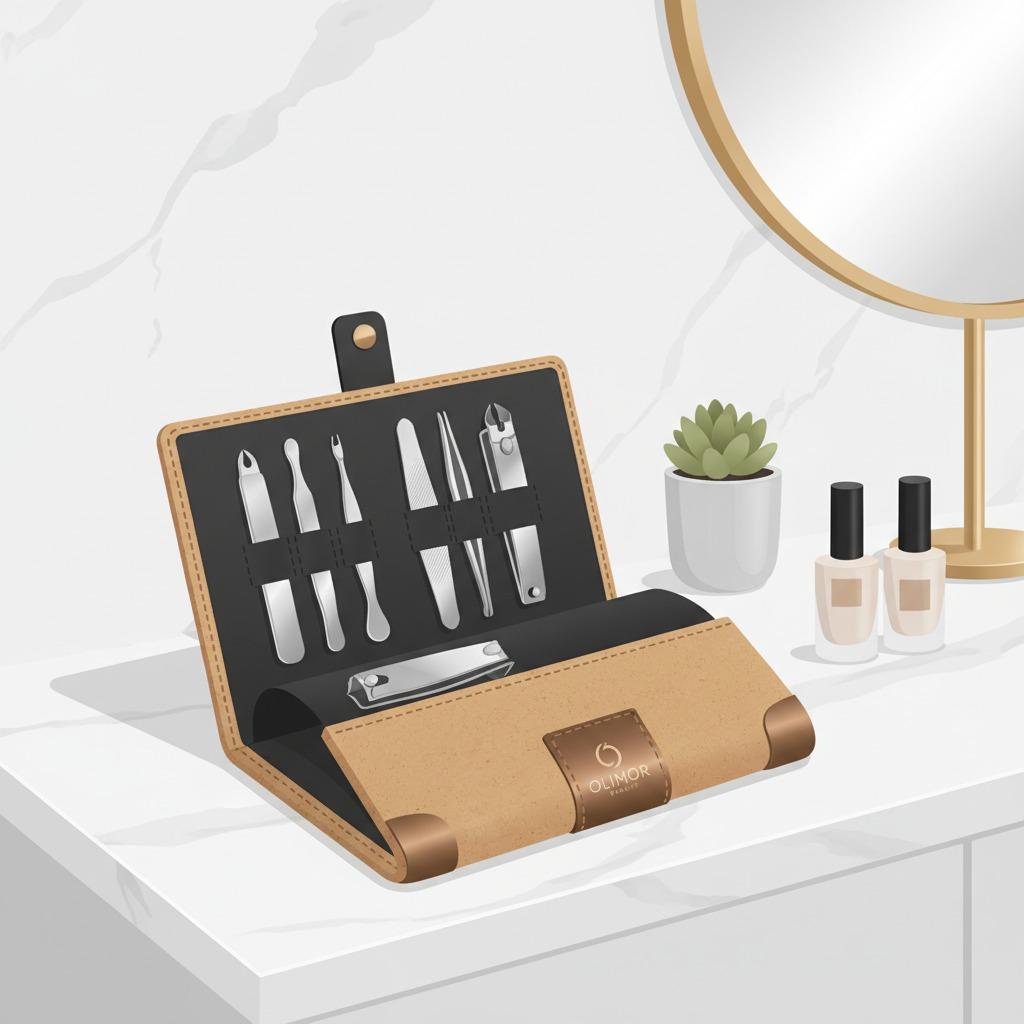
If you are still comparing beauty tool categories, Olimor’s beauty tool products page can help you think beyond a single SKU and plan related items for a cohesive personal care range.
Evaluate the Supplier Beyond the Quoted Price
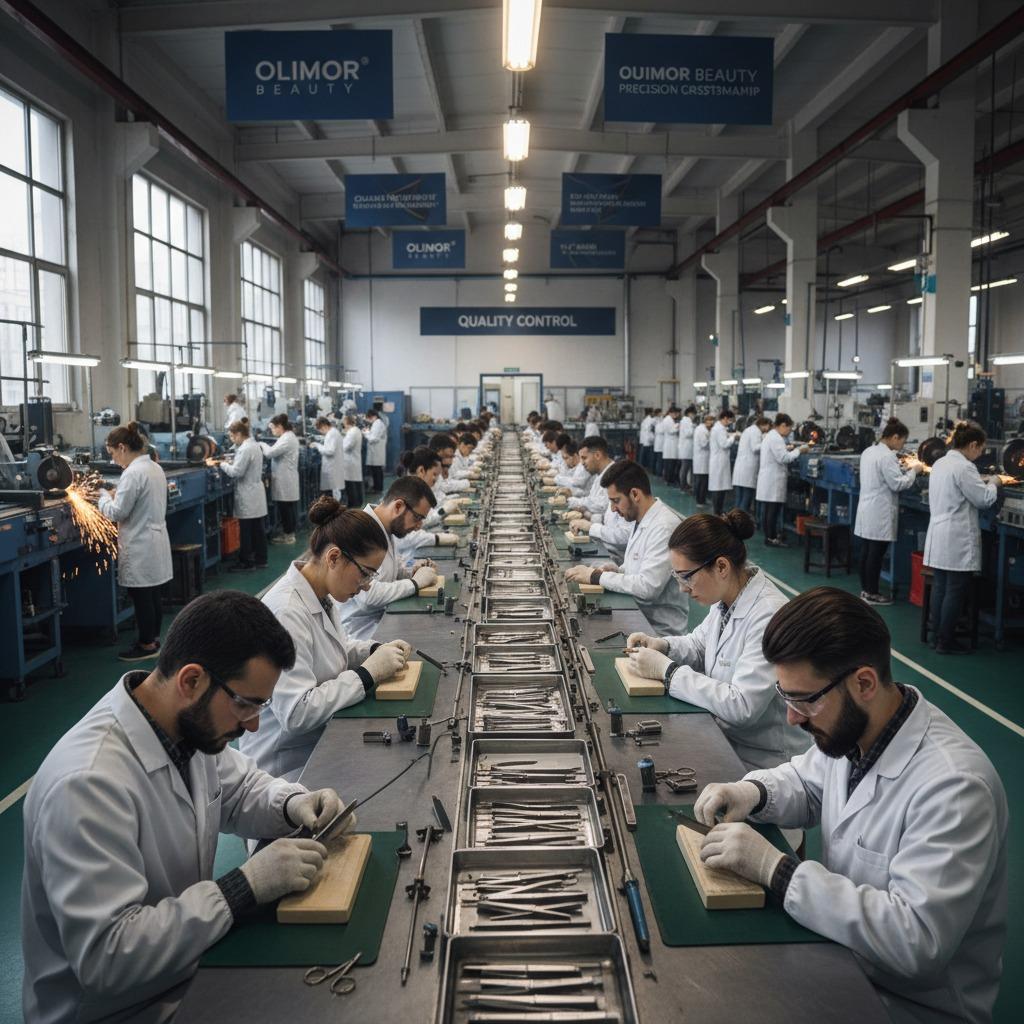
Low pricing can be attractive, but it should not be the only reason to choose a nail clipper export partner. Nail clippers look simple, yet they require consistent metal forming, edge finishing, assembly, polishing, and packaging control. A clipper with poor alignment or rough edges can lead to returns, negative reviews, or rejection by retail buyers. Efficient importing starts with a supplier evaluation that looks at communication, sample accuracy, production control, and export readiness.
Before confirming a bulk order, review how the supplier handles product details. Are the quoted dimensions consistent with the sample? Does the sample match the photos? Is the surface finish even? Does the packaging protect the product during transport? Can the supplier explain how goods are checked before shipment? These questions are more useful than vague claims about “high quality.”
For nail clipper sourcing, the best supplier conversations are specific. Instead of asking whether the product is good, define what “good” means for your channel. A pharmacy buyer may care about clean retail packaging and barcode placement. A salon distributor may focus on long-term cutting performance and easy cleaning. An online seller may need a product that photographs well and arrives without scratches. The supplier’s ability to respond to those needs is a practical indicator of reliability.
Check Samples Before Committing to Bulk Import
Samples are not a formality. They are the most efficient way to prevent misunderstandings before mass production. For a small personal care tool, sample testing should include both visual review and repeated-use checks. A nail clipper can look acceptable in a photo but still feel weak, misaligned, sharp in the wrong areas, or uncomfortable in the hand.
When reviewing samples, create a simple checklist and keep notes for each supplier. This makes comparison easier and provides written references if revisions are needed. Important sample checks include cutting edge sharpness, alignment of the upper and lower jaws, smoothness of lever movement, stability of the pin or hinge area, consistency of finish, and whether the ergonomic grip feels comfortable during actual use. If the product will be sold in retail packaging, inspect the package at the same time because packaging defects can be just as damaging as product defects.
Buyers should also confirm whether the approved sample will be used as a production reference. This helps avoid a common import problem: the pre-production sample looks good, but the bulk shipment differs in finish, packaging, or feel. Keep an approved sample on file, record its measurements, and share clear photos or written comments with the supplier before production begins.
Plan Packaging, Labeling, and Shipment Details Early
Packaging decisions affect cost, shipping efficiency, product protection, and retail presentation. A stainless steel nail clipper is compact, but poor packaging can lead to scratches, loose movement inside cartons, or a product that does not meet the expectations of the sales channel. Bulk packaging may be suitable for distributors or kit assemblers, while consumer retail channels usually require a more polished presentation.
For import planning, consider three packaging layers: the unit package, the inner box, and the export carton. The unit package protects and presents the individual clipper. The inner box helps organize quantities for warehouse handling. The export carton must survive international transport and stacking. Clarify carton dimensions, gross weight, and packing quantity before shipment is arranged, because these details affect freight calculations and warehouse receiving.
| Import detail | Why it matters | What to confirm |
|---|---|---|
| Product specification | Prevents sample and production mismatch | Size, weight, finish, grip, cutting feel |
| Unit packaging | Influences retail value and protection | Packaging type, labeling space, barcode needs |
| Carton packing | Affects freight cost and damage risk | Carton size, quantity per carton, gross weight |
| Inspection plan | Reduces risk before final payment or shipment | Appearance, function, packaging, quantity checks |
| Shipping terms | Controls landed cost expectations | Incoterms, freight method, delivery timeline |
If your order will include multiple beauty tools or a coordinated personal care line, review Olimor’s product collections to plan packaging and assortment decisions together instead of treating each item separately.
Understand the International Trade Process
Importing nail clippers from China involves more than product selection. Buyers also need to consider commercial invoices, packing lists, customs classification, import duties, freight arrangements, insurance, and destination-country compliance requirements. These steps vary by country, so the most efficient approach is to involve your freight forwarder, customs broker, or internal import team before production is complete.
Shipping method depends on order quantity, urgency, and budget. Air freight can be useful for samples, urgent replenishment, or small orders, but sea freight is usually more economical for larger volumes. Since nail clippers are compact and relatively dense, carton weight and packing efficiency matter. A product that seems inexpensive at unit level may become less attractive if packaging is bulky or cartons are inefficient.
Trade terms also deserve attention. Incoterms define which party is responsible for export handling, freight, insurance, and delivery at different points in the journey. Buyers who are new to importing often benefit from keeping the first order simple and well documented. Confirm the payment schedule, production timeline, inspection point, shipment release process, and required export documents before production begins.
Use Quality Control to Protect Your Margin
Quality control is not only about avoiding defective goods; it protects your profit margin. Returns, replacement shipments, negative reviews, and repacking work can cost more than the savings gained from choosing a cheaper supplier. For nail clippers, inspection should cover both function and appearance because the product is small and every detail is visible to the end user.
A practical inspection plan may include random checks for cutting performance, jaw alignment, lever movement, surface scratches, sharp burrs, packaging condition, carton markings, and quantity accuracy. If the nail clipper is part of a set, also check that all components are present and correctly packed. For a minimalist stainless steel tool, the finish should appear clean and consistent because visible defects can reduce perceived value quickly.
It is also helpful to define acceptable and unacceptable issues before the order ships. Minor surface variation may be tolerable for some bulk channels, while retail or gift channels may require stricter appearance standards. By setting expectations early, buyers can reduce disputes and make shipment decisions faster.
Build a Repeatable Import Workflow
The most efficient importers do not restart the sourcing process from zero every time. They create a repeatable workflow that includes product specification, sample approval, quotation comparison, packaging confirmation, production tracking, inspection, shipping documentation, and post-arrival review. After the first order, keep records of what worked and what caused delays. This makes reorders faster and helps new team members understand the product.
After receiving the shipment, inspect cartons on arrival and compare the goods with the approved sample. Track customer feedback, return reasons, and any warehouse handling issues. If buyers mention grip comfort, cutting performance, or packaging clarity, use that feedback to refine the next order. Over time, these small improvements can make a basic grooming tool more competitive in your market.
For buyers ready to discuss a nail clipper order or compare sourcing options for related grooming tools, you can send an inquiry or contact Olimor with your target product details, packaging needs, and destination market. A focused inquiry with clear specifications will usually lead to a faster and more useful response than a general request for the lowest price.
Final Checklist for Importing Nail Clippers from China
Efficient importing comes from preparation. Define the nail clipper clearly, test samples carefully, align packaging with your sales channel, and confirm shipping documents before the goods leave the factory. A compact product such as a 91mm x 16mm, 48g ergonomic nail clipper may seem simple, but the buyer still needs to control details that influence customer satisfaction and landed cost.
When comparing suppliers, prioritize consistency, clear communication, sample accuracy, and export organization. The goal is not only to place one order, but to build a dependable sourcing process for future nail clipper imports and related beauty tool products. With the right checklist, China sourcing can support reliable supply, competitive product planning, and a smoother path from factory production to your customers.