How to Buy Nail Clippers Wholesale for B2B Beauty Supply
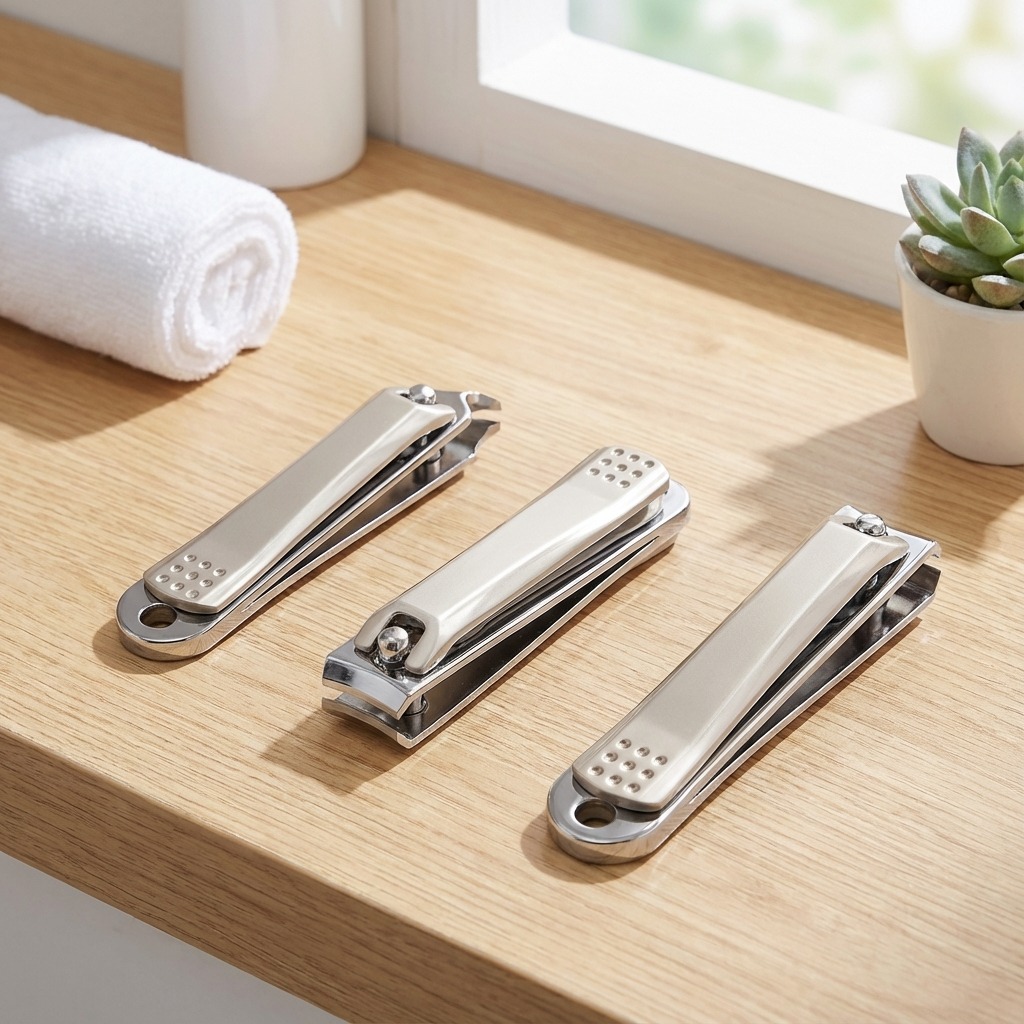
Buying nail clippers wholesale is not just a unit-price exercise. For beauty retailers, salon distributors, e-commerce sellers, gift set suppliers and private-label brands, a small grooming tool can affect customer satisfaction, repeat orders, returns and brand trust. A clipper that cuts cleanly, feels secure in the hand and arrives in appropriate packaging is easier to sell again than one that only looks acceptable in a catalog photo.
This guide explains how to source wholesale nail clippers with a practical B2B mindset. It covers use-case selection, stainless steel construction, sample inspection, ODM customization, packaging decisions, supplier questions and quality-control checkpoints. Olimor Beauty supplies stainless steel beauty tools with attention to ergonomic handling, precision cutting and internal quality checks from material selection through final assembly. Buyers should still verify every approved specification, sample and document before placing a bulk order.
Start With One Clear Buying Purpose
The best wholesale nail clipper is the one that matches your sales channel and end user. A pharmacy grooming aisle, salon supply catalog, online beauty store, travel kit and private-label manicure range may all need nail clippers, but they do not need the same product presentation.
Before requesting quotes, define the product role in your assortment. Is the nail clipper a basic add-on item, a core grooming tool, a gift set component, a travel accessory or a branded private-label SKU? This decision affects size, finish, packaging, inspection level and customization scope.
- Everyday home grooming: Standard clippers should feel dependable, cut smoothly and be easy for broad retail customers to understand.
- Salon and spa supply: Frequent-use buyers often prioritize hand comfort, durable feel, reliable cutting and consistent restocking.
- Travel and compact kits: Smaller clippers need lightweight handling, safe packing and compatibility with pouches or manicure sets.
- Retail shelves: Packaging, visible finish quality, barcode space and clear product information become more important.
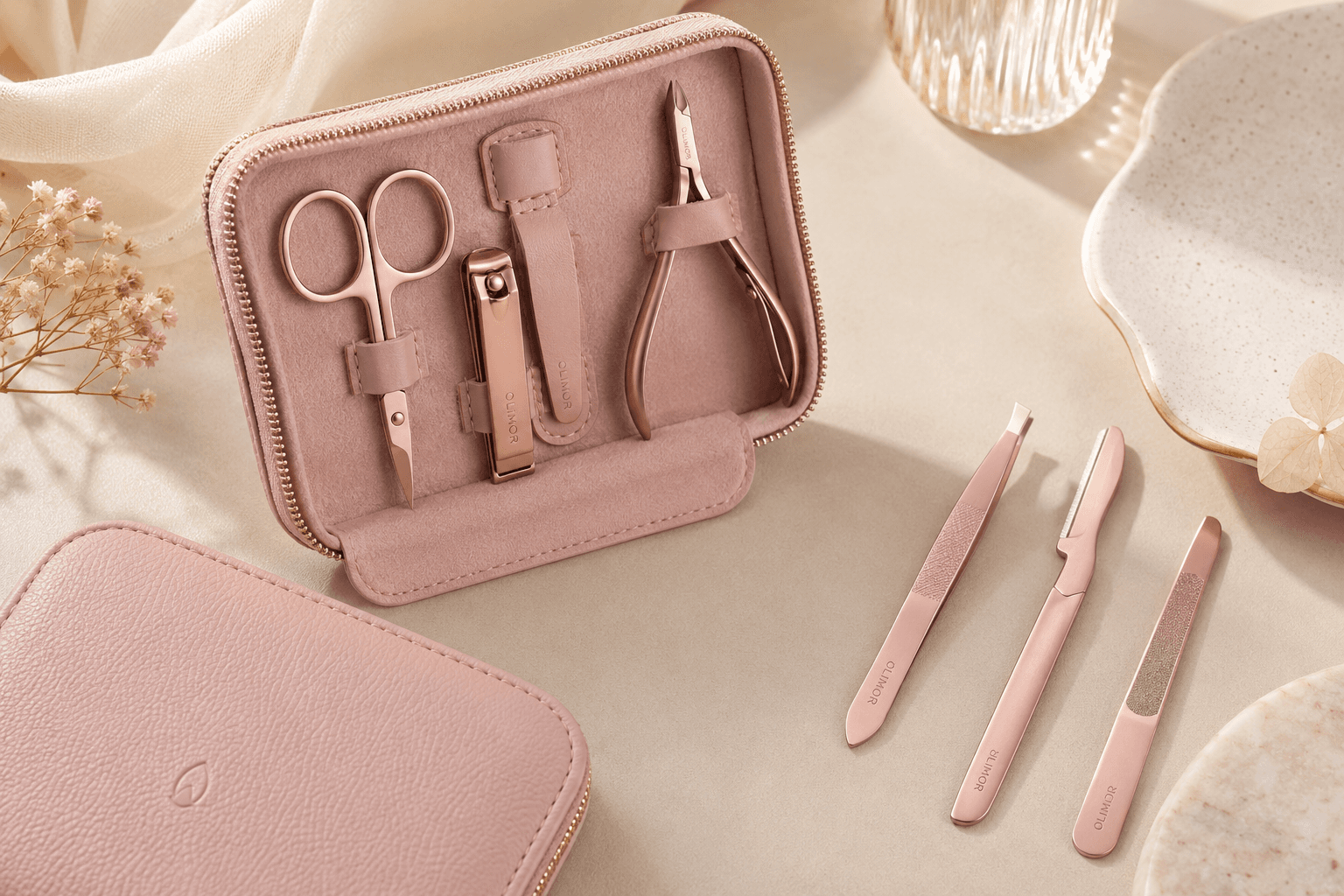
- Private-label programs: Logo placement, packaging artwork, finish consistency and approved sample control should be discussed early.
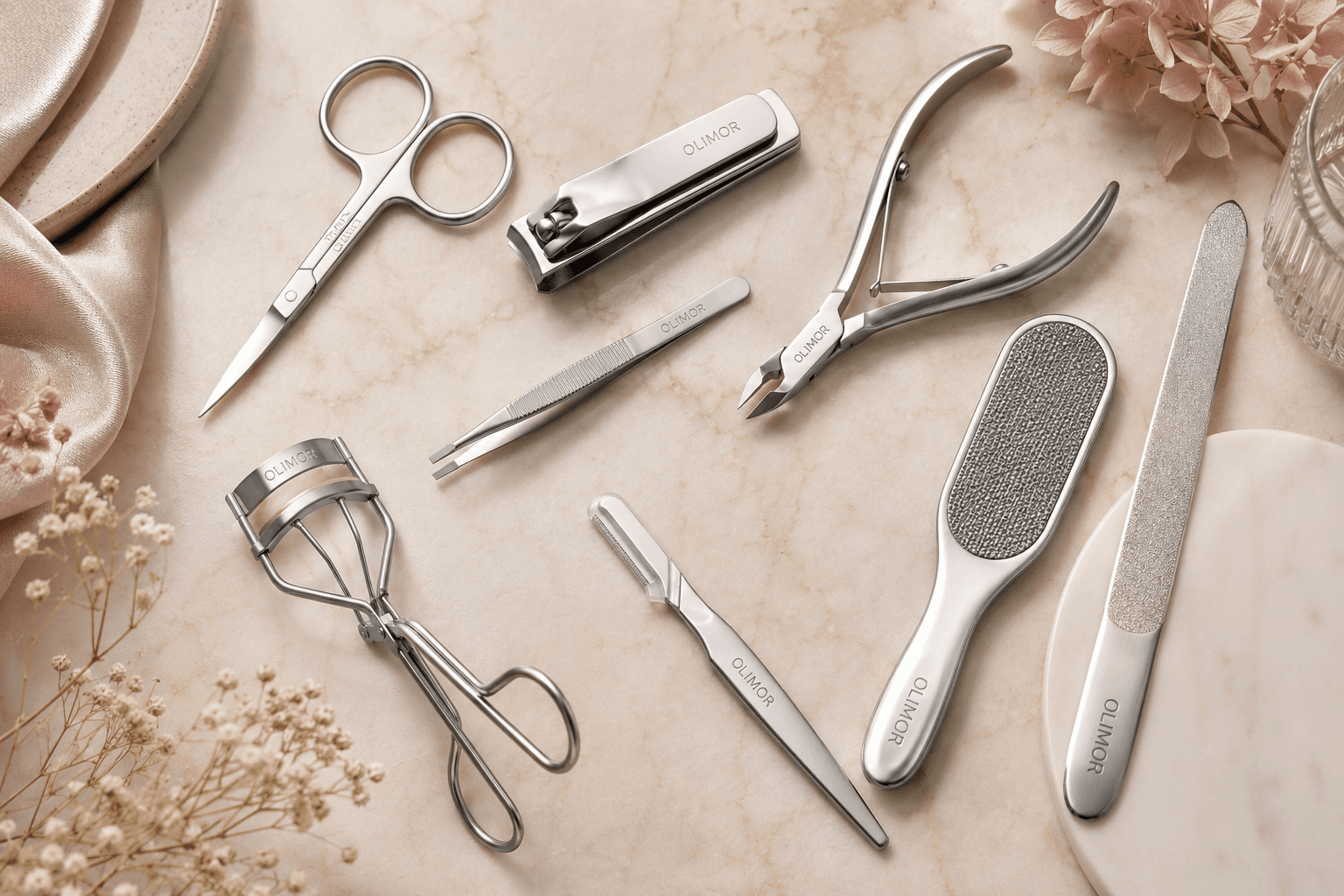
If you are planning a broader grooming range, review Olimor beauty tool products to consider whether nail clippers should be sourced as a single item or grouped with related manicure and personal care tools.
Compare Size, Weight and Handling Before Choosing a Model
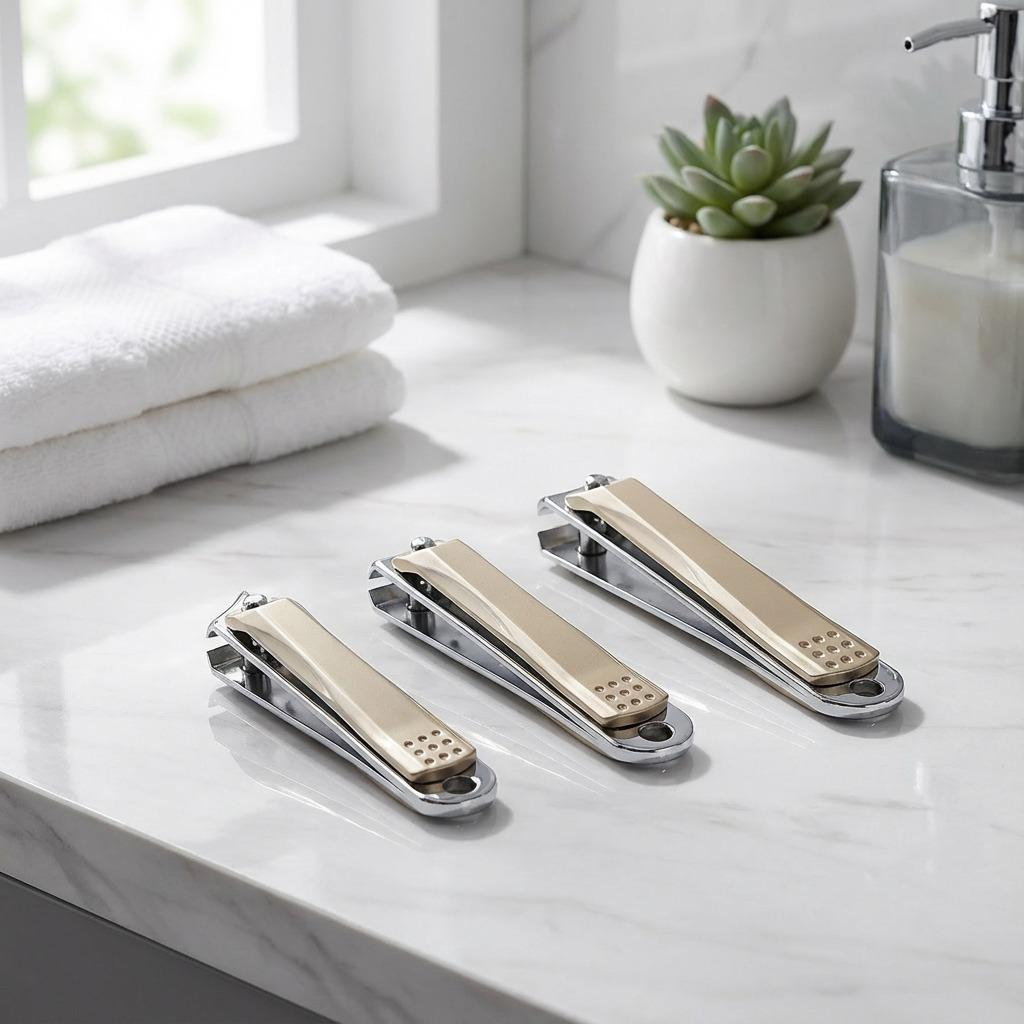
Nail clippers may look similar online, but small differences in size, weight and lever feel can change the buying experience. The supplied Olimor product references include examples such as a 67 mm, 26 g standard model; a 64 mm portable model; a 75 mm, 44 g larger model; and a 90 mm, 60 g clipper used as a size and handling reference. These details show why buyers should not assume one clipper suits every channel.
A compact clipper may be ideal for travel kits, impulse retail and handbag grooming sets. A larger clipper may feel more substantial and suit users who prefer a stronger grip. A standard size may work well for everyday retail and manicure kits. Instead of selecting one product only by appearance, handle real samples and compare how each size fits your user, packaging and retail plan.
| Clipper direction | What to evaluate | Best-fit B2B use case |
|---|---|---|
| Portable compact size | Lightweight feel, pouch fit, safe storage and efficient packing | Travel sets, gift kits, compact beauty assortments and impulse items |
| Standard everyday size | Balanced grip, practical cutting feel and broad customer acceptance | Retail nail care displays, manicure kits and everyday personal care lines |
| Larger or heavier-feel model | Hand comfort, lever stability, packaging space and perceived solidity | Heavier-duty positioning, premium-feel sets or users wanting a larger grip |
| Private-label configuration | Logo area, finish direction, packaging layout and sample consistency | Branded grooming ranges, e-commerce SKUs and distributor programs |
During sample review, check whether the clipper fits your intended retail card, box, pouch or kit insert. A small change in length or weight can affect display planning, carton space, shipping efficiency and the final unboxing experience.
Evaluate Stainless Steel Construction and Cutting Performance
Stainless steel is commonly chosen for nail clippers because grooming tools need a clean surface, a reliable cutting edge and a professional appearance. However, the phrase “stainless steel” is not enough to prove quality. B2B buyers should inspect production-representative samples and compare multiple pieces when possible.
Olimor nail clippers are described as stainless steel tools with sharp blades, ergonomic handles, sleek silver styling, compact usability and durable construction. These are useful product directions for wholesale beauty supply channels, but the buyer’s approval process should focus on actual sample performance, not catalog language alone.
Sample inspection points that matter
- Blade alignment: The cutting edges should meet evenly from side to side without obvious gaps, offset corners or twisting.
- Cutting feel: The clipper should trim smoothly with controlled pressure and should not crush, bend or tear the nail during normal use.
- Lever action: Opening and closing should feel stable, with no scraping, sticking, wobbling or loose rebound.
- Handle comfort: The lever and body should sit securely in the fingers and allow controlled pressure without discomfort.
- Surface finish: Inspect for burrs, rough non-cutting edges, visible scratches, uneven polishing, discoloration or coating inconsistency.
- Consistency across samples: Several pieces from the same proposed batch should feel and cut similarly, not like different products.
For online sellers, also confirm dimensions, weight and product copy before listing. Accurate images and descriptions help reduce customer confusion and returns. For retail buyers, surface appearance and packaging condition are especially important because customers often judge grooming tools quickly at the shelf.
Understand ODM and Private-Label Options
Nail clipper ODM is useful when you want a product that fits a specific brand position, kit format or retail program rather than a generic catalog item. ODM may involve selecting a size direction, surface appearance, grip texture, handle shape, packaging style, logo placement or set configuration. The goal is not to add complexity; it is to make the clipper match your customer and sales channel.
ODM makes the most sense when you already understand the market. A travel-oriented beauty kit may need a compact, lightweight clipper. A salon distributor may prefer a practical shape with stable hand feel. A retail beauty brand may place more emphasis on silver finish consistency, brand presentation and packaging communication. A three-size assortment can also support good-better-best merchandising without creating unnecessary product confusion.
Before discussing ODM, prepare a concise product brief. Include the target customer, sales channel, preferred size direction, surface finish, packaging format, logo requirements and any functional priorities such as portability, grip comfort or heavier-duty handling. Avoid vague requests such as “make it premium” or “make it cheaper.” More useful requests are specific: smoother lever feel, compact fit for a pouch, matte-style appearance if available, or packaging that aligns with an existing manicure range.
Buyers considering category planning can browse Olimor product collections to think about how nail clippers may coordinate with broader beauty tool assortments.
Plan Packaging Early, Not After Product Approval
Packaging is part of the wholesale nail clipper sourcing decision. It affects shelf presentation, shipping protection, packing density, customer instructions, barcode placement, private-label appearance and overall cost factors. If packaging is discussed too late, an approved clipper may not fit the selected card, pouch, box or display format.
Simple bulk packing may be appropriate for distributors, salons or kit assemblers. Retail buyers may need individual packaging that shows the product clearly and provides enough space for product information. E-commerce sellers should consider scratch protection and clean delivery condition. Gift set suppliers must check how the clipper sits with other grooming tools and whether movement inside the set could damage the surface.
- Retail cards: Useful for shelf visibility, barcode placement and simple consumer information.
- Boxes: Better for a more finished presentation or private-label beauty range.
- Pouches or kits: Suitable for travel grooming, manicure sets and compact beauty bundles.
- Bulk packing: Efficient for salon supply, distributor stock or assembly into larger kits.
Ask the supplier to confirm packaging samples or artwork approval steps before production. If your target market has labeling, safety, import or language requirements, build those checks into the sample stage. Public bodies such as the U.S. Consumer Product Safety Commission or applicable EU product safety authorities may be relevant depending on destination market and product classification. Buyers should verify the applicable rules, current versions and supplier documentation for their own market; do not assume one requirement applies everywhere.
Compare Suppliers by Process, Not Promises
Supplier evaluation should combine product quality, communication and commercial fit. A good sample is important, but B2B buyers also need confidence that future bulk shipments will match the approved sample. Ask how the supplier confirms materials, manages sample approval, checks in-process quality, reviews finished goods and handles packaging before shipment.
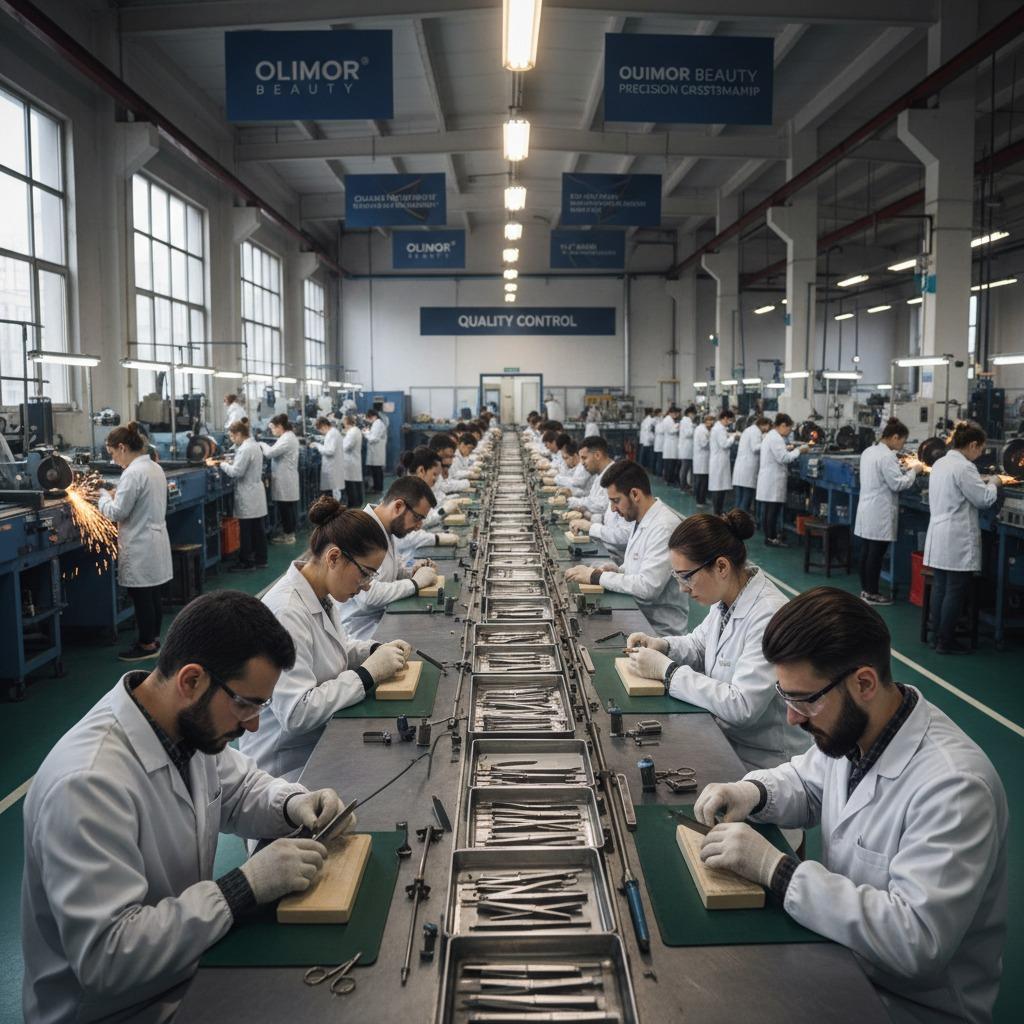
Olimor Beauty notes attention to quality checks from material selection to final assembly and internal batch control. For buyers, the practical question is how those checks align with your order requirements. Confirm what will be inspected, what sample becomes the reference, what packaging version is approved and how changes are recorded before production.
| Buying area | Questions to ask | Why it matters |
|---|---|---|
| Approved sample | Which sample, size, weight, finish and packaging version will production follow? | Reduces the risk of receiving goods that differ from the agreed standard. |
| Material and finish | How is stainless steel construction and surface consistency checked? | Supports durability impression, appearance and customer confidence. |
| Cutting performance | How are blade alignment, lever movement and cutting feel reviewed? | Determines whether the product performs well after purchase. |
| Packaging | Can retail, bulk, box, pouch or private-label packaging be sampled and approved? | Prevents delays and protects shelf or e-commerce presentation. |
| ODM scope | Which logo, finish, grip, shape or artwork changes are realistic for the project? | Keeps customization useful instead of expensive or confusing. |
| Commercial terms | What are the order quantity, lead time, payment, shipping and after-sales procedures? | Helps protect cash flow, inventory planning and delivery coordination. |
When comparing suppliers found through trade platforms, directories or direct factory searches, do not rely on a listing alone. Photos and broad claims cannot prove consistency. Physical samples, clear written specifications and responsive communication are stronger indicators of a workable long-term supplier relationship.
Build a Practical Wholesale Sourcing Workflow
A structured sourcing process helps prevent common problems such as mismatched packaging, unclear logo placement, inconsistent cutting feel or bulk goods that do not match the sample. Use a step-by-step workflow before confirming a purchase order.
- Define the sales channel: Decide whether the clipper is for retail, salon, travel, distributor, e-commerce or private label use.
- Set the product requirements: Confirm size direction, finish expectations, cutting performance, packaging format and branding needs.
- Request physical samples: Review cutting feel, lever action, blade alignment, surface finishing, hand comfort and packaging fit.
- Compare cost factors fairly: Make sure quotes include comparable product construction, packaging, customization and inspection expectations.
- Approve a reference sample: Record the approved size, weight if specified, finish, logo position, packaging and any known tolerances agreed with the supplier.
- Clarify inspection points: Confirm checks for cutting edge condition, lever function, surface finish, packaging appearance and carton markings.
- Plan reorders: Ask how repeat orders will be matched to the approved sample and how any material, finish or packaging changes will be communicated.
This workflow is especially useful for private-label beauty supply buyers because the clipper may carry your brand name. Even a low-cost tool can create expensive problems if customers complain about dull cutting, rough edges or inconsistent packaging.
When to Contact Olimor
If you need stainless steel nail clippers for a B2B beauty supply assortment, Olimor can discuss product options, packaging direction and ODM requirements based on your sales channel. A focused inquiry should include the intended market, product role, preferred packaging, customization needs and any sample evaluation priorities.
To start a sourcing discussion, use the Olimor wholesale inquiry form or contact the team through Olimor contact support. Keep the request practical: describe the customer, the channel and the performance requirements you need to verify before bulk ordering.
FAQ
Can I request nail clipper samples before a wholesale order?
Yes. Sample review is strongly recommended because photos cannot confirm cutting feel, blade alignment, lever stability or packaging fit. Buyers should compare samples against their intended sales channel before approving bulk production.
Does Olimor support ODM or private-label nail clippers?
ODM and private-label discussions may include product presentation, packaging direction, logo placement, finish preferences or assortment planning, depending on the project. Buyers should provide a clear brief so available options can be confirmed without unnecessary complexity.
What MOQ, price or lead time should B2B buyers expect?
MOQ, pricing and lead time depend on the selected product, packaging, customization scope and order plan. Buyers should request a current quotation and confirm all commercial terms in writing before placing an order.
What quality checks should be confirmed before shipment?
Important checks include blade alignment, cutting feel, lever action, surface finish, burrs or rough edges, packaging appearance and consistency with the approved sample. Buyers should also verify any applicable market documentation or labeling requirements.
How should I choose between compact, standard and larger nail clippers?
Match the size to the user and channel. Compact clippers suit travel kits and pouches, standard clippers fit broad retail use, and larger or heavier-feel models may suit customers who prefer a more substantial grip or premium-feel presentation.
Tag: