How to Evaluate a High-Quality Beauty Tools Manufacturer
For beauty brands, salons, spas, distributors, and personal care buyers, choosing a beauty tools manufacturer is not simply a matter of finding an attractive product photo. The right tool has to feel comfortable in the hand, perform consistently, withstand repeated use, and arrive with quality that supports your reputation. Small instruments such as eyelash curlers, tweezers, grooming tools, and spa accessories may look simple, but their value depends on precise shaping, smooth finishing, reliable assembly, and practical packaging decisions.
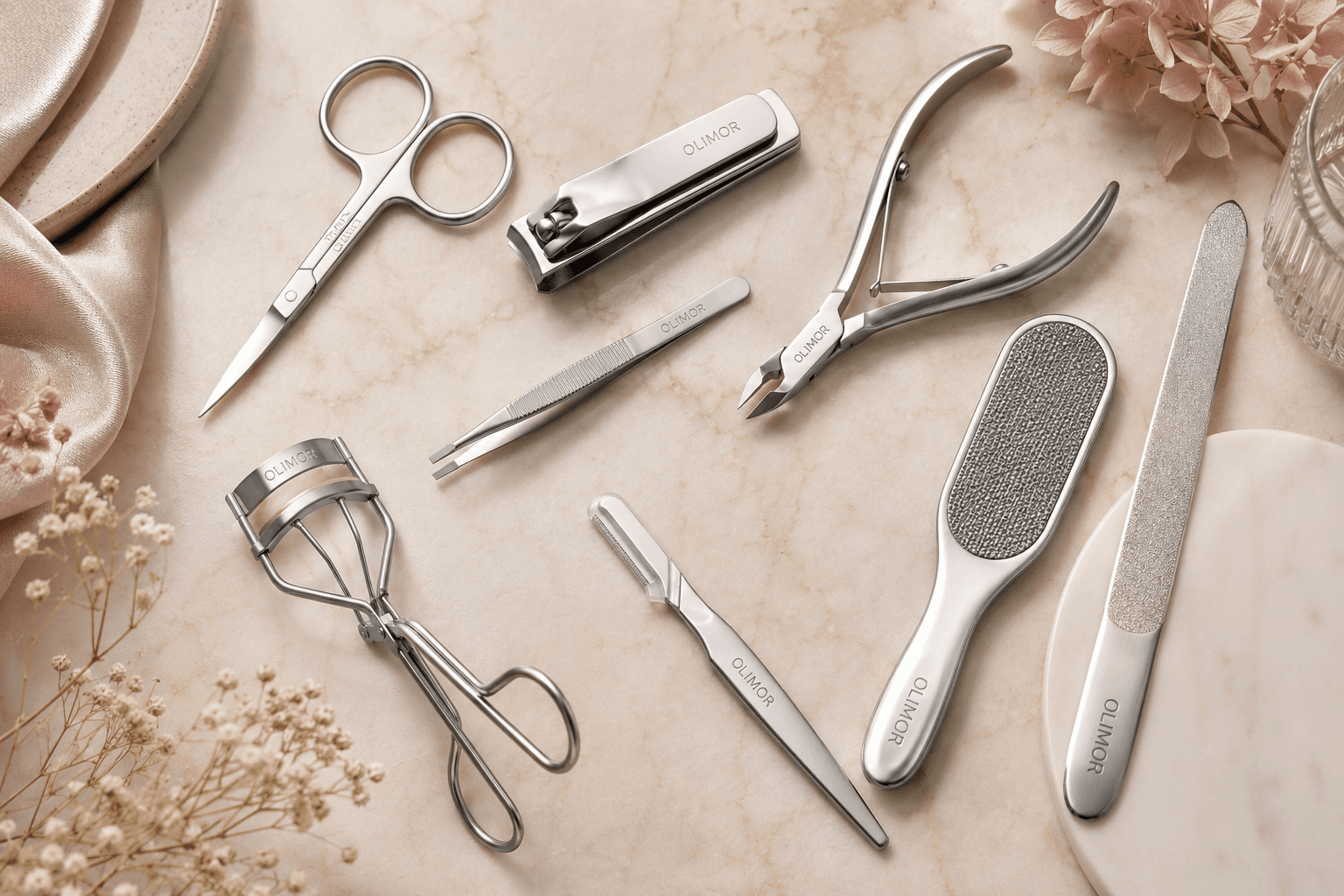
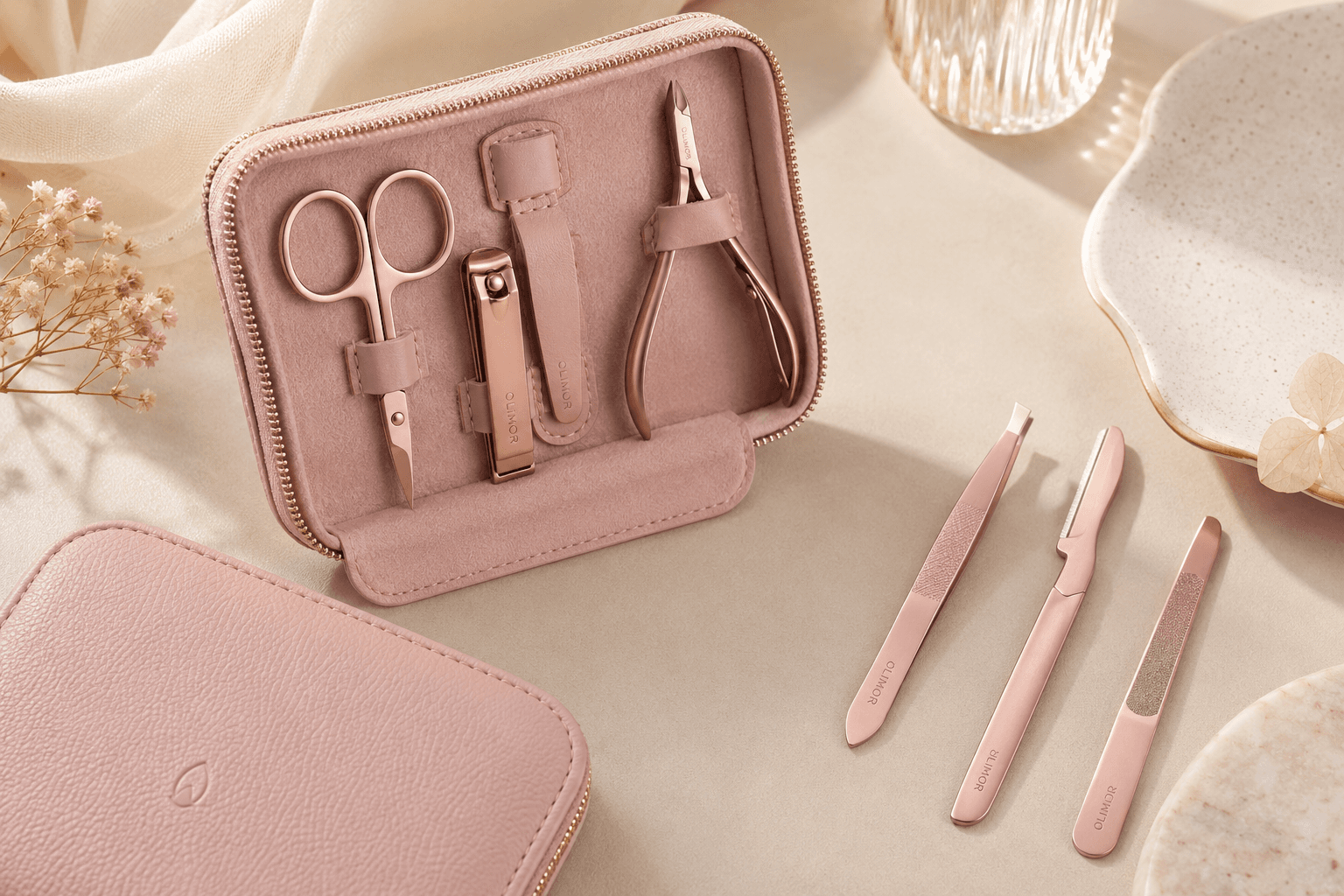
Olimor Beauty focuses on beauty and personal care tools designed for everyday users and professional purchasing needs. This guide explains what to examine when comparing manufacturers, using the eyelash curler details from Olimor Beauty as a useful example. It is written for buyers who need to make practical sourcing decisions, not for anyone looking for vague claims or generic product descriptions.
Start With the Tool’s Real Use Case
A quality evaluation should begin with how the beauty tool will actually be used. A spa buyer, a retail brand, and an online seller may all purchase similar categories, but they often care about different details. A spa may prioritize repeatable performance and easy cleaning. A retail brand may care about consumer comfort, packaging presentation, and lower return risk. A distributor may need consistency across cartons and stable product appearance from order to order.
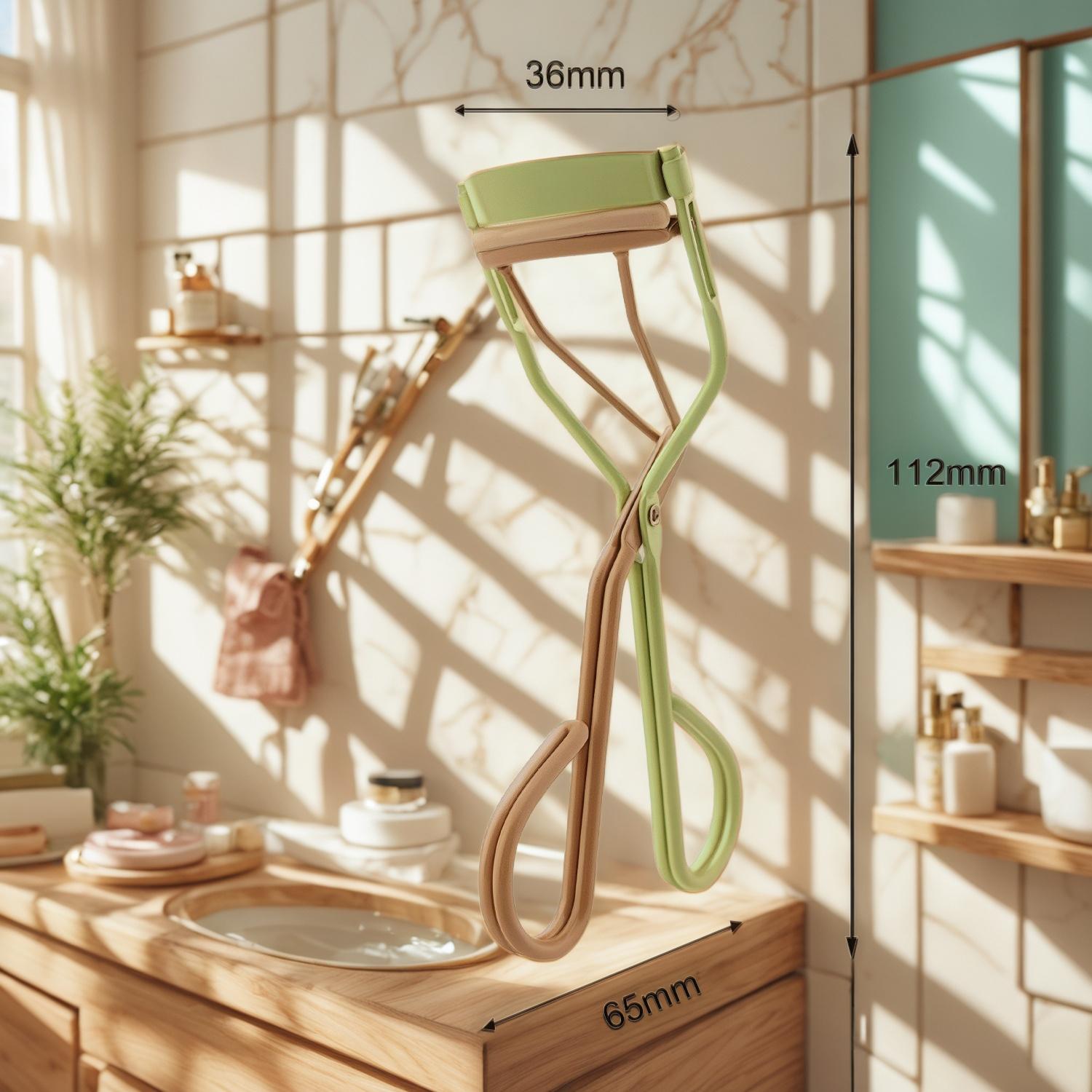
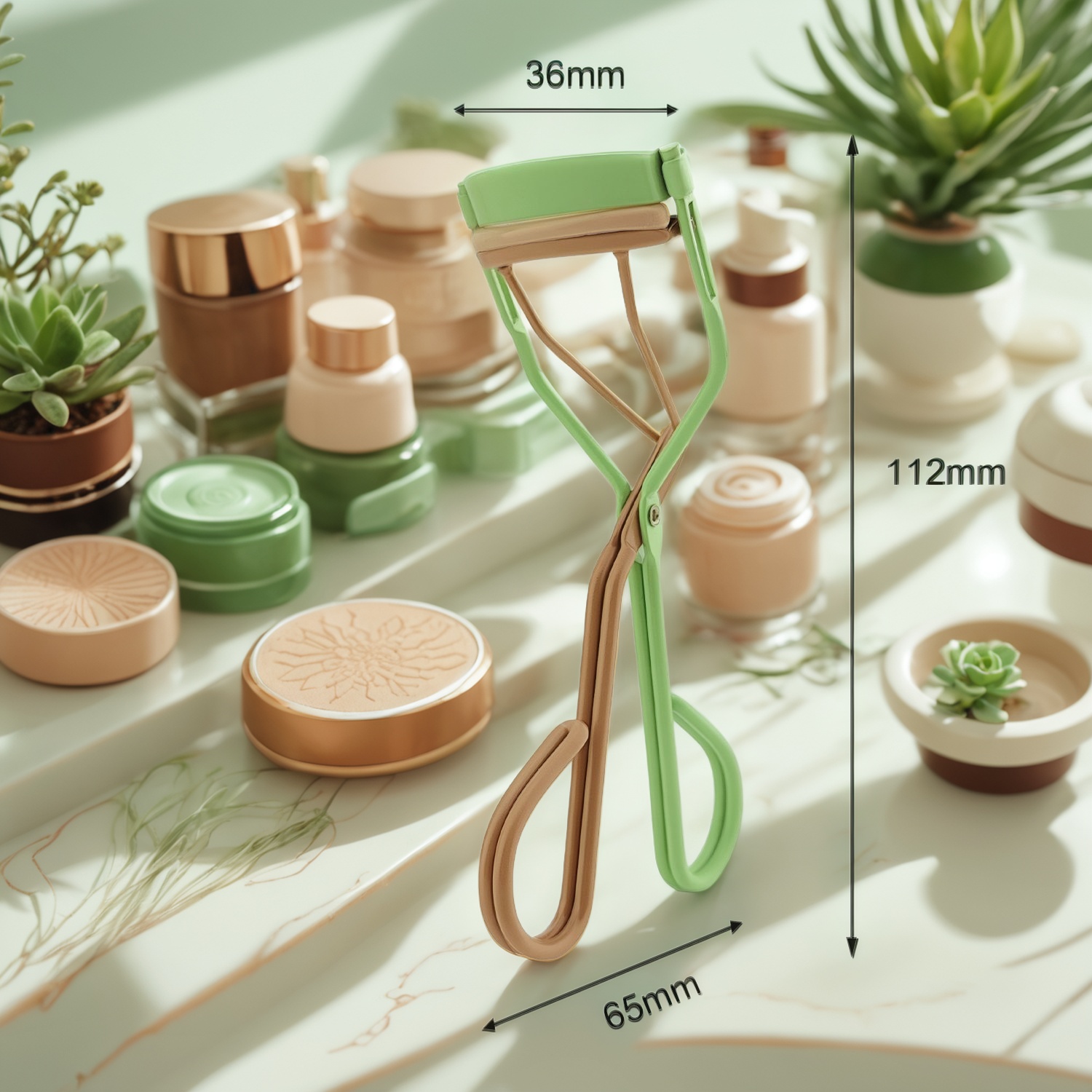
For an eyelash curler, the user is usually looking for a smooth curl without pinching, uneven pressure, or awkward handling. The tool must meet a delicate area of the face, so comfort and control matter as much as appearance. Olimor Beauty’s eyelash curler is described with a 36mm curving head, a 112mm frame, and a 65mm handle. Those details are helpful because they give buyers more than a visual impression; they provide concrete dimensions that can be compared against target users, packaging space, and product positioning.
When reviewing any beauty tool, connect the specification to the intended user. A dimension, shape, or finish only matters if it improves usability, safety, handling, cleaning, storage, or shelf presentation.
What Makes an Eyelash Curler Worth Sourcing?
An eyelash curler is a good test of a beauty tools manufacturer because it combines metal shaping, ergonomic design, pad contact, hinge movement, and finishing quality in one compact item. If the frame is poorly aligned, the curl can be uneven. If the edges are rough, the product feels low quality. If the handle is uncomfortable, the user may apply too much or too little pressure. If the movement is stiff, the tool can feel unreliable even before it reaches the lash line.
The Olimor Beauty eyelash curler is described as having a precise 36mm curving head designed to fit all eye shapes, along with an ergonomic 112mm frame and 65mm handle for control and comfort. For buyers, these details suggest several inspection points:
- Head curve and contact: The curving head should sit naturally near the lash line without forcing the wrist into an awkward angle.
- Frame alignment: Both sides should close evenly so pressure is balanced across the lashes.
- Handle comfort: The 65mm handle should allow stable grip and controlled pressure during use.
- Movement: Opening and closing should feel smooth, without scraping, wobbling, or unexpected resistance.
- Surface finish: The tool should feel clean and smooth to the touch, especially around areas handled frequently.
These points help separate a product that looks acceptable in a catalog from one that can support repeat purchases and positive end-user feedback.
Quality Control Should Be Built Into the Process
For spa personal care tools wholesale and retail supply, consistency is often more important than a single impressive sample. A sample can be checked by hand, adjusted, or selected carefully. Bulk production requires repeatable inspection habits. Olimor Beauty states that its products undergo an internal quality control process, including inspection from raw stainless steel to final packaging. That kind of process matters because beauty tools pass through several stages where defects can appear.
Buyers should consider quality control in layers. Material inspection helps reduce obvious issues before production begins. In-process checks can catch alignment, shaping, or assembly problems before too much inventory is affected. Final inspection can review appearance, function, packaging, and carton condition before shipment. No supplier evaluation should rely only on a finished product photo.
A practical buyer checklist may include the following:
- Confirm whether the product sample matches the final production material, finish, dimensions, and packaging plan.
- Review how the manufacturer checks alignment, movement, edges, and visible surface defects.
- Define acceptable cosmetic standards before production, especially for polished or coated beauty tools.
- Check whether packaging protects the tool from scratches, deformation, dust, and moisture during transport.
- Keep a signed reference sample or approved sample record for comparison with future production.
This approach is useful whether you are sourcing eyelash curlers, grooming accessories, spa tools, or a broader selection of beauty tool products.
Material and Finish Decisions Affect User Trust
Beauty tools are handled close to the face, eyes, skin, and nails, so the user quickly notices poor finishing. Even when a tool is not a skincare formula, it still has to feel hygienic, durable, and safe to handle. Olimor Beauty mentions inspection of raw stainless steel in its quality process. Buyers should treat material and finish review as part of product positioning, not only as a technical purchasing step.
For metal beauty tools, consider whether the surface feels smooth, whether edges are comfortable, and whether the finish is visually consistent. A bright finish may look premium but can show fingerprints or scratches more easily. A matte or coated finish may suit some brands, but coating consistency and abrasion resistance need attention. For tools with contact pads, springs, grips, or inserted parts, the fit between components should also be evaluated.
Instead of asking only, “Is this a good material?” buyers should define what “good” means for their sales channel. A salon-use tool may need a finish that tolerates frequent cleaning. A giftable retail product may need stronger visual appeal in packaging. An e-commerce product may need clear product images and reliable dimensions to reduce mismatched customer expectations.
Ergonomics Are a Product Quality Issue, Not a Marketing Detail
Ergonomics can sound like a soft benefit, but for hand tools it directly affects performance. If a beauty tool is uncomfortable, users compensate by changing grip, increasing pressure, or using it at the wrong angle. That can lead to uneven results or a poor impression of the product.
The 112mm frame and 65mm handle of Olimor Beauty’s eyelash curler provide a useful reminder: dimensions influence control. A buyer should hold the tool, test the opening and closing movement, and consider different hand sizes. For a product intended for broad retail use, the tool should not require professional technique to feel manageable. For spa or beauty professionals, it should support repeated use without feeling unstable or tiring.
When evaluating ergonomics, test the product as a user would. Do not only open and close it once. Check it near a mirror, in the hand position a user would naturally choose. If the tool is part of a kit or collection, compare the hand feel across related items so the overall range feels coherent.
How Buyers Can Compare Beauty Tool Suppliers
When comparing personal care tools manufacturers, buyers often receive similar claims: quality, comfort, durability, and professional results. The difference is in the evidence and the communication. A strong supplier can provide usable product details, answer practical manufacturing questions, and help the buyer understand trade-offs without overpromising.
| Evaluation Area | What to Check | Why It Matters |
|---|---|---|
| Product dimensions | Head size, frame length, handle length, packaging fit | Supports usability, listing accuracy, and retail planning |
| Functional consistency | Alignment, movement, grip, closing pressure | Reduces complaints and improves repeat performance |
| Surface quality | Smooth edges, even finish, clean appearance | Influences perceived hygiene and value |
| Packaging protection | Scratch prevention, deformation resistance, carton handling | Helps the product arrive in sellable condition |
| Communication | Clear answers, realistic timelines, sample consistency | Makes sourcing decisions easier and less risky |
This comparison method works for single-product sourcing and for reviewing broader product collections. It keeps the discussion focused on measurable product quality rather than broad promotional language.
Maintenance and After-Sale Considerations for Beauty Tools
Maintenance guidance can improve customer satisfaction, especially for tools used near the eyes or skin. Even a well-made eyelash curler should be kept clean, stored dry, and checked periodically for worn or damaged contact areas. Retail buyers should consider whether the final product page, packaging, or insert needs simple care instructions. Professional buyers may need internal handling guidance for staff.
Useful care information might include wiping the tool after use, avoiding storage in damp areas, and checking that all moving parts remain properly aligned. If a tool includes a pad or component that may wear over time, the buyer should plan how that will be communicated to users. Clear maintenance expectations can reduce misuse and help users understand the normal life cycle of a beauty tool.
For sourcing teams, after-sale planning also includes documentation. Keep product images, approved dimensions, packaging files, and sample records organized. If you reorder, these references help verify that the new production remains consistent with the accepted version.
Working With Olimor Beauty
Olimor Beauty serves buyers looking for beauty tools and personal care instruments with attention to design, comfort, and quality control. The eyelash curler example shows why practical details matter: a 36mm curving head, 112mm frame, and 65mm handle give buyers information they can evaluate, test, and compare. Combined with internal inspection from raw stainless steel through final packaging, these details support more confident sourcing decisions.
If you are developing a retail beauty tool range, reviewing spa personal care tools wholesale options, or comparing suppliers for a new product plan, start with the real use case and work backward through dimensions, function, finish, packaging, and inspection. To discuss a project or request product information, you can contact Olimor or send an inquiry with your target product category, expected application, packaging needs, and any sample requirements.
Tag: