Grooming Tools Wholesale Buying Guide for Retail and Spa Businesses
Wholesale grooming tools can be a strong category for beauty retailers, salons, spas, gift suppliers and online stores because they support everyday personal care habits. Unlike trend-only cosmetics, grooming accessories are repeat-use products that customers buy for home routines, travel kits, salon support and gifting. The challenge is choosing tools that feel reliable, fit your audience and can be sourced consistently without creating unnecessary inventory risk.
This guide focuses on how to plan a practical grooming tools wholesale assortment, what to check before buying in bulk, and how to evaluate a supplier for long-term business use. It is written for buyers who want more than a generic product list: you need clear selection criteria, quality checkpoints and merchandising ideas that help grooming tools sell through instead of sitting in storage.
Why Grooming Tools Work Well in Wholesale Assortments
Grooming tools are useful because they sit between beauty, hygiene and self-care. A customer may purchase a facial cleansing accessory, hair removal tool, nail care item or spa personal care tool for a specific problem, then add another item because the category is easy to understand. For retailers, this makes grooming tools suitable for entry-level price points, bundled sets and seasonal promotions.
For salons and spas, grooming accessories can support retail shelves near the reception area. After a treatment, customers often want tools that help them maintain results at home. A well-chosen small tool assortment can be easier to explain than a complex skincare routine, especially when staff can demonstrate how the item is used and cleaned.
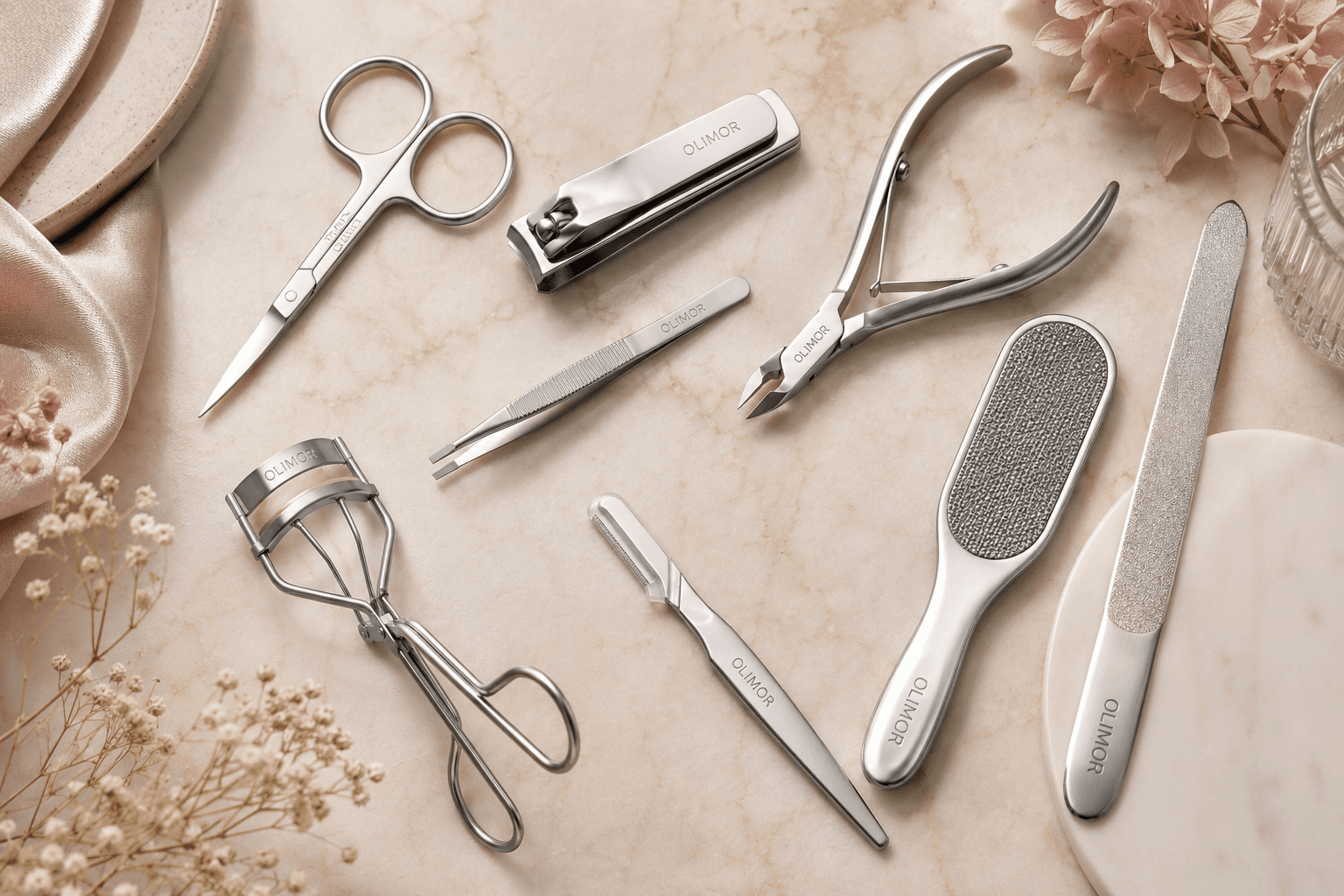
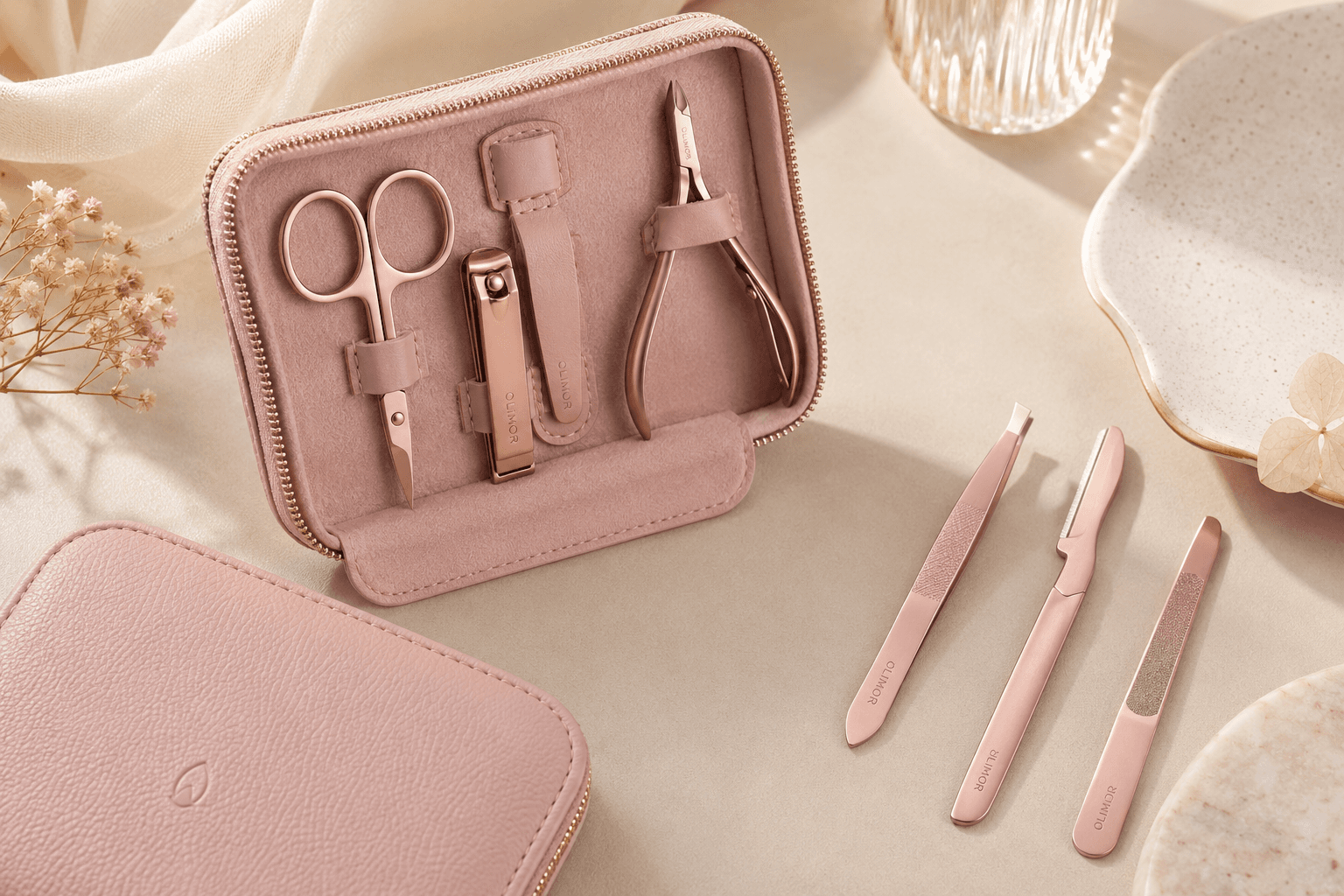
Wholesale buying also helps standardize presentation. When you source coordinated grooming tools in bulk, you can create a more consistent retail display, improve packaging alignment and reduce the chance of mixing unrelated products from too many sources. If you are building a broader beauty accessory range, review Olimor Beauty's beauty tool products to compare categories and identify items that may suit your sales channel.
Match the Assortment to Your Customer and Sales Channel
The right grooming tools wholesale order depends on where and how you sell. A spa may need calm, treatment-focused accessories, while an online beauty store may need compact items that photograph well and ship efficiently. A supermarket or lifestyle store may prefer simple, easy-to-explain grooming basics that customers can purchase without consultation.
Before choosing products, define the primary buying situation. Are customers shopping for daily home grooming, professional aftercare, travel convenience, men’s grooming, facial care, nail maintenance or gift sets? This decision affects the size, packaging, color direction, instructions and assortment depth.
- Retail stores: prioritize visible packaging, clear use cases, scannable product information and a range of price points.
- Spas and salons: look for tools that connect naturally with services and can be explained by staff after appointments.
- E-commerce sellers: consider product photography, shipping durability, lightweight formats and customer education content.
- Gift and promotional buyers: focus on cohesive sets, attractive packaging and practical tools that suit broad audiences.
- Private-label buyers: evaluate branding space, packaging customization possibilities and consistency across repeat orders.
A narrower, better-matched assortment usually performs better than a very broad selection with weak positioning. Start with grooming tools that solve clear needs, then expand based on sales data, customer reviews and staff feedback.
Quality Signals to Check Before Buying in Bulk
Small grooming tools are often judged by the details. Edges, joints, handles, surface finish and packaging can all influence whether a customer perceives the item as safe, comfortable and worth repurchasing. Even when product specifications vary by item, there are common quality signals buyers can evaluate before placing a larger wholesale order.
For hand-held grooming tools, examine how the product feels in the hand. It should not have sharp unwanted edges, loose parts, obvious surface flaws or unstable movement. For spa personal care tools, comfort and cleaning are especially important because customers associate the product with skin contact and hygiene. If a tool includes moving parts, check whether the motion feels smooth and controlled. If it is a static accessory, check balance, grip and surface finish.
| Buying checkpoint | What to look for | Why it matters |
|---|---|---|
| Surface finish | Clean appearance, no obvious burrs, rough marks or residue | Improves perceived quality and skin-contact confidence |
| Grip and ergonomics | Comfortable hold, suitable size, stable handling when dry | Reduces frustration and improves repeat use |
| Packaging protection | Tools secured inside packaging, limited movement during transit | Helps avoid scratches, deformation and customer complaints |
| Use instructions | Clear care, cleaning and usage information where needed | Supports safe use and reduces returns caused by confusion |
| Assortment consistency | Similar color tone, finish and presentation across related items | Makes displays and sets look more professional |
Buyers should also think about how quality will be checked after delivery. A simple incoming inspection plan can include carton condition, random product checks, packaging review and sample use testing. This is especially useful when grooming tools are sold under your own brand or included in kits.
Spa Personal Care Tools Wholesale: Build Products Around Use Cases
Spa personal care tools wholesale buying should be organized around customer routines, not only product names. Customers are more likely to buy when they understand how a tool fits into cleansing, exfoliation, massage, hair removal, nail care or post-treatment maintenance. The goal is to make the product feel useful without overpromising results.
For a spa or beauty retailer, grouping tools by routine can improve shelf navigation. A facial care section might include cleansing accessories, facial massage tools and gentle grooming items. A nail care area could group files, buffers and cuticle-related tools. A travel grooming section may include compact tools that are easy to pack and explain.
When planning sets, avoid adding products only to increase item count. Each piece should have a clear role. A smaller set with a logical routine can be easier to sell than a larger kit with overlapping items. Include concise instructions or a usage sequence if the set may be purchased by beginners. For example, a numbered insert can explain cleaning, preparation, tool use and aftercare in plain language.
Sustainability Considerations Without Greenwashing
Many buyers are looking for a sustainable beauty tools supplier, but sustainability claims need to be handled carefully. A responsible sourcing approach starts with practical questions: what materials are used, how much packaging is required, whether the product is durable enough for repeated use, and whether replacement or overpackaging can be reduced. It is better to make accurate, verifiable claims than to use vague eco language.
For grooming tools, durability is part of sustainability. A tool that breaks quickly, rusts easily or arrives damaged creates waste even if the packaging looks environmentally friendly. Packaging efficiency also matters. Buyers can compare whether the product needs a large plastic insert, a simple carton, a protective sleeve or another format that balances presentation with shipping protection.
If sustainability is part of your brand positioning, create an internal checklist before buying. Include material transparency, packaging structure, product lifespan expectations, care instructions and disposal considerations where relevant. Olimor Beauty can be considered as a sourcing partner for beauty tool buyers who want to compare product options and discuss practical requirements; you can contact Olimor for business communication or send an inquiry with your target assortment.
Packaging, Branding and Merchandising Details That Affect Sell-Through
Wholesale grooming tools do not sell only because the tool is useful. Presentation strongly influences customer confidence. A product that looks clean, organized and easy to understand has an advantage in both physical retail and online listings. Packaging should protect the item, explain the use case and fit the price position.
For retail shelves, consider whether the package can hang, stand or stack. Check if the main benefit is visible without reading a long paragraph. For e-commerce, make sure the packaging and product are easy to photograph from several angles. If you plan to sell sets, the kit should look intentional rather than like unrelated tools placed together.
Branding should be consistent but not excessive. Grooming tools are functional items, so customers still need clear information about use, care and hygiene. If you are comparing multiple categories, the product collections page can help you think about how items may be grouped into a coherent product line.
Questions to Prepare Before Contacting a Supplier
A productive wholesale conversation starts with a clear brief. Instead of asking only for a catalog, prepare information about your market, sales channel and product goals. This helps narrow options and reduces back-and-forth communication.
- Define your target customer: retail shopper, salon client, spa guest, online buyer, gift recipient or private-label audience.
- List required categories: facial care, nail care, hair grooming, spa accessories, travel tools or mixed sets.
- Clarify packaging needs: hanging card, box, pouch, set packaging, barcode area or instruction insert.
- Set quality expectations: appearance standards, finishing requirements, inspection process and acceptable packaging condition.
- Prepare branding requirements: logo placement, color direction, language needs and any regulatory text needed for your market.
- Plan order structure: whether you need a test assortment first, a seasonal program or repeat supply for an ongoing line.
When details such as materials, compliance requirements or packaging formats are important for your market, include them in the first inquiry. Clear requirements make it easier to compare options fairly and avoid selecting a product based only on appearance.
How to Turn Wholesale Grooming Tools Into a Stronger Category
Once products arrive, the way you sell them matters. Train staff or write product content around specific routines: cleansing support, tidy grooming, at-home spa care, nail maintenance or travel convenience. Use simple care guidance so customers know how to clean and store tools after use. If customers understand how to maintain a product, they are more likely to feel satisfied with the purchase.
Track which items sell as singles and which work better in sets. Watch return reasons, customer questions and online reviews. If buyers keep asking the same question, improve the package text or product page. If a tool is often purchased with another item, consider creating a bundle or display them together.
Grooming tools wholesale can support steady business growth when the assortment is practical, the quality is checked and the sourcing plan is organized. Focus on tools that match real routines, packaging that communicates clearly and supplier conversations based on detailed requirements. With that foundation, grooming tools can become a dependable part of a beauty retail, salon or spa product strategy.
Tag: