How to Choose a Global Tweezers Supplier for Wholesale and OEM/ODM Programs
Tweezers are small beauty tools, but they can have a large effect on customer satisfaction. A well-made pair grips cleanly, closes evenly, feels comfortable in the hand and supports repeat use. A poorly made pair can slip on fine hair, feel rough, damage packaging presentation and reduce trust in an entire beauty range.
For retailers, distributors, salon chains, e-commerce sellers and private-label brands, choosing a global tweezers supplier should not be based only on the lowest unit quote. The better question is whether the supplier can provide the right balance of tip alignment, material choice, finishing, packaging, customization support and repeat-order consistency.
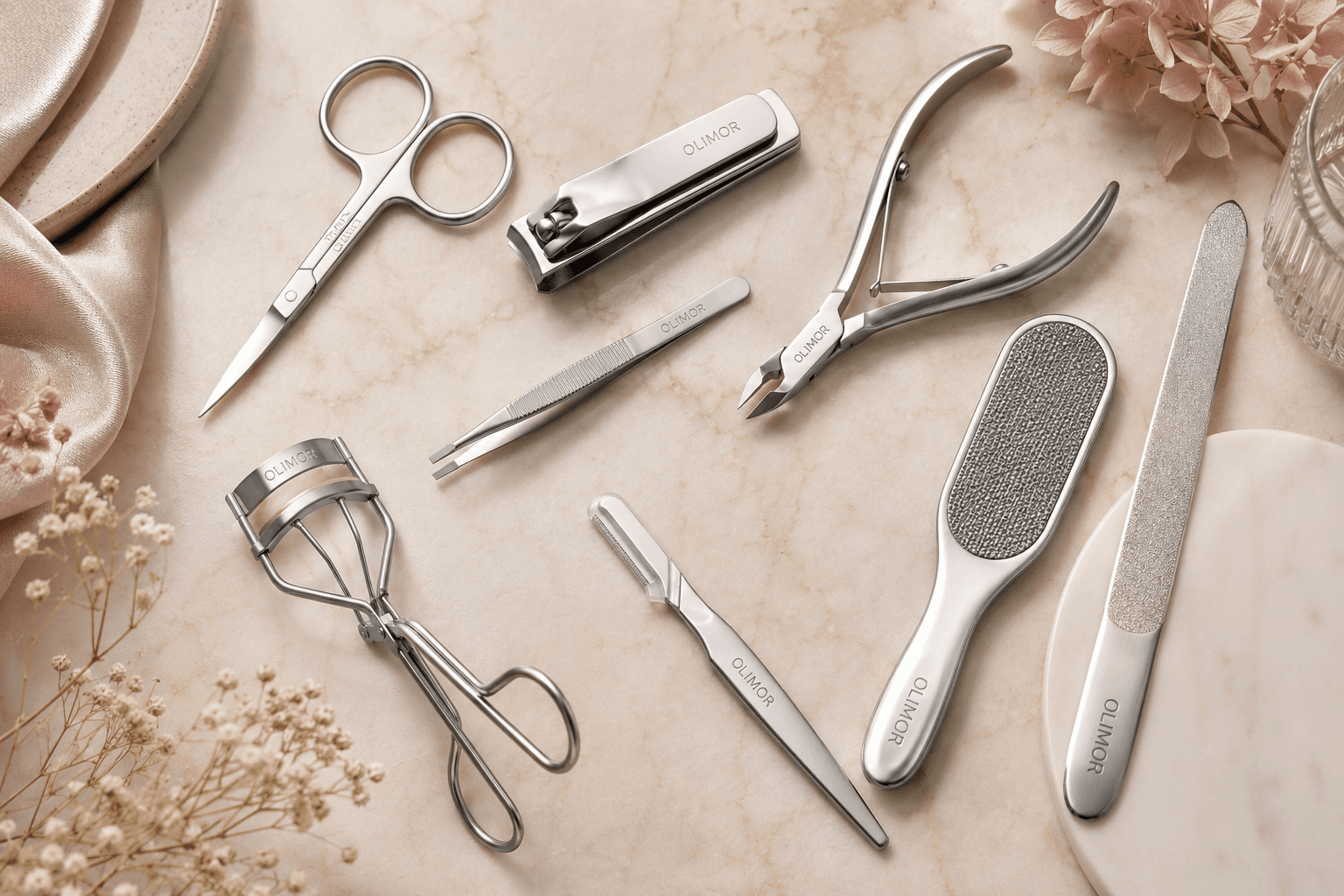
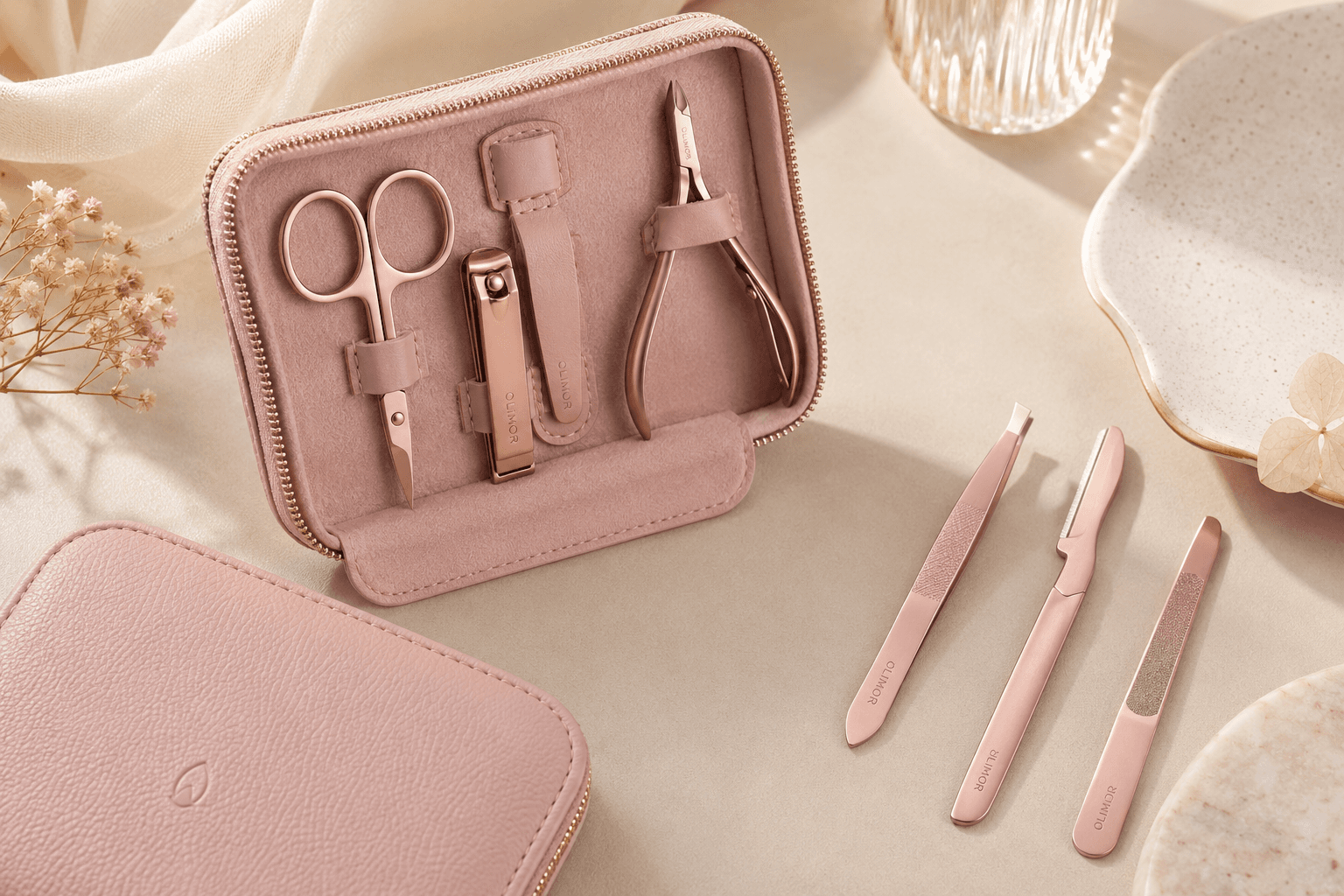
Olimor Beauty supplies beauty tools for professional and everyday grooming needs, including wholesale tweezers and OEM/ODM tweezers options. Buyers can review broader beauty tool categories through Olimor beauty tool products when planning a tweezer assortment, grooming kit or private-label program.
What a Global Tweezers Supplier Should Help You Solve
A dependable tweezers supplier does more than send a catalog. It should help buyers make practical decisions about the product role, tip style, handle feel, finish, packaging and inspection expectations. These details influence how the tweezer performs in daily use and how it is perceived on the shelf.
Wholesale buyers usually focus on consistency. If a buyer orders tweezers for retail resale, salon use, promotional bundles or e-commerce kits, the grip, tension and finish should feel dependable across the order, not only in the first sample. Private-label buyers need an additional layer of control, including logo placement, color direction, packaging structure and whether the supplier can follow design instructions accurately.
Before asking for quotations, define the commercial role of the tweezer. A value item for travel kits does not need the same finish or packaging as a premium eyebrow grooming tool. A salon tool may prioritize comfortable repeated handling and practical cleaning. A retail gift set may need stronger visual presentation and a consistent look across multiple beauty tools.
This positioning step prevents vague requests such as best quality at lowest price. It also helps suppliers quote more accurately because they can price the same specification rather than guessing what quality level the buyer expects.
How to Compare Cheap Wholesale Tweezers Without Losing Quality
Many sourcing projects begin with searches for cheap wholesale tweezers or the cheapest wholesale tweezers. Competitive pricing matters, especially for high-volume programs, entry-level retail lines, travel kits and promotional sets. However, the lowest purchase price is not always the lowest total cost if the product creates complaints, returns, repacking work or brand damage.
A low quote may exclude packaging, surface treatment, custom printing, inspection expectations or freight assumptions. It may also reflect a simplified design that is acceptable for some channels but unsuitable for others. Buyers should compare what the price includes, not only the number itself.
When reviewing affordable wholesale tweezers, test physical samples under realistic use conditions. Check whether the tips meet evenly, whether the tool grips fine hair without repeated slipping, and whether the handle feels stable during repeated opening and closing. Surface finishing should be smooth enough for direct hand contact, without sharp burrs or rough edges. Packaging should protect the tips because even a well-made tweezer can lose precision if the tip is bent or damaged during transit.
- Tip alignment: The two ends should meet cleanly enough to grip fine hairs or small items without obvious slipping.
- Grip performance: Test the tweezer on fine hair or fine fibers to judge whether it holds without requiring excessive pressure.
- Opening tension: The tweezer should not feel too stiff for daily grooming or too loose to control.
- Edge comfort: Handles should not feel sharp, uneven or uncomfortable during repeated use.
- Surface finish: Polishing, matte treatment, coating or color should look consistent across visible areas.
- Packaging fit: Sleeves, cards, boxes or kit inserts should keep the tips protected and present the product clearly.
- Batch consistency: Compare several samples when possible, not only one carefully selected piece.
Cost-efficient tweezers can still be a smart choice when the essential performance points are controlled. The risk is choosing a product where savings come from uncontrolled finishing, weak tension, poorly protected tips or inconsistent production.
Key Specifications to Decide Before Requesting Quotes
A quotation is useful only when suppliers are pricing the same product. Before requesting prices from global tweezers suppliers, prepare a simple specification sheet. It does not need to be complicated, but it should define the details that affect performance, packaging and cost.
| Decision Area | What to Clarify | Why It Matters |
|---|---|---|
| Use case | Eyebrow shaping, lash application, general grooming, travel kit, salon resale, promotional set or gift set | Determines the acceptable balance of cost, finish, precision and packaging |
| Tip style | Slanted, pointed, flat or other functional shape | Influences precision, user comfort, safety perception and the target application |
| Material direction | Stainless steel, plastic components or mixed construction where applicable | Affects durability, appearance, care expectations, hand feel and cost structure |
| Finish and color | Plain, polished, matte, coated, printed or custom color direction | Supports brand identity and changes how the product appears in photos and retail displays |
| Packaging | Bulk pack, sleeve, card, box, pouch, kit insert or private-label packaging | Changes retail readiness, protection during shipping and total landed cost |
| Customization | Logo position, artwork, language requirements, set configuration and brand style | Reduces misunderstanding before sample development and production planning |
| Inspection focus | Tip alignment, closing tension, surface finish, printing accuracy and packaging condition | Helps reduce disputes and improves repeat-order consistency |
Stainless steel is commonly preferred for beauty tweezers because it is practical for grooming tools and can support durability and rust resistance when properly manufactured, finished and cared for. Olimor Beauty product information references stainless steel tweezer products, ergonomic designs, aligned tips, matte finish options and quality checks. These points are useful to review during sample evaluation, while the final specification should always match the buyer’s own channel and user expectations.
Wholesale Tweezers for Different Buying Scenarios
Not every tweezer program needs the same solution. A distributor may need a reliable, simple style that can be reordered often. A beauty retailer may need a clean retail package and a finish that fits the rest of a grooming collection. A salon buyer may care more about hand comfort, grip and easy day-to-day use. A promotional buyer may need a low-cost tool that still avoids obvious quality problems.
Value and promotional programs
For travel kits, entry-level lines and promotional sets, buyers often prioritize cost control. In this case, focus on essential features: aligned tips, acceptable tension, smooth edges and protective packaging. Avoid paying for decorative upgrades that do not matter to the channel, but do not remove the functional checks that prevent user frustration.
Retail beauty ranges
For retail shelves and online listings, appearance and packaging become more important. The tweezer should look consistent in product photography, sit securely in its package and match the visual direction of the wider range. A matte finish, polished look or custom color can support brand positioning, but buyers should still test hand feel and tip performance before confirming a bulk order.
Professional and salon use
For professional buyers, repeated handling matters. A tweezer that feels too stiff, too slippery or poorly balanced can slow detailed work. Ergonomic design, stable closing tension and clean surface finishing should be part of the evaluation, especially when the tool may be used many times throughout the day.
OEM/ODM Tweezers: When Customization Makes Commercial Sense
OEM/ODM tweezers are useful when a brand needs a tool that is not identical to a standard wholesale item. Customization may involve tip style, shape preference, surface finish, logo placement, packaging design, color direction or inclusion in a grooming set. The strongest projects begin with a clear product brief rather than a general request for custom tweezers.
A useful brief should explain the target user, sales channel, intended price level, desired appearance and performance expectations. For example, a salon-focused tweezer may prioritize comfortable handling and dependable grip. A retail gift set may place more emphasis on coordinated color, packaging presentation and shelf appeal. A distributor serving several markets may need packaging that can support different language or labeling requirements.
Olimor Beauty supports OEM/ODM tweezer options for buyers developing private-label beauty tools. You can explore related assortment ideas through the Olimor collection or contact the team with your project direction when you are ready to discuss specifications.
During customization, treat the sample stage as a technical review, not only a visual approval. Test the custom sample the same way the end customer will use it. Check whether logo placement affects grip, whether the coating or matte finish feels appropriate, whether the packaging protects the tips and whether the finished product still closes evenly after handling.
Material, Manufacturing and Inspection Details Buyers Should Discuss
Good B2B sourcing depends on specific questions. Instead of relying on broad claims, ask how the supplier controls the practical details that affect daily use. For tweezers, those details include material direction, forming, finishing, tip alignment, surface treatment, packaging protection and inspection before shipment.
If stainless steel is specified, clarify the supplier’s material description, finish options and care instructions. If plastic components are involved in a beauty tool set or accessory, inspect molded edges, color consistency and fit. If a matte finish is selected, compare several samples for uniform appearance and hand feel. If the tweezer includes printed branding, check artwork placement, readability and resistance to normal handling expectations without assuming unverified test results.
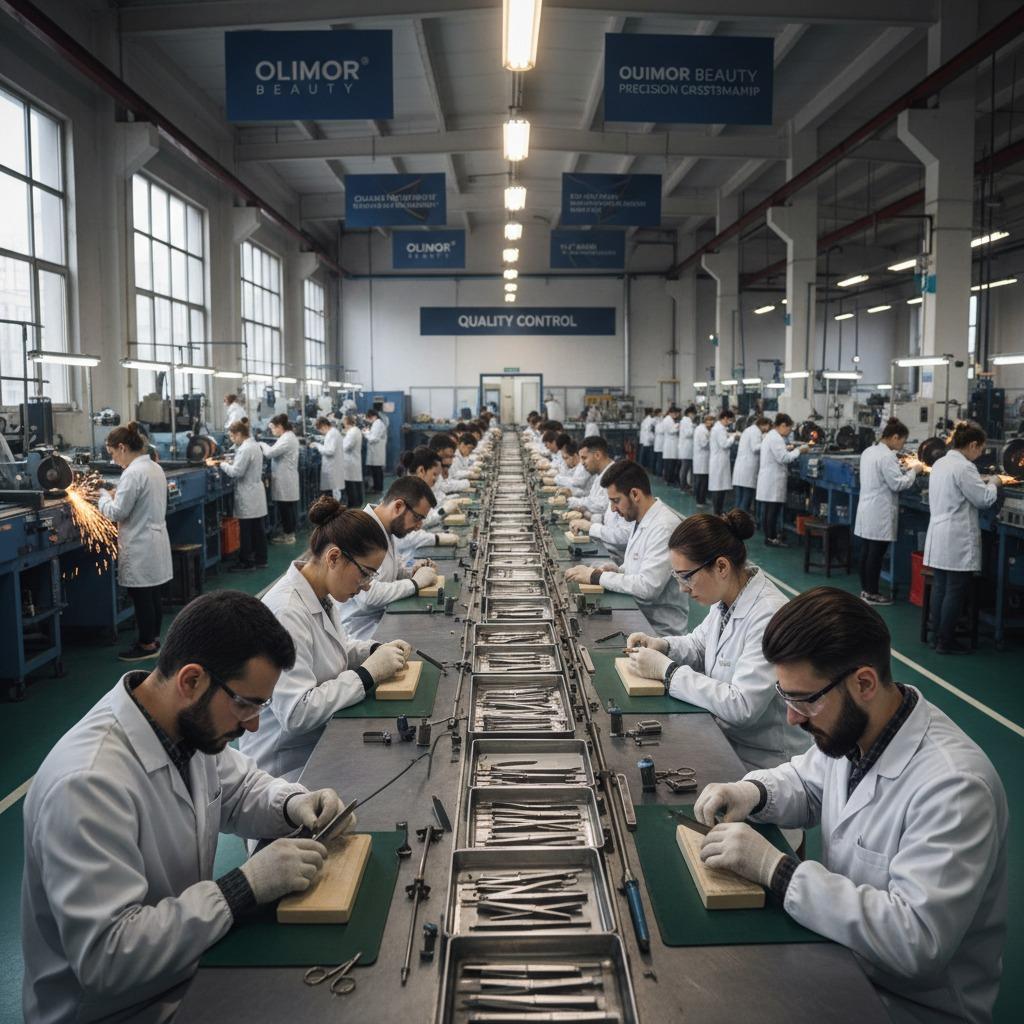
Inspection should focus on what customers notice most. Tip closure should be reviewed from the end of the tweezer, not only from the side. Surface finishing should be checked along edges and contact areas. Packaging should be reviewed for tip protection because damage in transit can undermine an otherwise acceptable tool. For private-label work, packaging artwork and logo accuracy should be confirmed against the approved sample or artwork file.
Some buyers use recognized management or product-related frameworks when evaluating suppliers. ISO 9001 is a widely known quality management standard, and public bodies such as the U.S. Consumer Product Safety Commission publish consumer product safety information that may be relevant depending on the market and product category. Buyers should verify the applicable version, local import rules and supplier documentation for their own market. This guide does not claim that Olimor holds any certification unless it is specifically documented for the project.
Questions to Ask Before Placing a Larger Order
Clear questions reduce sourcing risk. Before confirming a wholesale or OEM/ODM tweezer order, ask suppliers how the sample relates to bulk production, what changes may affect cost and what checks are performed before shipment. The goal is to make expectations visible before money and time are committed.
- Can the supplier provide samples that represent the intended material, finish, tip style and packaging?
- Which elements are included in the quotation, such as packaging, logo work, surface treatment or inspection steps?
- How should the buyer define acceptable tip alignment, surface finish and packaging condition?
- What customization options are available for color, logo placement, packaging or set configuration?
- What information does the supplier need before confirming production details?
- How are sample approvals, artwork approvals and any revisions recorded?
- What documents, photos or production references can be provided for buyer review before shipment?
These questions are especially important when comparing the cheapest wholesale tweezers with better-value options. A slightly higher unit cost may be justified if it improves alignment consistency, packaging protection or presentation. At the same time, a simple economical tweezer can be suitable when the supplier controls the basic functional points and the product role is clearly defined.
How to Evaluate a Tweezers Supplier for Long-Term Cooperation
A single low quote does not prove long-term supply reliability. Buyers should consider whether the supplier can support reorder consistency, communicate clearly and adapt to the buyer’s channel. This is important for private-label programs because a noticeable change in finish, packaging or hand feel can create mismatched inventory and customer confusion.
Look for a supplier that can discuss specifications in practical terms. The supplier should understand why aligned tips matter, why packaging protection is necessary and why a buyer may choose different finishes for different retail positions. Strong communication during sampling is often a sign of smoother production planning later.
Also consider assortment fit. Tweezers are often sold with other grooming tools, such as small scissors, trimmers, nail tools or beauty accessories. Reviewing related categories through Olimor product options can help buyers plan bundles, kits or coordinated private-label ranges rather than sourcing each item in isolation.
A Practical Path From Sample to Production
The safest sourcing path is structured and repeatable. Start with product positioning, then build a specification sheet, request samples, test samples, confirm packaging and clarify inspection expectations. Only after those steps should buyers compare final commercial terms.
- Define the use case: Decide whether the tweezer is for brows, lashes, general grooming, salon resale, travel kits or promotional use.
- Select the specification: Confirm tip style, material direction, finish, color and packaging.
- Request representative samples: Samples should match the intended product as closely as possible.
- Test function and feel: Review tip alignment, grip, tension, surface finish and packaging protection.
- Review customization: Confirm logo placement, artwork, color references and packaging structure.
- Clarify inspection points: Agree on the practical quality checks that matter before shipment.
- Confirm commercial details: Discuss order planning, lead time expectations, quotation scope and documentation without assuming details not yet confirmed.
If you are preparing a wholesale or OEM/ODM tweezer project, Olimor Beauty can review your product direction and help discuss suitable beauty tool options. Send your requirements through the Olimor inquiry page or contact the team via Olimor contact support for a focused sourcing conversation.
FAQ
Can I request samples before placing a bulk tweezer order?
Yes. Samples are a practical step for reviewing tip alignment, grip, tension, finish and packaging before a larger order. Buyers should request samples that match the intended material, finish, tip style and packaging as closely as possible.
Does Olimor support OEM/ODM customization for tweezers?
Olimor Beauty supports OEM/ODM tweezer projects. Customization may include logo placement, finish direction, packaging style, color direction or set planning. Final options depend on the approved project brief and production discussion.
What MOQ or lead time should I expect?
MOQ and lead time depend on the product type, customization level, packaging requirements and order planning. Buyers should confirm these details directly during quotation instead of assuming a fixed number.
What quality checks should buyers request for wholesale tweezers?
Key checks include tip closure, grip performance, opening tension, edge comfort, surface finish, printing accuracy where applicable and packaging protection. Buyers should agree on inspection expectations before production.
How should I compare low-cost tweezers from different suppliers?
Compare the full specification, not only the unit price. Review material direction, finish, packaging, customization, inspection focus and whether the sample represents bulk production. The best-value option is the one that fits the channel while protecting the user experience.
Tag: