How to Source Wholesale Tweezers from a Global Supplier
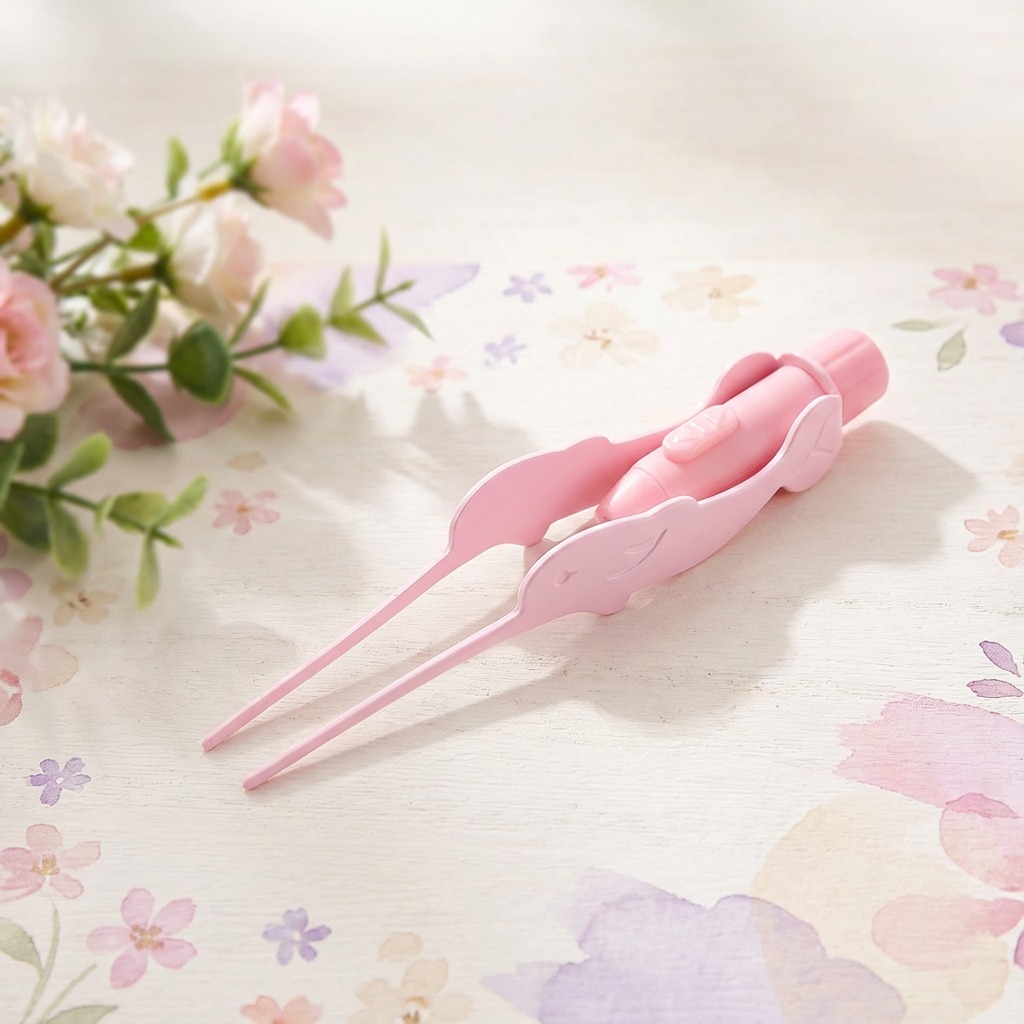
Choosing a global tweezers supplier is not only a price decision. For beauty retailers, salon distributors, private-label brands and e-commerce sellers, tweezers sit in a category where customers expect affordability, but also clean tip alignment, controlled grip, smooth finishing and packaging that protects the tool before it reaches the user.
The right sourcing goal is value: a tweezer that fits your sales channel, target price level and quality expectation without creating avoidable complaints, returns or repacking work. Olimor supplies beauty tools for wholesale and OEM/ODM projects, including tweezers for personal care, retail assortments and professional beauty use. This guide explains how to compare suppliers, evaluate samples, control cost factors and prepare a practical customization brief before placing a larger order.
What a Global Tweezers Supplier Should Help You Control
A reliable supplier should help you reduce uncertainty across product selection, sampling, manufacturing communication, packaging and repeat orders. Tweezers look simple, but small production details change how they feel and perform. Tip shape, tip matching, arm symmetry, spring tension, edge polishing and surface finish all influence the customer experience.
For a salon buyer, the most important factors may be tip precision and hand comfort during repeated use. For a retail buyer, presentation, safe storage and a competitive shelf price may matter more. For a promotional or gift-set buyer, the product may need to be economical while still feeling clean, smooth and dependable. A capable supplier should help you connect these different commercial needs to the right tweezer specification.
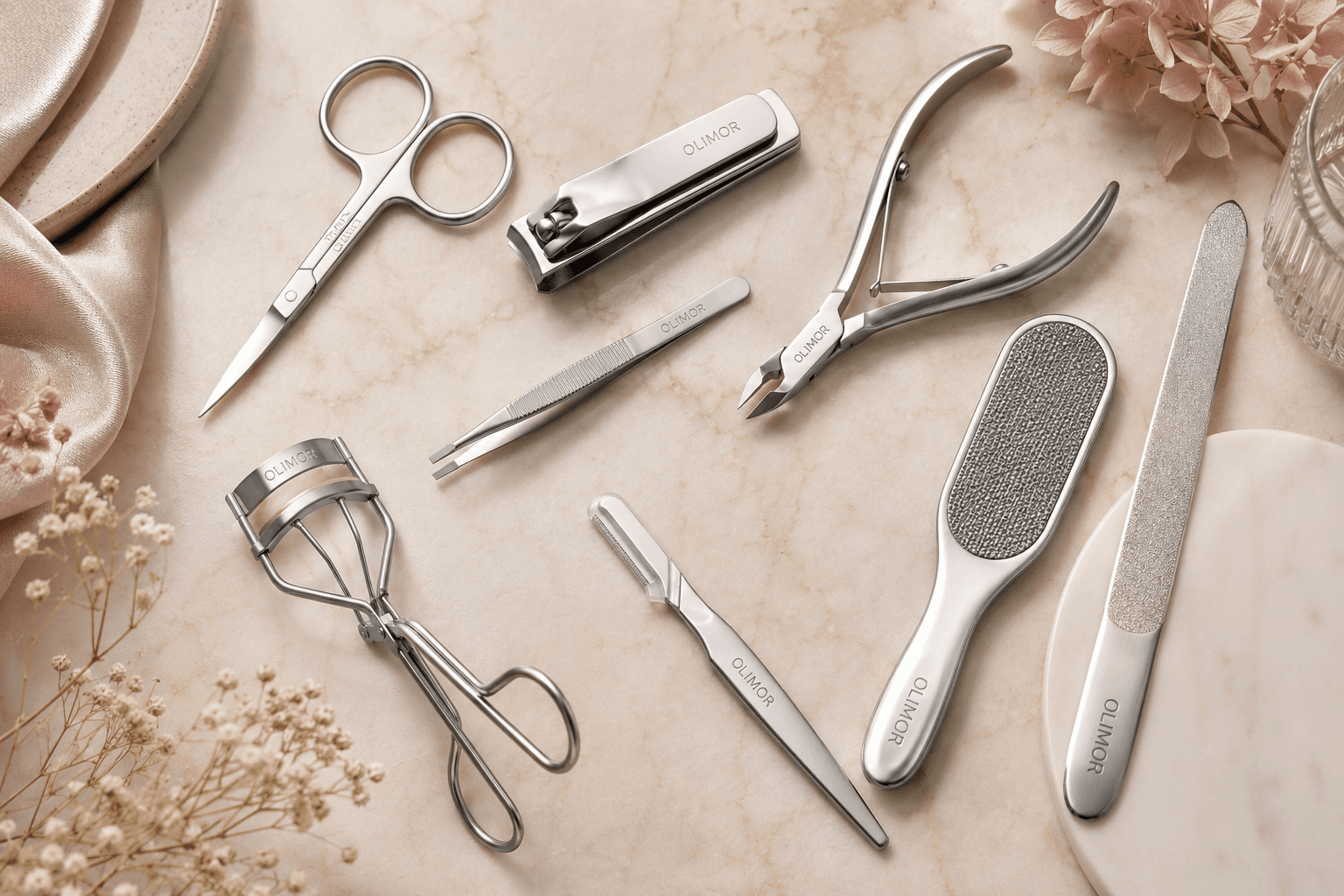
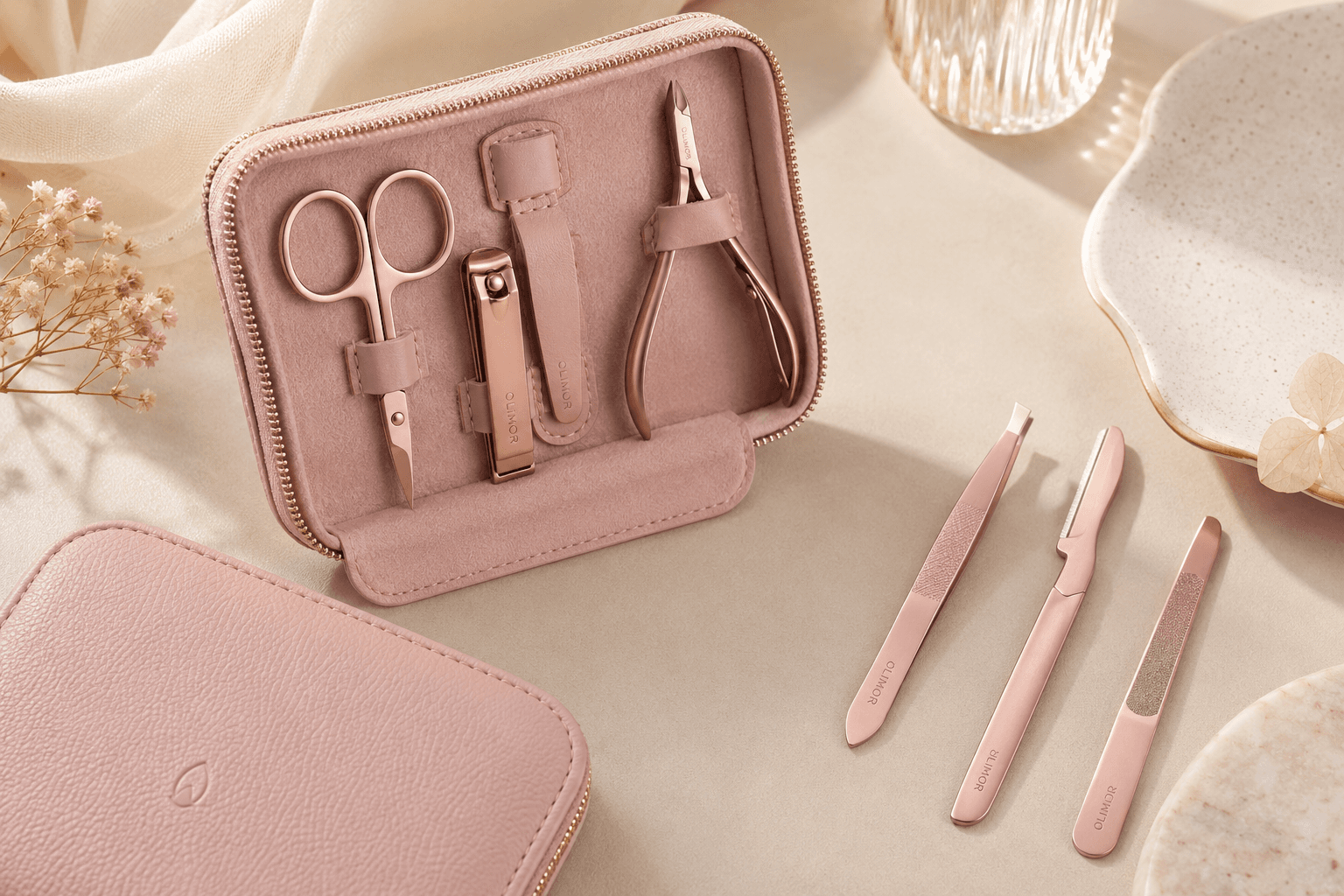
When building an assortment, start by reviewing the available beauty-tool range rather than treating tweezers as an isolated item. Buyers can browse Olimor beauty tool products to compare relevant categories and see how tweezers may fit into a wider brow, grooming, manicure or salon retail program. If you are planning a coordinated range, related beauty tool collections can also help you think through product mix, packaging direction and price tiers.
Cheap Wholesale Tweezers: Where to Save and Where Not to Cut Corners
Cheap wholesale tweezers can be a smart purchase when savings come from efficient production, simplified packaging, suitable material choices and clear volume planning. They become risky when savings come from weak tip matching, rough edge finishing, poor inspection or packaging that allows fine tips to bend during handling.
Before asking for the lowest quote, define the minimum user experience your market requires. A low-cost tweezer for a travel kit may not need premium packaging, but it still needs tips that meet properly. A retail tweezer at a higher price point may need a cleaner finish, stronger visual presentation and better protection for the tip. Separating must-have performance from optional appearance features helps you avoid both under-specifying and overpaying.
- Tip alignment: The two tips should meet evenly enough to grip fine hair without twisting, crossing or requiring excessive pressure.
- Grip tension: The tweezer should close smoothly, with enough spring for control but not so much resistance that repeated use becomes tiring.
- Edge comfort: Non-tip edges should not feel sharp against the hand during normal use.
- Surface finish: The finish should look consistent, clean and appropriate for the intended retail position.
- Tip protection: Caps, sleeves, pouches, cards or boxes should prevent avoidable tip damage in storage and transit.
- Batch consistency: Samples should represent the production quality you expect, not only a polished demonstration piece.
How to Compare the Cheapest Wholesale Tweezers Without Creating Returns
The cheapest wholesale tweezers are not always the most profitable. A low unit price can become expensive if the product causes poor reviews, customer complaints, relabeling work, repacking costs or inconsistent repeat orders. To compare economical options correctly, estimate the total landed value rather than focusing only on the factory quote.
Useful cost-factor questions include: Does the packaging protect the tips? Are the samples consistent across several pieces? Will the finish suit your sales channel? Can the supplier repeat the approved specification? Does the product need additional inspection or repacking after arrival? These details affect your real cost even when two unit prices look similar.
A practical approach is to divide your sourcing brief into good, better and best tiers. An entry-level tier may use a standard finish and simple packaging. A mid-tier retail product may add a more polished presentation and clearer shelf-ready details. A premium or giftable tier may focus on refined appearance, stronger brand treatment or a more complete set format. This structure makes supplier quotations easier to compare because each quote responds to a defined quality level.
| Buying priority | What to check | Why it matters |
|---|---|---|
| Lowest practical cost | Simplified finish, efficient packaging and clear volume planning | Reduces unnecessary cost while preserving basic usability |
| Tip precision | Multiple samples, repeated closing tests and visual tip inspection | Shows whether the tool can grip fine hairs or detailed areas consistently |
| Retail presentation | Packaging appearance, secure tip protection and label or barcode needs | Improves shelf readiness and reduces handling problems |
| Professional use | Grip tension, hand comfort, arm symmetry and finish quality | Supports repeated use and reduces user frustration |
| Private label | Logo position, color direction, packaging artwork and customization method | Helps the tweezer match brand identity and sales channel |
| Repeat ordering | Approved sample reference, clear specification and inspection agreement | Helps future batches remain close to the accepted standard |
Choosing the Right Tweezer Type for Your Sales Channel
Different customers buy tweezers for different grooming tasks, so one style rarely suits every market. A slant tweezer is often easier to position for everyday brow grooming. A pointed or fine-point tweezer may appeal to users who want more detailed work. A compact tweezer can be suitable for travel kits or small retail sets, while a more substantial handle may feel better for repeated professional use.
The supplied Olimor product information references precision beauty tools such as ProSharp Tweezer and Fine-Point Precision Tweezers, including a 95mm Fine-Point Precision Tweezers option. These product types are useful starting points for sample comparison because they give buyers concrete styles to evaluate instead of relying only on generic product photos. Fine-point styles should be checked especially carefully because their value depends on tip accuracy and protection. A small deformation at the tip can change the entire user experience.
Retail and E-Commerce
For beauty retail and online marketplaces, product positioning should be easy to understand. The listing, packaging and imagery should make the tweezer style clear. E-commerce sellers should test how the tool photographs, because reflective metal surfaces and small tips can be difficult to present clearly. Packaging should also survive parcel handling without allowing the tips to move freely.
Salon and Professional Distribution
For salon distribution, repeated-use comfort becomes more important. Buyers should compare grip tension, arm balance, tip control and edge smoothness. A tool that feels acceptable for one quick test may become uncomfortable when used repeatedly. If professionals are part of your customer base, ask experienced users to evaluate samples before confirming a large order.
Gift Sets and Promotional Programs
For beauty kits, travel sets and promotional programs, the tweezer must fit securely with other tools. Size, sleeve design and packaging compatibility matter because movement inside a kit can damage fine tips or reduce perceived quality. Cost control is important in these channels, but the tool should still feel safe, smooth and usable.
OEM/ODM Tweezers: Customization Questions to Settle Early
OEM/ODM tweezers are useful when a buyer wants more than a standard wholesale item. OEM usually focuses on producing according to the buyer’s defined branding or specification, while ODM may involve more supplier-side product development support. In both cases, function should come before decoration. A strong logo or attractive package cannot compensate for a tip that does not grip well.
Before discussing artwork, decide the intended use, target customer, quality tier, retail position and packaging format. Then move to visual details such as handle style, color direction, logo placement and whether the tweezer will be sold alone or as part of a beauty tool set. If you already know your desired assortment, you can share the brief through Olimor product inquiry so the sourcing discussion starts with practical specifications rather than a vague request for the cheapest option.
- Sales channel: Beauty retail, salon supply, e-commerce, gift set, travel kit or promotional use.
- Target quality tier: Entry, mid-range or premium positioning, with expected finish and packaging level.
- Tweezer style: Slant, pointed, fine-point or another suitable shape for the intended grooming task.
- Material and finish direction: Stainless steel construction is common for beauty tools, but buyers should still confirm finish expectations, storage conditions and packaging protection.
- Branding requirements: Logo position, color direction, packaging artwork and acceptable customization method.
- Inspection expectations: Tip alignment, finish consistency, packaging fit and sample-to-production consistency.
Sample Inspection Checklist Before a Bulk Order
Sampling is where many wholesale tweezer problems can be prevented. Do not evaluate only one perfect-looking sample. Check several pieces under good lighting, open and close them repeatedly, and compare how the tips meet. If the product is for a demanding sales channel, ask users who understand that channel to test the samples.
- Inspect the tips visually. Confirm that the tips meet evenly and do not cross, twist or leave a noticeable gap during normal closing.
- Test grip on fine hair or a realistic substitute. The tool should grip without requiring excessive pressure.
- Check spring tension. The arms should open and close smoothly with controlled resistance.
- Feel the edges. Non-tip edges should not feel rough or sharp against the hand.
- Review the finish. Look for scratches, burrs, uneven coating, stains or inconsistent polishing.
- Test packaging fit. Caps, sleeves, cards, pouches or boxes should hold the tweezer securely and protect the tips.
- Compare samples side by side. Variation across samples can reveal repeat-order risk before a bulk purchase.
If your company uses formal supplier controls, you may reference public standards such as ISO 9001 for quality management systems or ISO 2859-1 for sampling procedures. These standards can help frame inspection discussions, but buyers should verify the applicable version, scope and supplier documentation directly. Do not assume that a supplier holds any certification unless they provide current, relevant evidence.
How to Evaluate a Global Tweezers Supplier
A supplier evaluation should cover more than product photos and unit prices. The strongest wholesale partner is usually the one that can communicate clearly, explain trade-offs, provide representative samples and keep future production close to the approved standard. For B2B buyers, this reliability protects reviews, inventory planning and brand reputation.
Ask whether the supplier can explain the difference between common tweezer styles, why tip alignment affects use, how finish choice changes appearance, and how packaging influences perceived value and transport protection. A buyer should not have to guess whether a product is appropriate for brow grooming, detailed work, retail display or kit inclusion.
- Product understanding: Can the supplier discuss tip style, grip tension, finishing and packaging in practical terms?
- Clear quotation basis: Does the quote match a defined specification, or is it only a generic low-price offer?
- Sample consistency: Do multiple samples show similar tip alignment, finish and tension?
- Customization support: Can the supplier respond to logo, packaging and assortment requirements without ignoring function?
- Communication quality: Are questions answered directly, with clear next steps and realistic confirmation of what can be done?
- Documentation discipline: Are approved samples, specifications and inspection expectations recorded before mass production?
Building a Practical RFQ for Wholesale Tweezers
A vague request such as “quote your cheapest tweezer” often leads to quotes that cannot be compared. A better RFQ gives the supplier enough information to recommend an appropriate option and identify cost-saving choices that do not undermine usability.
Your RFQ should include the intended sales channel, expected order scope, target quality tier, preferred tweezer style, finish direction, packaging format, branding needs and any inspection priorities. If you are not sure which specification fits your market, state your customer type and commercial goal. For example, a salon distributor, a mass retail buyer and a gift-set buyer may all need different solutions even if they are buying from the same product category.
For a restrained next step, buyers can contact Olimor with a sample brief, product reference or assortment plan. The most useful inquiry is specific enough to discuss function, packaging and customization, but flexible enough to let the supplier suggest practical alternatives.
Common Sourcing Problems and How to Prevent Them
Most wholesale tweezer problems are preventable when buyers define requirements early and inspect samples carefully. Misaligned tips often come from weak specification control or insufficient inspection. Packaging damage can happen when fine tips are not secured. Customer dissatisfaction may arise when the chosen style does not match the intended use.
To reduce risk, approve a physical sample before bulk production, keep a record of the accepted specification, confirm packaging details and avoid changing multiple variables at once. If you adjust finish, packaging and tweezer style simultaneously, it becomes harder to identify which change affects cost, appearance or performance. For repeat orders, reference the approved sample and confirm whether any materials, finishes or packaging components have changed.
FAQ: Wholesale and OEM/ODM Tweezers
Can I request samples before placing a wholesale tweezer order?
Sample review is strongly recommended. Buyers should evaluate several pieces for tip alignment, grip tension, edge comfort, finish consistency and packaging fit before confirming a larger order.
Is there a fixed MOQ for customized tweezers?
MOQ can depend on the tweezer style, finish, packaging format and customization method. Buyers should confirm the applicable MOQ for the specific project rather than assuming one number applies to every item.
What customization options should I prepare for an OEM/ODM tweezer project?
Prepare your target sales channel, tweezer style, branding requirements, packaging direction, finish preference and quality expectations. Logo and artwork discussions are easier when the functional specification is already clear.
How should quality be checked before shipment?
Common checks include tip alignment, repeated opening and closing, grip performance, surface finish, edge smoothness and packaging protection. If you use a formal sampling plan, verify the applicable standard version and supplier documentation.
What affects lead time for wholesale tweezers?
Lead time can be influenced by sample approval, customization complexity, packaging development, production scheduling and inspection requirements. Confirm timing directly for the specific order and avoid relying on generic estimates.
Final Buying Advice
The best global tweezers supplier is not simply the one offering the lowest unit price. It is the supplier that can help you define the right product for your channel, keep the approved quality consistent and support practical wholesale or OEM/ODM decisions. Focus on tip precision, hand feel, finish, packaging protection and clear communication. When those basics are controlled, cheap wholesale tweezers can still deliver dependable value, and customized tweezers can support a stronger beauty-tool assortment without unnecessary sourcing risk.
Tag: