Global Tweezers Supplier Guide for Beauty Entrepreneurs
For beauty entrepreneurs, tweezers are small products with a large impact on customer trust. A pair that grips cleanly, aligns correctly, and feels comfortable in the hand can become a repeat-purchase item for salons, lash technicians, brow artists, retailers, and beauty subscription businesses. A poorly made pair can lead to returns, complaints, and damage to your brand reputation.
Choosing a global tweezers supplier is therefore not just a price exercise. Buyers need to balance wholesale cost, consistency, finishing, packaging, customization, and communication. Olimor Beauty supports beauty businesses looking for dependable sourcing across beauty tools, including tweezers and related grooming instruments. This guide explains how to evaluate wholesale tweezers, what to clarify before placing an order, and how to build a practical sourcing plan without relying on vague claims.
Why Tweezers Deserve Careful Supplier Selection
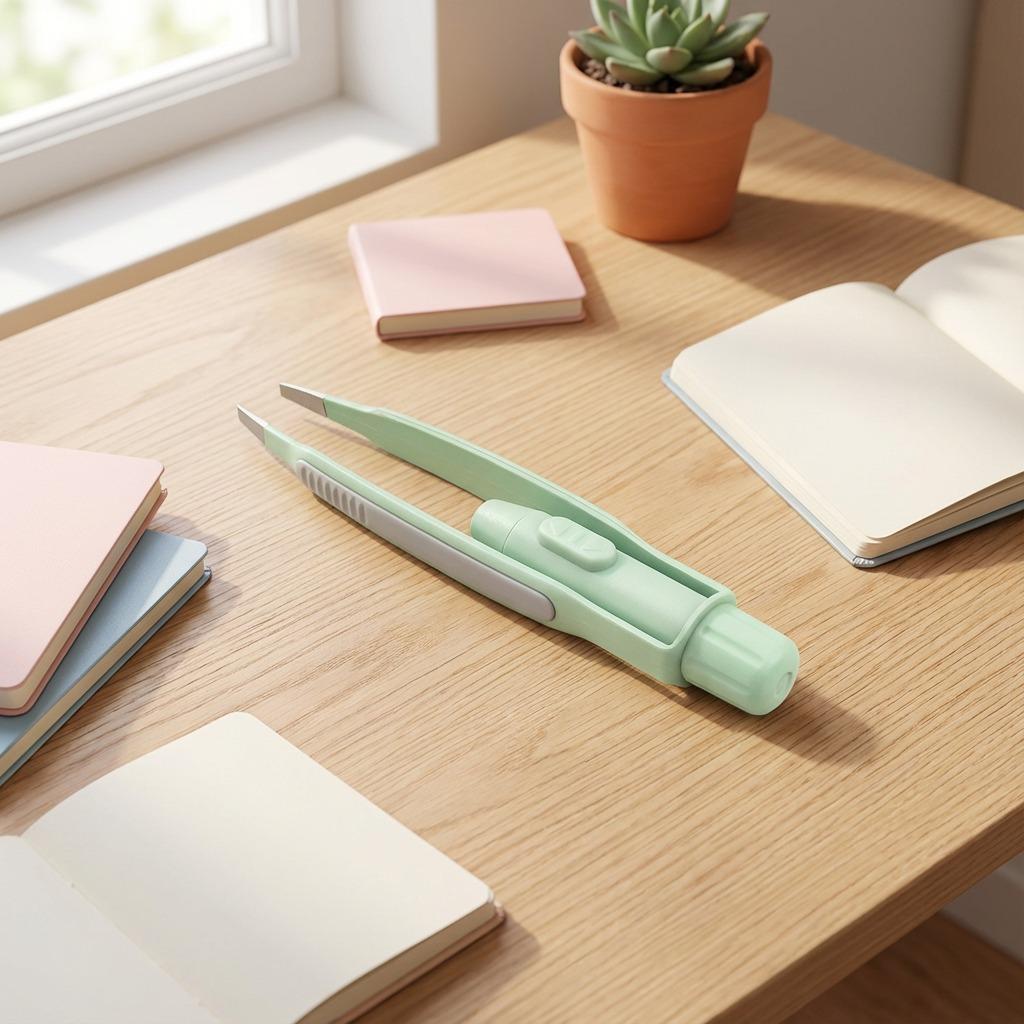
Tweezers may look simple, but the buying criteria are more detailed than many new beauty entrepreneurs expect. The tip alignment must be consistent, the spring tension should feel controlled, and the finish should be suitable for repeated handling. If the product is sold under your own brand, packaging and surface appearance also influence perceived value.
For wholesalers and brand owners, unreliable supply can create several problems. One shipment may meet expectations while the next has uneven grip strength or cosmetic flaws. A supplier may offer a low unit price but provide limited support for packaging, labeling, or export coordination. Delivery delays can also interrupt launches, seasonal promotions, or retail replenishment schedules.
A strong global tweezers supplier should help you reduce these risks. Instead of focusing only on the cheapest wholesale tweezers, it is better to compare total sourcing value: usable product rate, communication speed, packaging readiness, customization options, and whether the supplier can support the product style your customers actually want.
What Beauty Entrepreneurs Should Compare Before Ordering
When reviewing suppliers, create a comparison framework before asking for samples or quotations. This keeps decisions objective and prevents a low price from hiding weak details. The following checklist is useful for beauty startups, salon supply businesses, e-commerce sellers, and private label brands.
- Tip type and use case: Slanted tips are commonly used for brows, pointed tips for precision work, and flat or specialty tips may suit specific grooming tasks. Match the shape to your audience.
- Grip and alignment: The two tips should meet evenly. Poor alignment makes even a polished product difficult to use.
- Hand feel: Tension should not be so loose that control is lost or so stiff that extended use becomes uncomfortable.
- Surface finish: Check whether the finish matches your brand position, whether it shows fingerprints easily, and whether the edges feel smooth.
- Packaging needs: Retail-ready packaging, protective sleeves, barcode placement, and instruction inserts can affect both cost and customer experience.
- Customization path: If you need OEM/ODM tweezers, clarify what can be customized, such as color, logo placement, packaging artwork, or assortment structure.
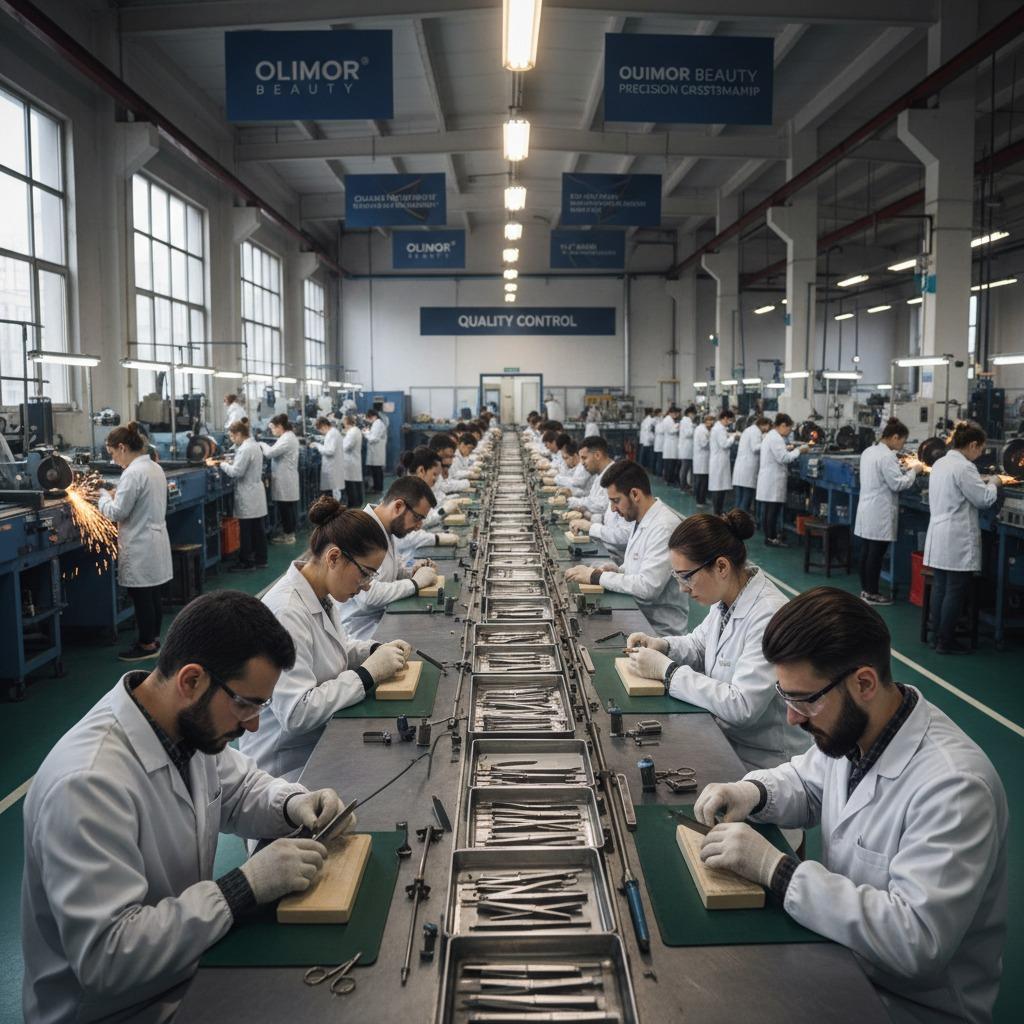
- Quality control process: Review how the supplier checks product appearance, function, and packaging before shipment.
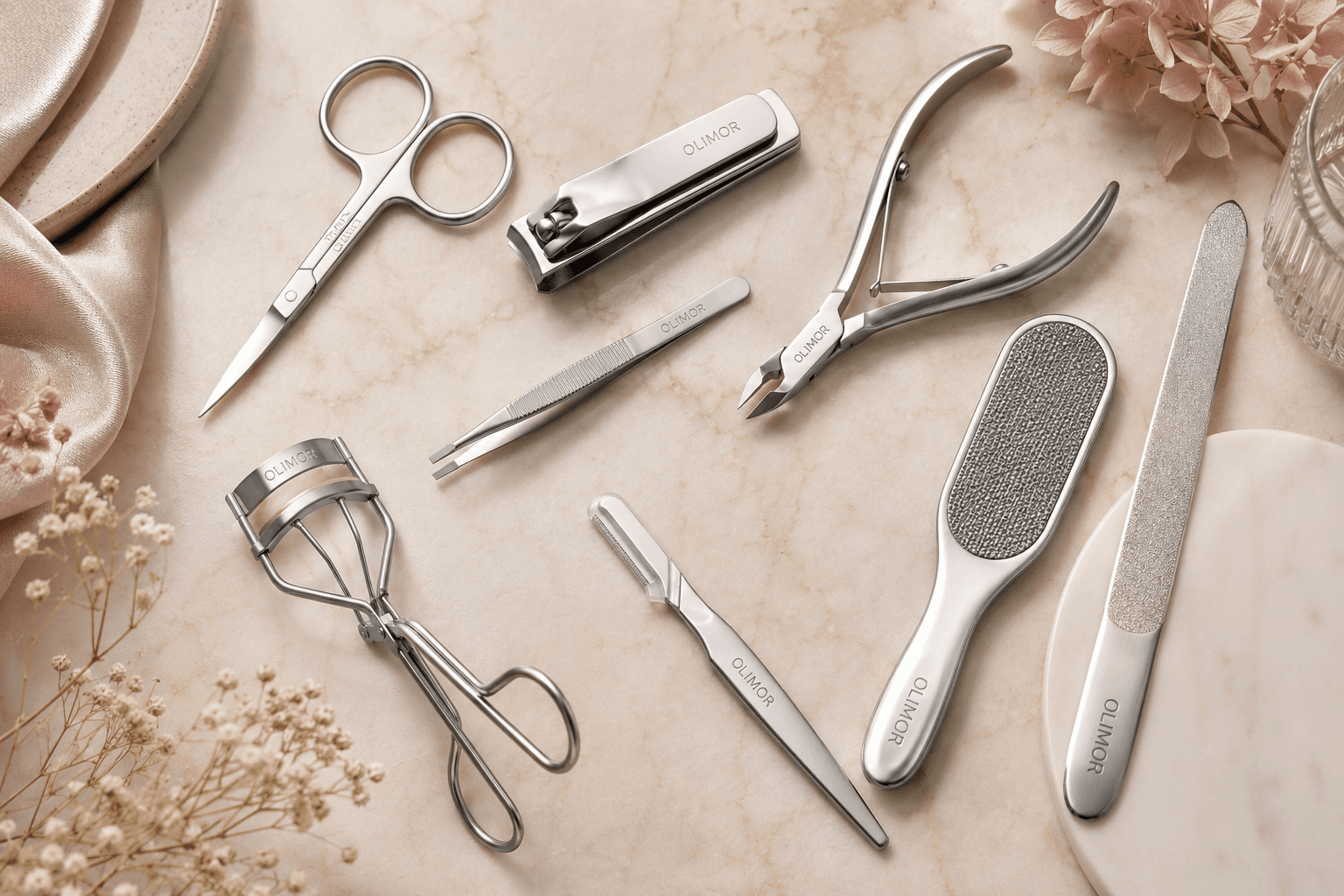
Olimor Beauty positions itself as a global supplier for beauty businesses seeking consistent tool sourcing. Buyers can explore broader beauty tool products when building a complete line around tweezers, lash tools, grooming accessories, and other personal care items.
Wholesale Price Is Important, But Not the Only Cost
Many entrepreneurs search for cheap wholesale tweezers because early-stage budgets are tight. That is reasonable, especially when testing a new product category. However, the lowest quoted price is not always the lowest real cost. If the product requires rework, has inconsistent performance, or arrives in packaging that cannot be sold directly, the saving disappears quickly.
A better approach is to calculate the cost of a finished, sellable unit. Include product cost, packaging cost, inspection time, freight, duties where applicable, storage, and expected after-sales support. Also consider whether the tweezers fit your pricing strategy. A brow bar, online boutique, and mass-market reseller may all require different finishes, packaging styles, and margin structures.
| Buying Factor | Why It Matters | What to Review |
|---|---|---|
| Unit price | Controls margin and market positioning | Compare only after confirming similar finish, packaging, and function |
| Tip precision | Determines daily usability | Check sample alignment, grip consistency, and edge smoothness |
| Packaging | Affects retail readiness and protection | Confirm sleeve, box, card, logo, labeling, and barcode needs |
| Customization | Supports brand differentiation | Clarify feasible OEM/ODM changes before artwork design |
| Communication | Reduces order mistakes | Use clear specifications, reference images, and written confirmations |
For product planning, compare options within product collections so your tweezers do not feel disconnected from the rest of your beauty tool range.
OEM/ODM Tweezers: When Customization Makes Sense
OEM/ODM tweezers can help a beauty brand move beyond generic stock items. Customization may support a cohesive brand identity, especially if you sell sets, salon retail products, or curated beauty kits. The key is to customize with purpose rather than adding decoration that does not improve the customer experience.
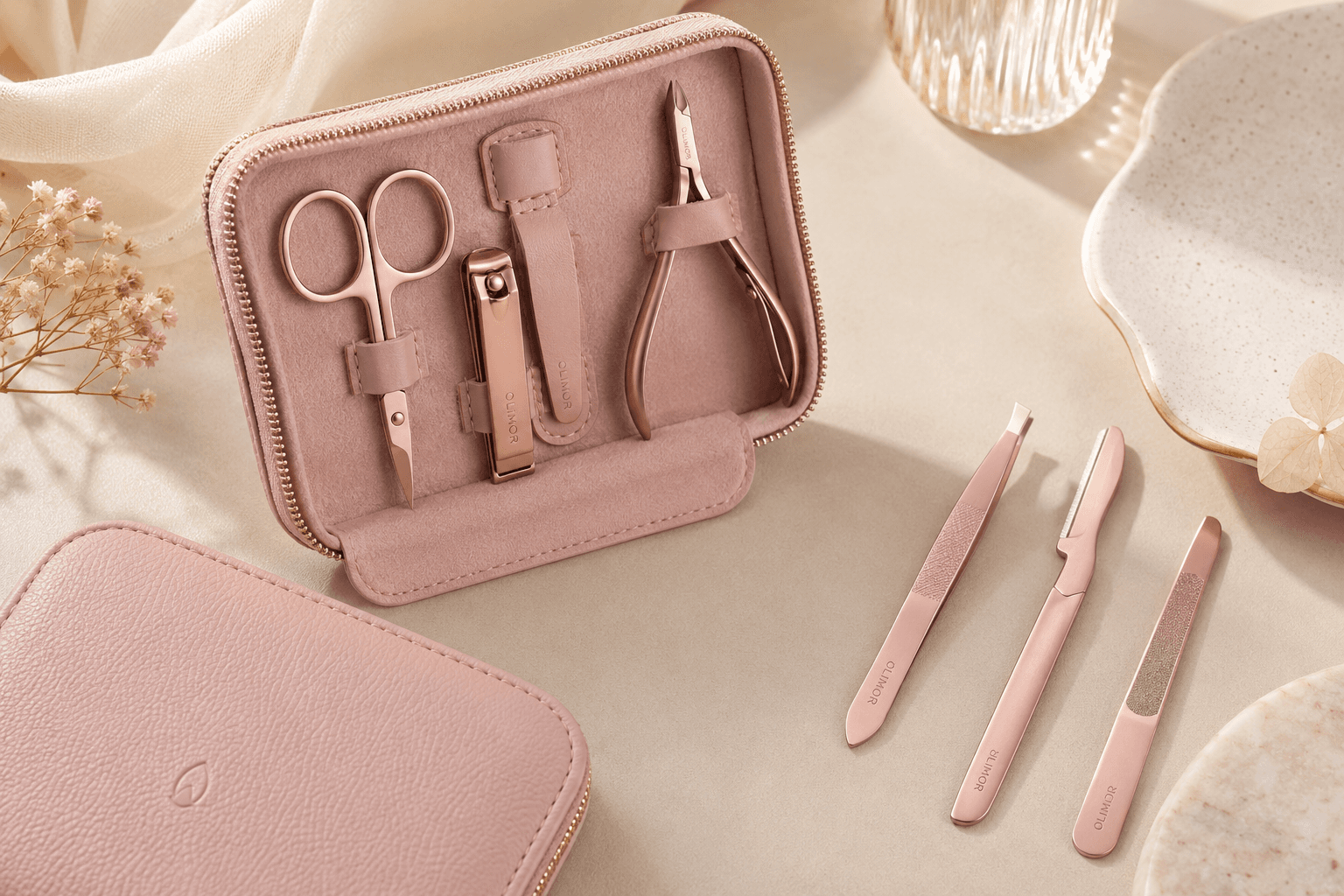
Consider customization if you need consistent packaging across a full product line, want a finish that matches your brand colors, or plan to sell tweezers as part of a brow or lash care kit. Custom branding can also help salons and retailers create a professional shelf presence. Olimor Beauty offers OEM/ODM service options, making it relevant for buyers who need more than standard wholesale supply.
Before starting customization, prepare clear brand assets and a written product brief. Include your intended sales channel, target customer, preferred packaging format, expected retail positioning, and any compliance or labeling needs for your destination market. This information helps avoid mismatched assumptions. For example, a professional lash technician may prioritize precision and hygiene-friendly packaging, while a fashion-focused beauty retailer may place more emphasis on color and shelf appeal.
Questions to Settle Before Confirming a Supplier
A professional sourcing process depends on precise questions. You do not need to overcomplicate the first conversation, but you should cover the details that affect product quality and order execution. If you are comparing multiple global suppliers, use the same questions for each one so the responses are easier to evaluate.
- What tweezer shapes and finishes are available for wholesale supply?
- Which parts of the product and packaging can be customized through OEM/ODM service?
- How are tip alignment, surface appearance, and packaging checked before shipment?
- What files are needed for logo or packaging artwork?
- How should samples be reviewed and approved before bulk production?
- What information is required to quote product, packaging, and export-ready shipment accurately?
- How are changes documented if the design, quantity, or packaging structure is updated?
These questions do not assume a fixed specification or promise. They help you create a stable decision process and reduce mistakes. If your team is preparing a sourcing project, you can send an inquiry with your intended tweezer type, packaging goals, and market requirements.
How to Review Samples Like a Buyer, Not Just a User
Sample review should go beyond a quick grip test. Open the package as your customer would. Check whether the product is protected, whether the finish looks consistent under normal lighting, and whether the logo or printed elements appear clean if branding is included. Hold the tweezers for several minutes and repeat the gripping motion to judge comfort and tension.
It is also useful to test several pairs rather than only one. Consistency matters more than a single good sample. If you plan to sell to professionals, invite a brow artist, lash technician, or experienced beauty user to comment on control, tip feel, and packaging practicality. Their feedback can reveal issues that a buyer may miss, such as a tip that feels too sharp for casual users or a finish that becomes slippery during service work.
Record your feedback in writing. Note what is approved, what needs adjustment, and which details are non-negotiable for production. Clear written sample approval protects both sides and gives your supplier a reference for bulk order quality.
Building a Reliable Tweezers Supply Plan
Once you find a promising global tweezers supplier, think about the longer-term plan. Start with a focused assortment rather than too many similar styles. One or two well-chosen tweezer types with suitable packaging can be easier to market, stock, and reorder than a wide range without a clear purpose.
Align your order calendar with your sales channel. Online sellers may need smaller replenishment cycles, while distributors and salon suppliers may plan around seasonal campaigns or trade events. Keep approved samples, artwork files, packaging notes, and order confirmations organized so repeat orders are easier to manage.
Olimor Beauty works with beauty businesses looking for practical supply support, affordable wholesale options, and OEM/ODM possibilities for tweezers and related tools. If you are comparing suppliers or preparing a private label beauty tool project, contact Olimor with your product goals and the details you already know. A clear sourcing brief will help you evaluate options faster and choose tweezers that fit your customers, your brand, and your sales strategy.
Tag: