Global Tweezers Supplier for Affordable and Customized Beauty Tool Sourcing
For beauty retailers, importers, private-label brands, and grooming distributors, tweezers are small products with a large impact on customer satisfaction. A tweezer that does not grip cleanly, feels uncomfortable, or loses alignment quickly can lead to returns, poor reviews, and weakened brand trust. That is why choosing a global tweezers supplier is not only a price decision. It is a sourcing decision that affects product consistency, packaging, positioning, and long-term supply reliability.
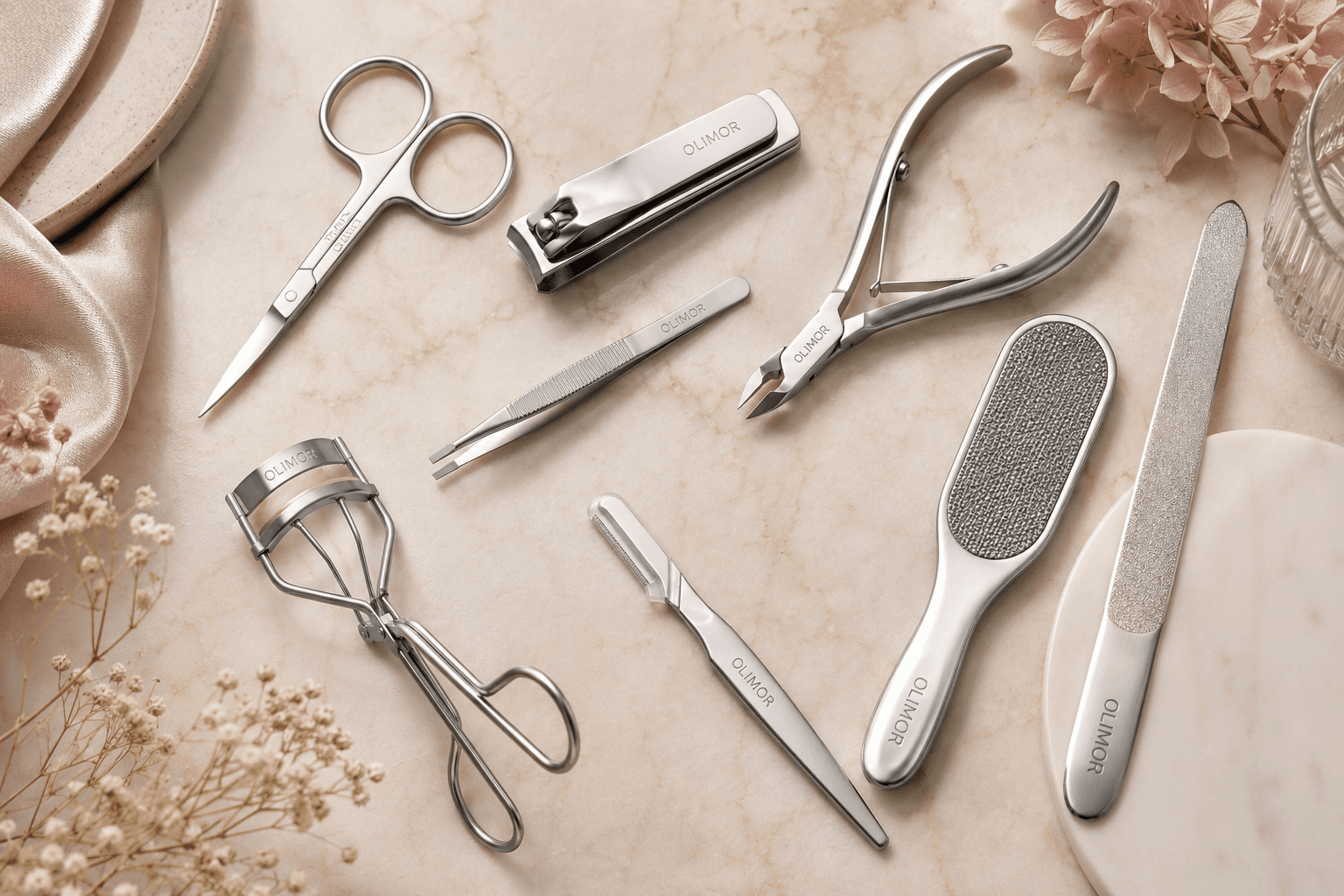
Olimor Beauty supports buyers looking for wholesale tweezers, including affordable bulk options and customized OEM/ODM tweezers for different market needs. Whether you are building an entry-level grooming line, refreshing a beauty accessories range, or developing a private-label product, the right sourcing process should help you control cost without ignoring functional quality.
What Makes Tweezers Difficult to Source at Scale?
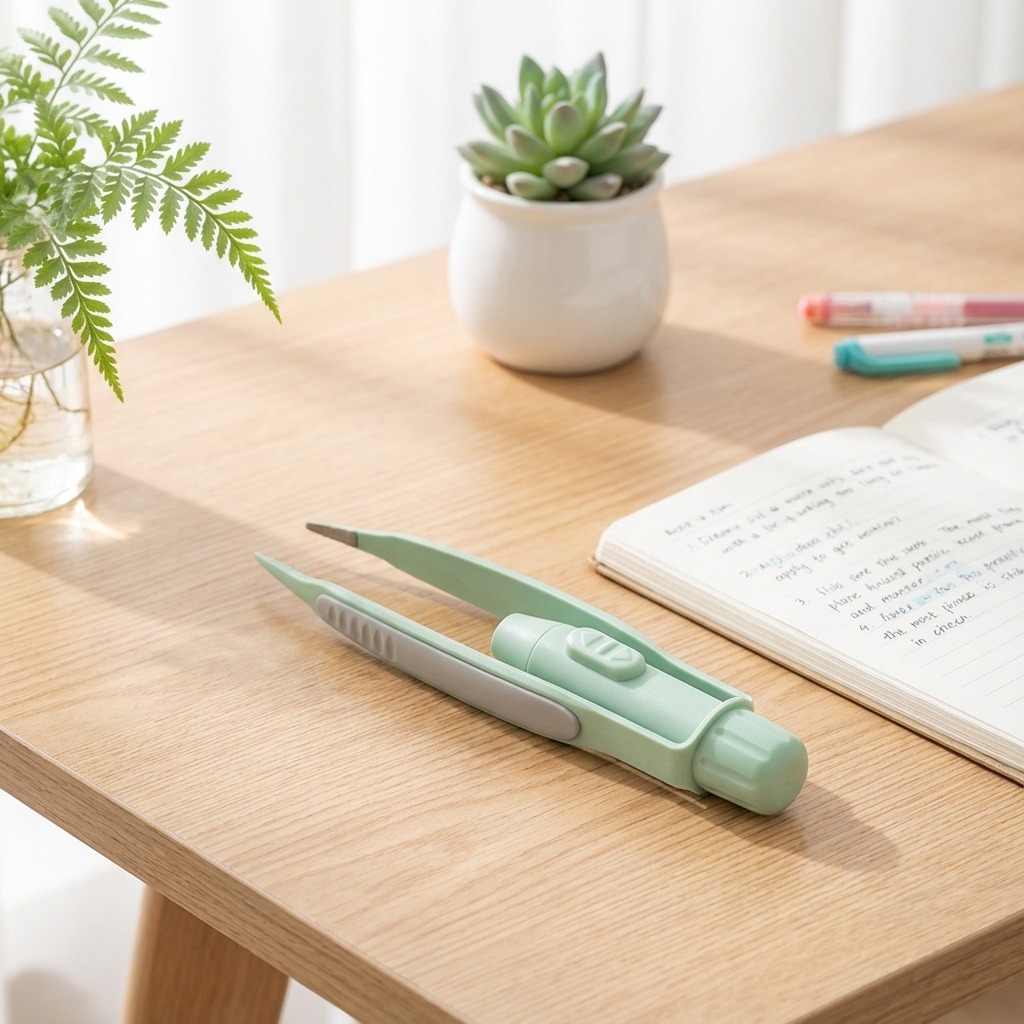
Tweezers look simple, but bulk sourcing can expose hidden problems. Two products may appear nearly identical in a catalog photo, yet perform very differently in daily use. The difference often comes from tip alignment, grip tension, surface finish, material handling, and final inspection. For beauty buyers, these details determine whether the tool can remove fine hairs cleanly without pinching the skin or bending after repeated use.
Global buyers also need to manage practical sourcing risks. A low unit cost may be attractive, but it can become expensive if batches vary, packaging arrives damaged, or the product does not match the intended retail positioning. Before selecting the cheapest wholesale tweezers, it is better to define the level of performance your market expects. A drugstore accessory set, a salon-use brow tool, and a private-label gift kit may all require different specifications.
Key Selection Criteria for Wholesale Tweezers
When comparing cheap wholesale tweezers, focus on the details that matter in the customer’s hand. A strong supplier conversation should move beyond color and packaging and include functional questions. The goal is to match your target price with a realistic quality level and a clear inspection standard.
- Tip style: Slant tips are common for eyebrow grooming, pointed tips suit precision work, and flat tips may be used for broader gripping tasks. Choose based on the product’s intended use, not only appearance.
- Tip alignment: The two tips should meet evenly. Poor alignment reduces gripping power and makes fine hair removal difficult.
- Grip tension: Tweezers should open and close smoothly. Too much stiffness can fatigue the hand; too little tension can feel weak.
- Surface finish: Polished, matte, coated, or colored finishes each create a different retail impression and may require different handling during packaging.
- Edge comfort: Edges should not feel sharp or rough where the user holds the tool.
- Packaging fit: The package should protect the tips from deformation during shipping and storage.
Olimor Beauty works with beauty tool buyers who need practical product choices across different price points. You can review broader beauty tool products to consider how tweezers may fit with other accessories in a retail or private-label range.
Affordable Does Not Have to Mean Uncontrolled
Many buyers search for affordable or cheap wholesale tweezers because margins are tight in beauty accessories. This is understandable, especially for high-volume retail programs. However, the lowest quoted price is not always the best landed value. A reliable sourcing plan should consider product loss, customer complaints, repackaging, delayed launches, and inconsistent replenishment.
A cost-conscious tweezer program works best when the buyer defines which features are essential and which are optional. For example, if the market is price-sensitive, a simple finish and standard packaging may be enough. If the product is part of a premium brow kit, a better finish, improved packaging, and tighter cosmetic requirements may be more important than shaving a small amount from the unit cost.
Useful cost-control questions include:
- Which tip type is required for the product’s main use?
- Will the tweezers be sold individually, in a set, or inside a kit?
- Does the retail channel require barcode labels, hang cards, boxes, or protective sleeves?
- What level of cosmetic consistency is expected for the target price?
- How should the tips be protected during transport to prevent bending or misalignment?
These questions help prevent over-specifying an entry-level item or under-specifying a product intended for a more demanding audience.
OEM/ODM Tweezers: Customization Choices That Matter
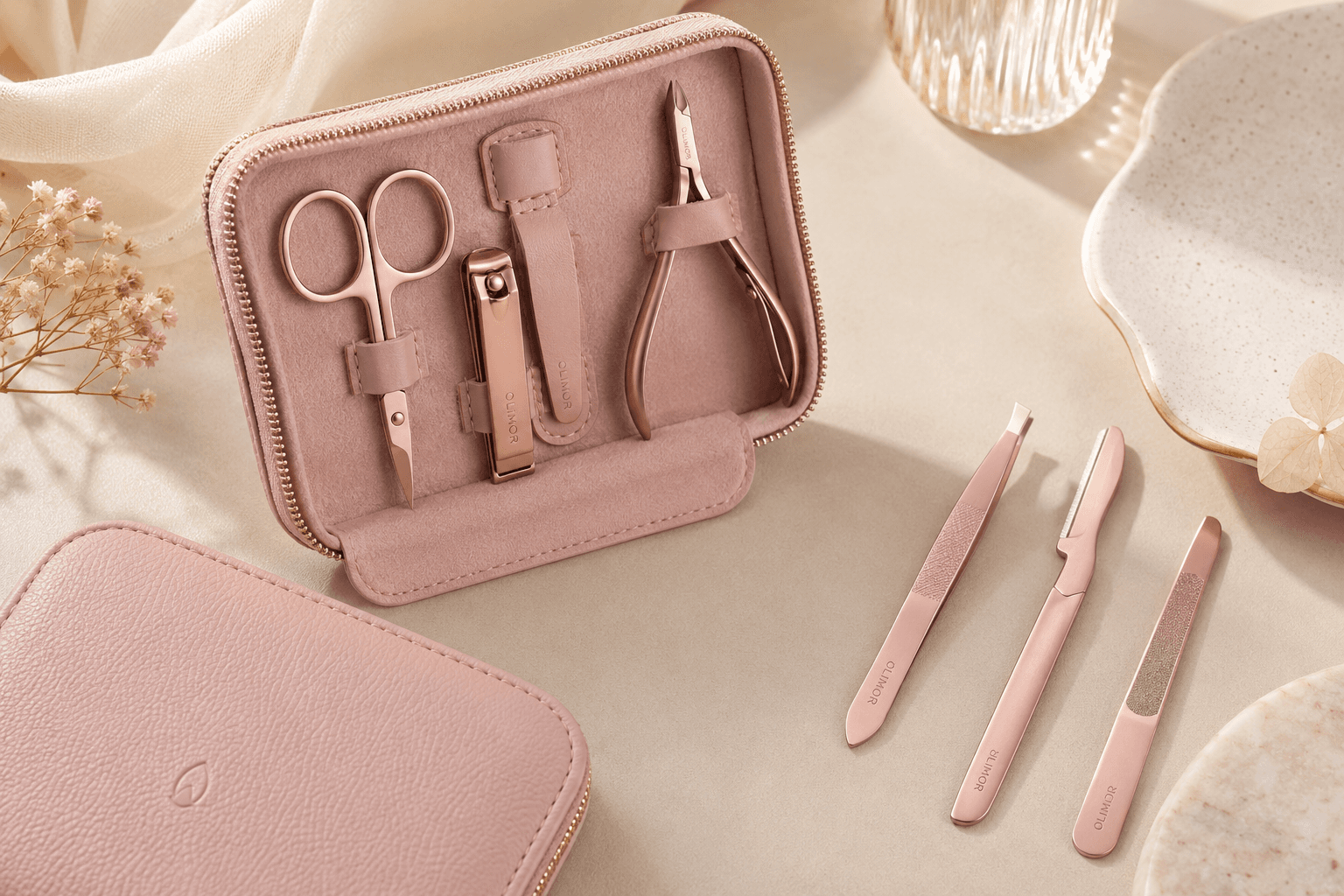
Customization can make tweezers more suitable for your brand, but every custom decision should have a purpose. OEM/ODM tweezers may involve changes to shape, finish, logo placement, packaging, assortment structure, or supporting components. For some buyers, the priority is a recognizable private-label presentation. For others, it is creating a tool that fits into a larger brow, lash, manicure, or grooming collection.
Common customization areas include handle color, surface texture, logo method, card design, box structure, and inclusion in multi-piece beauty tool sets. When planning customization, consider how the consumer will discover the product. A hanging retail card may need strong visual communication at shelf level. An e-commerce package may need secure protection and clear product photography. A salon supply product may need less decoration but more emphasis on function and durability.
If you are developing a coordinated accessory range, browsing Olimor Beauty product collections can help you think about how tweezers may sit alongside other tools. Consistency across finish, packaging, and product language can make a private-label range look more organized without requiring every item to be highly customized.
Quality Checks Buyers Should Confirm Before Ordering
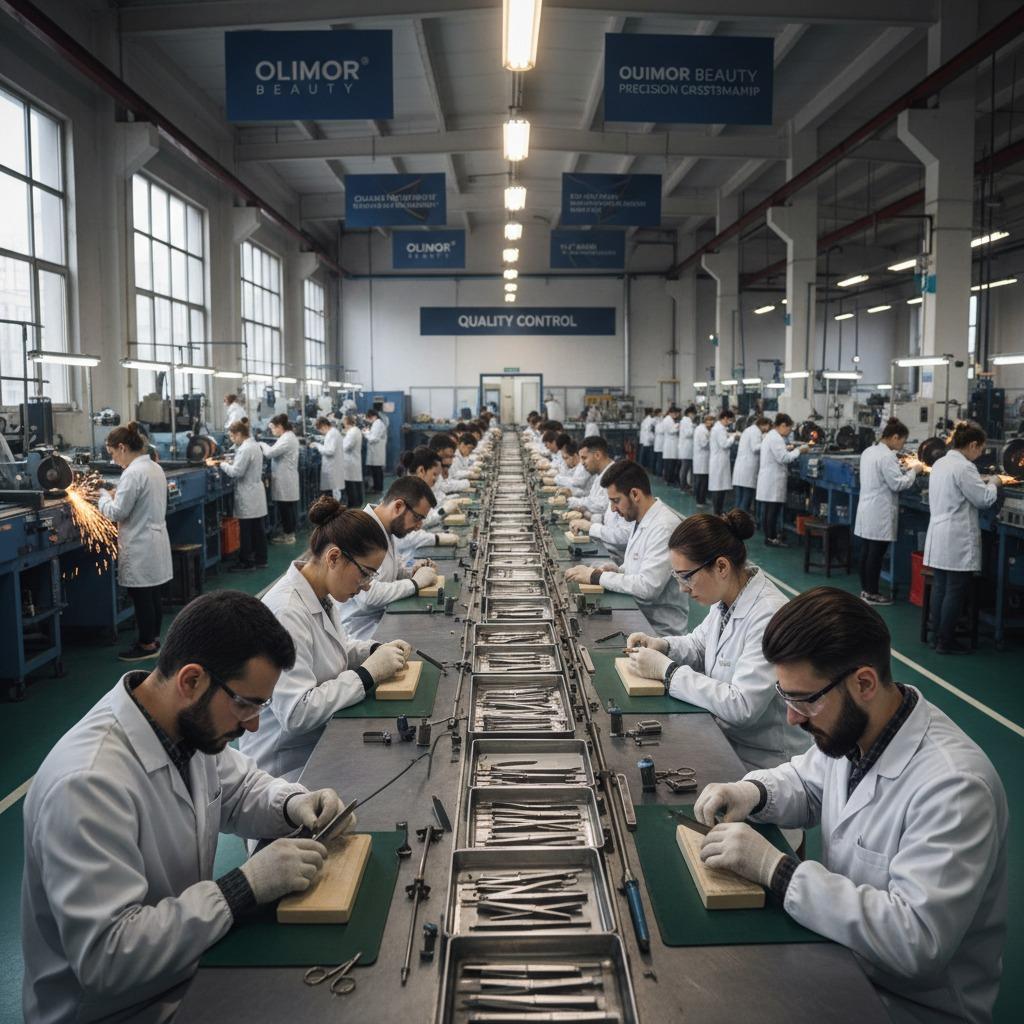
For global tweezer sourcing, inspection should be practical and tied to product use. Cosmetic appearance matters, but functional performance matters more. A buyer checklist can reduce misunderstandings before mass production and support more consistent replenishment orders.
| Check Point | Why It Matters | What to Define |
|---|---|---|
| Tip alignment | Controls gripping accuracy and user satisfaction | How evenly the tips should meet and how defects are judged |
| Opening tension | Affects comfort during repeated use | Acceptable feel, stiffness, and consistency across a batch |
| Surface finish | Influences retail appearance and perceived value | Color, shine level, coating appearance, and visible defect limits |
| Edge smoothness | Prevents discomfort in the user’s fingers | Areas that must be smooth to the touch |
| Packaging protection | Helps prevent tip damage in transit | Insert, sleeve, cap, card, or box requirements |
Inspection expectations should be agreed before production rather than after shipment. This is especially important when purchasing cheapest wholesale tweezers for high-volume channels, where small variations can multiply across many units.
Packaging and Market Positioning
Packaging is often where affordable tweezers can gain or lose retail value. A basic tweezer with a clean card and protected tip may sell better than a more expensive tool presented poorly. Packaging should communicate the tip style, intended use, and any handling instructions clearly. It should also protect the tool from bending, scratching, or rubbing against other products during storage.
For retail shelves, visibility and hang compatibility may be important. For online sales, compact packaging that photographs well and survives parcel handling may matter more. For kits, the tweezer should be fixed securely so it does not move around and damage nearby items. Private-label buyers should also consider how the packaging fits brand color, typography, and product hierarchy across multiple beauty tools.
How to Build a Strong Supplier Brief
A clear brief helps a global tweezers supplier respond with relevant options instead of broad guesses. It also makes it easier to compare quotations fairly. Include the target market, expected retail channel, preferred tip type, finish direction, packaging format, logo needs, and any quality concerns from past sourcing experience.
For example, a buyer sourcing an economical eyebrow tweezer for discount retail should say so directly. A buyer creating a custom brow set for an online beauty brand should include packaging expectations and the other items in the set. The more specific the commercial goal, the easier it is to balance affordability, appearance, and functional performance.
If you are ready to compare options or share a product brief, you can send an inquiry. For broader sourcing discussions or custom project questions, you may also contact Olimor directly.
Choosing Olimor Beauty for Global Tweezer Sourcing
Olimor Beauty serves buyers who need wholesale beauty tools with practical customization choices and sourcing support. For tweezers, the right solution may be a simple affordable bulk item, a customized private-label design, or a coordinated accessory set. The best result comes from matching product details to the real expectations of your sales channel.
Before placing an order, define the user, the price position, the required tip performance, and the packaging role. This approach helps avoid common sourcing mistakes and supports a more stable supply plan. With a clear brief and realistic quality priorities, affordable wholesale tweezers can become a dependable part of your beauty tool range rather than a recurring sourcing problem.
Tag: