Foot Files Bulk Purchase from an OEM Supplier in Asia
A foot file is a simple tool, but buying it in bulk is not a simple decision. For salons, spa chains, pedicure product distributors and private-label personal care brands, the right foot file affects service consistency, hygiene management, retail presentation and reorder efficiency. A poor choice may look acceptable in a catalog, yet become uncomfortable in the hand, too weak for regular salon use, or inconsistent from one batch to the next.
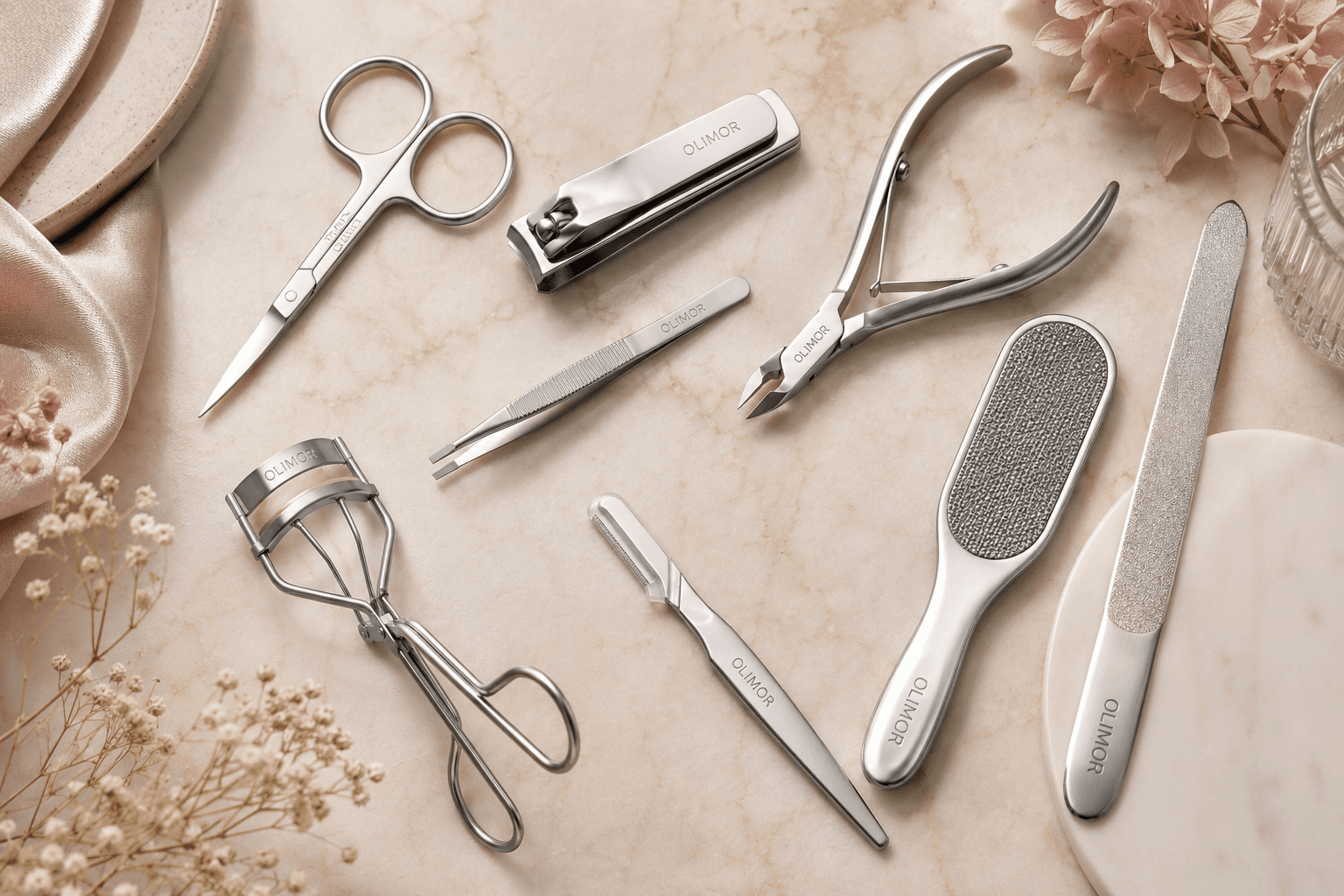
Olimor Beauty supplies OEM personal care tools from Asia, including foot rasps designed for professional and consumer foot care. The original product information highlights a foot rasp with a micro-dot patterned exfoliating surface, user comfort in mind and manufacturing supported by quality checks and precise processes. This guide explains how to evaluate foot files for bulk purchase without relying on vague claims or cosmetic descriptions alone.
Why Bulk Purchasing Foot Files Makes Sense for Salons and Buyers
Foot files are used frequently in pedicure services, home foot care kits and retail add-on programs. Because they are practical, repeatable tools, purchasing in bulk can support better operational control than buying small quantities from multiple sources. Salons can maintain a consistent tool type across stations, purchasing teams can reduce emergency reorders, and distributors can build a stable product line for beauty and personal care clients.
Bulk sourcing also helps buyers compare samples more carefully before committing. Instead of selecting products only by unit price, you can examine grip comfort, surface performance, packaging suitability and appearance under real handling conditions. For OEM buyers, a larger purchasing plan can also make it easier to organize product artwork, retail packaging, language requirements and shipment timing as part of one coordinated sourcing project.
The goal is not simply to buy more foot files. The goal is to buy a tool that matches the way your customers will actually use it: quick salon callus smoothing, at-home maintenance, pedicure gift sets, travel kits, or private-label retail displays. Each use case points to different priorities.
What to Look for in a Foot File for Professional Use
A reliable foot file needs to remove rough skin efficiently while remaining comfortable and controllable. The micro-dot patterned exfoliating surface described for Olimor Beauty’s foot rasp is a useful feature to evaluate because the surface pattern influences contact, friction and the feel of the tool during use. When comparing options, buyers should consider both the exfoliating area and the entire user experience.
- Exfoliating surface: Check whether the texture feels even across the working area and whether it suits the intended use, from routine smoothing to heavier callus care.
- Handle comfort: A foot file used repeatedly in salon services should be easy to grip, even during longer pedicure sessions.
- Control and balance: The tool should not feel awkward or overly flexible when pressure is applied.
- Edge finishing: Rough edges, sharp seams or uncomfortable corners can affect both technician confidence and customer perception.
- Cleaning practicality: For salon environments, the design should be easy to wipe, rinse or manage according to the salon’s hygiene procedures.
- Appearance consistency: Bulk orders should look uniform enough for retail display, brand kits or multi-location salon use.
For professional buyers, a sample should be tested by the people who will use it, not only reviewed by a purchasing manager. A technician can quickly notice whether the rasp feels efficient, tiring, slippery or easy to control. This feedback is especially important if the product will be used in repeated services rather than occasional home care.
OEM Sourcing Questions Before You Commit
OEM sourcing is valuable when you want more control over presentation, assortment and brand positioning. However, buyers should define their requirements before discussing artwork or packaging. A foot file may be a small tool, but it still needs a clear product brief.
- Define the sales channel. Will the foot files be used in salons, sold in retail packaging, included in pedicure kits, or supplied to distributors?
- Clarify the user profile. A salon technician, a home user and a travel-kit customer may prefer different size, grip and packaging choices.
- Prepare reference requirements. Include preferred shape, color direction, surface feel, packaging format and any labeling information needed for your market.
- Review sample performance. Evaluate comfort, surface consistency and visible finishing before moving to bulk order planning.
- Confirm quality expectations. Agree on the key points that should be checked in production, such as appearance, surface uniformity, handle finish and packaging condition.
- Plan reorder continuity. If the product will become a regular stock item, make sure your purchasing team records the approved sample and packaging details carefully.
Olimor Beauty’s role as an OEM personal care tools supplier is relevant for buyers who need more than a one-time purchase. If you are building a product range, you can also review related beauty tool products to see how foot files might fit within a broader pedicure, manicure or personal care assortment.
Quality Checks That Matter for Bulk Foot Files
Quality control for foot files should be practical and tied to actual use. Buyers do not need to overcomplicate inspection, but they should avoid accepting a bulk shipment based only on carton count. The original product information notes rigorous quality checks and precise manufacturing processes, which are especially meaningful when the buyer defines what should be checked.
A useful inspection approach may include visual review, handling review and packaging review. Visual review confirms that the product surface looks consistent and that there are no obvious defects. Handling review checks comfort, grip and any rough areas that could affect the user. Packaging review verifies that the product is cleanly presented, protected for shipment and aligned with the buyer’s sales channel.
| Check Point | Why It Matters | What Buyers Can Review |
|---|---|---|
| Exfoliating surface | Determines how the foot file performs during callus smoothing | Texture uniformity, visible surface defects, feel during sample use |
| Handle and shape | Affects technician comfort and control | Grip, balance, edge finishing and stability under normal pressure |
| Appearance | Important for retail, salon presentation and brand consistency | Color consistency, clean finish and uniform product appearance |
| Packaging | Protects goods and supports the sales channel | Label placement, carton condition, retail display suitability |
| Batch consistency | Reduces complaints and reorder uncertainty | Comparison with approved sample and documented requirements |
Clear quality expectations help both the buyer and supplier. Instead of using broad terms like “good quality,” describe the exact issues that would create problems for your customer: uneven exfoliating surfaces, uncomfortable edges, weak handles, poor packaging protection or inconsistent appearance.
Matching Foot Files to Different Business Uses
Not every bulk buyer needs the same foot file. A salon may prioritize durability and comfortable grip because the tool is handled by technicians throughout the day. A retail brand may care more about product presentation, perceived value and how clearly the customer understands the intended use. A distributor may need a balanced option that can suit several buyer types without becoming too specialized.
For salon service use, consider whether the foot file feels secure when held at different angles and whether the surface is efficient enough to support routine pedicure timing. For retail use, consider whether the design looks clean and understandable when packaged. For kit assembly, check size compatibility with other items and whether the product can be packed without damaging neighboring tools. If you are developing several SKUs, view Olimor’s product collections to think about how a foot rasp can sit alongside other personal care tools.
Private-label buyers should also think carefully about claims. Avoid printed statements that promise results you cannot support in your market. Clear, practical wording such as “foot file,” “foot rasp,” or “exfoliating foot care tool” is often more useful than exaggerated language. Instructions should encourage careful use and appropriate hygiene practices, especially for customers using the product at home.
Maintenance, Hygiene and Customer Education
Foot files are used on skin, so customer education matters. Even a well-made tool can create a poor experience if it is used too aggressively, shared without proper hygiene procedures, or stored wet. Salons should follow their local sanitation requirements and internal service protocols. Retail brands should provide simple usage guidance that helps customers understand safe, moderate exfoliation.
Helpful instructions may include using the tool on appropriate areas of rough skin, applying light pressure first, cleaning the tool after use and allowing it to dry before storage. It is also wise to advise users not to use a foot file on broken, irritated or infected skin. These points are not decorative; they reduce misuse and support better product satisfaction.
For bulk buyers, maintenance guidance can be part of packaging, an insert card, a salon training sheet or an online product description. The format depends on your sales channel, but the message should be clear and practical. When products are shipped to multiple salon locations or distributors, consistent instructions reduce variation in how the product is presented to end users.
Building a Stronger Foot Care Assortment
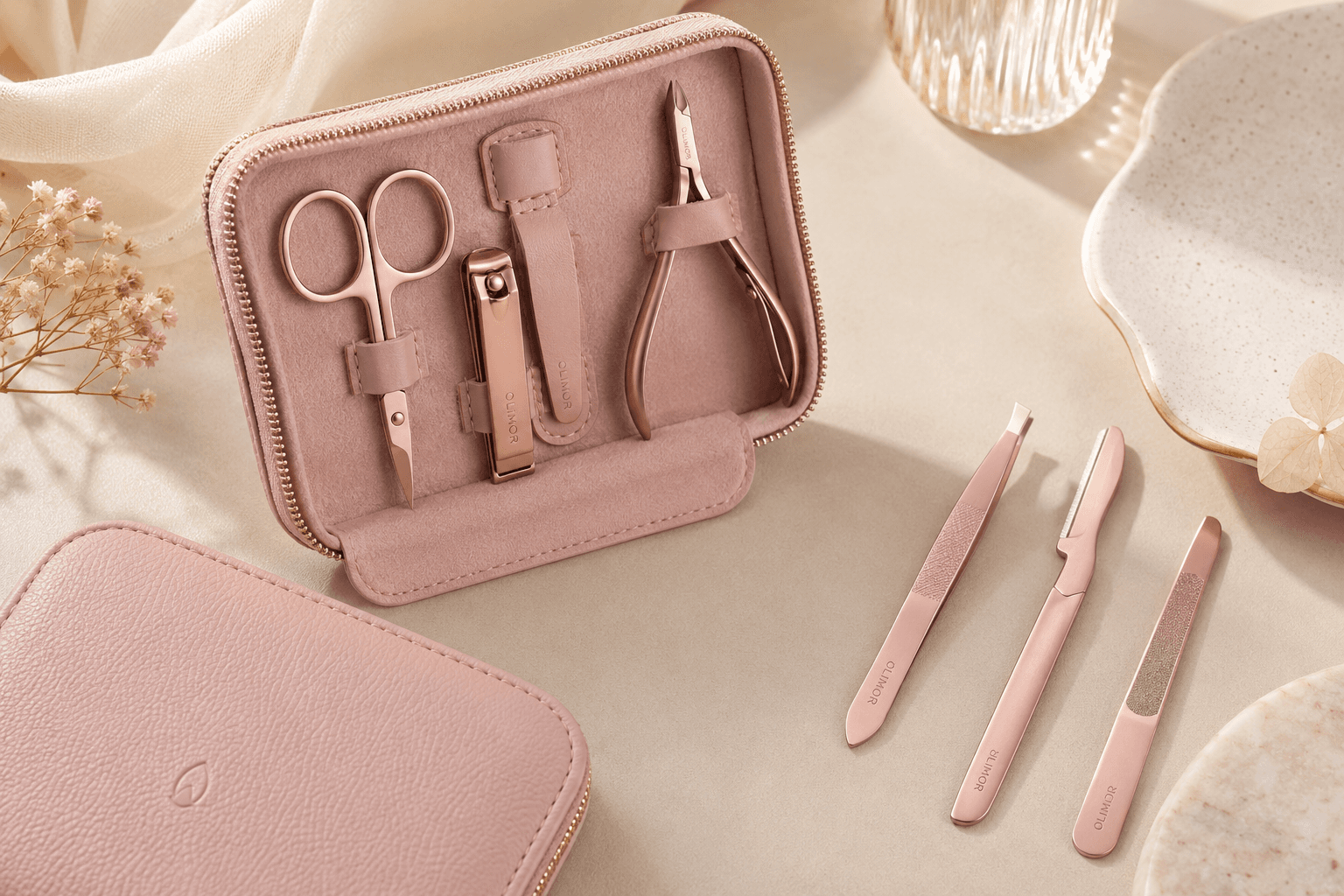
A bulk purchase of foot files is often the starting point for a wider personal care tools program. Once you have approved the surface feel, handle comfort and packaging direction, you can evaluate whether the item should be sold individually, paired with other pedicure tools, or included in a seasonal care kit. This planning helps prevent fragmented purchasing and gives your team a clearer reorder strategy.
When comparing OEM suppliers in Asia, focus on communication clarity, sample evaluation, manufacturing consistency and packaging execution. Olimor Beauty’s position as a personal care tools manufacturer in Asia makes it a relevant partner for buyers sourcing foot files for professional and retail use. If you are preparing a purchase plan or comparing specifications, you can send an inquiry with your intended use, packaging needs and target market details. For broader sourcing questions, you may also contact Olimor.
The best bulk foot file purchase is not determined by the lowest quote alone. It is the result of choosing a tool that performs consistently, feels comfortable in real use, presents well to customers and can be reordered with confidence. By treating the foot file as a functional beauty tool rather than a disposable commodity, salons, distributors and private-label brands can build a more dependable foot care offering.
Tag: