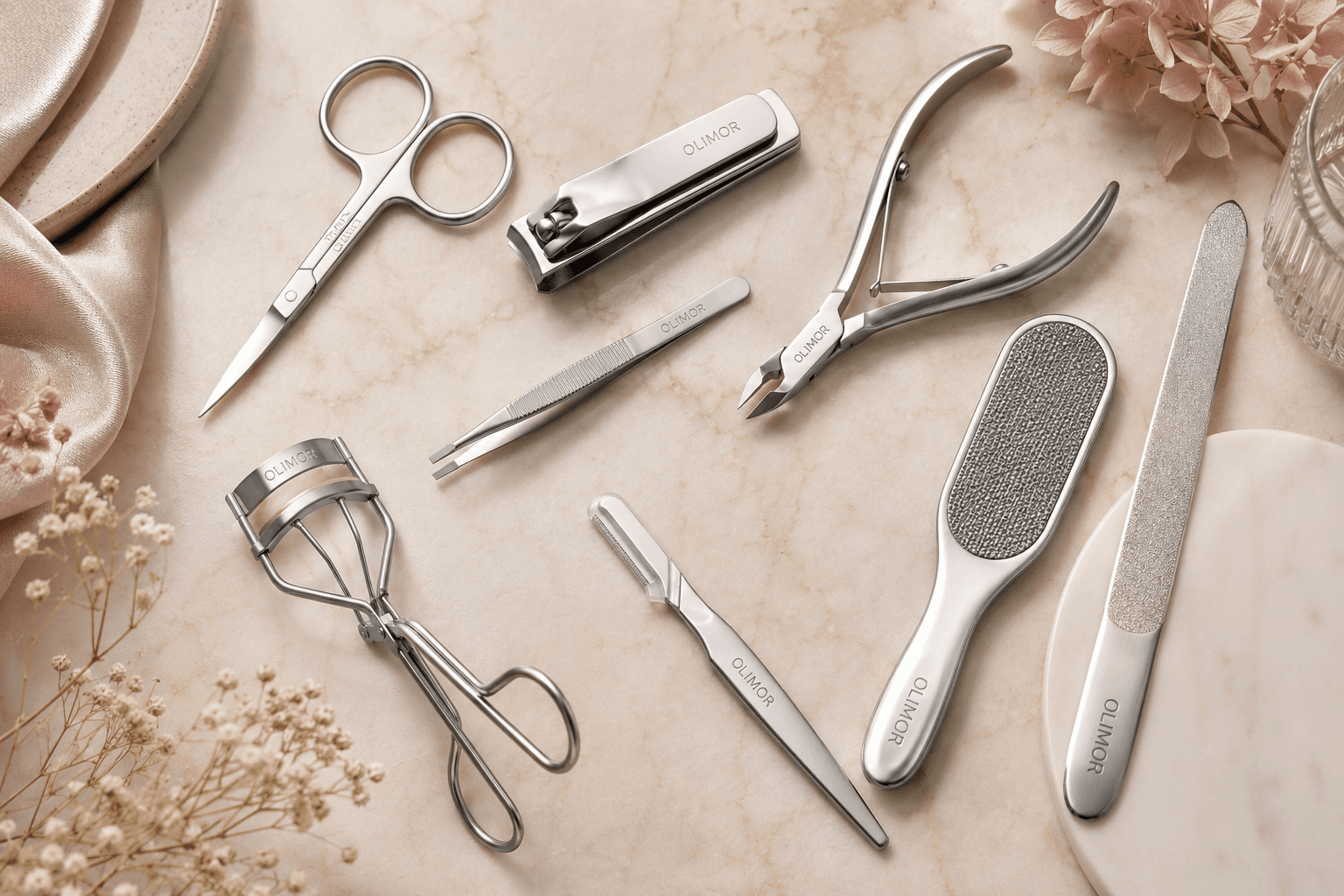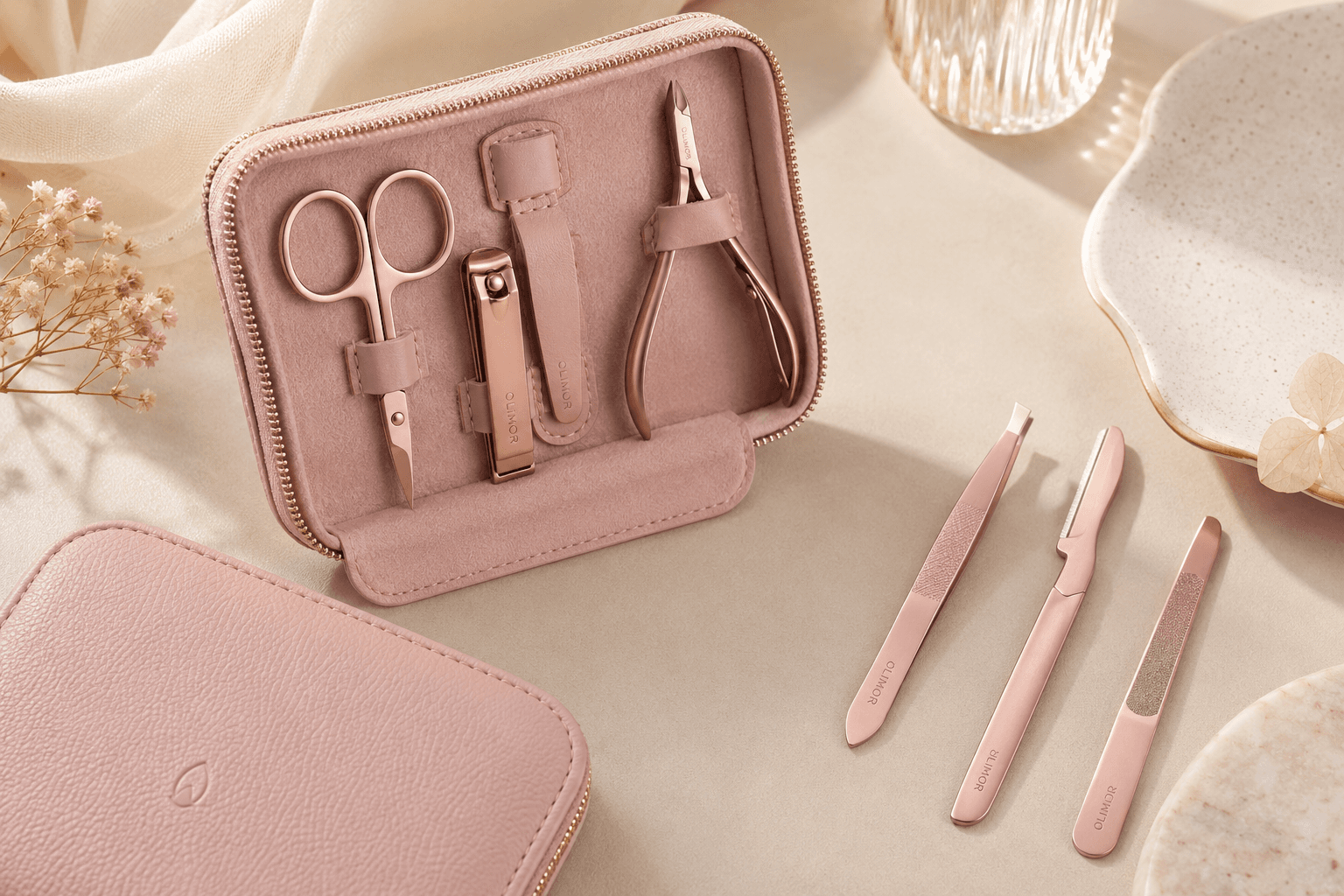
Foot Files Bulk Purchase for Sustainable Beauty Solutions
A foot files bulk purchase is not just a stock-up decision. For salons, spas, beauty retailers, hotel amenity buyers, distributors, and foot care brands, it affects hygiene standards, customer satisfaction, service consistency, merchandising, and long-term purchasing efficiency. Foot files are used in a category where performance is easy for customers to judge: the tool must smooth rough skin effectively, feel safe in the hand, and be simple to clean, store, or replace according to the intended use.
When sustainability is also part of the buying brief, the decision becomes more detailed. Buyers need to look beyond appearance and compare durability, packaging, replacement parts, responsible sourcing language, and whether product claims are clear enough for use in retail or professional settings. Olimor Beauty supports beauty tool sourcing for buyers who want practical, market-ready foot care tools while keeping quality and ethical expectations in view. If you are comparing options across a broader category, you can also review Olimor beauty tool products to understand how foot care fits within a complete assortment.
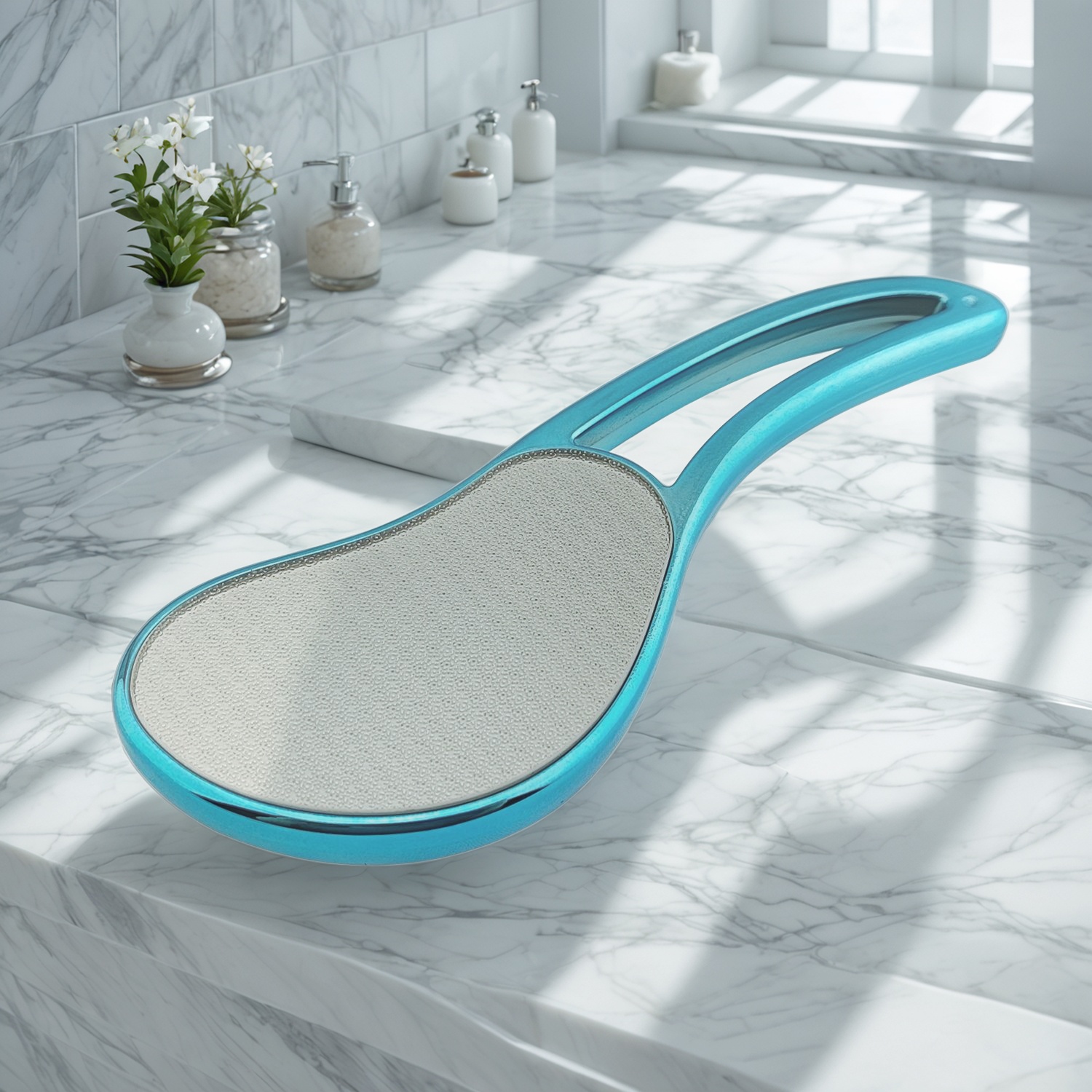
Why Bulk Foot Files Make Sense for Professional and Retail Buyers
Bulk purchasing is valuable when a product is used frequently, sold repeatedly, or needed across multiple locations. Foot files meet all three conditions in many beauty businesses. A salon may need tools for pedicure stations, a spa may require consistent tools for scheduled services, and a retailer may want a dependable foot care item with everyday demand. Buying in bulk can help maintain product continuity so customers receive the same experience each time.
For service businesses, consistency matters. If every technician uses a different file shape, abrasive surface, or electric tool format, the service result may vary. Bulk purchasing allows managers to standardize training, cleaning procedures, handling instructions, and replacement schedules. For retailers, it supports clearer merchandising because packaging, product descriptions, and customer guidance can stay consistent across batches.
Bulk ordering also reduces the number of emergency replenishment decisions. Instead of reacting when tools run low, buyers can plan inventory based on service volume, seasonal foot care demand, promotional calendars, or retailer sell-through. This makes it easier to compare landed cost, storage needs, and packaging waste over time rather than judging only the unit price.
Choosing the Right Type of Foot File for Your Use Case
The original buying need should guide the specification. A professional pedicure environment may prioritize sanitation, durability, ergonomic comfort, and predictable abrasion. A retail customer may focus on simple instructions, attractive packaging, and safe at-home use. Electric foot files, mentioned in relation to this product category, can be especially useful where convenience and controlled exfoliation are important, but they should still be evaluated carefully for handling, cleaning, and end-user instructions.
Before placing a bulk order, define who will use the tool and how often. A buyer sourcing for salon back-bar use may need a different product than a buyer creating a home foot care kit. If the file is electric, consider how customers will understand its operation, maintenance, and limitations. If the file is manual, compare grip comfort, abrasive surface design, and whether the tool feels stable during use.
- Professional salon use: prioritize repeatable performance, ease of disinfection or cleaning according to the tool type, comfortable grip, and clear internal usage rules.
- Retail resale: prioritize intuitive packaging, consumer-friendly instructions, shelf appeal, and clear benefit statements that do not overpromise.
- Gift sets or foot care kits: prioritize compact presentation, compatibility with other foot care items, and a balanced perceived value.
- Travel or hotel use: prioritize lightweight construction, practical packaging, and simple disposal or care instructions depending on the format.
- Electric foot file programs: prioritize safe handling, user guidance, replacement component planning if applicable, and clear storage recommendations.
Sustainability Criteria That Actually Help Buyers Decide
Sustainability in beauty tools should be evaluated with practical questions. A product that lasts longer may reduce replacement frequency. Packaging that avoids unnecessary bulk can reduce shipping and storage waste. Clear care instructions can prevent premature disposal. For foot files, sustainability is not a single claim; it is a combination of materials, design life, packaging choices, and how honestly the product is presented to customers.
When reviewing a sustainable beauty tools supplier, look for information that supports real buying decisions. The supplier should be able to explain how the product is intended to be used, packed, stored, and maintained. If a buyer plans to market the item as eco-conscious, the wording should be specific and supportable. Broad environmental language can create risk if it is not connected to visible product or packaging features.
Durability is particularly important in bulk purchasing. A lower-cost file that wears out quickly may create more waste and more frequent reordering than a better-built alternative. At the same time, professional hygiene requirements may require replacement at defined intervals. The responsible approach is to select the tool that fits its intended service life and to communicate proper use clearly.
Cruelty-Free and Ethical Sourcing Considerations
Many beauty customers now look for cruelty-free and ethically produced tools, not only cruelty-free cosmetics. In the context of foot files, this means buyers should review supplier positioning, manufacturing controls, and product communication carefully. Olimor Beauty is presented as a cruelty-free beauty tools manufacturer with a detailed quality assurance process, which can support buyers who need products aligned with modern consumer expectations.
Ethical sourcing also includes transparency in product claims. A retailer should not need to rely on vague language when describing a foot file. A spa should be able to tell clients why it selected a particular tool: consistent performance, responsible sourcing direction, suitability for the service, and attention to hygiene. These points are more credible than exaggerated claims.
For private-label or distributor projects, cruelty-free positioning should be reflected in the final customer-facing copy. Packaging, instruction leaflets, website product pages, and sales materials should use the same careful language. If your team needs to clarify product options, customization routes, or sourcing details, you can contact Olimor for a focused discussion.
Quality Checks Before Confirming a Bulk Purchase
A foot file may look simple, but small differences can affect user confidence. The surface must feel appropriate for its intended exfoliation level. Edges should be finished neatly. Handles should be comfortable and stable. Electric versions require special attention to user instructions, operation, and maintenance expectations. Bulk buyers should create a repeatable checklist so purchasing teams, technicians, and merchandising managers assess the same features.
| Evaluation Area | What to Check | Why It Matters |
|---|---|---|
| Grip and handling | Comfort, balance, and control during use | Improves user confidence and reduces inconsistent pressure |
| Abrasive performance | Appropriate smoothing effect for the target user | Helps avoid tools that are too weak or unnecessarily harsh |
| Finish and edges | Clean edges, stable surface, no obvious defects | Supports safety perception and retail quality |
| Cleaning guidance | Clear care instructions suitable for the product type | Helps salons and consumers use the tool responsibly |
| Packaging | Protection, labeling space, and waste-conscious design | Affects shipping condition, shelf display, and sustainability goals |
| Claim language | Consistent wording for cruelty-free or eco-focused positioning | Reduces marketing confusion and builds buyer trust |
For professional environments, it is also useful to test tools under realistic conditions. Have technicians evaluate comfort over multiple services, not just during a quick inspection. For retail, check whether a first-time customer can understand the product benefits and usage from the packaging and instructions. These practical checks often reveal more than a specification sheet alone.
Planning Inventory, Packaging, and Product Assortment
Bulk purchasing works best when it is connected to a clear sales or service plan. Estimate usage by location, service menu, season, and sales channel. Foot care demand often rises before sandal seasons, holidays, travel periods, and wellness promotions. A distributor or retailer may also pair foot files with other pedicure tools, nail care items, or self-care accessories to increase basket value.
Packaging decisions should match the route to market. Back-bar salon tools may need practical bulk packing, while retail-ready products need packaging that protects the item and communicates value. If sustainability is part of the story, avoid overpackaging where possible and keep claims precise. Buyers reviewing related items can browse Olimor product collections to consider how foot files may sit alongside other beauty tools in a coordinated assortment.
For electric foot file sourcing, inventory planning may include accessories, instruction materials, or replacement component considerations depending on the final product configuration. Do not assume every electric file program has the same requirements. Confirm what is included, what is optional, and what the end customer will need for continued use.
Maintenance Guidance for Better Customer Experience
Good maintenance instructions reduce complaints and support responsible product life. Foot files should be used on appropriate areas of the feet and with sensible pressure. Users should avoid aggressive over-filing, especially on sensitive skin. Professional operators should follow their own hygiene protocols and local requirements for cleaning, disinfecting, or replacing tools according to the product format.
- Inspect the file before use and remove any item that shows damage, instability, or excessive wear.
- Use the tool only as intended, applying controlled pressure rather than forcing faster results.
- Clean or care for the product according to the instructions suitable for its material and construction.
- Store foot files in a dry, clean place away from contamination or unnecessary impact.
- Replace tools when performance declines or when hygiene procedures require replacement.
For retail buyers, include maintenance guidance in product copy or inserts. Clear instructions can reduce misuse and help customers feel more satisfied with the purchase. For salons, maintenance rules should be part of technician onboarding so the tool is used consistently across the team.
How to Move From Shortlist to Purchase Decision
The strongest bulk purchase decision balances performance, sourcing values, and commercial practicality. Start with the use case, then evaluate sample handling, surface performance, packaging, sustainability language, and cruelty-free positioning. Compare not only price but also expected service life, customer clarity, storage efficiency, and how well the product fits your brand promise.
Olimor Beauty is a relevant partner for buyers seeking foot files and related beauty tools with attention to quality, eco-conscious direction, and cruelty-free expectations. Whether you are sourcing an Electric Foot File for a professional program, building a retail foot care range, or comparing sustainable beauty tool suppliers, a structured checklist will help your team make a cleaner decision. To discuss product requirements or begin a sourcing conversation, you can send an inquiry with your target market, order purpose, packaging needs, and preferred product type.
Tag: