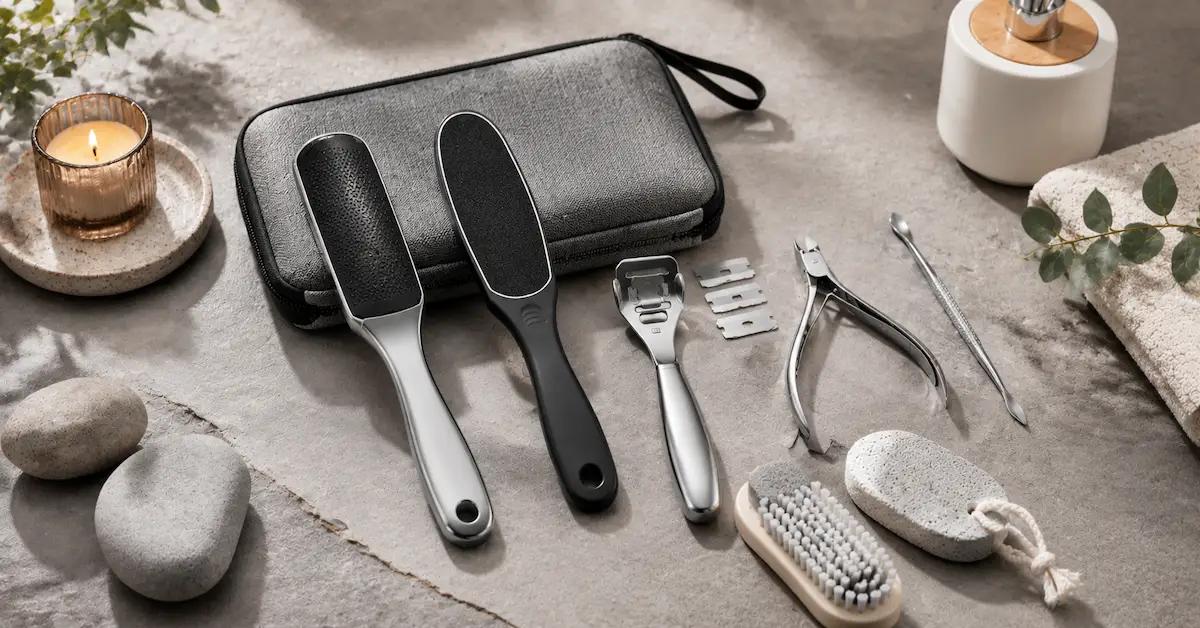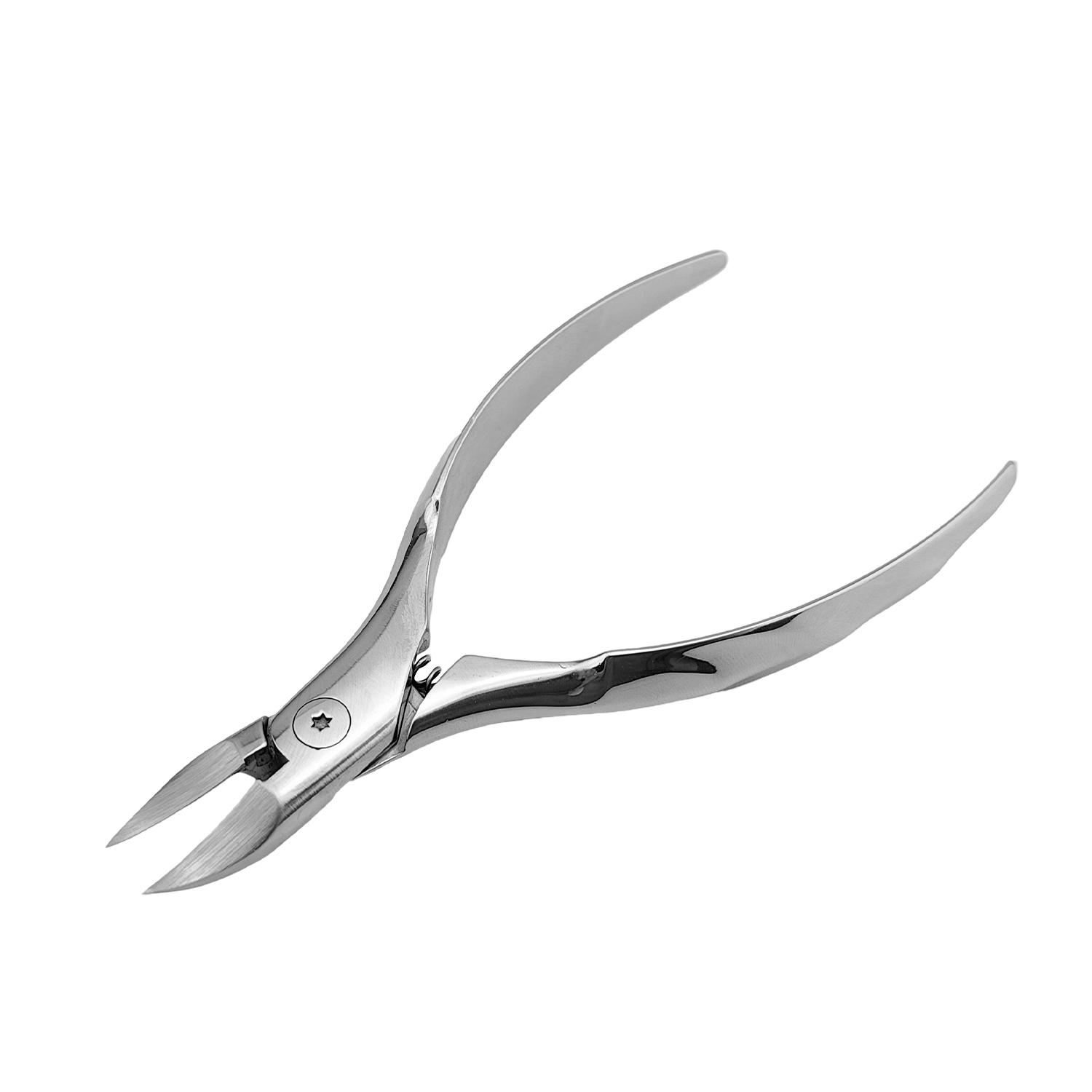


Bulk Stainless Steel Foot Files: Spa Buyer QC Guide
Bulk stainless steel foot files should be approved through observable checks of the working surface, perimeter, handle, assembly and packed sample. A material name or catalogue photo cannot establish abrasive consistency, care compatibility or repeat-order quality.
Define the intended spa task, compare several samples from the quoted configuration and keep one approved product-and-pack reference. Confirm model-specific materials, finishes and care instructions before using them in purchasing records or customer-facing claims.
Define the Foot File Model and Spa Task
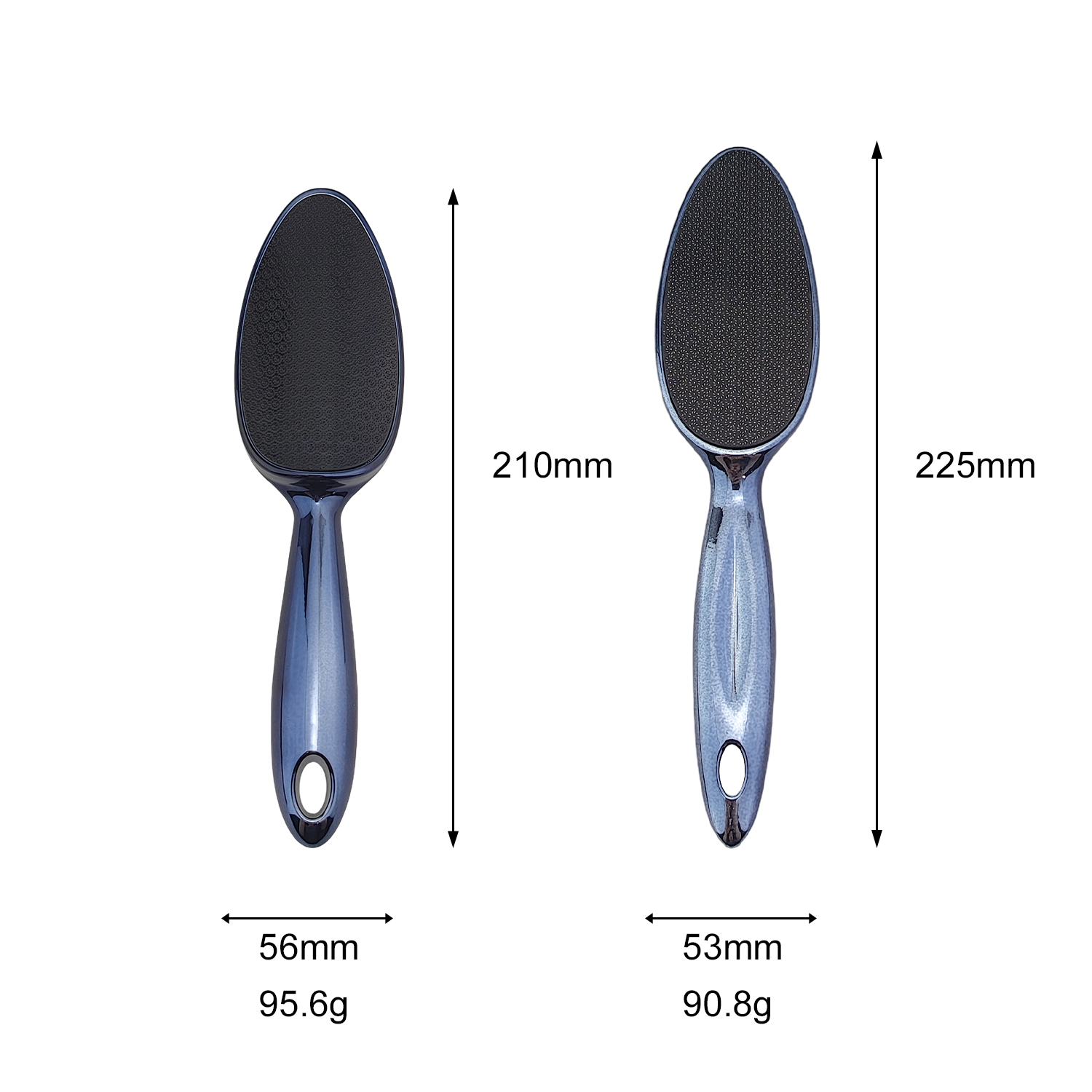
Start with the service step the file is expected to support and the user who will handle it. A model for controlled heel-surface work may need a different usable area, shape and grip from a compact retail aftercare format. Do not approve a file as a generic professional tool without stating its intended role.
Record the supplier model, dimensions, working-surface format, handle or frame construction, finish direction and pack configuration. If the same shape is offered with more than one surface, finish or handle, assign separate item codes so receiving staff can identify the approved version.
Inspect the Working Surface, Perimeter and Handle
Review representative samples under the same viewing and handling conditions. The purpose is to describe observable acceptance points, not to infer performance from a product name.
| Area | Observable check | Approval record |
|---|---|---|
| Working surface | Coverage, visible uniformity, attachment and unintended gaps | Photographs and retained surface reference |
| Usable area | Shape and access for the defined task | Model drawing or measured reference |
| Perimeter | Burrs, rough points and transition to the handle or frame | Inspection notes for several samples |
| Handle | Control, unwanted movement and surface condition | Handling method and approved sample |
| Assembly | Loose parts, visible gaps or movement at joined components | Assembly reference and defect examples |
| Finished appearance | Color, marks and visible variation against the agreed reference | Appearance sample and viewing conditions |
Use the same task and comparison method across samples. Record the tool identity and result rather than describing it only as effective, ergonomic or high quality. Those adjectives do not tell production or receiving teams what to inspect.
Treat Stainless Steel as a Specification, Not a Guarantee
Stainless steel is a broad material description. Ask which grade or designation applies to the working part, handle, frame and any fastener in the quoted SKU. A material label by itself does not prove hardness, corrosion performance, service life, hygiene suitability or compatibility with a cleaning process.
When a finish, coating or abrasive treatment is relevant, request the current process description and the evidence used to approve it. Keep unsupported corrosion, durability, sustainability and sanitation claims out of the article and sales copy. If the supplier evidence is incomplete, state only what can be observed on the approved sample and keep the remaining question in the internal RFQ.
Approve Care Guidance for the Actual Construction
Ask for care, drying and storage guidance for the selected model. A metal body, bonded abrasive, insert, coating or assembled handle may have different limits. The spa must also compare supplier guidance with its own operating procedures and current local requirements before adopting a cleaning or reprocessing method.
Do not publish one universal sanitation instruction for every foot file. During sample review, inspect accessible areas, joints and storage protection, then document the approved care text for the exact SKU. Keep the tool dry and protected only when those instructions match the verified construction and buyer procedure.
Compare Several Samples and Retain a Reference
One polished sample cannot show variation across a proposed order. Review several units from the quoted configuration and use the same inspection sheet for each. Photograph the working surface and perimeter, record model identity and note any sample that differs from the written specification.
After approval, retain a physical reference or a controlled sample set with the product code, revision, date and reviewer. Connect it to the written checks, approved finish, packaging artwork and quotation. If a working surface, handle, assembly, finish or pack component changes, require a documented review before release.
Protect the Working Surface in the Bulk Pack
The unit pack and carton should prevent working surfaces and finished edges from rubbing other tools. Inspect the file inside the actual sleeve, insert or box and confirm that the model can be removed without pulling on the working surface. A flat artwork proof cannot establish pack fit.
Record unit-pack identity, inner quantity, carton quantity, orientation and protection method. For repeat orders, match the model code, pack revision and carton label before applying product-level checks. The related salon distributor foot file guide covers assortment, mixed-carton identity and replenishment as a separate channel workflow.
Compare Quotations on the Same QC Scope
Send each supplier the same model brief, quantity, finish, unit pack, carton assumptions, sample stages, inspection scope and requested evidence. Ask what is included, excluded or still subject to confirmation. A lower unit price is not comparable when the working surface, pack or inspection basis differs.
MOQ, sample timing, production timing and acceptance sampling remain project-specific. Obtain current written terms for the exact configuration instead of publishing a fixed number from another product or order.
Buyer FAQ
Can a catalogue image prove abrasive consistency?
No. Review several physical samples from the quoted configuration and record the working-surface reference and comparison method.
Does stainless steel prove corrosion resistance?
No. Confirm the exact material, construction, finish and relevant evidence for the selected model before making a corrosion statement.
Can one care method cover every foot file?
No. Care guidance must match the actual working surface, assembly, finish and buyer procedure. Review current product instructions and local requirements.
What should remain stable on a repeat order?
The model, working-surface reference, dimensions, finish, approved sample, unit pack, carton identity and inspection method should point to the released revision.
Prepare the Bulk Foot File Approval Brief
Review the current foot file range, then list the intended task, model, working surface, handle, finish, pack, quantity, destination and required evidence. Send that controlled brief to Olimor so confirmed facts and project-specific open items can be separated in the response.
Tag: