











How to Choose a Reliable Nail Clippers Supplier for Wholesale Buying
Finding the right nail clippers supplier is not only a purchasing task; it is a quality decision that affects your customers every time they trim a nail. A clipper that cuts cleanly, feels stable in the hand, and stays presentable through repeated use can support repeat sales for retailers, dependable service for salons, and fewer complaints for distributors. A poorly made clipper, by contrast, can lead to rough edges, pinching, bent levers, inconsistent cutting, or packaging that does not survive transit.
For businesses sourcing wholesale nail clippers, the best supplier is not simply the lowest-price option. A practical sourcing decision should consider manufacturing consistency, material suitability, ergonomic design, inspection steps, packaging, communication, and whether the supplier can support the way you sell. Olimor Beauty focuses on professional-grade grooming tools and quality-oriented sourcing for beauty tool buyers. If you are comparing options, this guide will help you evaluate nail clipper manufacturers and suppliers with a clearer checklist.
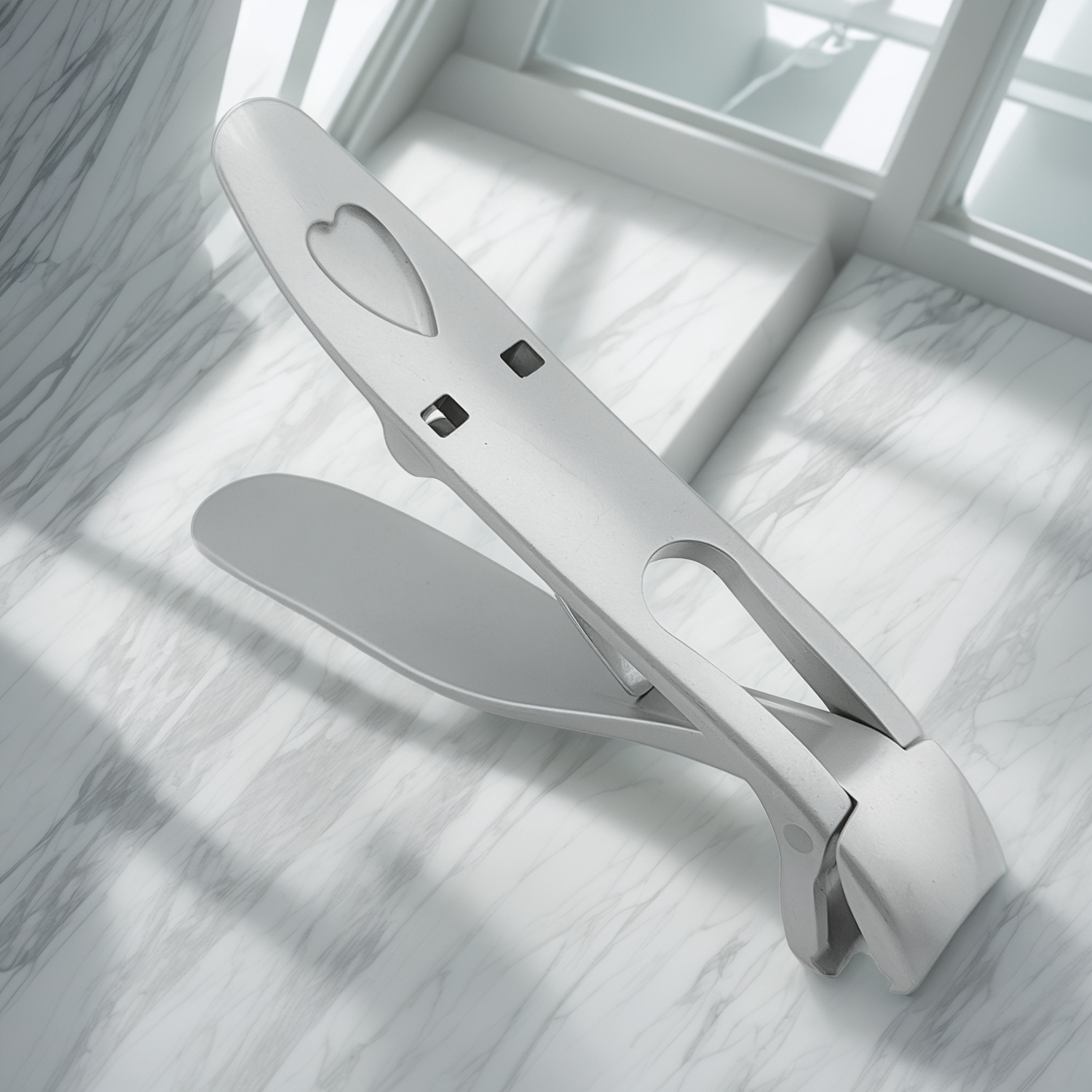
Why Supplier Choice Matters for Nail Clippers
Nail clippers look simple, but the user experience depends on several details working together. The blades must meet cleanly. The lever needs enough tension to cut without feeling harsh. The body should resist deformation during use. Edges should feel smooth where the fingers rest. Even small inconsistencies can become noticeable when a salon uses the tool daily or when a retailer sells hundreds of units to end users.
A dependable nail clippers supplier should help you reduce uncertainty. This means providing a product that aligns with your market position, whether you sell practical everyday grooming tools, build kits for travel or personal care, or supply salons that need reliable nail care instruments. When buyers compare suppliers only by unit cost, they may overlook hidden costs such as returns, customer dissatisfaction, repackaging, delays, or time spent sorting inconsistent goods.
Before placing a wholesale order, define the purpose of the clipper. Is it for professional salon use, retail shelves, promotional sets, grooming kits, or e-commerce bundles? A clipper for a basic kit may need different packaging and finish expectations than a clipper sold as a standalone grooming product. Clear sourcing criteria make it easier to compare suppliers fairly.
Key Quality Signals to Check Before Ordering
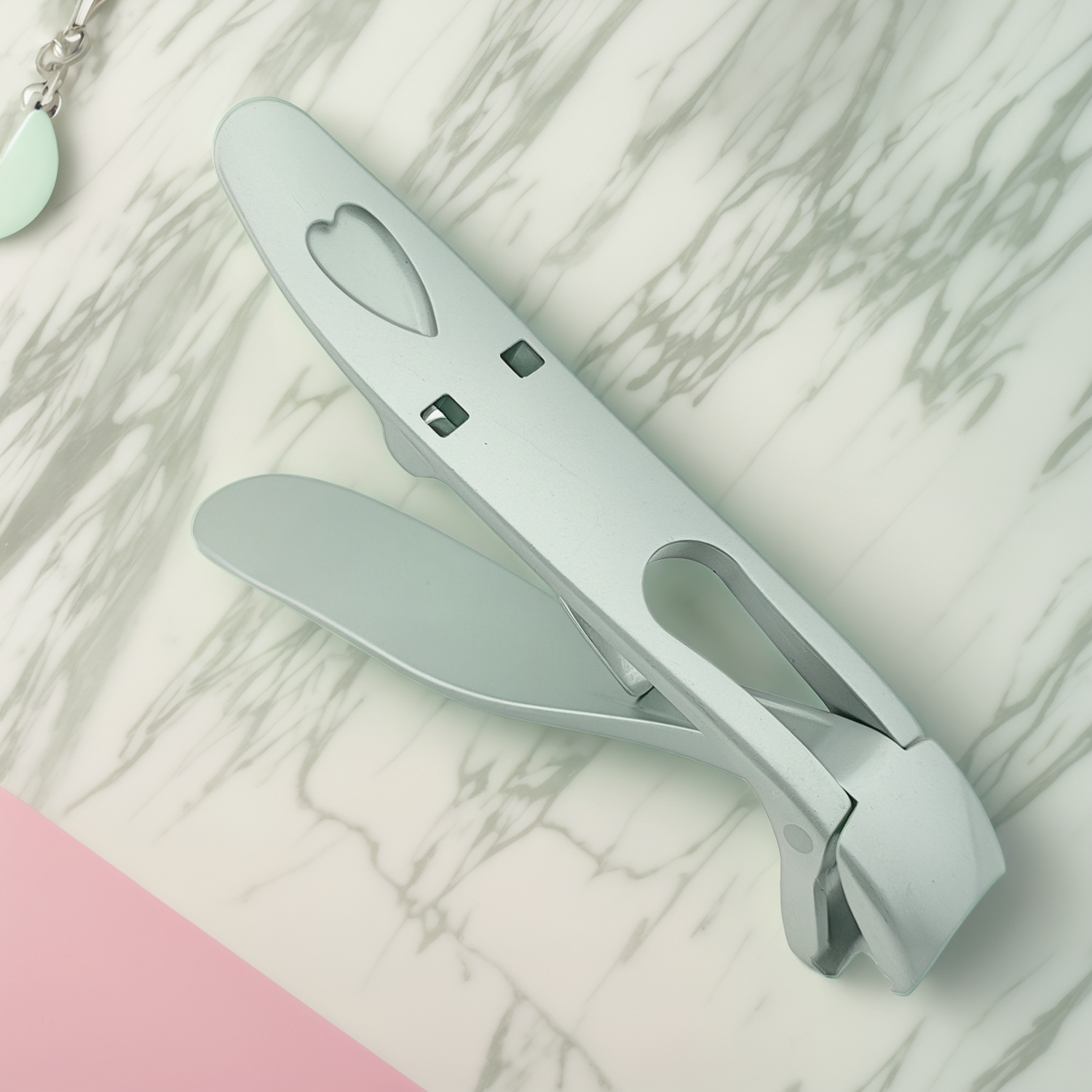
When evaluating nail clipper manufacturers, look for evidence of consistent construction rather than relying on general claims. The original product promise should translate into practical details: durable material, clean cutting, comfortable handling, and reliable finishing. Stainless steel is commonly preferred for nail clippers because it supports durability and easier sanitation, especially for personal care tools that may come into contact with moisture.
Use the following checklist when reviewing samples or discussing a potential order:
- Blade alignment: The cutting edges should meet evenly from side to side. Misalignment can cause splitting or partial cuts.
- Cutting feel: The lever should press smoothly and return properly without feeling loose, gritty, or unstable.
- Edge finish: Areas touched by the user should not feel sharp, rough, or unfinished.
- Material suitability: Confirm whether stainless steel or another material is being used and whether it fits your intended retail or professional use.
- Ergonomic comfort: The handle and lever should allow controlled pressure, especially for users trimming thicker nails.
- Surface appearance: Check for visible scratches, discoloration, uneven polishing, or marks that could affect shelf appeal.
- Packaging condition: Packaging should protect the tool and present it appropriately for your sales channel.
- Batch consistency: Review more than one sample when possible, because a single good piece does not always represent production consistency.
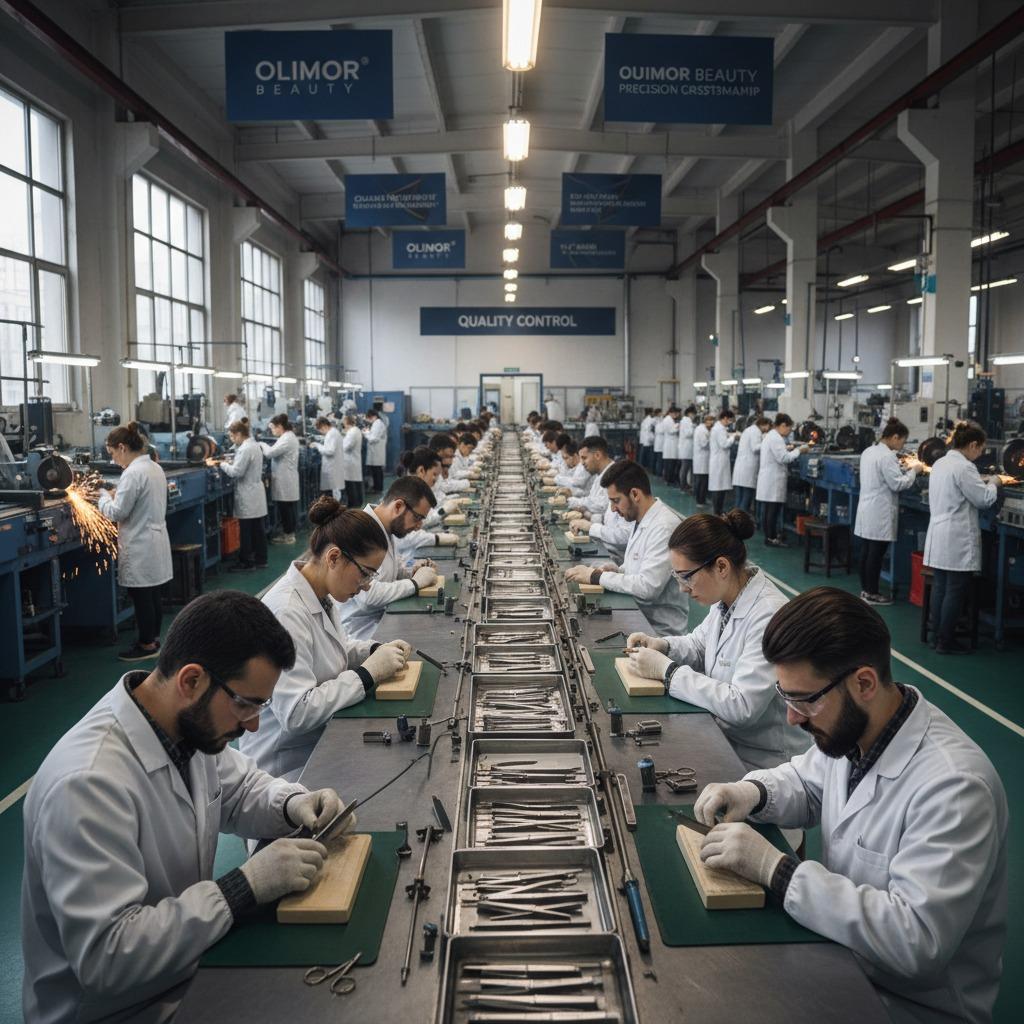
Olimor Beauty emphasizes quality checks and precise manufacturing steps for grooming tools. For buyers, the important point is to connect these quality controls to measurable expectations: how the clipper cuts, how it feels, how it looks, and how consistently it arrives.
Wholesale Nail Clippers for Salons, Retailers, and Distributors
Wholesale buying makes sense when you need stable inventory, consistent product presentation, and a purchasing relationship that supports repeat orders. Salons may need nail clippers for service use, resale, or kit building. Retailers need a clipper that looks credible on the shelf and performs well enough to protect customer trust. Distributors often need a supplier who can keep product details consistent across larger purchasing cycles.
Each buyer type should evaluate nail clippers through a slightly different lens. A salon may prioritize easy sanitation, a stable grip, and clean cutting performance. A retailer may place more weight on packaging, finish, and how easy it is for customers to understand the product. A distributor may focus on repeatability, carton handling, and clear product documentation.
| Buyer Type | Main Priority | What to Review |
|---|---|---|
| Salon or beauty service provider | Daily usability and hygiene | Cutting performance, comfort, stainless steel suitability, ease of cleaning |
| Retail store | Customer appeal and low returns | Finish quality, packaging, product labeling, sample testing |
| E-commerce seller | Consistent presentation and shipping durability | Packaging protection, photos, descriptions, defect control |
| Distributor | Reliable repeat supply | Batch consistency, communication, inspection process, packing format |
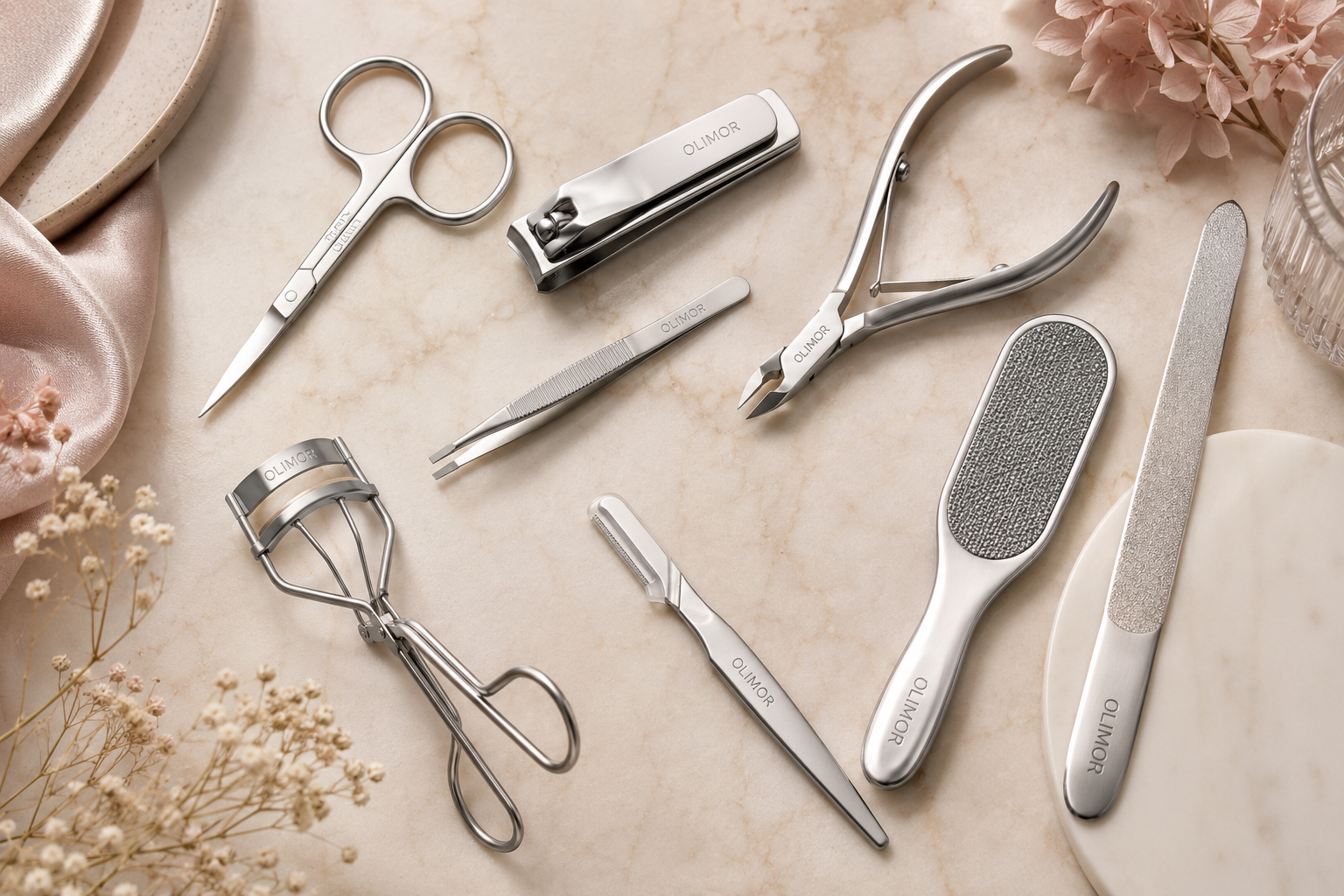
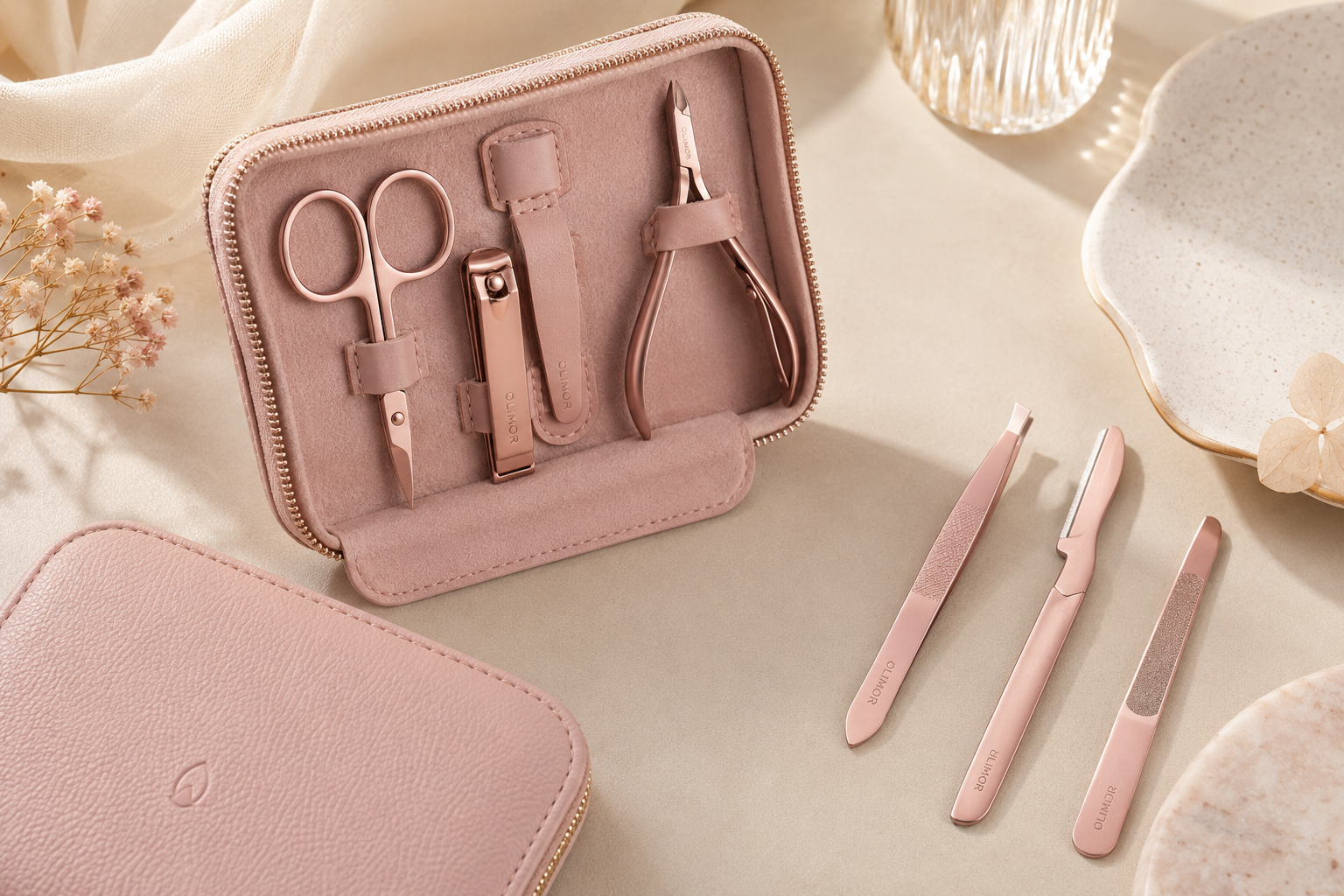
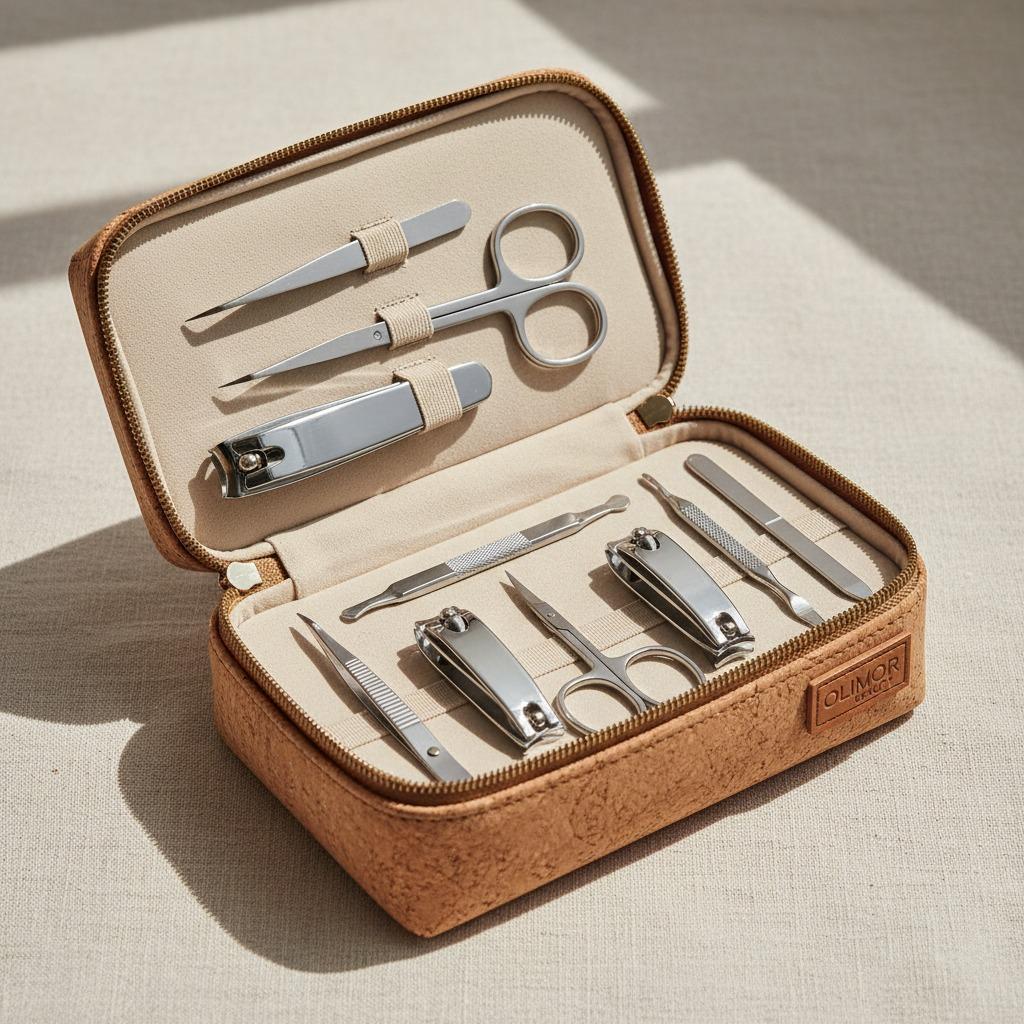
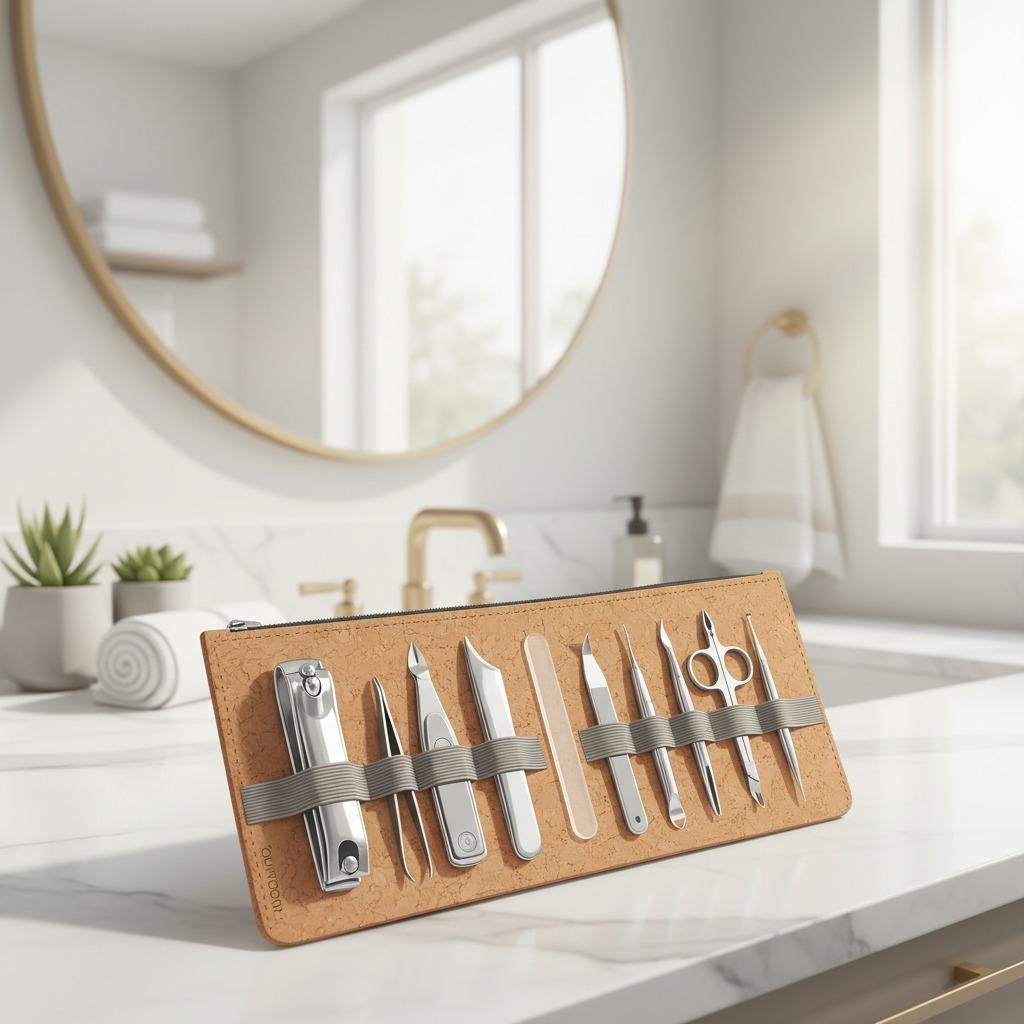
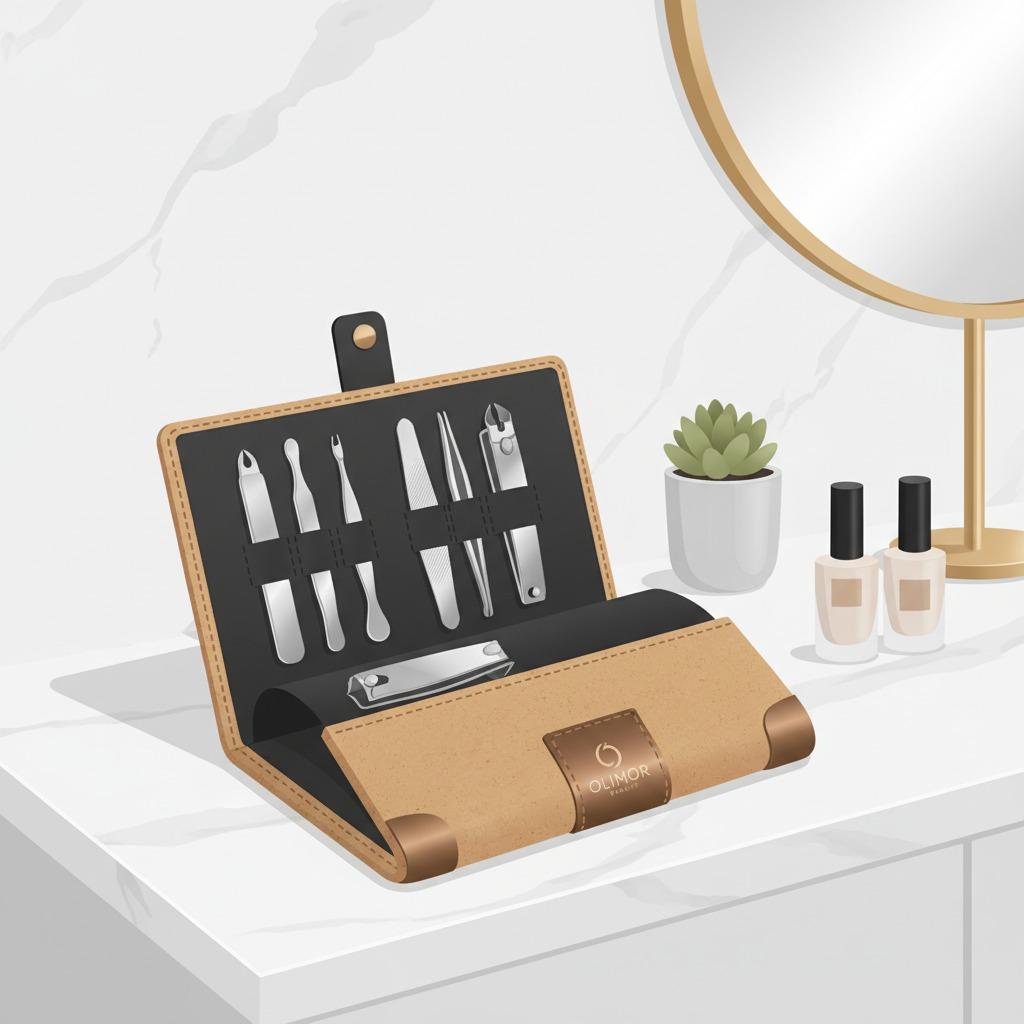
If you are building a broader sourcing plan, it can help to compare nail clippers with other beauty tool products so your grooming range feels consistent in quality and presentation. Buyers planning a complete lineup can also review related product collections to think about how nail care tools may fit within a wider personal care assortment.
Manufacturing and Inspection Questions Worth Asking
Good sourcing conversations are specific. Instead of asking whether the product is “high quality,” ask questions that reveal how the supplier controls quality and how they define acceptable output. The answers will help you compare suppliers more objectively and avoid misunderstandings after production begins.
- What material is used for the clipper body and cutting edge? Stainless steel is a common choice, but you should confirm material details and whether the finish fits your intended market.
- How is blade alignment checked? The supplier should understand why even cutting contact matters and how alignment is reviewed during production.
- What inspection points are used before packing? Useful inspection points may include appearance, lever movement, cutting function, and packaging condition.
- How are samples compared with bulk goods? Your approved sample should be treated as a reference for finish, feel, and presentation.
- What packaging options are available? Packaging should be suitable for your retail, salon, or distribution channel without making unsupported assumptions about your brand positioning.
- How are cartons packed for shipment? Even a good clipper can arrive with damaged packaging if carton protection is not considered.
These questions are not only for avoiding defects. They also help you understand whether the supplier thinks like a long-term partner. A reliable nail clippers supplier should be able to discuss the practical relationship between manufacturing steps, quality checks, and customer satisfaction.
Ergonomics, Cutting Performance, and User Comfort
Ergonomic design is one of the most important features of a usable nail clipper. A clipper may look polished, but if the lever is uncomfortable or requires too much force, the user experience suffers. For professional environments, comfort matters because tools may be used repeatedly. For retail customers, a comfortable clipper is more likely to be kept, recommended, and repurchased.
When testing samples, hold the clipper as an end user would. Check whether the lever gives enough control, whether the thumb area feels secure, and whether the pressure required is reasonable. The clipper should make a clean cut without tearing. Also inspect how the clipped edge looks afterward. While personal technique and nail type influence the result, the tool should not crush or bend the nail before cutting.
Consider whether your target customers need a standard everyday clipper, a heavier-feeling tool, or a compact option for travel or kits. Do not assume that one design is right for every channel. A product that works well for a low-cost multi-piece kit may not be ideal for a professional nail care counter. Matching the clipper to the use case is one of the simplest ways to improve customer satisfaction.
Packaging and Presentation for Wholesale Orders
Packaging is often treated as a secondary detail, but it strongly affects perceived quality. For retailers and e-commerce sellers, the package is part of the product experience. It must protect the nail clipper, communicate clearly, and look appropriate for the sales environment. For salons and distributors, packaging may need to be practical, compact, and easy to store.
When reviewing packaging, look for scuffing, loose placement, unclear labeling, and poor protection around the tool. If the clipper has a polished finish, packaging should help prevent visible scratches before the customer opens it. If the tool will be sold online, consider whether the packaging can survive fulfillment handling without looking worn on arrival.
It is also useful to define inspection standards for packaging before a wholesale order is produced. Decide what level of minor cosmetic variation is acceptable and what would count as a defect. Clear expectations reduce disputes and make final inspection more efficient.
Building a Better Sourcing Relationship
A strong supplier relationship is built on clear product requirements, sample approval, realistic timelines, and consistent communication. Before you commit to a large order, prepare a simple purchasing brief. Include the intended sales channel, preferred material direction, packaging needs, inspection priorities, and any compliance or documentation requirements relevant to your market. This helps the supplier recommend suitable options without guessing.
For Olimor Beauty customers, nail clippers can be part of a broader grooming tool sourcing strategy. If you are comparing product options or preparing a wholesale brief, you can contact Olimor with your intended use, market, and packaging direction. For a more direct purchasing discussion, you can also send an inquiry with the details needed to evaluate fit.
The best nail clippers supplier is the one that helps you deliver a consistent experience to your customers. Focus on cutting quality, comfort, finish, packaging, and repeatability. By reviewing samples carefully and asking practical manufacturing questions, you can source wholesale nail clippers with greater confidence and build a product range that supports long-term customer trust.