Finding a Reliable Tweezers Supplier for Beauty Retail, Wholesale and Custom Orders
Tweezers may be small, but they are one of the beauty tools customers judge quickly. A tweezer that cannot grip fine hair, feels awkward in the hand, or loses alignment after short use can damage confidence in an entire retail line. For beauty brands, distributors, salons and promotional buyers, choosing a reliable tweezers supplier is therefore not only about unit cost. It is about repeatable quality, practical design, consistent finishing and a sourcing process that supports long-term supply.
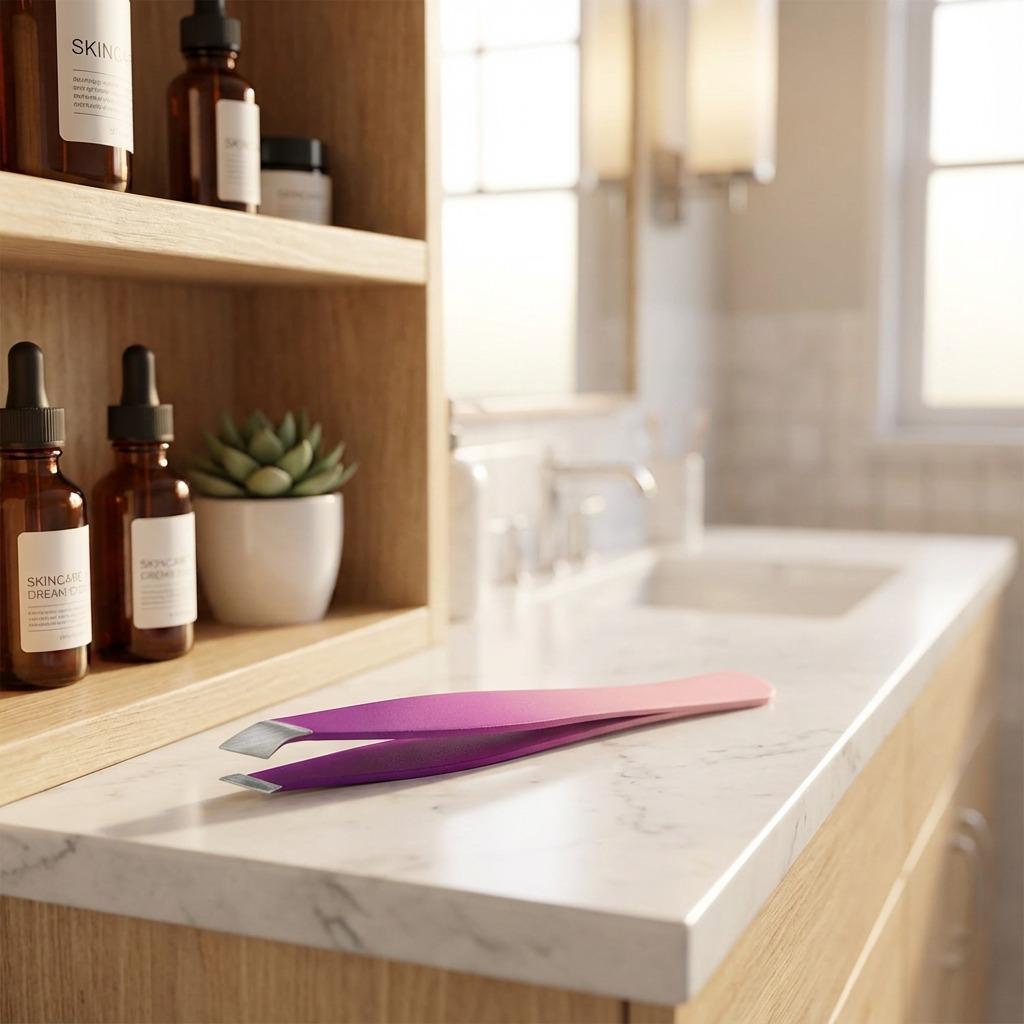
Olimor Beauty offers beauty tools including the Mini-Tweezer, a compact option described with slant tips, stainless steel tips, an ergonomic handle and a smooth pink-to-purple gradient finish. Those details matter because buyers are often sourcing for a specific use case: eyebrow shaping, travel kits, retail counter displays, gift sets, salon resale or custom logo tweezers. The right supplier should help you assess whether the tool fits that use case before you place a larger wholesale order.
What Makes a Tweezer Supplier Reliable?
A reliable tweezers supplier is not defined by one attractive sample. Reliability shows up when the supplier can provide the same grip feel, tip alignment, finish quality and packaging condition across repeated orders. For buyers in the tweezers wholesale market, this consistency is what protects margins and reduces complaints.
When comparing suppliers, focus on evidence you can evaluate rather than broad claims. A useful sourcing conversation should cover the tool’s intended application, the materials used for the gripping tips, the finish, the inspection points and the customization process if branding is required. If you are planning to import tweezers from China, you should also look for clear communication around order details, artwork confirmation and shipment preparation.
- Tip alignment: The two tips should meet cleanly so they can grip fine hair without excessive pressure.
- Edge comfort: Slant tips should feel precise, not sharp in a way that risks scratching the skin during normal use.
- Hand control: The handle should support stable pressure, especially for eyebrow shaping or salon use.
- Finish consistency: Color, coating and surface feel should remain consistent across the order.
- Branding readiness: Custom logo tweezers require clear artwork approval and realistic placement expectations.
- Wholesale repeatability: Samples, production pieces and repeat orders should follow the same quality target.
Why Slant-Tip Mini-Tweezers Are Popular for Beauty Buyers
The Mini-Tweezer format is especially useful when buyers need a compact beauty tool for travel, retail add-ons or curated personal-care sets. A smaller tweezer should still perform like a precise grooming tool, not like a novelty item. The value comes from balancing portability with control.
Slant-tip tweezers are widely used because the angled end gives users more flexibility. The broader slanted edge can help grip hair at the surface, while the pointed corner can help isolate individual hairs. For eyebrow maintenance, this shape is more versatile than many flat-ended designs. When the tips are made from stainless steel, buyers also gain a familiar material choice associated with durability in personal-care tools.
Olimor Beauty’s Mini-Tweezer is described with high-quality stainless steel tips, a compact design, slant tips, an ergonomic handle and a gradient pink-to-purple finish. For retail buyers, that combination has two practical advantages. First, the tool has a clear beauty-use function: precision plucking and grooming. Second, it has shelf appeal because the colored finish gives it a recognizable look in a beauty kit or point-of-sale display.
Selection Criteria for Retailers, Salons and Distributors
Different buyers evaluate tweezers differently. A salon may prioritize hand feel and tip grip because professionals use the tool repeatedly. A retail brand may care about appearance, packaging compatibility and customer reviews. A distributor may focus on order consistency, labeling and wholesale communication. Before choosing a supplier, define the buying purpose clearly.
| Buyer type | What to prioritize | Why it matters |
|---|---|---|
| Beauty retailer | Finish quality, display appeal, repeatable packaging condition | Customers often make fast purchase decisions based on appearance and perceived quality. |
| Salon or brow studio | Tip alignment, grip strength, ergonomic control | Professionals need a tool that performs consistently during detailed grooming work. |
| Distributor | Wholesale consistency, clear product communication, stable supply process | Large orders need predictable quality across cartons and repeat purchases. |
| Private-label buyer | Custom logo feasibility, finish compatibility, artwork approval steps | Branding must be attractive without interfering with the tool’s practical use. |
| Travel-kit or gift-set buyer | Compact size, visual finish, safe presentation | The tweezer must fit the set while still feeling like a useful beauty tool. |
If you are comparing several beauty tool categories, review related beauty tool products to understand how tweezers fit within a broader grooming assortment. Buyers building seasonal ranges or multi-tool programs can also browse Olimor product collections for assortment planning.
Quality Checks to Use Before a Wholesale Order
Quality assurance should be practical and repeatable. You do not need a laboratory to identify many common tweezer problems. A simple incoming inspection checklist can help your team evaluate samples and production pieces in the same way. This is especially important when sourcing custom logo tweezers, because cosmetic appearance and tool performance both affect customer satisfaction.
- Inspect the tip closure. Hold the tweezer against a light background and check whether the tips meet evenly. Gaps, twisting or uneven contact may reduce gripping performance.
- Test fine-hair grip. Use a realistic test material such as a fine hair or thin fiber. The tweezer should hold it without slipping immediately.
- Check hand pressure. Open and close the tweezer several times. It should not feel too stiff for normal use or too loose to control.
- Review the finish. For a colored tool such as a pink-to-purple gradient Mini-Tweezer, look for obvious scratches, patchy color or rough spots.
- Confirm branding placement. If ordering custom logo tweezers, make sure the logo is readable, correctly positioned and appropriate for the handle shape.
- Assess packaging fit. Compact tools can shift in packaging if the insert or pouch is not suitable. Movement during shipping can affect presentation.
- Record the approved sample. Keep a clear reference sample or approved photo set so future orders can be compared against the same standard.
Custom Logo Tweezers: Questions to Settle Early
Custom logo tweezers can support private-label beauty programs, salon retail, promotional campaigns and gift sets. However, customization should be planned carefully because the available logo area on a mini tweezer is limited. A design that looks strong on a screen may become too small or crowded on the actual handle.
Before confirming artwork, decide whether the logo should be subtle and premium, bright and promotional, or matched to an existing beauty range. Also consider how the logo interacts with the gradient finish. A pink-to-purple surface may require contrast planning so the mark remains readable. Good artwork preparation reduces delays and helps avoid unnecessary sample revisions.
Useful points to confirm include logo size, color limitations, placement, artwork file requirements, sample approval method and packaging requirements. If you are uncertain whether your branding concept will suit a compact tweezer, you can contact Olimor with your intended use, logo direction and target packaging format.
How to Compare Tweezers in the Wholesale Market
The tweezers wholesale market includes many similar-looking tools, so it is easy to compare only by price. A better approach is to compare total suitability. A lower-cost tweezer that causes returns, weak reviews or inconsistent branding can become more expensive than a slightly better option that supports repeat sales.
When reviewing supplier options, ask yourself whether the product solves your buyer’s real need. For example, if the goal is a compact travel tweezer, the Mini-Tweezer format is relevant because it is designed to be portable. If the goal is brow grooming, slant tips and controlled hand feel are important. If the goal is retail differentiation, the gradient pink-to-purple finish may help the product stand apart from plain metal alternatives.
Also consider the supplier’s communication style. Clear product descriptions, organized artwork confirmation and realistic production discussions are all part of reliability. A dependable exporter should help reduce ambiguity before the order is made, not only respond after a problem appears.
Care, Handling and Customer Guidance
Even a well-made tweezer performs better when users understand basic care. Retailers and beauty brands can reduce complaints by including simple use and handling guidance on packaging, inserts or product pages. This is especially helpful for compact tweezers that may be carried in handbags, travel pouches or makeup kits.
- Keep the tips protected when the tweezer is stored with other metal tools.
- Wipe the tips after use to remove oil, cosmetic residue or loose hair.
- Avoid dropping the tweezer, as impact can affect tip alignment.
- Use the slanted edge for general grip and the corner for more targeted work.
- Store the tool dry and clean to maintain a good user experience.
These instructions do not need to be lengthy. A concise care note can help customers preserve alignment and grip, which supports better reviews and repeat purchases.
Building a Better Sourcing Brief for Olimor Beauty
A strong sourcing brief helps any supplier understand the project quickly. Instead of asking only for a quotation, prepare the details that affect product selection and branding. For tweezers, those details may include order purpose, target customer, finish preference, logo requirements, packaging needs and quality expectations.
If you are sourcing Olimor Beauty’s Mini-Tweezer or comparing it with other beauty tools, outline how the product will be sold or used. A retailer building an impulse-buy display may need different packaging than a salon creating a premium brow-care kit. A distributor may need product information that helps sales teams explain the slant-tip design, compact size and stainless steel tips accurately.
For project discussion, artwork review or wholesale purchasing plans, you can send an inquiry to Olimor with your product goals and branding requirements. The more precise your brief is, the easier it is to evaluate samples, confirm customization and create a repeatable supply plan.
A reliable tweezers supplier should help you move from a good-looking sample to a dependable product customers can use with confidence. By focusing on tip performance, ergonomic handling, finish consistency, branding practicality and clear wholesale communication, buyers can source tweezers that suit both everyday grooming and commercial beauty programs.
Tag: