












How to Choose a Tweezers Supplier for Precision Beauty Tools
Finding the right tweezers supplier is not only about choosing a tool that looks polished in a product photo. For beauty brands, lash studios, private label buyers and professional tool distributors, tweezers need to feel consistent in the hand, meet the intended application, and arrive in a form that can be sold or used with confidence. A pair of eyelash extension tweezers, for example, must close cleanly, grip delicate fibers without crushing them, and remain comfortable during long service sessions.
Olimor Beauty works with beauty tools including tweezers, and the best sourcing decisions start with clear product expectations. Before comparing quotes or discussing packaging, buyers should define how the tweezers will be used, what tip shape is needed, how strict the finish requirements are, and whether OEM or customized production is appropriate. This guide explains the practical points to check when evaluating a tweezers supplier for precision tools.
Start With the Tweezer Application, Not the Catalog Photo
Different beauty applications place different demands on tweezers. A tool that works well for general grooming may not be suitable for lash isolation, and a sharp precision tip may not be ideal for a retail brow set aimed at beginners. When discussing a project with a supplier, begin by describing the user and the task instead of asking only for a standard model.
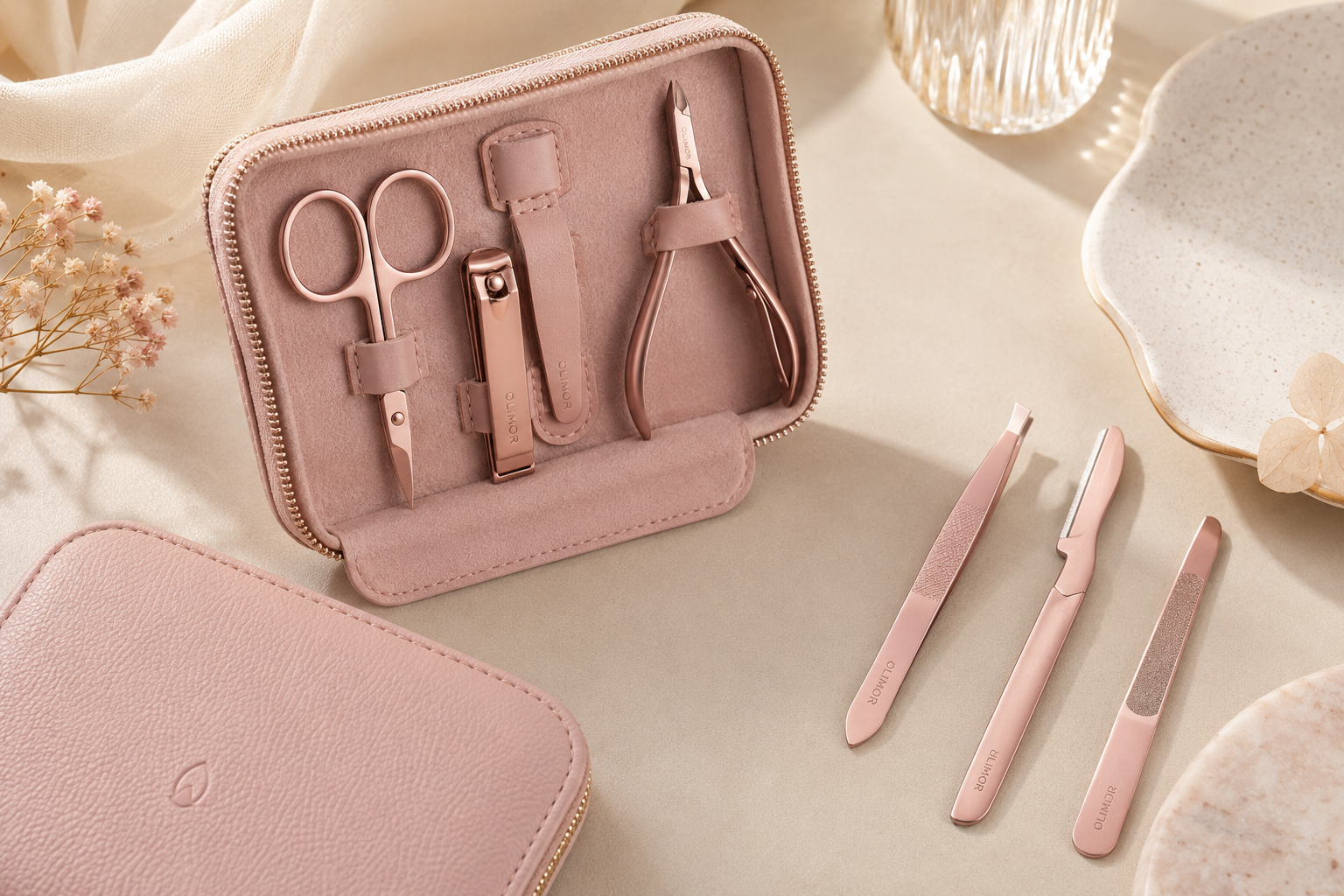
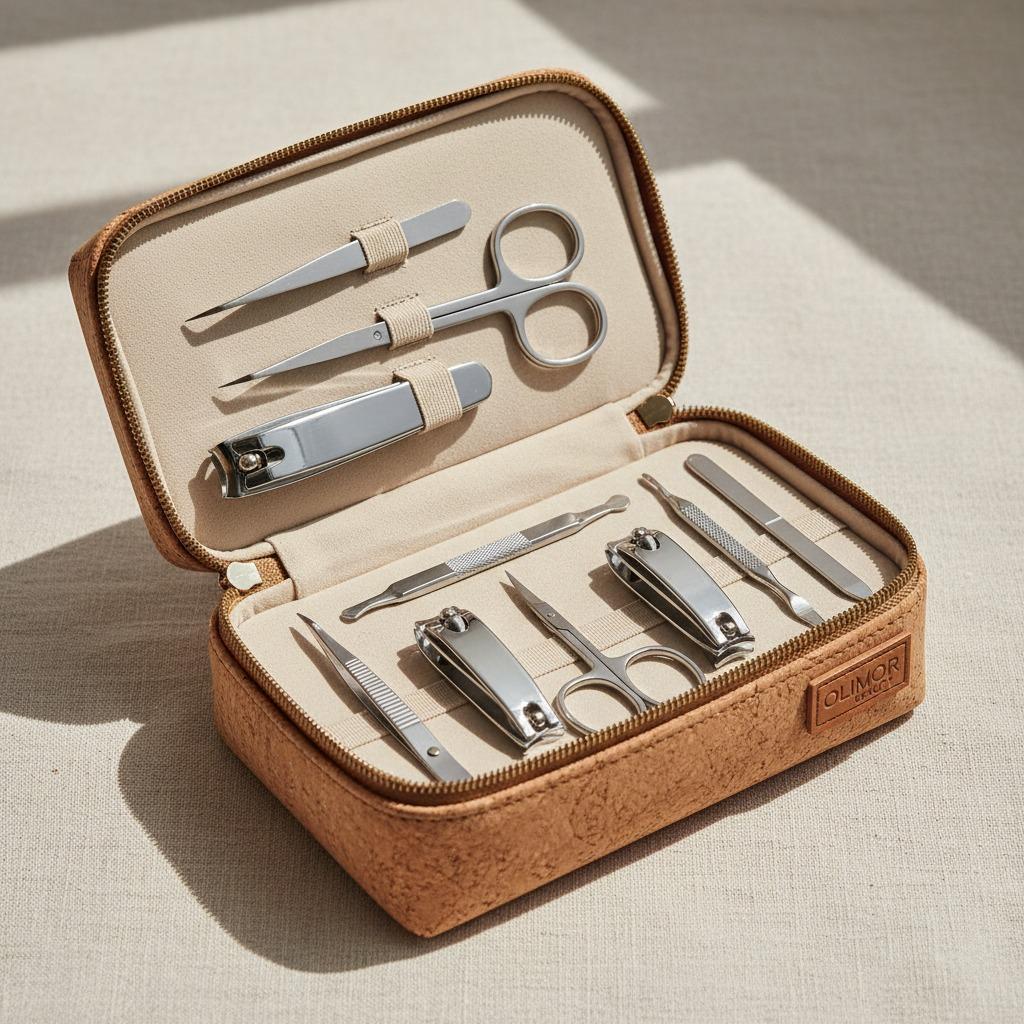
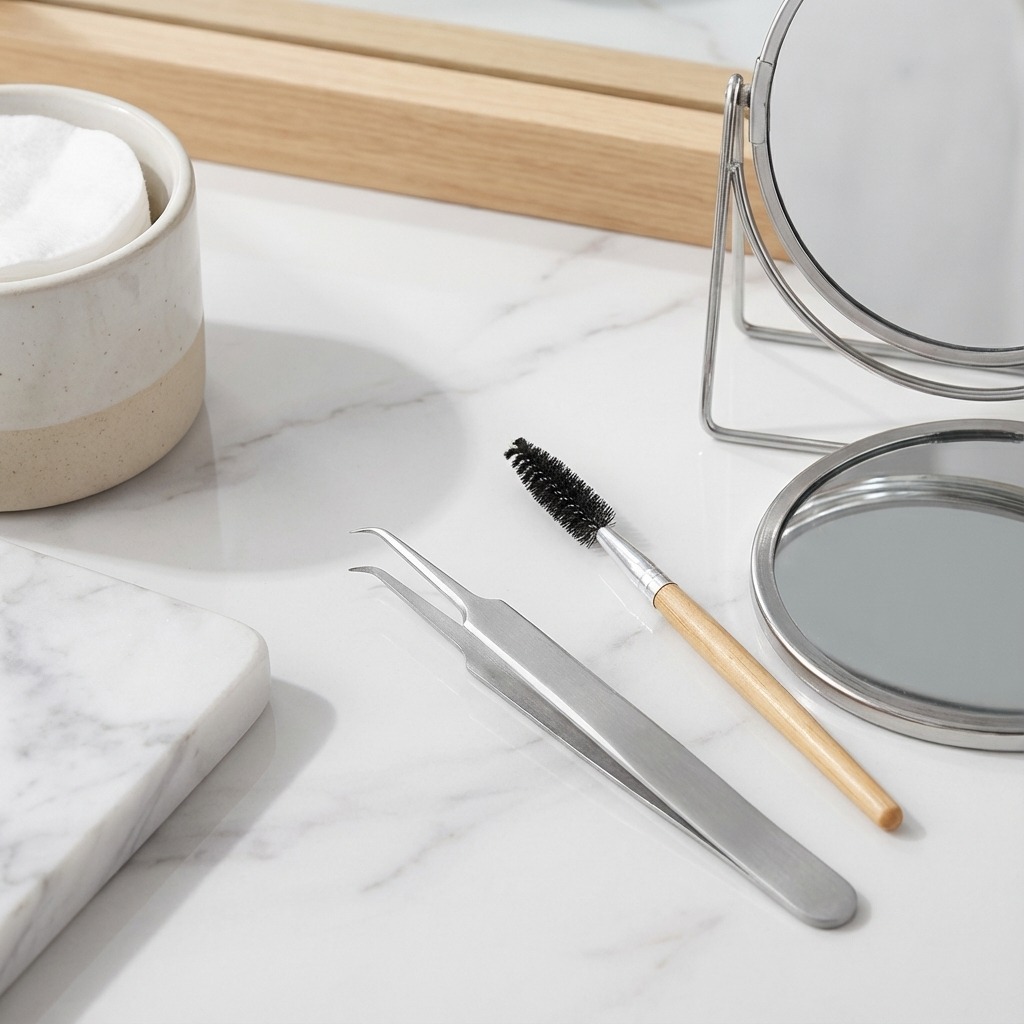
For eyelash extension work, buyers often consider curved tips, slender pointed ends, and a closing action that helps the artist isolate or pick up fine lash extensions. For brow shaping, the priorities may include grip, alignment, and a tip that removes hair cleanly without unnecessary skin contact. For a multi-piece retail kit, the focus may include a balanced assortment of shapes, protective packaging, and finish consistency across the set.
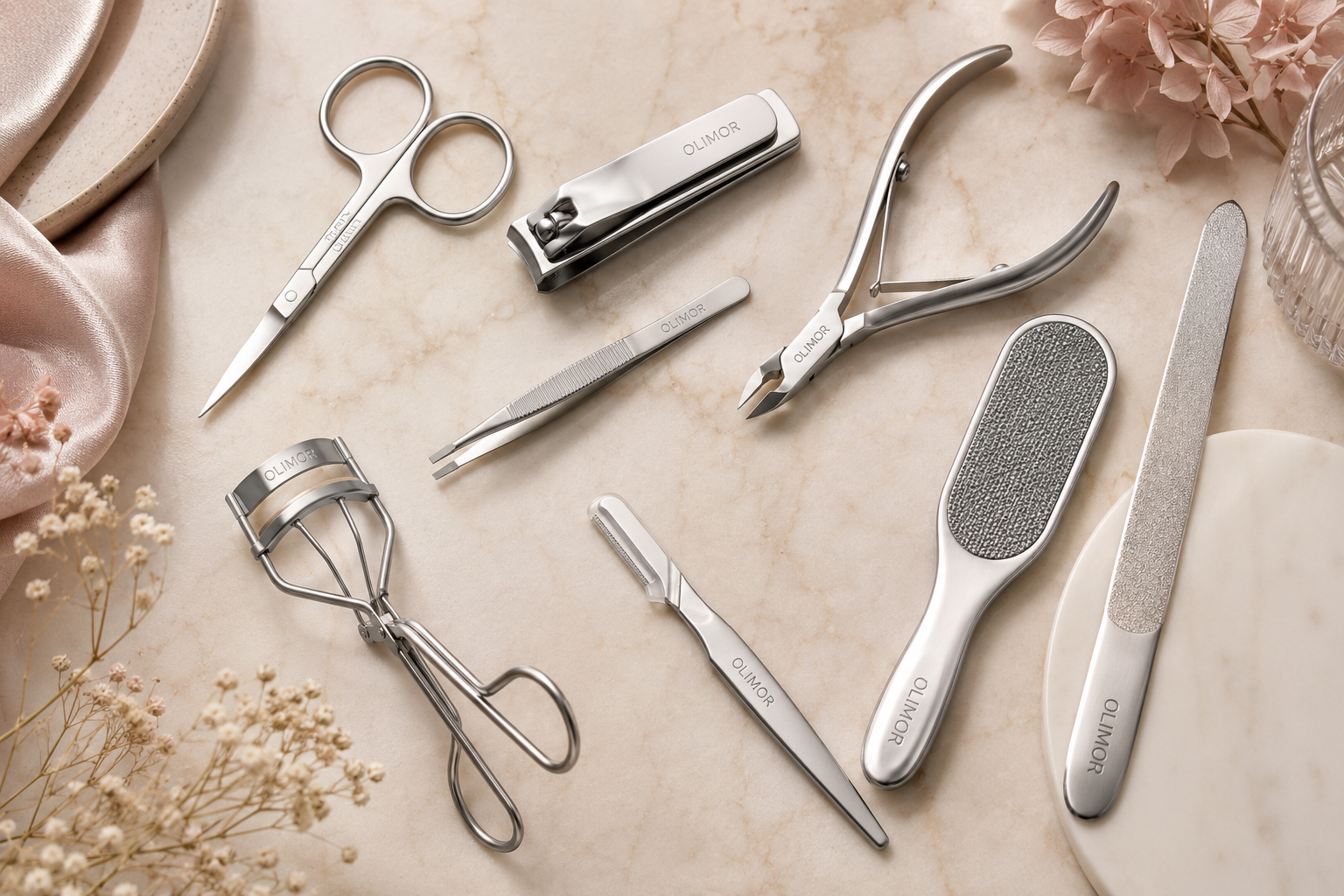
Olimor’s broader beauty tool products can help buyers think about where tweezers fit within a complete beauty-tool range. A sourcing plan is stronger when the tweezer style, packaging format, and target user are aligned from the beginning.
Key Quality Checks for Precision Tweezers
Precision is built through small details. A polished surface may make tweezers look premium, but the functional quality comes from the alignment of the tips, the closing tension, the grip feel, and the consistency of each piece in a batch. When assessing samples, buyers should test tweezers in conditions close to real use rather than relying only on visual inspection.
- Tip alignment: The two sides should meet evenly at the intended contact point. Misalignment can reduce control and make fine work frustrating.
- Closing tension: The resistance should suit the application. Too stiff can cause hand fatigue; too loose may reduce control.
- Grip performance: For lash work, check whether the tweezers hold fine fibers securely without excessive pressure.
- Surface finish: Inspect for rough edges, uneven polishing, visible marks, or finish inconsistencies that may affect user perception.
- Comfort during repeated use: Hold and open the tweezers repeatedly to evaluate finger comfort, balance, and control.
- Packaging protection: Fine tips should be protected during shipment and storage to reduce the risk of damage before use.
These checks are useful whether you are buying a ready design or developing a customized tweezer. They also create a shared language with the supplier, making it easier to discuss improvement points after sample review.
What Tweezers OEM Can Include
Tweezers OEM service is useful for brands that want a product made to their requirements instead of purchasing a generic tool without adaptation. OEM discussions may involve the tweezer shape, tip style, handle feel, finish, packaging, and brand presentation. The goal is not to add unnecessary decoration, but to make sure the finished tool fits the buyer’s market and use case.
For a professional lash brand, customization may focus on curved tips, fine pointed ends, light handling, and dependable closure. For a retail beauty line, the main decisions may include color finish, set composition, user-friendly packaging, and instructions for safe storage. For distributors, repeatability and clear product differentiation may be more important than complex design changes.
A practical OEM brief should include the intended user, main application, preferred tweezer shape, finish direction, packaging expectations, and target sales channel. If you are still comparing categories, Olimor’s product collections provide a broader view of beauty tools that may complement a tweezer line.
Design Your Own Tweezers: Decisions to Make Before Sampling
Custom tweezers can support a brand’s product strategy when the design choices are specific and testable. The phrase “design your own tweezers” should not mean changing every detail without a reason. It should mean making purposeful decisions that improve usability, brand fit, or retail clarity.
Before sampling, prepare a concise design plan. This helps reduce back-and-forth and makes sample evaluation more objective. The following table outlines common decisions and why each one matters.
| Decision Area | What to Define | Why It Matters |
|---|---|---|
| Tip shape | Straight, curved, pointed, slanted or application-specific form | Determines the tweezer’s suitability for lash isolation, pickup, brow work or general grooming |
| Handle feel | Length, width, grip area and opening resistance | Affects comfort, control and fatigue during repeated use |
| Material direction | Stainless steel designs or other supplier-supported options | Influences durability, finish possibilities and cleaning expectations |
| Finish | Polished, matte, coated or color direction where available | Supports brand appearance and shelf presentation |
| Packaging | Tip protector, pouch, box, retail card or set packaging | Protects precision tips and communicates product value to the buyer |
Once these points are defined, sample testing becomes much more meaningful. Instead of asking whether a tweezer is simply “good,” you can check whether it meets the original design purpose.
Sample Testing for Lash and Beauty Professionals
If the tweezers are intended for professional use, include real users in the sample review. A sourcing manager may notice finish quality and packaging accuracy, while a lash artist or brow technician will quickly identify whether the tool feels stable in the hand. For eyelash extension tweezers, users should test pickup, isolation, hand comfort and precision over more than a few quick movements.
A useful sample test can be simple. Ask testers to perform the same task with each sample, record comments immediately, and separate functional issues from appearance preferences. For example, “tip does not meet cleanly at the end” is a functional issue. “Prefer a matte finish” is a market or branding preference. Both are important, but they require different responses.
- Inspect each sample visually before use, especially the tips and finish.
- Test opening and closing tension repeatedly to identify hand fatigue or uneven resistance.
- Use the tweezers for the intended task, such as lash pickup, lash isolation or brow hair removal.
- Record comments on grip, alignment, comfort and perceived control.
- Compare feedback against the original design brief before requesting changes.
This process helps buyers avoid choosing a design based only on appearance. It also supports clearer communication with the supplier when refinements are needed.
Sourcing Questions That Protect Your Brand
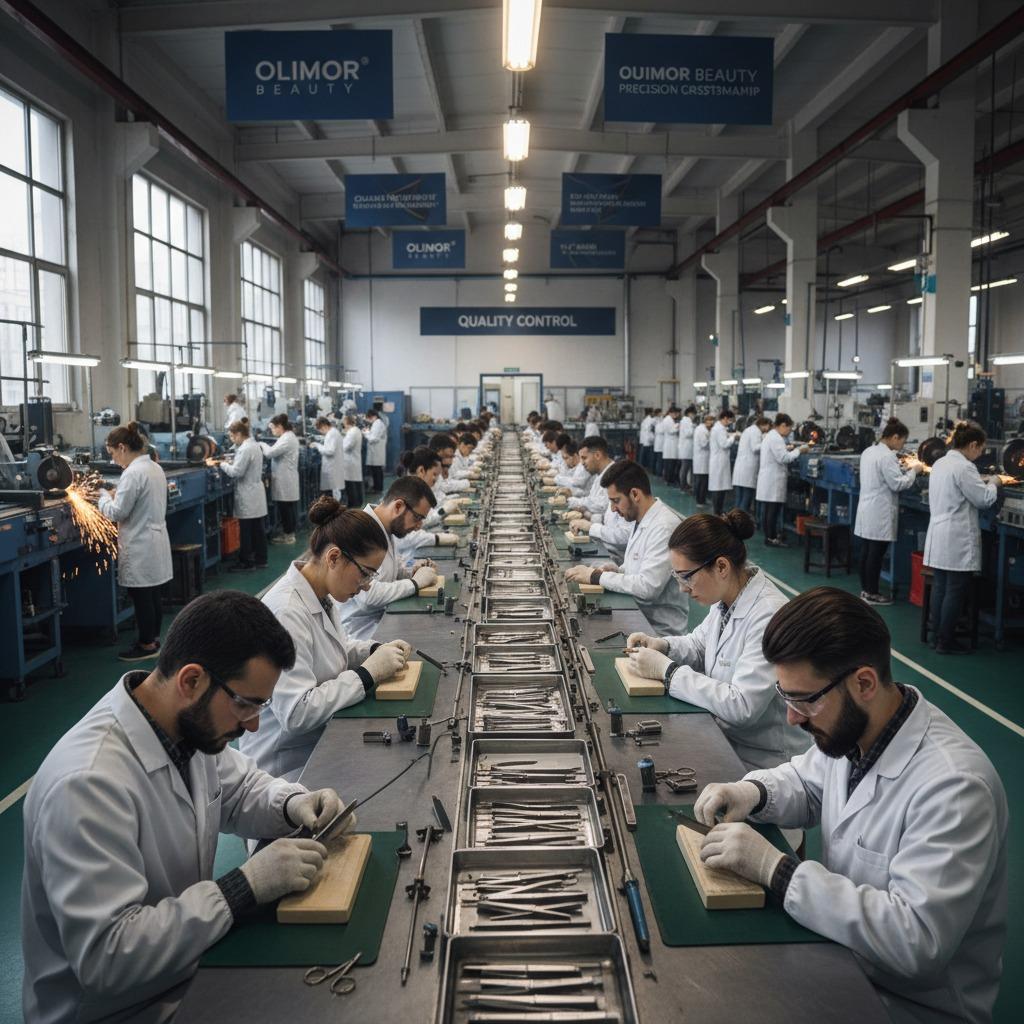
A dependable tweezers supplier should be able to discuss product details, production expectations and quality checks in practical terms. Buyers do not need to know every manufacturing step, but they should understand how samples are reviewed, how packaging protects fine tips, and what information is needed to move from concept to production.
Before placing a larger order, consider these sourcing questions: What applications is the tweezer design intended for? How should the tips be protected during shipping? What finish options are compatible with the selected design? How will the product be packed for retail, professional, or bulk distribution? What inspection points are used before shipment? How should samples be labeled so feedback can be tracked accurately?
These questions reduce ambiguity. They also help distinguish between a supplier that only sells available stock and one that can support OEM or design development with a more structured process.
Why Work With Olimor Beauty for Tweezers Projects
Olimor Beauty supports buyers looking for precision beauty tools, including tweezers for professional and retail use. The original product direction emphasizes stainless steel designs, ergonomic lightweight handling, polished finishes, and custom options such as curved tips for delicate lash work. For brands developing a tweezer range, those qualities should be evaluated through samples, clear specifications and practical user testing.
The strongest partnerships are built when the buyer brings a clear brief and the supplier helps translate it into a workable product plan. Whether you need eyelash extension tweezers, a custom tweezer concept, or OEM support for a private label beauty tool line, define the use case first and then compare samples against that purpose.
To discuss a tweezer project or share a custom brief, you can contact Olimor. If you already have a product direction, packaging idea or sourcing requirement, you may also send an inquiry with the key details so the conversation can begin with the right technical and commercial context.