Choosing a Beauty Tools Manufacturer in Asia for OEM Personal Care Tools
For beauty brands, importers, and private-label buyers, selecting a beauty tools manufacturer in Asia is not only a sourcing decision. It affects product safety, user experience, retail positioning, packaging consistency, and the way your brand is perceived after the first purchase. A small stainless steel instrument may look simple, but the details behind its material selection, finishing, balance, inspection, and packaging can determine whether customers trust it enough to buy again.
Olimor Beauty focuses on personal care tools that combine technical precision with practical design. For buyers evaluating OEM opportunities, the most useful question is not simply “Can this supplier make the product?” A better question is “Can this supplier make the tool consistently, safely, and in a way that fits my market?” This guide explains how to evaluate a personal care tools manufacturer in Asia, using the stainless steel blackhead remover as a clear example of the details that matter.
What Defines a Reliable Beauty Tools Manufacturer?
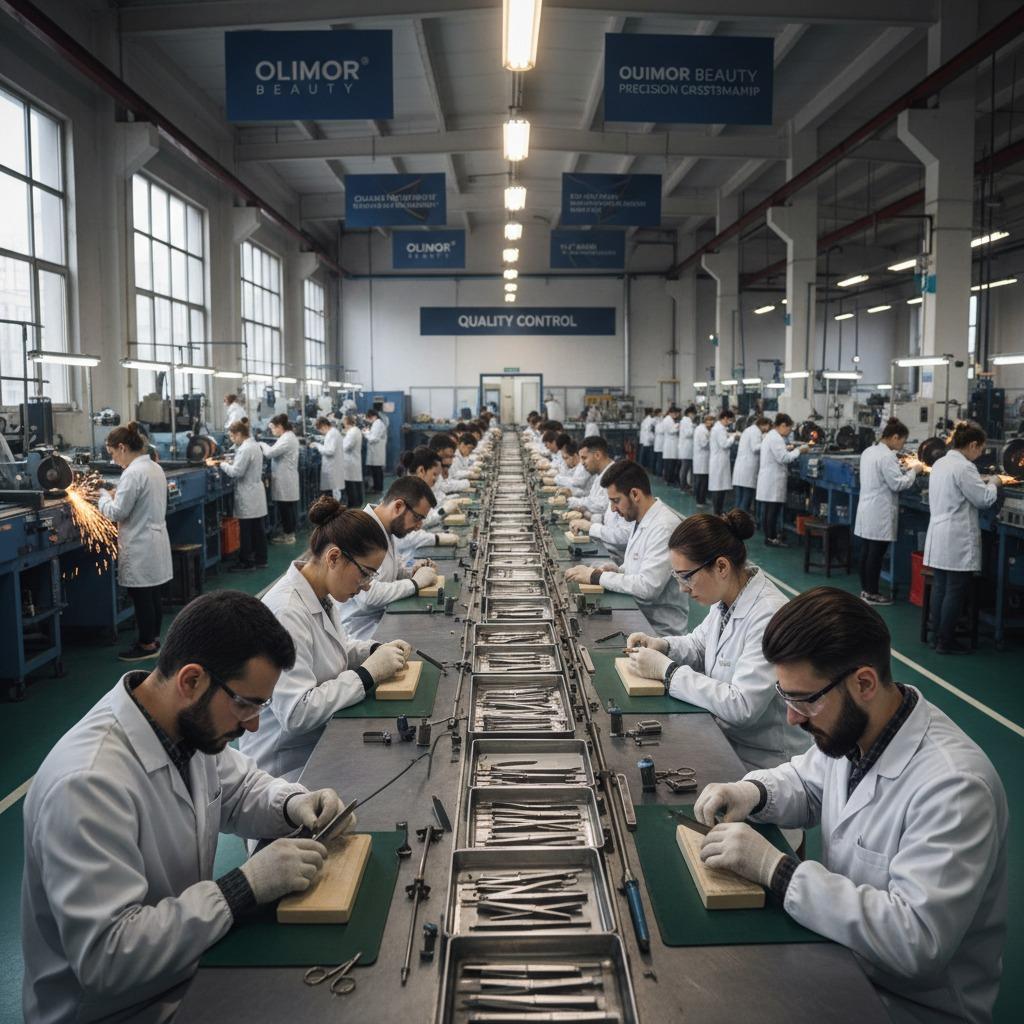
A reliable manufacturer should be able to control the full journey of a beauty tool, from raw material selection to final packaging. In the original product description for Olimor Beauty, high-grade stainless steel and strict internal quality controls are highlighted as central to production. Those two points are important because personal care tools often come into close contact with skin, facial pores, nail edges, brows, or delicate grooming areas. A tool that bends, scratches, rusts, or feels rough can create a poor user experience and increase after-sales problems for the brand that sells it.
When assessing a manufacturer, buyers should look beyond catalog photos. The factory’s process should support repeatability. This means dimensions are controlled, edges are finished correctly, surfaces are smooth, and products are inspected before shipment. For OEM brands, consistency matters as much as the first approved sample. A product that looks good in one sample but varies across production creates risk for online reviews, retail returns, and distributor confidence.
Useful signs of a dependable personal care tools manufacturer include clear communication about materials, the ability to explain product function, attention to packaging protection, and an understanding of how beauty tools are used by both professionals and home consumers. Olimor Beauty’s positioning as an OEM personal care tools supplier makes these points especially relevant for brands building a line rather than buying a one-time generic item.
Material and Surface Quality: Why Stainless Steel Matters
Stainless steel is widely used for beauty tools because it can offer strength, a clean appearance, and a surface suitable for personal care applications. The supplied product information specifically mentions high-grade stainless steel and a hypoallergenic surface for the stainless steel blackhead remover. For buyers, this should lead to a careful review of how the tool feels and performs in real use.
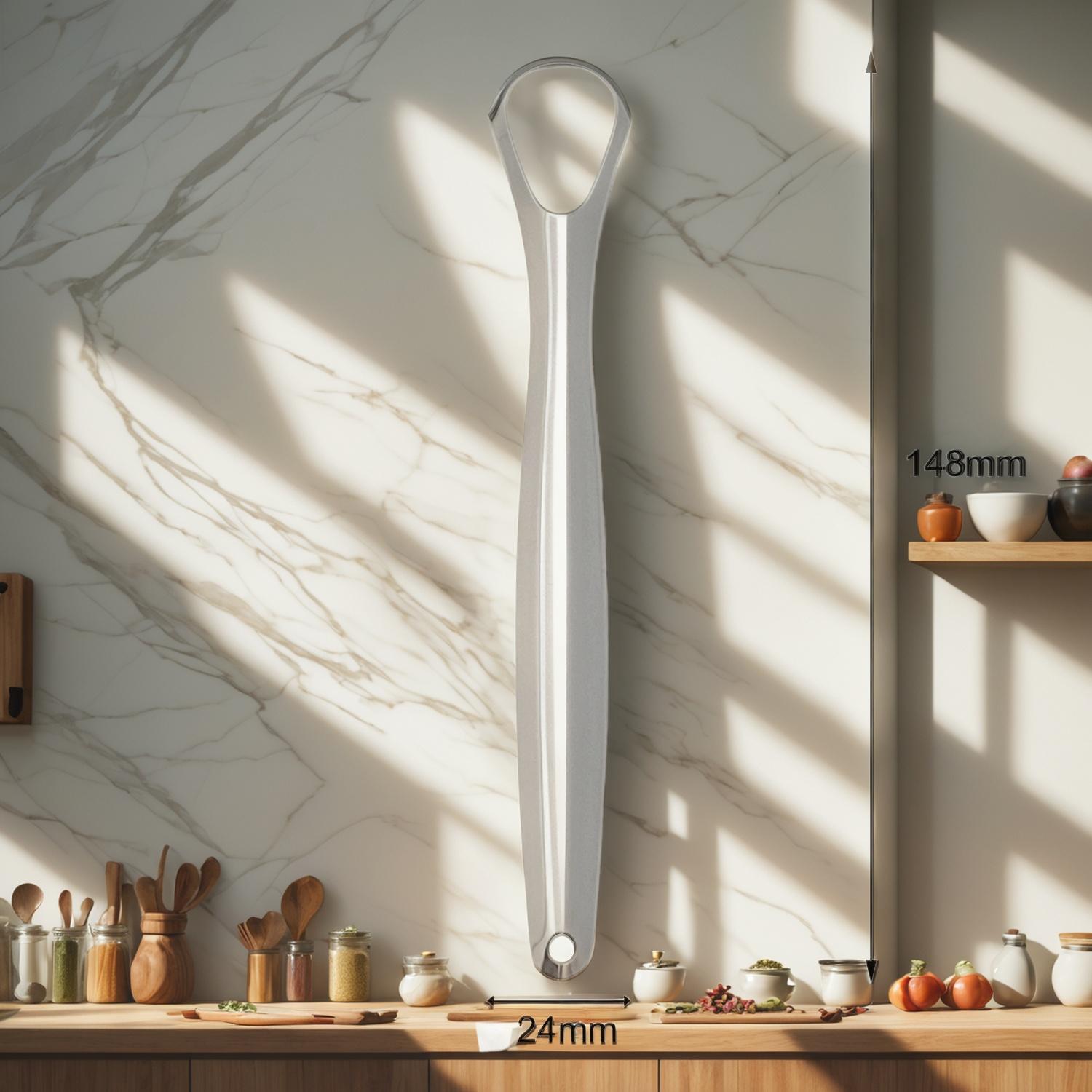
A stainless steel beauty tool should feel stable in the hand, not overly thin or flimsy. Edges should not be sharp unless the product is intentionally designed for cutting, and even then they must be controlled. For a blackhead remover, the loop end should be smooth enough for gentle extraction and shaped for precise contact with the skin. Rough finishing can cause discomfort and may make the tool harder to clean.
Buyers comparing manufacturers can use the following checklist during sample evaluation:
- Surface finish: Check whether the tool is smooth, evenly polished, and free from visible burrs or rough points.
- Rigidity: Apply normal hand pressure to see whether the tool bends too easily or feels unstable.
- Loop shape: For blackhead removers, confirm that the loop is symmetrical and suitable for controlled pressure.
- Cleaning practicality: Review whether there are grooves, gaps, or unfinished areas that could trap residue.
- Skin contact comfort: Test the tool gently on appropriate skin areas to judge pressure control and surface feel.
- Packaging protection: Confirm the tool will not scratch, rub, or shift excessively during shipping.
These checks do not replace formal product compliance review for your destination market, but they help buyers identify basic quality risks before committing to larger orders.
Ergonomic Design and the 148 mm Blackhead Remover Example
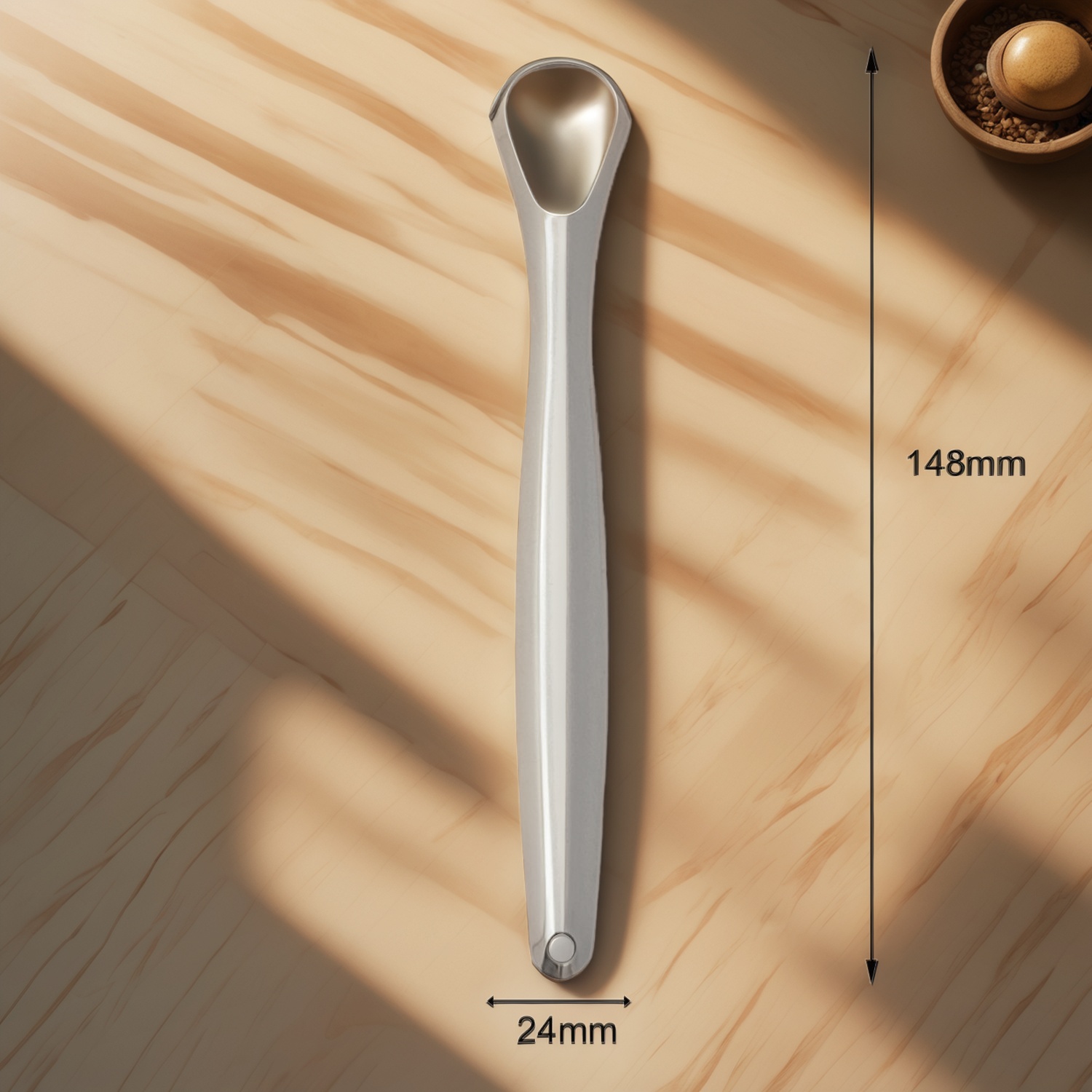
Good beauty tools are not only about materials. They must be comfortable to hold and easy to control. Olimor Beauty’s stainless steel blackhead remover is described as 148 mm in length, a size intended for optimal handling. This is a useful example of how one simple specification can affect usability. A tool that is too short may force the user’s fingers too close to the skin, blocking visibility. A tool that is too long or unbalanced may feel awkward when applying controlled pressure.
The loop end is also central to performance. For extraction tools, users need precision, but they also need restraint. A well-designed loop allows pressure to be directed around the targeted area rather than concentrated in a harsh point. This supports a more controlled grooming process, especially for home users who may not have professional training.
When reviewing ergonomic design, buyers should consider the expected customer. A professional esthetician may value precise control and easy cleaning between uses. A consumer buying through retail or ecommerce may value clear instructions, comfortable grip, and safe storage. If the product will be part of a larger set, the handle shape, finish, and overall visual consistency should match the rest of the range.
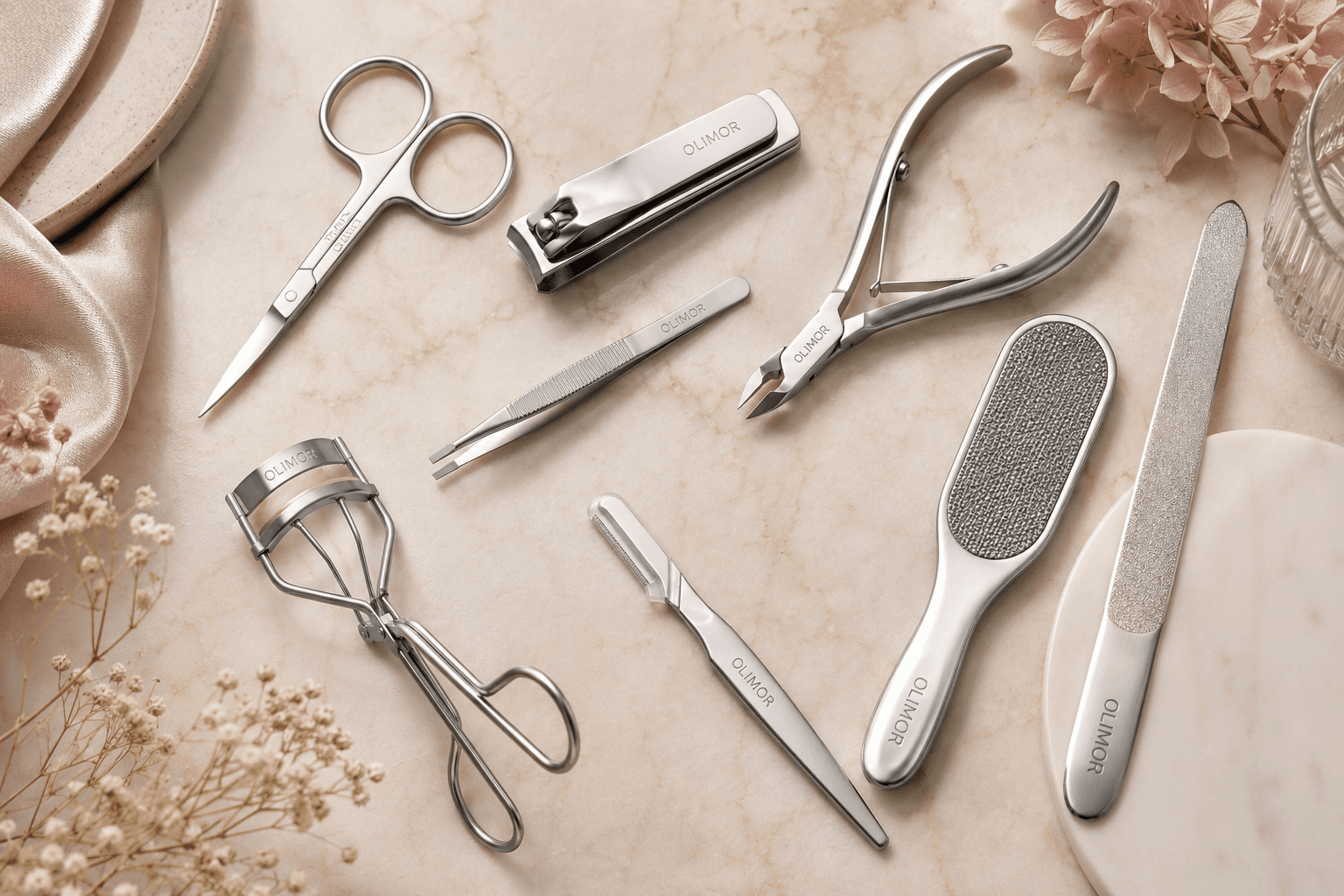
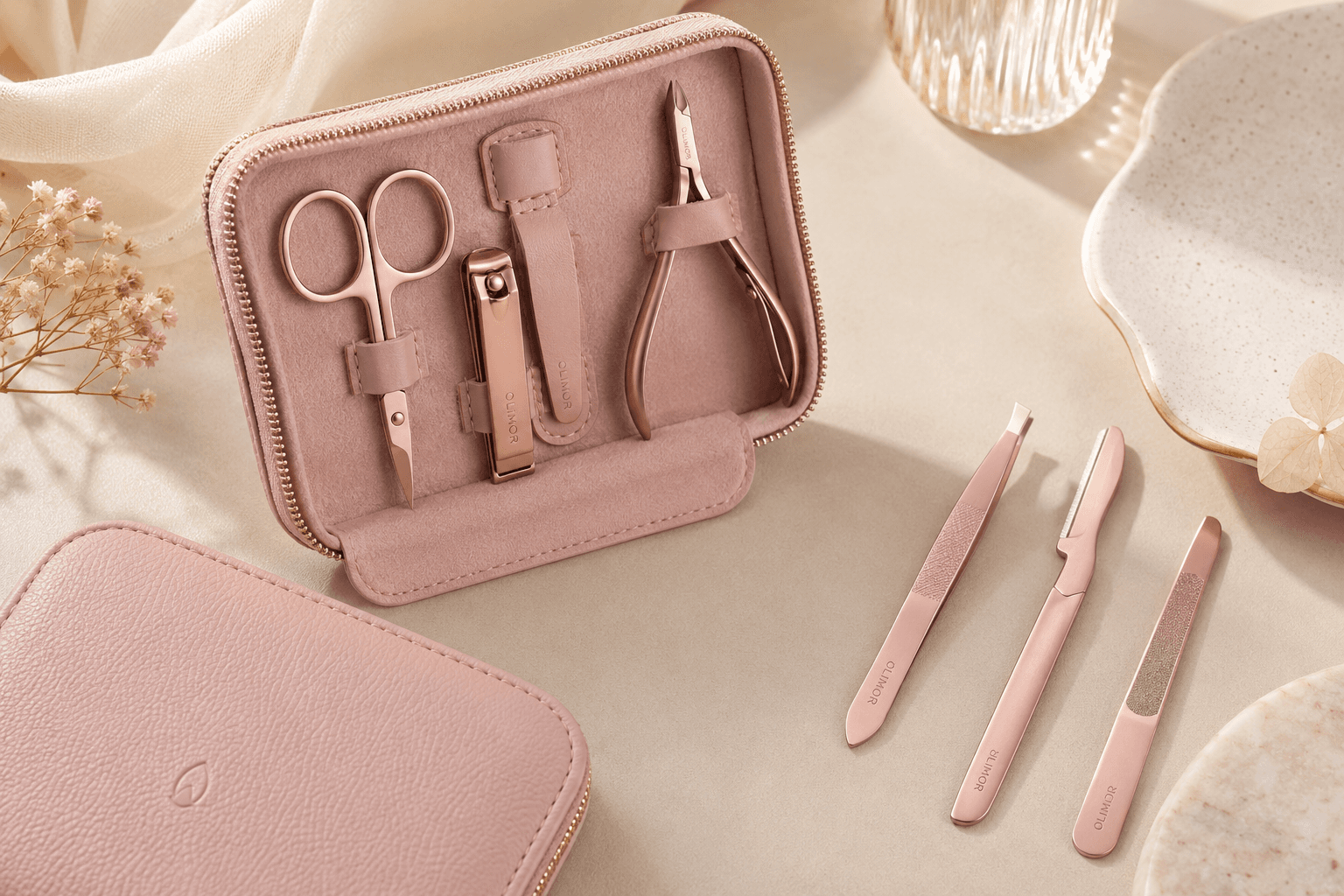
For a broader view of available categories, buyers can review Olimor beauty tool products and compare how different tool types solve different grooming needs. Product families may include facial care tools, brow and lash tools, nail care tools, or other personal care instruments depending on the selected range.
Quality Control Questions Before Placing an OEM Order
Quality assurance should be discussed early, not after production begins. The supplied Olimor Beauty information notes strict internal quality controls throughout production, from material selection to final packaging. For an OEM buyer, the goal is to translate that quality mindset into clear expectations for your product line.
The most productive conversations are specific. Instead of asking whether the quality is good, define what good means for your product. For a stainless steel tool, that may include surface smoothness, acceptable cosmetic appearance, correct length, consistent loop shape, and packaging condition. For a tool set, it may include color matching, tray fit, pouch finish, or instruction leaflet accuracy.
Here is a practical review table for OEM sourcing discussions:
| Evaluation Area | What to Review | Why It Matters |
|---|---|---|
| Material selection | Stainless steel type, finish, and suitability for skin-contact use | Supports durability, appearance, and customer confidence |
| Functional design | Loop shape, handle length, balance, and grip comfort | Affects control, precision, and ease of use |
| Inspection process | Checks during production and before packaging | Reduces inconsistency across bulk shipments |
| Packaging | Protection, presentation, barcode area, and labeling needs | Prevents scratches and supports retail readiness |
| OEM communication | Artwork handling, sample approval, and specification confirmation | Keeps brand requirements clear before mass production |
This type of review helps both sides avoid vague assumptions. It also gives your purchasing, quality, and marketing teams a shared basis for decision-making.
OEM Personal Care Tools: Matching Product to Market Position
An OEM personal care tool should fit the audience and sales channel you plan to serve. A value-oriented ecommerce listing, a premium retail set, and a professional spa supply product may all require different finishing, packaging, instructions, and assortment planning. The tool itself may be similar, but the way it is presented and supported can vary significantly.
For example, a stainless steel blackhead remover sold as a single item needs strong product education. Customers should understand the intended use, the importance of clean skin, and the need for gentle pressure. If the same item is included in a facial care kit, the packaging should make the role of each tool clear so customers do not misuse them. For a distributor, carton organization, labeling, and easy inventory handling may be just as important as the retail pack.
Buyers can explore Olimor product collections to think about assortment structure. A successful OEM line often includes tools that complement one another instead of a random mix of items. This can improve shelf presentation, make product photography easier, and give consumers a clearer reason to choose the full range.
Maintenance Guidance That Improves Customer Satisfaction
Even a well-made tool needs correct care. Brands that provide practical maintenance guidance can reduce complaints and help customers use the product responsibly. For stainless steel personal care tools, the basics are simple but important: clean before and after use, dry thoroughly, store away from moisture, and avoid sharing tools without proper hygiene practices.
For a blackhead remover, customer instructions should emphasize gentle use. The tool should not be used aggressively or on irritated, broken, or inflamed skin. Users should clean the skin first, apply controlled pressure with the loop end, and stop if the area becomes painful or excessively red. Clear instructions are especially important for ecommerce products because customers may not receive in-person advice.
Packaging inserts, online product pages, and after-sales emails are all good places to include maintenance reminders. These details may seem small, but they show that the brand understands real usage and cares about responsible personal care.
How to Start a Product Discussion with Olimor Beauty
When preparing to contact a beauty tools manufacturer, organize your requirements before the first discussion. Helpful information includes the tool type, target market, sales channel, packaging style, expected branding elements, and any destination-market compliance requirements you need to address. If you are developing a stainless steel blackhead remover or a wider beauty tools range, provide reference expectations for finish, size, packaging, and customer positioning.
You do not need to have every detail finalized before beginning a conversation, but clarity speeds up sample development and quotation review. If you already have artwork, a product brief, or a competitor benchmark, those materials can help define the direction. If you are still exploring options, focus first on use case, audience, and quality level.
To discuss OEM personal care tools, you can contact Olimor or send an inquiry with your product requirements. A focused inquiry helps the supplier understand whether you need an individual tool, a packaged set, or a broader beauty tool program.
Choosing the right manufacturer in Asia is ultimately about reducing uncertainty. Look for material discipline, ergonomic thinking, inspection consistency, and OEM communication that supports your brand goals. With the right approach, a small stainless steel beauty tool can become a dependable product in a larger personal care line.
Tag: