How to Choose a Reliable Tweezers Supplier for a Beauty Brand
For a beauty brand, tweezers may look like a simple product, but customers judge them quickly. If the tips do not meet cleanly, if the tension feels uncomfortable, or if the finish wears poorly, the product can damage trust in the entire line. Choosing a reliable tweezers supplier is therefore not just a purchasing decision; it is a brand-quality decision.
Olimor Beauty works with beauty tool buyers who need practical, consistent tweezers for professional salons, retail beauty ranges, and personal grooming use. The goal is not only to deliver an attractive tool, but to help brands think clearly about performance, design, inspection, and repeat production before placing an order. Whether you are adding eyebrow tweezers to an existing range or developing a tweezers ODM project, the supplier evaluation process should be structured and evidence-based.
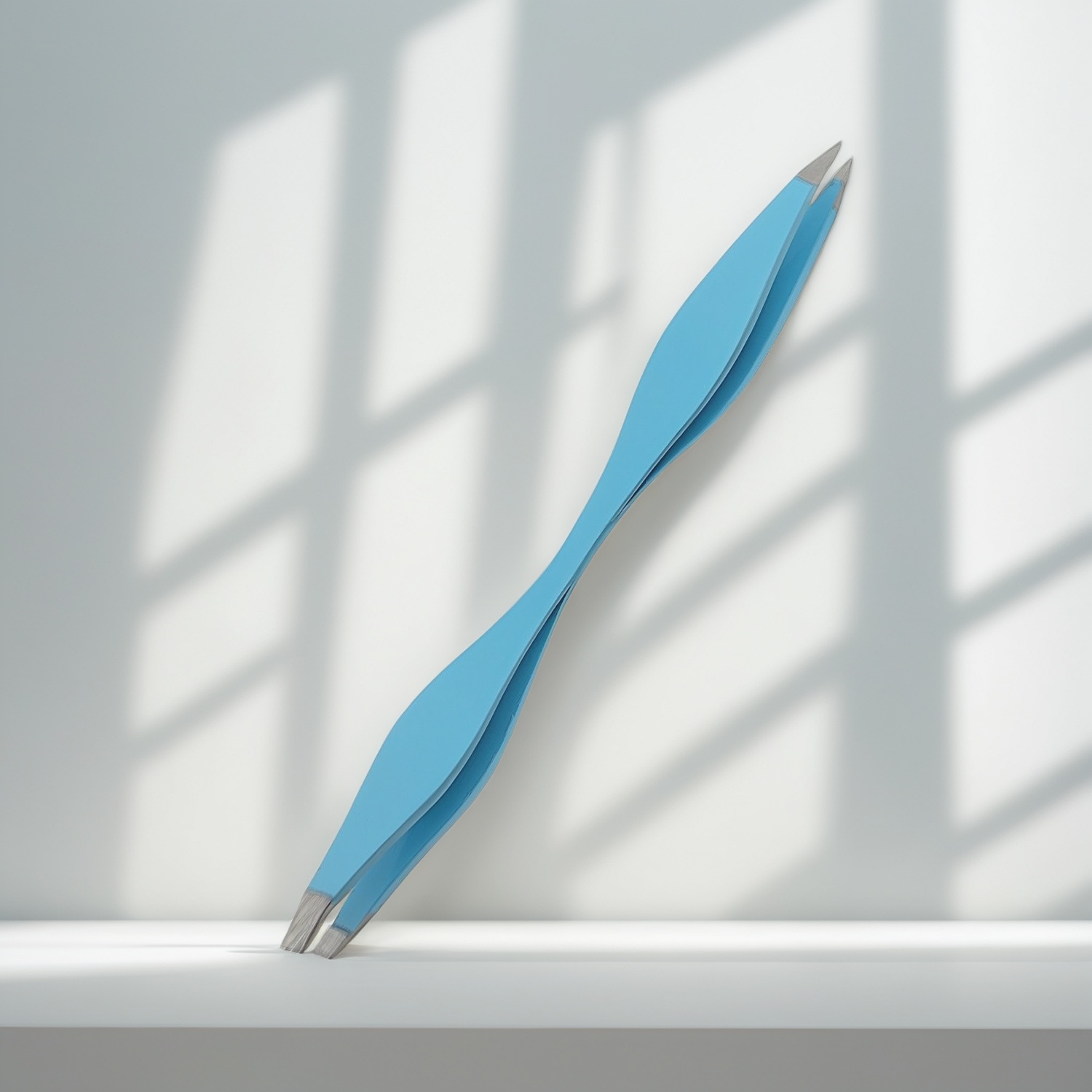
Start With the Real Use Case: Eyebrow Grooming, Salon Work, or Retail Sets
The best tweezers choice depends on how the end customer will use the tool. A salon buyer may prioritize repeatable grip, hand comfort, and fast cleaning between services. A retail beauty brand may care more about shelf appearance, packaging protection, and an easy first-use experience. A personal grooming customer usually expects the tweezer to remove fine eyebrow hairs without repeated pulling.
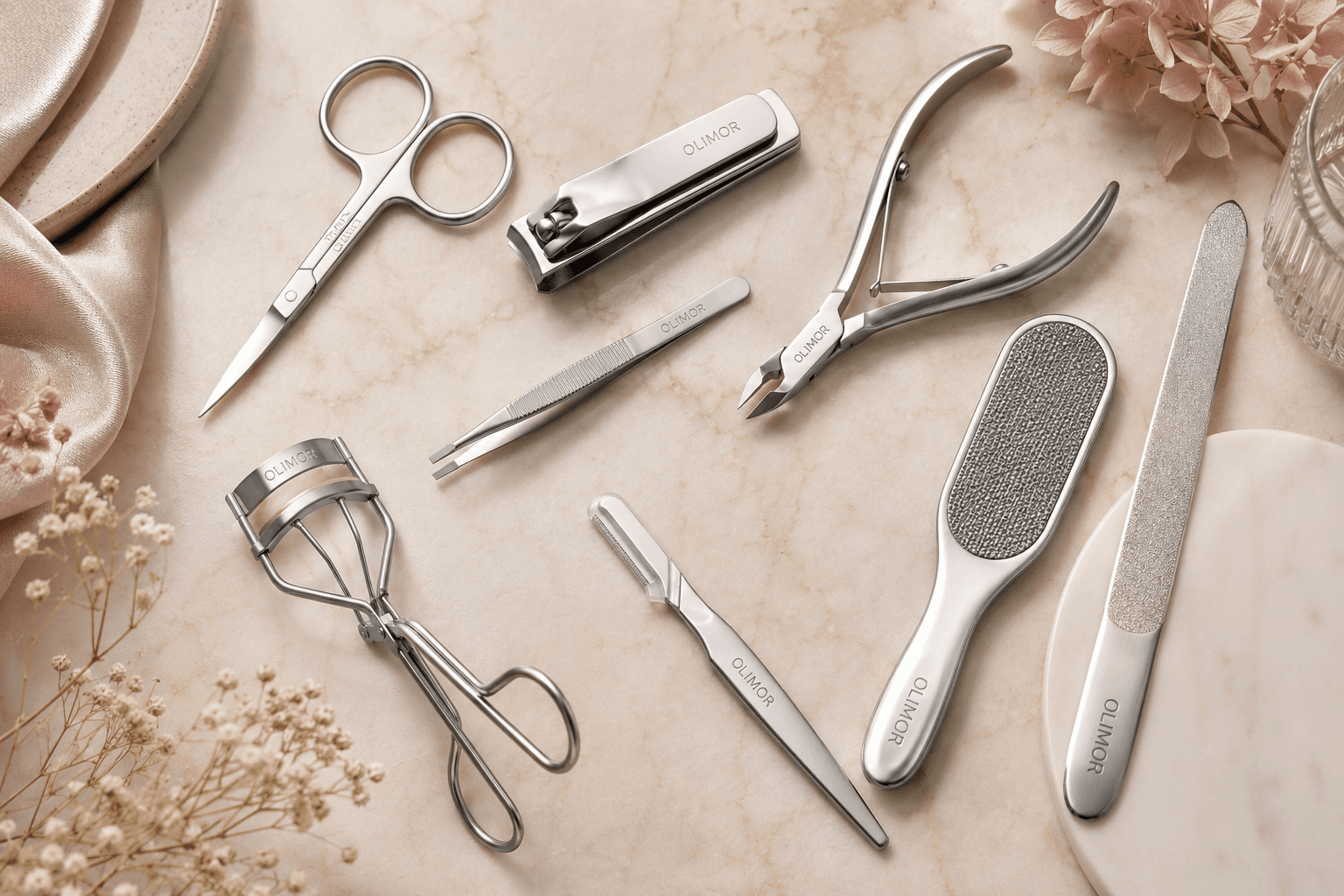
Before discussing design, a brand should define the primary use case. For eyebrow grooming, the key performance questions are straightforward: do the tips align accurately, can they grip fine hairs, and does the user have enough control around the brow line? If the tool is intended for broader grooming kits, the buyer may also consider how the tweezer fits with scissors, eyelash tools, nail tools, or other items in a set.
Brands comparing different beauty tool products should avoid treating all tweezers as interchangeable. Tip style, handle feel, finish, and packaging can all influence the customer’s perception of quality. A low-price tool that fails during first use often costs more in returns, complaints, and damaged reviews than a better-selected product.
What Makes a Tweezers Supplier Reliable?
A reliable tweezers supplier should be able to support product consistency, not only quote a price. For beauty brands, reliability means that the approved sample, production goods, and repeat orders remain aligned in appearance and function. It also means communication is clear enough to prevent avoidable misunderstandings around design, packaging, and inspection expectations.
When assessing a potential partner, buyers should look beyond catalog images and confirm how the supplier manages the details that affect finished quality. Useful evaluation points include:
- Tip alignment: The two tips should meet evenly so the tweezer can grip fine hairs without slipping.
- Tension and hand feel: The tool should open and close smoothly without requiring excessive pressure.
- Material suitability: Stainless steel is commonly used for beauty tweezers because it supports durability and a clean appearance when properly made and finished.
- Surface finish: Edges, coating, polishing, and printed details should be checked for comfort and appearance.
- Packaging protection: The tips need protection during shipping and retail handling to avoid damage before use.
- Repeat order control: The supplier should understand which features must remain consistent across future batches.
Reliability is also visible in the way questions are answered. A dependable supplier does not push every buyer toward the same product. Instead, the discussion should cover market position, target customer, preferred design direction, packaging format, and quality priorities.
Using Tweezers ODM to Build a Distinct Product Line
Tweezers ODM can be valuable when a brand wants a product that feels aligned with its own range rather than a basic, anonymous tool. ODM work may involve shape selection, ergonomic considerations, finish direction, packaging concept, and other design choices. The aim is to create tweezers that are functional first, then visually consistent with the brand’s identity.
For ODM projects, clarity at the beginning saves time later. A buyer should prepare references and requirements, but should also leave space for manufacturing feedback. Some design ideas look attractive in a rendering but may not provide the right hand comfort, balance, or tip protection after production. Good supplier feedback helps turn a concept into a manufacturable product.
A practical ODM brief for tweezers may include:
- The intended sales channel, such as salon supply, retail beauty, e-commerce, or gift sets.
- The target user, such as brow professionals, everyday grooming customers, or beginner users.
- The preferred tip style and the grooming tasks the tool must perform.
- Desired finish direction, such as a polished, matte, colored, or minimal look, without assuming every finish is suitable for every use.
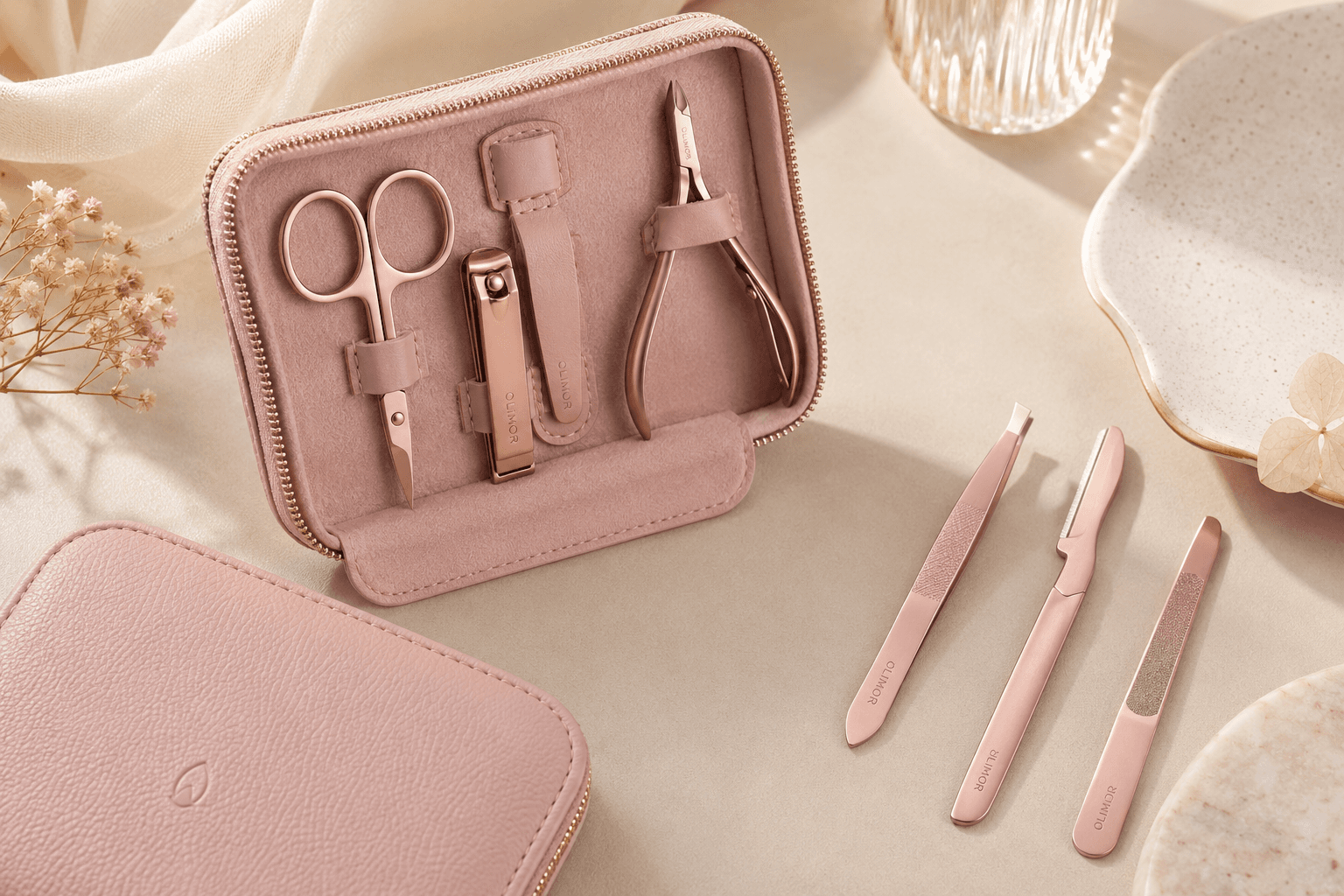
- Packaging expectations, including whether the product needs a pouch, card, box, tip guard, or set packaging.
- Branding placement, print area, and any concerns about wear or readability.
- Inspection priorities, especially tip alignment, tension, appearance, and packaging condition.
Olimor Beauty supports customized beauty tool discussions and can help buyers organize ODM requirements before sampling. Brands planning a new line can review broader product collections to think about how tweezers may fit with related tools.
Quality Checks That Matter for Eyebrow Tweezers
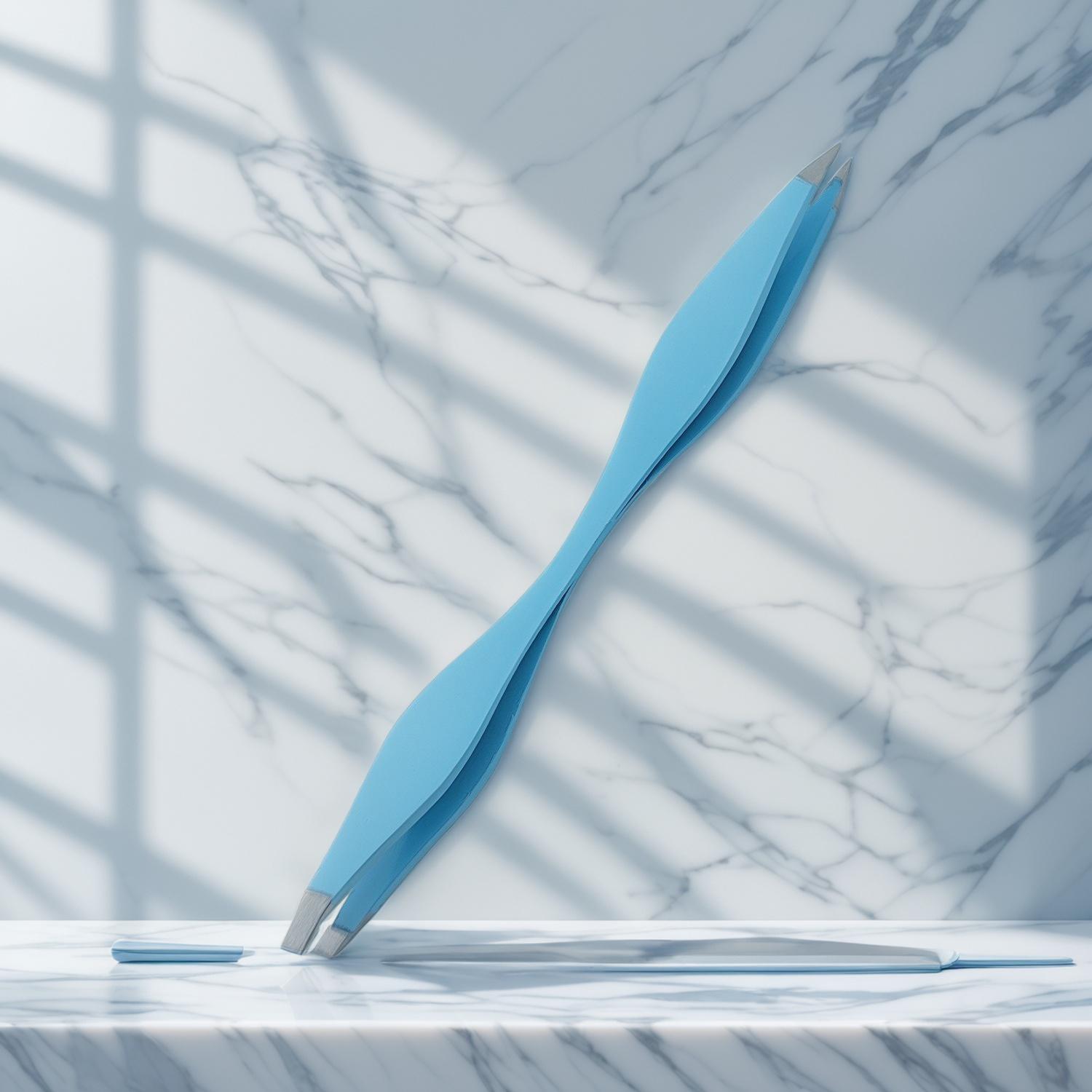
Eyebrow tweezers are judged by precision. A beautiful finish cannot compensate for tips that do not grip. For this reason, quality control should focus on both appearance and function. The original product expectation is clear: tweezers for eyebrow grooming should provide alignment, comfortable tension, and control for removing fine hairs.
Brands can build a simple inspection framework before confirming an order. This does not require complicated language; it requires agreement on what will be checked and what is unacceptable. The table below shows common inspection areas that are useful when sourcing tweezers.
| Inspection area | What to check | Why it matters |
|---|---|---|
| Tip alignment | Tips meet evenly with no visible gap that affects grip | Determines whether the tweezer can remove fine eyebrow hairs |
| Tension | Opening and closing feel smooth and controlled | Affects comfort during repeated grooming use |
| Tip condition | No rough burrs, deformation, or damage | Protects user comfort and product performance |
| Surface finish | Consistent appearance, clean edges, readable branding where applied | Supports retail presentation and brand perception |
| Packaging | Tips protected, product secured, packaging clean | Reduces damage during shipping and handling |
For brands selling through e-commerce, packaging condition is especially important because the customer may judge quality before touching the tool. For salon buyers, function and durability during repeated use may carry more weight. A balanced supplier evaluation considers both the buyer’s sales channel and the end user’s actual expectations.
Sourcing Questions Beauty Brands Should Settle Before Ordering
A smooth sourcing process begins with specific decisions. Many delays happen because a brand starts with “we need tweezers” but has not decided the product’s role in the range. Is it a hero eyebrow tool? A low-profile add-on? Part of a brow kit? A giftable accessory? Each answer changes the level of customization and packaging attention required.
Before moving to production, beauty brands should settle these points internally:
- Product position: Decide whether the tweezers are entry-level, professional-use, premium retail, or part of a set.
- Performance priority: Confirm whether the main focus is eyebrow shaping, general grooming, salon use, or travel convenience.
- Visual direction: Choose a design language that fits the brand without creating unnecessary manufacturing complexity.
- Packaging role: Decide if packaging is mainly protective, retail-facing, giftable, or designed for online shipping.
- Branding needs: Confirm logo placement, size, and visual contrast early to avoid late redesigns.
- Approval standard: Keep an approved sample or clear specification reference so later comparisons are objective.
These decisions help both the buyer and supplier communicate efficiently. They also reduce the risk of approving a sample based on appearance while overlooking function, or focusing only on price while ignoring the customer experience.
Why Long-Term Supplier Fit Matters
For a beauty brand, the first order is only one part of supplier selection. A better question is whether the supplier can support the product over time. If the tweezers become part of a permanent range, consistency across repeat orders matters. If the brand plans seasonal colors or future grooming sets, the supplier’s ability to discuss design changes, packaging updates, and quality priorities becomes even more important.
Long-term fit also depends on how the supplier handles feedback. If a sample needs adjustment, the response should be practical and focused on the issue: tip grip, tension, appearance, packaging, or branding. Clear feedback loops are especially important for ODM projects, where several details may need refinement before the final product is ready.
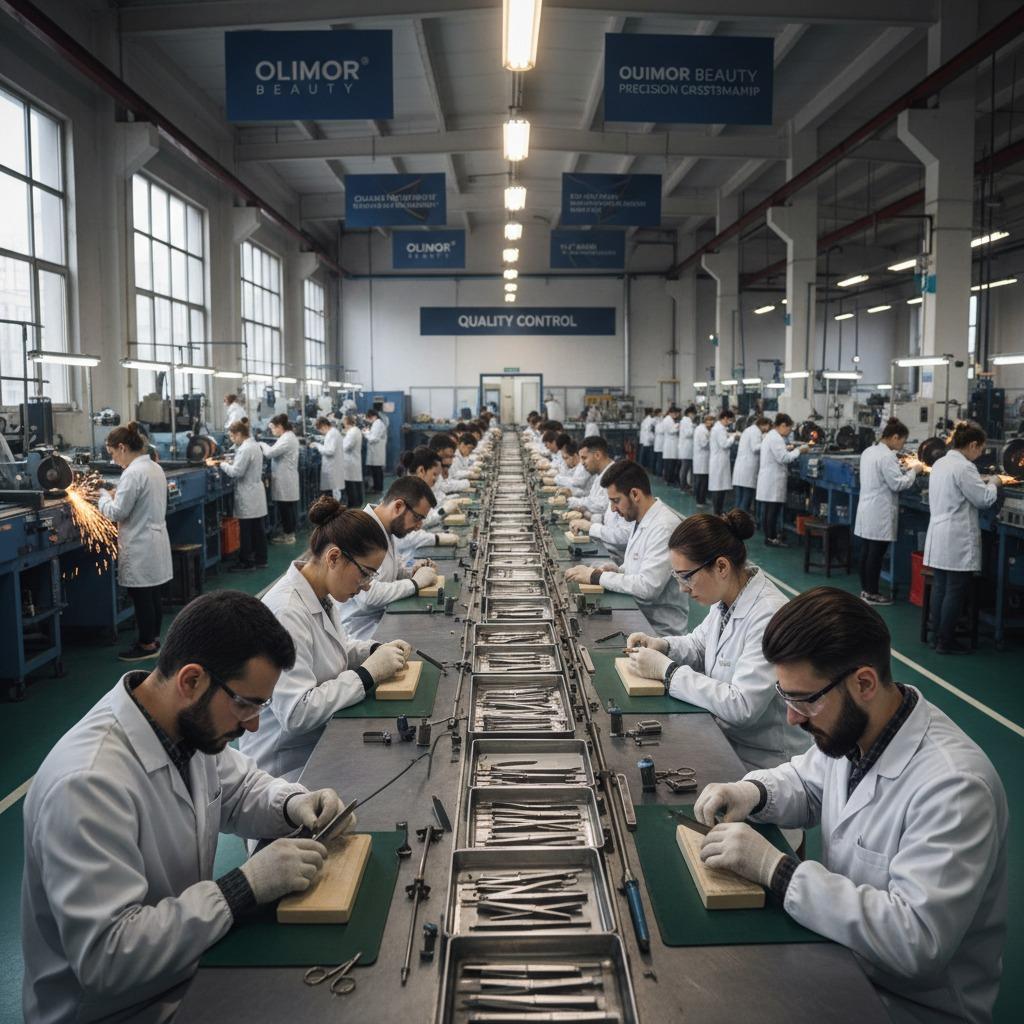
Olimor Beauty focuses on beauty tools that combine usable design with internal quality control, from raw material inspection through final packaging checks. For tweezers, this means attention to durability, functionality, safety, alignment, and the overall customer experience. Brands that want to discuss a tweezers sourcing plan can contact Olimor or send an inquiry with their intended market, design direction, and packaging needs.
A Practical Path to Better Tweezers Sourcing
Finding a reliable tweezers supplier is not about choosing the most decorative product image or the shortest quotation. It is about confirming that the tool works for the intended user, that the supplier understands the required quality points, and that customization decisions support the brand rather than complicate the product.
For eyebrow grooming, precision remains the central promise. Tip alignment, comfortable tension, stainless steel construction, clean finishing, and protective packaging all contribute to whether the customer trusts the tool. For ODM projects, the strongest results come from a clear brief, realistic manufacturing discussion, and careful sample approval. When these steps are handled well, tweezers can become a dependable product in a beauty brand’s range rather than a small accessory with unpredictable quality.
Tag: