How to Choose a Reliable Tweezers Manufacturer in China
Finding a reliable tweezers China manufacturer is not only about getting a lower unit price. For beauty brands, salons, distributors, and retailers, tweezers are close-contact grooming tools that customers judge quickly: the tips either meet cleanly or they do not, the grip either feels controlled or it slips, and the finish either looks professional or shows defects. A weak batch can create returns, complaints, and damage to a grooming line that may otherwise be well positioned.
Olimor Beauty works with buyers who need practical beauty tools for retail, salon, and promotional channels. If you are comparing wholesale tweezers suppliers, the most useful approach is to evaluate the product, production control, packaging readiness, and communication process together. A supplier that can discuss tip alignment, surface finish, inspection steps, and order planning clearly is usually easier to work with than one that only quotes a price.
What a Dependable Tweezers Manufacturer Should Help You Control
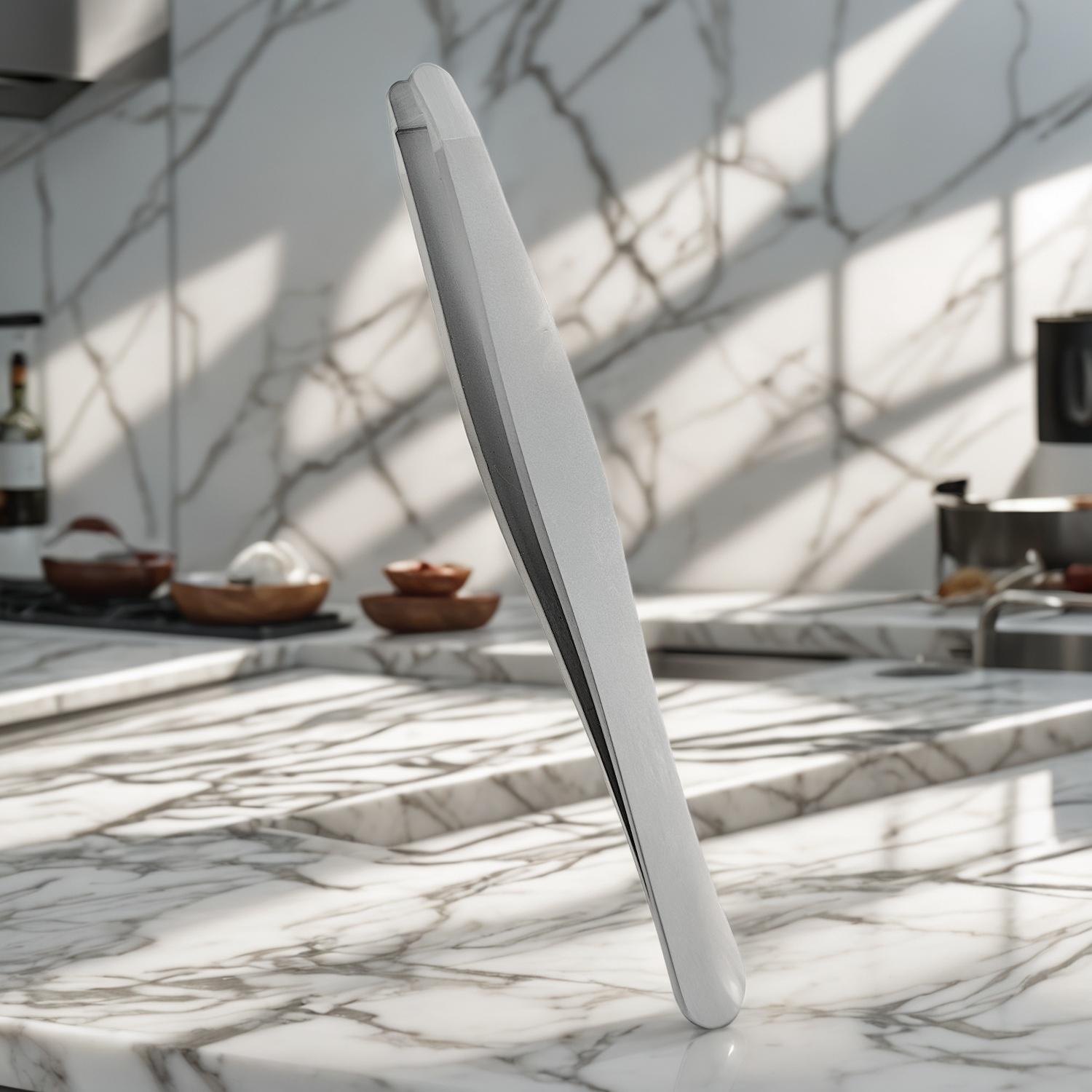
Tweezers look simple, but consistent performance depends on several small details. The two arms must have balanced tension, the tips must close evenly, and the edges should grip hair without cutting it unnecessarily or scratching skin during normal use. For brands selling into competitive beauty channels, consistency across a bulk order matters as much as the approval sample.
A dependable manufacturer should help you review the features that affect real use, including material selection, tip shape, arm width, finish, tension, packaging, and inspection standards. The original product positioning for Olimor Beauty includes meticulously crafted stainless steel tweezers, ergonomic comfort, satin-finished options, streamlined production, and strict quality control. Those are useful starting points when building a specification for a wholesale order, but the buyer still needs to define how the tool will be used and how it will be sold.
For example, a salon-focused tweezer may prioritize dependable grip and comfort during repeated use. A retail gift set may need a refined visual finish and packaging that protects the tip during shipping. A promotional beauty item may require a simpler specification but still needs clean alignment and safe edges. Before comparing quotations, decide what the tweezer must accomplish for your customer.
Key Tweezers Specifications to Confirm Before Bulk Ordering
Bulk sourcing becomes easier when you translate expectations into a short, measurable checklist. Even when you do not know every technical detail, you can still define the handling, appearance, and packaging result you expect.
| Specification area | Why it matters | What to review |
|---|---|---|
| Material | Influences durability, surface quality, and cleaning expectations. | Confirm stainless steel construction when that is required for your line. |
| Tip alignment | Determines whether the tweezer can grip fine hairs accurately. | Check that both tips meet evenly with no visible gap or twist. |
| Tension | Affects comfort, control, and fatigue during repeated use. | Compare sample tension against the intended customer group. |
| Finish | Shapes the retail appearance and perceived product quality. | Review satin-finished options if you want a soft, professional look. |
| Edges and safety | Reduces discomfort and rough handling issues. | Inspect for burrs, sharp unwanted edges, and uneven polishing. |
| Packaging | Protects the tips and supports branding. | Confirm tip covers, retail presentation, barcode space, and carton protection as needed. |
This type of checklist also helps your internal team compare suppliers fairly. Without it, one quotation may look cheaper simply because it excludes finishing, packaging, inspection, or other requirements that your market actually needs.
Wholesale Tweezers: When Buying in Bulk Makes Sense
Buying wholesale tweezers can reduce per-unit cost and simplify inventory planning, especially for retailers and distributors that sell grooming essentials throughout the year. It can also support private label projects, salon replenishment, subscription beauty boxes, travel kits, and bundled brow-care sets. The advantage is not only price; it is the ability to keep the same tool available across repeat orders.
However, bulk purchasing should be planned around realistic sales channels. A new brand may prefer an accessible MOQ so it can test packaging, pricing, and customer feedback before expanding. An established buyer may focus more on batch consistency, carton labeling, and replenishment timing. Olimor Beauty’s positioning includes low MOQ tweezers, which can be useful for emerging and established brands, but the best order size still depends on your sales plan, launch schedule, and storage capacity.
Before placing a bulk order, review these planning points:
- Sales channel: Retail shelves, online marketplaces, salon use, and distributor cartons may each require different packaging.
- Customer expectation: Brow grooming customers often care about precise tips and controlled tension.
- Brand positioning: A premium line may need more attention to finish, presentation, and protective packaging.
- Reorder strategy: Confirm whether you want the same specification reserved for future repeat orders.
- Inspection criteria: Decide in advance what counts as an acceptable tweezer and what should be rejected.
You can explore related beauty tool products to compare how tweezers may fit with other grooming accessories in your assortment.
How to Evaluate Samples Like a Professional Buyer
A sample should be tested in the same way your customer will use it. Looking at it under bright light is important, but it is not enough. Open and close the tweezer repeatedly, test grip on fine hair or a similar fiber, compare both arms for symmetry, and check whether the tool feels stable in the hand. If you are buying for salons, ask a technician or brow specialist to comment on comfort and control.
Use a simple sample review process:
- Visual check: Look for scratches, stains, uneven finish, dents, or rough edges.
- Tip check: Close the tweezer slowly and confirm that the tips meet evenly from edge to edge.
- Grip test: Test whether the tips can hold fine hair or a thin fiber without slipping.
- Tension check: Open and close the tweezer several times to assess hand fatigue and spring-back.
- Packaging check: Confirm that the tips are protected and the retail presentation suits your channel.
- Batch expectation: Record approved sample details so the production order can be compared against them.
Keep one approved sample sealed as a reference. This gives your team a physical benchmark when checking production goods or discussing improvements with the manufacturer.
Quality Control Questions That Matter for Tweezers
Quality control for tweezers should focus on the user experience. A supplier may describe inspections broadly, but buyers benefit from asking how the inspection relates to the final tool. Olimor Beauty’s original positioning emphasizes stringent inspections from raw material to final packaging. For sourcing discussions, you can turn that into practical review points without needing to invent complex laboratory requirements.
Useful quality questions include: How is tip alignment checked during production? Are surface defects separated before packaging? How is tension consistency reviewed? Are finished tweezers protected so the tips are not damaged in transit? How are cartons packed to reduce movement during shipping? These questions help identify whether the supplier understands the product’s functional details.
If your brand requires its own inspection standard, prepare a short document with photos of acceptable and unacceptable conditions. Visual examples are often clearer than long written descriptions. Include close-up images of correct tip closure, rejected gaps, finish flaws, packaging damage, and any branding placement rules.
Packaging and Branding Considerations for Retail Tweezers
Packaging is not only decoration. For tweezers, it protects the working tip, communicates hygiene and product care, and gives customers the information they need before purchase. A low-cost package that allows the tips to collide with other tools during transport can create performance issues before the customer ever opens it.
Depending on your sales channel, consider whether you need a tip cover, sleeve, pouch, blister card, box, or set packaging. Online sellers may prioritize shipping protection and clear product images. Retailers may need hanging holes, barcode placement, multilingual space, or anti-tamper presentation. Salons may prefer compact packaging that is easy to store and reorder.
Branding should also be realistic for the tweezer size. A small tool has limited surface area, and too much text can look crowded or wear poorly depending on the finish. Keep the visible branding clean, and place detailed information on the outer packaging when possible. If you are building a broader assortment, review Olimor’s product collections to think through how tweezers can sit beside other beauty tools with a consistent visual direction.
Building a Better Supplier Conversation
The strongest buyer-supplier conversations are specific. Instead of asking only for “best price,” share the intended use, target market, approximate order plan, finish preference, packaging requirement, and inspection priorities. A manufacturer can respond more accurately when the project is clear.
Prepare the following before requesting a quotation: tweezer type or reference image, preferred material such as stainless steel if required, finish direction such as satin finish, packaging format, logo or branding needs, order quantity range, destination market, and any inspection concerns. If you are still comparing options, explain which points are flexible and which are not.
For buyers who need guidance on specifications, packaging, or bulk order planning, you can contact Olimor or send an inquiry with your project details. Clear information at the beginning usually leads to more accurate sampling, fewer revisions, and a smoother production process.
Final Checklist for Choosing a Tweezers China Manufacturer
A reliable tweezers manufacturer should be able to support both product performance and commercial execution. Look beyond the first quotation and compare how each supplier handles samples, inspection details, packaging questions, and repeat-order consistency. The right partner should make it easier to deliver stainless steel tweezers that feel precise, look clean, and arrive protected.
Before you confirm an order, make sure you have reviewed the approved sample, written specification, finish, packaging, branding artwork, inspection checklist, carton requirements, and delivery expectations. This disciplined approach helps beauty brands, salons, and retailers source wholesale tweezers with fewer surprises and a clearer path to long-term product consistency.
Tag: