











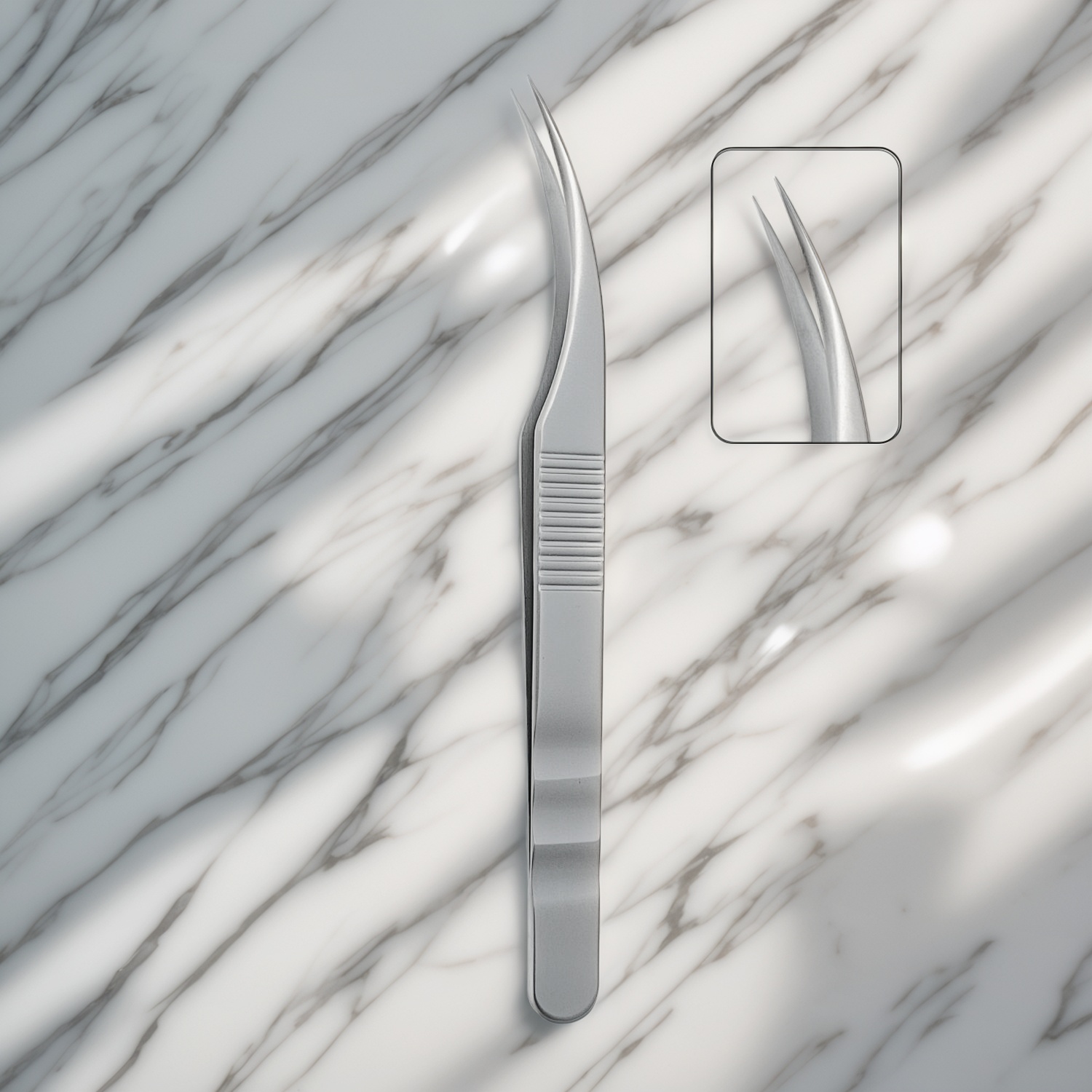
Curved Tweezers for Eyelash Extensions: What Salons Should Look For
Eyelash extension work depends on small, controlled movements. A technician may repeat the same picking, isolating, placing and adjusting motions hundreds of times in one service, so the tool in hand has a direct effect on speed, comfort and consistency. Curved tweezers are one of the core tools used in lash application because the angled tip can help the technician approach the natural lash line with visibility and control.
For salons, lash studios, training schools and beauty-tool distributors, choosing tweezers is not simply a matter of picking a familiar shape. The right tool should match the technician’s hand position, the extension technique, sanitation routines and the quality expectations of paying clients. Olimor Beauty supplies beauty tools for professional use, including curved tweezers for eyelash extensions designed to support controlled detail work. This guide explains how to evaluate curved lash tweezers before adding them to a salon kit or B2B beauty supply order.
Why Curved Tweezers Matter in Eyelash Extension Services
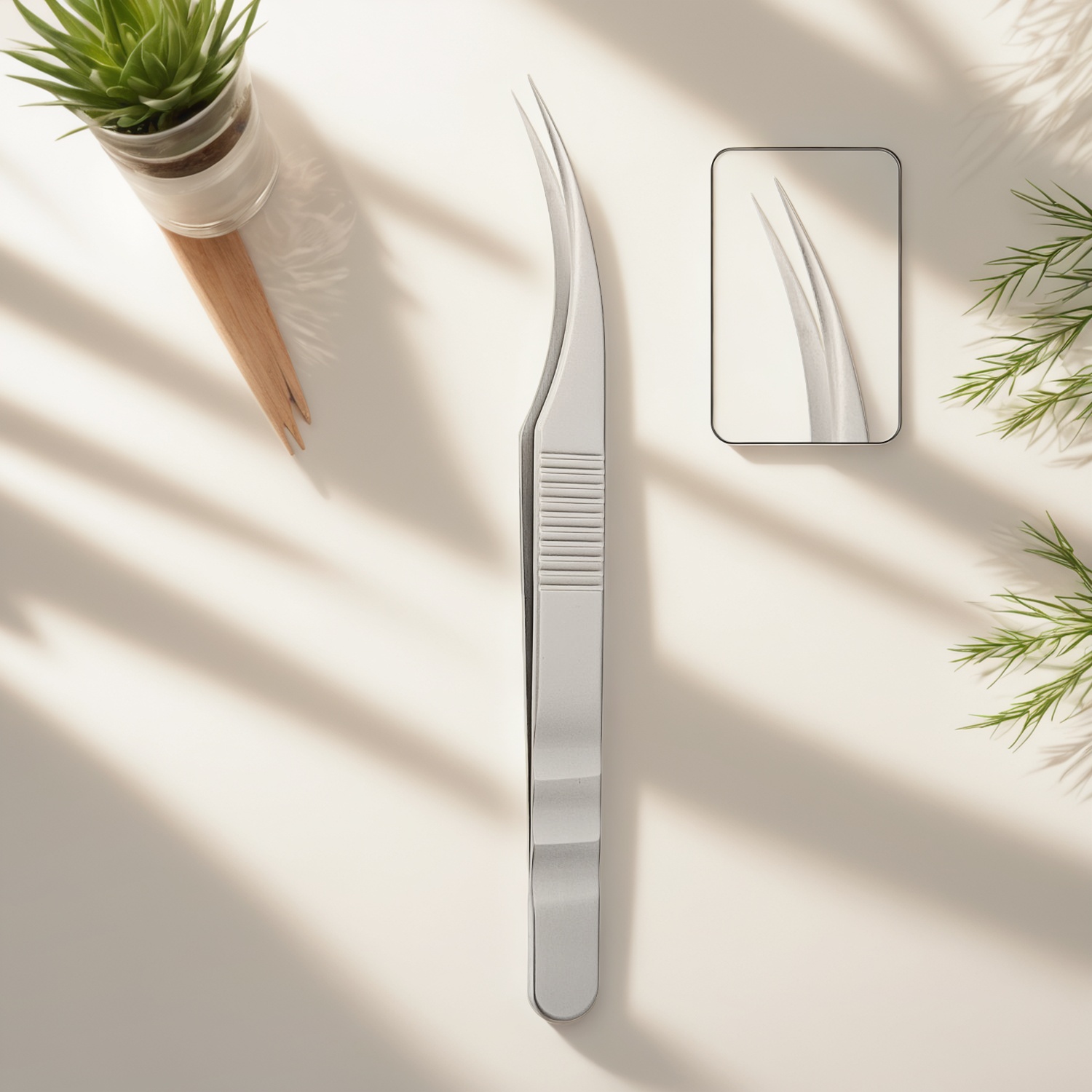
Curved tweezers are commonly used when a straight approach would limit the technician’s view or make it harder to reach a fine lash area. The gentle curve allows the hand to remain slightly away from the client’s face while the tip works close to the lash line. This can be useful for isolating natural lashes, picking up individual extensions, positioning lashes near the inner or outer corners, or working around different eye shapes.
The supplied Olimor Beauty curved tweezers are described as stainless steel tools with ergonomic handles, created for comfortable extended use and detailed work. Those qualities are important because lash extension appointments can be lengthy. If a tweezer feels unstable, too slippery or uncomfortable, the technician may compensate with extra grip pressure, which can lead to fatigue and less consistent application.
Precision also affects client experience. A cleanly controlled tool helps reduce accidental contact with surrounding lashes and supports a more organized lash set. While the final result also depends on adhesive choice, lash mapping, technician training and aftercare, the tweezer remains one of the most important physical links between the technician’s skill and the finished work.
Key Selection Criteria for Salon and B2B Buyers
When purchasing lash tools for a single technician, a multi-chair salon or resale, buyers should evaluate practical handling details rather than relying only on appearance. Curved tweezers can look similar in product photos, but small differences in grip, balance and tip alignment may change how they perform during real service.
- Tip alignment: The two sides of the tip should meet evenly enough to grip fine lash extensions without slipping. Misalignment can make isolation and pickup unreliable.
- Curve shape: A gentle curve is useful for visibility and access. The curve should suit the technician’s preferred hand angle and the type of lash work being performed.
- Grip control: The tweezer should hold lashes securely with controlled pressure, not require excessive squeezing.
- Comfort during long services: Ergonomic handles can help reduce hand strain when the tool is used for repeated detailed movements.
- Material suitability: Stainless steel is valued in salon tools because it supports durability and routine cleaning when handled correctly.
- Finish quality: Smooth edges and a clean surface matter because lash tools are used near delicate eye areas.
- Consistency across batches: B2B buyers should consider whether the supplier can provide stable quality across repeat orders.
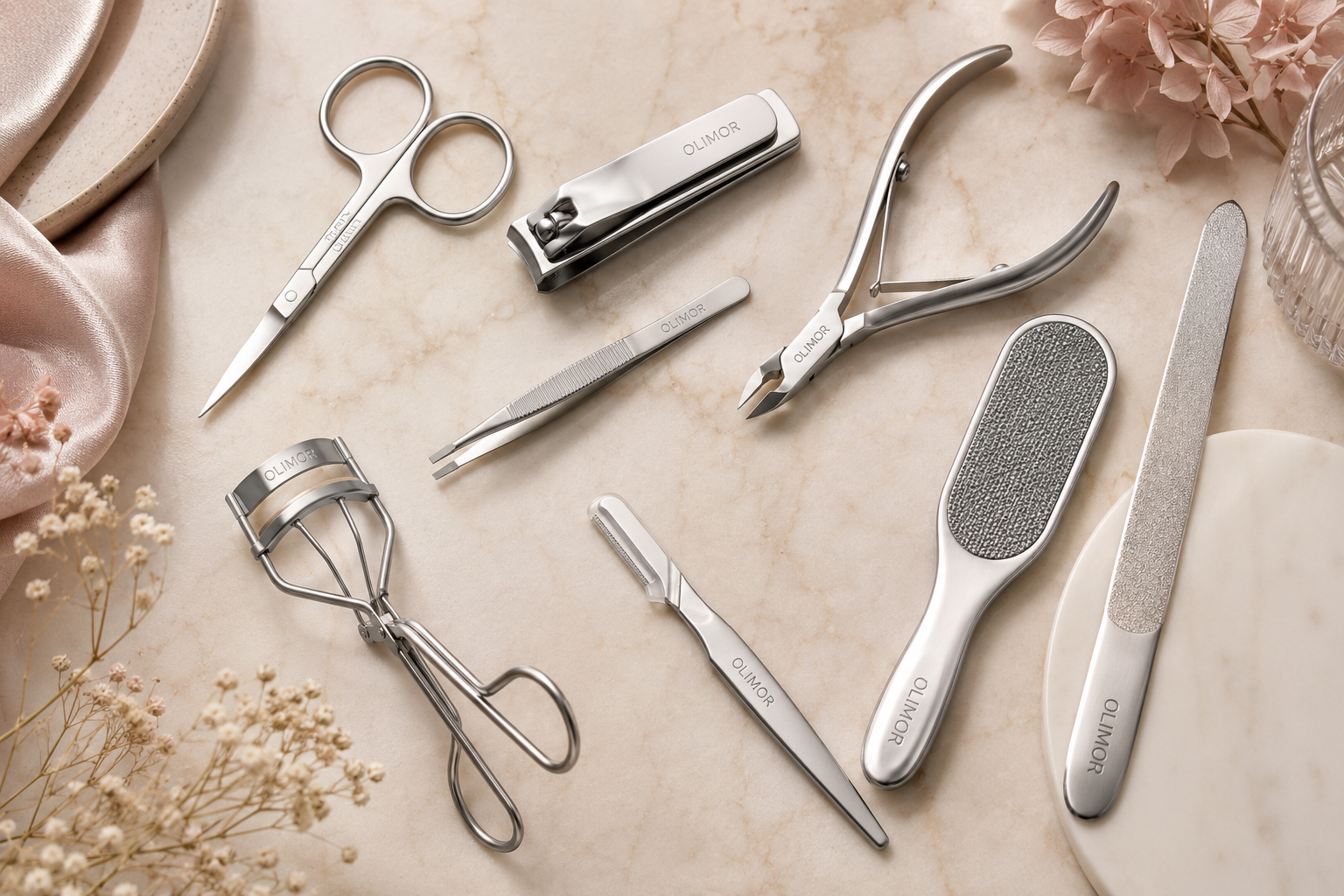
For salons comparing multiple beauty tools, the broader beauty tool products section can help buyers review available categories and plan a more complete lash workstation.
Common Use Cases for Curved Lash Tweezers
Curved tweezers can support several steps in eyelash extension work. Their exact role depends on the technician’s method and personal preference, but they are often selected when the angle of approach matters.
| Use case | Why a curved shape helps | What to check before buying |
|---|---|---|
| Isolating natural lashes | The curved tip can help reach between lashes while keeping the hand position comfortable. | Check tip precision, visibility and ease of separating fine lashes. |
| Picking up lash extensions | A stable tip can support controlled pickup from a lash strip or tray. | Check whether the tips grip consistently without crushing the extension. |
| Working on inner and outer corners | The curve can improve access to areas where space is limited. | Check whether the angle feels natural for both eyes and different client positions. |
| Training new technicians | A comfortable tool can help students focus on technique rather than fighting the tool. | Check durability, repeatable grip and ease of cleaning between practice sessions. |
Not every technician will use curved tweezers in the same way. Some may prefer them for isolation, while others may use them for placement or support work. For this reason, salon owners often test a tool with their working technicians before standardizing it across service stations.
Maintenance and Hygiene Considerations
Lash tweezers are used close to the eyes, so maintenance is not optional. A good tool can be damaged by poor storage, harsh handling or residue buildup. Salons should create a written care routine that matches their local hygiene requirements and the cleaning products used in the business.
- Remove visible residue after use. Adhesive or product residue can affect grip and may make the tips feel uneven. Clean carefully according to the salon’s hygiene process.
- Handle the tips gently. Dropping tweezers can bend the fine ends or change alignment. Even a small impact can reduce precision.
- Store tools separately. Avoid tossing tweezers into a drawer with scissors, lash curlers or other metal tools. Use protective storage when possible.
- Inspect before each service. Look for tip damage, rough edges, poor closure or residue that could affect safe, clean work.
- Rotate tools when needed. Busy salons may keep backup tweezers available so a technician is not forced to use a damaged or uncomfortable tool.
Stainless steel supports professional durability, but it still needs responsible care. Maintenance protects the tool, supports a smoother workflow and helps the salon present a more professional service environment.
How to Evaluate a Salon Equipment Supplier
For B2B buyers, the supplier decision is as important as the tool shape. Lash studios need tools that arrive in usable condition, match the product description and can be reordered with confidence. Distributors may also need consistent presentation, clear product information and dependable communication.
When reviewing salon equipment suppliers, create a checklist that separates confirmed facts from assumptions. For curved tweezers, useful buying questions include: Is the tool made from stainless steel? Is the handle designed for comfort during extended use? Are the tips inspected for alignment? How should the tool be packed to protect the fine ends in transit? What cleaning and storage practices are recommended for long service life?
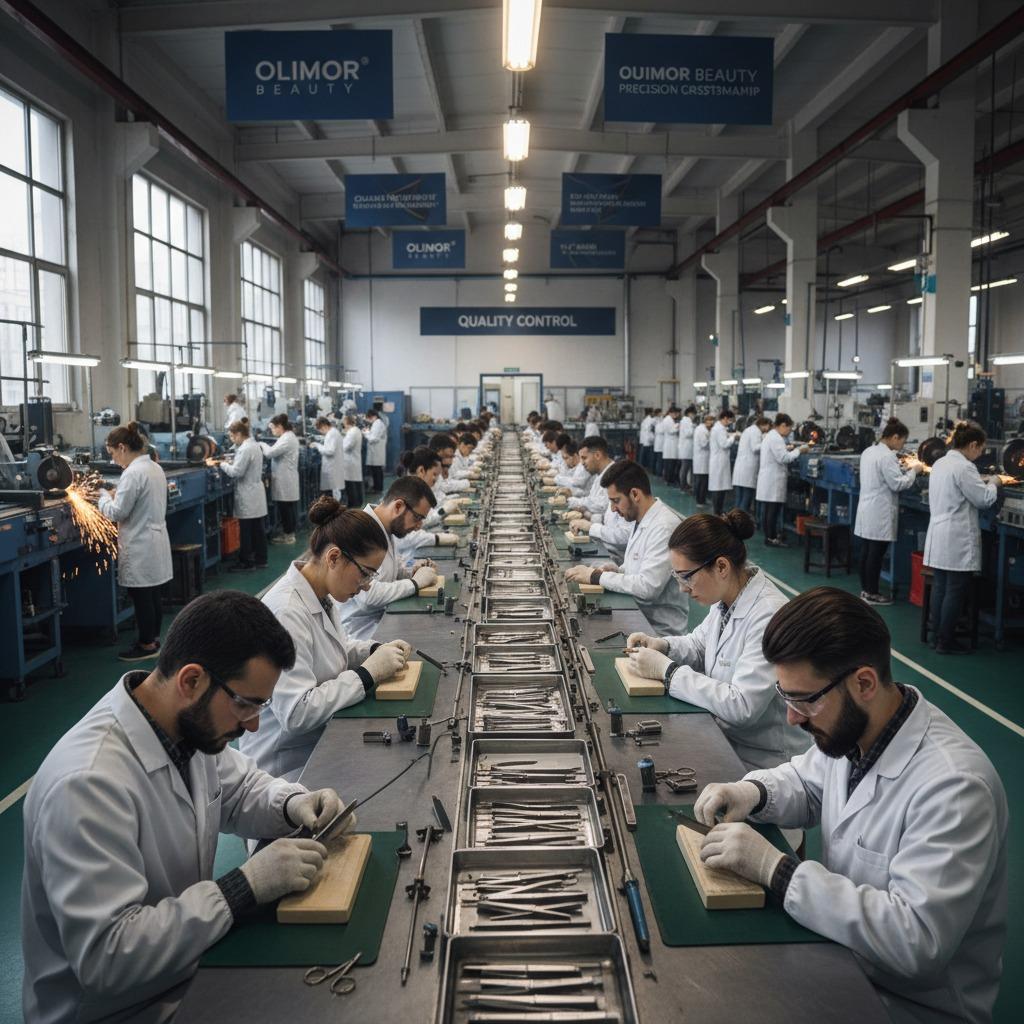
Olimor Beauty emphasizes quality assurance and strict quality checks for its beauty tools. Buyers should still evaluate samples in the context of their own services, because hand size, preferred technique and daily appointment volume can influence the best choice. If you are planning a broader purchasing project, you can browse Olimor’s product collections to compare tool categories, or send an inquiry with your sourcing requirements.
Choosing Curved Tweezers for Different Business Needs
A solo lash artist may focus on how the tweezer feels during full sets and fills. A salon manager may need multiple tools that perform consistently for different technicians. A beauty academy may prioritize tools that are comfortable for students learning proper pressure and angle control. A distributor may pay close attention to packaging, repeat order consistency and how clearly the tool’s purpose can be communicated to professional buyers.
Before purchasing in volume, consider testing the tool under realistic conditions. Use it during isolation practice, extension pickup, corner work and longer application sessions. Ask technicians to note whether the grip feels secure, whether the curve improves visibility and whether hand fatigue increases or decreases compared with their current tool. This type of feedback is more useful than judging tweezers only by weight or appearance.
It is also helpful to standardize internal expectations. For example, decide what level of tip alignment is acceptable, how damaged tools are removed from service, and where clean and used tools are stored. A structured approach helps protect service quality as a lash business grows.
A Practical Tool for Precise Lash Application
Curved tweezers are a small item, but they play a large role in eyelash extension services. The right pair supports controlled handling, comfortable repetitive movements and better access to detailed lash areas. Olimor Beauty’s curved tweezers are described as stainless steel tools with ergonomic handles and a gentle curve for grip and control, making them suitable for professional lash extension work where precision matters.
For salons and B2B beauty supply buyers, the best choice comes from combining product features with real working needs. Look closely at tip alignment, curve usability, handle comfort, storage practices and supplier reliability. When these details are handled carefully, curved tweezers become more than a basic accessory; they become part of a professional lash system built for consistent, detailed service.
To discuss beauty-tool sourcing needs or product availability, contact Olimor and share the type of lash tools your business is preparing to purchase.