

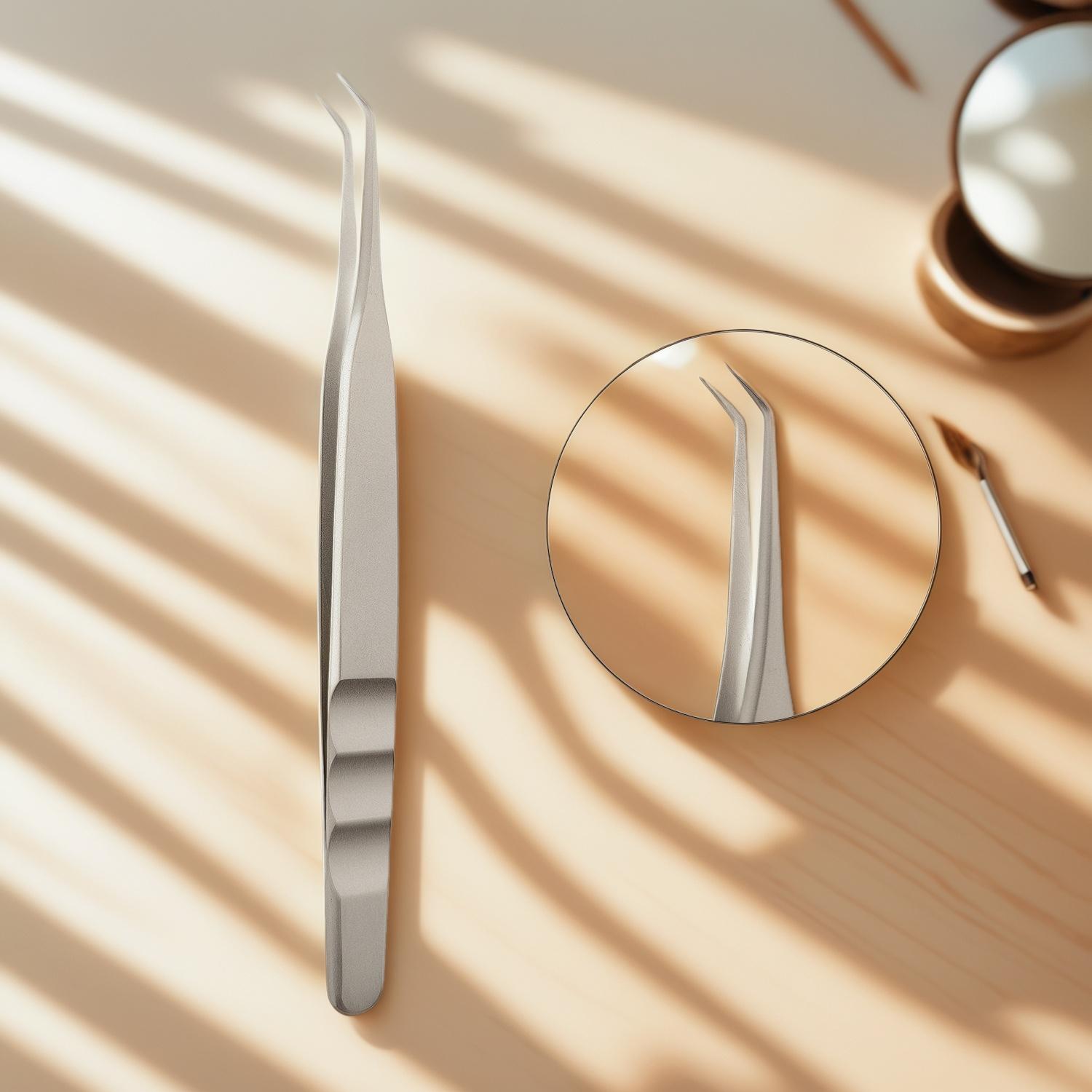
Eyelash Extension Tweezers for Professional Lash Services and B2B Supply
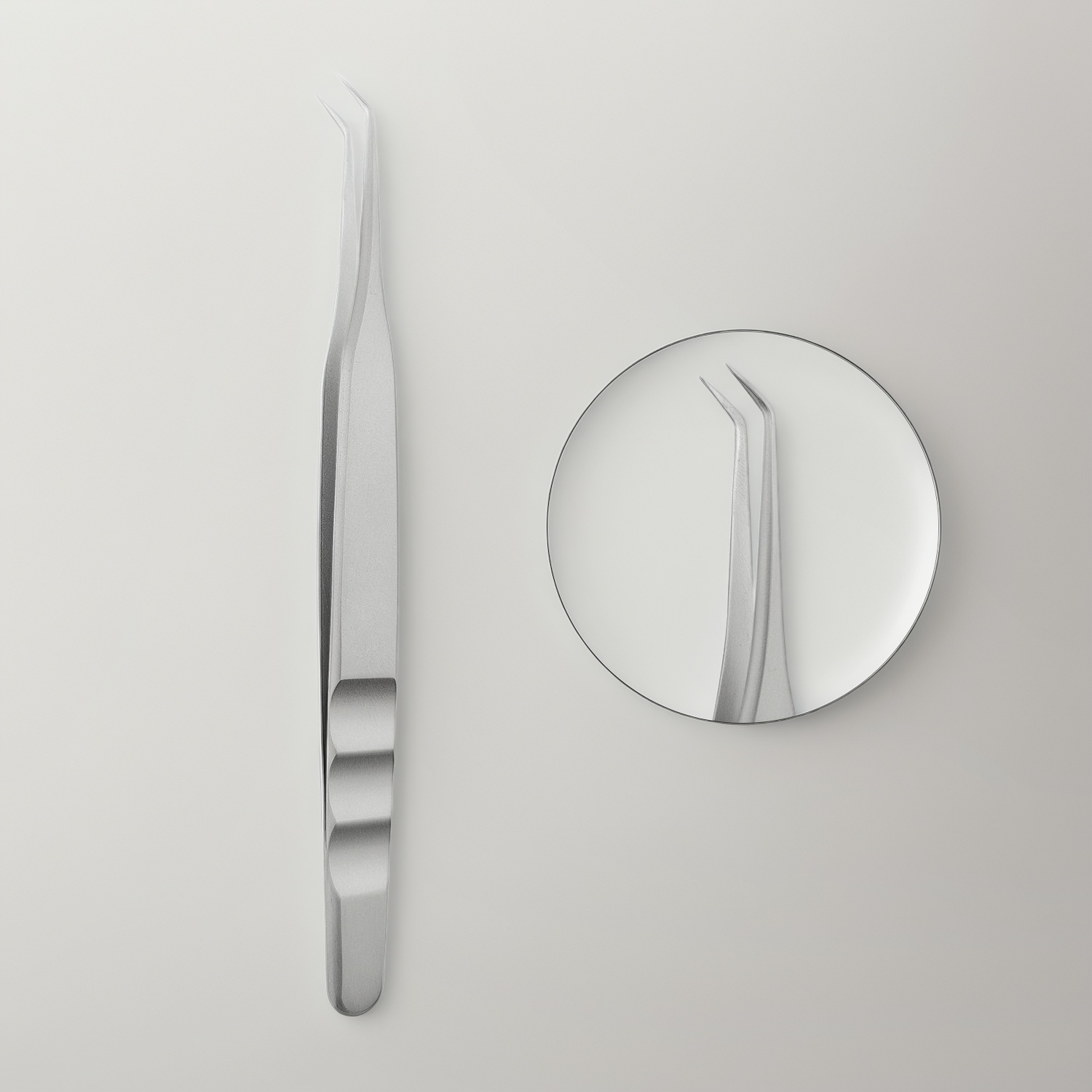
Eyelash extension tweezers are small tools with a large effect on service control. For lash studios, salons, beauty academies, distributors and professional supply buyers, the right tweezer helps technicians isolate natural lashes, pick up fine extensions and place them with steadier hand movement. Olimor Beauty Ergonomic Precision Tweezers are designed for eyelash extension application where a pointed tip, stainless steel construction, ergonomic handling and reliable grip matter in repeated professional use.
This guide explains how to evaluate precision lash tweezers for real salon conditions: daily appointments, technician comfort, cleaning routines, storage, reorder planning and supplier communication. It is written for B2B buyers who need more than a short product description and want to understand what to inspect before adding tweezers to a salon kit, training set or wholesale beauty tool range.
What Eyelash Extension Tweezers Need to Do
In lash extension work, a tweezer must support controlled movement close to the lash line. The technician may need to separate a single natural lash, pick up a fine extension, transfer it without slipping and guide it into position while keeping visibility clear. If the tip alignment is poor or the tool requires too much pressure, the service can become slower and more tiring.
Olimor Beauty Ergonomic Precision Tweezers focus on the practical requirements of this work. The pointed tip supports detailed placement in a small working area. The stainless steel construction gives the tool a durable material base for professional handling. The ergonomic design is intended to support comfort during longer service periods, while strong grip and control help technicians manage fine lash materials more confidently.
For an individual lash artist, the main question is often, “Does this tweezer feel controlled in my hand?” For a B2B buyer, the question is broader: “Can this tool support consistent use across multiple technicians, workstations, training kits or customer orders?” A good purchasing decision should consider both immediate hand feel and operational reliability.
Key Features to Check Before Buying
Precision tweezers should be evaluated as working instruments, not decorative accessories. The most useful features are the ones that affect accuracy, comfort, cleaning and replacement planning. The table below summarizes the main product-specific details to review when considering Olimor Beauty Ergonomic Precision Tweezers for professional lash supply.
| Feature | Why it matters in lash application | What buyers should check |
|---|---|---|
| Pointed tip | Helps with detailed isolation, pickup and placement near the lash line. | Inspect whether the tips meet cleanly and whether the point is protected during packing and storage. |
| Stainless steel construction | Provides a durable base material suitable for repeated professional handling. | Confirm the supplier’s product description and care instructions; do not assume a specific material grade unless documented. |
| Ergonomic design | Supports a more comfortable grip during repeated or longer appointments. | Ask who will use the tool: experienced artists, trainees, educators or mixed teams. |
| Grip and control | Helps technicians hold fine lash materials with steadier pressure. | Test sample units where possible and compare control at the tip, not just appearance. |
| Corrosion-resistant construction | Supports longer service life when cleaning and drying procedures are followed. | Review maintenance guidance and avoid storage practices that leave tools damp or exposed to impact. |
For B2B orders, visual appearance alone is not enough. Buyers should check how the tweezer closes, how much hand pressure is needed and whether the tip remains protected during transport and storage. Small differences can affect how technicians work, especially during high-volume service days or structured training sessions.
Pointed Tip, Grip and Ergonomics: How They Affect Daily Work
The pointed tip is one of the most important features for eyelash extension tweezers. It allows the technician to work in a narrow area without blocking the view more than necessary. A cleanly aligned point can support more precise separation and placement, while a damaged or uneven point can make fine work frustrating.
Grip is equally important. A tweezer should hold fine lash materials securely enough for transfer, but it should not force the technician to squeeze aggressively throughout the service. Excess squeezing can contribute to hand fatigue and inconsistent movement. Ergonomic shaping does not replace skill or training, but it can help technicians maintain a more natural working position during repeated appointments.
When evaluating samples, do not test only for a few seconds. Have technicians simulate isolation, pickup and placement motions. If the tool is being considered for a salon team, ask more than one person to try it. Hand size, technique and pressure preference vary. A tool that works well for a lead lash artist may not be the best default for trainees unless the training program supports that choice.
Choosing Tweezers for Salons, Academies and Distributors
Different B2B buyers evaluate eyelash extension tweezers in different ways. A salon owner may prioritize technician comfort and backup stock. A training academy may need tools that help students learn consistent movements. A distributor may look for a product that is easy to explain, store, ship and reorder as part of a wider beauty tool range.
Use this checklist before placing a bulk or repeat order:
- Define the use case: Decide whether the tweezers are for daily salon service, beginner training kits, professional resale, sample sets or backup inventory.
- Check tip alignment: The pointed ends should meet evenly enough to support controlled pickup and detailed work.
- Evaluate hand comfort: Ask technicians whether the tool feels balanced and whether it requires excessive squeezing.
- Plan protective storage: Pointed tips should not be loose in drawers, carts or travel kits where they can be bent or struck by other tools.
- Review cleaning routines: Make sure the tool can fit into your salon’s hygiene process and that staff dry and store it correctly.
- Separate active and backup stock: A dropped tweezer can interrupt a service. Keeping replacement units on hand helps avoid appointment delays.
- Confirm supplier support: Ask how to request product details, samples, customization options or reorder information without relying on assumptions.
If tweezers are part of a broader procurement plan, compare them with other professional beauty tools in the Olimor product range. Buyers building sets for salons or academies can also review related categories through the beauty tool collection to plan a more complete purchasing list.
How to Use Precision Tweezers in Lash Extension Services
A precision tweezer supports technique, but it does not create safe or skilled application on its own. Technicians should use it within a complete service process that includes client preparation, correct product handling, sanitation procedures and appropriate aftercare guidance. The tool’s job is to help the technician control small movements.
Preparation before application
Before the service begins, inspect the tweezer tip under good lighting. The tips should be clean, dry and free from visible damage. If the tool has been dropped, check it carefully before using it near the client’s eye area. Even a slight bend can change how the tips meet and may reduce control.
Isolation of natural lashes
During isolation, the technician separates natural lashes so that an extension is applied to the intended lash rather than across multiple lashes. The pointed tip is useful here because it can enter a small working space with minimal obstruction. Controlled isolation helps keep the service organized and supports a cleaner final set.
Pickup and placement
For pickup, grip control matters. The tweezer should hold the extension steadily as it is moved into place. For placement, the pointed tip helps guide the extension with small adjustments instead of broad hand movements. This is why tip quality and comfortable pressure are so important in daily use.
Cleaning, Handling and Maintenance
Professional tweezers should be cleaned and handled according to the salon’s hygiene procedures and applicable local regulations. Requirements can vary by location, so beauty businesses should verify current rules from their local cosmetology board, health authority or relevant regulator. In the United States, salons commonly need to follow state cosmetology board requirements and use disinfectants according to their labels, including any applicable EPA-registered disinfectant directions. Always verify the current version of rules and product documents instead of relying on outdated procedures.
Stainless steel and corrosion-resistant construction support professional use, but maintenance still matters. After service, remove visible residue as required by your hygiene process. Do not leave tools damp after cleaning. Store them in a clean, dry location with the tip protected. Avoid placing precision tweezers loose in drawers, makeup bags or tool rolls where other metal items can press against the point.
Common maintenance problems include bent tips, residue buildup, misalignment after a drop and corrosion risk from poor drying or storage. If a tweezer no longer meets evenly or cannot grip fine lash materials consistently, remove it from active service use. For a salon, replacing a compromised tool is usually better than asking a technician to work around poor control during an appointment.
Cost Factors Without Guesswork
B2B buyers often ask what affects the cost of eyelash extension tweezers. The answer depends on the product specification, order structure and supplier requirements. It is not useful to assume a price without a current quotation. Instead, evaluate the factors that normally influence purchasing decisions.
- Tool design: Pointed precision tips and ergonomic shaping require consistent manufacturing and inspection attention.
- Material and finish: Stainless steel construction and corrosion-resistant properties should be documented by the supplier’s product information.
- Order quantity: Bulk purchasing may affect quotation structure, but exact pricing and MOQ must be confirmed directly.
- Packaging: Protective packaging can matter because pointed tips are vulnerable to impact during storage and shipment.
- Customization: Branding, packaging or assortment requests may affect cost and production planning if available.
- Inspection expectations: Buyers may require sample checks, visual inspection or internal acceptance criteria before repeat orders.
Rather than asking only for the lowest unit price, B2B buyers should compare the full value of the supply arrangement: consistency, packaging protection, reorder communication and suitability for the intended service environment. A tweezer that arrives with damaged tips or inconsistent alignment can create hidden costs through returns, technician frustration and service disruption.
Supplier Evaluation and Quality Inspection
When sourcing eyelash extension tweezers, ask practical questions that help confirm whether the supplier understands professional beauty tool use. The goal is not to demand unsupported claims, but to make sure expectations are clear before purchasing.
Useful supplier evaluation questions include:
- Can the supplier provide the current product description, material information and care guidance?
- Are samples available for evaluation before larger or repeat purchasing?
- How are pointed tips protected during packing and shipment?
- Can the supplier discuss customization or packaging options if needed for your channel?
- What information is needed to confirm MOQ, quotation details and expected lead time?
- How should buyers report visible damage, tip misalignment or other quality concerns after receiving goods?
Inspection does not need to be complicated. On receipt, check packaging condition, count the units, inspect the tips under adequate light and test closing action on a sample basis according to your internal process. If your business has formal acceptance standards, share them with the supplier early so both sides understand the requirements.
When to Replace Lash Tweezers
Even durable precision tools should not be used indefinitely without inspection. Replace or remove a tweezer from active lash service when the tips are bent, chipped, visibly misaligned or unable to hold lash materials consistently. A tool may also need replacement if it shows residue that cannot be properly removed according to your hygiene process or if corrosion appears after improper storage.
Replacement planning is especially important for salons and academies. A training room may have many users handling tools with different levels of experience. A busy lash studio may run back-to-back services where a single damaged tool can slow the schedule. Keeping a small reserve of inspected backup tweezers helps protect service continuity.
FAQ for B2B Buyers
Can I request samples before placing a larger order?
Sample availability should be confirmed with Olimor based on the current product and order situation. Samples are useful for checking hand feel, tip alignment, grip and packaging protection before committing to a larger purchase.
What is the MOQ for eyelash extension tweezers?
MOQ is not fixed in this guide and should be confirmed directly. Share your intended use, destination, packaging needs and whether the order is for salon use, training kits or resale so the supplier can respond accurately.
Can the tweezers be customized for my business?
Customization may depend on the requested branding, packaging or assortment requirements. Ask about available options and provide clear artwork, packaging expectations or channel requirements if customization is important.
How long is the lead time?
Lead time depends on order details, stock status, customization and shipping arrangements. Confirm the current schedule before placing an order, especially if the tweezers are needed for a salon opening, training program or distribution launch.
Building a Reliable Lash Tool Supply Plan
Eyelash extension tweezers should be selected for how they perform in real work: repeated appointments, close detail, cleaning cycles, technician comfort and safe storage. Olimor Beauty Ergonomic Precision Tweezers offer a practical combination of pointed-tip control, stainless steel construction, ergonomic handling, grip and corrosion-resistant durability for professional lash application environments.
For salons, academies and distributors, the best sourcing approach is simple: define the use case, inspect samples where possible, protect the tips, train staff on handling and confirm commercial details before ordering. To discuss product options or purchasing requirements, send a focused request through the Olimor inquiry page or use contact Olimor for direct communication.
Tag: