











Eyelash Extension Tweezers for Precise Salon Application
Eyelash extensions depend on control. The adhesive, lash trays and placement technique all matter, but the tweezer in the artist’s hand often decides whether an appointment feels smooth or frustrating. For professional lash artists, beauty salons and buyers sourcing salon tools in quantity, tweezers should be evaluated as working instruments rather than decorative accessories.
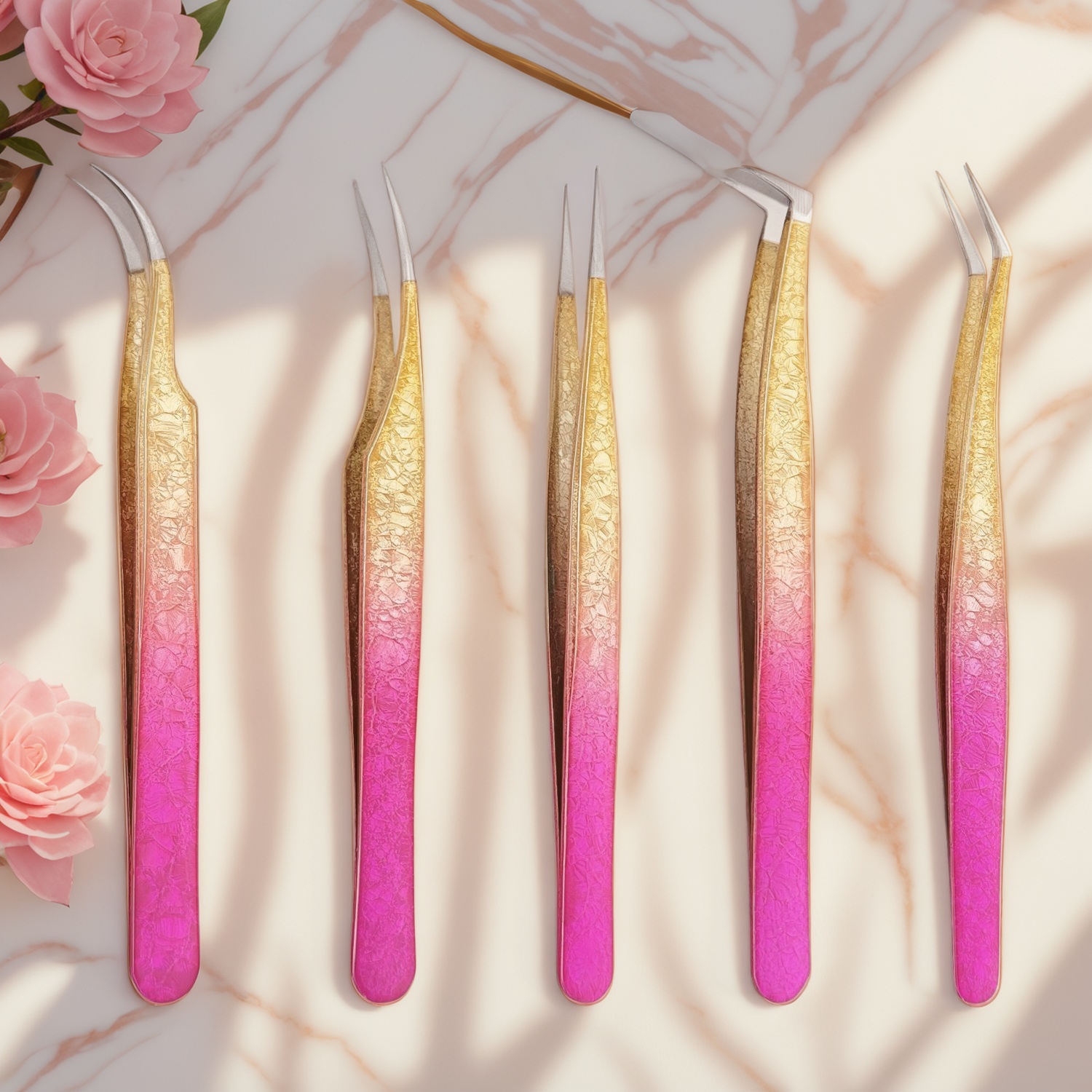
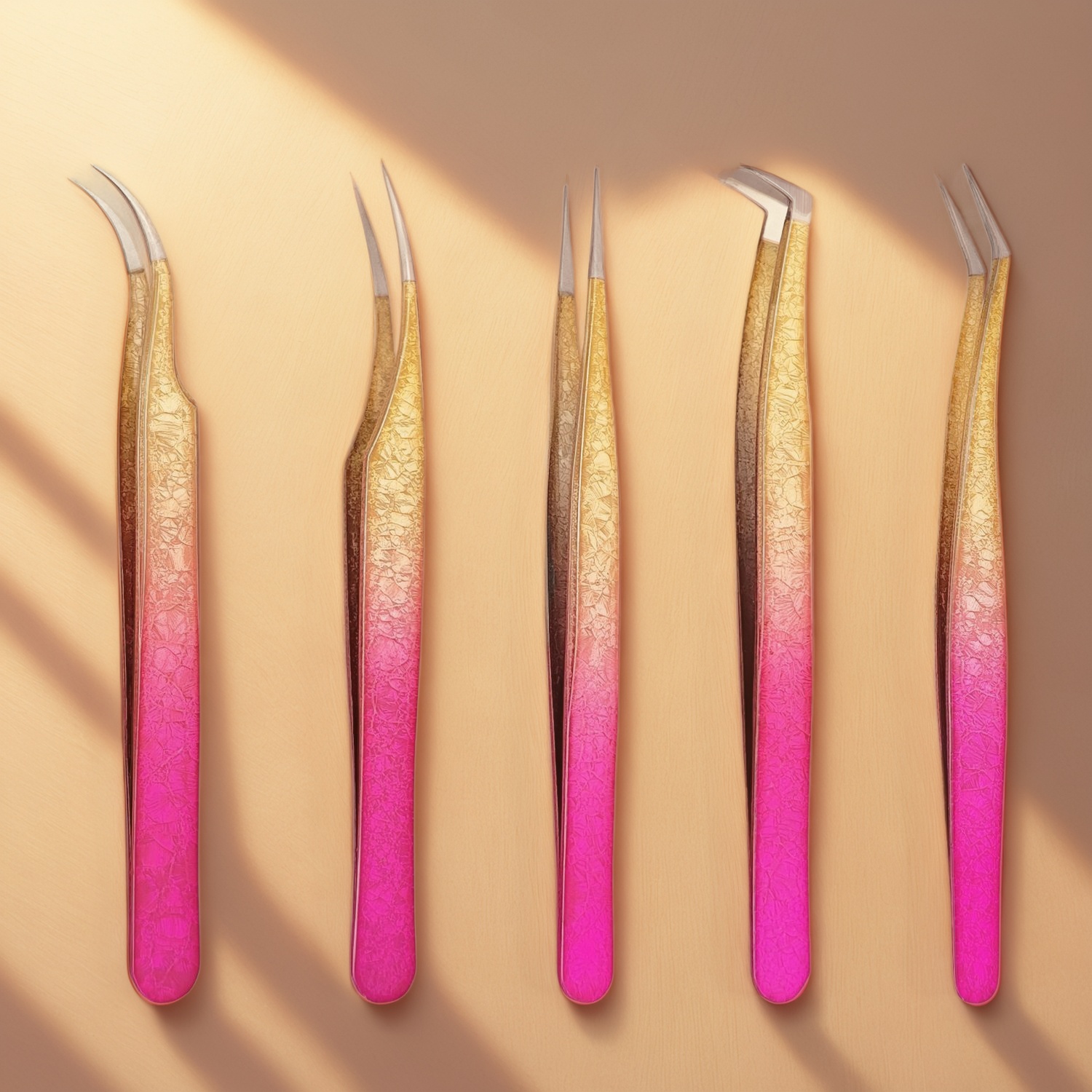
Olimor Beauty’s Gradient Ombre Precision Tweezers are designed for lash application tasks that require accuracy, hand comfort and consistent handling. They are positioned for classic, volume and mega-volume lash work, where isolating natural lashes and picking up extension fans must be done with care. This guide explains how to assess eyelash extension tweezers, where they fit in salon workflows, and what to consider before adding them to a professional tool kit or bulk supply order.
Why Precision Tweezers Matter in Eyelash Extension Work
Eyelash extension services are built around small movements repeated many times. A lash artist may isolate a natural lash, pick up a single extension, form a volume fan or check placement hundreds of times in one appointment. A tweezer that does not feel stable can slow the service and make detailed work harder.
Precision tweezers help with three important parts of the service. First, they support clean isolation so the artist can avoid catching adjacent natural lashes. Second, they help with accurate pickup, especially when working with fine lash extensions or hand-made fans. Third, they reduce unnecessary repositioning, which can save time and help the artist maintain focus.
The Gradient Ombre Precision Tweezers are described as ergonomic and made from stainless steel. Those two points are important for salon use. Ergonomics influence how the tool feels during long appointments, while stainless steel is commonly valued in beauty tools because it is suitable for regular cleaning when maintained properly. Buyers should still evaluate cleaning compatibility and salon hygiene procedures according to their own local requirements.
Best Uses: Classic, Volume and Mega-Volume Applications
Not every lash technique places the same demands on a tweezer. A tool that feels ideal for isolation may not feel identical when creating fans, and a tweezer used for pickup may need a different hand position from one used to separate lashes. When choosing tools for a salon or training team, it helps to think by application type.
- Classic lash extensions: The artist places one extension on one natural lash. Tweezers should support accurate isolation and stable pickup without excess pressure.
- Volume lashes: Multiple lightweight extensions are formed into a fan before placement. A precise closing point and reliable grip can help the artist control the fan during pickup and transfer.
- Mega-volume lashes: This technique demands even more consistency because larger fans require careful handling. Artists should test whether the tweezer supports their preferred fan-making method and pressure level.
- Mobile lash services: Tools need to be easy to organize, clean and pack securely. A professional should protect tweezer tips during travel to prevent misalignment or damage.
- Salon retail or professional kits: When tools are included in kits, buyers should consider whether they suit a wide range of hand sizes and application styles.
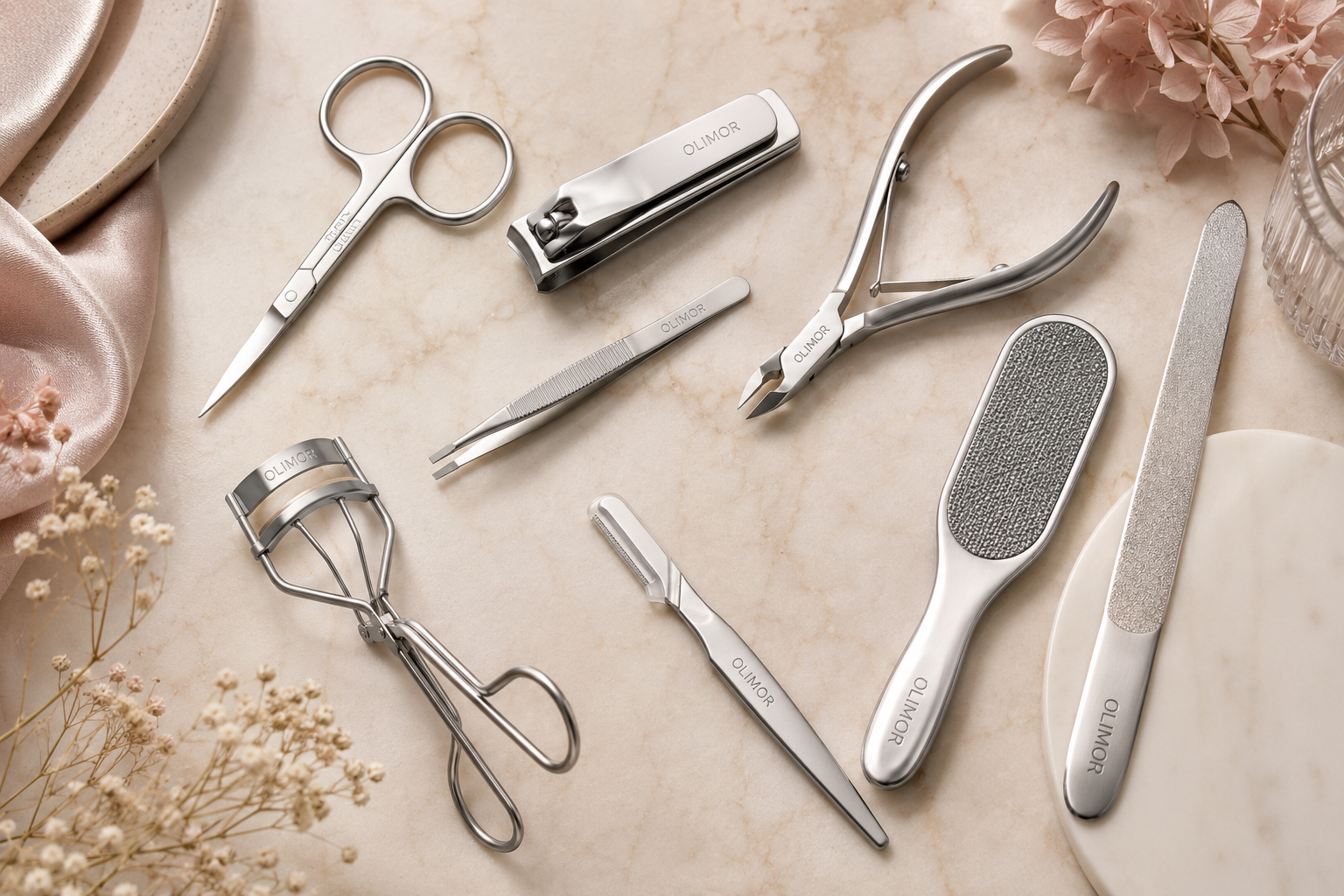
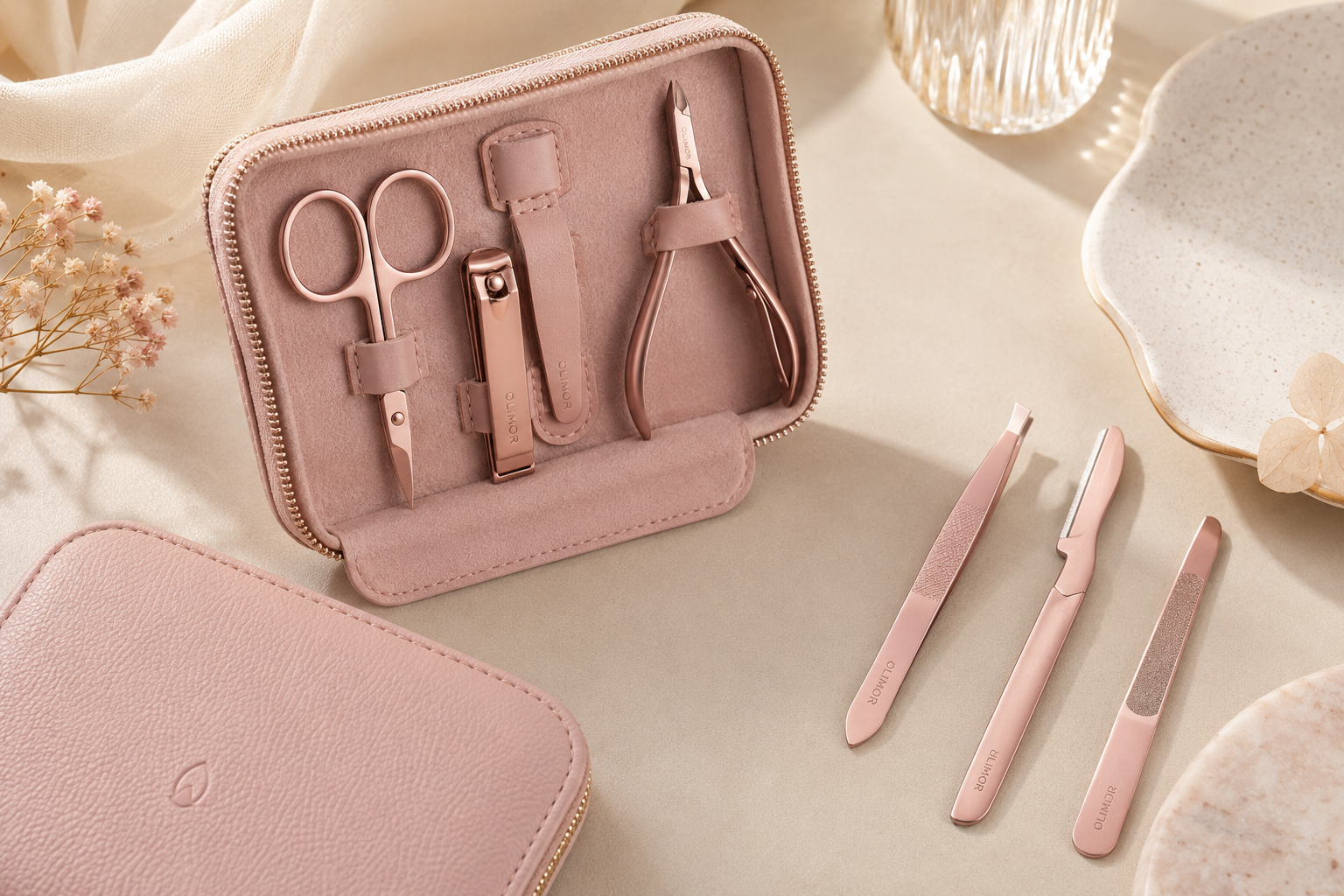
For salons comparing different beauty instruments, Olimor’s broader beauty tool products can be reviewed alongside lash tools to build a more complete professional setup.
Selection Criteria for Salon Buyers and Lash Artists
A polished appearance may help a tool look appropriate in a professional space, but performance should come first. Before purchasing tweezers for personal use, staff kits or bulk salon supply, evaluate practical details that affect daily work.
| Selection point | Why it matters | What to check before buying |
|---|---|---|
| Tip alignment | Aligned tips help with accurate pickup and isolation. | Check that the tweezer closes evenly and feels stable at the working point. |
| Grip and tension | Too much tension can fatigue the hand; too little can reduce control. | Test the pressure needed for your common lash techniques. |
| Hand comfort | Lash appointments can be lengthy, so ergonomics affect consistency. | Consider how the tool feels after repeated opening and closing motions. |
| Material and care | Salon tools require regular cleaning and careful storage. | Confirm the tool fits your hygiene process and can be dried and stored safely. |
| Bulk consistency | Multi-station salons need tools that feel reliable across sets. | Review inspection expectations, packaging needs and replacement planning. |
This table is also useful for distributors and purchasing managers. A salon that buys tools in bulk should not only look for availability; it should also consider whether the tools can be standardized across technicians. Consistency makes training easier and helps senior artists recommend the right tool for a specific technique.
How to Use Precision Tweezers More Effectively
Even a well-made tweezer performs best when used with controlled technique. Lash artists should avoid using excessive force, because over-squeezing can make delicate work harder and may cause hand strain. A light, consistent hold is usually more effective than a hard grip.
For classic work, position the tweezer so the tips meet the extension cleanly without twisting the lash. For volume and mega-volume work, test the pickup area before beginning a full set. Many artists have a preferred “sweet spot” along the tweezer tip where fans open cleanly and remain stable. Identifying that point can reduce dropped fans and repeated attempts.
It is also helpful to separate tweezers by task. For example, a salon may keep one tool dedicated to isolation and another for pickup. This reduces confusion during busy appointments and helps protect tools from unnecessary wear. If a tweezer is dropped, it should be checked before returning to service, because tip alignment can be affected even when damage is not obvious at first glance.
Cleaning, Storage and Maintenance in a Professional Setting
Maintenance is part of tool performance. Lash tweezers have fine tips, so they need careful handling before, during and after each appointment. Salons should follow hygiene procedures required in their location and use cleaning methods suitable for their tools and services.
- Remove visible residue promptly. Adhesive or product buildup can interfere with grip and precision.
- Clean according to salon protocol. Use approved procedures for professional beauty tools and avoid shortcuts between clients.
- Dry thoroughly before storage. Moisture left on tools may affect appearance and long-term condition.
- Protect the tips. Store tweezers where the fine ends cannot be crushed, bent or knocked against other tools.
- Inspect regularly. Check alignment, closing action and surface condition as part of station setup.
A good maintenance routine also supports inventory planning. If several artists use the same supplies, label storage areas clearly and remove questionable tools from active use until they can be inspected. This avoids service interruptions and helps keep client appointments consistent.
Bulk Sourcing Questions for Salons, Distributors and Training Programs
When buying eyelash extension tweezers in quantity, the decision is different from purchasing a single personal tool. A salon owner, distributor or educator needs to think about repeat orders, packaging, inspection and how the tools will be used by different technicians.
Useful purchasing questions include: Will the tweezers be used by experienced lash artists, beginners or both? Are they intended for classic, volume, mega-volume or mixed services? Will each artist receive a dedicated set, or will tools be organized by treatment room? Does the packaging need to support resale, kit assembly or internal salon storage? How will the receiving team inspect tip alignment and finish before the tools enter service?
Olimor Beauty states a focus on quality assurance through production, from raw materials to final packaging. For buyers, that means the conversation should include practical details such as inspection standards, packing preferences and intended use cases. To discuss sourcing needs or clarify options for salon supply, buyers can send an inquiry or contact Olimor directly.
Building a More Reliable Lash Tool Kit
Gradient Ombre Precision Tweezers can be part of a focused lash kit for professionals who want controlled handling for extension services. The right kit should not be oversized; it should be organized around the actual services offered. A lash artist may need precision tweezers, isolation tools, safe storage, cleaning supplies and other approved salon essentials. A buyer assembling kits for multiple technicians should prioritize consistency and replacement planning over unnecessary variety.
For salons expanding beyond lash tools, Olimor’s product collections can help buyers review related beauty-tool categories in one place. This is especially useful for salons, beauty schools and distributors that want a coordinated purchasing process rather than ordering each item separately.
Ultimately, eyelash extension tweezers should help the artist work with steadiness and confidence. By evaluating tip alignment, hand feel, maintenance needs and bulk purchasing requirements, salons can choose tools that support precise application without relying on vague marketing claims. For lash professionals offering classic, volume or mega-volume services, the right tweezer is a practical investment in smoother appointments and more consistent technique.