











Eyelash Curler Wholesalers: A Practical Guide for B2B Beauty Buyers
Eyelash curlers are small tools, but they carry a large responsibility in a beauty business. A poorly made curler can pinch, pull, bend out of shape or create inconsistent results. A well-selected curler, on the other hand, can support retail sales, salon services, beauty training kits and promotional sets without creating unnecessary complaints. For salons, beauty retailers, distributors and private-label buyers, choosing the right eyelash curler wholesaler is not simply about finding a low unit price. It is about matching tool quality, packaging expectations, delivery reliability and after-sales communication to the needs of your customers.
This guide explains how B2B buyers can evaluate eyelash curler wholesalers more carefully. It focuses on practical selection criteria rather than broad promises, so purchasing teams can make better decisions before placing a wholesale order.
Why Eyelash Curlers Remain Important in B2B Beauty Supplies
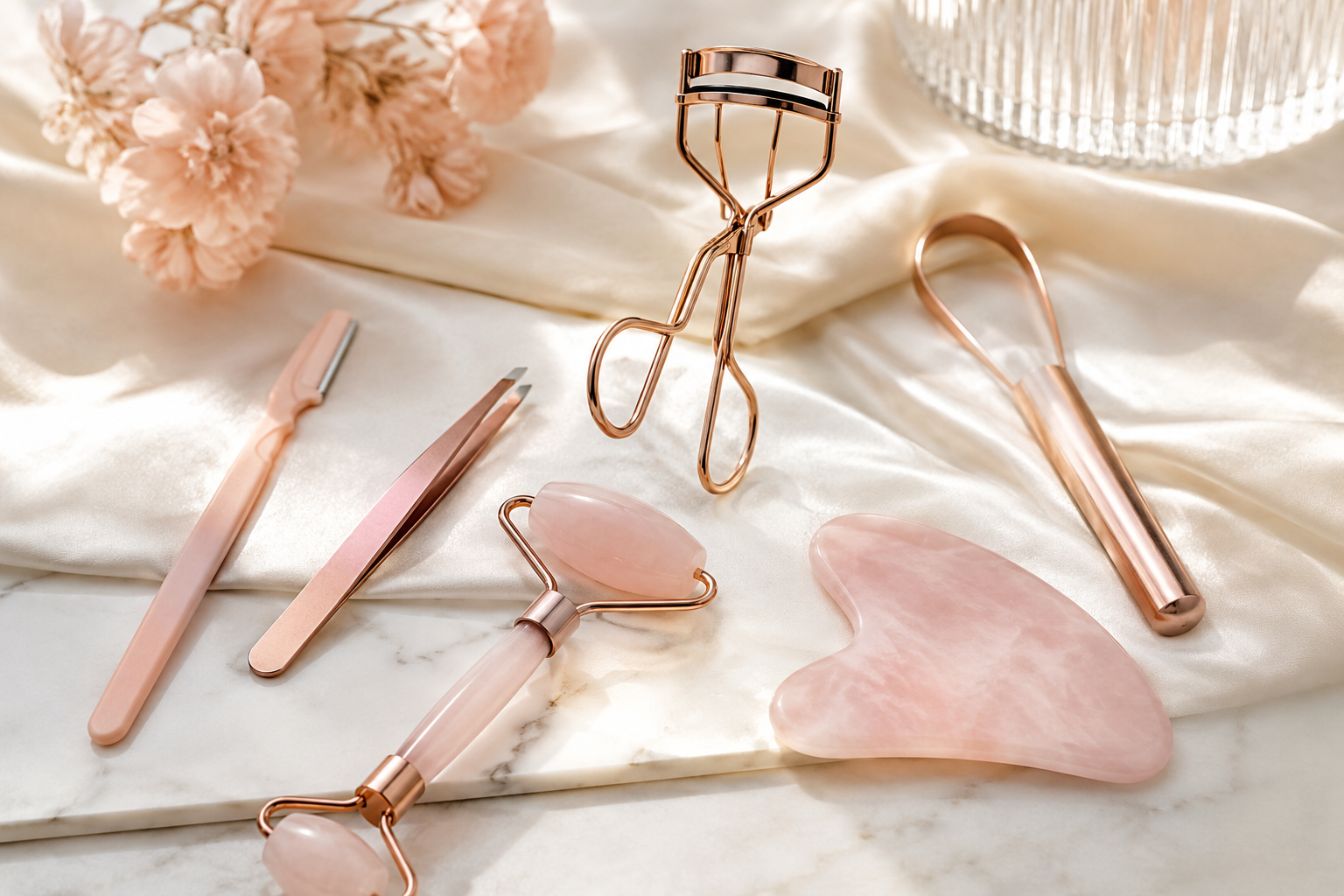
In the beauty supply chain, eyelash curlers sit in a useful category: affordable enough for volume purchasing, practical enough for daily use and familiar enough for both professional and personal customers. They can be sold as individual retail items, included in makeup starter kits, supplied to salons or combined with other beauty tool products for seasonal promotions.
For wholesalers and distributors, this makes the category attractive. Eyelash curlers do not require complicated consumer education, but buyers still notice quality differences quickly. The hinge tension, curve shape, pad softness and handle comfort all influence whether the tool feels safe and effective. A retailer may receive repeat purchases when the curler performs well, while a salon may rely on consistent tool feel during makeup applications.
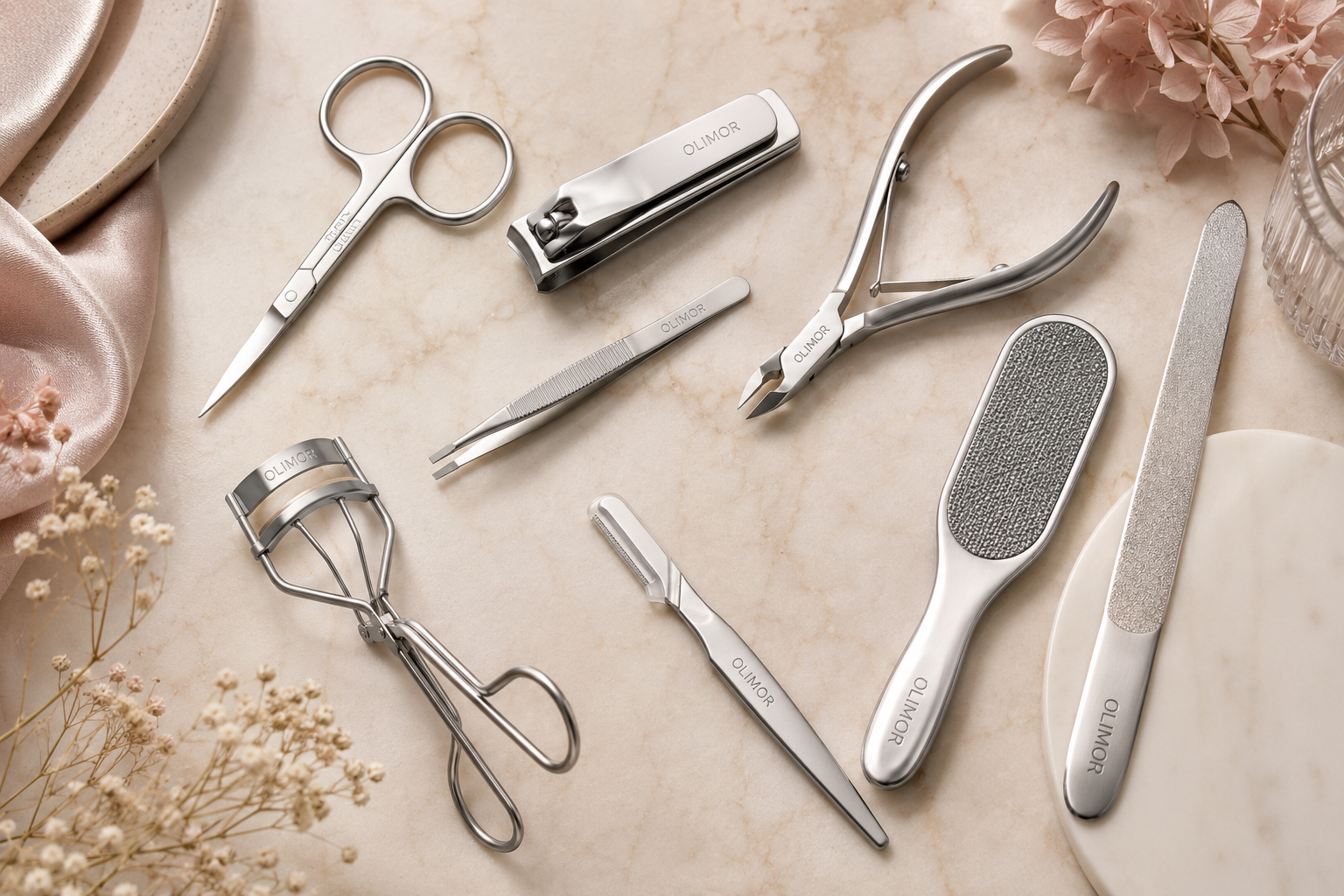
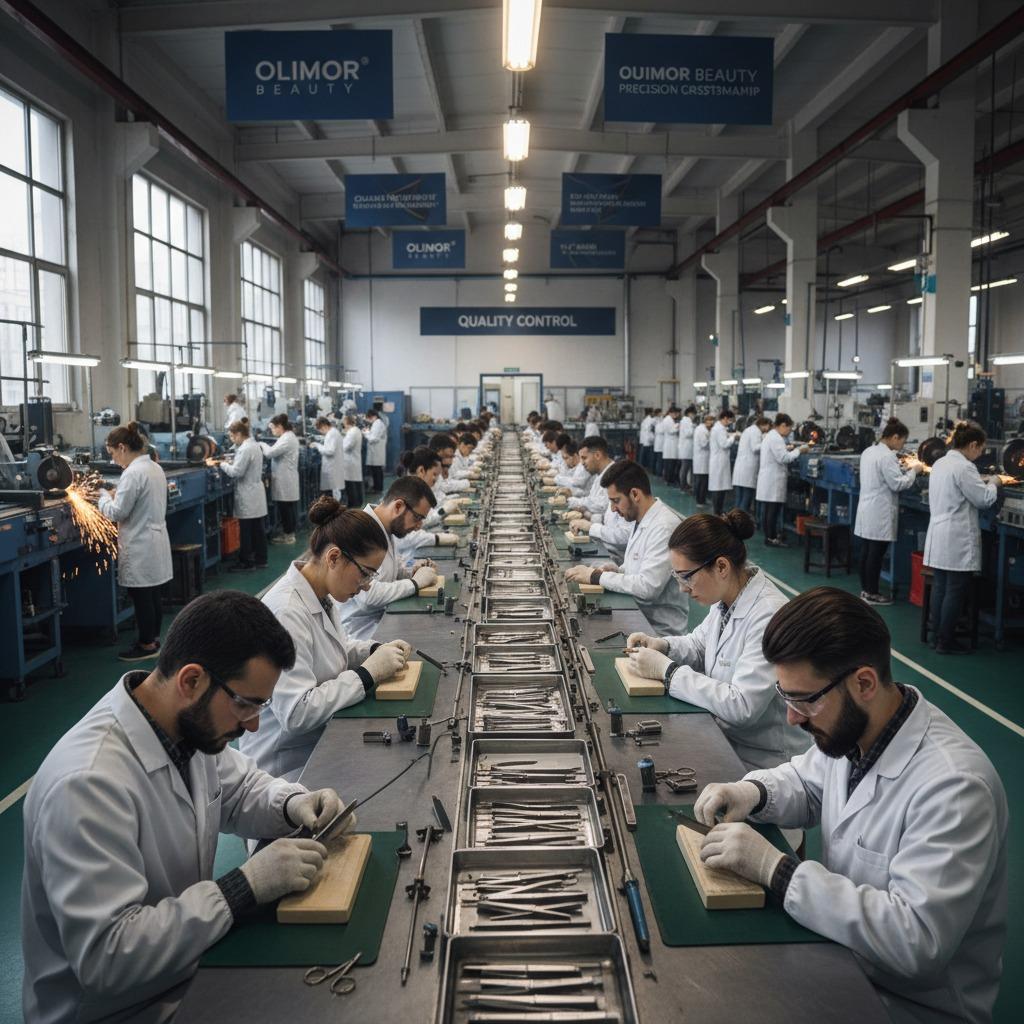
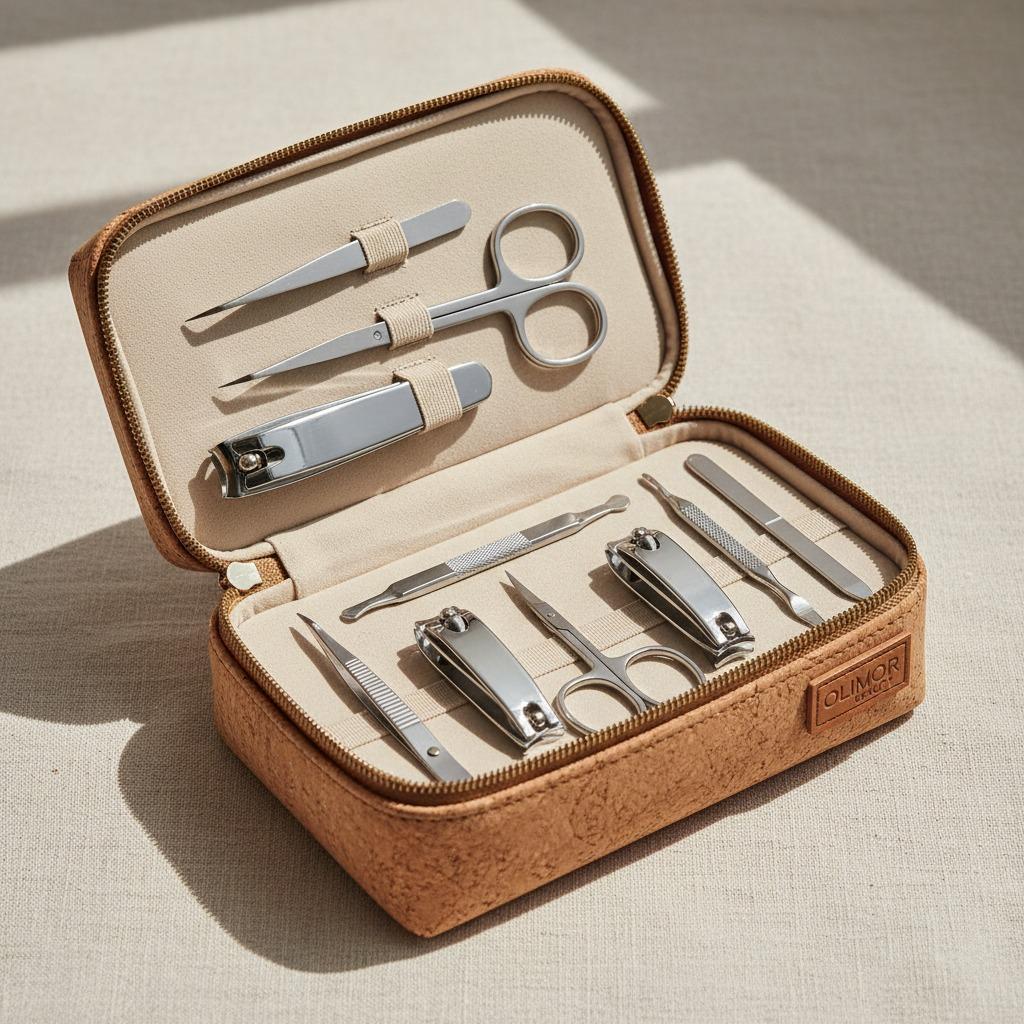
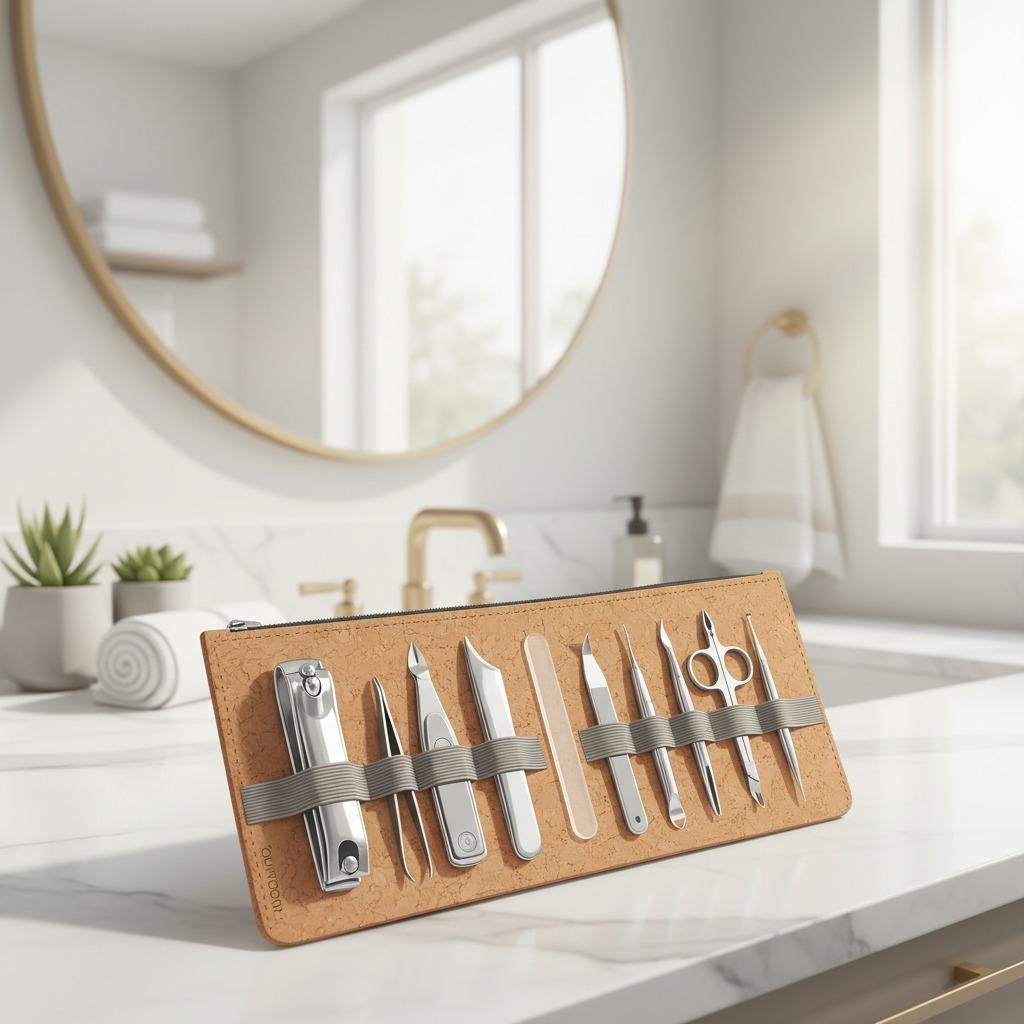
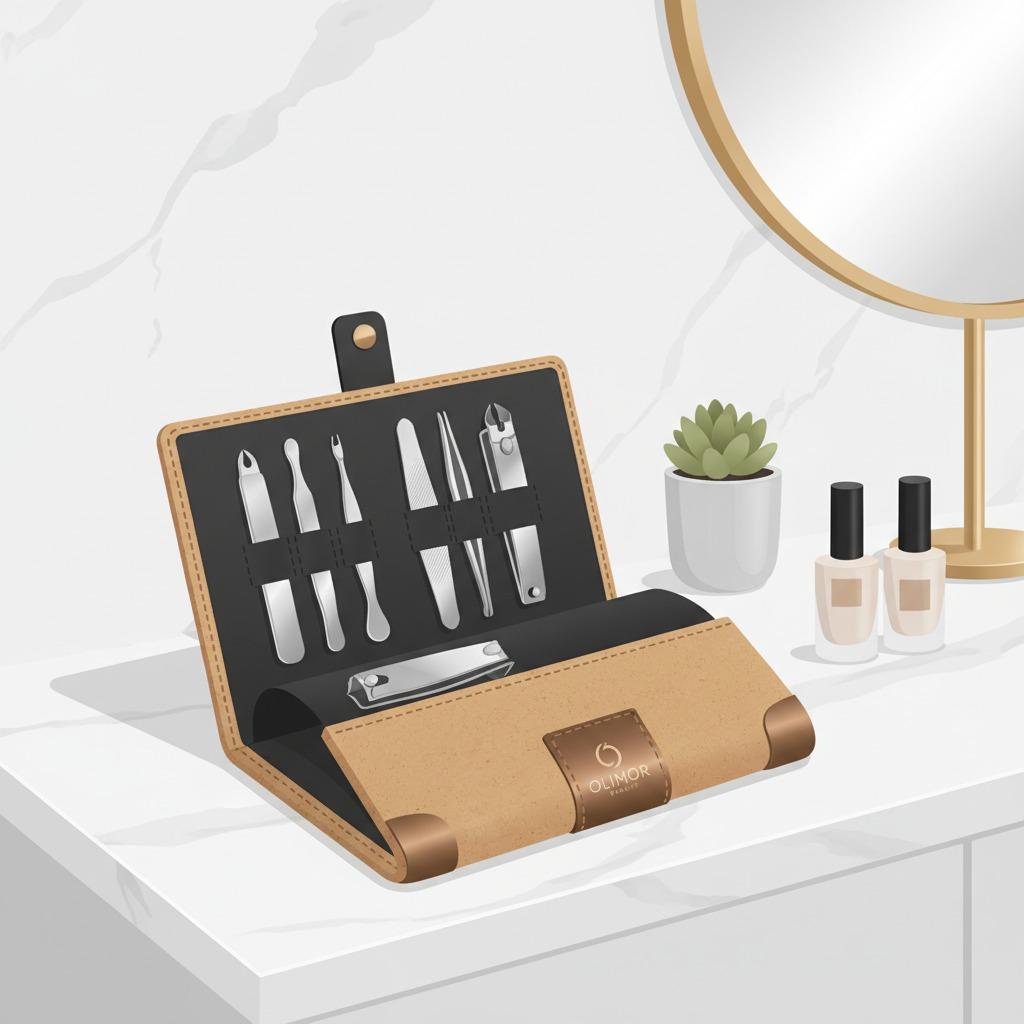
Olimor Beauty works within the B2B beauty supplies sector with stainless steel beauty tools and quality checks across production and packaging. For buyers reviewing beauty tool products, eyelash curlers should be evaluated with the same attention given to tweezers, manicure tools and other precision items.
What to Check Before Choosing an Eyelash Curler Wholesaler
A wholesaler should be able to support more than a one-time transaction. Before purchasing, buyers should look at how the supplier handles product consistency, communication, packaging and batch-to-batch expectations. The goal is to reduce surprises after the goods arrive.
- Material and finish: Stainless steel is commonly valued in beauty tools for durability and clean appearance. Check that the surface is smooth, with no rough edges near the frame, handles or clamp area.
- Frame alignment: The upper and lower parts of the curler should meet evenly. Misalignment can create uneven pressure on the lashes and a higher risk of pinching.
- Pad fit and softness: The silicone or rubber pad should sit securely in the groove. It should feel cushioned but not so soft that it collapses under normal pressure.
- Spring and hinge movement: The opening and closing action should feel controlled. A loose hinge may feel unstable; an overly stiff one may be uncomfortable for repeated use.
- Ergonomic handling: The finger loops and handle shape should suit steady control, especially for makeup artists or salon staff who use tools often.
- Packaging suitability: Retail buyers may need shelf-ready packaging, while salon buyers may prefer simple protective packaging. The packaging must protect the tool during shipping.
- Inspection process: Reliable B2B supply depends on checks before final packing, not only after customer complaints occur.
These points help buyers compare suppliers without relying only on photos or catalog descriptions. A low-cost eyelash curler that bends easily, scratches quickly or feels uncomfortable can become more expensive in the long term through returns, lost trust and unsold inventory.
How Different Buyers Use Wholesale Eyelash Curlers
Not every B2B buyer has the same sourcing goal. A salon owner, an online beauty retailer and a regional distributor may all search for eyelash curler wholesalers, but their priorities can differ. Understanding the use case helps narrow the selection.
Salons and makeup studios usually focus on comfort, hygiene-friendly materials and stable performance. Their tools are handled repeatedly by professionals, so durability and easy cleaning matter. A curler used in a service environment should feel predictable in the hand and should not have sharp edges or unstable movement.
Retail stores and e-commerce sellers care about product appearance, packaging quality and customer reviews. The curler must arrive in good condition, photograph well and be simple for customers to understand. Packaging also matters because it shapes first impressions and can reduce damage during fulfillment.
Distributors and wholesale resellers need a balance of consistency, repeat availability and product range. They may supply many small businesses, so a dependable base item is often more valuable than a novelty design that cannot be restocked easily.
Beauty training schools and starter-kit buyers often need practical tools that students can learn with safely. They may prioritize simple operation, secure pads and durable construction over decorative features.
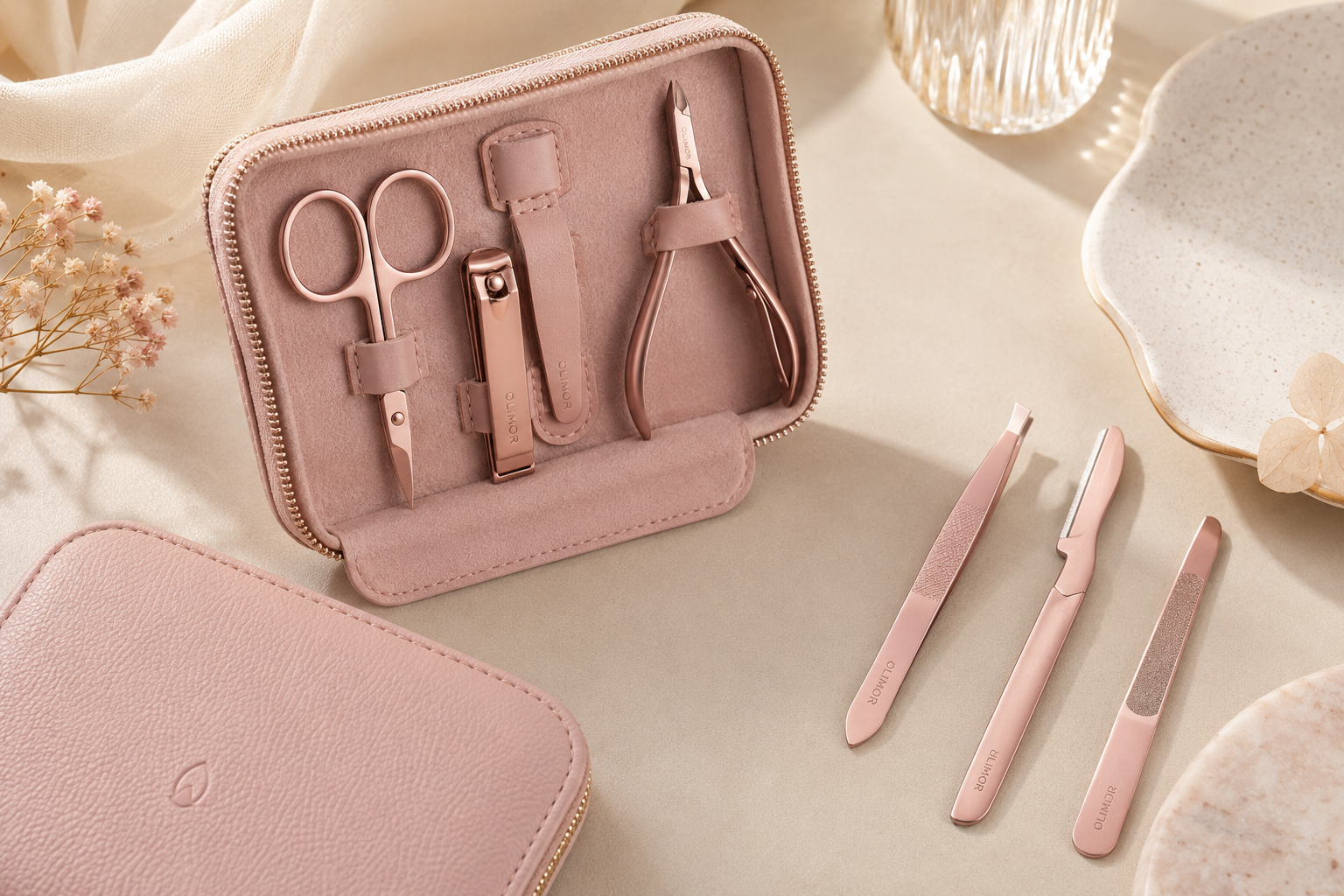
Olimor's product collections can help buyers compare beauty tools by category and consider how eyelash curlers fit into a broader sourcing plan.
Quality Details That Affect Customer Satisfaction
Small construction details are important because eyelash curlers are used near the eye area. B2B buyers should examine samples with the same care that end users will apply after purchase. The first test is visual: the frame should appear symmetrical, with a clean finish and no visible burrs. The second test is functional: the tool should open and close smoothly several times without wobbling, scraping or sticking.
The curl pad deserves particular attention. If the pad is too hard, it may create a sharp bend rather than a smooth curl. If it is too soft, it may compress too much and reduce curling effect. The pad should be seated properly and should not slip out during normal use. Buyers should also review whether replacement pads are included or available, depending on the target market and packaging plan.
Another important factor is the curve of the curler frame. Eye shapes vary, and no single tool fits every person perfectly. However, the curve should be designed to reach the lashes without forcing the user to press the tool awkwardly against the eyelid. For professional use, a comfortable general-purpose curve can be more practical than an extreme shape aimed at a narrow user group.
Finally, review the consistency between multiple samples. A single good sample is helpful, but wholesale purchasing depends on repeatability. If samples from the same supplier vary noticeably in hinge tightness, pad fit or frame alignment, the order may require clearer quality expectations before production.
Questions to Clarify Before Sending a Wholesale Inquiry
A strong inquiry saves time for both buyer and supplier. Instead of asking only for the lowest price, provide enough context for the supplier to recommend the most suitable option. Buyers can prepare the following information before they send an inquiry:
- Target sales channel: salon use, retail shelves, e-commerce, distributor resale, beauty school kits or promotional sets.
- Expected packaging type: simple protective packaging, retail card, box packaging or another format suitable for your market.
- Order planning: whether the purchase is for market testing, regular replenishment or a larger distribution program.
- Branding needs: whether neutral packaging is acceptable or whether customized presentation may be needed.
- Tool priorities: durability, ergonomic grip, pad softness, premium appearance, compact design or value positioning.
- Inspection expectations: any important checks for alignment, surface finish, pad security and packaging condition.
Clear information helps avoid mismatched quotations. For example, a buyer sourcing for a high-traffic retail chain may need different packaging and inspection requirements from a salon purchasing practical tools for internal service use.
Comparing Wholesalers Beyond Price
Price is important, but it should be considered alongside risk. A cheaper curler may not be the best choice if it results in inconsistent quality, unattractive packaging or delays that affect your sales calendar. B2B buyers should compare wholesalers by total value: product reliability, communication clarity, packaging protection and the ability to support repeat orders.
A useful approach is to create a simple comparison sheet. Include each supplier's sample performance, material description, finish quality, packaging options, response time and readiness to discuss inspection requirements. This makes the decision more objective and helps purchasing teams avoid selecting only the lowest initial quote.
It is also wise to consider whether the supplier understands beauty tool categories broadly. Salon equipment suppliers that work with precision tools often pay closer attention to surface finish, hand feel and product safety details. These details may not be obvious in a product listing, but they matter after the tool reaches customers.
Storage, Handling and Maintenance Guidance for Buyers
Wholesale buyers can reduce complaints by giving end users basic care guidance. Eyelash curlers should be kept clean and dry, especially when used around makeup products. Pads should be checked regularly and replaced when they show cuts, flattening or loss of elasticity. Users should avoid pressing too hard, because excessive force can damage lashes and shorten pad life.
For salons, tools should be cleaned according to their hygiene procedures between clients and stored where the frame will not be bent or scratched. Retailers can benefit from including simple care instructions on packaging or product pages, because customers often blame the tool when the issue is actually worn pads, poor cleaning or excessive pressure.
During warehouse storage, cartons should be protected from crushing and moisture. Even a durable metal beauty tool can arrive with damaged retail packaging if storage and shipping are not handled carefully. Buyers should therefore treat packaging protection as part of product quality, not as a separate concern.
Building a Better B2B Beauty Tool Supply Plan
Eyelash curlers are a practical category for B2B beauty buyers, but they still require careful sourcing. The best wholesale decision combines product function, user comfort, consistent finishing and packaging that matches the sales channel. Buyers should test samples, compare construction details and communicate their intended use before confirming an order.
Olimor Beauty supports beauty businesses looking for reliable tools and sourcing communication. If you are comparing eyelash curler wholesalers or planning a broader beauty tool purchase, you can contact Olimor to discuss the right product direction for your market. A thoughtful selection process helps salons, retailers and distributors offer eyelash curlers that customers can use with confidence.