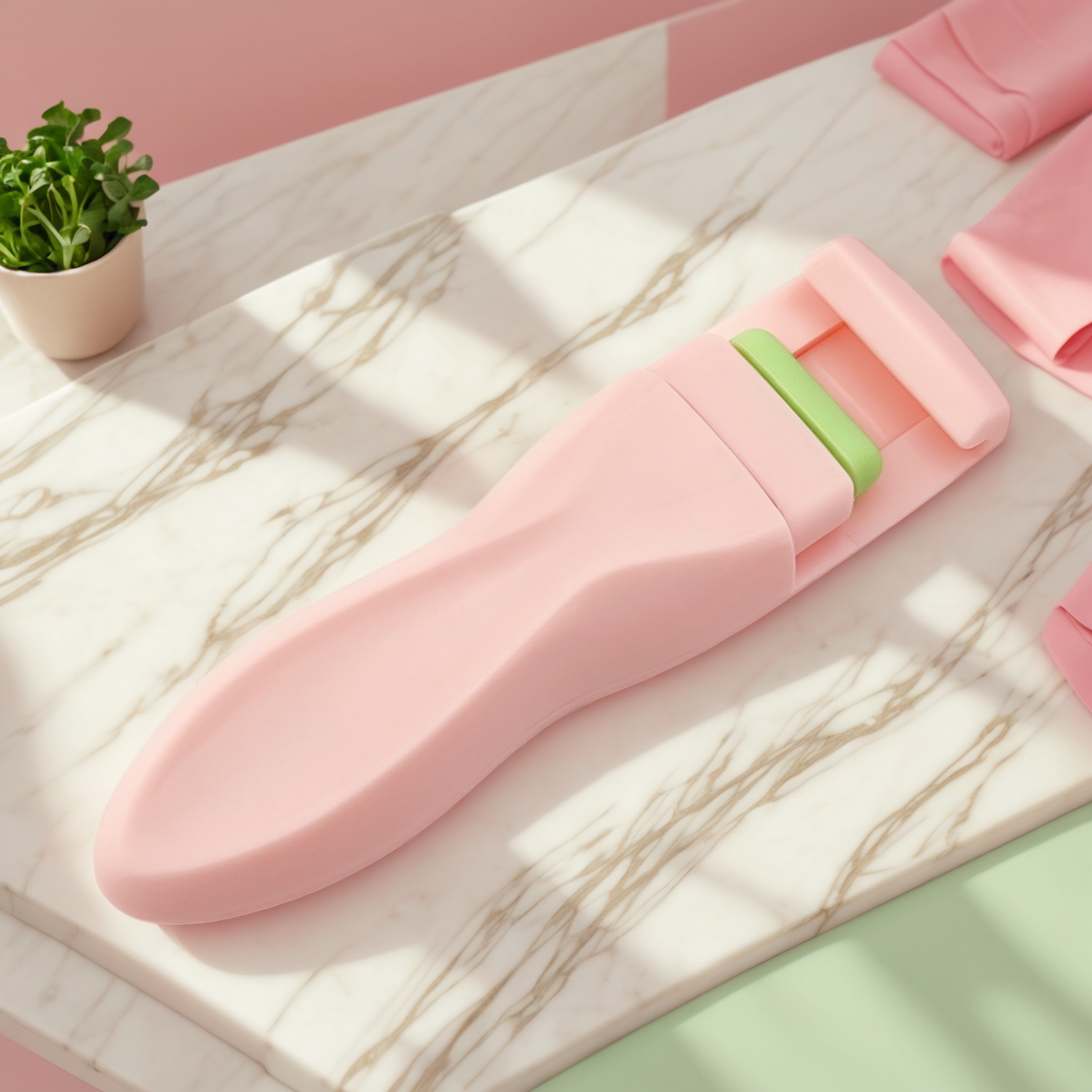
Eyelash Curler Wholesalers: How Beauty Businesses Can Buy Better Lash Tools
Eyelash curlers are small tools, but they can have a large effect on customer satisfaction. For a salon, beauty retailer, makeup studio, distributor or promotional buyer, the challenge is not simply finding a low unit price. The better question is whether the curler is comfortable to use, consistent from piece to piece, suitable for the target customer and reliable enough to represent your business.
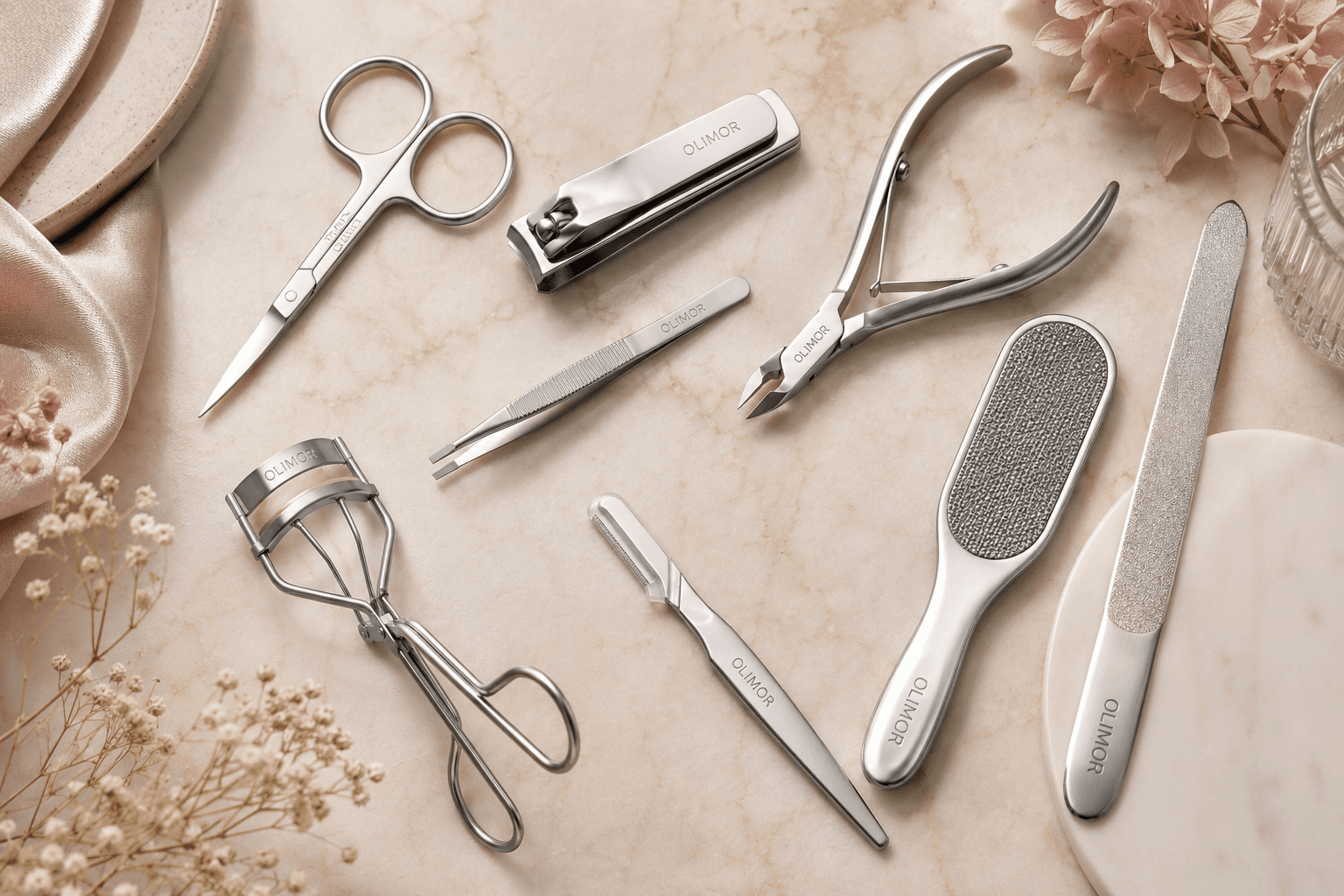
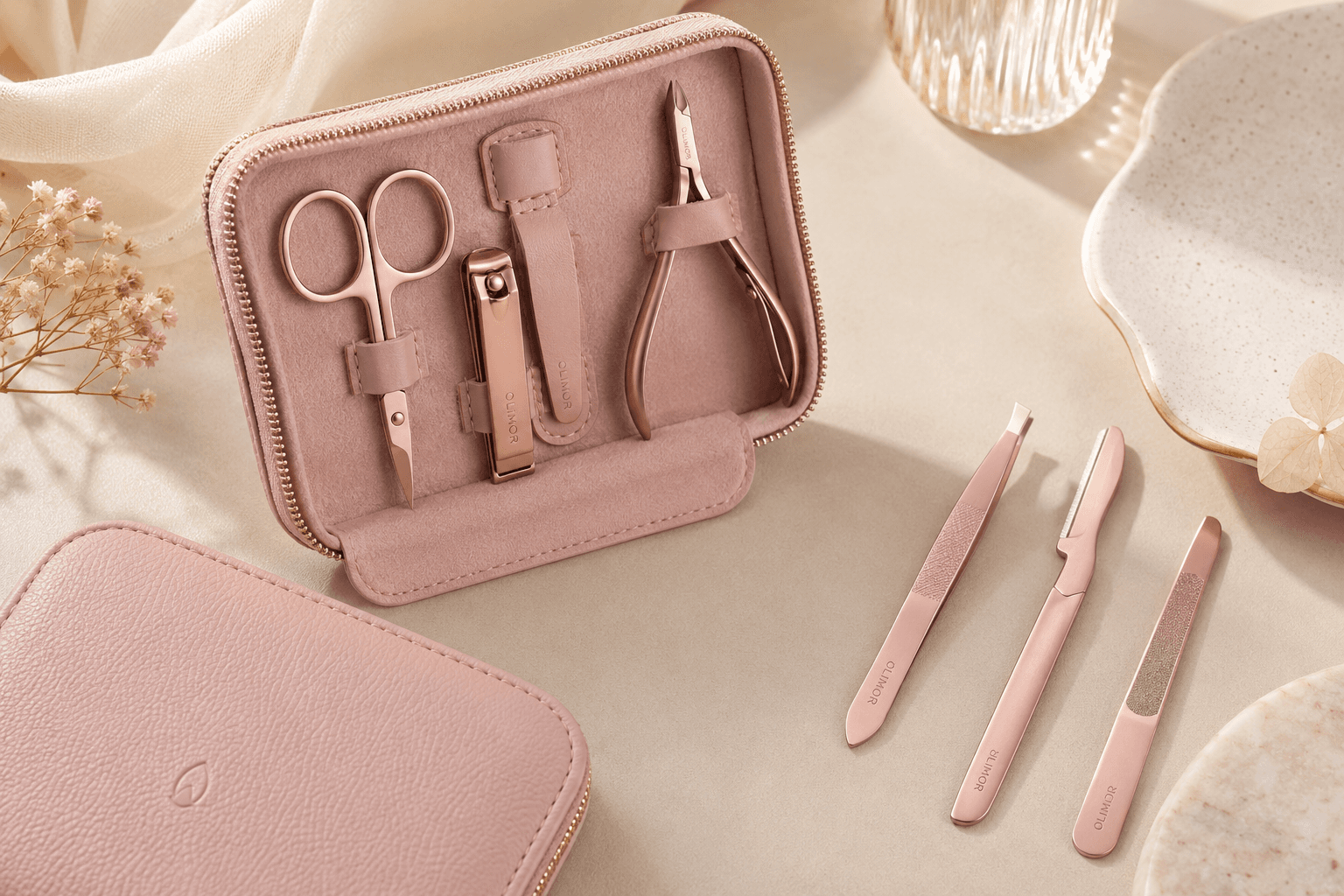
Working with eyelash curler wholesalers helps businesses source tools in practical quantities and align product choices with their sales channel. A makeup artist may prioritize hand comfort and control. A retail buyer may care more about packaging, appearance and clear consumer instructions. A distributor may compare repeat supply, assortment planning and inspection standards. Olimor Beauty supplies beauty tools for B2B buyers, including stainless steel tools with ergonomic design considerations, making wholesale selection more structured for professional and retail needs.
Why wholesale eyelash curlers still matter in B2B beauty supplies
The lash category changes quickly, especially with the popularity of lash lifts, false lashes and eyelash extensions. Even so, the traditional eyelash curler remains a widely understood tool because it provides an immediate visual effect without requiring a complicated service. For many shoppers, it is an entry-level beauty tool. For professionals, it is a fast way to open the eye area before mascara or makeup application.
In B2B beauty supplies, eyelash curlers are useful because they can fit several business models. They can be sold as individual retail products, included in starter makeup kits, offered as salon counter items or bundled with other eye makeup tools. Compared with trend-based cosmetics, a well-made curler is less dependent on seasonal shades or formulas. That makes it a practical item for replenishment and assortment planning.
Wholesale buying also supports consistency. When a business purchases from random small lots, the customer experience can vary. Handle resistance, pad firmness, hinge movement and finish quality may differ between batches. A more disciplined wholesale approach allows buyers to review samples, document expectations and repeat an accepted standard for future orders.
Key quality details buyers should compare
Not every eyelash curler is suitable for every market. A tool used by a professional makeup artist all day has different demands from a budget retail accessory. Before selecting a wholesale eyelash curler, buyers should evaluate how the tool feels in the hand and how consistently it performs.
- Material and surface finish: Stainless steel tools are valued in beauty-tool sourcing because they can feel sturdy and are suitable for repeated handling. Buyers should check for smooth edges, even plating or finish, and no sharp burrs near the lash area.
- Hinge and spring movement: The curler should open and close smoothly without wobbling. Uneven movement can make the tool harder to control and may reduce user confidence.
- Pad fit and firmness: The silicone or rubber pad should sit securely in the channel. A pad that is too hard may feel uncomfortable, while one that is too soft may not deliver a clean curl.
- Frame curve: Eye shapes vary by market. A buyer serving a broad consumer base may need to compare frame curvature and opening width through real user trials.
- Grip comfort: Ergonomic design matters when tools are used repeatedly. Finger loops should feel stable and should not pinch during normal operation.
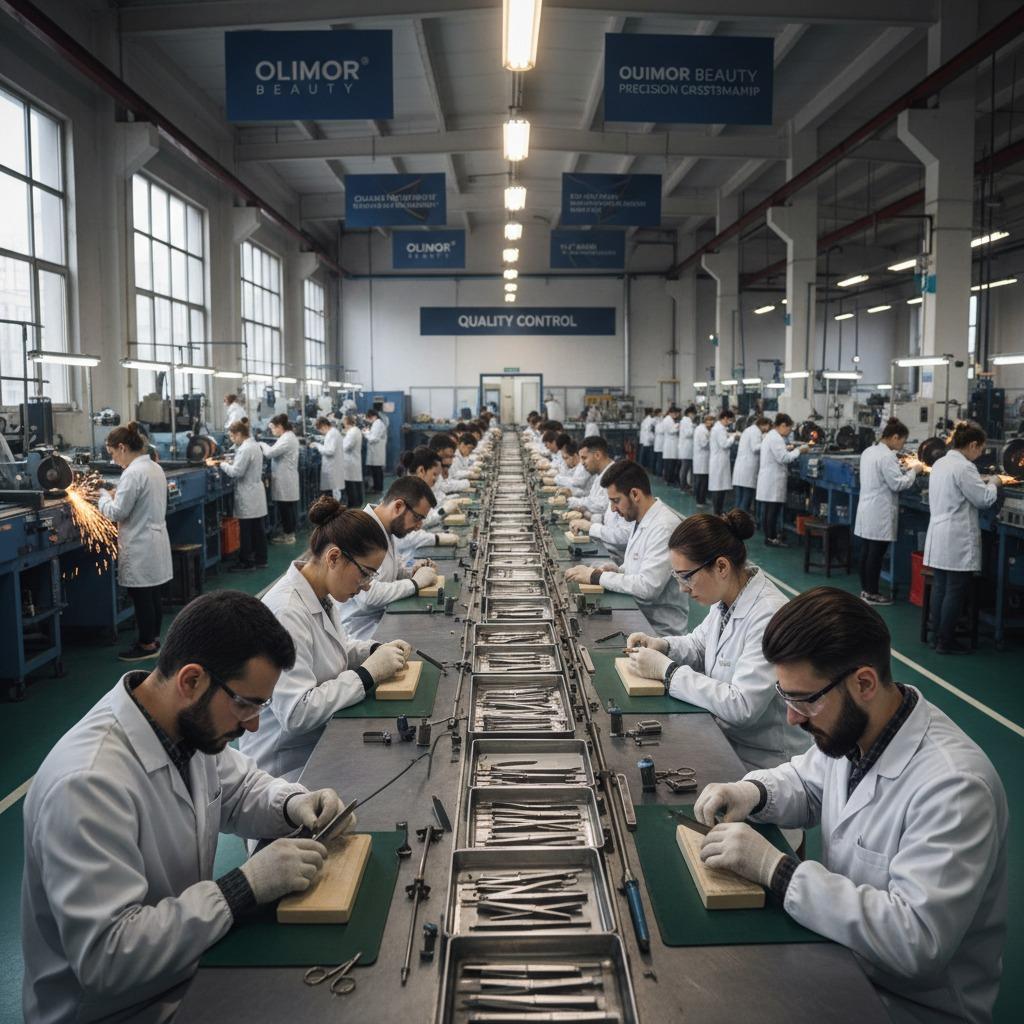
- Inspection consistency: For wholesale supply, quality assurance is not only about one good sample. Buyers should confirm that production lots are checked for function, finish and safe handling.
These criteria are especially important for businesses that sell under their own retail program or include curlers in professional kits. A poor tool can lead to returns, negative reviews or reduced trust in the full product range.
How eyelash curlers fit alongside extensions, lash lifts and makeup services
Eyelashes extensions are a major part of modern beauty services, but they do not replace every lash tool. In fact, the relationship between eyelash curlers and extensions should be handled carefully. Mechanical eyelash curlers are generally intended for natural lashes. Professionals should be cautious around extensions because pressure from a curler may affect the bond, shape or retention of applied lashes, depending on the service method and aftercare guidance.
For a salon or studio, this means eyelash curlers are best positioned as part of a broader lash and eye makeup toolkit rather than as a universal tool for all lash services. A curler can be used before mascara on natural lashes, before applying strip lashes in some makeup routines, or as a retail item for customers who do not wear extensions. For clients with extensions, the technician’s aftercare instructions should guide what tools are appropriate.
This distinction is useful for wholesale buyers because it affects product education. Retail packaging, sales descriptions and training notes should avoid overpromising. Clear language such as “for natural lashes” or “use according to professional lash-care guidance” can reduce misuse and support a better customer experience.
Wholesale sourcing checklist for salons, retailers and distributors
A strong buying decision combines product feel, business fit and supply practicality. The following checklist can help buyers compare eyelash curler wholesalers without relying only on price.
| Buying area | What to evaluate | Why it matters |
|---|---|---|
| Target user | Professional artist, salon retail customer, general consumer or distributor market | The ideal frame, grip and packaging may differ by channel |
| Sample testing | Comfort, curl result, hinge stability, pad placement and edge smoothness | Hands-on review finds issues that photos cannot show |
| Packaging needs | Retail display, kit packing, barcode space, instructions and replacement pad presentation | Packaging affects sell-through, storage and customer clarity |
| Quality control | Inspection process for appearance, function and safe handling | Consistency protects your brand and reduces complaints |
| Assortment planning | Whether the curler works with other eye tools, makeup accessories or lash products | A coordinated range is easier to sell than isolated items |
Buyers comparing options can also review Olimor’s broader beauty tool products to understand how eyelash curlers may fit with other tools in a B2B assortment. If your business is building a category rather than purchasing a single item, browsing product collections can help with range planning.
Questions to settle before placing a wholesale order
Before confirming a purchase, align the product decision with your sales strategy. A beauty retailer may need shelf-ready packaging and consumer-friendly instructions. A makeup school may need durable tools that can be used repeatedly during training. A distributor may need a straightforward product that is easy for different stores to understand.
- Who will use the curler? Define whether the main user is a professional, beginner, retailer shopper or kit recipient.
- What level of finish is expected? Decide whether the product should look premium, practical, minimal or promotional.
- How will the tool be explained? Prepare basic use and care guidance so customers know how to position the curler and replace pads when needed.
- What inspection points matter most? List the non-negotiables, such as smooth edges, secure pad fit and stable hinge movement.
- How does it fit the full assortment? Consider whether the curler will be sold alone, paired with tweezers, included in a makeup set or offered as a salon counter item.
If you need to compare sourcing options for a specific business channel, you can contact Olimor with your product direction, packaging requirements and target market. For order planning or sample discussion, you may also send an inquiry with the details your purchasing team already has prepared.
Care, handling and customer guidance that reduce returns
Even a good eyelash curler can disappoint customers if it is used incorrectly or poorly maintained. B2B buyers should think about after-sale clarity, especially for retail and beginner-friendly channels. Simple instructions can help users position the curler near the base of natural lashes without pulling, apply gentle pressure rather than force and avoid using the tool on irritated eyes.
Maintenance guidance is also important. Pads should be checked regularly and replaced when they become worn, cracked or loose. The tool should be kept clean, especially when used around mascara or makeup residue. For professional environments, hygiene procedures should follow the salon’s normal tool-care policy. For retail customers, packaging or inserts can recommend keeping the curler dry and storing it where the frame will not be bent or compressed.
Clear care advice protects the buyer as much as the end user. It lowers avoidable complaints and helps customers understand that eyelash curlers are precision beauty tools, not disposable metal accessories.
Choosing an eyelash curler wholesaler with a long-term view
The best wholesale eyelash curler for your business is the one that matches your users, sales channel and quality expectations. Olimor Beauty’s focus on practical beauty tools, including stainless steel construction and ergonomic design considerations, makes it relevant for B2B buyers who want more than a generic lash accessory.
When comparing eyelash curler wholesalers, look beyond the first sample photo. Test the feel, review the finish, consider the packaging, prepare customer guidance and confirm how the item will support your wider beauty-tool range. A thoughtful sourcing decision helps salons, retailers and distributors offer lash tools that customers can use confidently and purchase again through trusted channels.
Tag: