Eyelash Curler Wholesalers: Practical B2B Buying Guide for Salons and Beauty Retailers
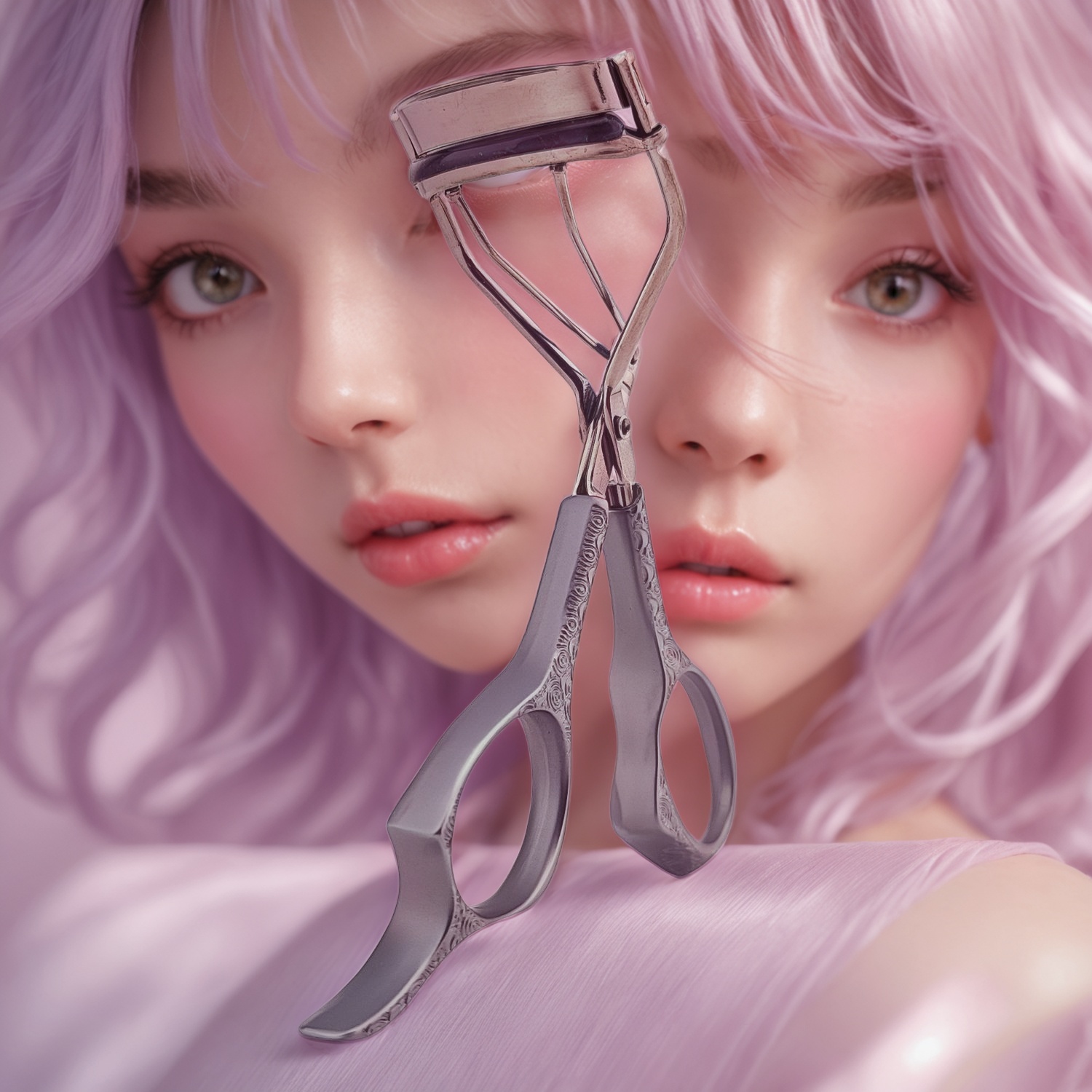
If you are sourcing eyelash curler wholesalers for salons, retailers, online shops, or distributor programs, the right decision is not based on unit price alone. A good wholesale eyelash curler should feel stable in the hand, open and close smoothly, fit the lash line without pinching, and arrive in packaging that supports resale. In B2B beauty supply, those details affect customer satisfaction, return rates, and reorder confidence.
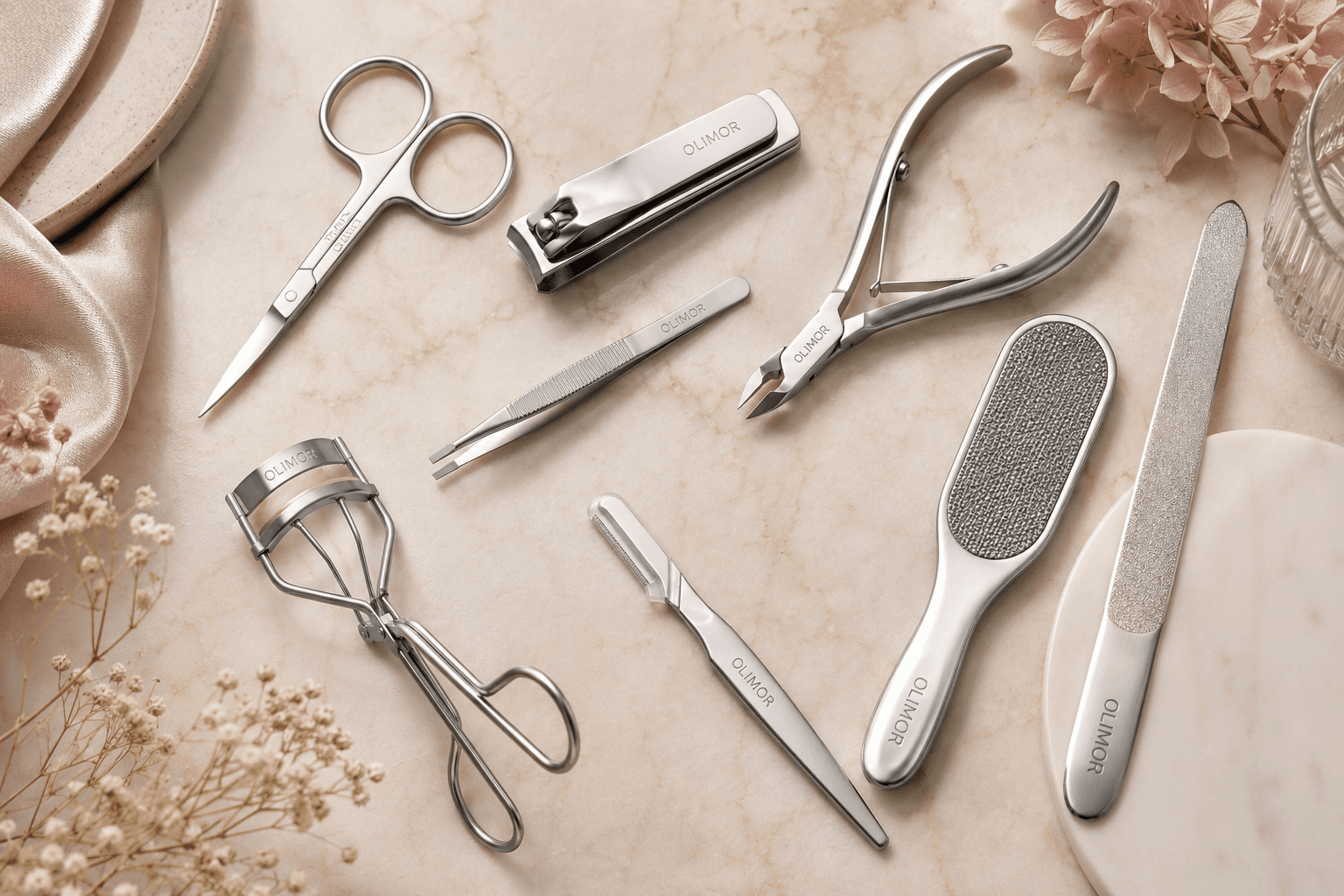
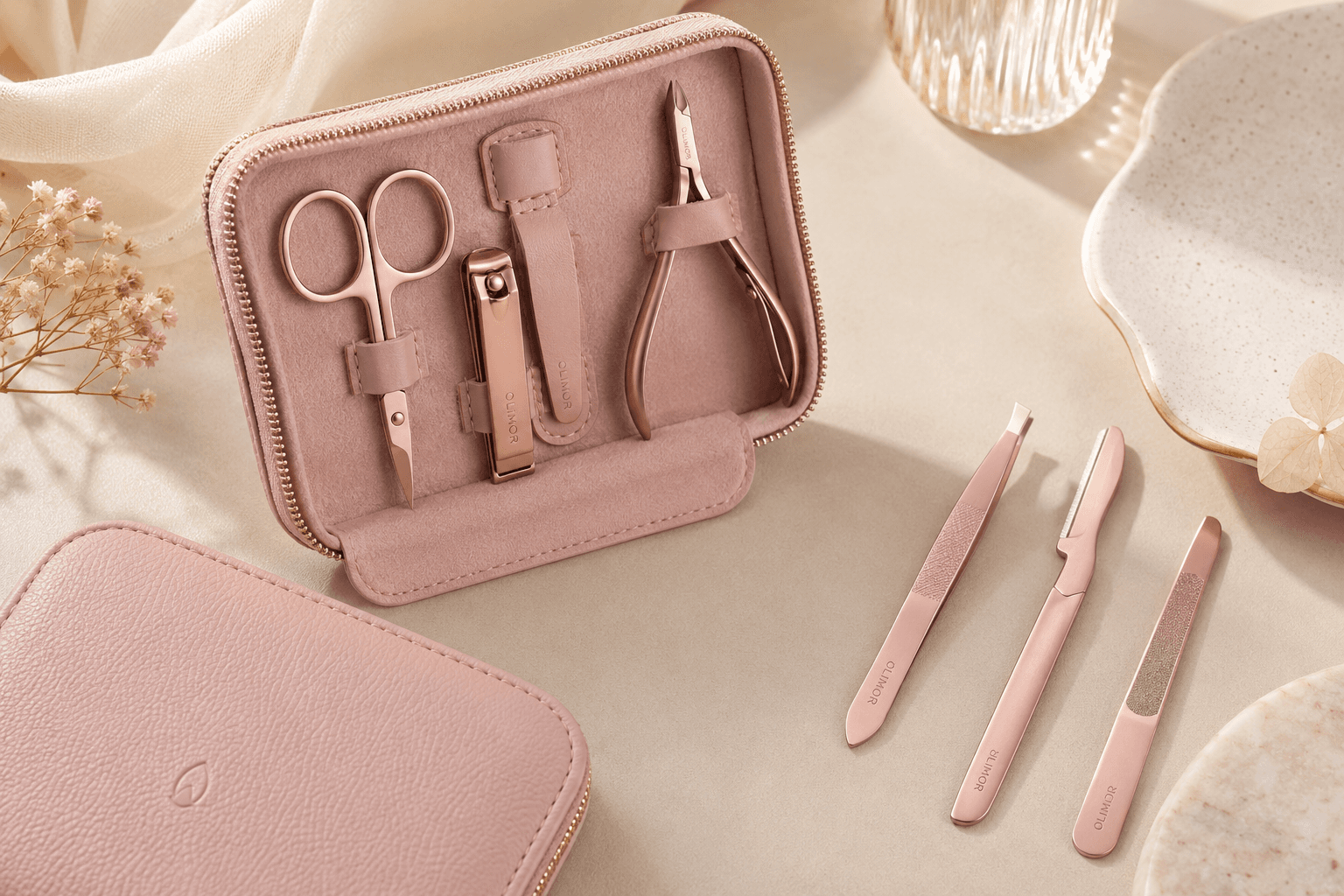
Olimor Beauty supplies beauty tools for business buyers, and its eyelash curler descriptions reference stainless steel construction, ergonomic handles, and a silicone pad designed for gentle lifting. Those are useful starting points, but a careful buying process should still include sample testing, packaging review, and channel-specific checks. If you are building a broader assortment, you can review the beauty tool products range or compare related collections before narrowing your order.
Why eyelash curlers deserve careful wholesale selection
Eyelash curlers are familiar items, but they are also used close to the eye area, so small design differences matter. A tool that looks acceptable in photos can still disappoint users if the hinge feels stiff, the handles are uncomfortable, the pad sits unevenly, or the curve does not suit the target audience. In retail, that can lead to weak sell-through. In salons, it can create handling issues during repeated use. In distribution, it can cause complaints across several downstream customers at once.
For that reason, B2B buyers should treat the curler as a functional beauty instrument rather than a simple add-on accessory. The best suppliers make it easier to order consistently, inspect clearly, and reorder with fewer surprises.
What to evaluate in a wholesale eyelash curler
When comparing eyelash curler wholesalers, focus on the features that influence real use. The following checks come directly from practical sourcing needs and the product details highlighted in the supplied material.
1. Frame material and finish
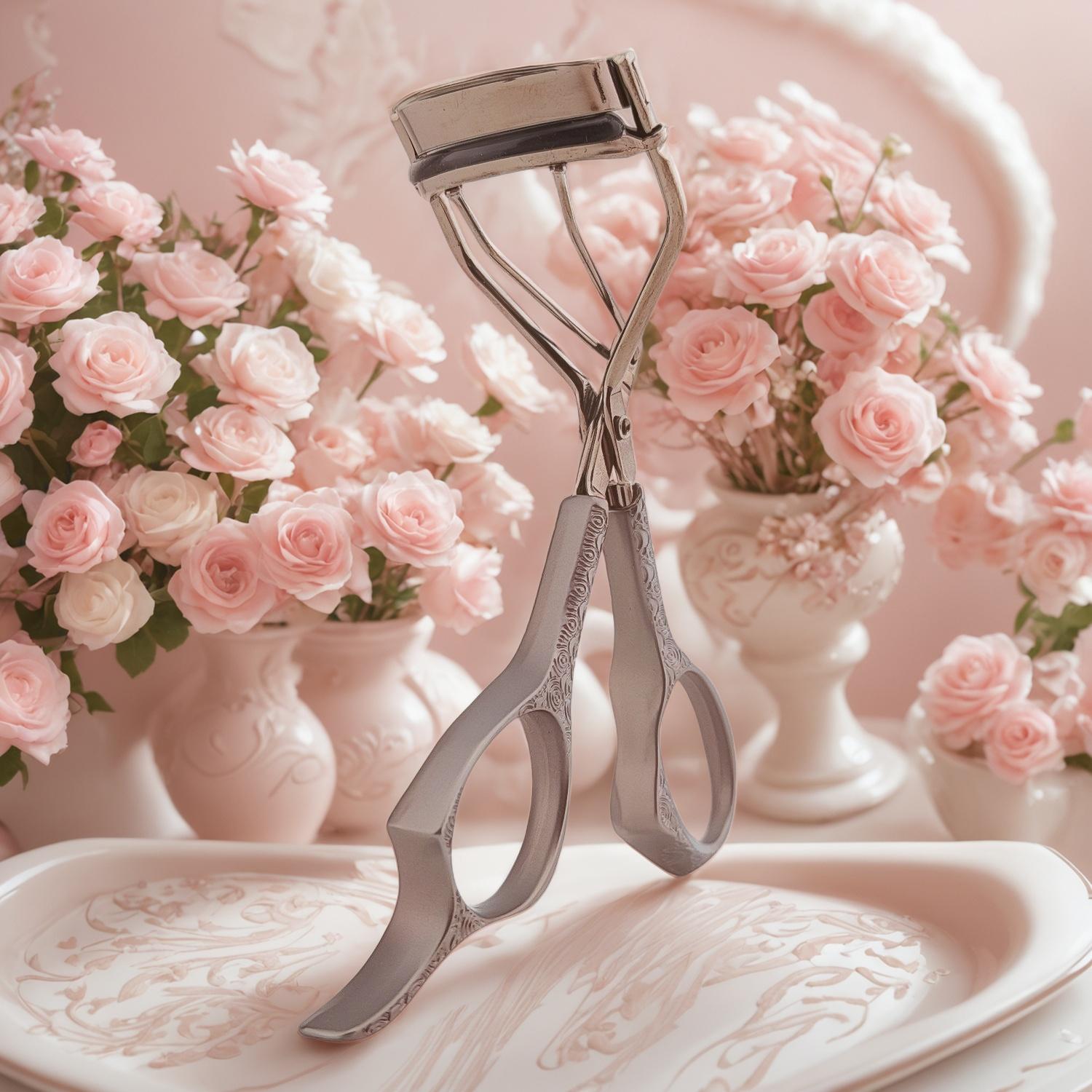
Stainless steel is a useful frame material for beauty tools because buyers value its strength and clean appearance. The practical question is not only whether the frame is stainless steel, but whether it feels stable, looks consistent, and has a smooth finish. Inspect for rough edges, scratches, discoloration, burrs, or any point that could feel uncomfortable near the eye area.
2. Handle comfort and ergonomics
Ergonomic handles matter for both everyday users and salon professionals. The tool should allow controlled pressure without forcing the wrist into an awkward angle. If the handles feel slippery, overly narrow, or difficult to grip, the user may squeeze too hard and create an uneven curl. A comfortable handle is one of the easiest ways to improve the perceived quality of the tool.
3. Hinge movement and pressure control
The hinge should open and close smoothly, with controlled resistance rather than wobble or stiffness. When closed, the upper bar and lower pad area should meet evenly so pressure is distributed across the lash line. Uneven alignment can lead to pinching, flat spots, or inconsistent results. This is one of the most important checks during sample review.
4. Silicone pad performance
A silicone pad should cushion the lashes and support a clean lift. It should sit securely in the channel and not shift during normal use. Buyers should check whether the pad looks even, feels resilient, and returns to shape after compression. If the pad sits poorly, the tool can feel harsh or unreliable even if the frame looks attractive.
5. Eye-shape suitability
One of the most overlooked buying questions is whether the curve suits the intended market. Some users prefer a wider curve, while others need a shape that reaches shorter or deeper-set lashes more comfortably. A curler for a broad retail audience should feel practical for more than one eye shape, not just look good in a product photo.
6. Packaging readiness
Packaging should protect the product in transit and make it understandable at a glance. Retail buyers may need display-friendly packaging. Online sellers need packaging that reduces movement and damage during parcel shipping. Salons may care more about clean presentation and easy storage. Always check label placement, protective fit, and whether the package supports your sales channel.
How to compare suppliers before placing a bulk order
The best wholesale decision usually comes from comparing several samples side by side. Test each curler in the same way: open and close the tool several times, inspect the contact points, feel the handle, and review the pad placement. A sample that looks acceptable at first glance may reveal issues when handled repeatedly.
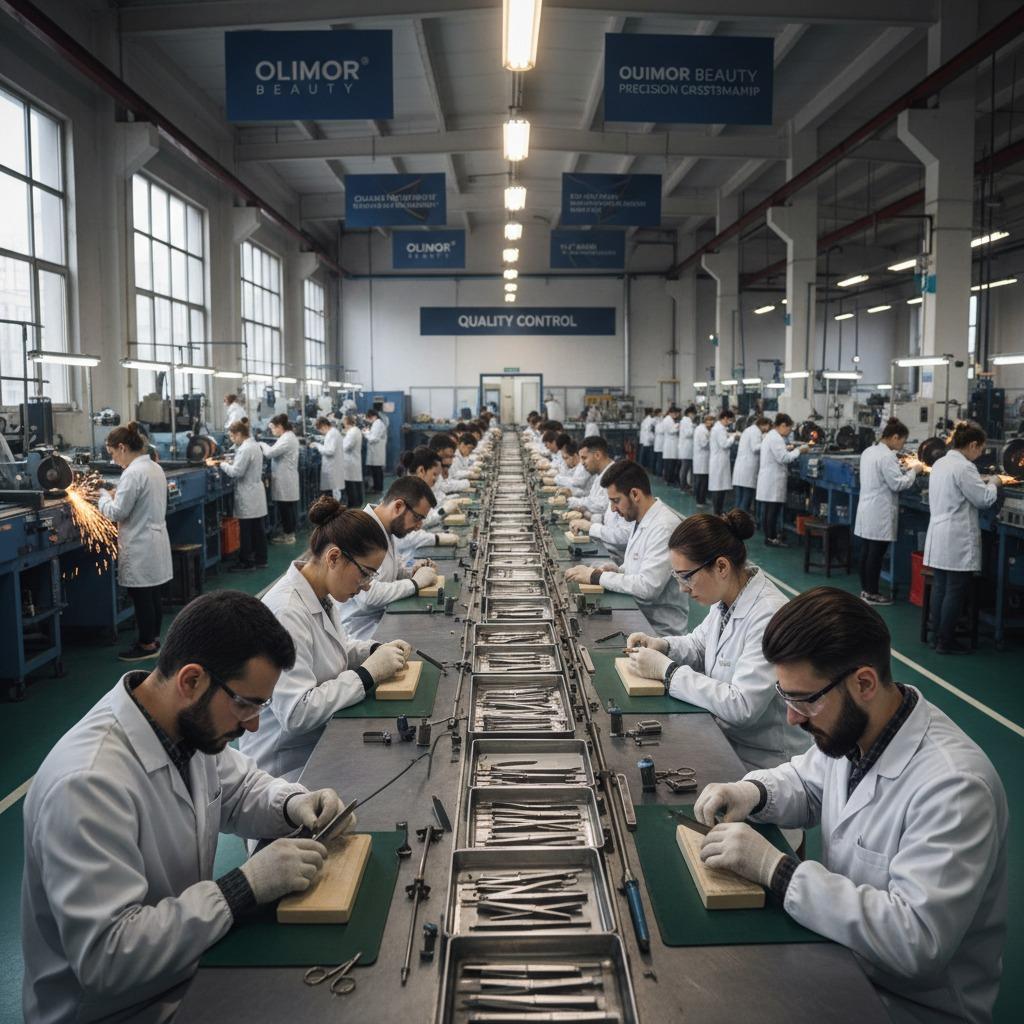
It also helps to ask for clarity on how the supplier manages inspection. The supplied material notes that Olimor emphasizes checks from raw materials to final packaging. That kind of process matters because it means quality is not only judged at the end of production. Problems are easier to catch when they are monitored earlier in the supply chain.
If your procurement team uses formal documentation, you can ask whether the supplier can share quality paperwork aligned with the current version of ISO 9001 practices or any applicable local consumer product rules. Buyers should verify the applicable version and confirm the actual documents offered for their market. Do not assume a certification unless it is specifically provided.
Buyer-type comparison: what matters most by channel
| Buyer type | Main priority | What to ask the supplier | Why it matters |
|---|---|---|---|
| Beauty retailer | Shelf appeal and clear presentation | Does the packaging show the product clearly and protect it well? | Retail success depends on quick understanding and low damage risk. |
| Salon supplier | Comfort during repeated use | How does the handle feel after several open-close tests? | Salon tools need stable handling and practical day-to-day comfort. |
| Online seller | Shipping protection and fewer complaints | Will the packaging keep the curler steady during parcel delivery? | Damage or loose packing can lead to poor reviews and returns. |
| Distributor | Batch consistency and reorder confidence | How are sample quality, carton checks, and final packaging reviewed? | Consistency protects customer trust across larger supply programs. |
| Lash or makeup professional | Precise control and clean contact | Does the hinge feel smooth and does the pad meet evenly? | Professional use depends on predictable performance and easy handling. |
Quality control checklist for wholesale eyelash curlers
Use a repeatable checklist so sample approval and incoming inspection are based on observable details rather than general impressions.
| Inspection area | What to check | Why it matters |
|---|---|---|
| Metal frame | Smooth surface, stable shape, no sharp edges | Supports safe handling and a better customer impression |
| Hinge and action | Opens and closes smoothly without wobble | Improves control and reduces uneven pressure |
| Silicone pad | Even placement, secure fit, resilient feel | Helps lift lashes gently and consistently |
| Handle design | Comfortable grip and controlled pressure | Reduces fatigue and awkward hand positioning |
| Packaging | Clean presentation, correct labeling, product protection | Improves retail readiness and shipping safety |
| Batch consistency | Compare several pieces, not only one sample | Helps avoid surprises when the order scales up |
How eyelash curlers fit with lash extensions and other eye tools
Lash extensions have changed the category, but they have not replaced the need for eyelash curlers. In many beauty assortments, curlers sit alongside mascara, lash combs, tweezers, applicators, and brow tools. They are still useful for natural lashes, strip lashes, and everyday makeup routines.
That said, buyers should be careful with product wording around extensions. Traditional curlers are not automatically suitable for all extension sets, and use depends on the adhesive, lash type, and technician guidance. Do not overpromise results or suggest universal compatibility unless the product documentation supports it. The safest approach is to position the curler clearly as a tool for natural-lash styling and general makeup routines, while keeping extension-related guidance conservative and specific.
For merchandising, this means curlers can be grouped with other natural lash tools or placed near mascara and lash accessories. For salons, they can be offered as a retail add-on after services. For distributors, the key is to keep the category easy to understand so downstream buyers know exactly where the product fits.
Packaging, merchandising, and reorder planning
Packaging and merchandising influence whether a curler performs well in the market. A product that works well still needs to be easy to identify, display, and ship. Retailers may want visual packaging that highlights the curler shape. Online sellers may need better product photos that show the curve, the handle, and the pad area. Salons may prefer practical packaging that stores neatly in a treatment room or retail shelf.
When you compare eyelash curler wholesalers, ask whether the product can be supported with usage notes, care guidance, or replacement-pad planning if applicable. If you are preparing a larger assortment, it can help to keep related items in one sourcing plan rather than buying each piece separately. That makes it easier to check finish consistency across the category and keep your beauty tool range coherent.
For supplier communication, use clear questions and written notes. Record sample observations, packaging details, and any differences between sample and bulk production. This makes it easier to reorder without confusion.
Why buyers choose Olimor for beauty tool sourcing
Olimor focuses on beauty tools for B2B buyers who need dependable products for retail shelves, salon use, and assortment programs. The eyelash curler descriptions supplied for Olimor emphasize stainless steel construction, ergonomic handles, and silicone pad comfort. The broader product approach also points to inspection from raw materials through final packaging, which is useful for buyers who want a more structured sourcing process.
If you are evaluating a new lash-tool program, you can review the product range, compare related categories, and then move to supplier communication once your target use case is clear. For a direct next step, you can send an inquiry with your channel needs, or contact Olimor to discuss product fit, packaging, and review questions.
FAQ
Can I request samples before placing a bulk order?
Yes, sample review is one of the most useful steps in wholesale sourcing. Test the hinge, pad, handle comfort, finish, and packaging before confirming a larger order.
What should I ask about MOQ?
Ask the supplier for the minimum order quantity that applies to your selected product, packaging style, and customization needs. MOQ can vary, so confirm it directly during inquiry.
Can eyelash curlers be customized for retail programs?
Customization may be possible depending on the supplier and the product. Ask about logo placement, packaging design, and any artwork requirements before finalizing your order.
How do I check quality before shipment?
Request the supplier’s inspection process, review sample pieces, and confirm what is checked at each stage, including raw materials, assembly, finishing, and final packaging.
What lead time should I expect?
Lead time depends on the product configuration, order size, and production schedule. Confirm timing directly with the supplier rather than assuming a standard timeline.
Tag: