Eyelash Curler Wholesalers: Practical B2B Beauty Supply Insights
Eyelash curler wholesalers serve an important role in the beauty supply chain. For retailers, salons, spas, lash studios and online beauty sellers, a well-chosen eyelash curler is not just a small accessory. It is a repeat-purchase category, a client-facing tool and often an add-on item that supports lash serums, mascara, false lashes and eyelashes extensions services.
The search intent behind eyelash curler wholesalers is usually practical: buyers want to know how to source reliable tools, compare options, avoid inconsistent quality and build a product range that fits their customers. This guide focuses on the buying decisions that matter in B2B beauty supplies, from tool construction and comfort to packaging, maintenance guidance and wholesale planning.
Why Eyelash Curlers Remain a Strong Wholesale Category
An eyelash curler is simple, portable and easy to understand, which makes it useful across multiple retail and professional channels. Beauty stores can merchandise it near mascara and eye makeup. Salons can use it as part of makeup preparation. Lash studios may recommend curlers for customers who are not wearing extensions or who need a tool for natural-lash styling between appointments, where appropriate.
For wholesalers and distributors, the category also has a clear advantage: the product is compact and visually easy to sell. Customers can immediately see the shape, handle design, pad area and finish. This makes eyelash curlers suitable for counter displays, online product pages and bundled kits.
However, because the item appears simple, buyers sometimes underestimate the details that separate a dependable tool from a low-performing one. Alignment, spring feel, pad quality, edge smoothness and hand comfort all influence user experience. A curler that pinches, pulls or curls unevenly can create returns and damage customer trust. A consistent, comfortable tool supports repeat business.
Key Features B2B Buyers Should Evaluate
When comparing eyelash curler wholesalers, buyers should look beyond the first visual impression. A polished finish and attractive packaging help, but performance depends on how the tool sits against the lash line and how smoothly pressure transfers through the handles.
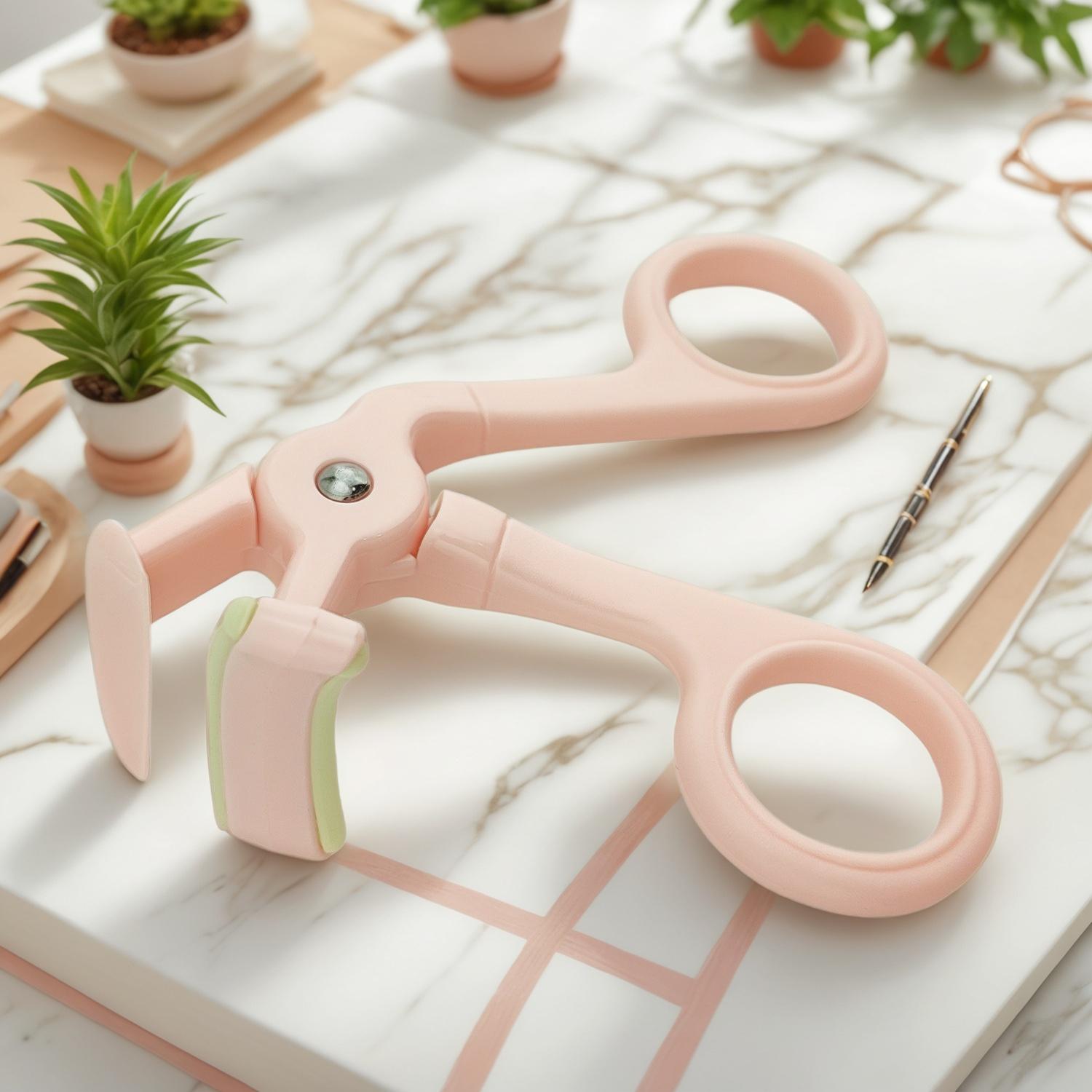
- Frame alignment: The upper and lower parts of the curler should meet evenly so the lash pad contacts the lashes across the full curve.
- Pad resilience: The silicone or rubber pad should feel firm enough to shape lashes while soft enough to reduce harsh pressure.
- Handle comfort: Ergonomic handles can help users control pressure, especially in salons where tools may be used repeatedly.
- Opening width: The clamp should open wide enough for easy positioning without forcing the user to angle the tool awkwardly.
- Smooth edges: Areas near the eyelid should be free from sharp edges, rough seams or uneven coating.
- Replacement pad option: If spare pads are included or available, this can improve product value and extend usability.
- Packaging clarity: Instructions, material descriptions and usage warnings should be easy for retail customers to understand.
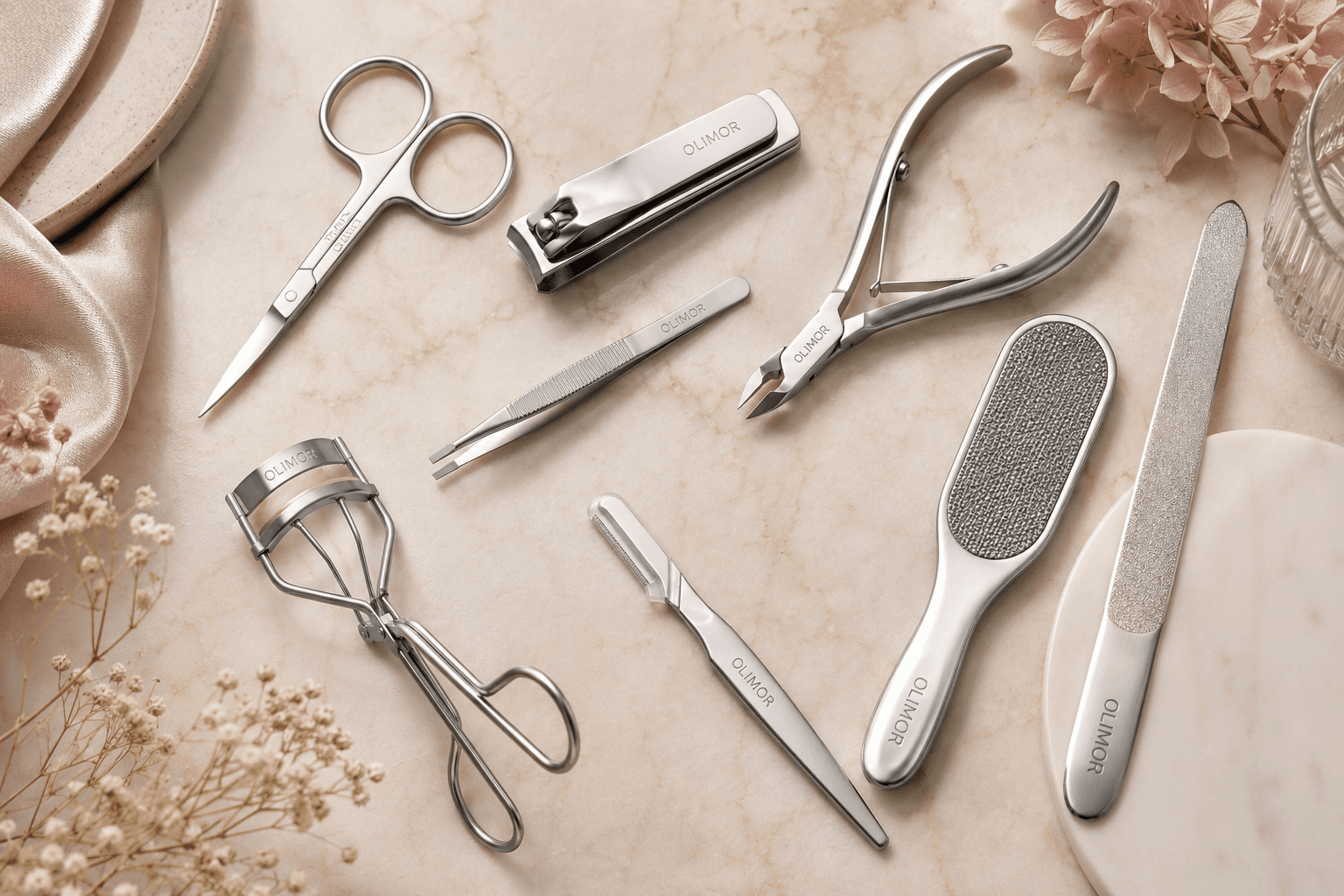
Olimor Beauty focuses on precision and quality in beauty tools, and ergonomic design is especially relevant for eyelash curlers. For B2B buyers reviewing beauty tool products, the main goal is to balance attractive presentation with dependable day-to-day usability.
How Eyelash Curlers Support Lash Services and Retail Sales
Eyelashes extensions are popular because they can add visible length and volume while reducing the need for daily eye makeup. Eyelash curlers are not a direct substitute for extensions, and they should not be used carelessly on extension sets. Instead, wholesalers and beauty businesses should position curlers correctly: as tools for natural lashes, makeup application and customers who want a temporary lift without committing to a service.
This distinction matters because it protects both the customer and the business. In a salon or lash studio, professionals can explain when a curler is suitable and when a different approach is better. In retail, packaging and product descriptions should avoid overpromising results or implying that every lash condition can be handled the same way.
From a merchandising perspective, eyelash curlers work well with several categories:
- Mascaras, especially lengthening and curling formulas
- Eye makeup removers and gentle cleansing products
- Makeup brushes and applicators
- False lashes and lash adhesive accessories
- Travel beauty kits and beginner makeup sets
For beauty suppliers, this creates room for cross-selling without exaggeration. The curler becomes a practical supporting tool rather than a standalone promise. It can be included in entry-level makeup assortments, professional kits or retail displays focused on eye beauty.
Wholesale Sourcing Questions That Actually Matter
A good B2B sourcing process is structured. Before placing a wholesale order, buyers should define how the eyelash curler will be sold and who will use it. A salon buyer may prioritize hand comfort and durability. A retail chain may focus on packaging consistency, barcode readiness and display compatibility. An online seller may need clean product photography, clear specifications and low return risk.
The following checklist helps buyers compare suppliers without relying only on price:
- Request physical samples: Test the curler on different eye shapes and assess pressure control, pad response and grip comfort.
- Inspect several units: Do not judge a supplier from one sample only. Check whether alignment and finish remain consistent across multiple pieces.
- Review packaging: Confirm whether the product is suitable for your sales channel, including hanging cards, boxes or protective sleeves when applicable.
- Check usage instructions: Retail customers need simple guidance on safe positioning, cleaning and pad replacement.
- Clarify replenishment planning: Understand how future orders, seasonal demand and assortment updates can be handled.
- Consider brand fit: The finish, color, shape and presentation should match your store, salon or online catalog.
Buyers who need to discuss product options, packaging direction or wholesale cooperation can contact Olimor or send an inquiry with their intended sales channel and target customer profile.
Quality Control Points for Eyelash Curler Wholesalers
Quality assurance is especially important for tools used near the eye area. Even when product specifications are basic, the inspection process should be careful. Wholesalers should look for consistency in shape, clean finishing and stable assembly. A small defect can become a major customer complaint because the tool is used close to sensitive skin.
Useful inspection points include:
- Consistent curve shape across units in the same batch
- Secure handle movement without looseness or grinding
- No visible burrs, sharp corners or chipped coating
- Pad seated correctly in the channel without slipping
- Even pressure when the handles are closed
- Clean packaging without crushed corners or unclear printing
For retail buyers, it is also useful to test how the product handles after repeated openings and closings. The tool should feel controlled rather than flimsy. For professional buyers, comfort during multiple uses may be just as important as initial appearance. If the curler is difficult to position or requires too much pressure, beauty professionals are less likely to keep it in their working kit.
Maintenance Guidance to Reduce Complaints and Returns
Many product complaints come from poor use or lack of maintenance rather than manufacturing issues. Wholesalers can reduce this risk by providing clear care information to downstream customers. A clean, well-maintained eyelash curler performs better and is more comfortable to use.
Retail and salon instructions should cover the basics: use the curler on clean lashes before mascara, avoid pulling outward while clamped, wipe the pad after use and replace the pad when it becomes worn or cracked. In professional environments, tools should be cleaned according to the hygiene practices required by the business and local regulations.
A simple maintenance message can also improve perceived value. Customers are more likely to keep and recommend a tool when they understand how to use it safely. For wholesalers, this means fewer avoidable complaints and a more professional product presentation.
Building a Better B2B Assortment Around Lash Tools
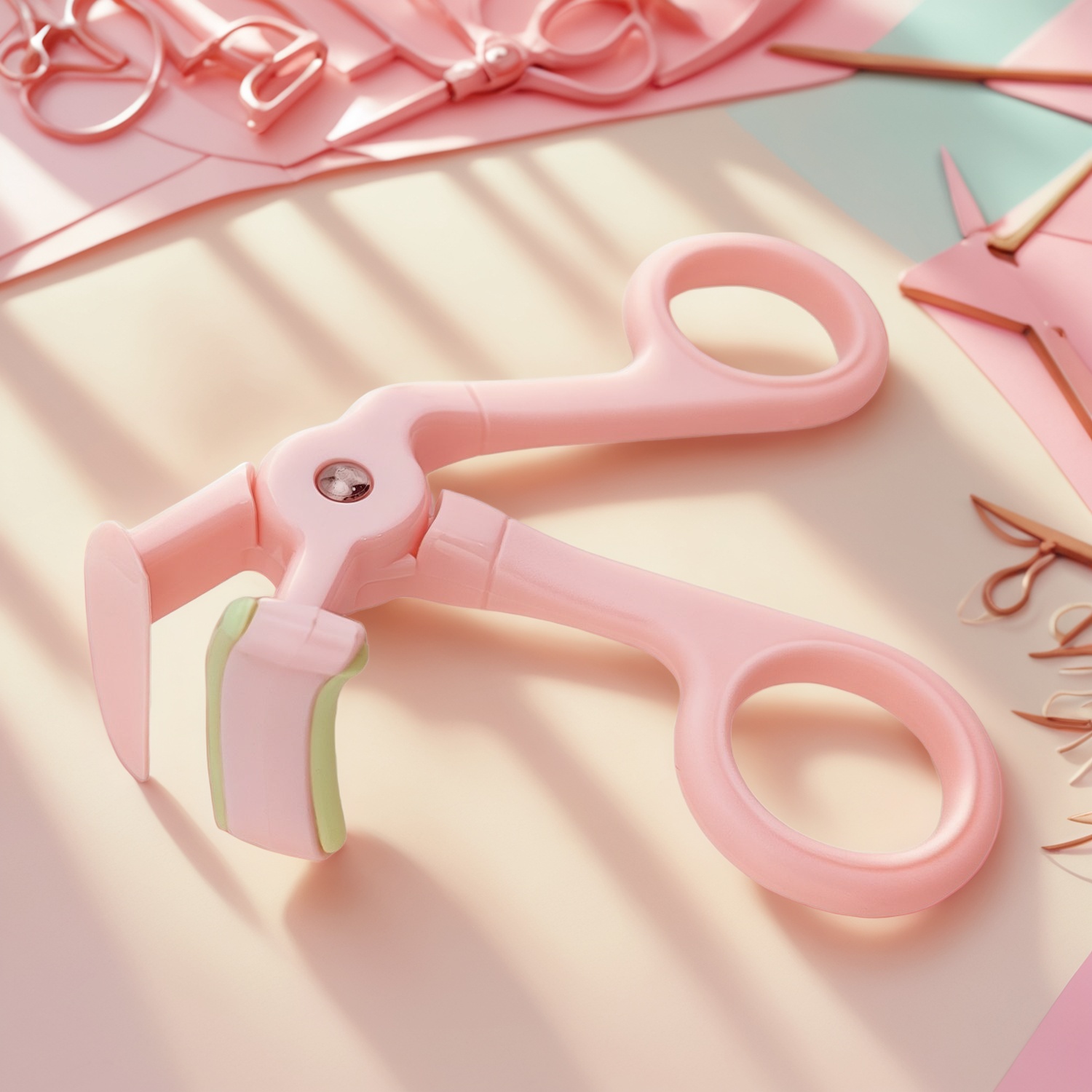
Eyelash curlers are strongest when they are part of a thoughtful assortment. Instead of buying only one generic option, beauty suppliers may consider different designs for different customer preferences, such as compact travel-friendly curlers, classic metal curlers or tools with softer grip areas. The exact assortment should match the sales channel and customer expectations rather than chasing every trend.
For online sellers, product pages should include clear images, usage instructions and realistic descriptions. For retail stores, shelf placement near related eye products can increase visibility. For salons and spas, the tool should be selected for comfort, sanitation practicality and a professional appearance. Buyers can also review Olimor product collections to plan complementary beauty tool ranges for eye, brow and makeup categories.
The best wholesale decision is not always the cheapest option. It is the product that customers can use confidently, staff can explain easily and businesses can reorder consistently. By focusing on fit, finish, pad quality, packaging and maintenance guidance, B2B buyers can source eyelash curlers that support both professional services and retail sales.
Final Buying Takeaway
Eyelash curler wholesalers connect manufacturers, distributors, salons and retailers in a category where small design details have a large effect on user satisfaction. A reliable curler should feel comfortable in the hand, align smoothly, apply controlled pressure and arrive in packaging that suits the sales channel. When paired with clear usage guidance and a sensible lash-care assortment, it becomes a practical product for beauty businesses serving customers who want polished natural lashes.
For B2B beauty suppliers, the strongest approach is to evaluate samples carefully, define the intended customer, check consistency and build a reorder plan. That process leads to better product selection, fewer complaints and a more dependable lash tool category.
Tag: