











Eyelash Curler Wholesalers: A Practical B2B Buying Guide

Eyelash curler wholesalers serve a specific need in the beauty supply chain: helping retailers, salons, distributors, and promotional buyers source a small but frequently requested tool at a business-ready scale. A curler may look simple, yet buyers still need to consider fit, comfort, pad quality, packaging, inspection consistency, and how the tool will be positioned alongside other lash products.
For B2B buyers, the best purchasing decision is rarely based on appearance alone. A curler should feel controlled in the hand, align evenly over the lash line, and include a pad that cushions pressure without sticking or pulling. The product also needs to be easy to explain to end users, simple to merchandise, and consistent from batch to batch. This guide explains what to evaluate when sourcing from eyelash curler wholesalers and how Olimor Beauty can fit into a practical beauty tool buying plan.
Why Eyelash Curlers Still Matter in B2B Beauty Supplies
Even as lash lifts, mascaras, false lashes, and eyelashes extensions have expanded, the eyelash curler remains a staple beauty tool. It is compact, familiar, and suitable for multiple sales channels, including beauty stores, salon retail displays, e-commerce bundles, travel kits, and makeup accessory sets. For wholesalers and distributors, this makes the product useful as both a core item and an add-on product.
In a B2B setting, curlers are often purchased not just for direct resale but also to complete a broader lash category. A retailer selling mascara may need a dependable curler nearby. A salon may keep curlers for makeup services while also retailing tools to clients. An online shop may use curlers in starter kits for customers learning eye makeup. Because the item is affordable to ship, easy to store, and visually understandable, it can support a wide range of merchandising plans.
However, high repeatability is important. A customer may not know the manufacturing details, but they will notice if the tool pinches, if the pad shifts, or if the handles feel awkward. For that reason, buyers should treat eyelash curlers as precision beauty accessories rather than generic metal tools.
Key Product Details Buyers Should Compare
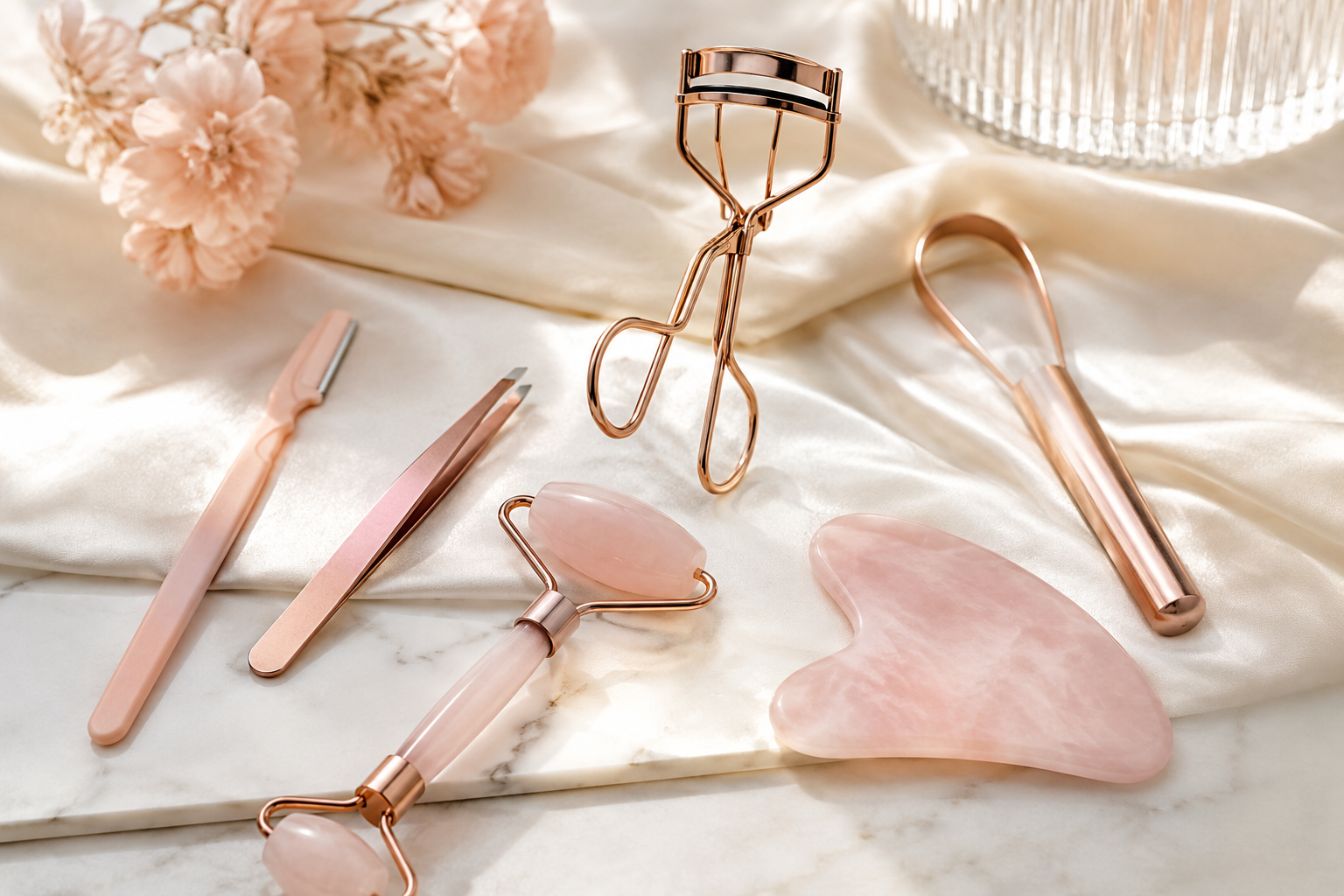
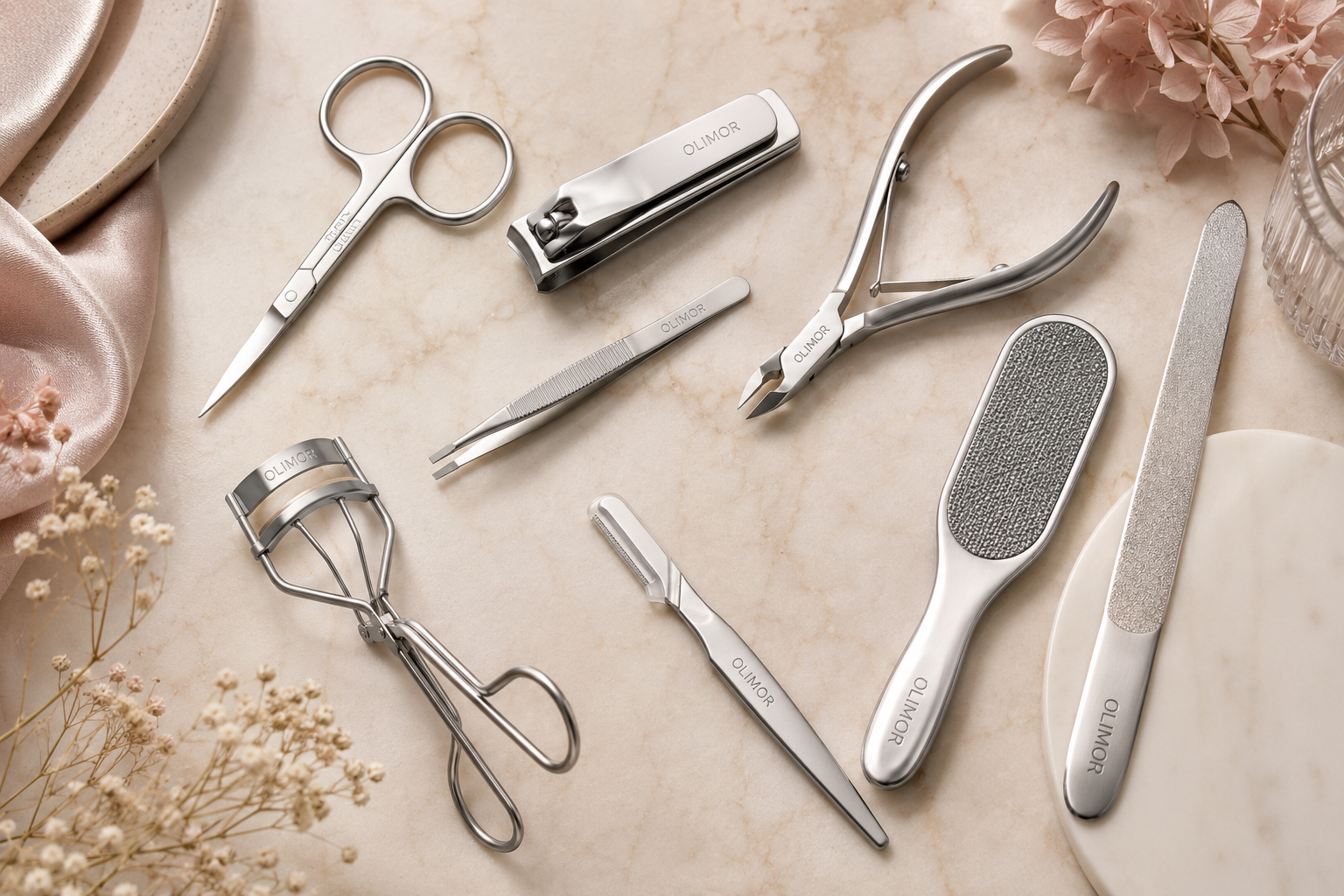
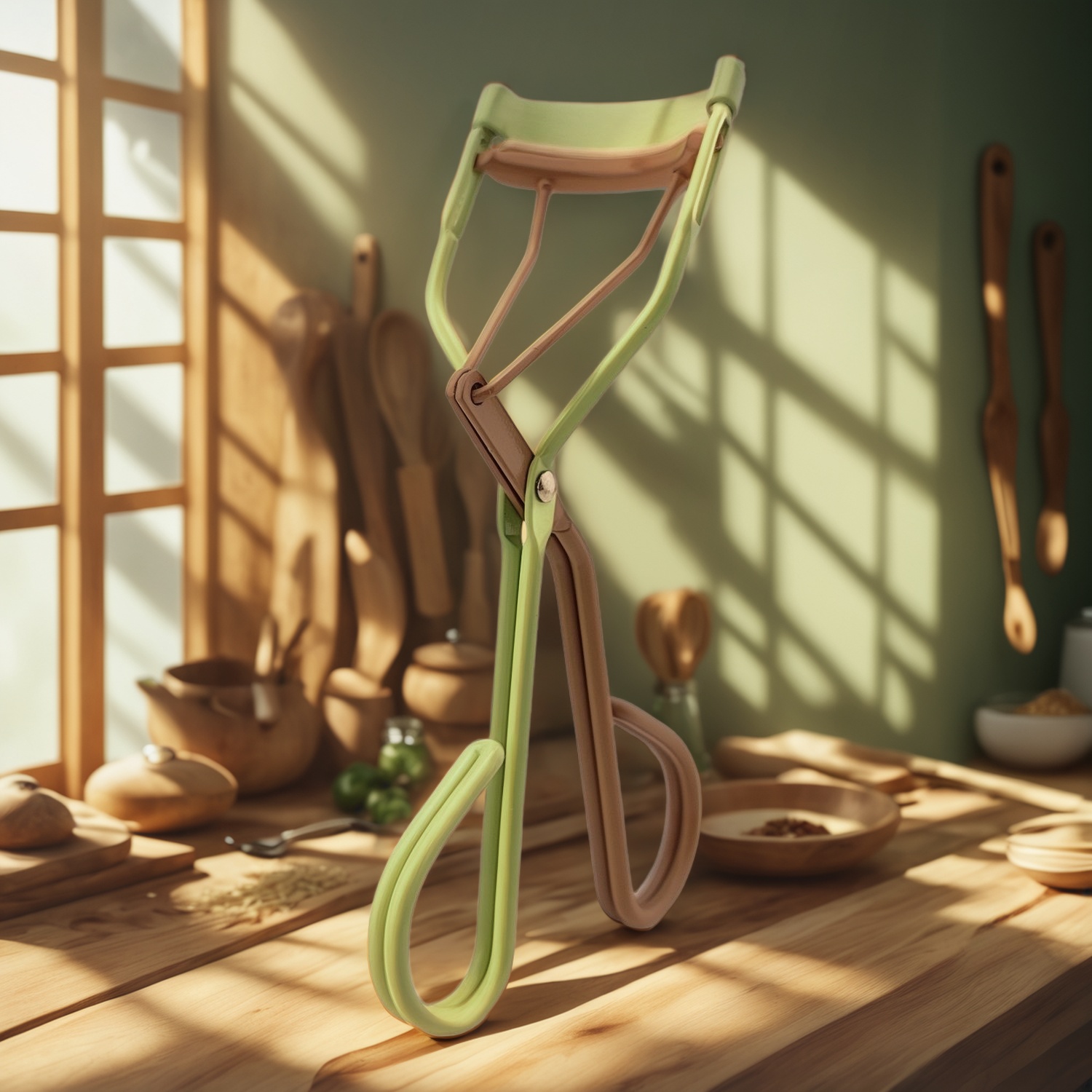
When reviewing wholesale eyelash curlers, focus on the parts that affect comfort, safety, and daily usability. The original product information highlights ergonomic design, oversized handles, padded curling pads, bi-color design options, and cushioned handles. These are the kinds of details that can make a curler easier to hold and more approachable for users who are not professional makeup artists.
Use the following checklist when comparing samples or supplier options:
- Handle comfort: Oversized or cushioned handles can improve grip, especially for users who apply makeup quickly or have limited hand control.
- Pad feel: A padded curling pad should cushion the lash instead of creating a sharp crease. It should sit securely in the channel and be easy to inspect.
- Frame alignment: The upper bar and pad should meet evenly across the width of the curler. Uneven pressure can lead to poor curling performance.
- Spring or hinge action: Movement should feel controlled, not loose or rough. A smooth opening and closing motion supports better user confidence.
- Eye-shape suitability: Not every curler fits every eye shape. Buyers serving broad retail audiences may want to compare curvature across available options.
- Finish and appearance: Bi-color or visually distinct designs can help retail presentation, but finish consistency matters more than decorative appeal alone.
- Replacement pad plan: If pads are included or available, confirm how they are presented and how customers will understand replacement needs.
These points are especially important for B2B beauty supplies because a single buyer may be purchasing for many end users. Sampling and side-by-side comparison can prevent stock decisions based only on catalog photos.
How Curlers Fit Alongside Eyelashes Extensions
Eyelashes extensions are often mentioned in the same category as curlers because both belong to lash enhancement. Still, they should not be treated as interchangeable. A traditional eyelash curler is commonly used on natural lashes before mascara or makeup application. Extensions, on the other hand, are semi-permanent lash enhancements applied by trained technicians. End users should be careful about clamping extensions with a standard curler, because pressure can affect the bond, shape, or retention depending on the extension type and application method.
For wholesalers, this distinction is useful in product education. If you sell to salons, beauty schools, or lash-focused retailers, make sure merchandising language does not imply that every curler is suitable for all extension wearers. A responsible listing can explain that curlers are intended for natural lashes unless a lash professional recommends otherwise. This helps reduce misuse and supports a more professional brand image.
At the same time, eyelash curlers can still complement an extension-focused assortment. Customers who do not wear extensions may want a daily tool. Makeup artists may use curlers on natural lashes before applying strip lashes. Retailers can place curlers near mascara, lash combs, brow tools, and other eye makeup accessories. The goal is to build a complete lash category while giving accurate guidance.
Wholesale Sourcing Criteria for Retailers and Salons
Good wholesale sourcing is not only about buying a lower unit cost. It is about choosing a product that matches your selling channel, customer expectations, and after-sale responsibilities. A salon selling a curler to clients may prioritize professional feel and comfort. An e-commerce retailer may need packaging that photographs clearly and protects the tool during shipping. A distributor may care about carton consistency, barcode readiness, and clear product descriptions.
The table below shows how different B2B buyers may evaluate the same eyelash curler differently:
| Buyer type | Primary concern | What to check before ordering |
|---|---|---|
| Beauty retailer | Display appeal and customer usability | Packaging clarity, grip comfort, pad security, and return risk |
| Salon or makeup studio | Professional handling | Smooth hinge action, easy sanitation workflow, and consistent curl pressure |
| E-commerce seller | Shipping and product presentation | Protective packaging, accurate images, clear descriptions, and sample consistency |
| Distributor | Repeatable supply | Inspection process, labeling options, carton organization, and communication speed |
Buyers should also think about where the curler sits in the overall assortment. If you already offer eye makeup tools, a curler can fill a basic daily-use gap. If you are building a broader beauty tool range, browse Olimor’s beauty tool products to consider how lash tools may coordinate with other categories. For buyers comparing multiple item types at once, Olimor’s product collections can help with assortment planning.
Quality Checks Before Placing a B2B Order
The original product information notes that Olimor Beauty emphasizes quality assurance from raw materials to final packaging. For B2B buyers, the value of that process is practical: fewer visible defects, more consistent customer experience, and better confidence when reordering. Still, buyers should know what to look for when evaluating samples or confirming production expectations.
Before committing to a wholesale eyelash curler order, review these areas:
- Visual inspection: Check for scratches, uneven finish, sharp edges, loose parts, or discoloration.
- Functional test: Open and close the curler repeatedly to see whether the motion remains smooth and aligned.
- Pad seating: Confirm that the padded curling pad sits firmly and does not slide out during normal use.
- Grip assessment: Test whether the handles feel stable when the tool is used at different angles.
- Packaging review: Look for clear product identification, adequate protection, and presentation suitable for your sales channel.
- Instruction language: If the item will be sold directly to consumers, include clear usage and caution information where appropriate.
These checks do not require complex lab equipment, but they do require attention. A curler is used near the eye, so buyers should reject rough edges, unstable pads, or inconsistent closing action. Clear product expectations also make communication with a supplier more efficient.
Inventory and Merchandising Tips for Eyelash Curler Wholesalers
Inventory planning should reflect how customers buy lash tools. Eyelash curlers often sell as part of a routine rather than as a standalone luxury item. This makes bundling and placement important. For retail displays, position curlers near mascara, brow tools, lash applicators, and makeup mirrors. For e-commerce, show the handle design, pad area, and closed shape clearly so customers can understand the product before purchase.
Descriptions should be specific but not exaggerated. Instead of claiming universal fit or dramatic results for every user, describe the practical features: ergonomic handling, padded curling surface, smooth operation, or a bi-color appearance when those details apply to the exact product. If you sell to professional customers, include usage context such as makeup application, salon retail, or beauty accessory assortments.
For reorder planning, monitor customer feedback about comfort, pad durability, and ease of use. These comments are more useful than general star ratings because they tell you whether the product suits your audience. If you receive repeated questions about replacement pads, packaging, or use with extensions, update your product page or sales materials accordingly.
Working With Olimor Beauty for Lash Tool Sourcing
Olimor Beauty supplies beauty tools for B2B buyers who need practical products with attention to usability and quality control. For eyelash curlers, the buying conversation should cover design preference, packaging needs, inspection expectations, and how the product will be sold. Rather than focusing only on price, prepare a clear brief that explains your channel, target customer, and any presentation requirements.
If you are comparing eyelash curler wholesalers, start with samples, review the checklist above, and decide whether the tool supports your customer’s routine. A well-chosen curler can strengthen a lash product category without creating complicated education requirements. To discuss sourcing options or share your buying requirements, contact Olimor or send an inquiry with the product details you want to evaluate.
For salons, retailers, and distributors, the right eyelash curler is not simply a small accessory. It is a repeatable beauty tool that must feel safe, comfortable, and consistent in everyday use. Careful evaluation at the wholesale stage helps protect your brand reputation and gives end users a better experience with every application.