Wholesale Eyelash Curlers for B2B Beauty Buyers
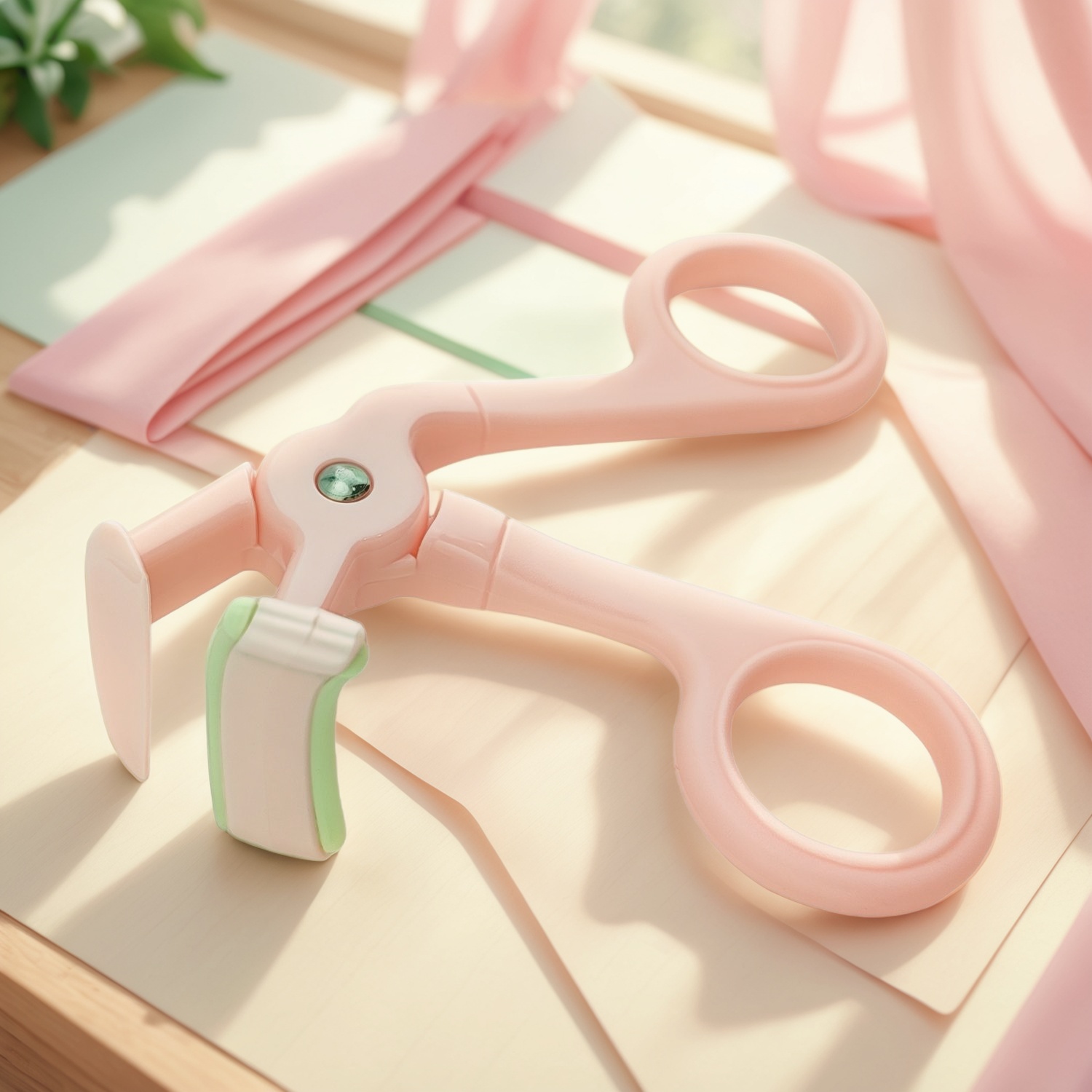
Wholesale eyelash curlers are a steady, practical category for beauty retailers, salons, lash studios and distributors. The best product is not just visually appealing; it should feel stable in the hand, sit evenly against the lash line, and arrive with packaging and inspection standards that support repeat orders. For B2B buyers, the real task is to source a tool that is comfortable, easy to explain to customers, and consistent across batches.
Olimor Beauty supplies beauty tools for business buyers, including eyelash curlers designed for everyday lash styling and retail or professional use. This guide focuses on the sourcing questions that matter most: what to check in the tool itself, how to compare suppliers, how to think about channel fit, and how to avoid common procurement mistakes without relying on vague product claims.
Why eyelash curlers still matter in B2B beauty supply
Eyelash curlers remain relevant because they are compact, familiar and easy to demonstrate. They fit neatly into retail shelves, salon retail displays, makeup kits, gift sets and lash-care assortments. A buyer does not need to manage color matching or seasonal trend swings to sell this category well. Instead, the focus is on usefulness, presentation and the end user experience.
For retailers, eyelash curlers work as add-on purchases near mascara, tweezers, lash combs and other eye makeup accessories. For salons and makeup artists, they can be part of service prep before mascara application or event makeup. For distributors, they are easy to bundle into broader beauty tool collections that serve multiple sales channels.
The category also has a practical downside: because the tool is used close to the eye area, small quality problems become obvious quickly. Poor alignment, a rough edge, a weak hinge or an uneven pad can lead to complaints. That is why wholesale buyers should treat eyelash curlers as precision beauty tools rather than generic accessories.
What to look for in a wholesale eyelash curler
A strong wholesale decision starts with handling the sample, not just reviewing catalog photos. Many eyelash curlers look similar in images, but differences in feel, movement and finishing are easy to notice once the tool is opened and closed several times.
Frame material and surface finish
The supplied articles identify stainless steel as a material used in these curlers. In beauty tools, stainless steel is commonly chosen for its firm structure and clean appearance. Buyers should still inspect the actual sample for smooth edges, even polishing and a finish that looks consistent across the frame. Any burrs, rough seams or scratches can reduce shelf appeal and create a weaker first impression.
Grip comfort and hinge action
Ergonomic handles matter because the tool must be controlled with light, steady pressure. A comfortable grip helps reduce awkward squeezing, especially for first-time users. The hinge or opening and closing action should feel stable, not loose or stiff. If the tool closes too abruptly, it can feel harsh. If it is too loose, the user may not trust it near the lash line.
Curve shape and pad fit
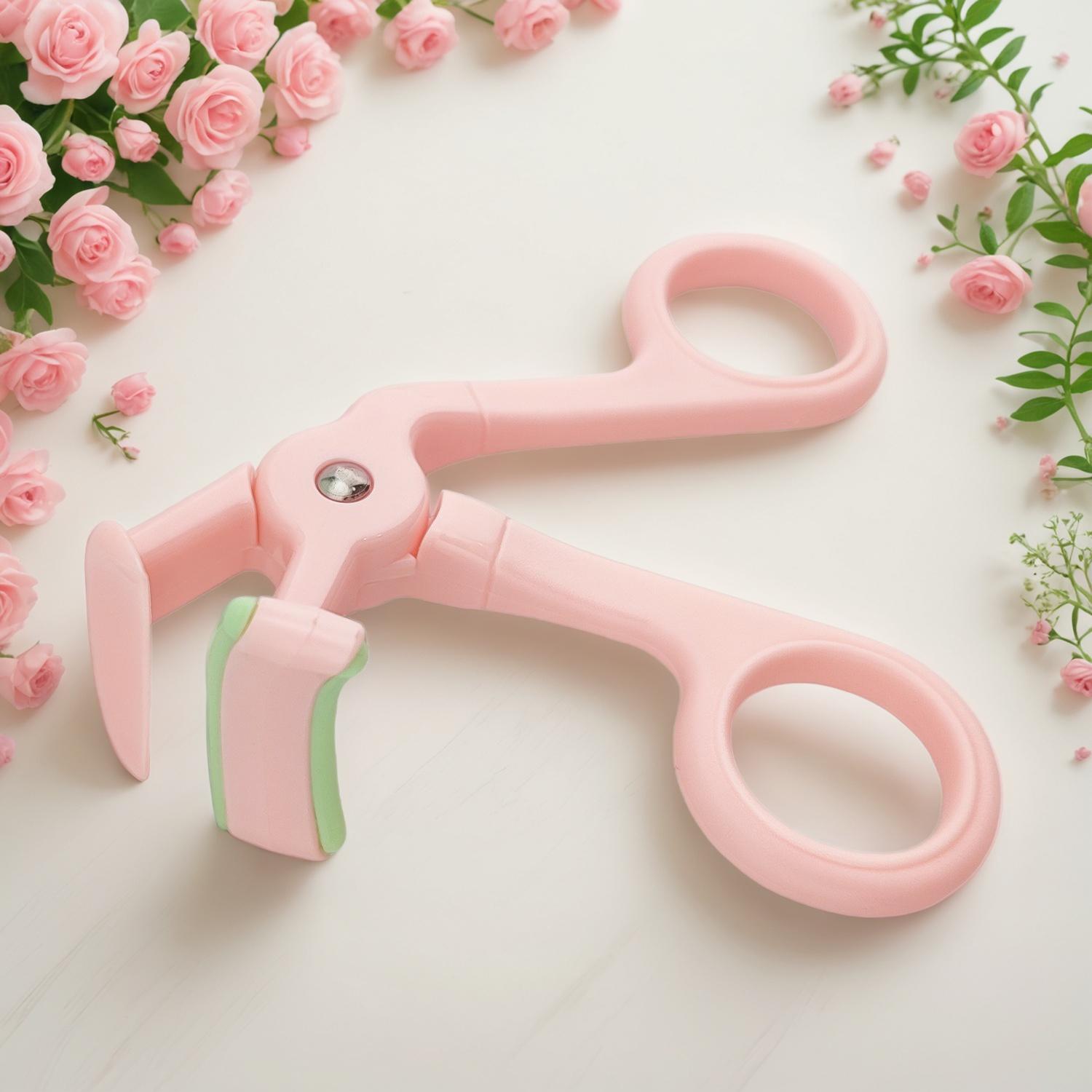
The curve should suit a broad range of eye shapes rather than only a narrow group. A balanced arc is often more useful for wholesale buyers than an extreme shape. The pad, usually silicone or rubber in the supplied text, should sit securely in the channel and compress evenly. A pad that shifts, feels brittle or closes unevenly can lead to pinching or a crimped lash look.
Visual presentation and packaging
Because eyelash curlers are often sold as giftable, add-on or impulse items, packaging matters. Retail packaging should protect the tool, support display and explain the product clearly. E-commerce sellers may prefer packaging that reduces scuffing in transit, while brick-and-mortar buyers may prefer hanging cards or compact display boxes. Packaging should not overpromise results; it should give the customer a clear idea of how the product is used and cared for.
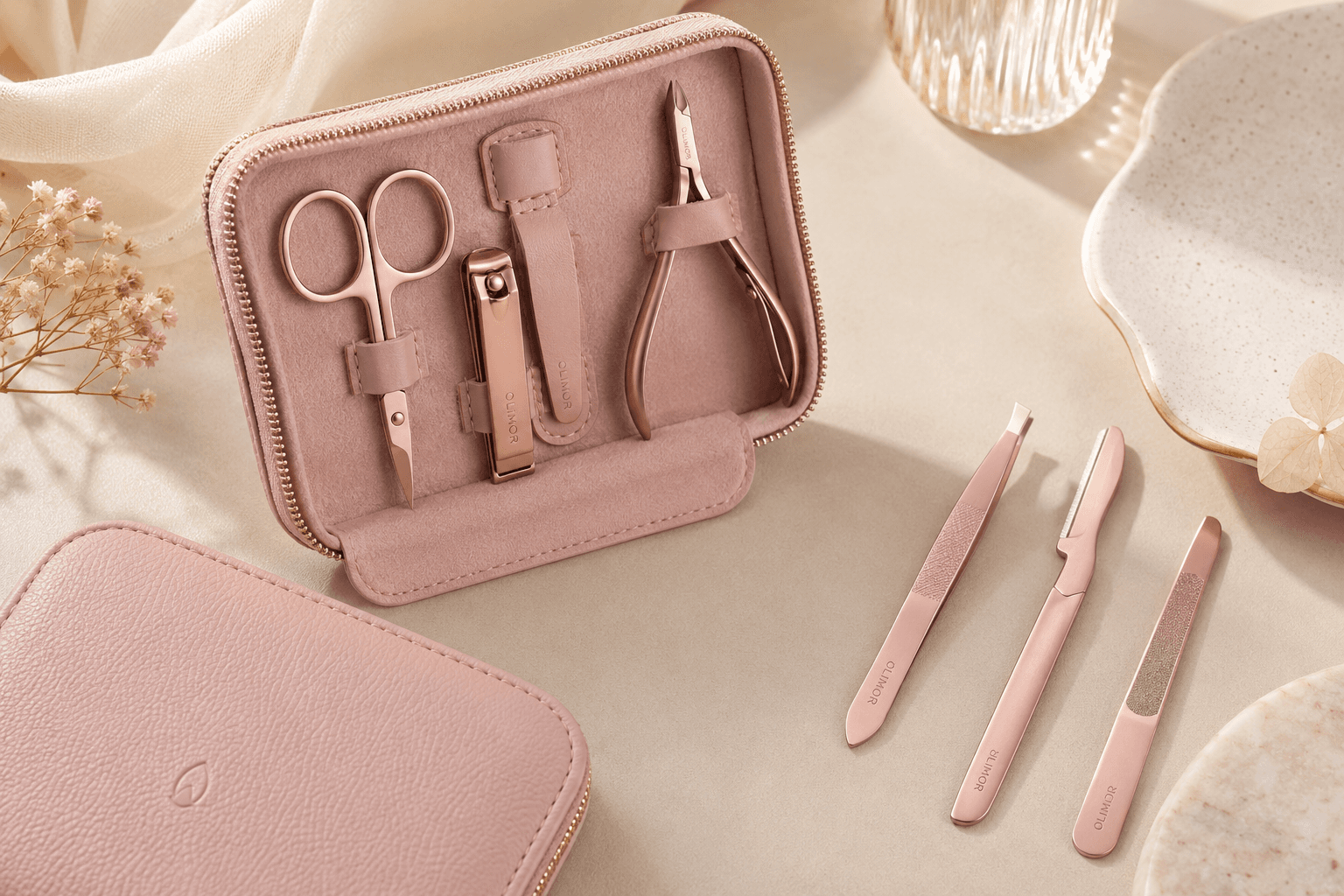
For buyers comparing options, it can help to browse a broader range of beauty tool products and then narrow down the style, finish and packaging format that matches your channel.
Channel fit: how different B2B buyers should evaluate the product
One eyelash curler can serve several buyer types, but the same sample may be judged differently depending on the sales channel. The table below can help teams compare supplier options in a more structured way.
| Buyer type | Main priority | Supplier question to ask |
|---|---|---|
| Beauty retailer | Shelf appeal, simple use, low return risk | How does the packaging present the tool and what usage guidance is included? |
| Salon or lash studio | Comfort, control and repeat use | Does the hinge feel stable and is the pad fit suitable for regular handling? |
| Distributor | Batch consistency and reorder stability | How is product consistency checked before shipment and before repeat production? |
| Makeup artist or training school | Versatility and quick handling | Does the curve work across different eye shapes and is the tool easy to clean? |
This kind of comparison is useful because it moves the conversation from general product appearance to operational fit. A clean-looking sample is not enough if the tool cannot support the expectations of the buyer’s customer base.
A practical sourcing checklist for wholesale buyers
Before placing a bulk order, ask for production-representative samples and review more than one unit if possible. A single perfect sample does not prove that the full batch will match. Consistency matters, especially for distributors and chain buyers who need a stable customer experience.
- Check frame alignment: The upper and lower sections should meet evenly so pressure is distributed across the lash line.
- Test the hinge movement: Open and close the curler repeatedly to see whether it stays smooth and controlled.
- Inspect pad fit: The pad should sit securely and compress without slipping or looking uneven.
- Review finishing under light: Look for scratches, burrs, coating irregularities or rough edges near the finger loops and lash opening.
- Evaluate packaging for your channel: Confirm that the retail pack or bulk pack protects the tool during shipping and handling.
- Request clear care instructions: Buyers should know how the curler should be used, cleaned and stored.
- Clarify inspection expectations: Agree on what will be checked before shipment, including appearance, function, quantity and packaging condition.
These checks are simple, but they prevent many common sourcing problems. They also help buyers compare suppliers on objective points instead of on sales language alone.
How to think about cost factors without chasing the lowest price
Unit price matters, but it should not be the only decision point. A lower-cost eyelash curler can create hidden costs if it leads to returns, complaints or weak perceived value. When buyers assess total cost, several factors usually have more influence than the headline price alone.
- Material choice: Stainless steel and other metal components affect the structure and appearance of the tool.
- Finish quality: Even coating, smooth edges and consistent color improve shelf value.
- Pad quality: Cushioning and fit affect comfort and the user’s impression of performance.
- Packaging format: Protective packaging can add cost but also reduce damage and improve resale presentation.
- Customization needs: Private label printing, card design or special packaging may change the sourcing structure.
- Inspection and rework risk: A supplier with a clear quality process can lower the chance of receiving inconsistent goods.
For this reason, many buyers prefer to evaluate a product range as a complete sourcing package rather than isolating the unit cost. If your team is planning a broader assortment, you can also review a matching collection of beauty accessories to see how the eyelash curler fits with related tools.
Use guidance and problem prevention for end customers
Good sourcing also means helping the buyer’s customer use the tool correctly. A large share of complaints in this category comes from misuse rather than product failure.
Eyelash curlers are generally intended for natural lashes. Buyers should avoid implying that every curler is automatically suitable for all lash-extension situations. If a customer wears extensions, the safe approach is to follow the lash technician’s guidance for that specific service and adhesive system. Salons and retailers should give clear instructions so customers do not clamp too hard or use the tool in the wrong situation.
Useful guidance for the end user is straightforward: use the curler on clean lashes before mascara, apply gentle pressure, and avoid forcing the tool. If the product is intended for salon retail or online resale, short care notes can reduce confusion and protect the seller’s reputation.
For business buyers who want a direct conversation about packaging, sample review or assortment planning, you can also reach the Olimor team or send product requirements through the inquiry form.
Supplier evaluation: what good B2B communication should include
When comparing eyelash curler wholesalers, communication quality is part of the product. A reliable supplier should be able to discuss sample consistency, inspection points, packaging options and channel fit in practical terms. Buyers should look for clear answers rather than broad claims.
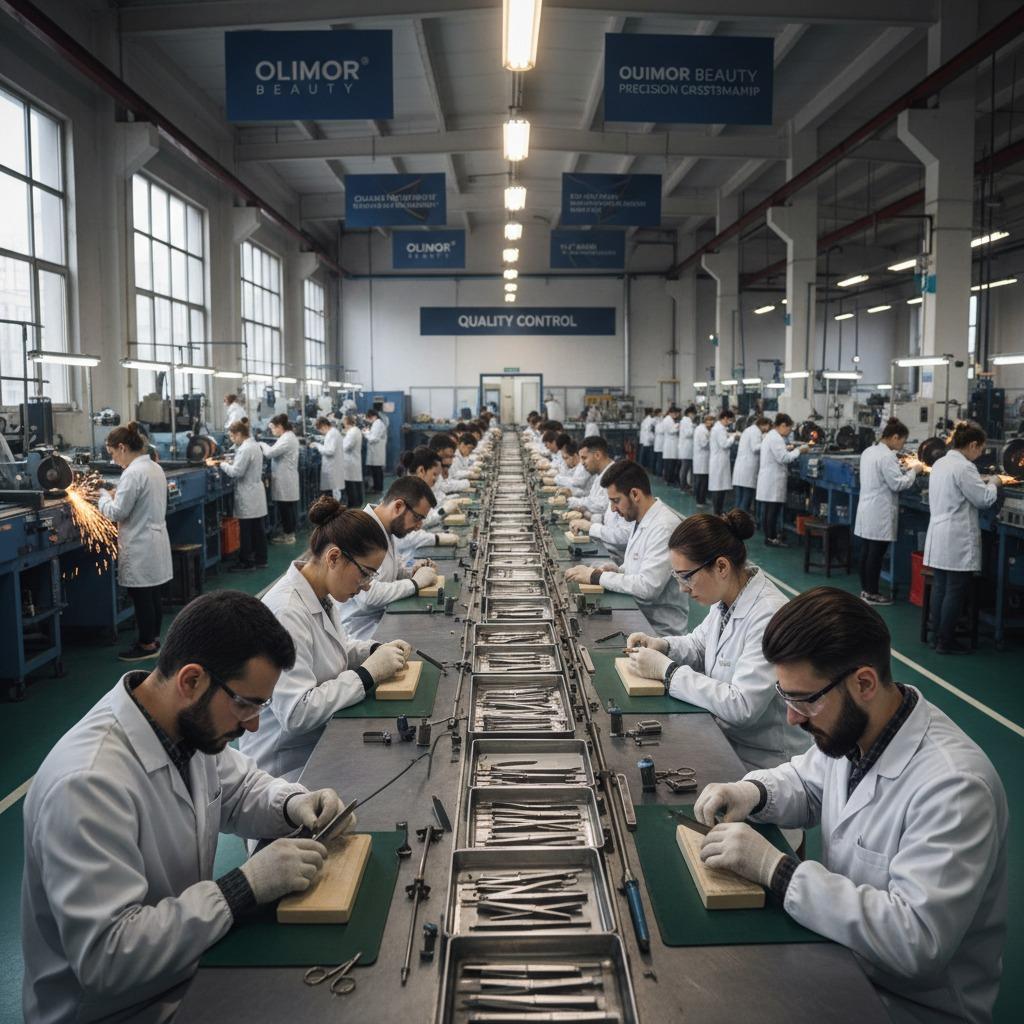
It is also reasonable to ask how quality is checked from raw materials to final packaging. The supplied material states that Olimor Beauty emphasizes internal quality controls in the beauty tool category. Buyers should still verify the exact inspection process for the product they want, especially if they are sourcing for retail shelves, professional kits or export channels.
Where applicable, buyers should also confirm the requirements of the destination market and review supplier documentation against the current version of any relevant public guidance, such as the U.S. Consumer Product Safety Commission framework or the European Union general product safety rules. Do not assume a product is compliant based on appearance alone; always verify the applicable version and the documents provided for your market.
Why product selection should stay focused on one clear use case
The best wholesale eyelash curler listing is clear about its use. Is it meant for retail add-on sales, salon retail, makeup kits or distributor assortments? A focused positioning strategy helps avoid confusion and keeps the product page strong.
For example, a design with an ergonomic grip and cushioned pad may appeal to both retail and professional buyers, but the way it is presented should be adapted to the channel. Retail pages should be easy to understand in seconds. Salon buyers may want more detail on comfort and repeated use. Distributors may care more about consistency, carton packing and reorder stability.
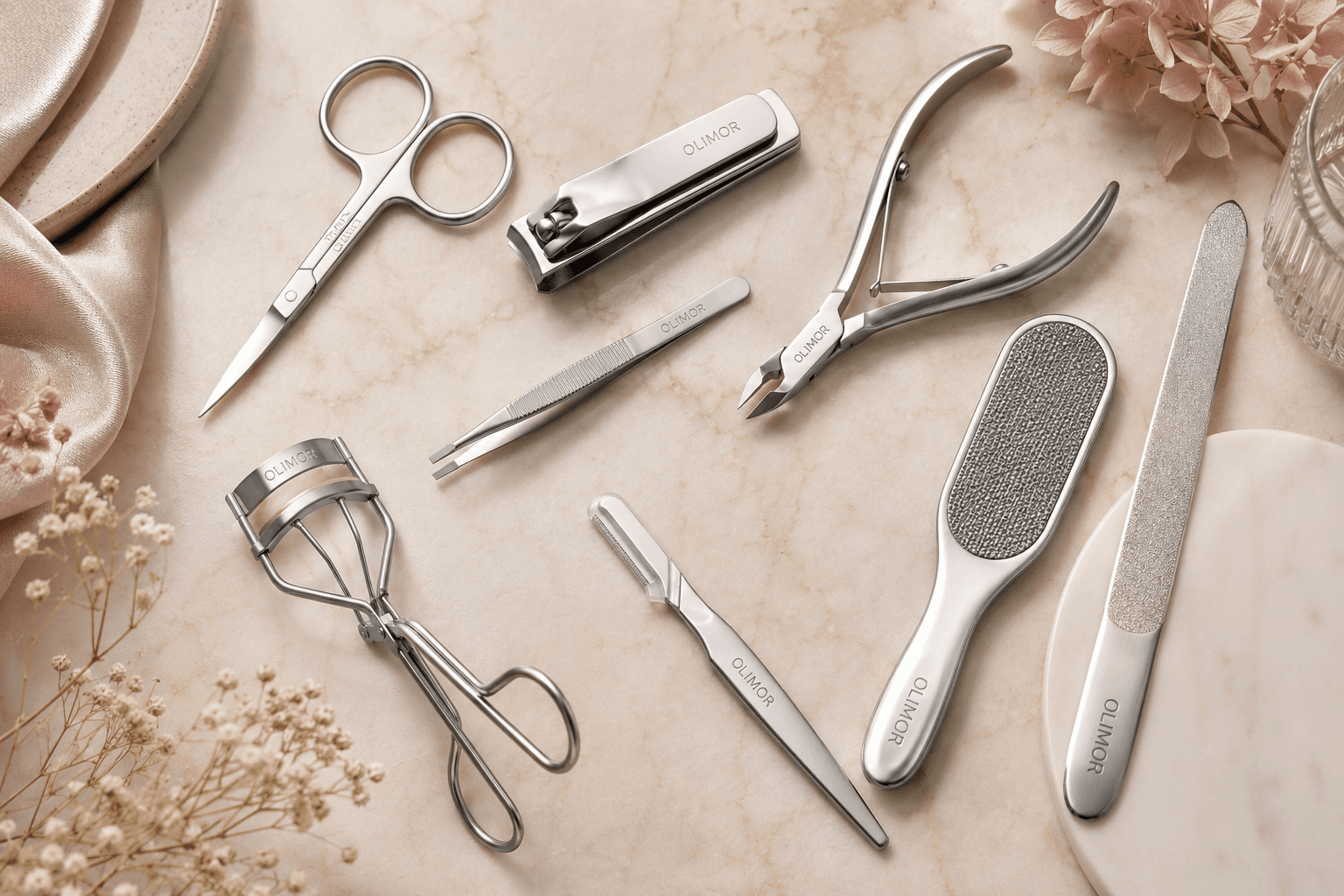
Olimor Beauty’s eyelash curler range is positioned around practical features such as stainless steel construction, ergonomic handling, cushioned pads and clean visual presentation. Buyers who are comparing suppliers should use those same practical criteria when deciding whether the product fits their own market.
Buying decision summary
If you are sourcing wholesale eyelash curlers, focus on the basics that affect real use: alignment, hinge action, pad fit, grip comfort, finish quality and packaging protection. Then match those details to your sales channel and ask the supplier clear questions about inspection and reorder consistency. That approach is more useful than choosing by photo or headline price alone.
A well-selected eyelash curler can support retail add-on sales, salon recommendations and broader beauty tool assortments. If you are narrowing down suppliers, start with samples, compare the tactile feel, and build your order around the customer experience you want to deliver.
FAQ
Can I request samples before placing a wholesale order?
Most B2B buyers should request samples first so they can check the frame, pad fit, finish and packaging in hand. Sample review is especially important for eyelash curlers because small defects are easy to notice during use.
What should I ask about minimum order quantity?
Ask the supplier directly, because MOQ can vary by product, customization and packaging needs. It is best to confirm the exact requirement early if you are comparing retail, salon or distributor programs.
Can eyelash curlers be customized?
Customization is often discussed through packaging, card design, branding or color presentation. The available options depend on the supplier and the product structure, so confirm what can be changed before you finalize the order.
How do I check quality before shipment?
Review sample consistency, hinge movement, pad placement, surface finish and packaging condition. It also helps to define inspection expectations in advance so both sides know what will be checked.
What lead time should I expect?
Lead time varies by order size, customization and production schedule. Buyers should confirm the current timeline directly with the supplier rather than assuming a standard answer.
Next step for buyers
If your team is comparing suppliers for retail or professional beauty channels, Olimor Beauty can be a practical starting point for eyelash curler sourcing and broader beauty tool planning. Review the product range, compare samples and ask for the documentation that matches your sales market and packaging needs.
Tag: