Export Quality Tweezers: A Practical Sourcing Guide for Beauty Tool Buyers
Export quality tweezers look simple, but buyers know that small differences in alignment, grip, finish and packaging can decide whether a product earns repeat orders or creates returns. For beauty retailers, salon distributors, private label buyers and kit assemblers, tweezers are often a low-cost item with a high expectation: they must grasp fine hairs cleanly, feel comfortable in the hand and remain presentable after repeated use.
Olimor Beauty supplies beauty tools for buyers who need consistent presentation and usable performance across batches. When evaluating tweezers for import, the goal is not only to find a polished item that photographs well. A sourcing decision should consider how the tool is made, how it will be inspected, how it fits the target user and how it will arrive ready for sale. This guide explains what to review before selecting export quality tweezers for your product line.
What “Export Quality” Should Mean for Tweezers
The phrase “export quality” is often used loosely. For a buyer, it should refer to a product that can meet the practical expectations of international retail and professional use: stable construction, accurate tips, clean finishing, protective packaging and repeatable batch quality. A tweezer may look acceptable at a distance, but the working quality is determined at the tip.
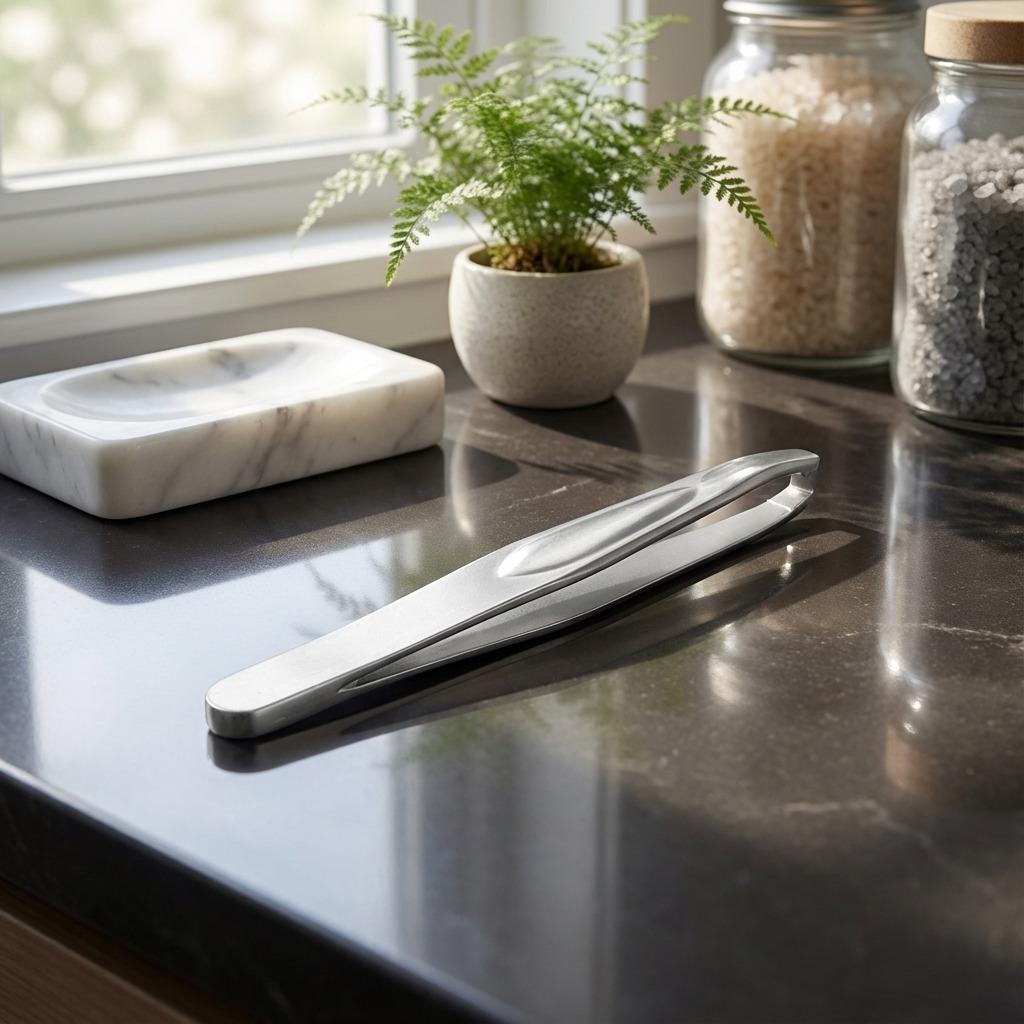
Useful export quality tweezers usually share several characteristics. The arms should spring back evenly without feeling weak or overly stiff. The tips should meet neatly, without a visible gap or uneven overlap. The finish should feel smooth on the fingers and should not have burrs around the edges. For beauty use, the tool must be able to grip small brow or facial hairs without cutting the hair or pinching the skin unnecessarily.
Stainless steel construction is commonly preferred because it supports durability and a clean appearance for beauty applications. The original product positioning for Olimor Beauty tweezers emphasizes high-grade stainless steel, finely honed tips, ergonomic grips and corrosion-resistant finishing. Those are the right areas for buyers to verify during sample review because they directly affect user satisfaction.
Tip Shape, Alignment and Grip: The Core Buying Criteria
Before discussing color, card design or outer packaging, examine how the tweezers perform in the hand. Tip alignment is the most important inspection point because it controls whether the tool can hold a fine hair securely. Poor alignment causes slipping, repeated pulling and user frustration. Even a premium-looking tweezer will feel cheap if the tips do not meet correctly.
Different tip styles can serve different use cases. A slanted tip is widely used for eyebrow shaping because it gives control along the brow line. A pointed tip is more suited to fine detail work, but it requires careful finishing and may not be ideal for every mass-market beauty kit. A flat tip may work for broader gripping tasks, though it is less precise for fine hairs. If your sales channel serves both beginner users and professionals, consider whether one universal design is enough or whether separate SKUs are more appropriate.
- Tip contact: The two ends should close evenly and hold a fine test hair or fiber without sliding.
- Edge smoothness: The working edge should be precise but not rough, sharp in an unsafe way or visibly chipped.
- Arm tension: The tweezer should close with controlled pressure and reopen smoothly.
- Hand comfort: Contoured or textured grip areas can help during repeated salon or retail demonstrations.
- Finish consistency: The surface should look uniform across samples, especially for retail display sets.
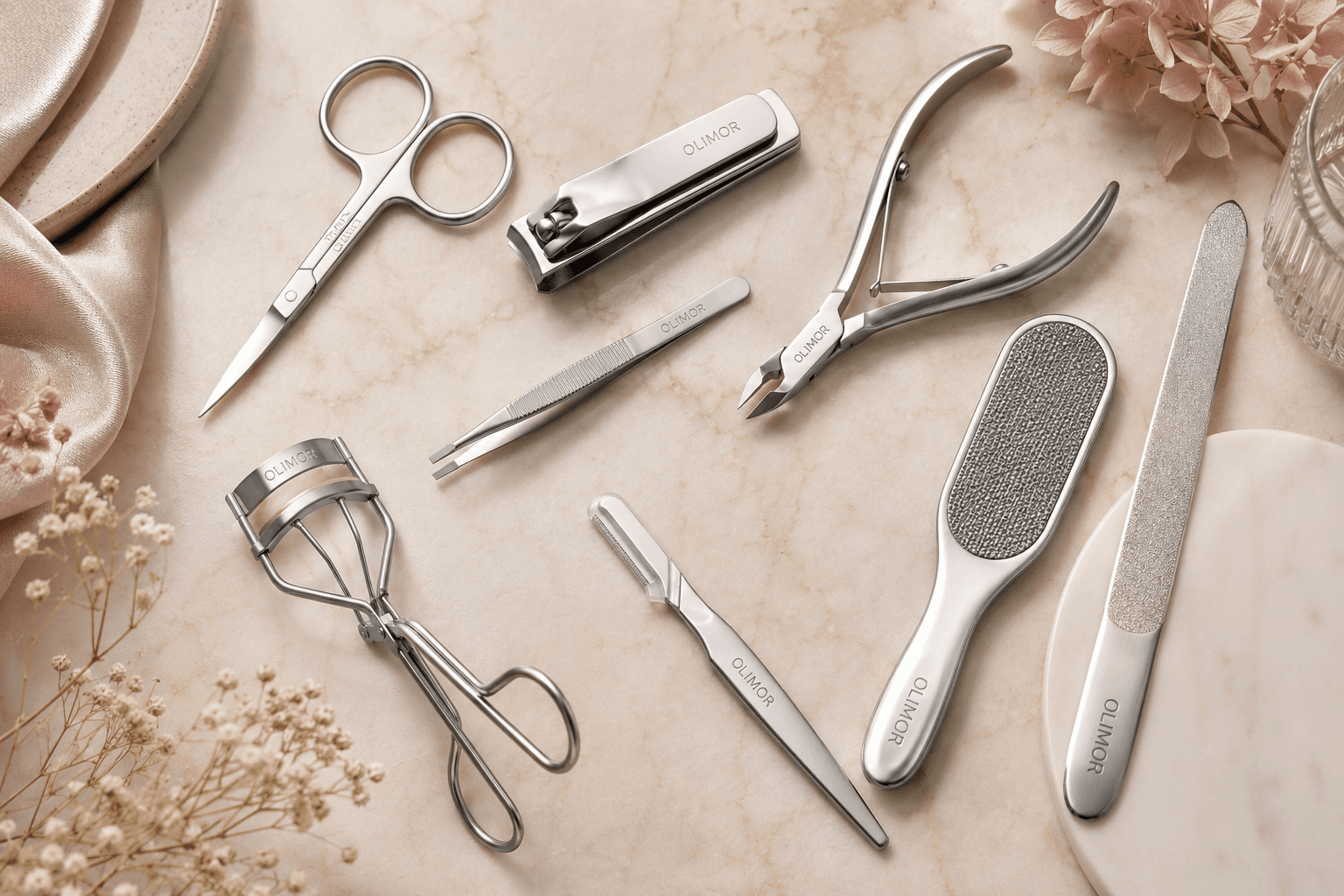
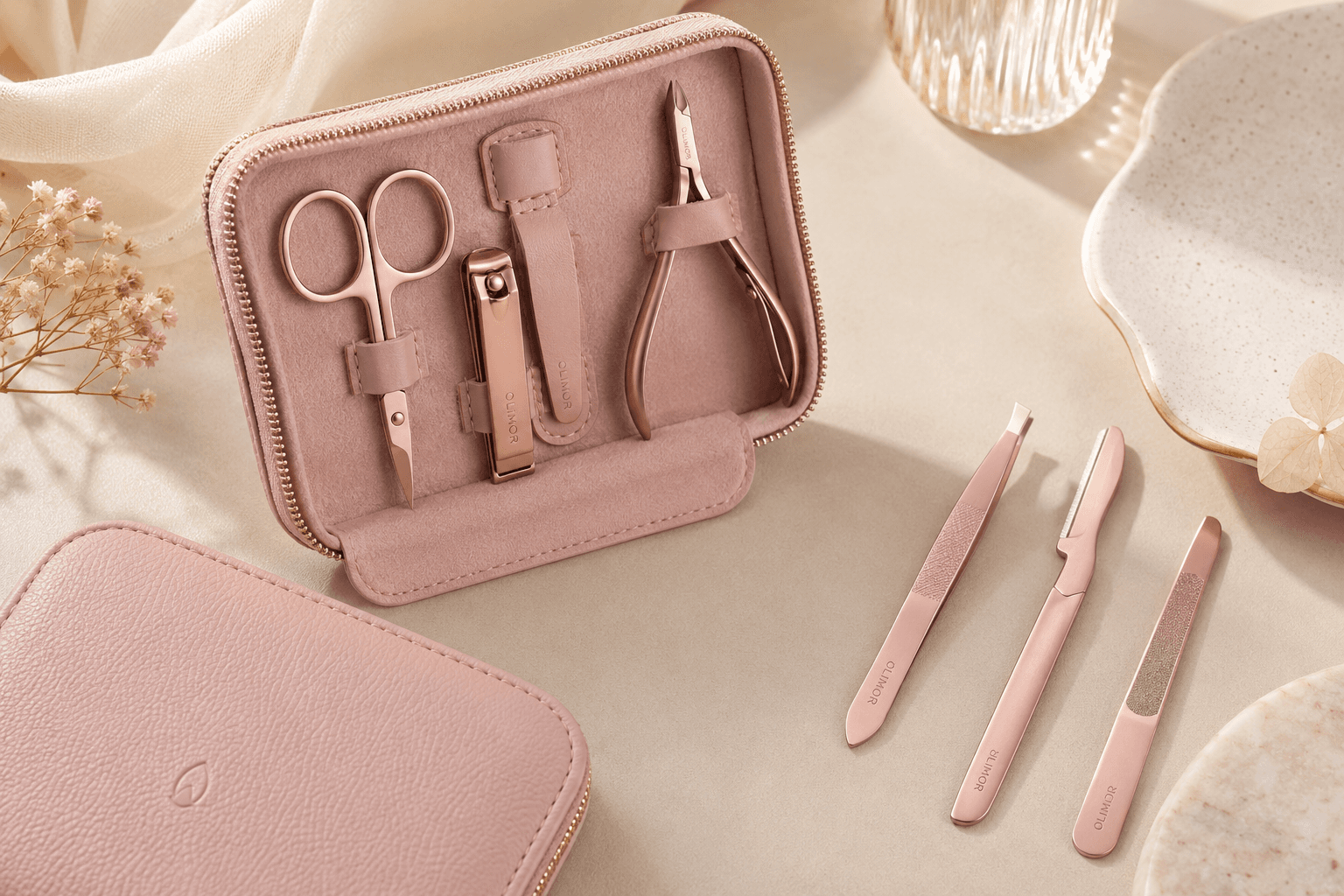
For buyers building a larger assortment, compare options alongside other beauty tool products so that handle finish, packaging style and price position make sense across the full range.
Why Factory Direct Sourcing Matters for Consistency
Sourcing tweezers factory direct can be valuable when your order depends on repeatable details. Intermediaries may be useful in some situations, but direct factory communication often gives buyers better visibility into sample approval, finishing options, packing requirements and inspection standards. Olimor Beauty’s factory direct approach is positioned around control of production stages, from material selection through final assembly and inspection.
For importers, consistency is the main reason to work with a long-term tweezers supplier rather than buying opportunistically. A single acceptable sample is not enough. You need production pieces that stay close to the approved sample in weight, tension, tip contact, finish and packaging. This is especially important for retail programs, promotional beauty kits and salon supply channels where multiple repeat orders may be placed over time.
Factory communication also helps when you need to clarify customization requirements. Customization may include packaging format, color finish, logo placement or assortment planning, depending on the available production options. Buyers should define these details early so samples can reflect the intended retail product, not just a generic tool.
Sample Review Checklist for Import Tweezers from China
When importing tweezers from China or any overseas production base, a structured sample review helps avoid decisions based only on appearance. Use the same checklist for initial samples, pre-production samples and random production inspections. This keeps the discussion objective and makes it easier to compare suppliers.
| Review Area | What to Check | Why It Matters |
|---|---|---|
| Tip alignment | Ends meet evenly with no gap, twist or overlap | Controls gripping accuracy and user experience |
| Tension | Arms close smoothly and reopen without sticking | Affects comfort during repeated use |
| Surface finish | No burrs, scratches, rough edges or inconsistent coating | Supports retail appearance and safe handling |
| Material feel | Tool feels solid and appropriate for the price tier | Helps position the product for retail or salon buyers |
| Packaging fit | Tool is protected and presented cleanly | Reduces transit damage and improves shelf appeal |
| Batch consistency | Multiple pieces match the approved sample | Protects repeat order quality |
Keep approved samples clearly labeled and stored. If your business sells several tweezer types, document the intended use for each one. A small note such as “slanted brow tweezer for entry retail kit” or “fine-detail tweezer for professional accessory set” can prevent confusion when reviewing future production.
Packaging and Retail Positioning Decisions
Tweezers are often sold in compact packaging, included in beauty kits or paired with brow grooming accessories. Packaging should match the sales channel. A salon distributor may prioritize protective sleeves and practical handling, while a retailer may need hang cards, clear display windows or compact boxed presentation. The right choice depends on how the customer will compare the item on shelf or online.
When designing the retail offer, consider the promise made to the end user. If the item is described as a precision brow tweezer, the package should highlight the tip style and intended use. If the item is part of a travel kit, protection and compactness become more important. Avoid overloading the packaging with unsupported technical claims. Clear product benefits such as stainless steel construction, aligned tips and comfortable grip are easier for consumers to understand and easier for buyers to verify.
For assortments, browse Olimor Beauty product collections to think about how tweezers can sit alongside other beauty tools in a coordinated program. Matching finish, packaging language and user level can make the range feel more organized without creating unnecessary complexity.
Maintenance Guidance to Reduce Customer Complaints
Even well-made tweezers can receive poor reviews if consumers use or store them incorrectly. Including simple care instructions can protect the product experience. Beauty tweezers should be kept clean, dry and protected at the tip. If they are dropped on a hard surface, the tip alignment can be damaged, even when the body remains intact. A small protective cap or sleeve can help preserve performance during shipping, storage and daily use.
Basic consumer care guidance may include wiping the tips after use, allowing the tool to dry before storage and avoiding contact with harsh chemicals unless the material and finish are suitable. For professional environments, hygiene practices should follow local salon standards. The supplier does not need to overcomplicate the instructions; short, clear care guidance on the package or insert often prevents unnecessary returns.
How to Build a Long-Term Tweezer Supply Program
A long-term tweezers supplier should support more than one transaction. The best outcomes usually come from clear specifications, approved samples, stable communication and regular quality review. Before placing a bulk order, define the target market, price position, tip type, finish, packaging, labeling requirements and inspection expectations. This reduces ambiguity and helps the factory produce to the intended standard.
For importers, the most useful questions are practical ones: Does the sample represent normal production? How will tip alignment be checked during production? What packaging will protect the tweezer during ocean or air shipment? Are there finish options that suit your sales channel? How will changes be documented before repeat orders? These questions help you evaluate supplier reliability without relying on broad marketing language.
If you are comparing tweezers for a retail program, salon channel or private label beauty kit, you can contact Olimor to discuss the type of tool you need. For order-specific requirements, packaging direction or assortment planning, you may also send an inquiry with your target market and preferred specifications.
Final Buying Takeaway
Export quality tweezers should be judged by the details that users feel immediately: accurate gripping, smooth tension, comfortable handling and reliable finish. For buyers, the strongest sourcing decisions come from reviewing samples carefully, documenting specifications and working with a supplier that can maintain consistency from order to order. Olimor Beauty focuses on practical beauty tool supply for importers that need dependable tweezers for retail, salon and kit applications.
Tag: