Export Quality Tweezers: A Practical Supplier Guide for Precision Beauty Tools
Export quality tweezers are small tools, but they carry a large responsibility for beauty brands, wholesalers, salon suppliers and professional grooming buyers. A tweezer that looks acceptable in a catalog can still fail in daily use if the tips do not meet evenly, the grip slips on fine hair, or the finish becomes difficult to maintain. For buyers sourcing at scale, these issues can lead to returns, inconsistent customer feedback and avoidable quality disputes.
Olimor Beauty focuses on precision beauty tools for international buyers who need dependable tweezers for retail, salon and professional use. When evaluating export quality tweezers, the decision should not be based on appearance alone. Tip geometry, stainless steel construction, edge finishing, hand feel, inspection discipline and export readiness all matter. This guide explains how to assess those points before building a long-term sourcing program.
What Makes Tweezers Suitable for Export Quality Programs?
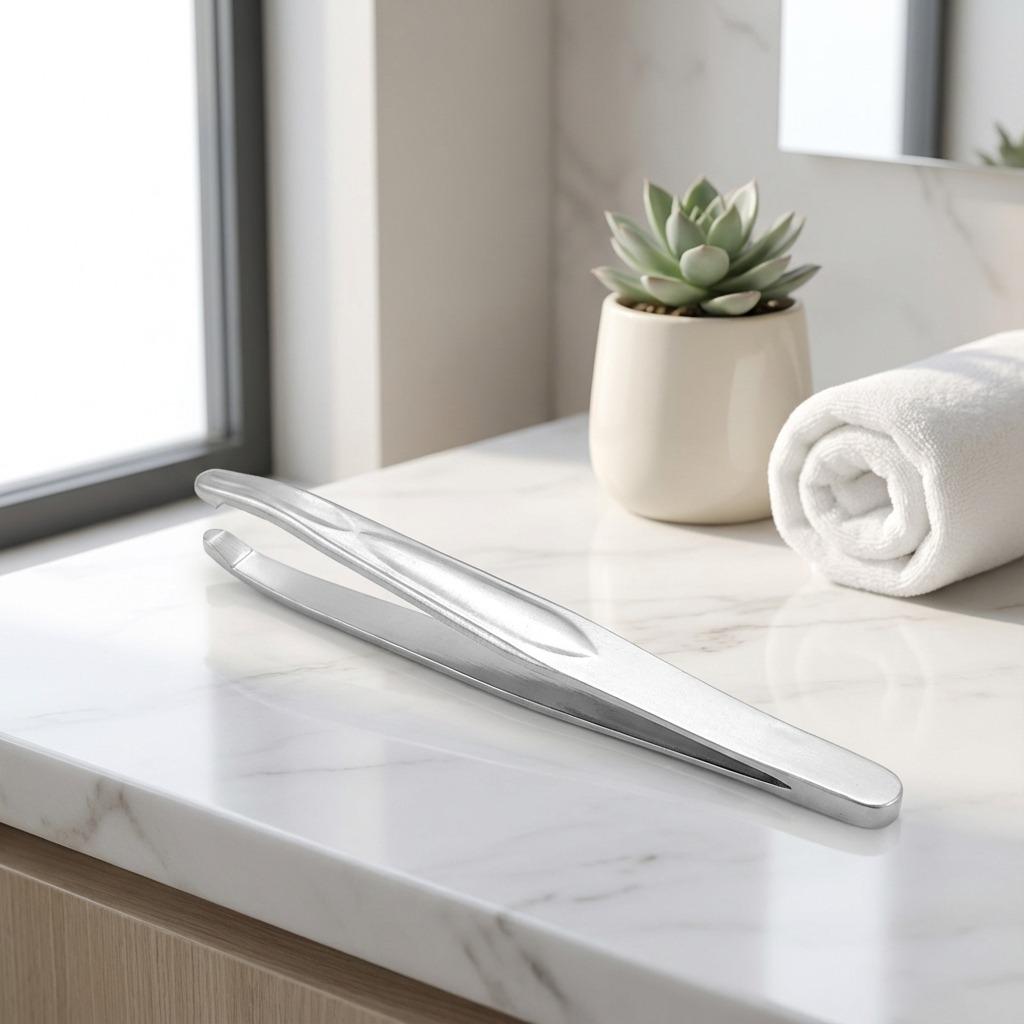
Export quality tweezers should be designed for consistent performance across repeated use, not only for a first impression. The most important feature is the working tip. Whether the tweezer uses a beveled edge or a fine point, both sides must align closely so the tool can grip fine hairs without cutting, slipping or requiring excessive pressure. Small differences in tip shape can change how the tweezer performs for eyebrow shaping, detail grooming or removing a small splinter.
Material choice also affects the user experience. The supplied product information highlights high-grade stainless steel, anti-magnetic stainless steel and a silver finish that resists tarnishing. These characteristics are relevant for beauty tool buyers because tweezers are handled often, cleaned frequently and exposed to moisture in salon or bathroom environments. Stainless steel is valued because it supports durability and easier care compared with softer or poorly finished metals.
For importers, export quality also means repeatability. A sample set may perform well, but bulk orders must hold the same alignment, spring tension, finish and edge quality. This is where clear inspection standards become essential. Buyers comparing beauty tool products should look beyond the product photo and define how the tweezer should perform in real handling.
Key Performance Details Buyers Should Check
Precision tweezers are judged by contact, control and comfort. A strong supplier should be able to discuss these areas clearly and help buyers translate them into order requirements. The following checklist is useful when reviewing samples or confirming a production standard:
- Tip alignment: The two sides should meet evenly at the working area, with no visible twist or uneven gap.
- Grip on fine hair: The tweezer should catch fine hair securely without requiring the user to squeeze too hard.
- Edge finishing: A beveled edge should feel precise, not sharp in a way that scratches skin during normal grooming.
- Spring tension: The body should open and close smoothly, with enough resistance for control but not enough to cause hand fatigue.
- Surface finish: The silver finish should look clean and consistent, with no rough patches, burrs or obvious discoloration.
- Finger control: Subtle finger indentations can help users hold the tweezer more securely during detailed work.
- Cleanability: The tool should be easy to wipe and maintain after use, especially for salon or professional environments.
These checks are simple, but they reveal a great deal about manufacturing discipline. A tweezer may be inexpensive, but if it cannot grip consistently, the end user will notice immediately. For professional buyers, performance failure at the tip is more important than packaging decoration or promotional claims.
Why Factory-Direct Sourcing Can Improve Consistency
Working with a tweezers factory direct source can help reduce communication gaps between the buyer and production team. When requirements pass through too many intermediaries, details such as tip pressure, edge feel or finish tolerance may be simplified or misunderstood. Factory-direct sourcing makes it easier to confirm how the product will be made, inspected and packed for export.
Olimor Beauty’s supplied product information emphasizes a factory direct approach, quality checks from material selection to final assembly, and internal inspections covering corrosion resistance and edge sharpness. These steps matter because precision tweezers depend on small details. If the tips are polished too aggressively, they may lose grip. If they are not finished carefully enough, they may feel rough. If the tension varies too much, one batch may feel different from the next.
For businesses building a stable assortment, factory-direct cooperation is especially useful when the same tweezer must be ordered repeatedly. It supports clearer sample approval, easier comparison between production lots and a more direct route for resolving technical questions. Buyers planning multiple grooming tools can also review related product collections to keep sourcing decisions organized.
Choosing the Right Tweezer Style for the Intended Use
Not every buyer needs the same tweezer. A salon-focused supplier may prioritize long working comfort and highly accurate eyebrow shaping. A retail beauty brand may care about a balanced combination of appearance, daily-use durability and reliable grip. A professional kit may require a tool that handles delicate detail work with a fine point. Before placing an order, define the main use case.
| Use Case | Selection Priority | What to Check in Samples |
|---|---|---|
| Eyebrow shaping | Secure grip on fine hair and accurate beveled edge | Tip alignment, edge finish and squeeze comfort |
| Salon daily use | Comfort, durability and easy maintenance | Spring tension, surface finish and corrosion resistance checks |
| Detail grooming | Fine point accuracy and controlled handling | Point symmetry, closing precision and finger control |
| Wholesale or retail sets | Consistent appearance and performance across batches | Finish consistency, packaging fit and lot inspection plan |
This approach helps buyers avoid overgeneralized specifications. A tweezer promoted only as “premium” or “professional” may not suit every market. The better question is how the tool will be used, who will use it, and what performance complaints would be unacceptable.
Inspection Questions for Import Tweezers from China
Importing tweezers from China can give buyers access to efficient production and broad manufacturing experience, but quality depends on the exact supplier and inspection method. Instead of relying only on broad claims, buyers should define practical acceptance points before production begins. These may include the approved sample standard, inspection quantity, visible defect limits, tip grip checks and packaging review.
The supplied information for Olimor Beauty notes international export protocols and references FDA and CE certifications. Buyers working in regulated or documentation-sensitive markets should keep compliance files organized and confirm that paperwork matches the product and destination market needs. Documentation should be reviewed as part of sourcing, not treated as an afterthought once goods are ready to ship.
A useful pre-shipment review should include visual inspection, functional testing and packaging confirmation. Visual checks identify scratches, finish inconsistency, burrs or staining. Functional checks confirm the tweezer closes correctly and grips as intended. Packaging checks help prevent movement, rubbing or damage during transport. These steps are not complicated, but they protect both the buyer and the end user.
Maintenance Guidance That Adds Value for End Users
Good tweezers last longer when users care for them properly. If you sell tweezers under a retail or professional program, simple care instructions can reduce misuse and improve customer satisfaction. Stainless steel tools should be wiped clean after use and stored dry. The tips should not be dropped, twisted or used as a prying tool, because misalignment can permanently reduce performance. For salon environments, cleaning practices should follow local hygiene requirements and the tool’s intended use.
It is also helpful to remind users not to over-squeeze. Quality tweezers are designed to grip with controlled pressure. Excessive force can strain the hand and may affect tip contact over time. A short maintenance insert or product page note can be more useful than broad marketing language, especially for customers who buy beauty tools for professional routines.
Building a Long-Term Tweezers Supplier Relationship
A reliable tweezers supplier should support consistent quality, clear communication and practical sourcing decisions. For long-term programs, buyers should keep a retained approved sample, document the preferred finish and tip style, and maintain a record of any changes between orders. If customized options are being considered, confirm them through physical samples and written specifications before bulk production.
Olimor Beauty works with buyers seeking export quality tweezers and precision beauty tools for international distribution. Whether you are comparing a new tweezer supplier, reviewing factory-direct options or planning to import tweezers from China, the best starting point is a clear performance brief: intended use, target market, preferred tip style, finish expectations, packaging requirements and documentation needs.
To discuss sourcing requirements or request product details, you can contact Olimor or send an inquiry. A well-defined specification helps turn a small beauty tool into a dependable product line that customers can trust order after order.
Tag: