How to Evaluate the Top Tweezers Manufacturers Globally
Finding the right tweezers manufacturer is not only about locating a factory that can make a familiar beauty tool. For brow brands, beauty distributors, salon suppliers and private-label product teams, tweezers sit at the intersection of precision, comfort, hygiene, finish quality and repeatable production. A tweezer that looks acceptable in a catalog can still disappoint if the tips do not meet evenly, if the grip feels weak after repeated use, or if the finish scratches easily during packing and shipping.
When buyers search for the top 10 tweezers manufacturers globally, the real goal is usually to identify reliable partners for OEM custom tweezers, international wholesale tweezers or a broader beauty-tool assortment. Instead of relying only on rankings, a stronger approach is to compare manufacturers by the standards that directly affect product performance and customer satisfaction. The following guide explains what to examine before choosing a tweezer supplier and how Olimor Beauty fits into the sourcing conversation for professional and retail beauty tools.
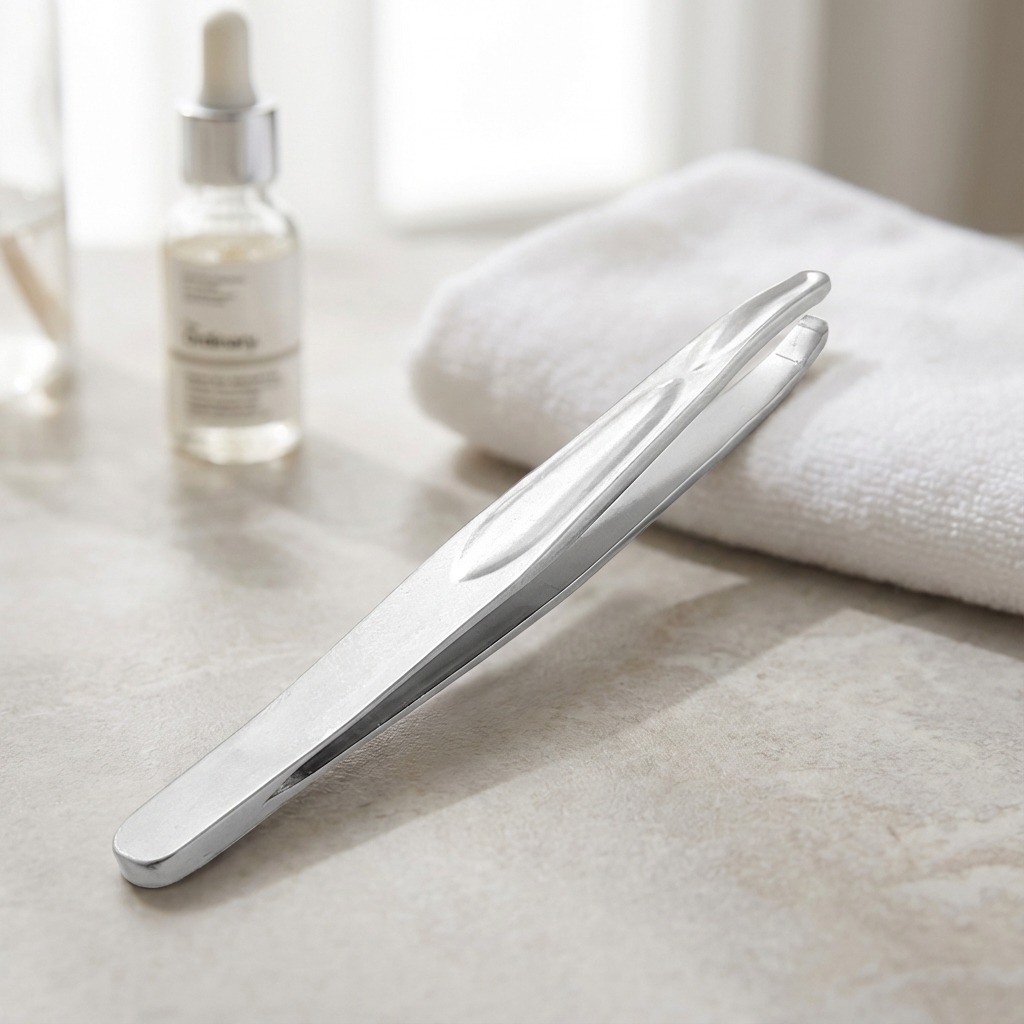
What Separates Strong Tweezers Manufacturers from Ordinary Suppliers
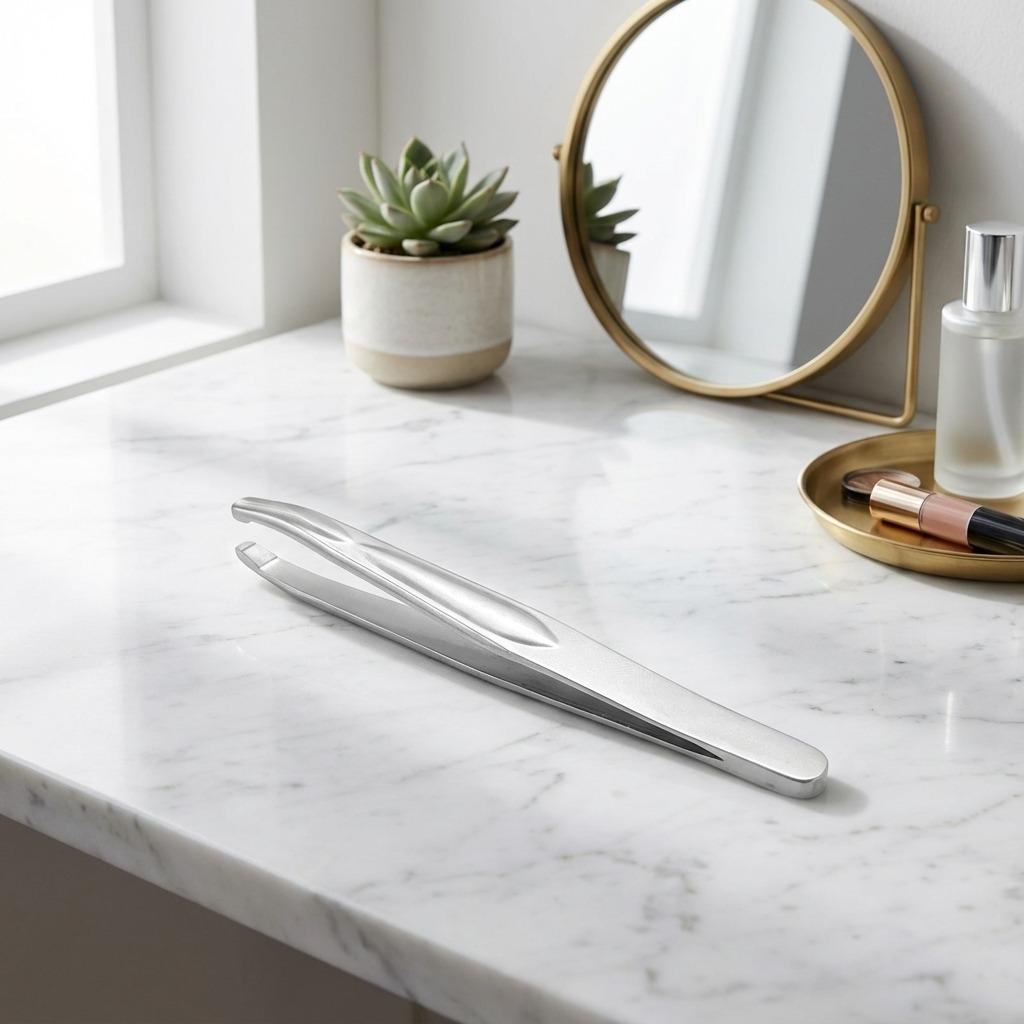
Tweezers appear simple, but the details are demanding. The two arms must have the right tension, the tips must align accurately, and the gripping edge must catch fine hairs without cutting them too aggressively or sliding over them. A dependable manufacturer understands that small dimensional differences can affect the entire user experience.
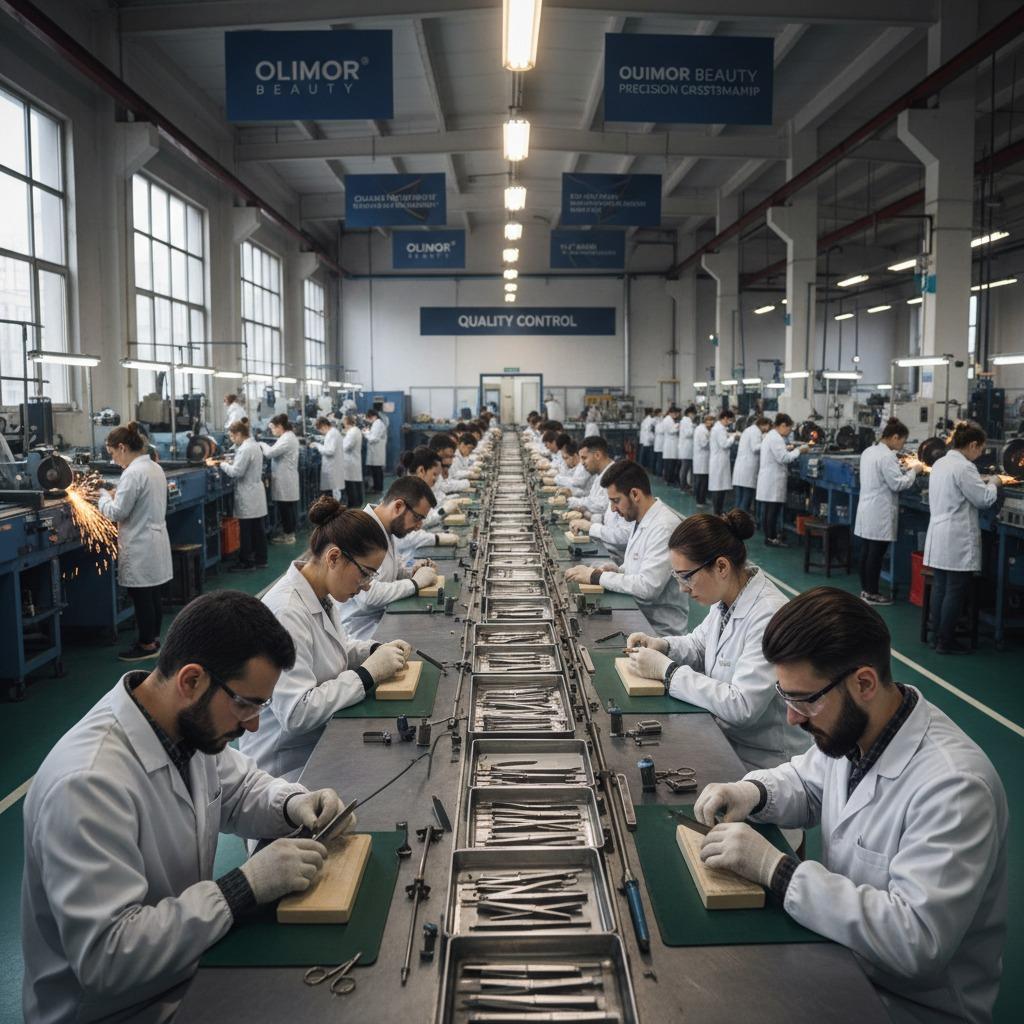
For beauty buyers, the strongest manufacturers usually demonstrate control in several areas: raw material selection, forming, tip grinding, polishing, surface finishing, inspection and packaging. These steps influence whether a tweezer feels stable in the hand and performs consistently across a production run. In OEM and wholesale purchasing, consistency matters more than a single impressive sample. A sample may be hand-selected, but a strong manufacturer can maintain the same quality across cartons of finished goods.
Olimor Beauty focuses on beauty tools where practical use, clean presentation and production reliability are important to brand owners and distributors. Buyers comparing beauty tool products should look beyond the product photo and request a clear understanding of how the supplier manages alignment, finishing and final inspection.
Key Criteria for Comparing Global Tweezer Suppliers
A useful supplier comparison should be based on observable criteria rather than marketing claims. The checklist below can help purchasing teams, Amazon sellers, salon distributors and private-label beauty brands evaluate manufacturers more systematically.
| Evaluation area | What to check | Why it matters |
|---|---|---|
| Tip alignment | Tips meet evenly with no visible gap or offset | Improves grip on fine or short hairs |
| Hand feel | Balanced tension, smooth edges and comfortable hold | Reduces fatigue for brow shaping and repeated use |
| Material and finish | Clean metal surface, uniform color and no sharp burrs | Supports durability, hygiene and retail appearance |
| Production consistency | Samples match bulk goods across multiple cartons | Protects brand reputation after launch |
| Packaging execution | Correct labeling, protective packing and clean presentation | Reduces damage and improves shelf readiness |
| Communication | Clear responses on customization, timelines and documentation | Makes OEM and wholesale projects easier to manage |
Tip alignment deserves special attention. Slant-tip tweezers, pointed tweezers and flat-tip designs each require different grinding and finishing control. If the edge is too thick, it may not catch fine hairs well. If it is too sharp or uneven, it may feel uncomfortable or increase the risk of hair breakage. Buyers should review both visual alignment and actual plucking performance during sample testing.
OEM Custom Tweezers: Decisions to Make Before Production
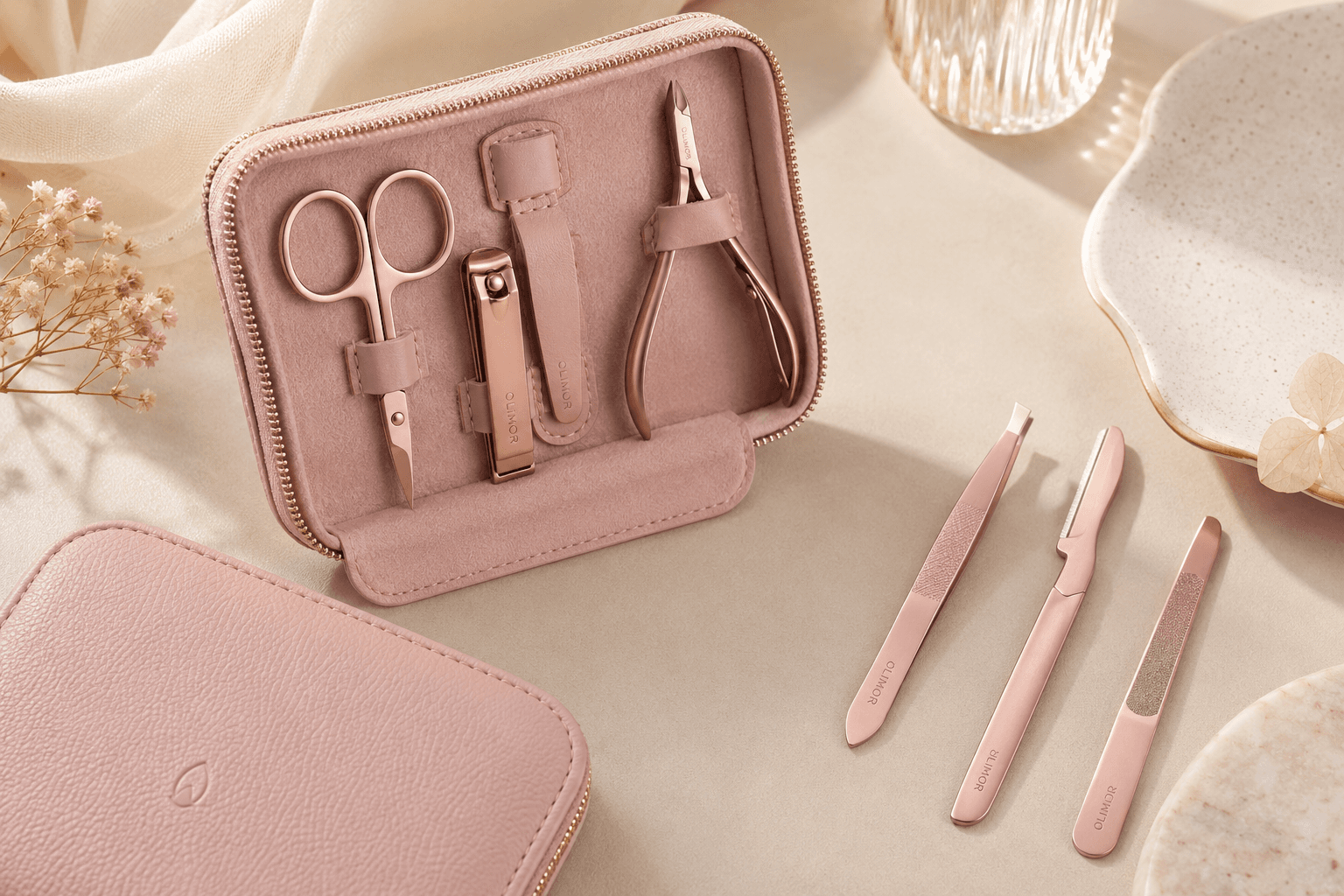
OEM custom tweezers give brands the ability to adjust appearance, packaging and sometimes tool geometry for a specific audience. A brow-focused brand may prioritize a slanted tip and elegant retail packaging. A professional salon supplier may prefer a practical finish, easy cleaning and a shape that supports frequent use. A gift set or travel beauty kit may need a compact format and protective sleeve.
Before starting an OEM project, it helps to define the product brief in practical terms. Useful decisions include:
- Tip style: slant, pointed, flat or another design suitable for the intended use.
- Grip and tension: how firm the tweezer should feel when pressed.
- Surface finish: classic silver appearance, matte effect or another available finish that fits the brand direction.
- Logo placement: whether branding should appear on the handle, sleeve, backing card or outer packaging.
- Retail format: individual tool, set component, salon supply item or wholesale bulk product.
- Protection during shipping: tip caps, sleeves, inner cartons or other packing methods that prevent damage.
Customization should not make the tool harder to use. Decorative decisions need to be balanced with performance. For example, a finish should not make the tweezer slippery, and packaging should not put pressure on the tips. When reviewing custom options, buyers can send an inquiry with the intended market, desired finish, packaging concept and expected sales channel so the discussion stays focused on manufacturable choices.
International Wholesale Tweezers and Bulk Buying Priorities
International wholesale tweezers are often purchased for distribution, retail programs, beauty kits, promotional assortments or salon supply channels. In these projects, buyers typically care about repeatability, shipping protection, documentation and the ability to reorder without unexpected changes in appearance or performance.
Bulk buying should always include a practical quality review plan. Even when a manufacturer has a good product, transportation and packing can affect the final condition. Tweezer tips are particularly sensitive because they must remain aligned. Protective packaging is not just cosmetic; it helps maintain product function.
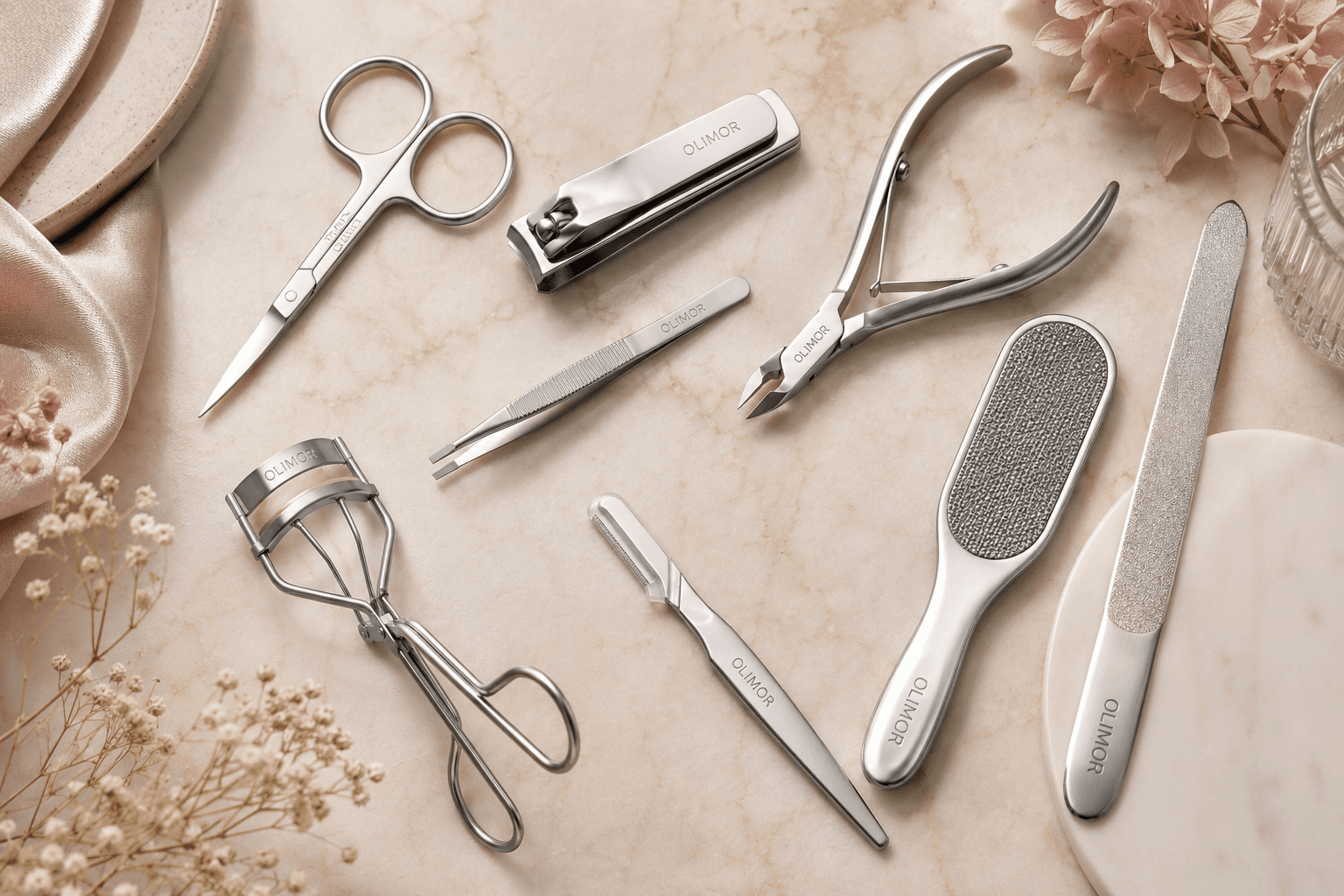
Wholesale buyers should also consider how the tweezer will be sold. A tool for e-commerce needs product images, clear descriptions and packaging that survives parcel handling. A tool for a retail shelf needs barcode placement, clean surfaces and consistent presentation. A tool included in a beauty set must visually match the other items in the assortment. Exploring Olimor Beauty product collections can help buyers think about tweezers as part of a broader beauty-tool range rather than a standalone item.
How to Test Tweezer Samples Before Placing an Order
Sample testing should simulate real use, not just a quick visual inspection. A buyer may receive a tweezer that looks polished but performs poorly on very fine hairs. Another sample may grip well at first but feel uncomfortable after repeated pressure. A simple testing routine can prevent costly sourcing mistakes.
- Inspect the tips under good lighting. Check whether the ends meet evenly from the front and side.
- Test on different hair types. Try fine, short and slightly thicker hairs to judge grip and control.
- Check hand comfort. Press the tweezer repeatedly and notice whether the tension feels too loose or too stiff.
- Look for burrs or rough edges. Run a fingertip carefully along non-cutting surfaces and review the handle edges.
- Review finish consistency. Compare several samples for color, polish marks and surface defects.
- Examine packaging fit. Make sure the tool is held securely without bending or stressing the tips.
- Document findings. Use photos and written notes so the approved sample can be compared with bulk production later.
For private-label projects, the approved sample becomes an important reference. Buyers should keep one sample sealed and labeled, then use it during pre-shipment checks or future reorder discussions. This is especially helpful when multiple team members or markets are involved.
Sourcing Questions That Reveal Real Manufacturing Capability
Good sourcing questions are specific and connected to the final product experience. Instead of only asking for a catalog, buyers should clarify how the supplier handles tolerance-sensitive production steps, packaging requirements and ongoing order consistency.
Useful questions include: How is tip alignment checked during production? What types of tip styles and finishes are currently available? Can packaging be adapted for retail or professional channels? How are the tips protected during transport? What information is needed to review a logo or packaging concept? How are approved samples recorded for repeat orders?
It is also worth discussing assortment planning. A brand may begin with one silver tweezer but later add brow scissors, eyelash tools, manicure accessories or travel grooming items. Working with a supplier that understands beauty-tool categories can simplify future launches. Buyers preparing a new range can contact Olimor to discuss product direction and determine which existing tool types may suit their market.
Choosing a Manufacturer for Long-Term Beauty Tool Programs
The best tweezers manufacturer for a buyer is not always the largest or the one with the most dramatic claims. It is the partner that can deliver the right balance of precision, finish, packaging execution and communication for the buyer’s sales channel. For OEM custom tweezers, that means translating a brand concept into a usable product. For international wholesale tweezers, it means keeping bulk orders consistent and protected. For beauty tool distributors, it means supporting repeat purchases with dependable product quality.
When comparing global manufacturers, use rankings as a starting point, not the final decision. Examine samples carefully, define the intended use, check packaging practicality and look for consistency across multiple units. A well-made tweezer is a small product, but it carries a large responsibility: it must work accurately every time a customer reaches for it. Olimor Beauty supports buyers who want practical, well-presented beauty tools for retail, wholesale and custom sourcing projects.
Tag: