How to Choose Tweezers Exporters for Lash and Beauty Tool Sourcing
For beauty distributors, lash supply brands, salon chains and private-label buyers, tweezers are small tools with a large impact. A tweezer that looks acceptable in a catalog can still fail in daily professional use if the tips do not meet evenly, the hand tension is inconsistent, or the grip becomes uncomfortable during long lash sessions. That is why choosing among tweezers exporters should be treated as a sourcing decision, not only a price comparison.
Olimor Beauty manufactures beauty tools for professional and commercial buyers, including tweezers used in beauty, esthetician and detailed application work. Whether you are sourcing standard items or exploring custom made tweezers, the goal is the same: dependable precision, repeatable quality and a product that suits the end user’s technique. This guide explains how to evaluate tweezer suppliers, what to consider for false lash applications and how to prepare a clearer sourcing brief before you place an inquiry.
What Makes a Tweezer Exporter Worth Considering?
A reliable exporter should be able to discuss the tool from the user’s point of view. For lash artists, brow technicians and beauty professionals, a tweezer is judged by tip alignment, control, comfort and durability. For distributors, the same product must also be consistent across batches, easy to position in the market and suitable for packaging or brand requirements.
When comparing tweezers exporters, look beyond general claims such as “high quality” or “professional grade.” More useful questions include how the supplier controls tip symmetry, how they inspect finished pieces, whether they can maintain consistent hand tension, and how they handle customization requests. A good sourcing conversation should cover the application first, because tweezers for lash isolation, lash pickup, brow work and fine craft tasks may require different tip shapes and closing behavior.
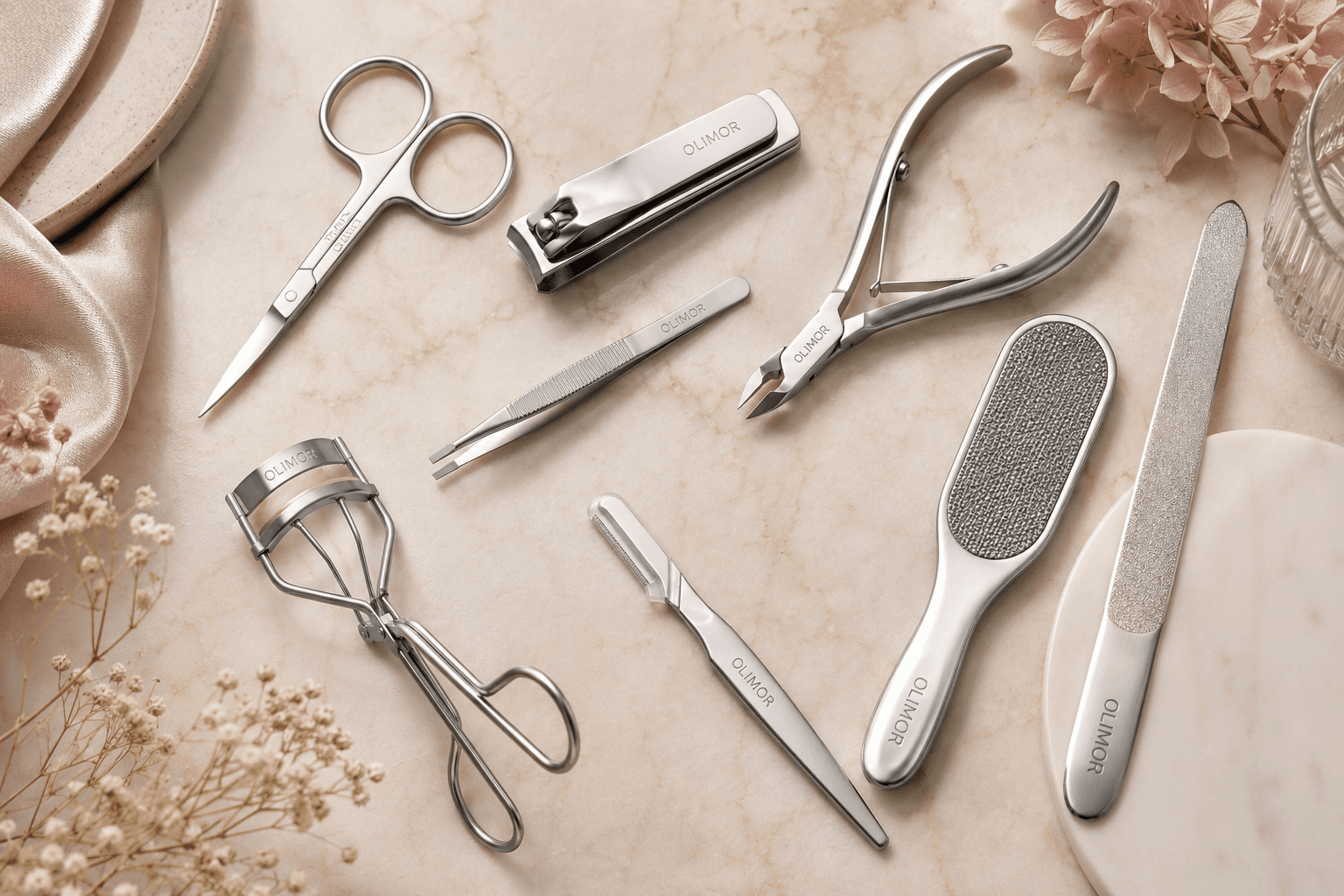
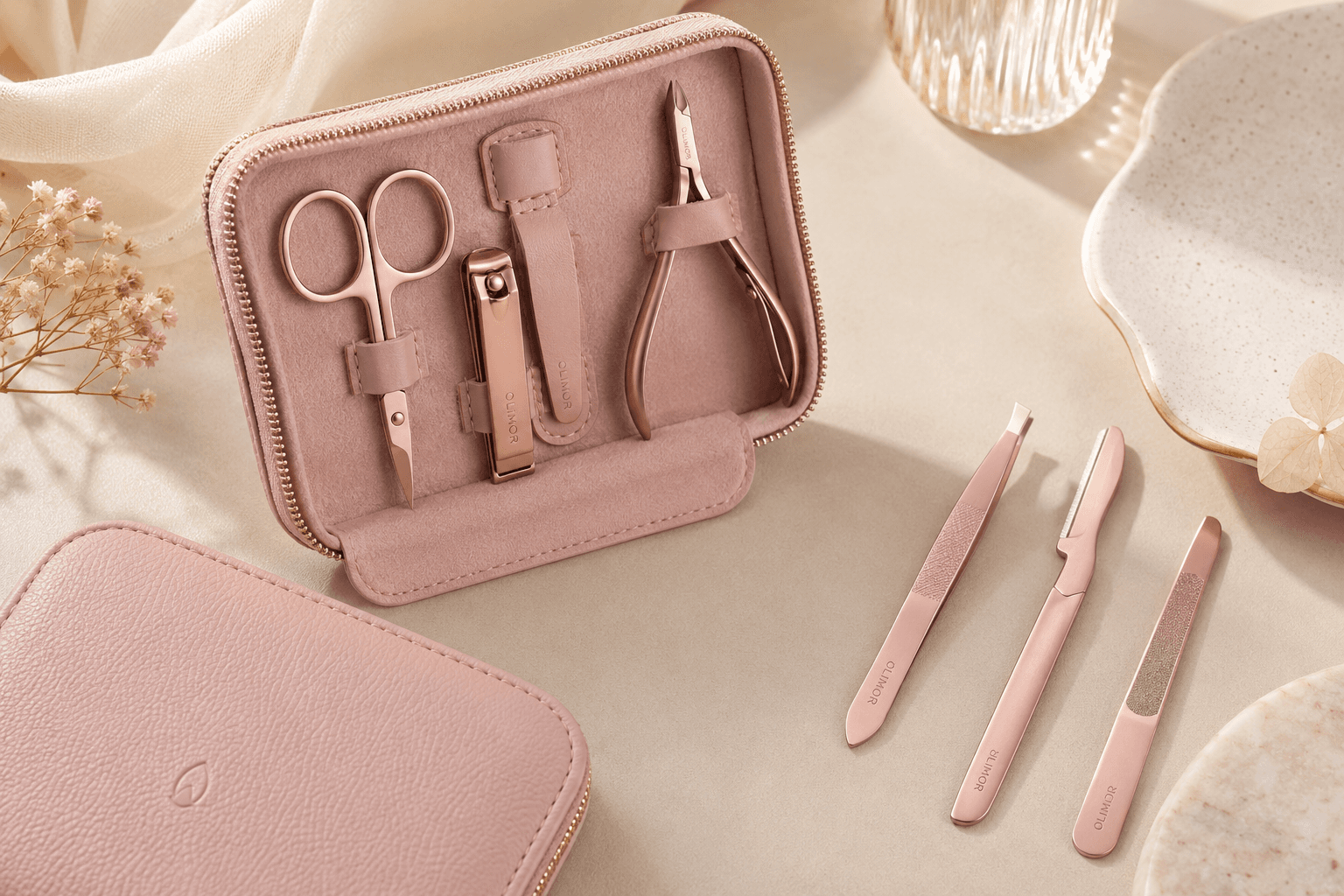
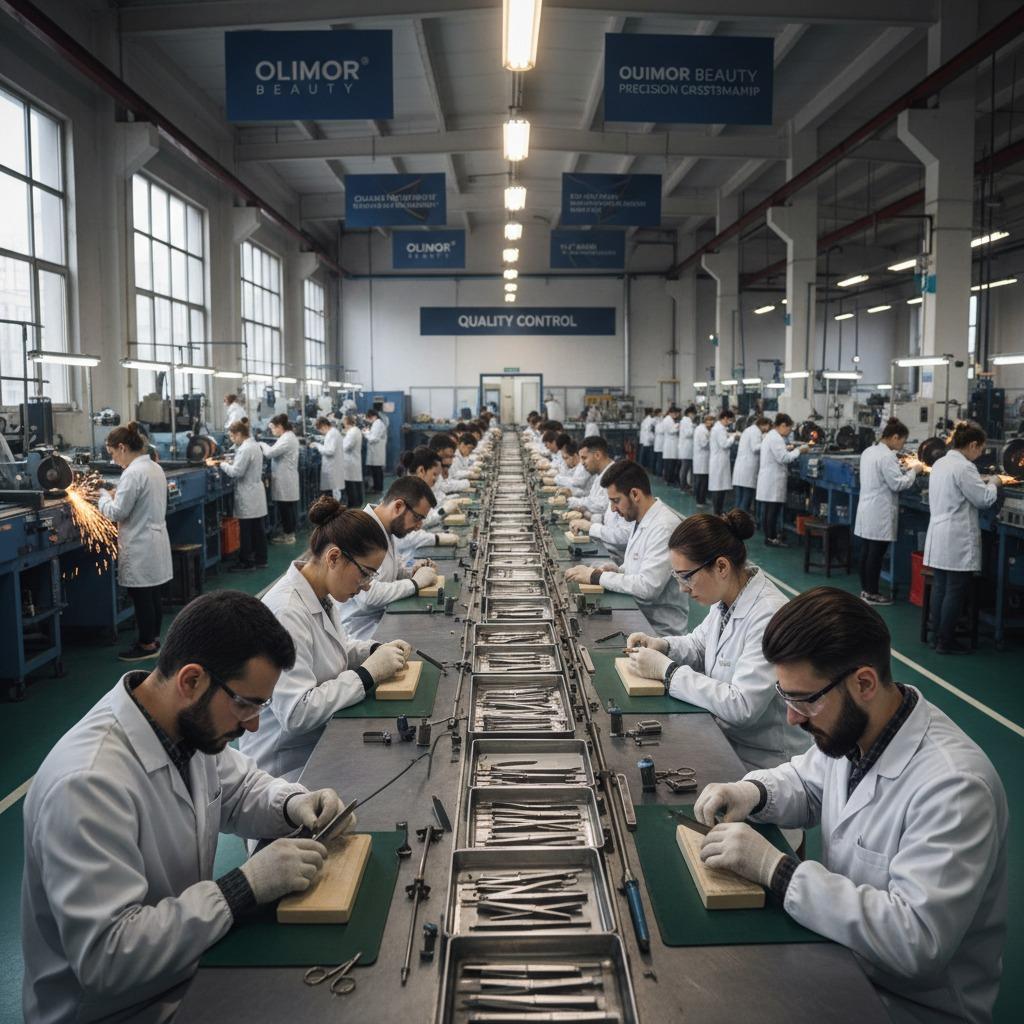
Olimor Beauty focuses on craftsmanship and internal quality control for beauty tools, including precision tweezers. Buyers can review broader options through the beauty tool products page or compare related categories in the product collections section before narrowing the specification.
Key Selection Criteria for Professional Tweezers
The most important tweezer features are often not visible in a simple product photo. Buyers should evaluate samples with the same motions that the final users will perform. A lash technician may open and close the tweezer hundreds of times in one appointment, while a distributor may need to verify that each unit in a shipment feels close enough to the approved sample.
- Tip alignment: The two tips should meet cleanly and predictably. Poor alignment makes it harder to grip fine materials and can slow down professional work.
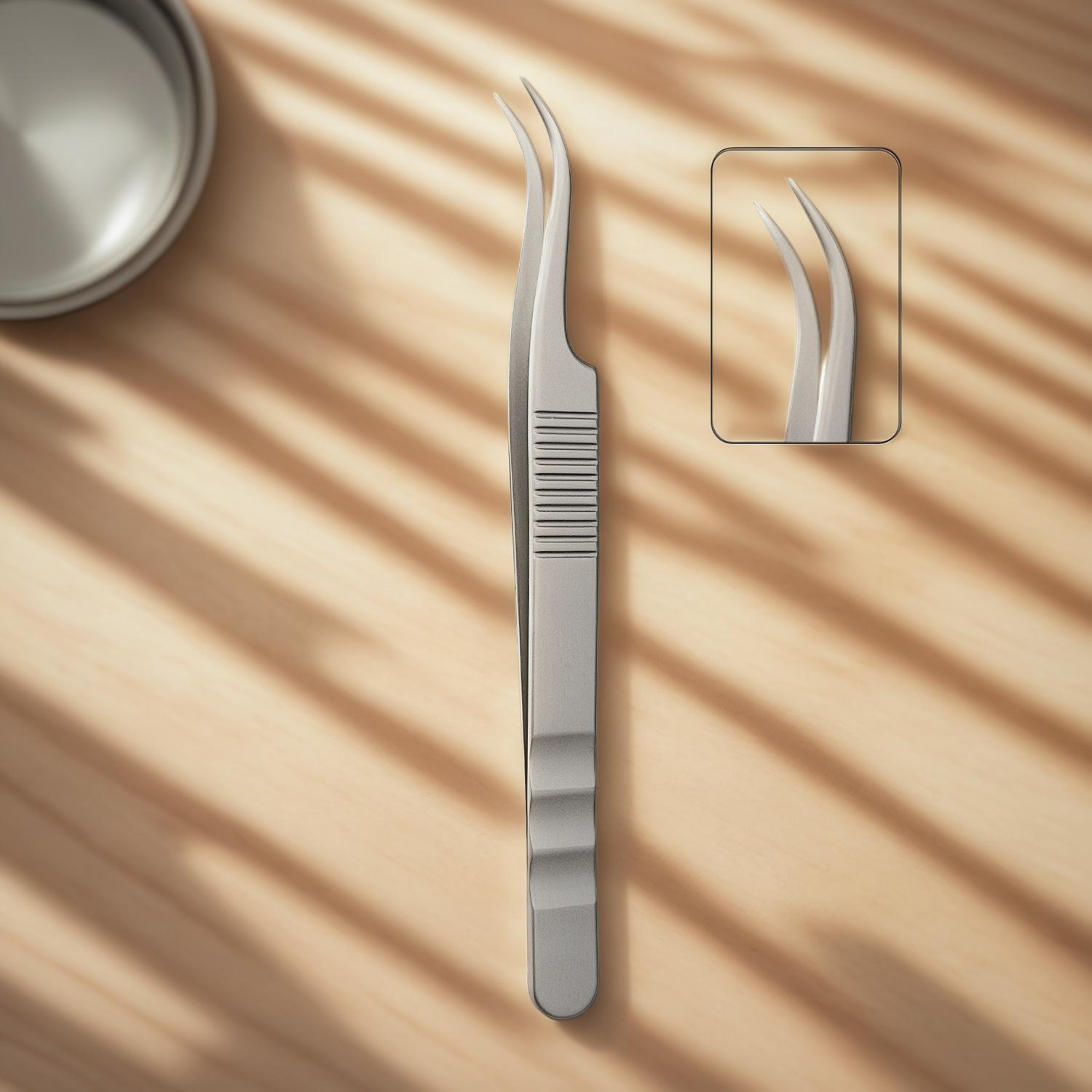
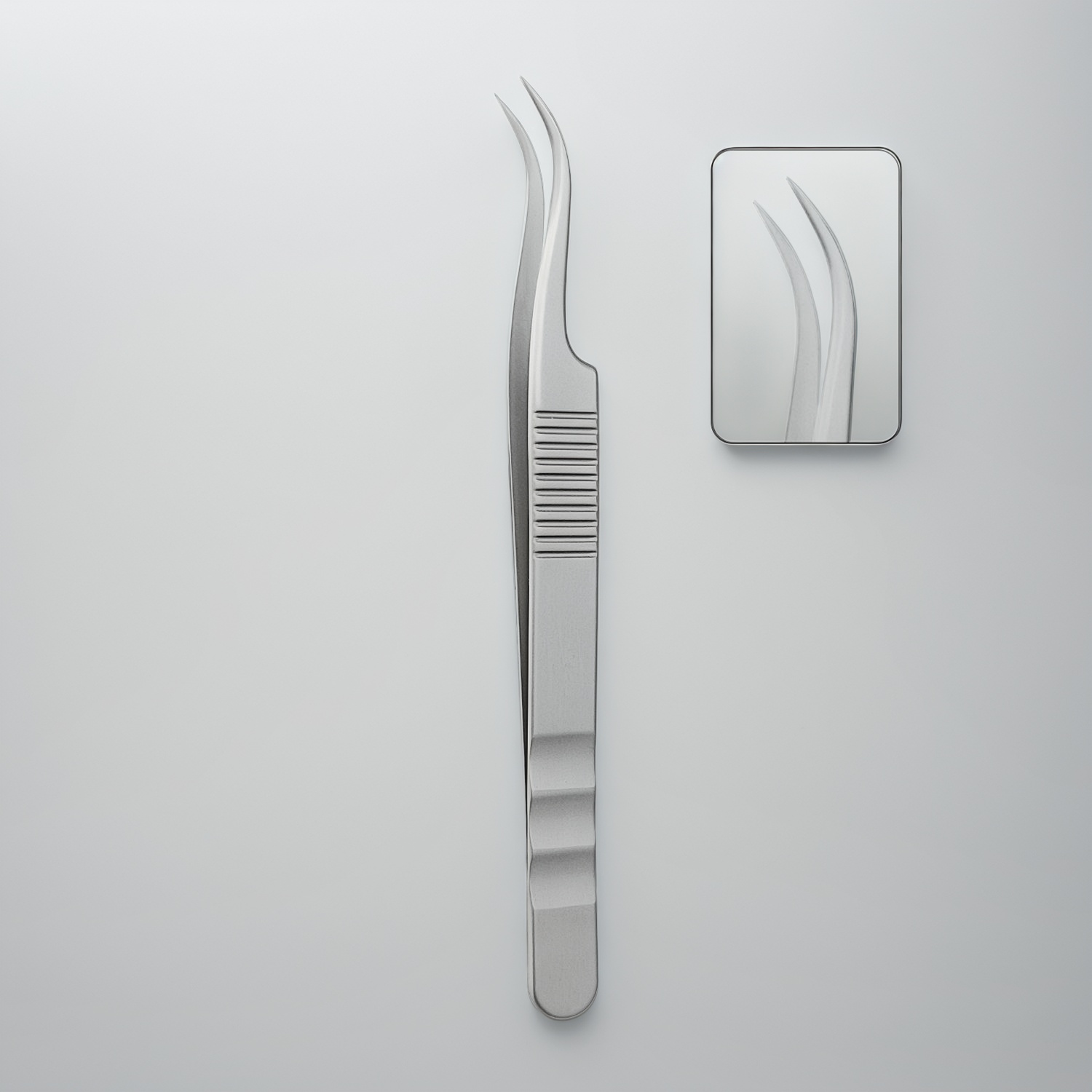
- Tip shape: Straight, curved, pointed or angled tips each support different tasks. Curved tips are often preferred for delicate placement and isolation work in lash applications.
- Hand tension: Tension should provide control without causing fatigue. If it is too stiff, long sessions become tiring; if too loose, precision can suffer.
- Grip comfort: Anti-slip texture or a controlled surface finish can help technicians maintain steady handling, especially during detailed tasks.
- Consistency: The approved sample should represent what the buyer can expect in production. Consistency matters more than an impressive one-off sample.
- Finish and edges: Surfaces should be smooth enough for professional use, with no rough areas that interfere with cleaning, handling or presentation.
- Packaging suitability: Retail brands and distributors may need protective packaging, labeling space or packaging that matches the sales channel.
Why Custom Made Tweezers Can Improve Product Fit
Custom made tweezers are useful when an existing product does not match the buyer’s intended audience, technique or brand positioning. Customization does not always mean creating an entirely new tool from the beginning. It may involve refining the tip style, adjusting the grip area, selecting a finish, developing packaging, or aligning the product with a private-label range.
For lash tool brands, custom work can help create a more coherent assortment. For example, one tweezer may be positioned for isolation, another for placement, and another for general precision work. For a salon supply distributor, the priority may be reliable performance and a finish that holds up well in daily use. For a retail beauty brand, visual presentation and packaging may carry more weight.
Before requesting custom made tweezers, prepare a clear brief. Include the target user, the intended application, preferred tip type, sample reference if available, branding requirements and packaging expectations. If exact technical details are not yet finalized, describe the problem the tool must solve. A useful brief might say, “for false lash isolation during long appointments, comfortable grip and consistent closing tension are priorities.” That gives the manufacturer a practical direction without forcing premature specifications.
Tweezers for False Lash Application: What Buyers Should Check
Tweezers for false lash and eyelash extension work require careful evaluation because the user handles very fine materials close to the eye area. The tool must allow controlled pickup, separation and placement. Olimor Beauty’s Curved Tip Precision Tweezers are described for this type of use, with a fine curved tip designed for isolation and placement of individual lashes, plus an anti-slip grip intended to reduce hand fatigue during long sessions.
When testing lash tweezers, do not judge the tool only by appearance. Simulate actual work movements. Check whether the tip closes evenly at the point where lashes are gripped. Confirm that the curve gives enough visibility and control for the technique used by your target customers. A tweezer that works well for one lash method may not be the best choice for another, so sample evaluation should involve users who understand the application.
| Buyer priority | What to evaluate | Why it matters |
|---|---|---|
| Lash isolation | Fine tip control and visibility | Helps separate individual lashes without awkward hand positioning |
| Lash placement | Tip contact and closing accuracy | Supports precise handling of lightweight lash materials |
| Long salon sessions | Tension and grip comfort | Reduces strain and supports steadier work over time |
| Wholesale resale | Consistency across samples | Protects buyer reputation and reduces complaints |
| Private label | Finish, packaging and branding area | Ensures the tool fits the intended market presentation |
Quality Control Questions to Raise Before Ordering
Quality control for tweezers should focus on the features that affect real performance. Olimor Beauty emphasizes inspection from raw stainless steel selection through final packaging, but buyers should still define what they need to confirm for their own sales channel. A professional lash brand may place more emphasis on tip precision, while a general beauty distributor may prioritize assortment consistency and packaging condition.
A practical QC checklist can include visual finish, tip alignment, closing feel, grip surface, cleanliness, packaging protection and comparison against approved samples. If you plan to sell into a regulated or highly specific market, prepare your own compliance and documentation requirements in advance so the sourcing discussion is efficient. Avoid relying only on broad certificates or marketing language; the tool must perform reliably in the user’s hand.
How to Prepare a Better Tweezer Sourcing Inquiry
A strong inquiry saves time for both the buyer and the manufacturer. Instead of sending only a product photo and asking for a quotation, explain the business context. Are you buying for a lash training academy, a wholesale catalog, an online beauty brand, or a salon chain? Do you need a ready product, minor customization, or a new private-label presentation? This information helps the exporter recommend the right direction.
- Define the application: lash isolation, lash placement, brow grooming, esthetician work or another detailed use.
- List preferred tool features: curved tip, pointed tip, anti-slip grip, light hand tension or other user priorities.
- Clarify branding needs: logo placement, packaging style, barcode or retail presentation if applicable.
- Request samples for functional testing before confirming larger purchasing plans.
- Evaluate samples with real users and record feedback on alignment, tension, comfort and accuracy.
- Confirm how the approved sample will be used as the reference for future production.
If you are ready to discuss product options, you can send an inquiry with your target application and customization needs. For broader sourcing questions or supplier communication, you may also contact Olimor directly.
Building a Tweezer Range That Serves Real Users
The best tweezer assortment is not necessarily the largest one. It is the range that gives customers clear choices for their work. For lash professionals, this may mean a focused set of curved and precision tweezers suited to isolation and placement. For beauty distributors, it may mean dependable standard tools that can be reordered consistently. For private-label brands, it may mean balancing performance, packaging and a clear product story without overcomplicating the line.
Choosing the right tweezers exporter is therefore about fit: fit for the user’s technique, fit for the buyer’s channel and fit for the brand’s quality expectations. By evaluating tip performance, hand feel, customization options and inspection standards early, buyers can reduce uncertainty and build a more dependable beauty tool offering. Olimor Beauty supports buyers looking for precision tweezers, custom made tweezers and tools for false lash application with a focus on practical performance and consistent manufacturing control.
Tag: