How to Evaluate Olimor Beauty as a Nail Clipper Factory for Bulk Buying
Choosing a nail clipper factory is not only about finding a low-cost grooming tool. For retailers, distributors, salon suppliers and private-label buyers, the real question is whether a clipper can cut cleanly, feel comfortable in the hand, look consistent across a bulk order and arrive ready for the sales channel you serve. Olimor Beauty focuses on beauty tools for everyday grooming needs, and its nail clipper offering is best evaluated through practical criteria: blade shape, material, weight, finishing, packaging readiness and wholesale communication.
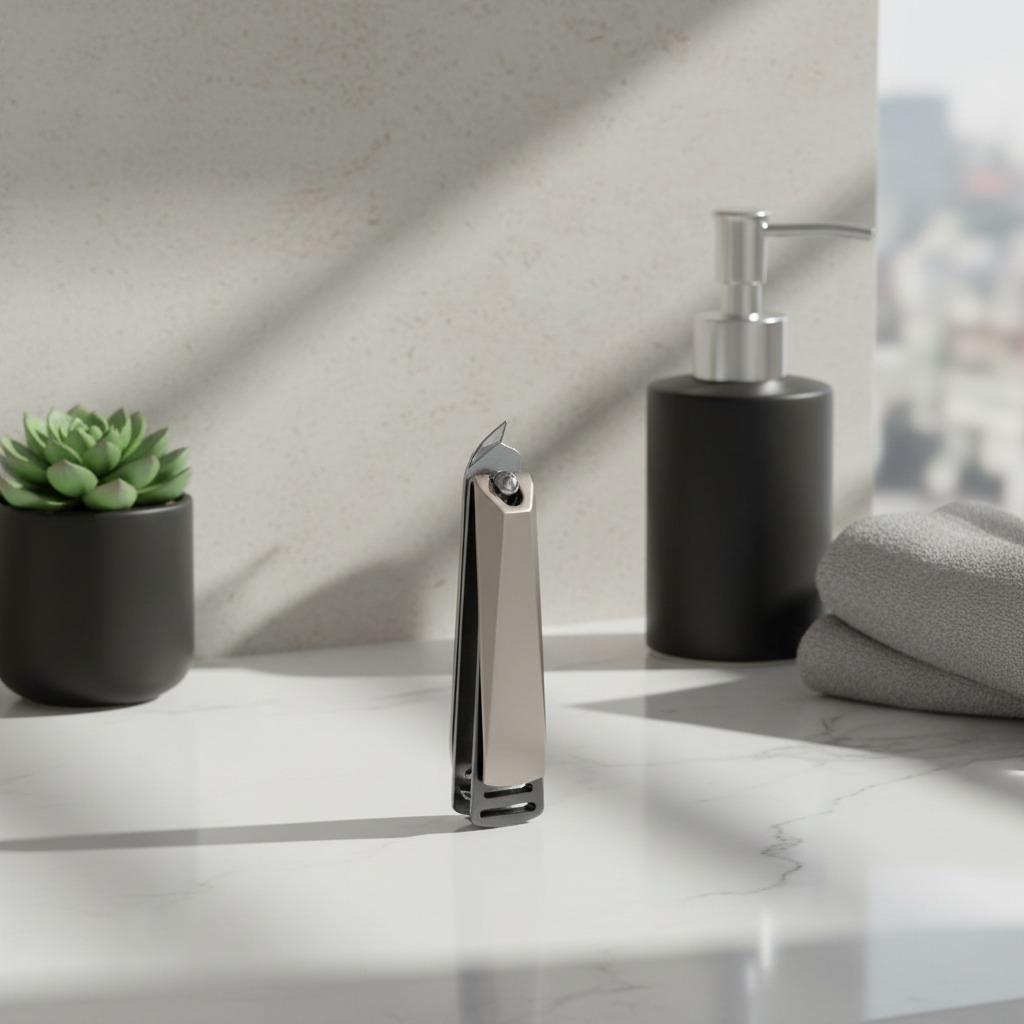
The supplied nail clipper details point to a compact tool measuring 70mm in height and 15mm in width, with a weight of about 30g. Those numbers matter because they describe a clipper that is small enough for travel kits, retail checkout displays, manicure sets and home grooming drawers, while still having enough presence to feel steady during use. For buyers comparing a nail clipper China manufacturer, these small design decisions can influence repeat purchase, customer reviews and return rates.
What Makes a Nail Clipper Factory Worth Shortlisting?
A dependable nail clipper factory should be judged by more than a product photo. The clipper has direct contact with the user’s nails, so minor manufacturing differences can create major differences in performance. A poorly aligned blade may crush or split nails; an uncomfortable lever can make cutting harder for elderly users; a rough edge or inconsistent polish can weaken perceived quality before the product is even used.
When assessing Olimor Beauty for wholesale nail clipper sourcing, buyers should look at the factory’s ability to produce consistent everyday grooming tools rather than only one attractive sample. A sample may look polished, but a bulk order must keep the same practical qualities across cartons. Important checkpoints include cutting feel, blade symmetry, lever response, surface finish and safe packaging. If your channel serves salons, supermarkets, travel accessory sellers or promotional gift buyers, consistency is often more valuable than unnecessary decoration.
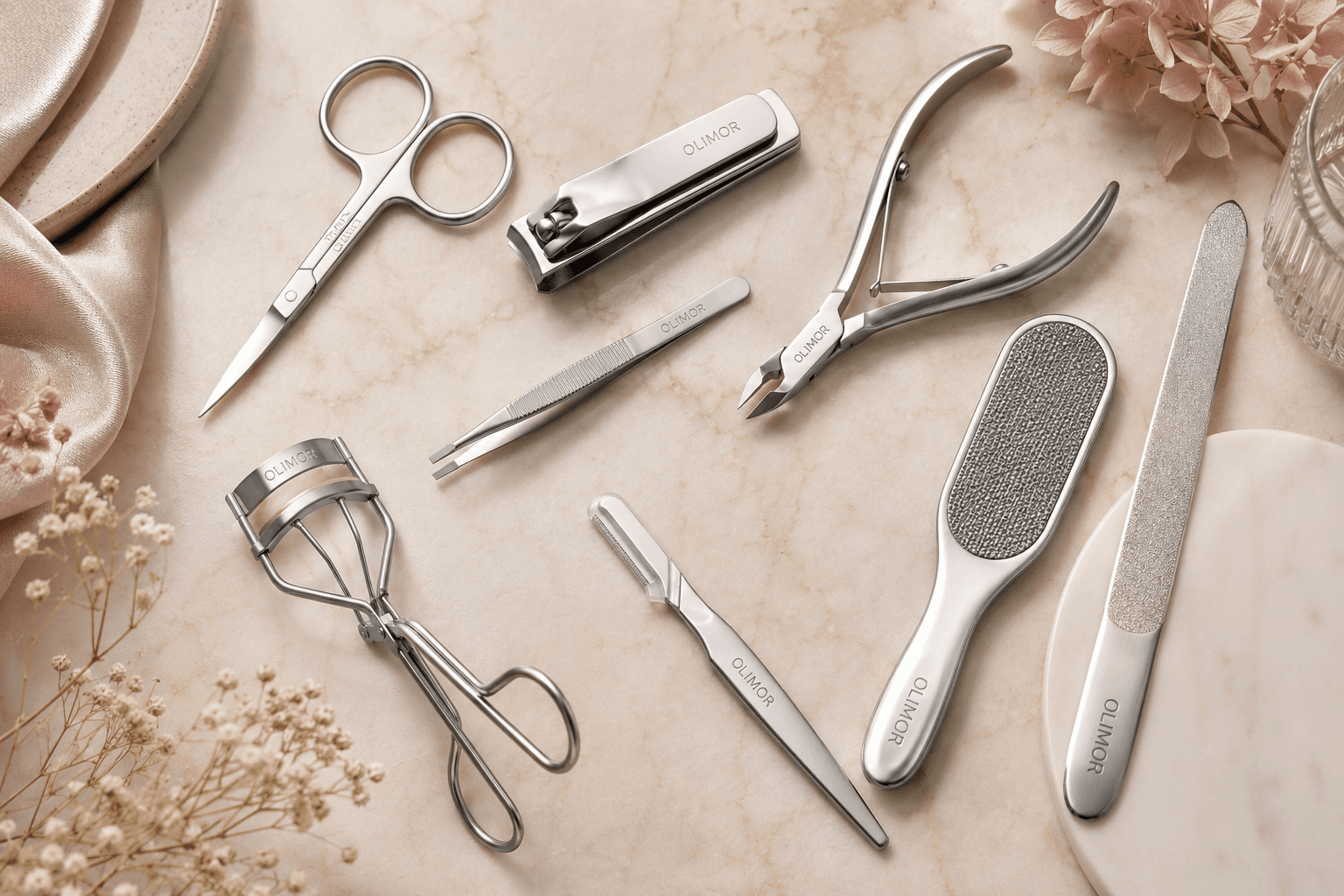
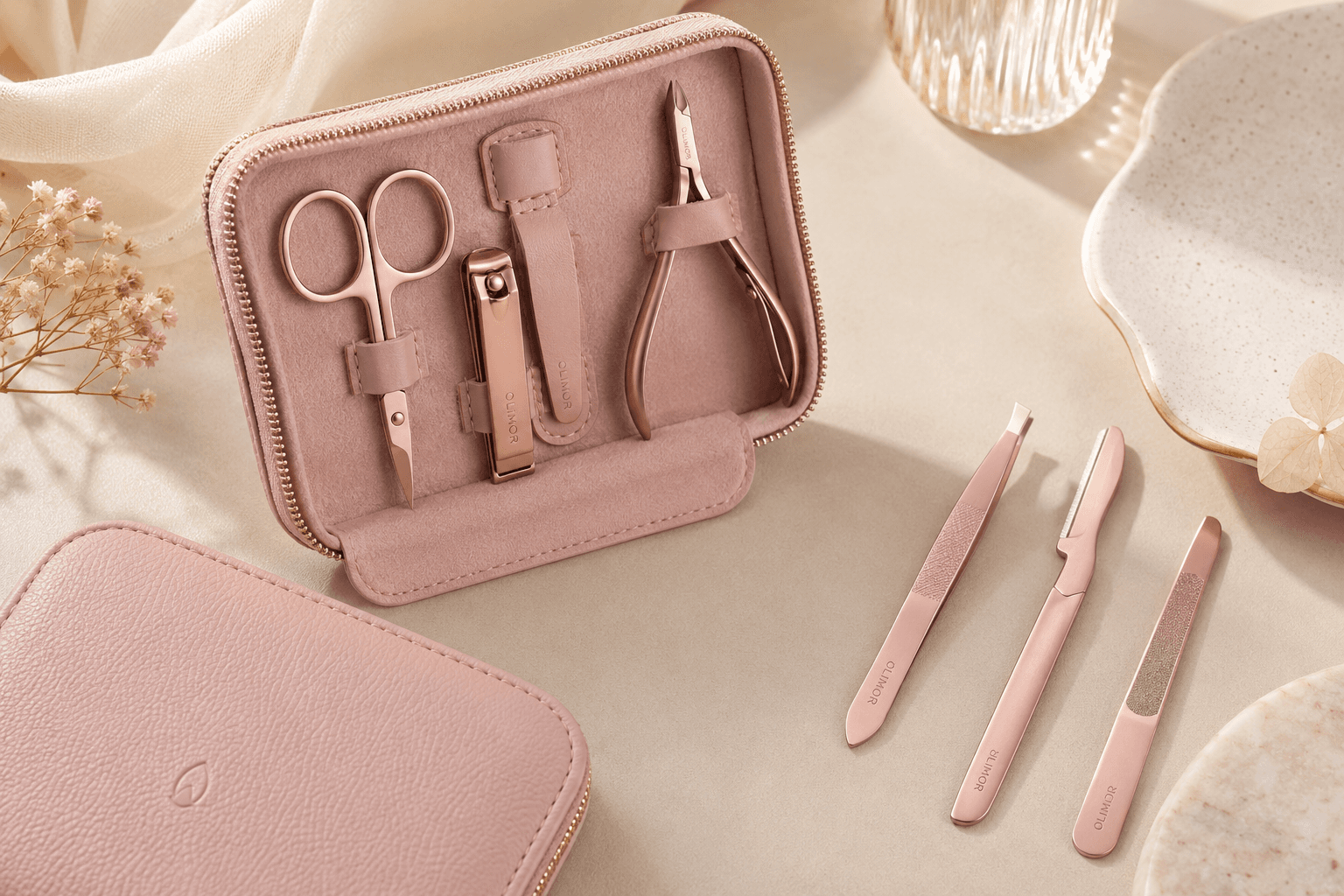
You can browse broader categories through Olimor’s beauty tool products to compare the nail clipper with other grooming tools that may be purchased together for a set, seasonal promotion or private-label range.
Design Details That Matter in Daily Use
The 70mm by 15mm size and 30g weight make this nail clipper suited to common personal grooming situations. It is compact, but not so small that it becomes difficult to control. For a buyer, this means the tool can fit several use cases: travel pouches, bathroom cabinets, retail blister packs, basic manicure kits and everyday household grooming.
The original product information highlights curved blades. This is an important feature because fingernails and toenails have a natural arc, and a curved cutting edge can help create a smoother cut when used correctly. A clean cut reduces the need for excessive filing and can help users avoid rough nail edges. Buyers should still confirm whether the blade curve is appropriate for the intended user group: a general-purpose nail clipper may suit home grooming, while very thick toenails or specialized pedicure services may require a different tool type.
Stainless steel is also noted in the product description. For nail clippers, stainless steel is commonly selected because it offers a combination of strength, surface cleanliness and resistance to ordinary bathroom humidity. However, material wording alone is not enough for purchasing decisions. Buyers should review finishing quality, hinge movement and cutting edge sharpness together, because a stainless steel clipper can still perform poorly if the blade geometry or assembly is inconsistent.
Bulk Buying Checklist for Retailers and Distributors
When you buy nail clipper in bulk, the risk is not usually that one piece fails; it is that a pattern of small issues appears across many units. A clear checklist helps purchasing teams compare suppliers in a practical way and keep internal approval focused on customer experience.
- Cutting performance: Test the clipper on suitable sample nails or approved testing material to check whether it cuts smoothly without tearing or splitting.
- Blade alignment: Inspect whether the curved blades meet evenly along the cutting edge and do not leave gaps.
- Lever comfort: Press the lever repeatedly to judge whether the action feels stable, not loose or overly stiff.
- Surface finish: Look for scratches, burrs, rough corners, uneven polishing or visible marks that could affect user confidence.
- Weight consistency: The stated 30g weight gives a useful reference point; large variation may suggest inconsistent production or assembly.
- Packaging fit: Confirm that the clipper can be packed securely for your channel, whether individual retail packaging, set packaging or carton bulk supply.
- Labeling needs: Prepare artwork, barcode placement, safety text and market-specific instructions before confirming packaging.
- Inspection plan: Define acceptable quality limits, sampling process and defect categories before mass production or shipment.
This list is especially useful for importers and brand owners comparing multiple wholesale nail clipper options. It turns a subjective product review into a repeatable buying process.
OEM and Private-Label Questions to Settle Early
Nail clipper OEM sourcing can be efficient when expectations are clear at the start. A compact clipper may appear simple, but private-label decisions can affect tooling, packaging timelines, unit presentation and order approval. Before production, define whether you need an existing design with your packaging, a logo application, a set combination or a more customized appearance.
Buyers should prepare a product brief that covers the target market, sales channel, retail price level, packaging format and quality expectations. If the clipper is intended for a travel kit, compact size and secure closure may be more important than decorative finishing. If it is intended for salon retail, hand feel and visual polish may matter more. If it is for promotional distribution, packaging efficiency and consistent logo visibility may be priorities.
For a nail clipper wholesaler, vague requests such as “high quality” are difficult to translate into production standards. More useful requirements include clear sample approval rules, blade alignment tolerance, packaging artwork files, carton labeling format and inspection steps. If your team is building a range instead of purchasing one item, Olimor’s product collections can help you consider how clippers might fit with other personal care tools.
Quality Control Points From Raw Material to Packaging
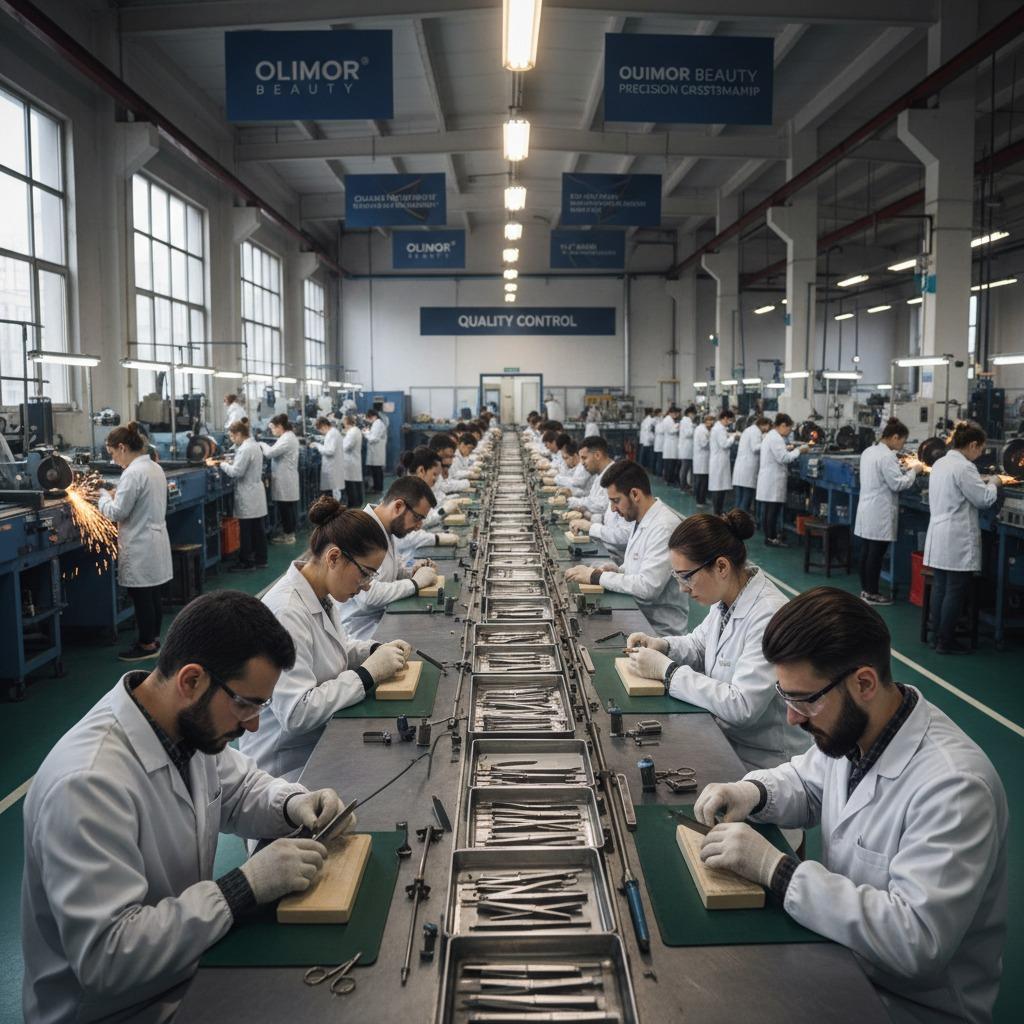
The original product description mentions internal quality control from raw materials to packaging. For buyers, the value of quality control is found in measurable checkpoints. A nail clipper should be reviewed at several stages: incoming material, forming or cutting, polishing, assembly, functional testing and final packing. Each stage catches a different type of defect.
Raw material checks help confirm that the steel supply is suitable for the intended product. Forming and blade creation influence cutting accuracy. Polishing affects appearance and user comfort. Assembly determines whether the lever moves properly and whether the jaws meet cleanly. Final packing protects the product from scratches, dust and moisture during storage and transportation.
A simple inspection table can help purchasing teams align with a nail clipper factory before approving a bulk order:
| Inspection Area | What to Check | Why It Matters |
|---|---|---|
| Blade edge | Even contact, clean curve, no visible chips | Supports smooth cutting and reduces nail damage complaints |
| Lever action | Stable pressure, no looseness, no harsh friction | Improves comfort for repeated home or salon use |
| Finish | No burrs, sharp corners, stains or deep scratches | Protects user experience and retail appearance |
| Dimensions | Compare against the 70mm by 15mm reference | Maintains packaging fit and product consistency |
| Weight | Compare against the approximate 30g reference | Helps identify unexpected variation in production |
| Packaging | Correct count, clean presentation, secure closure | Reduces repacking work and protects goods in transit |
Where This Compact Nail Clipper Fits Best
A compact stainless steel nail clipper with curved blades can serve several customer groups. For everyday consumers, it is a familiar grooming tool that belongs in a bathroom or travel bag. For salons, it may be useful as a basic retail add-on or part of a simple manicure accessory selection. For distributors, it can fit into personal care assortments where reliable function is more important than complex features.
The small size also helps with storage efficiency. Retailers can plan countertop displays, hanging cards or compact cartons depending on the final packaging. Gift set assemblers may pair the clipper with files, tweezers or other grooming accessories, provided the set is designed with safe separation and clean presentation. For e-commerce sellers, the product’s dimensions can support economical storage and fulfillment, but packaging should still protect the cutting edge and surface finish.
Because the clipper is lightweight, buyers should pay attention to perceived value. A 30g tool can feel convenient and portable, but finishing quality, blade sharpness and packaging presentation will influence whether customers view it as dependable or disposable. This is where factory consistency becomes commercially important.
Care, Handling and Customer Education
Even a well-made nail clipper performs better when users care for it properly. Retailers and brand owners can reduce complaints by including simple care guidance on packaging or inserts. Customers should clip clean, dry nails, avoid forcing the clipper through materials it is not designed for, wipe the blades after use and store the tool in a dry place. If the clipper is used in a professional environment, sanitation practices should follow the salon’s applicable hygiene procedures.
It is also helpful to explain that curved blades are intended to follow the natural nail shape. Users should make small, controlled cuts rather than trying to remove the whole nail edge in one hard press. This helps preserve nail shape and reduces stress on both the nail and the tool.
How to Move From Sample Review to Inquiry
A strong sourcing decision combines product evaluation with commercial planning. Before placing a bulk order, prepare target packaging, quantity expectations, inspection standards, shipping preferences and any OEM requirements. Keep the brief practical and specific so the factory can respond with relevant information rather than broad claims.
If you are comparing nail clipper suppliers or building a grooming tool range, you can send an inquiry with your project details. For questions about product categories, customization direction or supplier communication, you may also contact Olimor. A clear inquiry should include the intended sales market, packaging style, order purpose, logo or labeling needs and the quality points your team will use to approve samples.
Olimor Beauty’s nail clipper is best viewed as a compact, practical grooming tool for wholesale and OEM buyers who care about consistent cutting performance, manageable size and everyday usability. By evaluating blade alignment, stainless steel finishing, lever comfort, packaging and inspection criteria before purchase, buyers can make a more confident decision and build a product offering that meets real customer expectations.
Tag: