Wholesale Beauty Products for Salons: Quality, Buying Criteria, and Practical Insights
Wholesale beauty products are not simply a cheaper way to buy supplies. For salons, barbers, grooming studios, beauty distributors, and private-label buyers, wholesale purchasing affects service consistency, tool availability, staff efficiency, and customer perception. A salon can have talented professionals, but if its grooming tools are uncomfortable, inconsistent, or difficult to maintain, daily work becomes slower and less reliable.
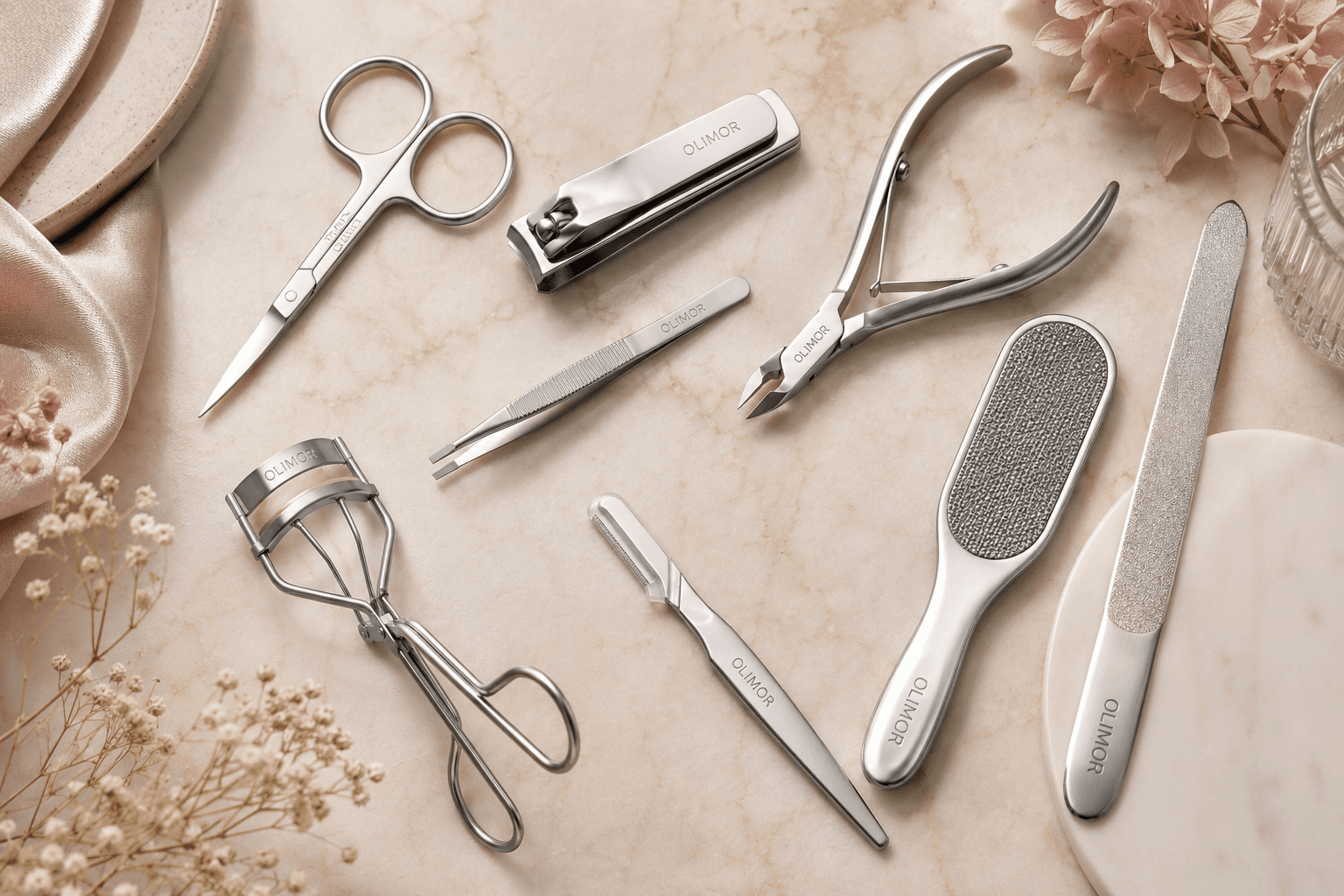
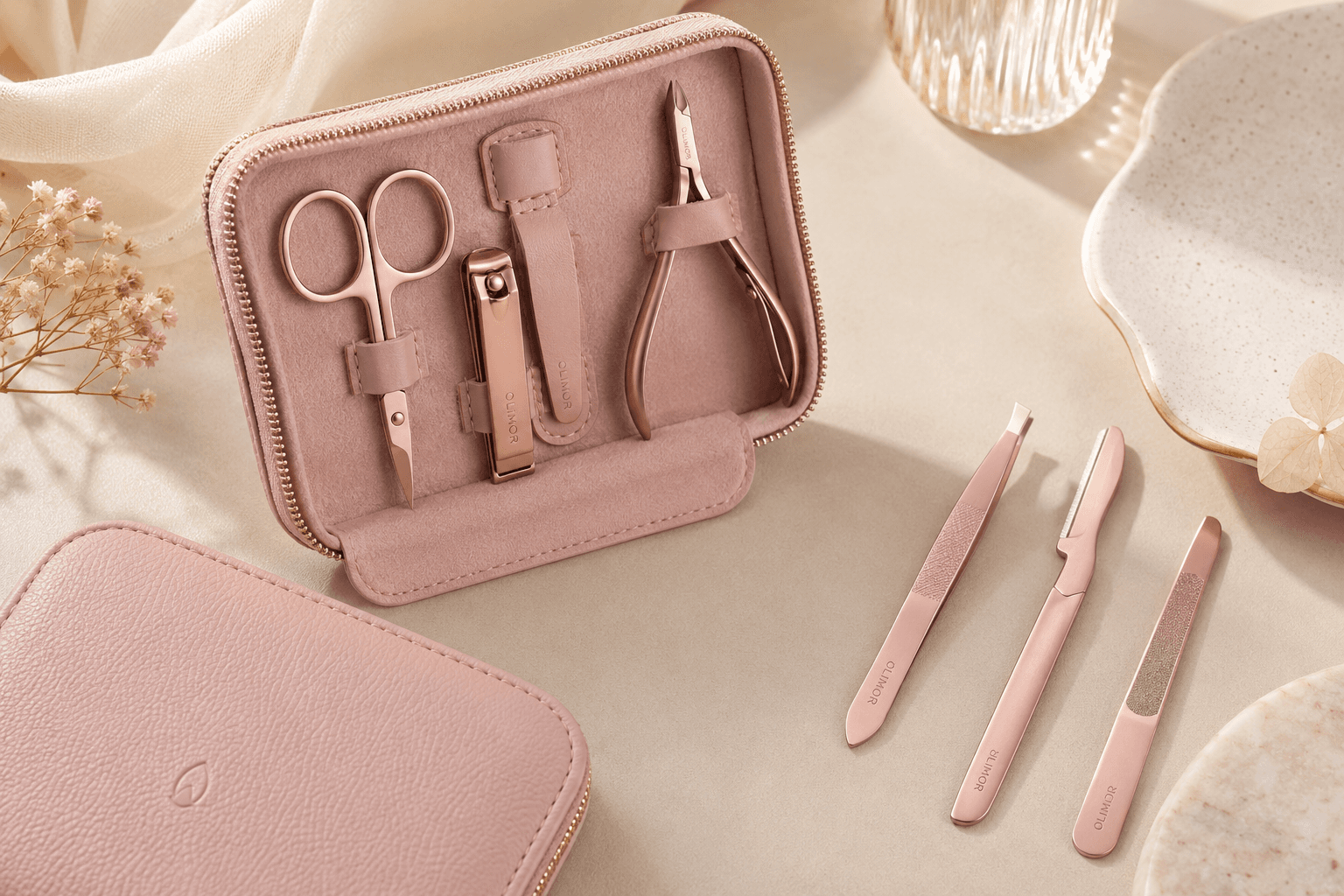
This guide focuses on wholesale grooming tools and bulk beauty products for salons, with practical criteria for evaluating quality before placing a larger order. Olimor Beauty supplies grooming tools for professional beauty use, and the decision process below is designed for buyers who need dependable products rather than vague promises. Whether you are replenishing salon stock, comparing suppliers, or preparing a new product line, the goal is to choose tools that support repeatable results and sensible purchasing decisions.
What Wholesale Beauty Products Mean for Professional Buyers
In a retail setting, a beauty tool may be judged by packaging, a single customer review, or a quick in-store test. Wholesale buying is different. The buyer has to think about repeated use, replacement planning, storage, staff preferences, and how the product performs across many clients. A grooming tool that feels acceptable for occasional home use may not be the right choice for daily salon work.
Wholesale beauty products usually serve one of three purposes. First, they can be operational tools used by salon professionals during services. Second, they can be retail add-ons sold to customers after treatments. Third, they can become part of a distributor or brand owner’s product range. Each purpose requires a slightly different standard. A salon may prioritize comfort and durability, while a distributor may also examine packaging readiness, product consistency, and assortment planning.
For buyers comparing beauty tool products, the most useful approach is to define the role of each item before discussing order quantity. A tool used many times per day should be assessed more carefully than an occasional accessory. If the tool is intended for resale, the buyer should also evaluate whether the design, finish, and perceived value match the target customer.
Quality Factors That Matter in Wholesale Grooming Tools
Quality in wholesale grooming tools is not one single feature. It is a combination of material choice, edge or tip precision where relevant, finishing, balance, comfort, and consistency from piece to piece. The original product information highlights stainless steel, precision, ergonomic design, and quality checks. Those are meaningful points for professional buyers because grooming tools often face repeated cleaning, handling, and close-up use.
Stainless steel is commonly valued in beauty tools because it can support a clean appearance and dependable handling when properly manufactured and maintained. However, buyers should avoid judging by material name alone. The finishing, alignment, grip feel, and working action of the tool all influence user experience. A stainless steel tool with rough edges, uneven tension, or an uncomfortable handle can still create problems in a salon setting.
- Surface finish: Check for smooth edges, clean polishing, and areas that may catch on skin, hair, towels, or storage pouches.
- Precision: For tools that cut, grip, separate, or shape, examine whether the working ends meet evenly and perform the intended task without extra pressure.
- Ergonomics: Consider how the tool feels during repeated use, not just during a quick inspection.
- Consistency: Compare several pieces from the same batch or sample set to see whether the quality is repeatable.
- Maintenance needs: Choose products that your team can clean, dry, store, and inspect without complicated routines.
These points are especially important for wholesale grooming tools because small defects become larger problems when multiplied across a salon team or customer base. A buyer should not only ask whether a sample looks good, but whether many units will perform similarly under practical use.
Bulk Beauty Products for Salons: Matching Stock to Daily Operations
Salons often buy in bulk to reduce the risk of running out of essential tools and to keep service quality consistent across different stations. Bulk purchasing can also simplify training because staff members work with the same or similar tools. However, buying more units does not automatically create value. The stock plan should reflect real service demand, tool lifespan, cleaning workflow, and replacement habits.
Before placing a wholesale order, map the way tools move through your salon. A grooming tool may begin at a workstation, move to a cleaning area, return to storage, and then be used again by a different team member. If the salon is busy, the number of tools required is often higher than the number of chairs or staff members. Buyers should account for tools that are being cleaned, drying, reserved for backup, or set aside for inspection.
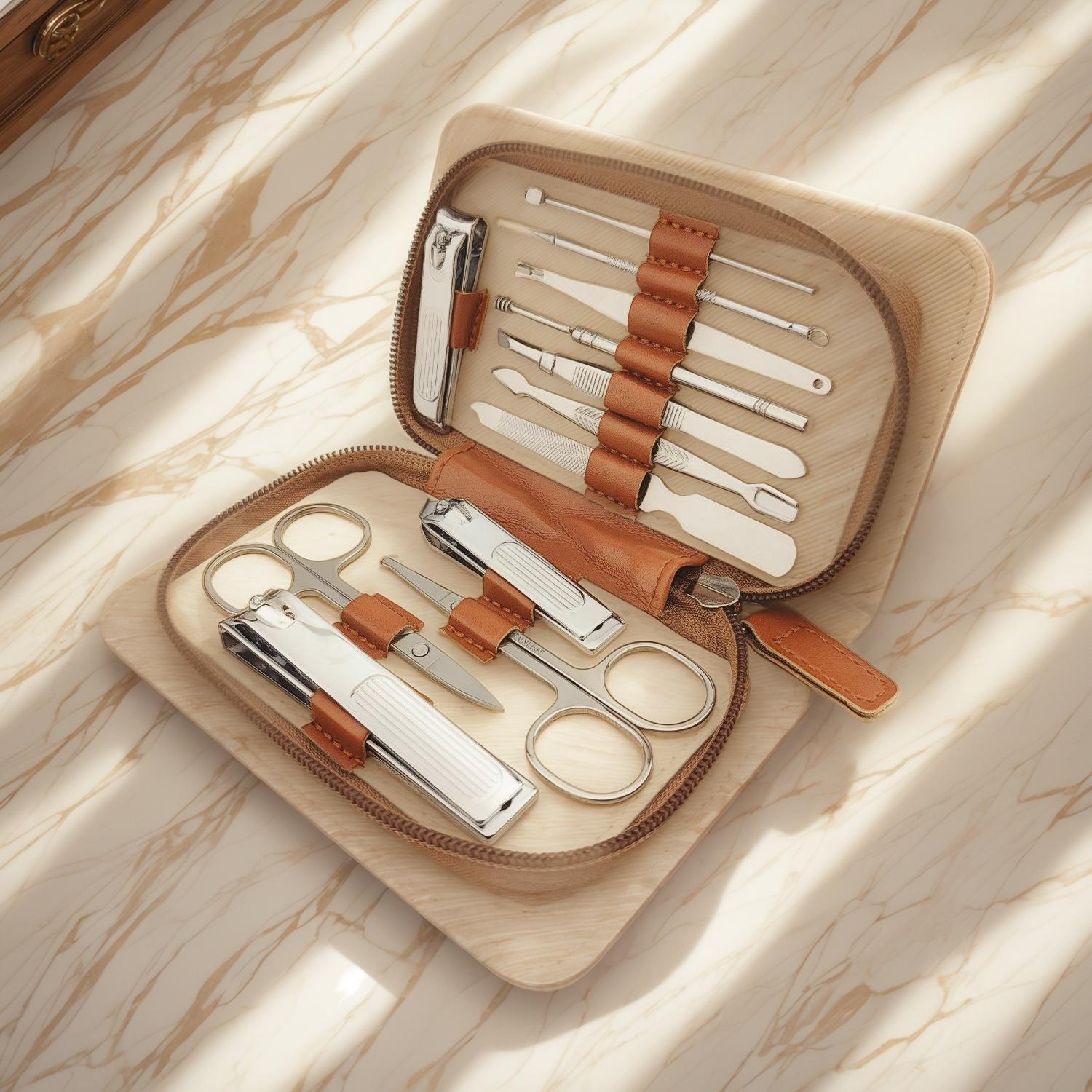
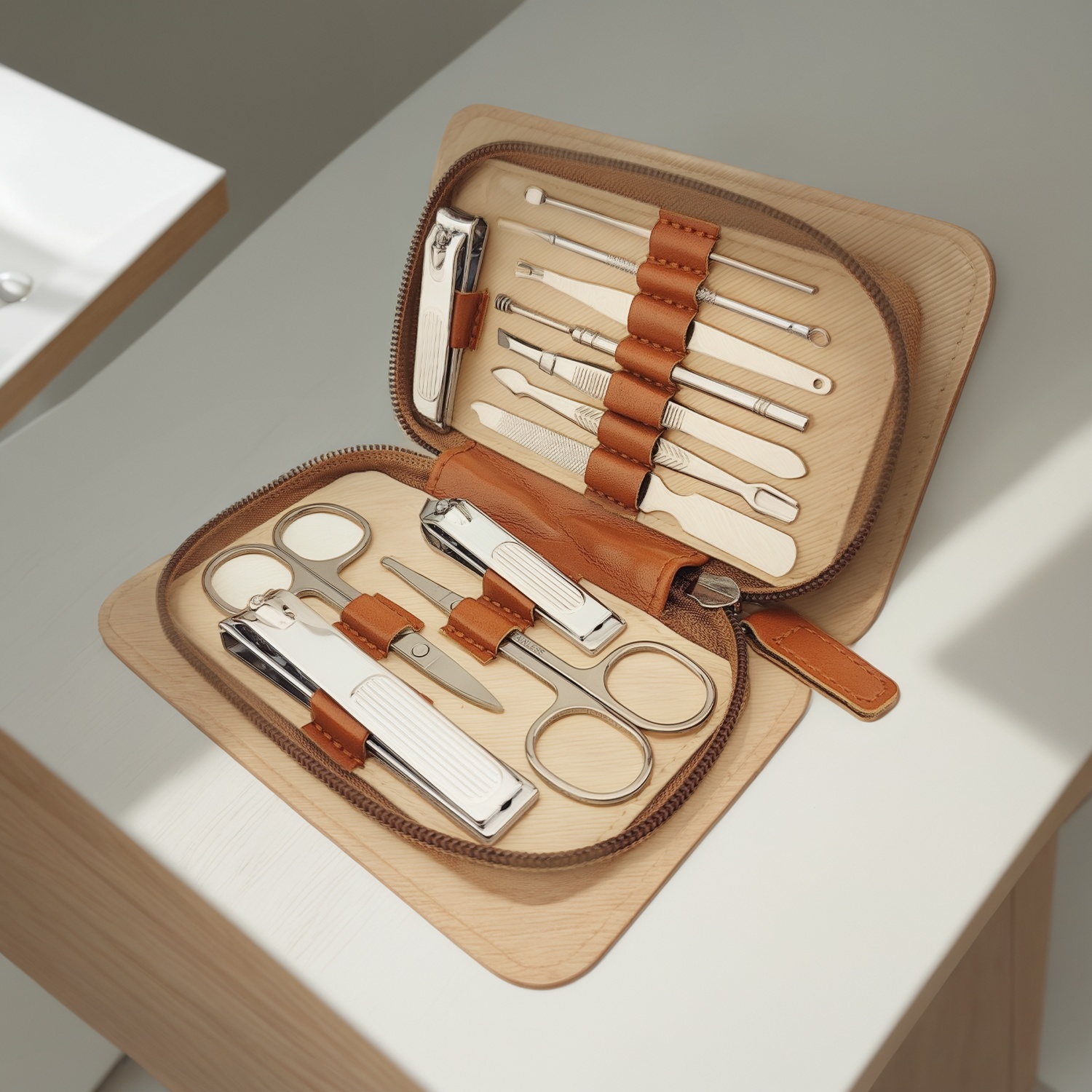
It is also useful to separate core tools from optional items. Core tools are used in daily services and should have enough backup stock to avoid interruptions. Optional items may be ordered in smaller quantities until demand is proven. For businesses building a wider assortment, Olimor’s product collections can help buyers compare product categories and plan a more organized purchasing list.
Wholesale vs. Retail: When Bulk Buying Makes Sense
Retail purchasing can be convenient when a salon needs one replacement item immediately or wants to test a product casually. It also suits individual consumers who only need one tool. Wholesale purchasing is better suited to businesses that require multiple units, stable availability, and a more structured buying process. The decision should be based on usage volume and quality control expectations, not only on unit price.
For a salon, the strongest reason to buy wholesale is consistency. When every workstation uses similar grooming tools, staff training becomes easier and service standards are simpler to maintain. Clients may not notice the supplier behind a tool, but they do notice whether a service feels smooth, professional, and well organized. Wholesale buying also allows a manager to schedule replacements instead of reacting to breakage or shortages.
For distributors and brand owners, wholesale purchasing supports assortment planning. Instead of selecting random retail items, the buyer can compare categories, define customer positioning, and decide how products should be bundled or displayed. This makes the purchasing process more strategic and reduces the chance of carrying mismatched inventory.
A Practical Checklist Before Placing a Wholesale Order
A useful wholesale buying process should be repeatable. The following checklist helps salon owners, purchasing managers, and grooming product buyers evaluate tools before committing to larger quantities.
- Define the use case. Identify whether the product is for professional service, resale, promotional use, or a combination of these.
- Review sample quality. Inspect finish, comfort, alignment, working action, and packaging condition if packaging is relevant.
- Test with real users. Let the people who will use the tools handle them during normal tasks and report practical feedback.
- Plan cleaning and storage. Make sure the tool fits your salon’s hygiene workflow and can be stored without damage.
- Check consistency. Compare multiple pieces rather than relying on a single sample.
- Estimate replacement needs. Consider how often tools are used, cleaned, dropped, transported, or retired.
- Organize order priorities. Separate essential daily-use items from secondary items that can be tested in smaller quantities.
This process helps buyers avoid two common mistakes: choosing products only by appearance and ordering too much of an item that has not been tested in real conditions. A well-planned wholesale order should reduce operational friction, not create excess stock that is difficult to use.
Maintenance and Handling for Longer Tool Life
Even well-made grooming tools need proper care. Maintenance should be simple enough that every staff member can follow it consistently. After use, tools should be cleaned according to the salon’s hygiene requirements, dried thoroughly when appropriate, and stored in a way that protects working edges, tips, or surfaces. Moisture, rough handling, and crowded storage can shorten the usable life of many beauty tools.
Managers can improve consistency by creating a basic inspection routine. Look for dullness, looseness, surface damage, bent areas, or changes in grip comfort. Tools that no longer perform properly should be removed from daily service rather than kept at a station out of habit. This protects service quality and helps the salon understand its true replacement cycle.
For retail resale, handling matters as well. Products should remain clean, presentable, and easy for customers to understand. If customers are choosing grooming tools for home care, staff should be able to explain the intended use and basic maintenance in plain language.
How to Compare Wholesale Beauty Tool Suppliers
Supplier comparison should go beyond a product photo and a price list. A serious buyer should look for clear communication, product consistency, practical category options, and an understanding of professional beauty use. Because every business has different needs, it is better to prepare a focused inquiry than to request a general recommendation.
Include the product type, intended market, estimated usage, quality expectations, packaging needs if relevant, and whether the tools are for salon operations or resale. This helps the supplier respond with more relevant information. If you are planning a wholesale order or comparing grooming tool options, you can send an inquiry with your purchasing details, or contact Olimor for help narrowing the product direction.
The best wholesale beauty product decision is not always the cheapest or the most decorative option. It is the one that matches your service environment, customer expectations, and replacement plan. By evaluating stainless steel grooming tools, ergonomic handling, precision, consistency, and practical maintenance needs, salons and beauty buyers can build a wholesale purchasing strategy that supports dependable daily work.
Tag: