Custom Made Nail Clippers for B2B Beauty and Grooming Tool Buyers
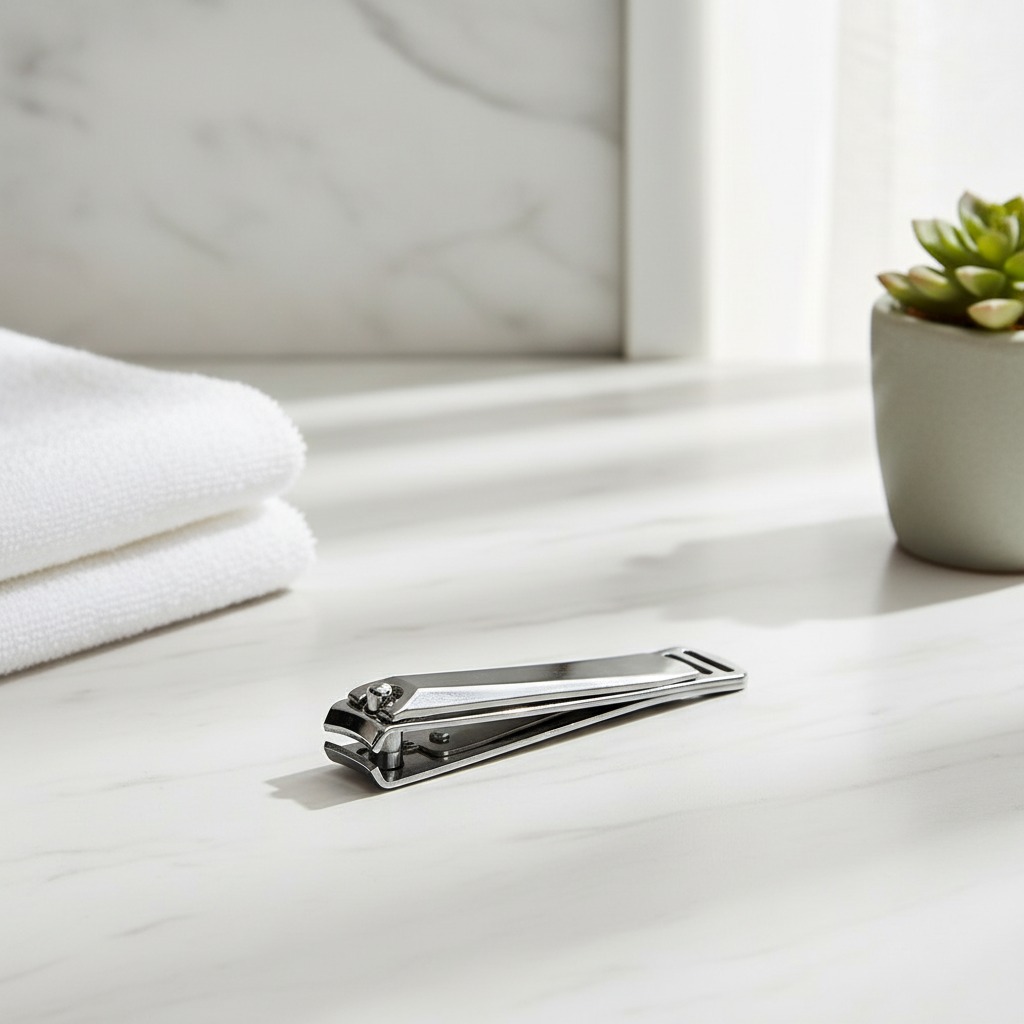
Custom made nail clippers are small tools, but they can have a large effect on how customers judge a beauty, grooming or personal care range. A clipper is handled directly, used repeatedly and evaluated immediately by how cleanly it cuts, how stable it feels and whether the finish matches the brand promise on the packaging.
For salons, spas, retailers, distributors, travel kit suppliers, gift set developers and private-label beauty programs, the right nail clipper is not only a branded accessory. It is a functional product that must support clean cutting, comfortable handling, consistent appearance and practical packaging. This guide explains how B2B buyers can evaluate custom made nail clippers before placing an order, what customization choices matter, and which supplier questions help reduce sourcing risk.
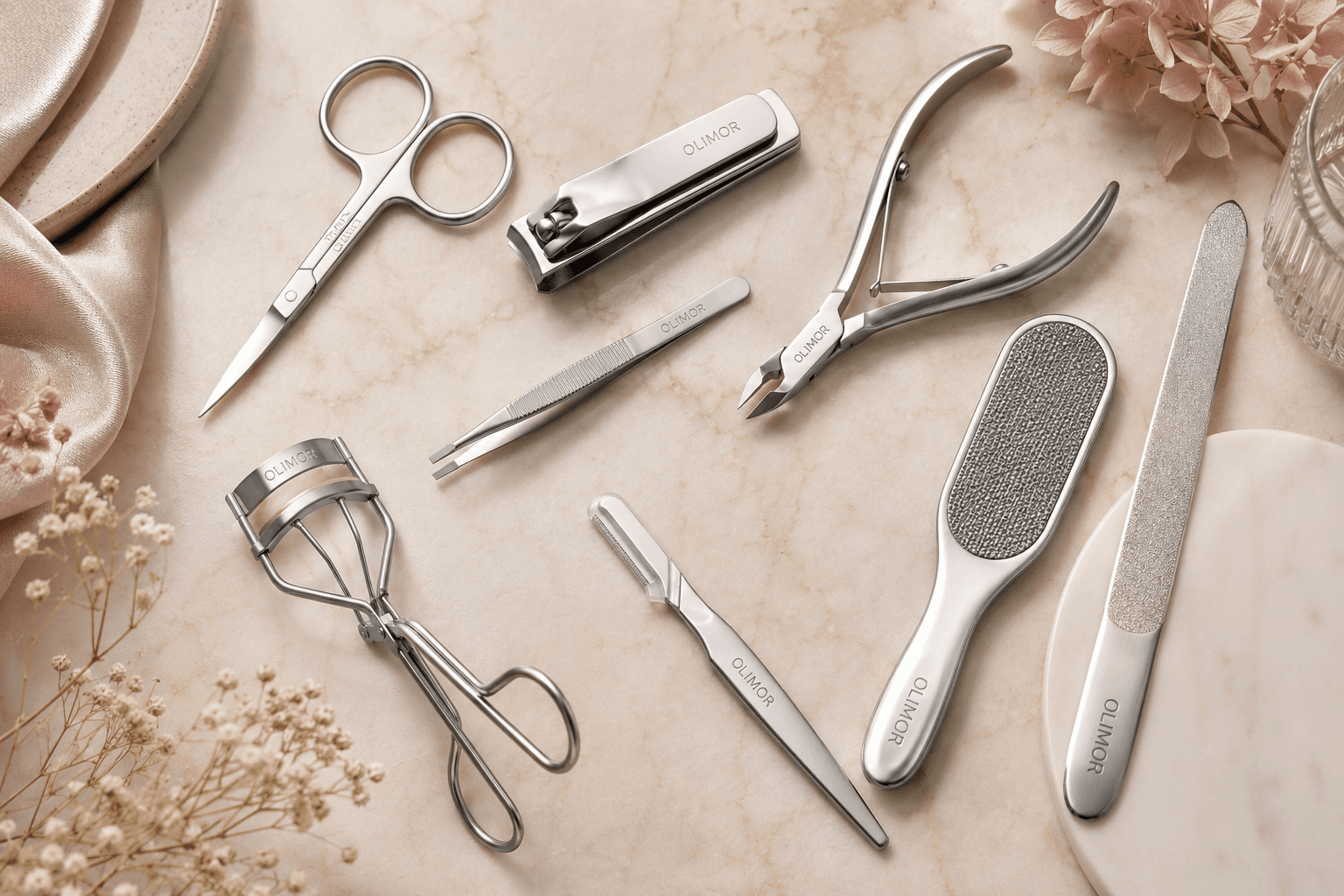
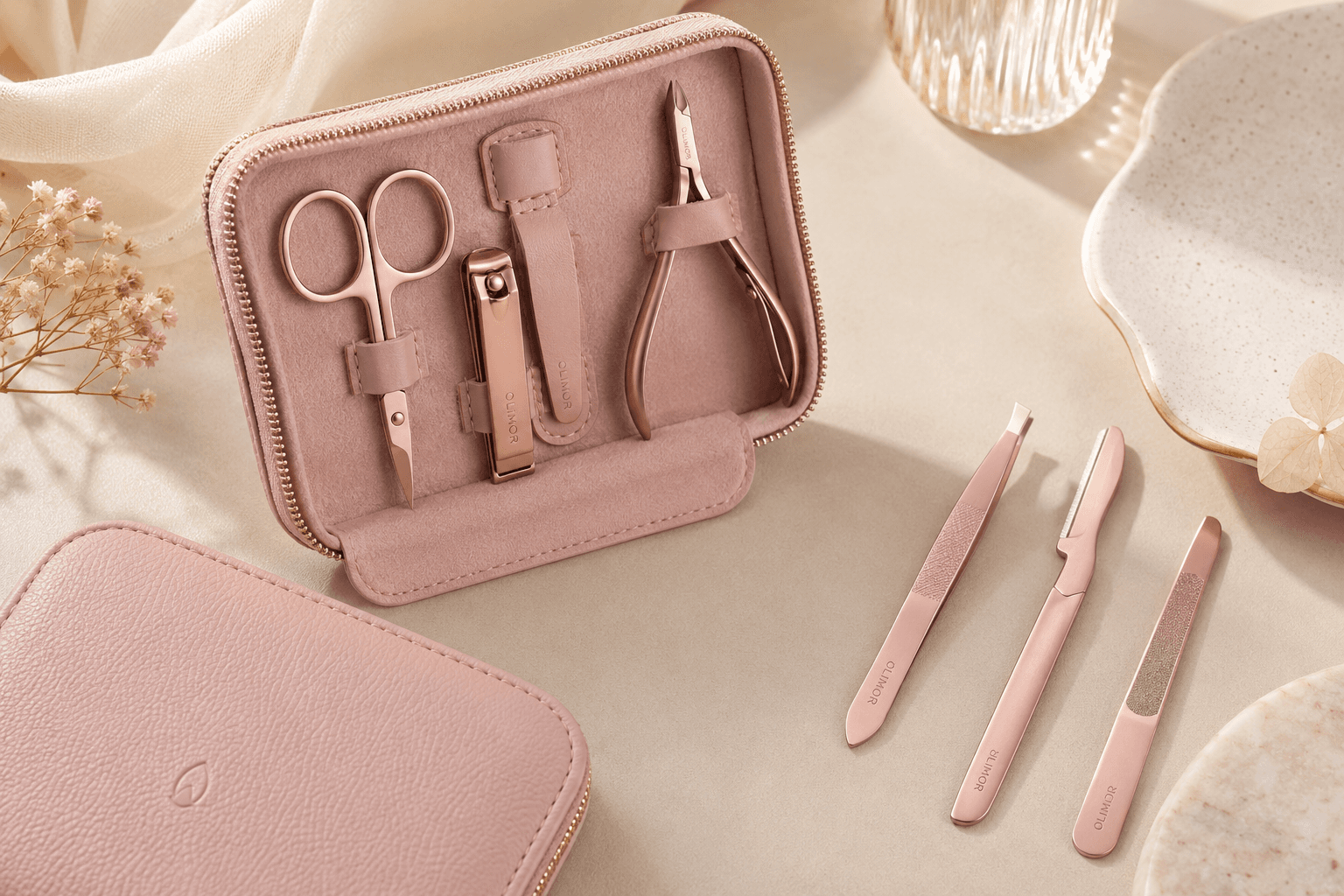
Olimor Beauty works with beauty tool buyers looking for nail care products suited to professional and personal grooming routines. Buyers can review related beauty tool categories through the Olimor product range when building a coordinated accessory program.
Why Custom Made Nail Clippers Matter in B2B Beauty Supply
In B2B beauty supplies, nail clippers are often ordered in volume, but each end user judges the tool individually. A clipper that feels loose, requires excessive pressure or leaves a rough nail edge can quickly damage the perceived quality of a full kit or retail line. A well-made clipper, by contrast, supports repeat purchasing because it performs in a simple, visible way.
Common B2B uses include retail beauty accessories, manicure and pedicure kits, salon and spa supplies, hotel or travel amenity programs, wellness gift sets and private-label grooming collections. Each channel has different priorities. A salon may value handling comfort and dependable cutting during repeated use. A retailer may focus on shelf appearance, packaging protection and a finish that looks credible online. A distributor may need a balanced design that works across multiple customer segments.
For a private-label brand, customization should align the nail clipper with the wider product range without reducing usability. A custom made nail clipper is not just a standard tool with a logo added. It should match the intended use case, sales channel, price position, packaging format and customer expectation.
Answer First: What Should B2B Buyers Check?
B2B buyers should evaluate a custom nail clipper by function before decoration. The most important factors are blade alignment, clean cutting action, stainless steel construction, grip comfort, lever movement, finish quality, branding suitability and packaging fit. Samples should be tested by hand before confirming the final production direction.
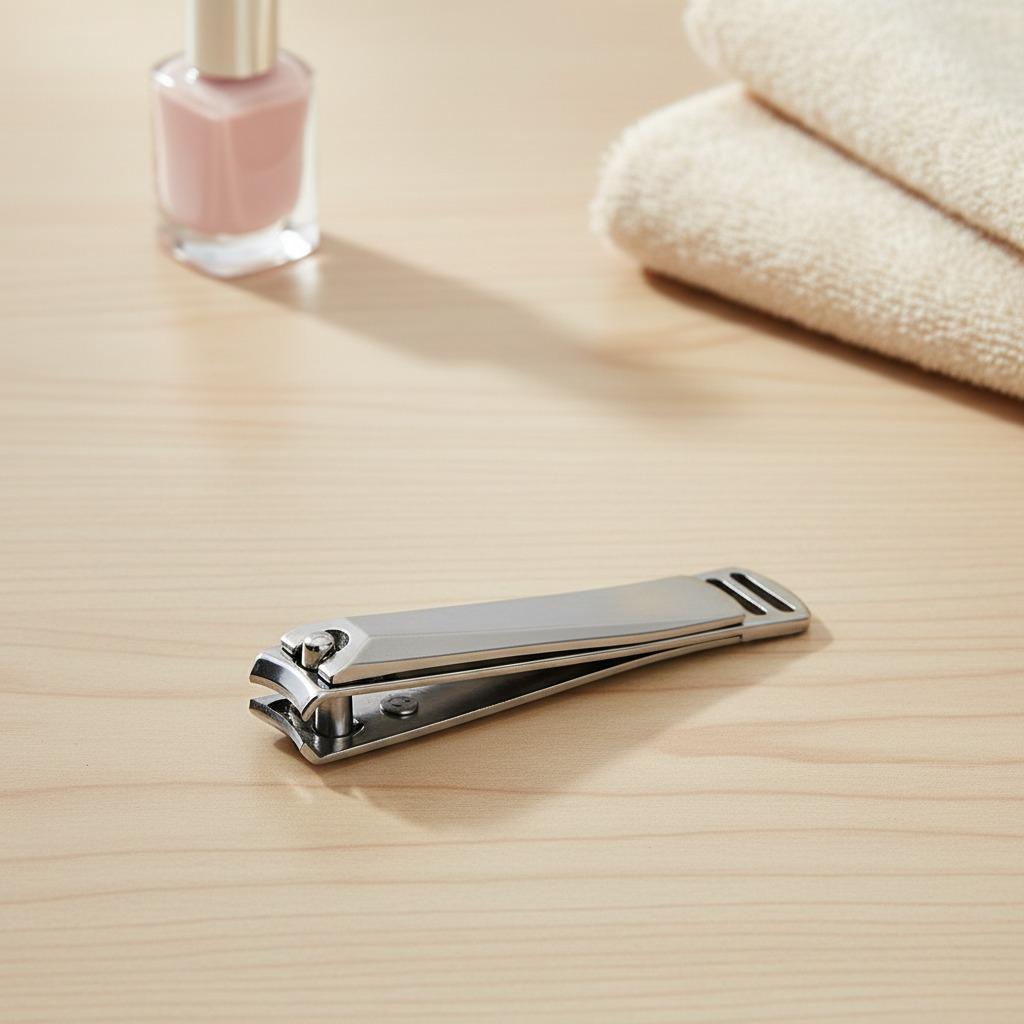
Olimor Beauty describes its nail clippers with stainless steel construction, sharp and clean cutting for fingernails and toenails, ergonomic grip options, matte finish possibilities and quality checks from raw materials to final assembly. These are useful sourcing points, but buyers should still confirm that samples meet their own market needs, inspection expectations and labeling requirements.
Key Design Criteria for a Custom Made Nail Clipper
A nail clipper appears simple, yet small design decisions affect the user experience. The user should be able to position the clipper easily, press the lever without strain and produce a clean nail edge. For B2B orders, these practical details should be reviewed before confirming a design, logo placement or packaging plan.
Cutting Performance
The cutting edges should meet evenly and close smoothly. Poor alignment can crush, bend or tear the nail instead of clipping it cleanly. Buyers should test both the first cut and repeated cuts, because the tool must feel reliable beyond the first impression.
Material and Finish
Stainless steel construction is commonly selected for nail clippers because it supports a clean appearance and practical durability during regular handling. Buyers should review surface smoothness, visible finishing quality, edges, rivets and any marks that may affect presentation. A matte finish can create a modern, refined look and may coordinate well with broader grooming sets.
Grip, Leverage and Hand Feel
An ergonomic grip can improve control, especially for salon use or for customers who prefer a secure hold. The lever should move smoothly and allow cutting without excessive force. A clipper that looks attractive but feels unstable in the hand can lead to dissatisfaction after purchase.
Size, Shape and Intended Nail Type
Compact clippers may suit travel kits and personal care sets. Larger or stronger-feeling designs may be selected for toenail use or professional stations. Buyers should define whether the product is intended for fingernails, toenails or general grooming before approving jaw shape, lever length or overall size.
Comparison Table: What to Review Before Ordering
| Evaluation Area | What to Check | Why It Matters |
|---|---|---|
| Cutting edge | Blade alignment, sharpness and smooth closing action | Determines whether nails are clipped cleanly or left rough |
| Material | Stainless steel construction, surface condition and visible consistency | Affects durability, appearance and customer confidence |
| Grip and leverage | Handle comfort, pressing force and stability during use | Important for professional users and everyday consumers |
| Finish | Matte or other selected finish, clean edges, marks and uniformity | Influences retail presentation and perceived value |
| Assembly | Rivets, moving parts, lever action and overall stability | Helps reduce complaints caused by loose or inconsistent tools |
| Branding area | Logo placement, readability and compatibility with the surface | Supports private-label presentation without interfering with use |
| Packaging fit | Whether the clipper sits securely in retail, kit or bulk packaging | Reduces scratching, movement and poor shelf appearance |
Customization Choices That Affect Performance and Brand Perception
Customization should improve the product’s market fit, not only decorate it. Typical B2B customization considerations include logo placement, surface finish, color accents, packaging format, set configuration and labeling requirements. Each choice should be reviewed from both a branding and usability perspective.
For example, a polished or matte appearance may support a premium retail line, while a simpler finish may be more appropriate for value-oriented programs. Retail packaging needs presentation and protection. Salon supply packaging may prioritize storage, access and efficient handling. Kit packaging must hold the clipper securely alongside other tools to avoid scratches or movement during transport.
Because a nail clipper includes moving parts and cutting edges, decorative coatings, printed areas and packaging inserts should not interfere with the lever action, create rough handling points or reduce the clean look expected in beauty and grooming categories. Buyers planning a broader accessory program can compare related categories in the Olimor collection to keep finish, packaging language and quality level consistent.
How to Build a Clear Buyer Checklist
A structured sourcing checklist helps purchasing, marketing and operations teams avoid vague requests. It also makes supplier communication more efficient and reduces the risk of approving a product that looks acceptable in a photo but performs poorly in use.
- Define the end user. Decide whether the clipper is for salon professionals, everyday retail customers, travel sets, men’s grooming, gifting or mixed use.
- Choose the product role. Confirm whether it will be sold alone, included in a manicure kit, bundled with other grooming tools or used as a branded promotional item.
- Review sample performance. Test cutting action, jaw alignment, grip comfort, lever strength, finish quality and assembly stability.
- Confirm branding requirements. Check logo size, placement, color limitations, packaging text, barcode needs and market-specific labeling requirements.
- Inspect packaging suitability. Consider retail display packaging, compact kit packaging, protective wrapping or bulk-friendly storage.
- Set quality acceptance points. Document acceptable surface finish, cutting feel, assembly consistency and appearance so inspections are easier.
This checklist is especially useful when several departments are involved. Marketing may focus on presentation, purchasing may focus on supply stability, and operations may focus on packing and receiving. A written brief gives the supplier clearer direction and helps the buyer compare samples more objectively.
Quality Checks from Raw Materials to Final Assembly
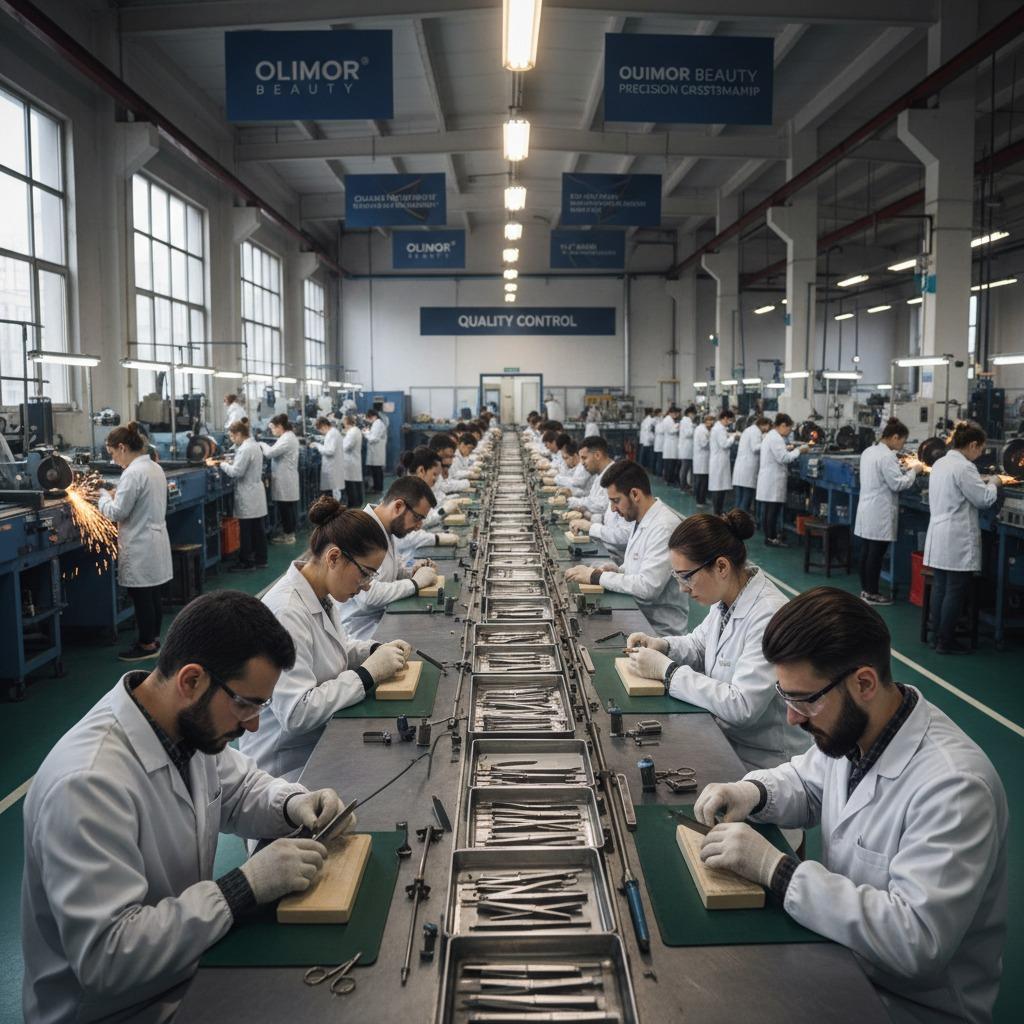
Quality control for nail clippers should not stop at a final visual check. Buyers should understand how the supplier controls raw material selection, cutting edge formation, surface finishing, assembly and packaging. The goal is consistency: the approved sample should represent the feel and appearance of the delivered order.
Practical sample review can be simple but effective. Open and close the lever repeatedly. Check whether the jaws meet evenly from side to side. Inspect the edges for burrs or rough areas. Hold the clipper in different hand positions. Compare the tool with its intended packaging and product photography. If the clipper is part of a set, review it next to the other tools so the finish, weight and design language do not feel mismatched.
For inspection planning, buyers may refer to recognized frameworks such as ISO 9001 for quality management concepts or ISO 2859 for sampling procedures, where relevant to their purchasing process. These references do not replace product-specific requirements, and buyers should verify the applicable version, acceptance criteria and supplier documentation before using any standard in an order agreement. No certification should be assumed unless the supplier provides current supporting documents.
Cost Factors Without Guessing Prices
The cost of custom made nail clippers depends on choices that affect manufacturing, finishing, packaging and order handling. Buyers should avoid comparing suppliers only by the lowest unit quote. A lower initial price may not be the best value if it leads to inconsistent cutting, poor finish, packaging damage or higher return risk.
Common cost factors include material selection, clipper size, finish complexity, logo method, packaging structure, set configuration, inspection requirements and the amount of customization needed. Retail-ready packaging may involve different costs than bulk packaging. A coordinated private-label kit may require more development time than a standard clipper with simple branding.
When requesting a quotation, provide the intended sales channel, target customer, preferred finish, packaging concept, branding requirements and sample expectations. Clear information helps the supplier recommend a practical direction instead of guessing. Buyers ready to discuss a project can use the custom nail clipper inquiry form to share specifications and sourcing questions.
Supplier Evaluation Questions for B2B Buyers
A good supplier discussion should cover more than price. B2B buyers need to understand whether the supplier can support repeatable quality, suitable customization and clear communication from sample approval through final packing.
- What stainless steel construction and finish options are available for the intended product position?
- How are blade alignment, lever movement and final assembly checked before packing?
- Can samples be reviewed with the proposed logo placement and packaging format?
- What information is needed to prepare artwork, labeling and packaging files?
- How are surface marks, burrs, loose parts or packaging damage handled during inspection?
- Can the supplier support the same appearance and feel across repeat orders?
- What documents, photos or inspection references can be provided before shipment?
These questions help buyers compare suppliers on practical capability rather than broad claims. They also make it easier to identify whether a supplier understands the difference between a basic commodity clipper and a private-label beauty tool that must protect a brand’s reputation.
Best Fit by Sales Channel
Different B2B channels should prioritize different details. A salon and spa buyer should focus on grip comfort, stable lever action and dependable cutting during repeated handling. A retailer should review shelf appearance, packaging protection, finish consistency and customer return risk. A travel kit or gift set buyer should check compact storage, secure packaging and consistency with the other tools in the set.
For distributors, broad usability is often more valuable than a highly specialized design. A neutral finish, practical size and reliable cutting action can make the product easier to sell across multiple customer types. For private-label brand owners, the nail clipper should feel like part of the same family as the rest of the grooming range, from surface finish to packaging style.
When to Contact Olimor
If you are developing a retail nail care line, salon supply program, grooming kit or private-label beauty accessory range, Olimor Beauty can discuss custom made nail clipper options based on your target customer, packaging needs and branding plan. The most useful starting point is a clear brief that explains the application, desired appearance and inspection concerns.
For project discussion, buyers may contact Olimor Beauty with product requirements, sample questions or packaging ideas. Olimor can then help review practical options without assuming unnecessary specifications that may not fit the intended market.
FAQ
Can B2B buyers request samples before placing an order?
Yes. Samples are important for checking cutting action, blade alignment, grip comfort, finish quality, logo placement and packaging fit. Buyers should approve samples according to their own market and quality requirements before moving forward.
Is there a fixed MOQ for custom made nail clippers?
MOQ can depend on the product style, customization level, packaging method and production plan. Buyers should share the intended use, branding requirements and sales channel so the supplier can confirm what is practical for the project.
What customization options should be prepared in advance?
Prepare logo files, preferred finish, packaging concept, labeling requirements, product role and target customer details. A simple design brief helps avoid delays and makes sample development more accurate.
How should quality be checked before shipment?
Buyers should define acceptance points for cutting feel, blade alignment, lever movement, surface finish, assembly stability, logo appearance and packaging condition. If using inspection standards or sampling plans, verify the applicable version and supplier documentation.
What affects lead time for custom nail clippers?
Lead time can be influenced by sample approval, artwork confirmation, finish selection, packaging development, order complexity and inspection requirements. Buyers should confirm timing directly with the supplier for each project.
Tag: