How to Source Reliable Nail Clippers from Olimor Beauty
A nail clipper looks simple, but sourcing it well takes more than comparing unit cost. Buyers need a tool that cuts cleanly, feels comfortable in the hand, presents well on shelf, and stays consistent across repeat batches. For retailers, distributors, grooming brands and promotional buyers, those details shape customer satisfaction and reorder potential.
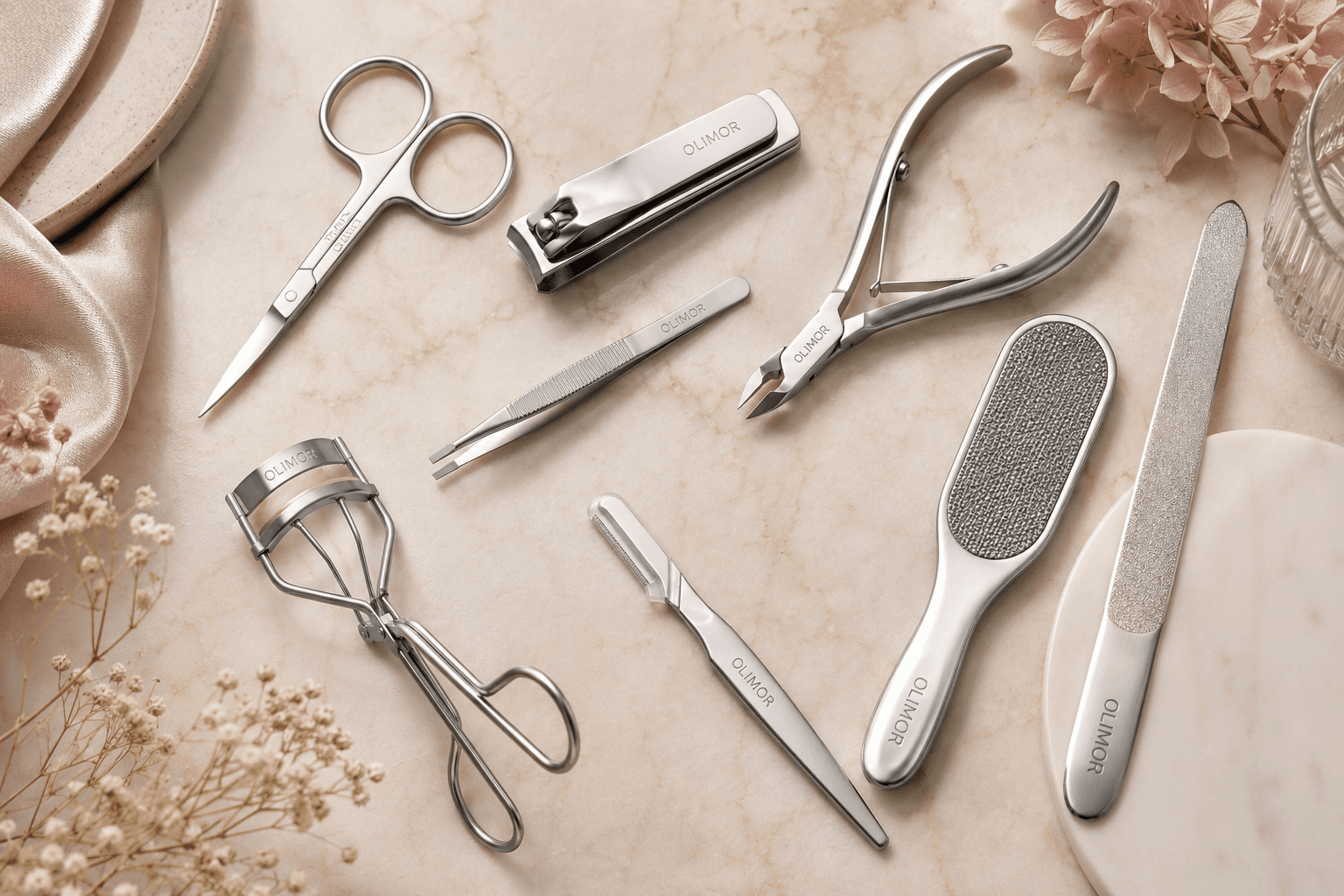
Olimor Beauty supplies beauty tools for businesses that want practical, well-presented grooming products. The nail clipper focus here features stainless steel blades, a sleek two-tone metallic finish and ergonomic handles designed for a comfortable grip. Those features matter because they address the first three things end users notice: cutting performance, hand feel and appearance. If you are evaluating a wholesale or OEM program, use this guide to compare suppliers and decide whether the product fits your market.
For related sourcing options, you can browse the beauty tool range or review broader product collections before narrowing your short list.
What a reliable nail clipper should do well
The best sourcing decisions start with function, not packaging. A good nail clipper should meet the nail evenly, trim without excessive force and feel stable during repeated use. Small flaws in alignment or lever movement can lead to nail tearing, rough edges or a poor user experience.
The product direction described by Olimor Beauty emphasizes stainless steel construction and a compact, polished form. Stainless steel is commonly chosen for grooming tools because it supports a clean appearance, routine handling and a sturdy blade structure. The two-tone metallic finish adds retail appeal, while the compact shape suits travel kits, manicure sets, bathroom use and counter displays.
When comparing samples, remember that visual appeal does not guarantee performance. A shiny clipper can still disappoint if the cutting edges do not meet correctly or the lever feels loose. Buyers should judge both appearance and mechanical action before moving into a larger order.
Key inspection points before you place a wholesale order
A clear inspection checklist helps buying teams compare samples from different nail clipper suppliers. It also creates a common language for quality discussions with production teams.
- Blade alignment: The cutting edges should meet evenly without visible offset.
- Cutting smoothness: The clipper should trim without requiring excessive force.
- Handle leverage: The lever should feel stable, not loose or sharp at the edges.
- Grip comfort: Ergonomic handles should help users keep control during trimming.
- Material feel: Stainless steel parts should feel sturdy and properly finished.
- Surface finishing: Check for scratches, stains, polishing marks or uneven coloring.
- Portability: Compact designs should still feel controllable in use.
- Packaging suitability: The product should be protected in transit and easy to display.
- Batch consistency: Compare multiple units, not just one ideal sample.
This kind of review is especially important for private label programs, because the end customer experiences the tool directly. Any burr, wobble or uneven finish can affect brand trust.
How manufacturing details affect product quality
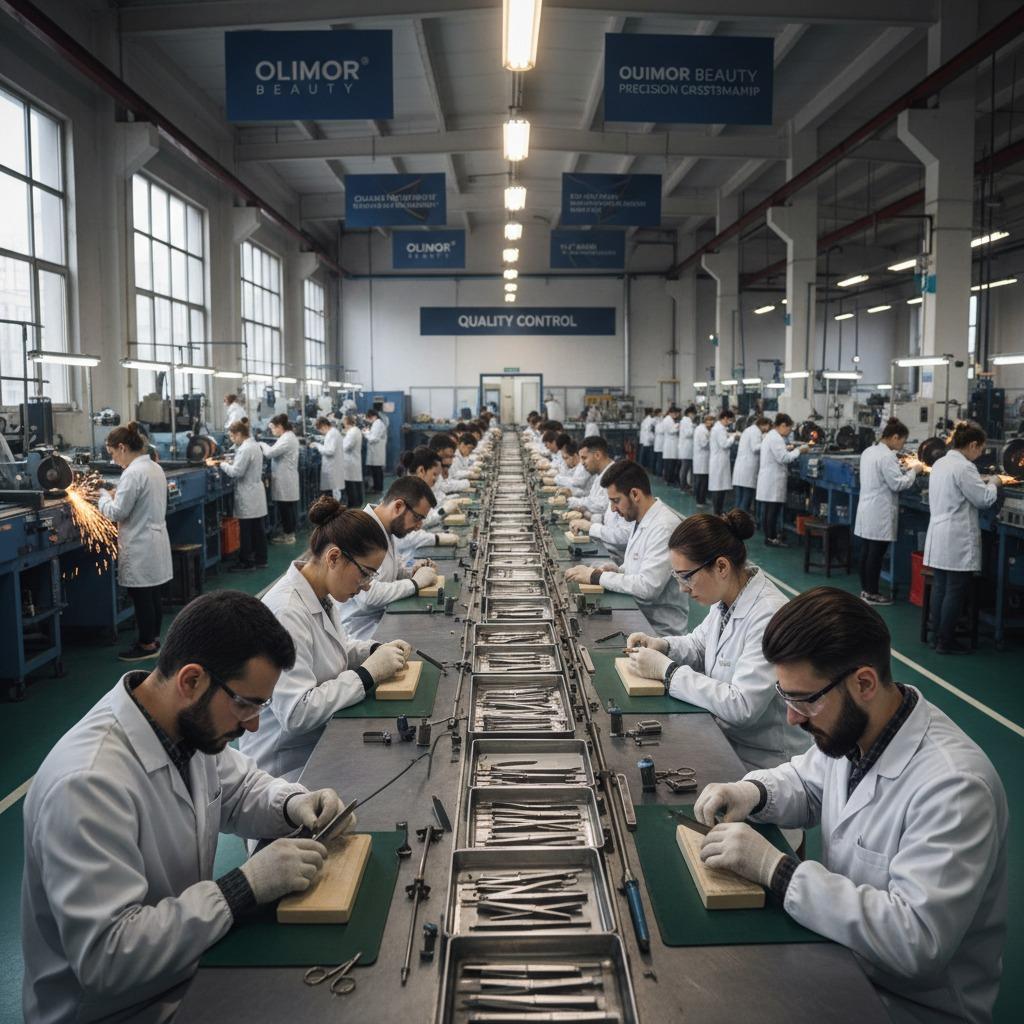
Reliable nail clipper manufacturing depends on more than a polished outer look. The tool has to be shaped, assembled and inspected carefully so the blade contact stays accurate and the lever action remains smooth. Failures can happen at several stages: material selection, forming, assembly, surface finishing or packaging.
From a buyer’s perspective, the most useful question is not simply, “Does it look good?” It is, “Can this supplier repeat the same result in production?” That is where process control matters. A supplier that reviews raw materials, checks assembly fit and inspects final packaging is usually easier to work with than one that only promises a good sample.
Olimor Beauty presents the nail clipper as a practical beauty tool with quality checks from raw materials through final packaging. Buyers should still define their own acceptance criteria. For example, specify the finish you expect, how the lever should feel, what packaging condition is acceptable and how visible defects will be handled during inspection.
Choosing the right clipper for your sales channel
Different channels need different sourcing priorities. A supermarket personal-care aisle, a salon distributor and a private label grooming brand will not all want the same mix of packaging, finish and product positioning.
| Buyer type | Main priority | What to evaluate |
|---|---|---|
| Retail chain | Shelf-ready presentation | Packaging protection, finish consistency and clear product positioning |
| Distributor | Repeat supply | Batch consistency, carton handling and dependable cutting performance |
| Salon supplier | Comfort and function | Ergonomic grip, smooth trimming action and durable blade feel |
| Private label brand | Brand fit | OEM planning, appearance, packaging style and repeatability |
| Promotional buyer | Practical value | Compact size, packaging readiness and dependable everyday use |
The best fit depends on how the clipper will be sold. A travel accessory buyer may prioritize compactness and protective packaging. A salon account may focus more on grip and easy handling. A brand-building program may care most about repeatable appearance and packaging coherence.
Wholesale and OEM questions to ask early
Before requesting samples or quotes, decide how the nail clipper will be used. Is it a standalone product, part of a manicure set or an item in a private label grooming line? Those decisions affect packaging, presentation and product specification.
Good sourcing conversations cover the basics first: blade alignment, lever stability, finish quality and hand feel. Only after those are understood should the team discuss logo placement, packaging format or set configuration. OEM customization can help a product stand out, but it cannot fix weak cutting performance.
Ask how the supplier manages incoming material review, in-process checks and final inspection. Also ask how samples compare to production goods. A supplier that can explain its inspection flow clearly is often better prepared for long-term wholesale work.
If you are ready to discuss a project, you can send product requirements or contact Olimor Beauty with your sourcing brief.
Cost factors buyers should evaluate
When buyers compare quotations, price is only one part of the total sourcing picture. The better question is what is driving the cost and how that affects the end customer experience.
- Material choice: Stainless steel construction supports a clean appearance and sturdy feel.
- Finishing work: Polishing, coloring and surface treatment affect both appearance and labor input.
- Assembly quality: Better alignment and smoother lever action usually require more careful control.
- Packaging level: Simple bulk packaging and retail-ready packaging have different cost structures.
- Customization: Logo application, set packing and branded inserts add complexity.
- Inspection intensity: More detailed checking can improve consistency but may affect total cost.
For buyers, the cheapest option is not always the best value. A low-cost clipper that tears nails or arrives with cosmetic defects can create returns and complaints that cost more later. A practical sourcing approach weighs unit cost against usability, packaging, and consistency.
How to compare samples from different suppliers
Sample comparison should be repeatable and simple. Use the same hands-on checks for every supplier so your team can compare like with like.
- Open and close the lever several times to feel for wobble or stiffness.
- Check whether the cutting edges meet evenly along the blade line.
- Test grip comfort and control from different hand positions.
- Inspect the finish under normal light for scratches or uneven color.
- Review the packaging for protection, presentation and shelf readiness.
- Compare more than one sample to look for consistency, not just one good unit.
These steps do not require special lab equipment. They help buyers make a practical decision based on real-use behavior, which is usually more valuable than a visual review alone.
Relevant standards and documentation
For beauty tools and similar consumer products, buyers sometimes reference general quality systems such as ISO 9001 or market-specific import and safety documentation. These references can be useful in supplier evaluation, but the applicable version and documents should always be verified for your market and channel. Do not assume a supplier holds any certification unless it is clearly documented.
If your team works with retail compliance or import documentation, ask for the records that are actually relevant to your order. The key point is not to collect every document possible, but to confirm that the supplier can support the level of review your business needs.
Why buyers work with a dedicated beauty-tool supplier
A dedicated beauty-tool supplier can reduce sourcing risk because the team focuses on the details that matter most for grooming products: blade contact, comfort, finish, assembly and packaging. That focus is important for products that customers handle directly and use frequently.
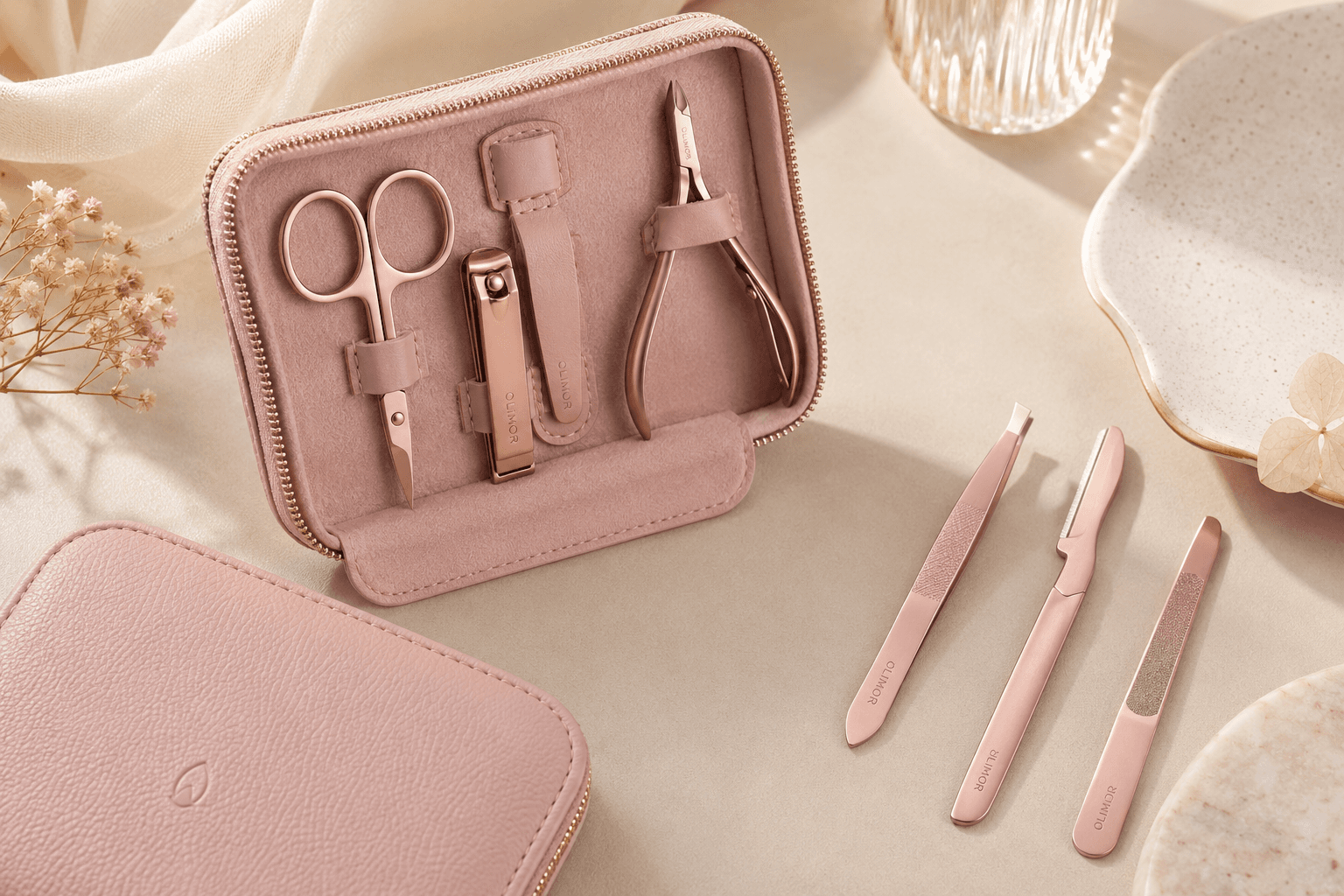
Olimor Beauty’s positioning is relevant for businesses that want practical nail clippers with a refined retail look. The product details emphasize stainless steel blades, ergonomic handles and a sleek metallic appearance, which makes the item suitable for travel kits, personal care aisles, salon counters and gift sets. If your range includes other grooming tools, the same supplier approach can help keep presentation consistent across categories.
For a broader look at product options, you can view the current selection and use that to frame your comparison with other beauty tools.
Practical buyer checklist
Use this checklist before approving a nail clipper supplier:
- Does the clipper cut cleanly without extra force?
- Do the blades meet evenly?
- Does the lever feel stable and comfortable?
- Is the finish clean, attractive and free from visible defects?
- Does the packaging suit your channel and shipping needs?
- Can the supplier explain incoming, in-process and final inspection?
- Are samples representative of production goods?
- Does the supplier support your desired branding or set configuration?
If the answer to most of these is yes, the product is more likely to work well in a wholesale or OEM program. If not, it is better to clarify the issue before placing an order.
FAQ
Can I request samples before placing a larger order?
Yes. Sample review is one of the most useful steps in sourcing nail clippers. It lets you check blade alignment, lever feel, finish quality and packaging before committing.
What should I ask about MOQ?
Ask how MOQ changes with packaging style, customization and order structure. The right answer depends on your project, so confirm the requirement directly with the supplier.
Can the product be customized for private label use?
Often, yes, but the exact options depend on the supplier and the order plan. Start with functional quality, then discuss logo placement, packaging and set configuration.
How does Olimor Beauty check quality?
The supplied information indicates quality attention from raw materials through final packaging. You should still ask for the specific inspection steps that apply to your order.
How long will production or lead time take?
Lead time varies by order details, customization and production schedule. Request a project-based timeline rather than assuming a standard answer.
For a sourcing discussion tailored to your channel, reach out to Olimor Beauty with your requirements or send an inquiry to begin the conversation.
Tag: