Custom Tweezers for Business: How to Choose Tools Your Customers Will Trust
For beauty distributors, retailers, salon suppliers, and private-label buyers, tweezers are small products with a large impact on customer satisfaction. A customer may not notice every detail of a display at first glance, but they will immediately notice whether a tweezer grips hair cleanly, feels stable in the hand, and keeps its tips aligned during regular use. That is why sourcing custom tweezers for business should be treated as a technical buying decision, not only a packaging or price decision.
Olimor Beauty focuses on professional beauty tools for business buyers who need consistency across orders. When tweezers are intended for retail shelves, salon resale, grooming kits, or distributor catalogs, the priorities are clear: precise tips, durable stainless steel construction, ergonomic handling, dependable quality control, and customization choices that suit the target market. This guide explains how to evaluate tweezers for B2B use and how to make better sourcing decisions before adding them to your product line.
Why Tweezers Matter in a Business Product Line
Tweezers are often purchased as a basic grooming tool, but their performance is not basic. For eyebrow shaping, fine hair removal, lash work preparation, or general grooming, the tool must close evenly and hold hair without repeated attempts. Poorly aligned tips can pull, break hair, or slip, leading to returns and negative reviews. For a business buyer, that means one inexpensive item can affect the reputation of an entire range.
For distributors, tweezers are useful because they can serve several customer segments: beauty retailers, salon supply shops, brow technicians, grooming brands, and gift set assemblers. For retailers, they are practical add-on items that can be merchandised near brow products, skincare accessories, travel grooming tools, or manicure supplies. For professional users, they are everyday instruments that need a reliable feel every time they are picked up.
When comparing beauty tool products, buyers should avoid choosing tweezers based only on appearance. Finish, color, and branding are important, but the functional parts of the tool determine whether customers reorder or switch suppliers. The best sourcing process starts with the intended user and works backward to the tip style, grip, packaging, and quality control expectations.
Tip Styles: Matching the Tweezer to the Use Case
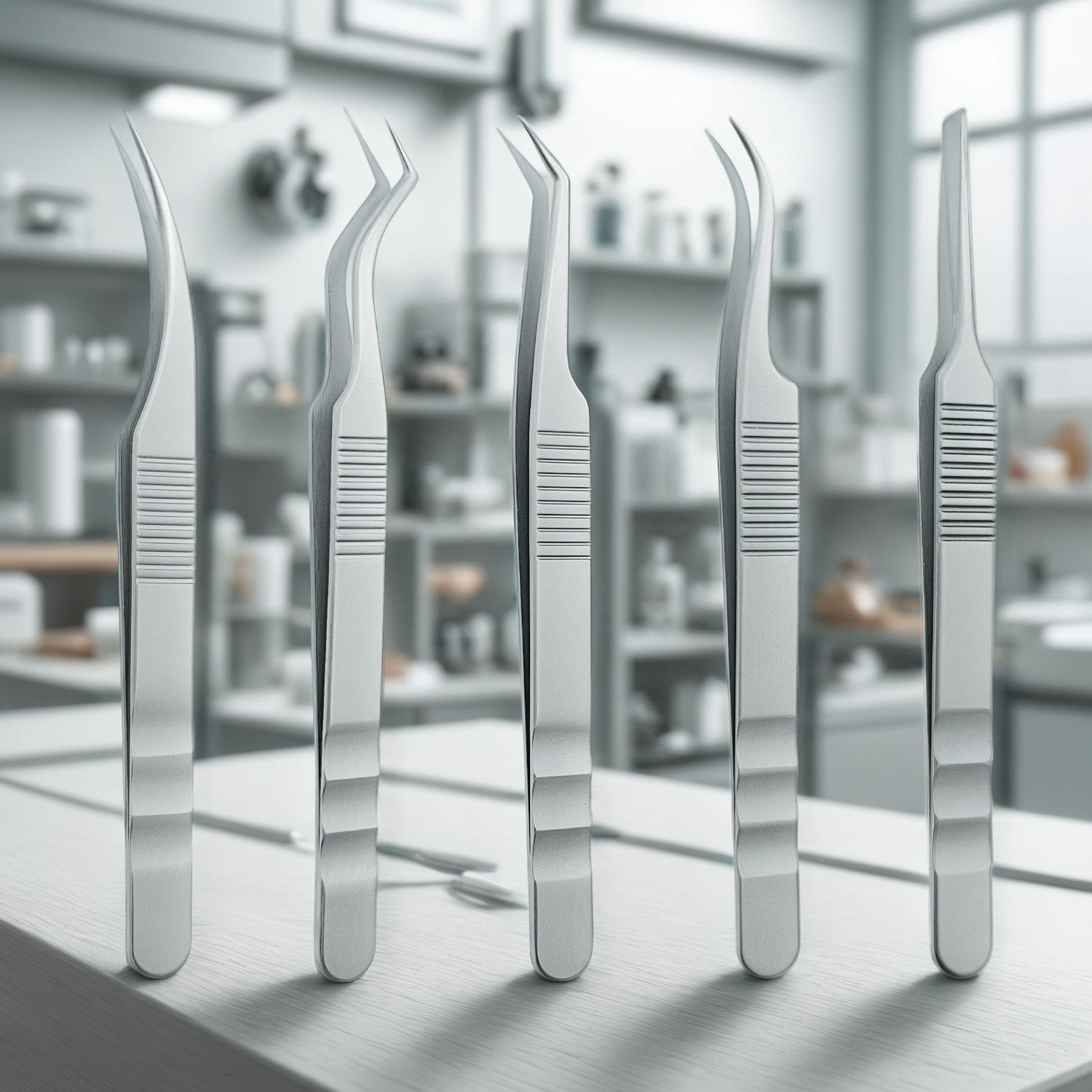
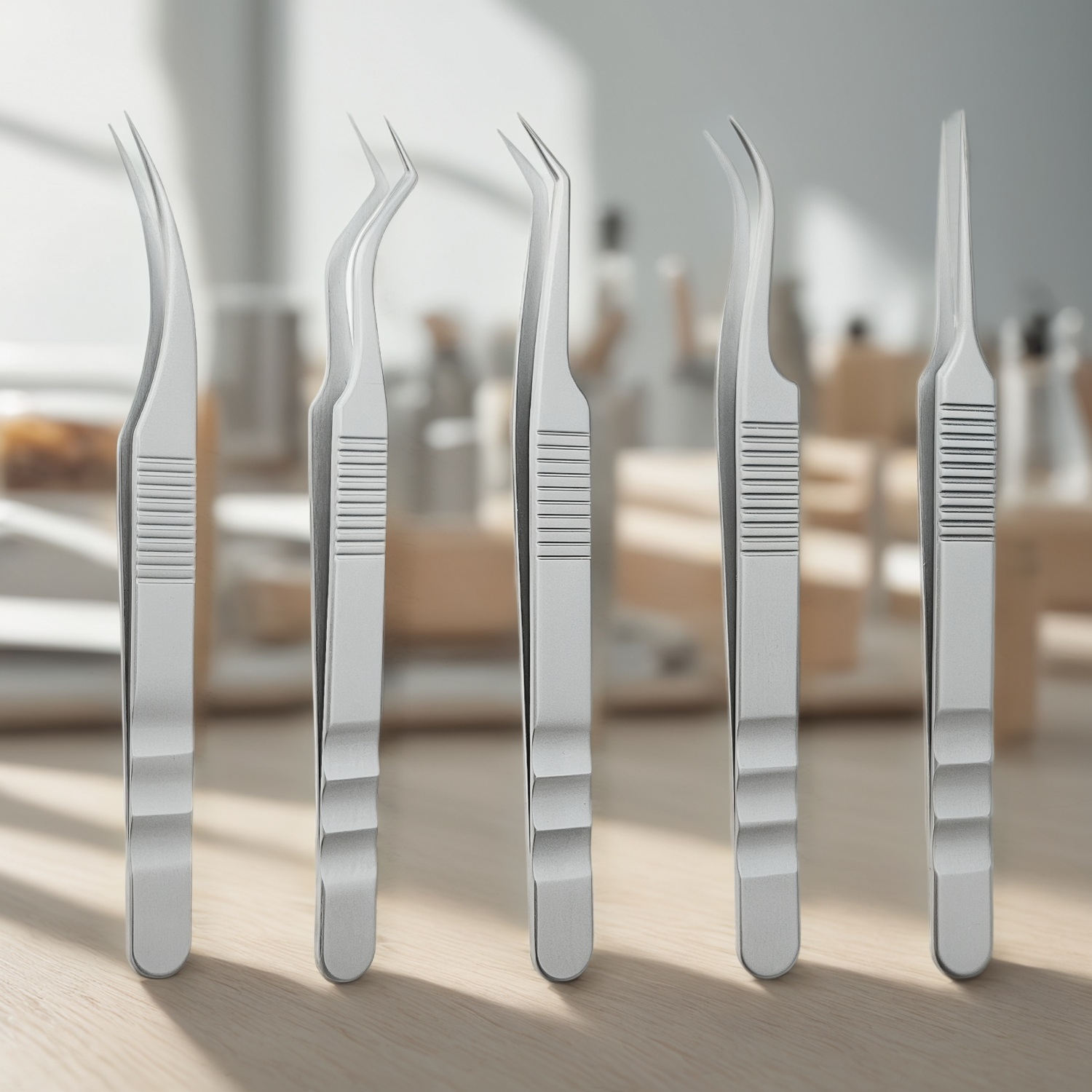
The original product range described by Olimor Beauty includes common tweezer designs such as slanted tips, pointed tips, and arched tips. Each style has a different purpose, and selecting the right mix can make a wholesale or retail assortment more useful.
| Tip style | Typical use | Best fit for business buyers |
|---|---|---|
| Slanted tips | General eyebrow shaping and everyday grooming | Core retail SKU, salon resale, personal grooming kits |
| Pointed tips | Fine precision work and targeting small hairs | Professional users, specialist beauty kits, precision grooming ranges |
| Arched tips | Versatile applications where angle and access matter | Assortments that need a broader selection beyond standard slant designs |
A practical distributor assortment may include a main slanted-tip option because it is widely recognized by consumers, plus a pointed option for precision-focused buyers. Retailers can use this structure to create a simple good-better range without inventing complicated claims. For professional channels, it may be useful to offer multiple tip styles so technicians can choose according to their service method and comfort.
During product evaluation, buyers should check how the tips meet when closed. The tips should contact evenly and feel controlled, not loose or overly stiff. If the tweezer is intended for precision work, alignment becomes even more important because a small mismatch can affect grip. A sample review should include both visual inspection and actual handling, not only catalog photos.
Material, Grip, and Ergonomics for Daily Use
Olimor Beauty’s supplied information identifies the tweezers as stainless steel tweezers. Stainless steel is widely used for beauty tools because it can provide durability and a clean professional appearance when properly manufactured and finished. For B2B buyers, the key question is not simply whether stainless steel is used, but whether the finished tool feels stable, closes consistently, and is suitable for the expected retail or professional positioning.
Ergonomic design is another important factor. A tweezer may look sleek but become tiring if it is too slippery, too narrow, or difficult to control. Olimor Beauty describes an ergonomic design with a textured grip, which is useful for comfort and control. This matters for professionals who may use tweezers repeatedly during the day and for consumers who want confidence when shaping brows at home.
When reviewing samples, consider these handling points:
- Tip contact: The tips should meet cleanly without a visible gap.
- Grip surface: A textured grip can help reduce slipping and improve control.
- Spring tension: The tweezer should close smoothly without feeling weak or overly hard to press.
- Edge comfort: Surfaces that touch the fingers should not feel sharp or unfinished.
- Balance: The tool should feel controlled near the working tip, not awkward or unstable.
These checks are especially important for bulk tweezers purchased for resale. If the first user experience is poor, attractive branding will not compensate. A technically sound tool gives the brand a stronger foundation.
Customization Choices That Support Your Brand
Custom tweezers for business are not only about placing a logo on a tool. A useful customization plan connects the tool to the customer segment, price position, packaging channel, and merchandising environment. A salon distributor may prefer a clean, professional look that fits existing tool displays. A beauty retailer may need packaging that communicates tip type clearly. A grooming kit supplier may prioritize compact presentation and consistency with other accessories.
Before confirming a custom tweezer project, define the role of the item in the range. Is it a standalone retail product, part of a brow care kit, a promotional item for a beauty brand, or a professional supply item? The answer affects decisions about tip style, finish, package format, and how much instruction should appear on the packaging.
A practical customization brief may include:
- The intended sales channel, such as retail, distributor catalog, salon supply, or kit assembly.
- The main user, such as everyday consumers, brow professionals, or grooming customers.
- The required tip styles, for example slanted, pointed, arched, or a mixed assortment.
- Branding placement and packaging needs.
- Inspection priorities, especially tip alignment, grip texture, and finishing consistency.
Keeping this brief clear helps avoid a common B2B mistake: creating a product that looks attractive but does not match the buyer’s real market. If you are comparing multiple options across Olimor’s product collections, use the same evaluation framework for each sample so decisions remain consistent.
Quality Control Questions for Bulk Tweezer Orders
For distributors and retailers, product consistency is often more important than a single impressive sample. Olimor Beauty states that its internal quality control process covers raw material inspection through final packaging. This type of process is relevant because tweezers rely on small tolerances: alignment, finish, tension, and packaging all affect the final customer experience.
Business buyers can improve sourcing outcomes by preparing a checklist before ordering. The checklist does not need to be complicated, but it should be specific enough to catch issues that matter in real use. For tweezers, inspection should focus on function first, then cosmetic presentation.
- Raw material and construction review: Confirm that the tool matches the agreed material and design description.
- Tip alignment check: Inspect whether the tips close evenly and grip properly.
- Surface and finish review: Look for rough edges, visible defects, or inconsistent finishing.
- Grip and tension check: Test whether the tool is comfortable and controlled.
- Packaging review: Confirm that packaging protects the tips and presents the product correctly for the sales channel.
- Assortment verification: For mixed styles, confirm that slanted, pointed, and arched quantities match the order plan.
These steps are useful whether the buyer is building a private-label range or adding tweezers to an existing wholesale catalog. A clear checklist also helps align purchasing, quality, and sales teams before products reach customers.
How Distributors and Retailers Can Build a Strong Assortment
A strong tweezer assortment does not need to be large. In many cases, a focused range is easier to sell and manage. The starting point is a dependable slanted tweezer for general shaping. From there, a pointed tweezer can serve precision users, while an arched option can add variety for buyers who want a more complete tool selection.
Retailers should think about shelf communication. Customers need to understand the difference between tip styles quickly. Clear product names, visible tip diagrams, and simple use descriptions can reduce confusion. Distributors should think about catalog clarity, including product images that show the tip shape and packaging information that helps resellers choose the right items.
For professional channels, it is useful to position tweezers as working tools rather than decorative accessories. The buying language should emphasize precision, stainless steel construction, ergonomic handling, and quality control. Avoid exaggerated claims. Professional buyers tend to value practical details and sample performance over broad marketing language.
Pricing also needs context. A competitive bulk tweezers price is valuable only when the tool performs consistently. If a cheaper option leads to higher returns, customer complaints, or weak repeat orders, the real cost can be higher than the invoice suggests. Evaluate price together with finish, packaging, inspection process, and supplier communication.
Working With Olimor Beauty on Custom Tweezers
Olimor Beauty supports business buyers looking for tweezers for distributors, tweezers for retailers, and broader B2B tweezer programs. The supplied product information highlights stainless steel construction, slanted, pointed, and arched designs, ergonomic handling, textured grip, and internal quality control from raw material inspection to final packaging. These are practical features for companies that want a reliable beauty tool offering.
To prepare for a sourcing discussion, gather your target channel, estimated assortment plan, packaging direction, and preferred tip styles. If you already sell beauty tools, note which price level and customer segment the new tweezers should match. If you are building a new range, begin with the use case: everyday brow grooming, professional precision work, retail add-on sales, or kit inclusion.
Olimor Beauty can be contacted for product discussions through contact Olimor. Buyers ready to share project details can also send an inquiry with the intended application, tip styles, packaging needs, and any inspection priorities. A clear request helps the team recommend an appropriate approach without unnecessary back-and-forth.
Custom tweezers may be compact products, but they require careful sourcing. When the tips align, the grip feels secure, and the packaging fits the channel, the result is a tool that supports customer confidence and repeat purchasing. For business buyers, that combination is the real value of a well-made tweezer range.
Tag: