Low MOQ Tweezers for Beauty Brands: How to Source with Confidence
For emerging beauty brands, lash studios, training academies and distributors, tweezers are often one of the first precision tools added to a product range. They are small, easy to ship and used daily by professionals, but they are not simple commodities. A tweezer that looks attractive in a product photo can still fail in the hand if the tip alignment, grip tension, finish or edge quality is not controlled well.
Low MOQ tweezers help brands test a product line without committing to a large inventory position too early. The goal is not only to buy a smaller quantity; it is to reduce launch risk while still selecting tools that customers will trust. Olimor Beauty supports buyers looking for professional-grade tweezers, including options such as the False Lash Tweezer, with a focus on practical sourcing, manufacturing consistency and brand-ready presentation.
Why Low MOQ Matters for Tweezer Sourcing
Minimum order quantity can shape the entire launch plan for a beauty tool line. A high MOQ may force a brand to choose fewer styles, reduce packaging quality or hold slow-moving inventory. A low MOQ option gives buyers more room to test demand, gather customer feedback and refine positioning before expanding.
This is especially important in tweezer categories because customer preferences are specific. Lash technicians may prefer one angle or grip feel, brow artists may look for a different tip geometry, and retail customers may value protective packaging and easy handling. Starting with a controlled quantity lets a brand compare real usage data rather than relying only on assumptions.
Low MOQ sourcing is also useful for seasonal releases, private label testing, salon starter kits, beauty school kits and regional market trials. The right supplier should help the buyer make a practical choice: not simply the cheapest tweezer, but the version most likely to fit the customer’s technique, price point and brand promise.
What Makes a Professional Tweezer Different?
A tweezer is judged by precision. For false lash application and detail work, small differences in tip alignment and closing tension can affect speed, comfort and control. A professional user will quickly notice whether a tweezer grabs consistently, pinches too harshly, slips during application or causes hand fatigue after repeated use.
When comparing tweezer options, buyers should pay attention to the following performance factors:
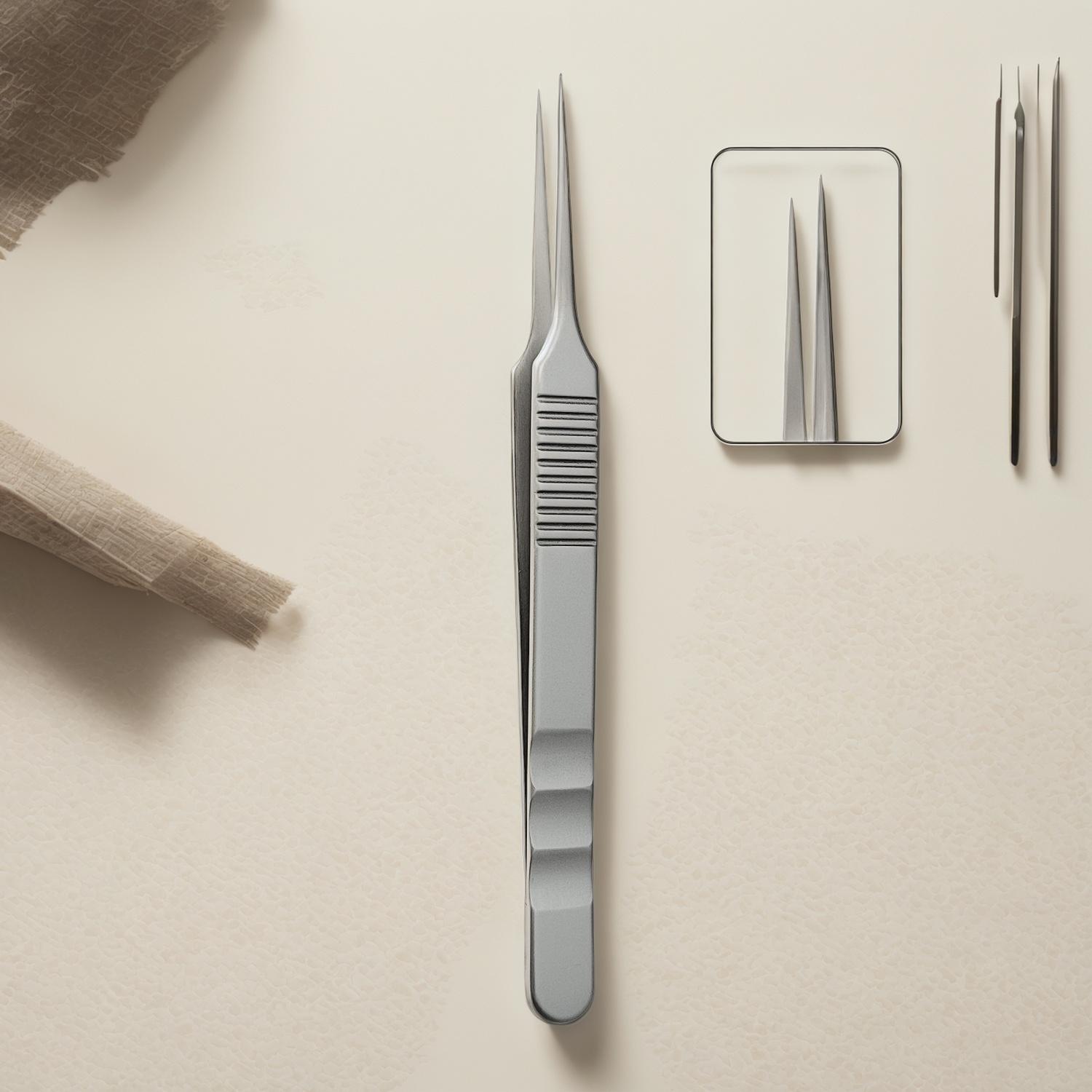
- Tip alignment: The two ends should meet cleanly without visible offset, twisting or uneven contact.
- Grip tension: The tweezer should close with controlled resistance, not feel too stiff or too loose.
- Tip finish: Edges should feel refined enough for safe, accurate work, without burrs or rough points.
- Body shape: Straight, angled or curved designs should match the intended use case, such as lash pickup, placement or brow grooming.
- Surface finish: Polished, coated or matte finishes should be assessed for appearance, comfort and cleaning practicality.
- Protective packaging: Tip guards, sleeves or boxes can reduce damage during shipping and storage.
These criteria are more useful than judging only by appearance. A well-made tweezer should feel predictable from the first use and remain dependable over repeated handling when cared for properly.
Working Directly with a Tweezers Manufacturer
Buying from a direct tweezers manufacturer can provide better visibility into the production process than purchasing through multiple trading layers. For brands, that visibility matters because quality problems often come from small process variations: inconsistent forming, poor polishing, weak inspection discipline or packaging that allows tips to be damaged in transit.
A manufacturer-focused approach allows buyers to discuss the intended end user more clearly. For example, a lash-focused product may need a different balance of closing pressure and tip shape than a general brow tweezer. If the brand is planning to sell through professional salons, the tolerance for inconsistency is usually lower because technicians use their tools continuously and compare them against other professional products.
Olimor Beauty positions its tweezer sourcing around direct production understanding and quality control. This is valuable for buyers who want to review stock designs, explore tweezers OEM possibilities, or develop packaging that supports a private label line. You can also compare related beauty tool products to build a more complete product assortment around tweezers, lash tools or grooming accessories.
Low MOQ Does Not Mean Low Standards
A common sourcing mistake is treating low MOQ orders as a reason to accept vague specifications. Smaller orders still need clear requirements, especially for a precision tool. If the first order disappoints customers, a brand may lose repeat buyers before it has a chance to scale.
Instead of asking only for a low price, prepare a checklist that makes inspection and comparison easier. The table below shows practical buyer questions and why they matter when sourcing low MOQ tweezers.
| Buyer Check | Why It Matters |
|---|---|
| Intended use: lash, brow or general grooming | Different applications require different tip shapes, pressure and handling feel. |
| Tip alignment standard | Accurate tip contact is central to grip performance and customer satisfaction. |
| Sample review process | Physical samples reveal tension, balance and finish better than photos. |
| Packaging style | Packaging affects perceived value and protects the tweezer tips during shipment. |
| Logo or private label method | Branding needs to be suitable for the finish, order size and target market. |
| Final inspection criteria | Clear inspection points reduce inconsistent products reaching customers. |
This kind of checklist keeps the conversation focused. It also helps the buyer compare suppliers more fairly because every option is assessed against the same practical requirements.
OEM and Private Label Considerations
Tweezers OEM can be a strong option when a brand wants a more distinct identity than a generic stock product can provide. Depending on the project, customization may involve logo placement, finish selection, packaging, set composition or refinements to the tool presentation. The key is to match the level of customization to the stage of the business.
For a new brand, it may be wiser to begin with a reliable existing tweezer shape and customize packaging or branding first. This keeps development efficient while still creating a marketable product. For a more established brand with proven demand, deeper customization may make sense if the customer base has clear preferences and the brand can define the required feel and function in detail.
Buyers should also think about how the tweezer will sit within the wider assortment. A single False Lash Tweezer may work as a hero product for lash customers, while a set may appeal to retailers or training schools. If the product is part of a kit, packaging dimensions, tool protection and visual consistency become even more important. Reviewing product collections can help buyers plan how individual tools might be grouped into a coherent line.
Quality Checks Before You Approve an Order
Before approving a low MOQ tweezer order, review samples under conditions that reflect real use. Do not rely only on a quick visual check. A technician or experienced beauty professional should test the tool repeatedly, because hand feel and grip reliability become clearer after multiple actions.
- Inspect the tips under good light. Look for symmetrical contact, smooth edges and any visible gap when closed.
- Test pickup consistency. Use the tweezer with the type of material or lash work it is intended for.
- Check closing pressure. The tweezer should not strain the hand or feel unstable during fine movement.
- Review the surface finish. Confirm that the finish fits the brand’s visual standard and does not feel rough in use.
- Assess packaging protection. Make sure tips are protected against bending, scratching or impact during shipping.
- Document the approved sample. Keep notes and photos so future production can be compared against the approved reference.
These steps are simple but important. They help prevent the common problem of approving a product based on appearance, then discovering that it does not perform well for professional users.
How to Plan a Smarter First Order
A first low MOQ order should be designed to produce useful business learning. Rather than ordering too many variations, choose a focused selection that reflects your target customer. A lash brand might start with one or two tweezer styles that support application work. A salon distributor might prioritize versatile tools with durable protective packaging. A beauty educator might need a consistent, easy-to-handle tweezer suitable for student kits.
Think about the complete customer experience: the tool, packaging, product description, care instructions and after-sale support. Tweezers should be stored with tip protection, kept clean according to appropriate hygiene practices, and handled carefully to avoid impact damage. Including simple care guidance can reduce avoidable complaints and support repeat purchases.
It is also wise to plan how feedback will be collected. Ask testers or early customers about grip, hand comfort, tip accuracy and packaging. This feedback can guide the next order, whether that means adjusting the assortment, improving packaging or expanding into additional beauty tools.
Choosing Olimor Beauty for Flexible Tweezer Supply
Olimor Beauty works with buyers who need a practical balance of product quality, supplier flexibility and brand presentation. For low MOQ tweezers, the best results come from clear communication: intended use, desired appearance, packaging goals, brand positioning and inspection priorities. When these details are defined early, it is easier to select or customize a tweezer that fits the market.
Whether you are preparing a new lash tool launch, adding tweezers to a beauty accessory range, or testing a private label concept, focus on precision first. Low MOQ sourcing should help you enter the market carefully, not compromise the product your customers will rely on.
If you are comparing tweezer options or planning an OEM beauty tool project, you can send an inquiry with your intended use, quantity range and packaging goals. For broader sourcing questions, you may also contact Olimor to discuss the best next step for your brand.
Tag: