How to Source Manicure and Pedicure Kits for Salon-Ready Nail Care
Manicure and pedicure kits are used by very different buyers for very different reasons. A salon may need dependable tools that support repeated services throughout the day. A spa may want a neat retail kit that guests can purchase after a treatment. A beauty distributor may be comparing packaging, tool mix and consistency across bulk orders. A home user may simply want a compact kit that helps keep nails clean, shaped and comfortable between appointments.
Because the product looks simple at first glance, it is easy to judge a kit only by the number of pieces inside. In practice, a useful manicure and pedicure kit depends on tool selection, comfort, finishing quality, hygiene routines, packaging and sourcing reliability. Olimor Beauty focuses on beauty tools for nail grooming and related personal-care use, giving buyers a practical route to compare kit options for salons, spas, retail programs and self-care customers.
This guide explains how to evaluate manicure and pedicure kits before purchasing, what to look for when sourcing wholesale nail tools, and how to match a kit to the service or sales channel it is meant to support.
What a Manicure and Pedicure Kit Should Help Users Do
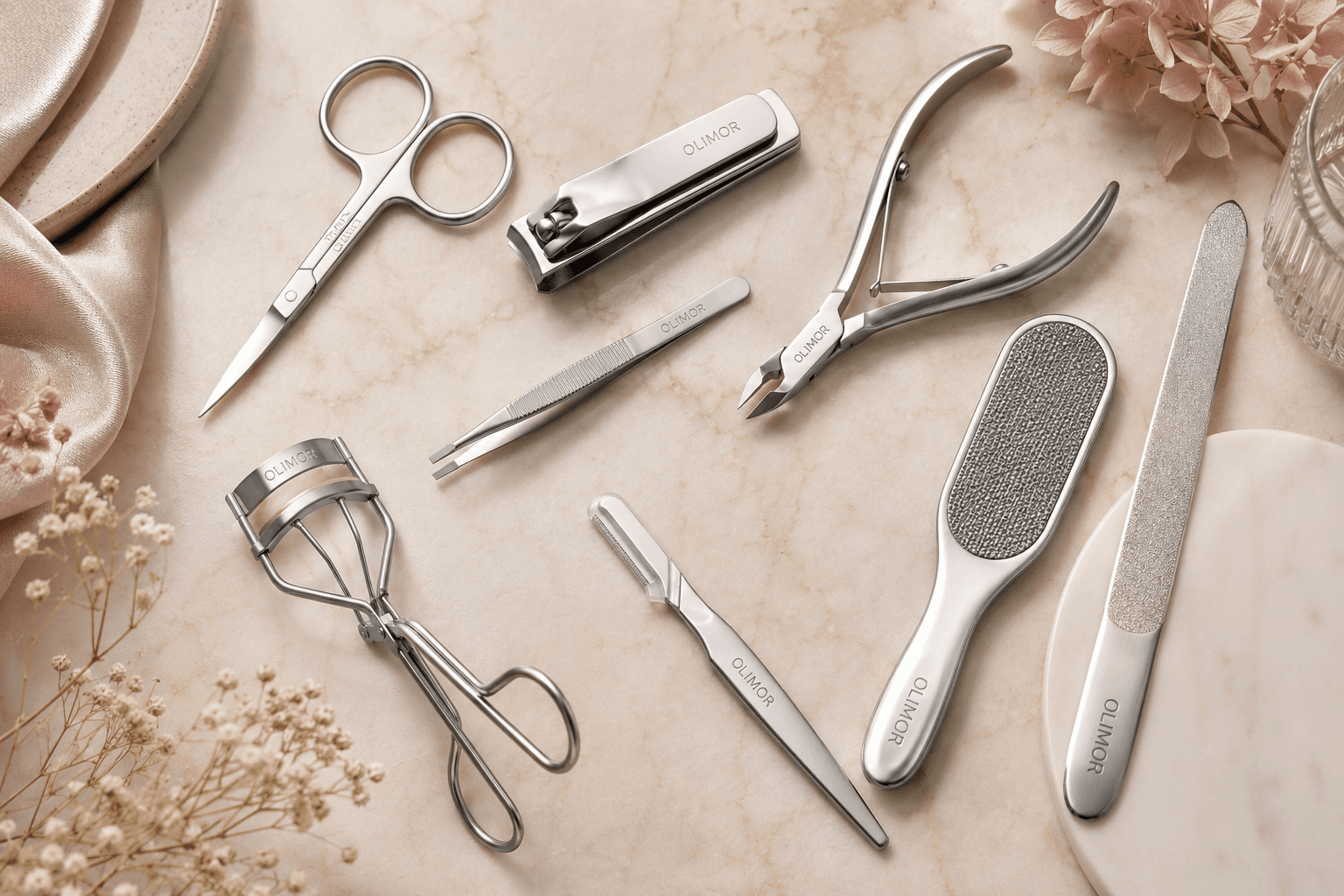
A manicure or pedicure kit should make nail maintenance easier, cleaner and more controlled. It is not only about trimming nails. A complete grooming experience may include shaping the nail edge, tidying dry skin around the nail, smoothing rough areas and preparing hands or feet for polish, lotion or treatment services. The best kit for one buyer is not always the largest kit; it is the kit with the right tools for the intended use.
For home-care customers, convenience and safe handling are usually priorities. Tools should be easy to identify, easy to hold and simple to store after use. For professional service settings, the focus shifts toward repeatable handling, cleaning procedures, durability and how smoothly the tool supports a technician’s work. For retailers, the buying decision also includes visual presentation, compactness, perceived value and how clearly the kit’s use can be explained to shoppers.
Common manicure and pedicure kit functions may include:
- Trimming: cutting fingernails or toenails to a manageable length.
- Shaping: filing and refining nail edges to reduce snagging.
- Detail grooming: handling small areas around the nail with suitable precision tools.
- Smoothing: supporting basic finishing steps for a cleaner appearance.
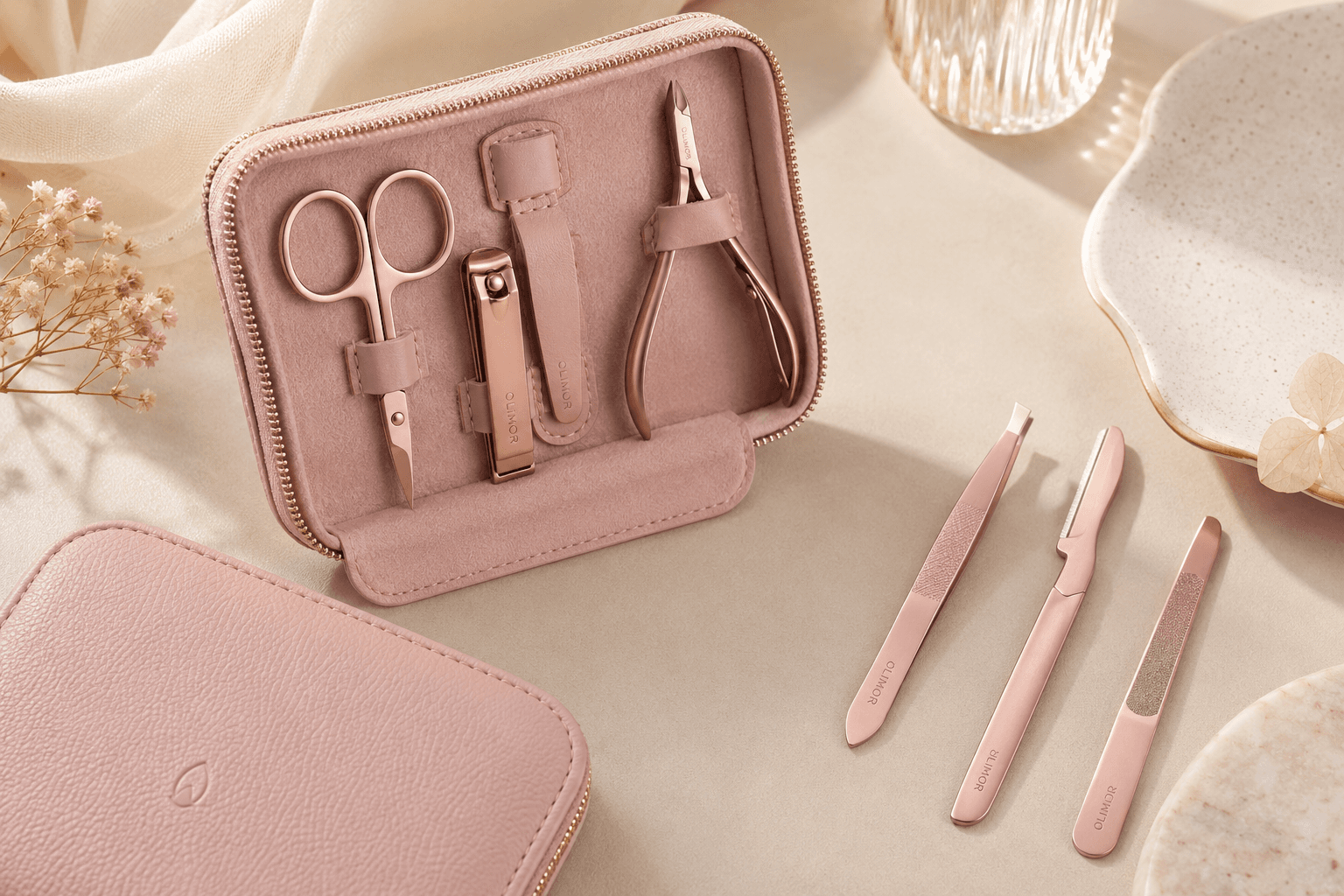
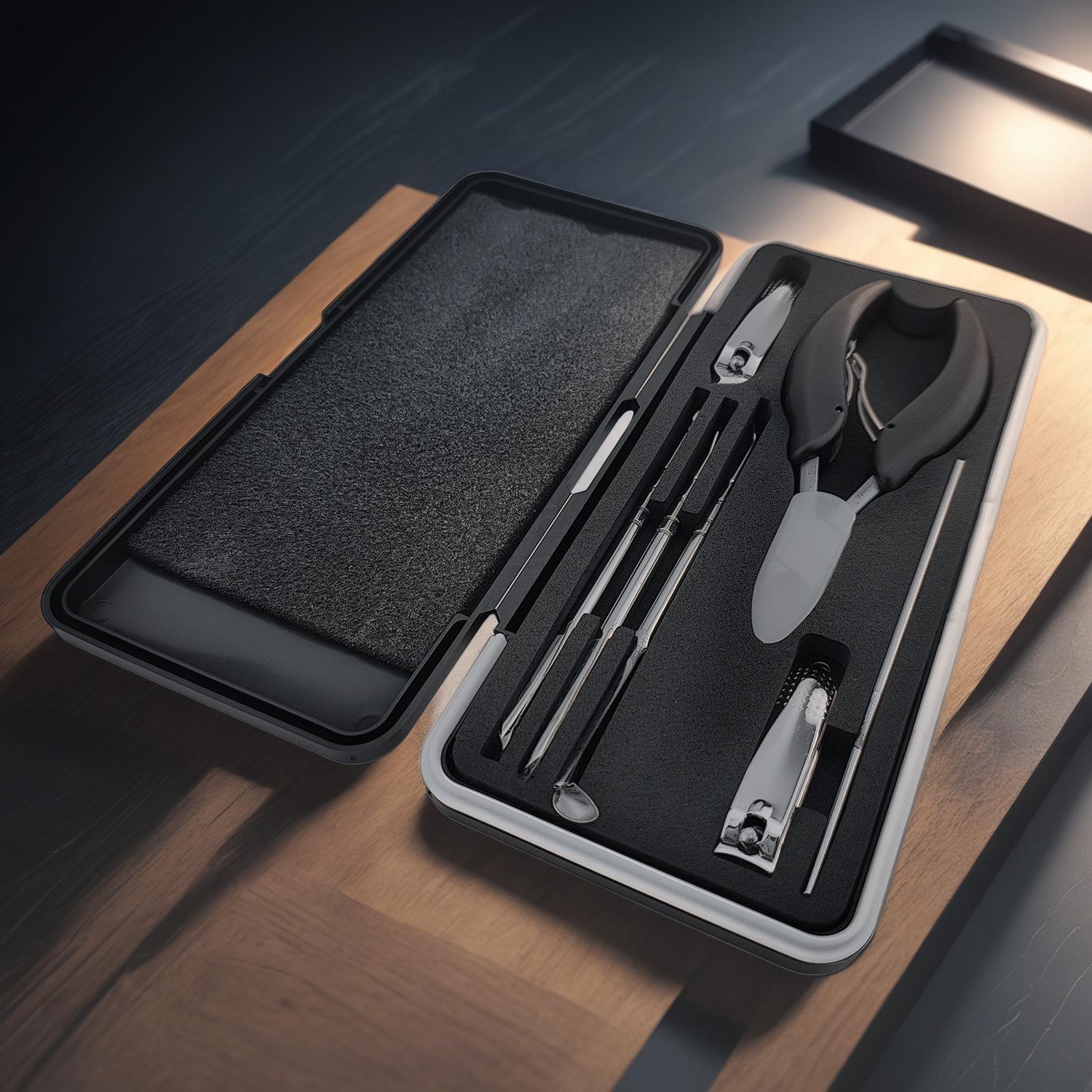
- Storage: keeping tools organized, protected and easy to transport.
When comparing kits, buyers should ask whether every piece has a clear job. Extra tools can be useful, but only if they match the customer’s skill level and the service environment. A smaller, well-organized kit may be more valuable than a larger assortment that includes tools the end user will not understand or use correctly.
Key Selection Criteria for Wholesale Nail Tool Buyers
Salons, spas and distributors usually need more than an attractive product photo. They need confidence that the kit can perform consistently and fit their sales or service model. Before choosing a manicure and pedicure kit, it helps to create a checklist that separates essential requirements from nice-to-have features.
| Selection point | Why it matters | What to review |
|---|---|---|
| Tool mix | Determines whether the kit suits manicure, pedicure or combined use | Check whether each tool has a practical purpose for the target user |
| Grip and handling | Affects comfort, control and confidence during grooming | Review shape, size, opening action and ease of use |
| Edge and finish | Influences trimming precision and user satisfaction | Look for smooth surfaces, clean finishing and consistent tool alignment |
| Storage case | Protects tools and improves retail presentation | Assess closure, layout, portability and whether tools stay in place |
| Cleaning suitability | Important for salons and repeat use | Consider whether tool shapes and surfaces are practical to wipe and maintain |
| Packaging information | Helps reduce misuse and returns | Check whether functions and basic care guidance can be communicated clearly |
For wholesale programs, consistency is especially important. A buyer may approve a sample because it feels balanced and well finished, but the larger order must match that approved quality as closely as possible. When reviewing beauty tool products, compare samples carefully and document the details that matter: tool count, case layout, finish expectations, packaging format and any market-specific labeling needs.
Choosing Kits for Salons, Spas, Retail and Home-Care
The same manicure and pedicure kit can be positioned differently depending on the audience. A salon may use tools as part of a professional setup, while a spa may offer kits as aftercare items. Retail buyers may need compact giftable sets, and e-commerce sellers may prioritize clear photos, organized packaging and straightforward product descriptions.
For salons: focus on tools that feel stable in hand and support efficient grooming steps. Salon teams should also consider how tools fit into their cleaning and storage process. If the kit is sold to clients for at-home maintenance, choose a tool mix that is approachable rather than overly technical.
For spas: the kit should align with a calm, hygienic and polished service experience. A spa retail kit often works best when it is easy to explain after a pedicure or hand treatment. The guest should immediately understand how the kit helps maintain neat nails between visits.
For beauty retailers: packaging and shelf clarity matter. A shopper may not open the kit before buying, so the outside presentation should make the tool selection understandable. Retail buyers should consider whether the kit appears suitable for travel, gifting, basic grooming or more detailed nail care.
For distributors: repeatability and communication are critical. Distributors often supply different business customers, so it is useful to compare multiple kit configurations and choose options that can serve broad demand without creating unnecessary complexity.
Olimor Beauty’s product collections can be reviewed as part of a broader sourcing plan when buyers are building a coordinated personal-care or beauty-tool assortment.
Quality Signals to Check Before Placing a Bulk Order
Quality in manicure and pedicure kits is often felt before it is seen. A nail clipper that pinches awkwardly, a file that wears too quickly or a case that does not hold tools securely can reduce customer trust. Buyers do not need to rely on vague claims; they can evaluate practical quality signals during sampling.
Start with hand feel. Tools should not have uncomfortable sharp edges where the user grips them. Moving parts should open and close predictably. Surfaces should appear clean and evenly finished. If the kit includes different tools, each item should sit securely in the case rather than shifting loosely during transport.
Next, review the finishing details. Uneven edges, rough joints or inconsistent alignment can lead to poor user experience. For retail kits, also inspect the case and packaging. A case is not just decoration; it protects the tools, helps the user keep them organized and influences the perceived value of the product.
Buyers should also consider the expected use environment. A tool used occasionally at home faces different demands than one used repeatedly in a service business. For professional settings, cleaning workflow and storage discipline are part of the product’s real-world performance. Even a well-made tool can perform poorly if it is stored damp, dropped into a crowded drawer or used for the wrong task.
Maintenance and Hygiene Guidance for Better Customer Experience
Manicure and pedicure tools come into close contact with nails and surrounding skin, so maintenance guidance should be clear. Good care practices help protect the product, support a cleaner grooming routine and reduce avoidable complaints. Whether the kit is for home use or salon retail, basic instructions are valuable.
- Clean after use: remove visible nail dust or residue from tools before putting them away.
- Dry thoroughly: moisture left inside a case can affect the condition of tools over time.
- Store separately: keep the kit in its case so edges and tips are protected.
- Use each tool for its intended purpose: avoid using nail tools on hard materials or non-grooming tasks.
- Inspect regularly: replace tools that become damaged, misaligned or uncomfortable to use.
For salons and spas, maintenance should follow the business’s hygiene procedures and any local rules that apply to professional nail services. When tools are sold for personal use, buyers can improve customer satisfaction by including simple care information on packaging inserts or product pages. Clear guidance can make the kit feel more professional and can help users avoid common mistakes.
Sourcing Questions That Lead to Better Decisions
When comparing spa product wholesalers or professional beauty tool suppliers, buyers should move beyond a simple price comparison. Price matters, but the lowest quote may not deliver the right tool mix, finish or packaging presentation for the intended market. A more useful sourcing discussion focuses on how the kit will be used and what needs to remain consistent across orders.
Helpful sourcing questions include:
- Which tools are included, and can the function of each tool be clearly explained to the end user?
- Is the kit intended mainly for manicure, pedicure, travel, retail gifting or professional service support?
- How are tools secured inside the case during shipping and daily storage?
- What packaging format best fits the sales channel: salon retail, spa counter, e-commerce or distributor catalog?
- How will approved samples be compared with future production for consistency?
- What labeling, language or instruction requirements apply in the buyer’s target market?
These questions help both sides define expectations before an order is confirmed. If your business is comparing kit configurations or building a wholesale nail-care assortment, you can send an inquiry with your intended channel, target customer and preferred kit style. For broader sourcing discussions, buyers can also contact Olimor to review suitable beauty-tool options.
Building a Nail-Care Assortment Around Practical Use
A strong manicure and pedicure kit should feel useful from the first opening and remain practical after repeated use. For business buyers, that means balancing appearance with function: the kit should look presentable, include relevant tools, store neatly and support the customer’s grooming habits. For salons and spas, it should also fit naturally into service recommendations or retail aftercare conversations.
Instead of choosing a kit only by piece count, evaluate the full user journey. Can the customer understand the tools? Does the case keep everything organized? Are the tools comfortable enough for careful grooming? Is the packaging appropriate for the sales channel? Are the maintenance instructions clear? These practical details often determine whether a manicure and pedicure kit becomes a repeatable product in a wholesale program.
Olimor Beauty provides manicure and pedicure kit options for buyers who want beauty tools that support organized self-care, salon retail and professional sourcing needs. By focusing on tool purpose, handling, presentation and consistency, businesses can choose nail-care kits that are easier to sell, easier to use and better aligned with real customer expectations.
Tag: