Eyelash Extension Tweezers Buying Guide for Professional Salons
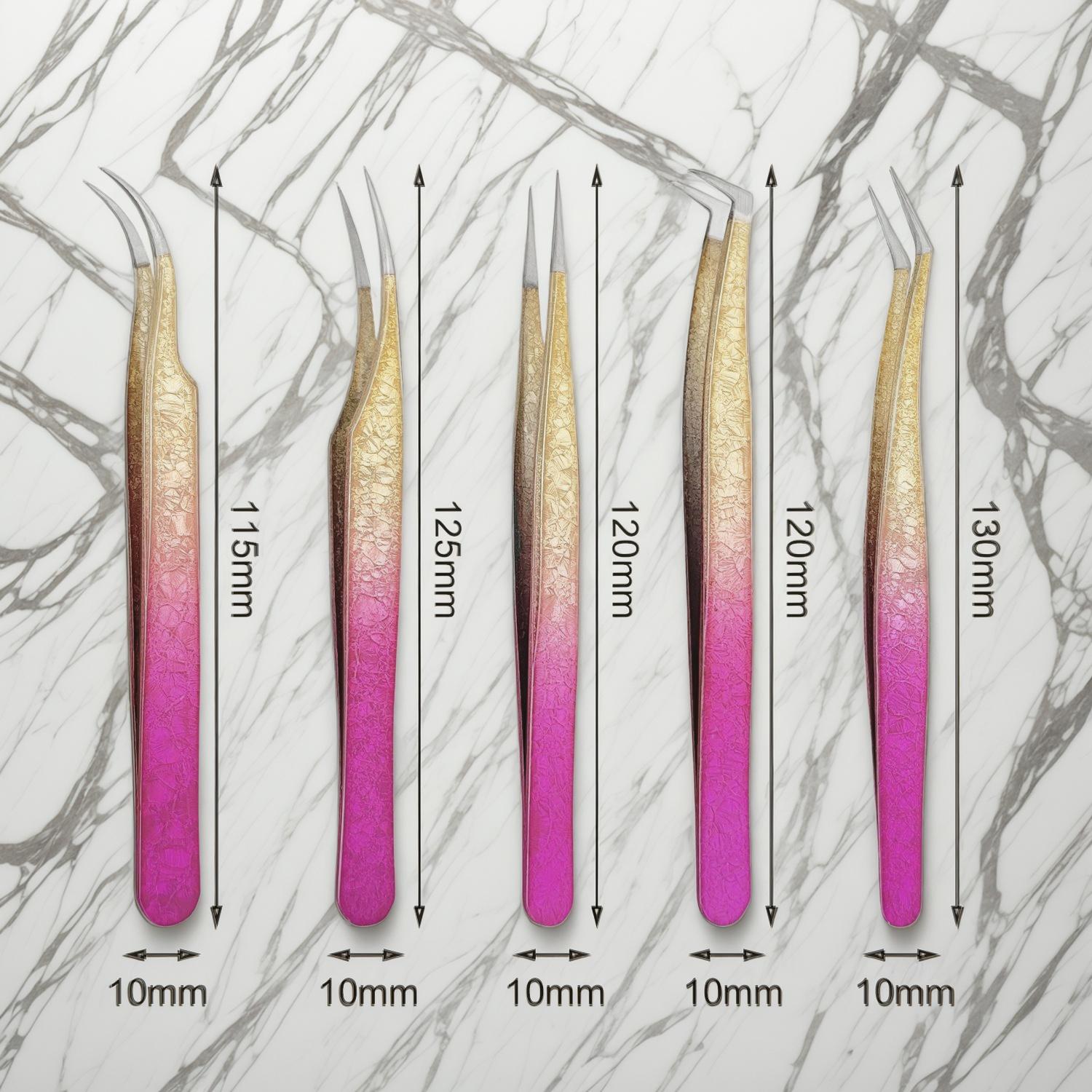
Eyelash extension tweezers are small tools with a large effect on service quality. They help a lash artist isolate natural lashes, pick up extensions, control placement and release cleanly without disturbing nearby lashes. For salon owners, training studios and beauty supply buyers, the right tweezer is not only a workstation accessory. It influences comfort, hygiene routines, appointment flow and the consistency clients expect when they return for refills.
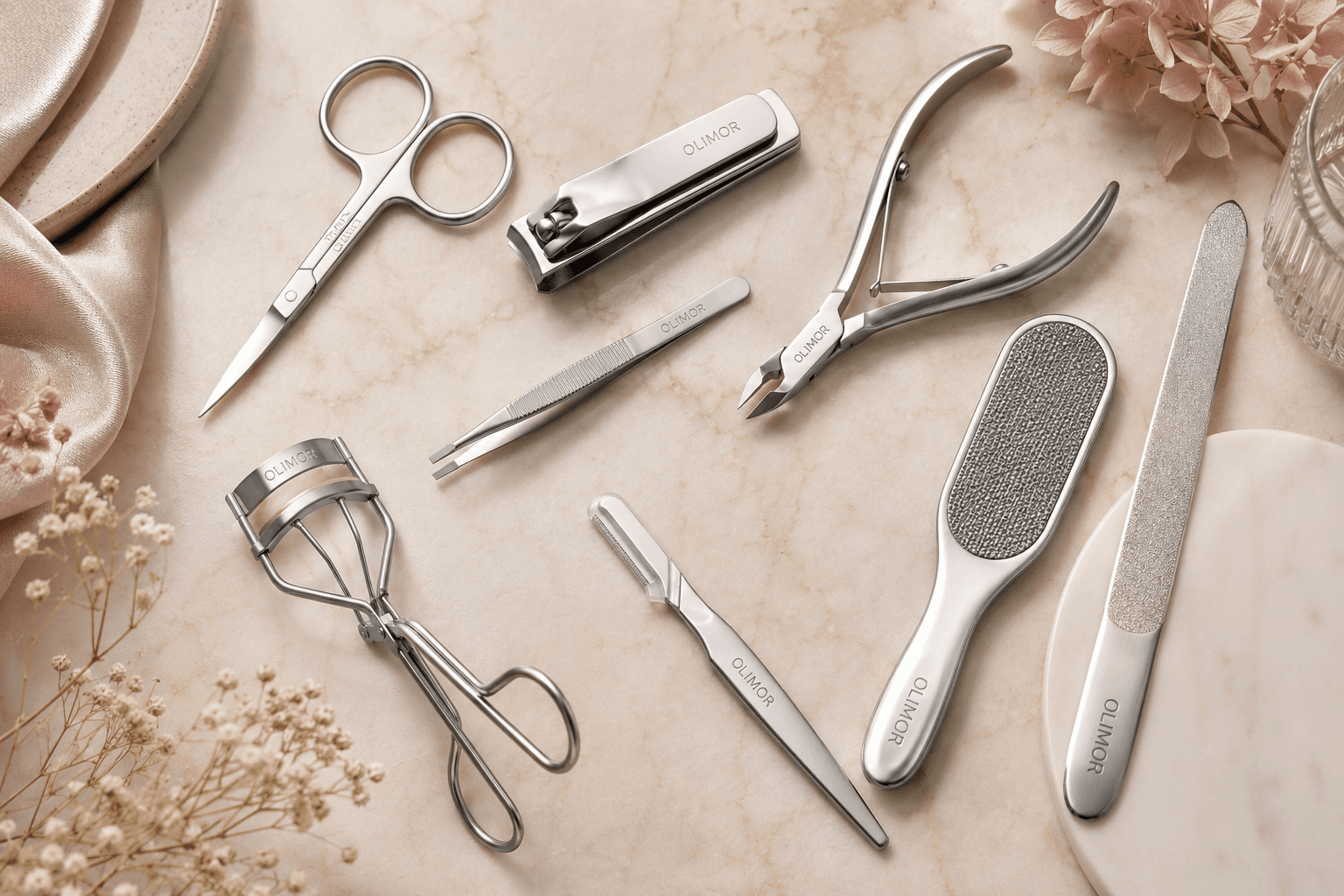
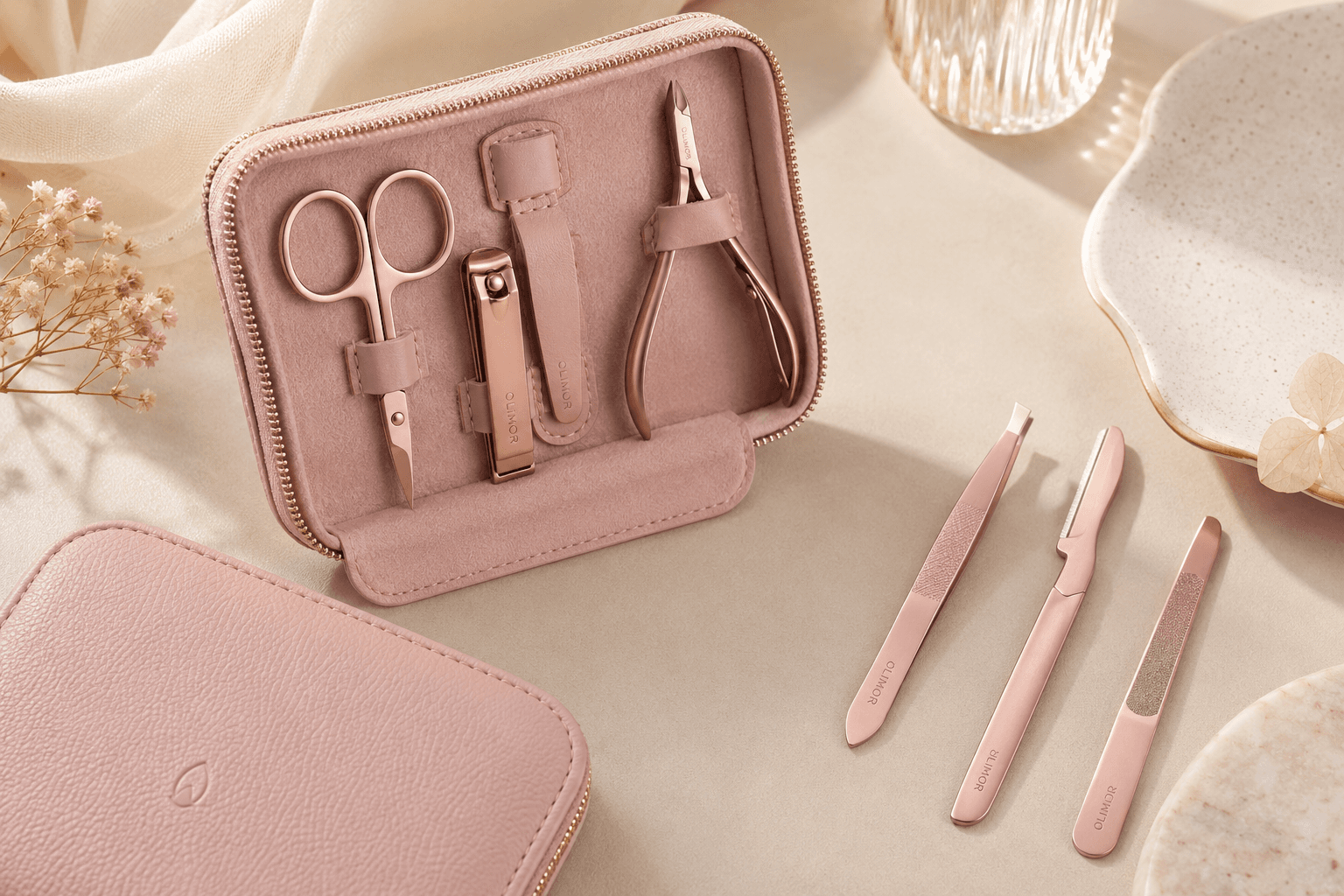
Olimor Beauty supplies professional beauty tools, including stainless steel precision tweezers designed for eyelash extension application. This guide explains how to choose, inspect, maintain and source lash tweezers for professional use without relying only on product appearance or low unit cost.
What Professional Lash Tweezers Need to Do
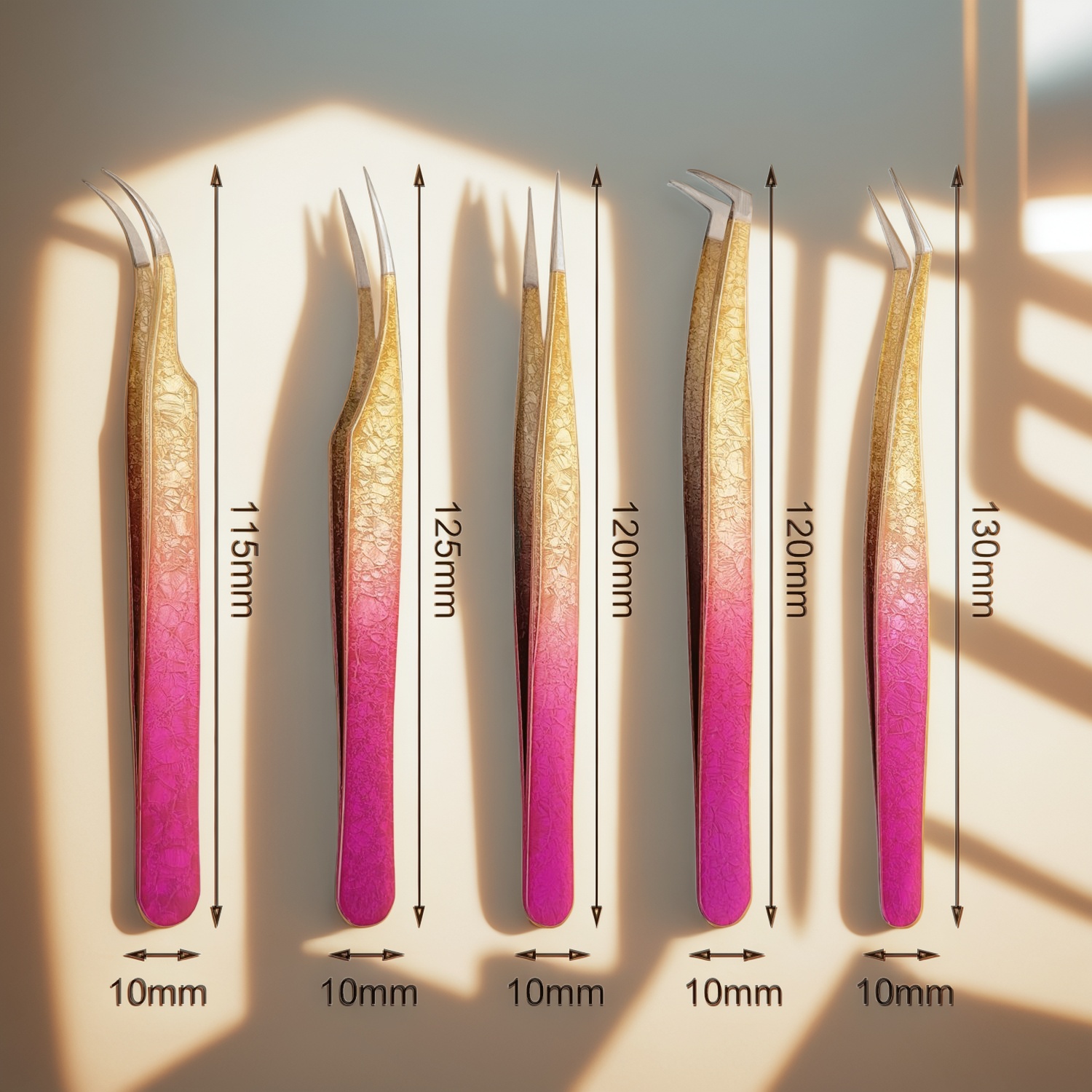
A lash extension appointment requires hundreds of small, repeated movements. The technician separates a natural lash, controls an extension, positions it at the intended angle and releases it cleanly. A tweezer that is poorly aligned, too stiff, too loose or uncomfortable can slow down the work and increase hand tension during long sessions.
The primary job of a professional lash tweezer is controlled handling. It should support clean isolation, secure pickup and predictable release. A tool may look sharp and attractive in a product photo, but professional buyers should evaluate how it performs in the hand, how consistently the tips meet and whether the closing tension suits the technician’s working style.
For salons purchasing multiple tools, consistency matters. If every tweezer in an order feels noticeably different, staff may waste time switching tools or adapting their technique. For training studios, predictable handling helps students develop repeatable movement. For beauty supply teams, consistent product communication helps buyers select the correct tweezer type for their service menu.
Key Selection Criteria for Eyelash Extension Tweezers
When comparing eyelash extension tweezers, focus on practical service factors rather than general claims. Olimor Beauty precision tweezers are made from stainless steel and are intended for professional beauty use, but each salon should still define its own handling expectations before placing a larger order.
- Tip alignment: The tweezer tips should meet cleanly. Poor alignment can make it harder to grip fine extensions and may require repeated attempts.
- Grip control: The tool should hold the extension securely during pickup and placement, then release without pulling nearby lashes.
- Closing tension: A very stiff tweezer may tire the hand. A tweezer with too little resistance may feel less controlled. The ideal feel depends on the technician’s preference and technique.
- Hand comfort: Ergonomic handling is important because lash artists work through long sessions and repeat similar movements throughout the day.
- Material suitability: Stainless steel is widely used for professional beauty tools because it supports regular cleaning and durable handling when cared for properly.
- Surface finish and edges: The tool should feel smooth in normal use, without rough areas that distract the technician or interfere with cleaning.
- Repeatability across units: For bulk purchases, the tools should be similar enough that technicians can use replacements or backups without major adjustment.
If your team is comparing lash tweezers with other professional beauty tools, review Olimor Beauty product options to identify items that fit your lash service workflow.
Choosing Tweezers for Different Lash Workflows
Different lash services place different demands on tweezers. A salon that offers only classic lash extensions may not need the same tool mix as a studio that also performs fuller looks or trains beginners. The best purchasing decision starts with the service workflow, not with a generic product list.
Isolation and application tools
Many lash artists use separate tools for isolation and application. An isolation tweezer must separate one natural lash without tugging or disturbing the surrounding lashes. An application tweezer must pick up and position the extension accurately. Keeping these roles separate can make the station more organized and reduce interruptions during the appointment.
Classic lash services
For classic application, precision and clean single-extension handling are essential. The tweezer should support accurate placement and a controlled release. Tip alignment is especially important because the technician may be working with fine materials and small contact points.
Fuller lash styles
For fuller looks, grip stability and control become more important because the technician may be handling more delicate arrangements. The tweezer should support a secure pickup without crushing or losing control before placement. The best choice will depend on the artist’s preferred technique and hand pressure.
Training and multi-technician salons
Training studios and larger salons should think about ease of use and inventory control. Beginners benefit from tools that feel predictable. Experienced technicians may have stronger preferences about tension, angle and balance. Salon managers can reduce waste by testing a small group of tools with staff feedback before ordering larger replenishment quantities.
Inspection Checklist Before Putting Tweezers Into Service
Inspection should happen when new tools arrive and before tools are returned to active use after cleaning or storage. A simple inspection routine helps catch damage early and prevents a misaligned tool from slowing down a paid appointment.
| Inspection Point | What to Check | Why It Matters |
|---|---|---|
| Tip meeting point | Close the tweezer gently and confirm the tips meet evenly. | Clean contact supports reliable pickup and release. |
| Tip condition | Look for visible bending, chips or deformation. | Damaged tips can affect precision and should be removed from active service. |
| Closing feel | Open and close the tool several times using normal hand pressure. | Consistent tension helps reduce hand strain and improves control. |
| Surface cleanliness | Check for residue, debris or rough areas before use. | Clean tools support salon hygiene routines and professional presentation. |
| Storage condition | Confirm the tweezer has not been crushed, dropped or stored against heavier tools. | Precision tips can be damaged by poor storage even when the tool looks new. |
Quality checks are part of responsible salon purchasing, but the buyer should also confirm product documents, specifications and care instructions directly with the supplier when needed. Do not assume that every tweezer style has the same cleaning limits, finish or handling characteristics.
Maintenance and Hygiene Practices for Precision Tweezers
Precision tweezers last longer when they are handled as service tools rather than disposable accessories. The tip area is the most sensitive part of the tool. Even a small bend or misalignment can affect lash pickup and make the technician work harder.
- Inspect before each client. Check the tips, alignment and closing feel before the appointment starts.
- Clean according to salon procedures. Follow the hygiene rules required in your location and use cleaning methods suitable for professional beauty tools.
- Protect the tips during storage. Store tweezers in a clean holder, pouch or tray so the tips do not strike other metal tools.
- Avoid dropping or stacking tools. Dropping a tweezer can bend the tips, and stacking heavy tools on top can affect alignment.
- Remove damaged tools immediately. A damaged tweezer should not remain in the active workstation simply because it is still available.
- Train staff on handling rules. A shared maintenance routine helps multi-chair salons keep service quality more predictable.
Salons should verify current hygiene requirements with local licensing authorities or state cosmetology boards where applicable. For workplace handling of disinfectants or cleaning chemicals, buyers may also need to consider guidance from bodies such as OSHA in the United States. Requirements can change, so always check current versions and the supplier’s own product documents instead of relying on assumptions.
Bulk Buying for Salons, Training Studios and Beauty Supply Teams
Bulk buying can make salon operations smoother, but it should be planned carefully. Tweezers are high-contact tools used repeatedly throughout the day. Ordering too few can create delays during cleaning cycles or replacement needs. Ordering without technician feedback can create unused inventory if the tools do not match the staff’s working style.
Start by counting active lash stations, technicians, cleaning rotation needs and backup tools. Then decide whether tools will be assigned to individual technicians or shared by workstation. Assigned tools can improve accountability. Shared tools may be easier for some salons, but they require clear labeling, cleaning and storage procedures.
Cost should be evaluated as total working value, not only unit price. A lower-cost tweezer that is uncomfortable, inconsistent or easily damaged may not be economical if it slows appointments or is replaced quickly. A professional buyer should consider tool feel, durability under normal salon handling, supplier communication, packaging for safe transport and the ease of placing repeat orders.
Before confirming a larger order, many B2B buyers ask for product details, available customization options, sample availability and ordering terms. To discuss a professional salon supply requirement, you can send an inquiry with your preferred tool type, intended use and purchasing questions.
How to Evaluate an Eyelash Tweezer Supplier
A supplier should help professional buyers make clear decisions. Product quality matters, but so do communication, repeat availability and transparency about product details. For lash studios and beauty supply buyers, the supplier relationship affects service continuity as much as the individual tool.
When evaluating salon equipment suppliers, look for clear product categories, responsive communication and practical information about materials, use and ordering. Olimor Beauty focuses on professional beauty tools and supplies stainless steel precision tweezers for lash extension work. The product information emphasizes professional use, ergonomic handling and quality checks, which are relevant for salons that rely on tools through repeated appointments.
Use the following supplier evaluation checklist before a new order:
- Can the supplier identify which tweezer styles fit isolation, application or general lash workflows?
- Are product materials and basic handling details clearly communicated?
- Can the supplier answer questions about samples, packaging, customization and repeat orders without vague claims?
- Does the supplier avoid unsupported certification or performance statements?
- Are damaged, unsuitable or discontinued tools easy to discuss before a repeat order?
- Can the supplier support related beauty tool sourcing if your salon is expanding its service menu?
For broader sourcing, browse Olimor Beauty beauty tool collections and compare related items that may support your lash stations, training kits or retail supply program.
Common Problems and Practical Fixes
Many lash tweezer problems appear during normal daily work. A technician may notice that pickup becomes inconsistent, the tool feels harder to close or the tips do not release smoothly. These issues do not always mean the product was wrong from the start. They may also result from storage, dropping, cleaning residue or a mismatch between tool style and technique.
Problem: extensions slip during pickup
Check the tip alignment and closing contact first. If the tips no longer meet evenly, remove the tweezer from active service. If the tool is undamaged, the technician may need a different grip feel or tweezer style for that workflow.
Problem: hand fatigue during long appointments
Review closing tension, hand position and session length. Ergonomic design helps, but personal preference matters. Salon managers should collect feedback from technicians before standardizing one tweezer style across all workstations.
Problem: tools become damaged quickly
Review storage and handling. Tweezers should not be loose in a drawer with heavier metal tools. Use separate holders or trays and train staff to inspect tools after drops.
Problem: inconsistent feedback across staff
Different technicians may prefer different tension, angle or weight. A practical salon inventory may include more than one tweezer type, especially when the salon offers multiple lash styles or has both beginners and experienced artists.
Building a Reliable Lash Tool Inventory
A reliable lash inventory is built around availability, cleanliness and tool condition. Each active workstation should have the tools needed for the scheduled service, plus access to clean backups if a tweezer is removed for inspection or cleaning. For salons with several technicians, inventory planning should include training tools, replacement tools and labeled storage.
Documentation can be simple. Keep a list of the tweezer types in use, who uses them, how they are stored and when damaged tools are removed. This helps owners understand reorder timing and prevents last-minute purchasing during busy booking periods. For beauty supply buyers, similar records can help identify which tools generate repeat demand from professional customers.
If your salon is setting up a new lash area, expanding technician capacity or organizing regular replenishment, you can contact Olimor Beauty to discuss suitable professional beauty tool options. A clear inquiry should include the intended use, estimated order purpose, customization questions if any and the product details your team needs to verify before purchase.
FAQ: Buying Professional Eyelash Extension Tweezers
Can I request samples before placing a larger order?
Sample availability depends on the product and order situation. Professional buyers should ask the supplier directly and explain whether the sample is for technician testing, training evaluation or retail review.
Is there a minimum order quantity for lash tweezers?
MOQ can vary by item, customization request and purchasing arrangement. Confirm the current requirement with Olimor Beauty before planning bulk inventory or promotional kits.
Can eyelash extension tweezers be customized?
Customization may depend on the tweezer model, order details and production feasibility. Ask about available options, artwork requirements and any effect on ordering terms before confirming a project.
How should salons confirm quality before repeat ordering?
Inspect samples or first orders for tip alignment, closing feel, surface condition and suitability for your workflow. Keep staff feedback and remove damaged tools from use so repeat orders are based on practical salon experience.
How should buyers estimate lead time?
Lead time depends on product availability, order quantity, customization and shipping arrangements. Request current timing from the supplier and build in enough planning time for inspection and workstation setup.
Conclusion: Choose Lash Tweezers as Working Tools, Not Accessories
Professional eyelash extension tweezers should support precision, comfort and repeatable service routines. The best choice depends on tip alignment, grip control, closing tension, material suitability, technician preference and the way the salon manages cleaning and storage.
For individual lash artists, the right stainless steel precision tweezer can make long sessions feel more controlled. For salon owners, a planned inventory supports appointment flow and reduces interruptions. For beauty supply buyers, reliable sourcing depends on supplier communication, practical product details and realistic reorder planning.
By selecting carefully, inspecting consistently and maintaining tools properly, beauty professionals can build a lash tweezer inventory that supports clean, efficient and professional eyelash extension services.
Tag: