Custom Tweezers for Business: What Retailers and Distributors Should Check Before Ordering
Custom tweezers are small products, but they carry a surprisingly large part of a beauty brand’s reputation. A customer may use a tweezer for precise eyebrow shaping, lash work, craft detail, or technical handling, and the first judgment usually comes from the same few factors: the tip alignment, the hand feel, the finish, and whether the tool performs consistently after repeated use. For distributors, retailers, salon suppliers, and private-label buyers, sourcing custom tweezers for business is therefore not just a packaging decision. It is a product-quality decision.
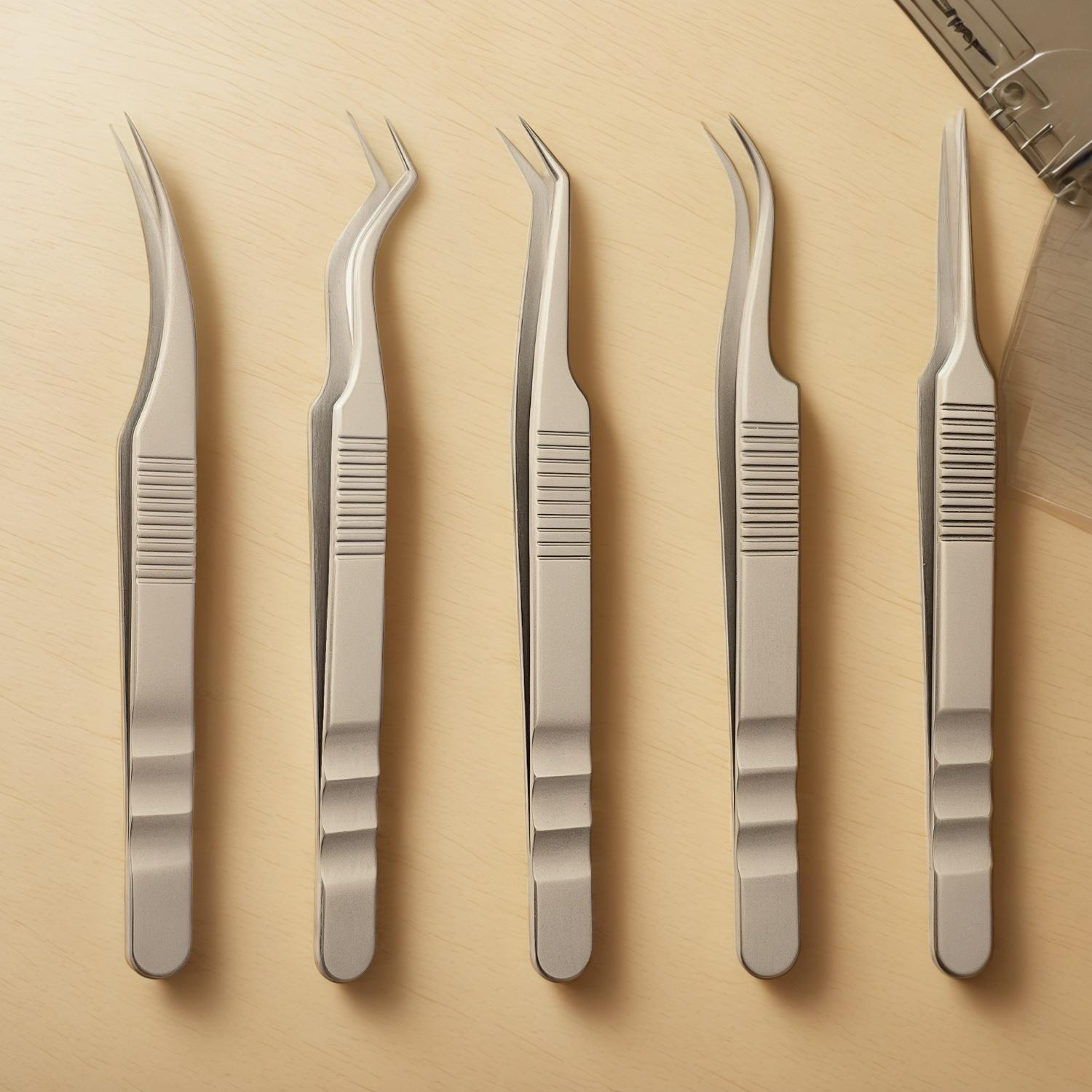
Olimor Beauty supplies stainless steel tweezers designed for professional use, with attention to precision, durability, and practical handling. The original product range described for this page includes five unique variants with engineered tips for different intricate tasks, making it suitable for B2B buyers who need a focused tweezer assortment rather than a single all-purpose item. This guide explains how to evaluate custom tweezers, what to define before ordering in bulk, and how to make choices that fit beauty retail, distribution, and professional service channels.
Why Custom Tweezers Matter in a B2B Product Line
For a consumer, a tweezer may look simple. For a business buyer, it is a repeat-purchase accessory, a starter retail item, a salon workstation tool, or a compact branded gift that can introduce customers to a wider beauty range. Because tweezers are easy to display and simple to explain, they work well in many sales environments: beauty stores, brow bars, lash studios, nail supply shops, cosmetic kits, travel sets, and promotional retail bundles.
The challenge is that a low-quality tweezer is also easy for a customer to judge. If the tips do not meet evenly, if the edges feel rough, or if the tension is uncomfortable, the product fails immediately. This is why B2B tweezers should be evaluated more carefully than their small size might suggest. Good sourcing protects your brand from returns, negative reviews, inconsistent wholesale feedback, and products that look fine in packaging but disappoint in real use.
Custom branding can add value, but it should never compensate for weak tool performance. A professional-looking tweezer with poor grip creates the wrong impression. The best approach is to first confirm the base product quality, then decide how branding, packaging, and assortment structure will support your sales channel.
Choosing the Right Tweezer Variants for Your Customers
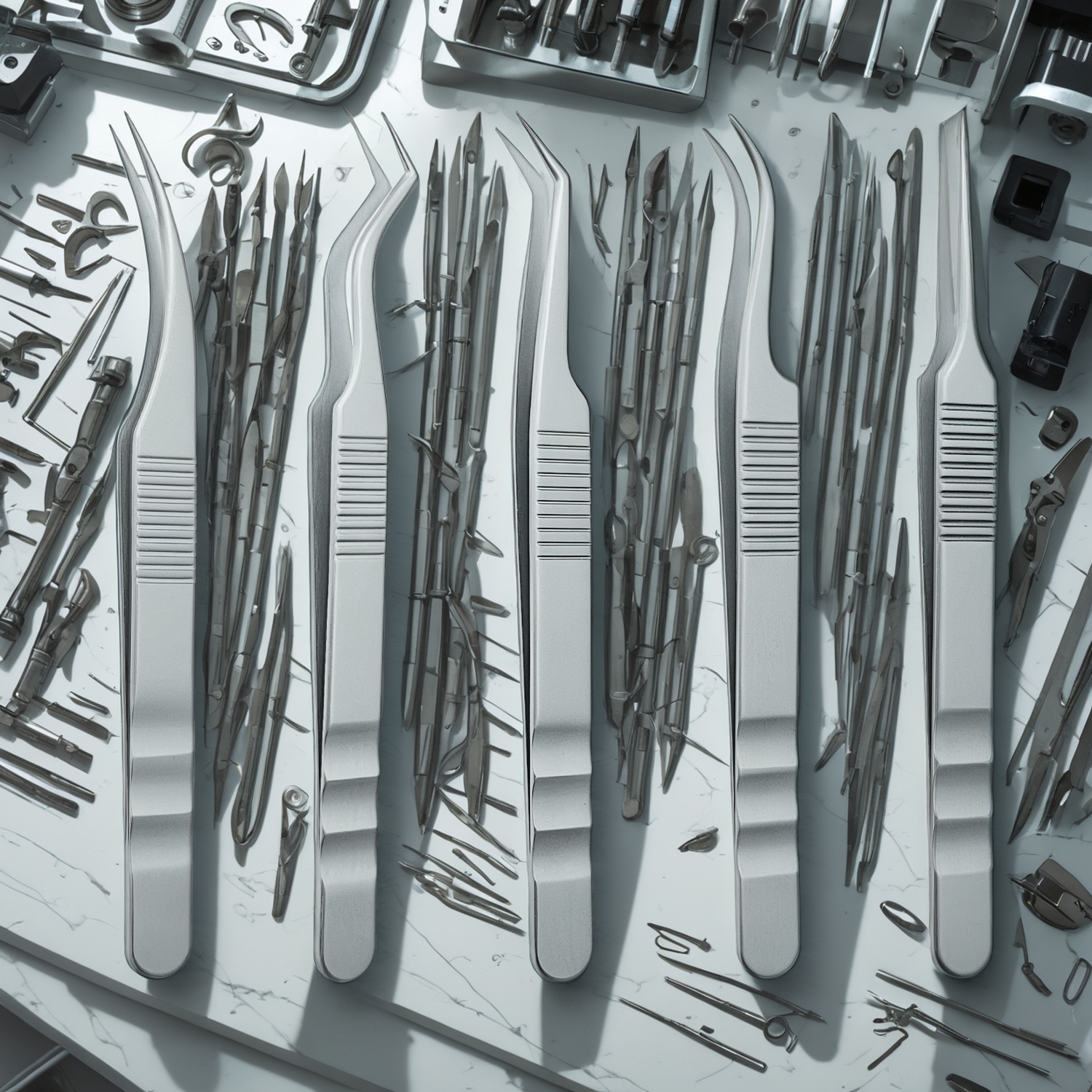
The supplied range includes five unique variants with engineered tips, which is useful for businesses because different customers do not use tweezers in the same way. A retailer may want a balanced assortment that covers everyday grooming and precision work, while a distributor may need to supply salons, beauty schools, or professional resellers with more specific tip options.
When selecting variants, begin with the end user. A beauty retail customer often prefers an easy-to-understand tool: one tweezer for brows, one for fine hairs, one for travel or kit use. Professional users may care more about tip geometry, grip control, and how the tweezer behaves over many repeated motions. For craft or technical users, the ability to pick up small parts cleanly may be more important than cosmetic presentation.
| Buying question | Why it matters | Practical sourcing note |
|---|---|---|
| Who is the main user? | Retail shoppers, salon professionals, and distributors value different features. | Build an assortment around real use cases, not only visual variety. |
| How precise must the tip be? | Tip alignment affects grip, hair removal, and fine-detail control. | Check sample performance before approving bulk production. |
| How will it be sold? | Single retail packs, professional kits, and wholesale cartons need different packaging logic. | Define packaging early so product, branding, and logistics match. |
| What price tier is required? | Bulk tweezers price must fit your margin while preserving product quality. | Compare value by finish, inspection, packaging, and consistency, not price alone. |
Branding Decisions: What to Customize and What to Keep Simple
Custom tweezers for business can support a brand in several ways. A logo, a specific finish, coordinated packaging, or a curated set can make a standard beauty tool feel more connected to your retail identity. However, the most successful customization is usually restrained and functional. The branding should make the product easier to recognize and sell without distracting from the tool’s purpose.
For beauty retailers, the packaging copy should clearly explain the intended use of each tweezer type. Customers often compare similar tools quickly, so overly decorative packaging can make the purchase decision harder. A clean product name, simple usage note, and clear view of the tweezer can improve shelf performance. For distributors, outer packaging, carton labeling, and SKU clarity may be just as important as the individual retail pack because wholesale partners need to identify and replenish items efficiently.
Before confirming branding, prepare a short specification sheet for each variant. Include the intended sales channel, finish preference, packaging type, logo placement concept, and any handling expectations. This reduces confusion when comparing samples and helps ensure that the final product supports your commercial goal.
- Logo placement: Keep it visible but avoid areas that may affect grip comfort or tip handling.
- Finish choice: Consider whether the appearance fits your brand and whether it is practical for frequent handling.
- Packaging format: Match packaging to retail display, professional kit use, or distribution efficiency.
- Assortment structure: Decide whether to sell individual tweezers, multi-piece sets, or channel-specific bundles.
- Product education: Use concise descriptions that help customers choose the correct tip style.
Quality Checks That Matter for Stainless Steel Tweezers
Olimor Beauty focuses on stainless steel tweezers and internal quality control, including inspections from raw materials through final packaging. For B2B buyers, this quality-control mindset is important because the cost of a poor tweezer is not limited to the item itself. Inconsistent batches can create customer complaints, reseller hesitation, and extra inspection work on arrival.
When reviewing samples, look beyond surface appearance. A tweezer may look clean in a photograph but still fail in use if the tips are poorly aligned or the tension is uncomfortable. Test several pieces from the same sample batch if possible, because consistency is what matters for wholesale orders. A single excellent sample is helpful, but repeatable quality is what protects your business.
Key performance points include tip closure, grip accuracy, edge smoothness, spring tension, body symmetry, finish uniformity, and packaging protection. For professional buyers, it is also useful to simulate real handling: repeated opening and closing, picking up fine material, and checking whether the hand position feels natural. Ergonomic design is especially relevant for users who handle tweezers many times a day.
- Check tip alignment: The tips should meet cleanly and evenly for controlled gripping.
- Test functional grip: Use the tweezer on fine material to judge precision, not just appearance.
- Assess tension: The tweezer should not feel too stiff or too loose for the intended user.
- Inspect edges and finish: Look for roughness, inconsistent coating, or uncomfortable contact points.
- Review packaging protection: Tips should be protected during shipping, storage, and display.
Bulk Tweezers Price: Comparing Value, Not Only Unit Cost
Bulk tweezers price is naturally important for B2B buyers, but the lowest unit cost does not always create the best margin. A lower price can become expensive if it leads to higher defect rates, weak packaging, poor customer reviews, or inconsistent reorder quality. The stronger comparison is total value: tool performance, material choice, inspection discipline, packaging suitability, and how well the product fits your sales channel.
For retailers, a better tweezer can justify stronger shelf positioning and fewer returns. For distributors, consistency can reduce friction with wholesale accounts because repeat buyers expect the reorder to match the first shipment. For professional beauty suppliers, dependable performance can help salons trust the line and repurchase when tools need replacement.
When comparing quotations, align the same conditions before judging price. Make sure each offer reflects the same tweezer variants, packaging format, branding scope, inspection expectations, and shipping assumptions. If one quote includes retail packaging and another does not, the apparent price difference may be misleading. Likewise, a more refined finish or more complex branding can affect cost, timing, and production review requirements.
How Distributors and Retailers Can Plan a Practical Assortment
A five-variant tweezer range gives businesses room to serve different customers without building an overly complicated catalog. The goal is to make the selection broad enough to cover common needs but simple enough for sales teams and retail shoppers to understand. Too many nearly identical tools can slow purchasing decisions, while too few options may miss important use cases.
For tweezers for retailers, consider organizing the assortment by shopper problem: brow shaping, fine-hair control, detailed beauty work, travel use, or professional precision. For tweezers for distributors, organize by SKU clarity and reorder behavior. Distributors often benefit from a simple product matrix that shows variant, pack type, target channel, and carton identification. This makes it easier for wholesale customers to place repeat orders accurately.
If your business is still testing the category, begin with the variants most relevant to your core customer. A brow-focused retailer may prioritize beauty grooming use, while a salon supplier may focus on professional handling and durability. After sales data is available, you can expand into sets, seasonal retail displays, or channel-specific packaging.
Working With Olimor Beauty on Custom Tweezer Sourcing
Olimor Beauty supports businesses looking for stainless steel tweezers for professional and retail use, with a focus on precision manufacturing, internal inspection, and practical B2B partnerships. Buyers can explore related beauty tool products to understand how tweezers may fit into a wider sourcing plan, or review product collections when building a coordinated retail or distribution offering.
Before moving forward, prepare the information that will shape the project: target customer, preferred variants, packaging needs, logo or customization requirements, expected order structure, and quality priorities. This helps create a clearer discussion and reduces revision time. If your team is comparing options or building a custom tweezer program for retail, distribution, or professional channels, you can send an inquiry with your project details. For broader questions about sourcing, customization, or product selection, contact Olimor for guidance.
The best custom tweezers are not defined only by their branding. They combine reliable stainless steel construction, precise tip performance, comfortable handling, suitable packaging, and consistent inspection. When these elements work together, a small beauty tool can become a dependable product in your B2B catalog and a positive touchpoint for your customers.
Tag: