Choosing a China Tweezers Exporter for Precision Beauty Tools
For beauty retailers, salon suppliers, private label brands, and professional tool buyers, tweezers are small products with very little room for error. A weak grip, uneven tip alignment, rough edge, or uncomfortable spring tension can turn an otherwise simple tool into a product that customers stop using. When sourcing from a China tweezers exporter, the goal is not only to find a competitive product, but to confirm that the tweezer design, material, finish, packaging, and inspection process match the way the tool will be used.
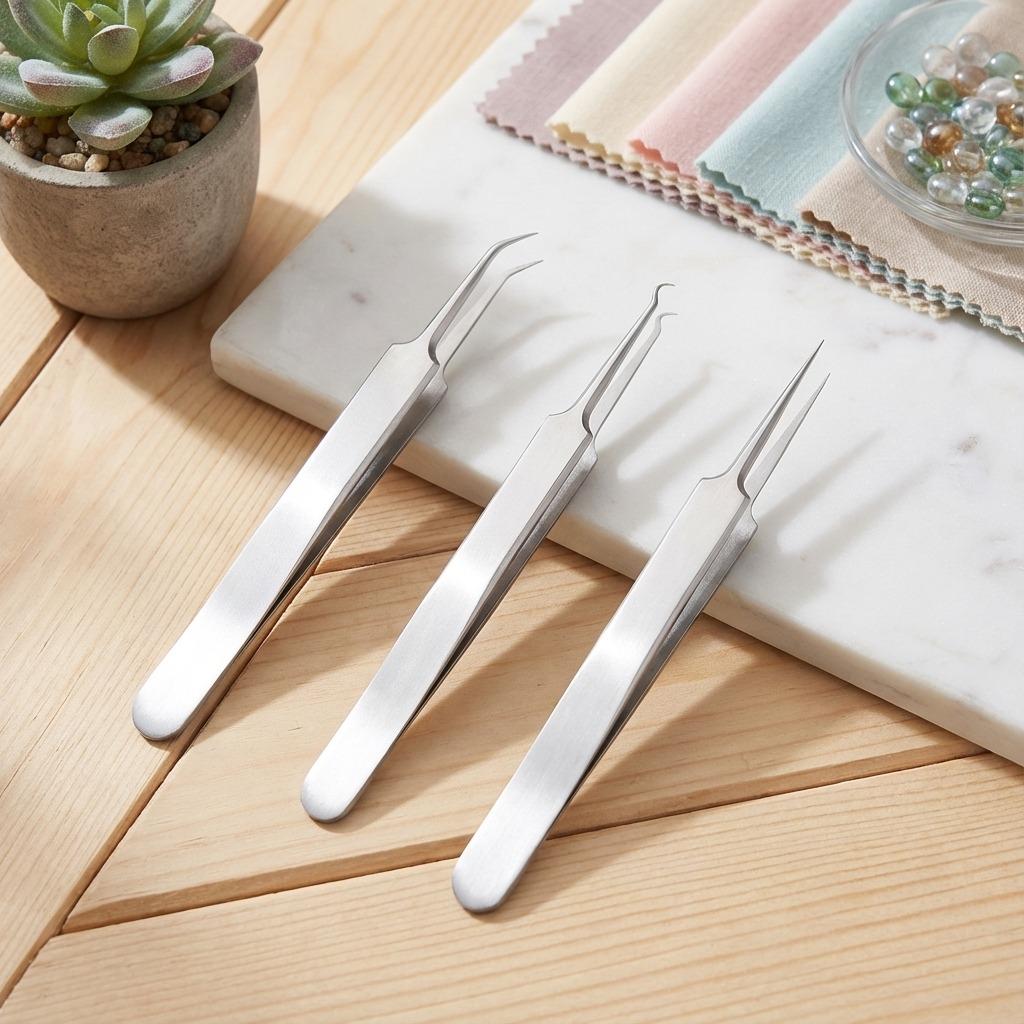
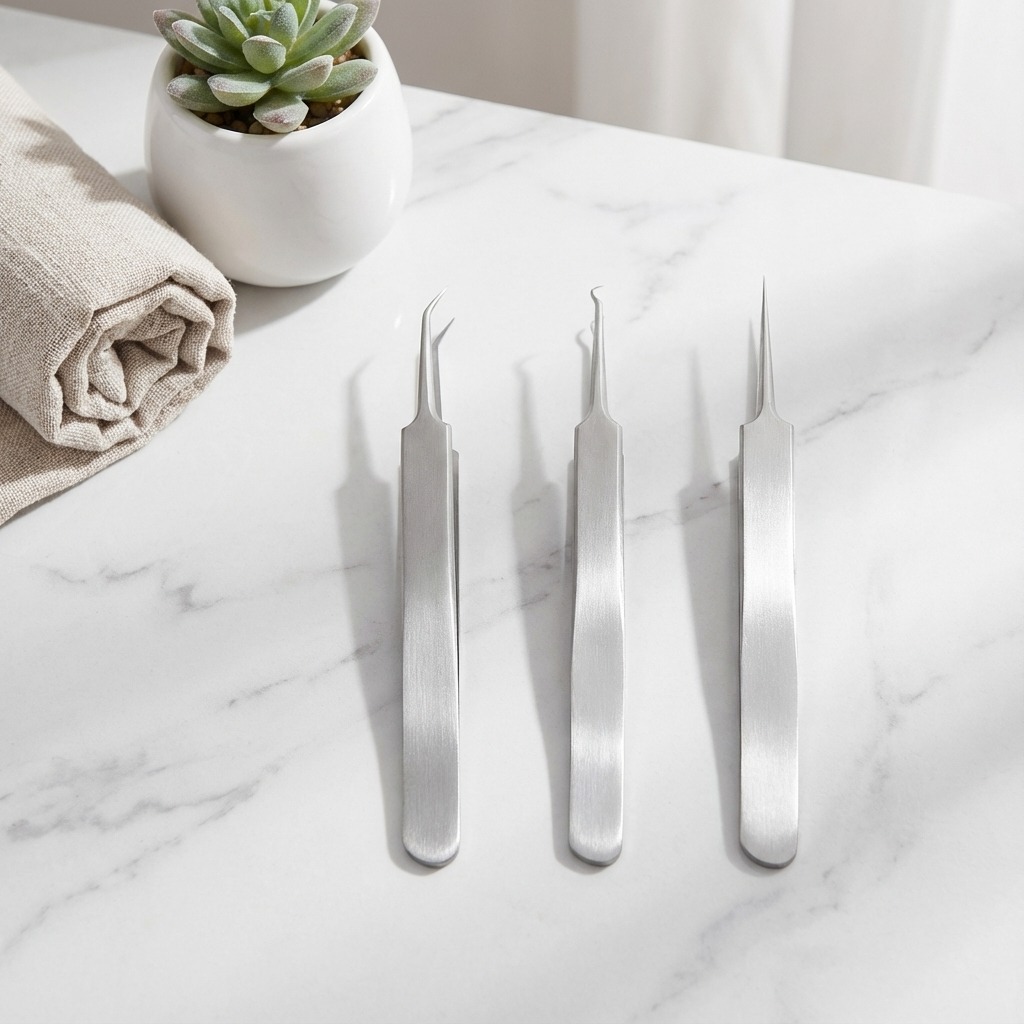
Olimor Beauty supplies stainless steel tweezers for beauty and precision applications, including designs suitable for brow shaping, eyelash extension work, delicate hair removal, and fine handling tasks. The existing range includes brushed metallic finishes, straight tips, curved tips, and angled edges, with compact lengths around 115 mm to 118 mm and weights from 12.6 g to 14 g depending on the variation. These details matter because a difference of a few millimeters or grams can affect control, comfort, and buyer positioning.
Start with the Intended Use, Not Only the Price
The first sourcing decision should be the application. A tweezer used for professional brow shaping is evaluated differently from one used for eyelash extension isolation, home grooming, or precision assembly. Before comparing samples, define the primary user and the tasks the tool must perform. This prevents choosing a general-purpose design that looks acceptable in a catalog but performs poorly in actual use.
For beauty use, the most important factors are tip contact, grip control, hand comfort, surface feel, and ease of cleaning. For salon distribution, repeatability is also important: customers expect each unit in a batch to feel consistent. For retail beauty kits, appearance and packaging may carry more weight, but the tweezer still needs reliable closing force and clean edges.
- Brow shaping: angled or slanted tips can help reach short hairs close to the skin while giving the user a clear view.
- Delicate hair extraction: straight tips, such as the light 115 mm and 12.6 g option described in the range, can support controlled pulling when alignment is accurate.
- Eyelash extension work: curved or fine tips are often chosen for isolation, pickup, and placement tasks where visibility and tension matter.
- Fine handling or assembly: consistent tip closure and comfortable spring tension are more important than decorative appearance.
Buyers reviewing beauty tool products should compare each tweezer by hand whenever possible. Product photos show shape and finish, but they cannot fully show alignment, spring feel, or how easily the tip grips a fine hair or synthetic lash.
Material, Finish, and Rust Resistance Considerations
The supplied tweezers are made with stainless steel construction, a practical choice for beauty tools because it supports durability, cleaning, and resistance to normal cosmetic-use environments. Stainless steel is often preferred over plated low-grade alternatives because the surface is less likely to flake, peel, or develop visible wear quickly under ordinary use. However, stainless steel quality is still influenced by processing, finishing, storage, and maintenance.
A brushed metallic finish gives the tweezer a modern professional appearance and may also help reduce the visibility of small handling marks compared with highly polished mirror finishes. For brands selling into salons, a brushed finish can feel less decorative and more professional. For consumer retail, it can work well in minimalist beauty kits where the tool needs to look clean without heavy branding.
When comparing samples, examine the finish under direct light. Look for deep scratches, uneven brushing, burrs around the tips, discoloration, and sharp unfinished edges along the body. A tweezer should feel smooth in the hand, but the gripping area should not be so slippery that the user loses control during detailed work. If a custom surface treatment or logo is planned, test it on the final finish rather than assuming it will look the same across different textures.
Tip Style Selection: Straight, Angled, and Curved Tweezers
Tip geometry determines how the tweezer interacts with hair, lashes, or small parts. A good China tweezers exporter should be able to discuss tip style in terms of use case, not only appearance. Even within similar lengths, the working experience can change significantly when the tip angle or contact area changes.
| Tip style | Common use case | Buyer check |
|---|---|---|
| Straight tip | Delicate hair extraction, fine gripping, general precision tasks | Check that both points meet evenly without a gap or crossed tips. |
| Angled edge | Brow shaping and grooming where visibility is important | Confirm the slant grips short hairs without cutting or slipping. |
| Curved tip | Eyelash extension placement, isolation, or detailed beauty work | Test whether the curve improves access without reducing control. |
In the Olimor Beauty range, available variations include compact sizes from 116 mm to 118 mm, with weights between 12.6 g and 14 g. These dimensions are suitable for buyers who want a hand tool that feels light and controlled rather than bulky. The lightest referenced option, 115 mm and 12.6 g with straight tips, is a useful example of how a small tool can be positioned for delicate extraction and careful handling.
Customization: How to Design Your Own Tweezers Responsibly
Many buyers want to design their own tweezers for private label lines, salon kits, promotional beauty sets, or a more specific professional workflow. Customization can include tip shape, body length, surface finish, logo placement, color treatment, packaging style, or assortment structure. The key is to customize in ways that improve user experience rather than adding decoration that increases risk or cost without purpose.
Begin with the working end of the tool. If the tip shape does not suit the task, a different color or package cannot make the product perform better. After choosing the tip style, evaluate body width, handle tension, and hand feel. Then consider finish and branding. A logo should not interfere with grip, and any printed or etched mark should be placed where it remains readable without making the tweezer uncomfortable.
- Define the customer: salon technician, brow specialist, lash artist, retail consumer, or precision user.
- Select the tip: straight, angled, or curved according to the main task.
- Confirm size and weight: compare the feel of 115 mm to 118 mm bodies and the 12.6 g to 14 g weight range.
- Choose the finish: brushed metallic finishes can support a clean, professional appearance.
- Plan branding and packaging: make sure the final presentation fits the selling channel and does not hide important product information.
Buyers building a full assortment can review Olimor product collections to think about how tweezers may sit alongside other beauty tools in a coherent range.
Quality Inspection Points Before Placing a Larger Order
Tweezers are simple to look at but demanding to inspect. A reliable inspection process should focus on the small details that affect performance. When evaluating a sample or pre-shipment batch, do not judge only by finish and packaging. Check how the tweezer closes, how the tips align, how the spring tension feels, and whether the tool grips consistently across repeated use.
A practical buyer checklist includes tip symmetry, full contact at the gripping surface, absence of burrs, smooth edges, clean finishing, consistent length and weight within the agreed product range, and secure packaging that protects the tips in transit. For beauty tools, also consider whether the tweezer can be cleaned easily and whether the surface traps visible residue in grooves or rough areas.
Simple use testing can be helpful. Try gripping a fine hair, a short brow hair, or a small synthetic fiber. Open and close the tweezer repeatedly to feel whether the tension remains comfortable. Compare multiple pieces from the same batch, not just one perfect sample. Consistency is often what separates a dependable export product from a tool that creates complaints after delivery.
Care and Maintenance for Longer Tweezer Life
Even a well-made stainless steel tweezer needs reasonable care. Beauty professionals should clean tools after use, dry them before storage, and avoid dropping them tip-first. A small impact can bend or misalign the tip, which may make the tweezer feel defective even when the material itself is durable. Retail brands can reduce customer frustration by including simple care instructions on packaging or inserts.
Store tweezers with tip protectors or in packaging that prevents the tips from rubbing against harder tools. Avoid prolonged exposure to wet environments, cosmetic residue, or harsh chemicals unless the product has been selected and validated for that use. For salon buyers, routine inspection is worthwhile: if the tip becomes bent, rough, or misaligned, the tool should be replaced rather than forced back into service.
Working with Olimor Beauty on Tweezer Sourcing
Choosing Olimor Beauty as a China tweezers exporter means approaching the product as a precision tool rather than a basic accessory. The available stainless steel tweezers, brushed metallic finishes, compact 115 mm to 118 mm size range, and 12.6 g to 14 g weight range provide a foundation for beauty brands and professional buyers who need controlled, practical tools. From straight tips for delicate extraction to angled and curved options for brow and lash-related work, the right selection depends on your audience and application.
If you are comparing tip styles, planning custom tweezers, or building a private label tool assortment, prepare your target use case, preferred finish, packaging expectations, and sample testing criteria before finalizing specifications. To discuss suitable options, contact Olimor or send an inquiry with your sourcing requirements. A clear brief helps turn a small precision tool into a product that feels consistent, useful, and appropriate for the market you serve.
Tag: