How to Choose a Reliable Tweezers Supplier for Precision Beauty Tools
Tweezers look simple, but buyers know that small differences in tip alignment, grip, surface finish and packaging can affect customer satisfaction. A retail shopper may judge a product in seconds: does it catch fine hairs cleanly, feel stable in the hand and stay usable after repeated cleaning? For beauty brands, distributors and salon supply buyers, choosing a reliable tweezers supplier is therefore not only a price decision. It is a quality, consistency and sourcing decision.
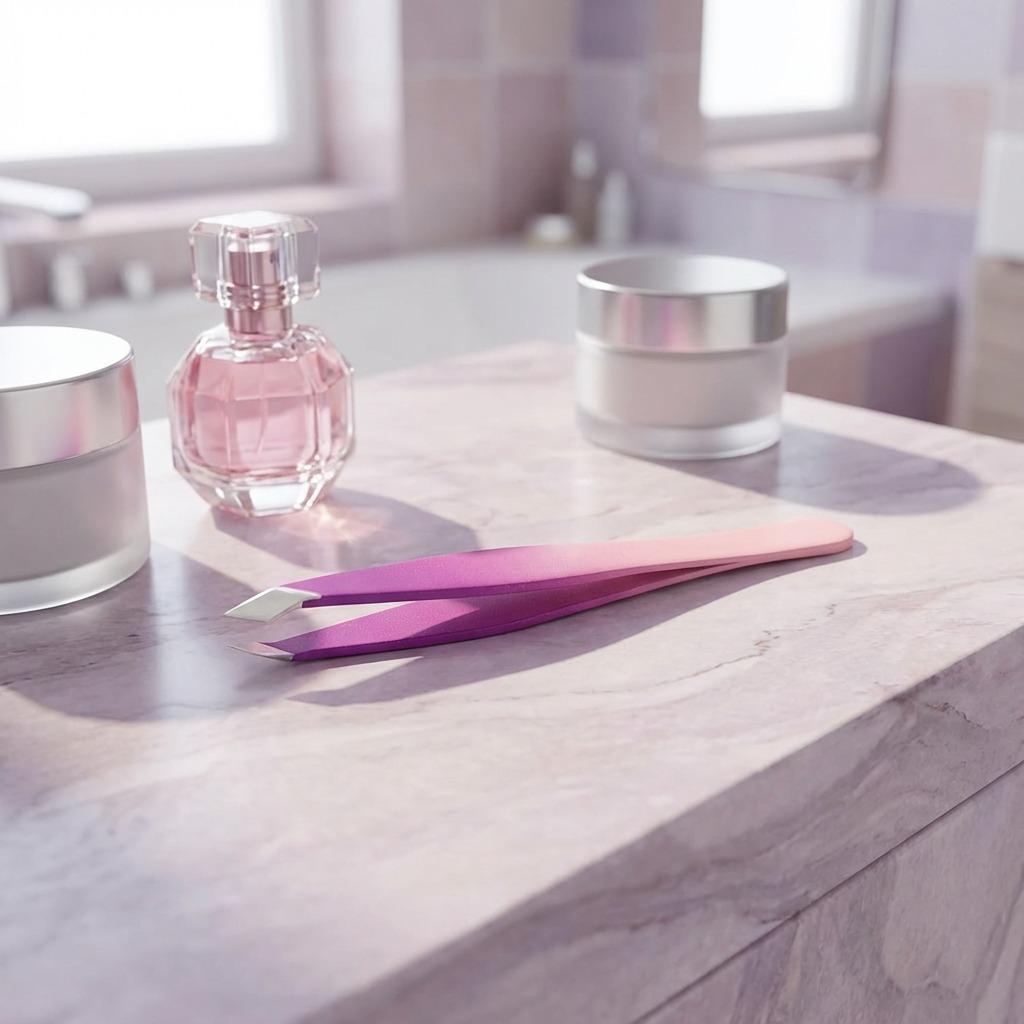
Olimor Beauty offers beauty tools including the MINI-TWEEZER, a compact tweezer with a slanted stainless steel tip designed for precise plucking, including fine hairs. Its portable size makes it suitable for travel kits, retail add-ons and everyday grooming sets. The warm pink to vibrant purple color transition also gives the tool a noticeable visual identity without making the product difficult to understand at shelf level.
If you are comparing suppliers, this guide explains what to check before placing a wholesale order, importing tweezers from China or developing custom logo tweezers for your own brand.
Start With the End User: What Should the Tweezer Actually Do?
A good sourcing process begins with the user scenario. Eyebrow shaping, removing short stray hairs, placing false lashes and general grooming all require a tool that closes evenly and grips predictably. For most beauty retail customers, the slanted-tip tweezer remains a practical format because the angle supports both broad hair removal and more detailed work.
When reviewing products such as the MINI-TWEEZER, consider how the tool will be positioned. A compact tweezer can work well as a travel item, a gift-with-purchase, an impulse retail product, a kit component or a personal grooming essential. Smaller tools must still provide adequate control, so the buyer should evaluate whether the body shape is easy to hold and whether the tips meet cleanly from corner to corner.
Before requesting a quote, define the intended selling channel and target customer. A tweezer for a professional salon kit may need different packaging and durability expectations than one designed for a compact personal care pouch. Clear positioning helps avoid overbuying features that do not matter, while protecting the quality points that customers will notice immediately.
Quality Checkpoints for a Reliable Tweezers Supplier
Supplier reliability is demonstrated through repeatable quality, not through broad claims. For tweezers, the most important details are physical and easy to inspect with samples. Olimor Beauty emphasizes internal quality control from raw materials through final packaging, and buyers should build their own incoming inspection standards around the same practical areas.
- Tip alignment: The two tips should meet evenly without visible gaps when lightly closed.
- Gripping performance: The tweezer should catch fine hairs without requiring excessive hand pressure.
- Edge feel: Tips should be precise but not rough, jagged or uncomfortable against the skin.
- Material suitability: Stainless steel tips are valued for grooming tools because they support durability and routine cleaning.
- Spring tension: The body should open and close smoothly, with control rather than stiffness.
- Surface finish: Coating, color and printed or engraved areas should appear consistent across samples.
- Packaging protection: Tip guards, sleeves or packaging should help prevent deformation during transport and handling.
Do not evaluate only one sample. If possible, check several pieces from the same sample set and record any variation. A reliable tweezers supplier should be able to support stable results across a batch, especially if the product will be sold under your brand name.
Importing Tweezers from China: Sourcing Questions That Matter
Many buyers search for ways to import tweezers from China because China has a large beauty-tool supply base and established export experience. The sourcing opportunity is real, but buyers should compare suppliers carefully and avoid treating all tweezers as interchangeable. A low unit price can become expensive if tips are inconsistent, packaging fails in transit or the product does not match the approved sample.
When speaking with a supplier, keep questions specific. Instead of asking only whether quality is “good,” request information that can be checked: available tweezer styles, sample timing, packaging options, logo methods, carton packing approach and how the supplier handles pre-shipment review. If you need a compact slanted tweezer like the MINI-TWEEZER, clarify the size category, tip type, color expectations and intended packaging before discussing bulk quantities.
It is also useful to prepare a simple approval file. Include product photos, finish notes, logo placement, packaging layout and any inspection points that are important to your customer. This helps both buyer and supplier compare mass production with the same reference, reducing misunderstandings after an order is placed.
Wholesale Buying: How to Compare Offers Beyond Unit Price
The tweezers wholesale market includes many product tiers. A buyer comparing quotations should look beyond the listed price and evaluate the total buying risk. Packaging, inspection, branding, communication and repeat-order stability may matter as much as the tool itself.
| Buying factor | Why it matters | What to review |
|---|---|---|
| Sample consistency | Shows whether quality can be repeated | Check several samples for tip alignment and finish |
| Tool purpose | Prevents mismatched products | Confirm slanted, pointed or other tweezer format based on use |
| Branding method | Affects appearance and durability | Review logo position, size and finish on a physical sample |
| Packaging | Protects tips and supports retail presentation | Confirm sleeves, cards, boxes or other options |
| Communication | Reduces order errors | Use written specifications and approved reference samples |
For retailers and distributors, repeatability is especially important. Customers often reorder the same SKU expecting the same feel and performance. If a tweezer is part of a larger beauty kit, even small variations in color, logo placement or packaging size can create problems during assembly or retail display.
To explore Olimor’s broader range, buyers can review beauty tool products and compare formats that fit different retail or kit strategies. If you are building a themed assortment, the product collections page can also help you consider how tweezers may sit alongside other grooming tools.
Custom Logo Tweezers: Building Brand Value Without Losing Function
Custom logo tweezers can be effective for private label programs, promotional sets, subscription boxes, travel kits and retail beauty lines. However, branding should never interfere with how the tweezer works. A logo may help customers remember your brand, but the tip performance determines whether they keep using the product.
When planning a custom logo project, prepare artwork in the format requested by the supplier and confirm the printable or engravable area. Ask to see a sample or visual proof before mass production. On a compact item such as the MINI-TWEEZER, logo size and placement require careful balance: too small and the mark is unreadable, too large and the design may feel crowded.
Color also matters. The MINI-TWEEZER’s warm pink to vibrant purple transition creates a strong background, so brand artwork should be evaluated for contrast and readability. If the product is intended for retail sale, examine how the branded tweezer will appear inside its packaging under normal lighting, not only in a digital mockup.
Maintenance Guidance to Improve Customer Satisfaction
A reliable product page or retail insert should explain basic care. Customers often damage tweezers by dropping them, storing them unprotected or using the tips for tasks unrelated to grooming. Providing clear maintenance guidance reduces complaints and helps the tool perform as intended.
- Clean the tips after use with an appropriate wipe and allow them to dry before storage.
- Use the tweezer only for grooming tasks, not for opening packaging or handling hard objects.
- Store the tool in a pouch, sleeve or case so the slanted tips are not bent in a bag.
- Avoid dropping the tweezer on hard surfaces, as even slight tip damage can affect precision.
- Check tip alignment periodically, especially if the tool is used in a salon or shared kit environment.
These instructions are simple, but they are valuable for end users. They also help brands present the product as a precise grooming tool rather than a disposable accessory.
When to Contact Olimor Beauty About Tweezers Supply
If you are sourcing tweezers for wholesale, import, retail branding or kit assembly, prepare your requirements before starting a discussion. Useful details include target market, estimated order plan, preferred tip style, color expectations, logo needs and packaging concept. You do not need to have every specification finalized, but the more clearly you describe the intended product, the easier it is to evaluate suitable options.
Olimor Beauty can be considered by buyers looking for compact grooming tools such as the MINI-TWEEZER, custom logo possibilities and internal quality control across production and packaging. For project questions, you can contact Olimor or send an inquiry with your sourcing brief.
The best tweezer supplier for your business is the one that can match your quality expectations, branding goals and retail use case with consistent execution. By focusing on tip performance, sample approval, packaging protection and clear communication, buyers can make more confident decisions in the tweezers wholesale market and offer end users a tool that feels precise from the first use.
Tag: