How to Choose Tweezers Exporters for Precision Beauty Tools
Choosing among tweezers exporters is not only a purchasing decision. For beauty brands, salons, lash technicians, brow artists and distributors, tweezers affect service quality, user comfort and customer confidence. A tweezer that looks acceptable in a product photo may still fail in daily work if the tips do not meet cleanly, the tension is too stiff, the grip slips, or the finish is inconsistent across a shipment.
The best sourcing approach is to evaluate tweezers as working instruments rather than simple accessories. Precision beauty tasks such as eyelash extension isolation, brow shaping and fine hair removal require control at the tip, stability in the hand and consistent manufacturing from batch to batch. When comparing suppliers, buyers should look beyond broad claims and review how an exporter manages material selection, tip alignment, finishing, packaging options, inspection and communication.
Olimor Beauty focuses on beauty tools for professional and retail markets, including stainless steel tweezers designed for accuracy and comfortable handling. If you are comparing sourcing options, this guide explains what to evaluate before selecting a tweezers exporter and how to prepare a practical inquiry for standard or custom made tweezers.
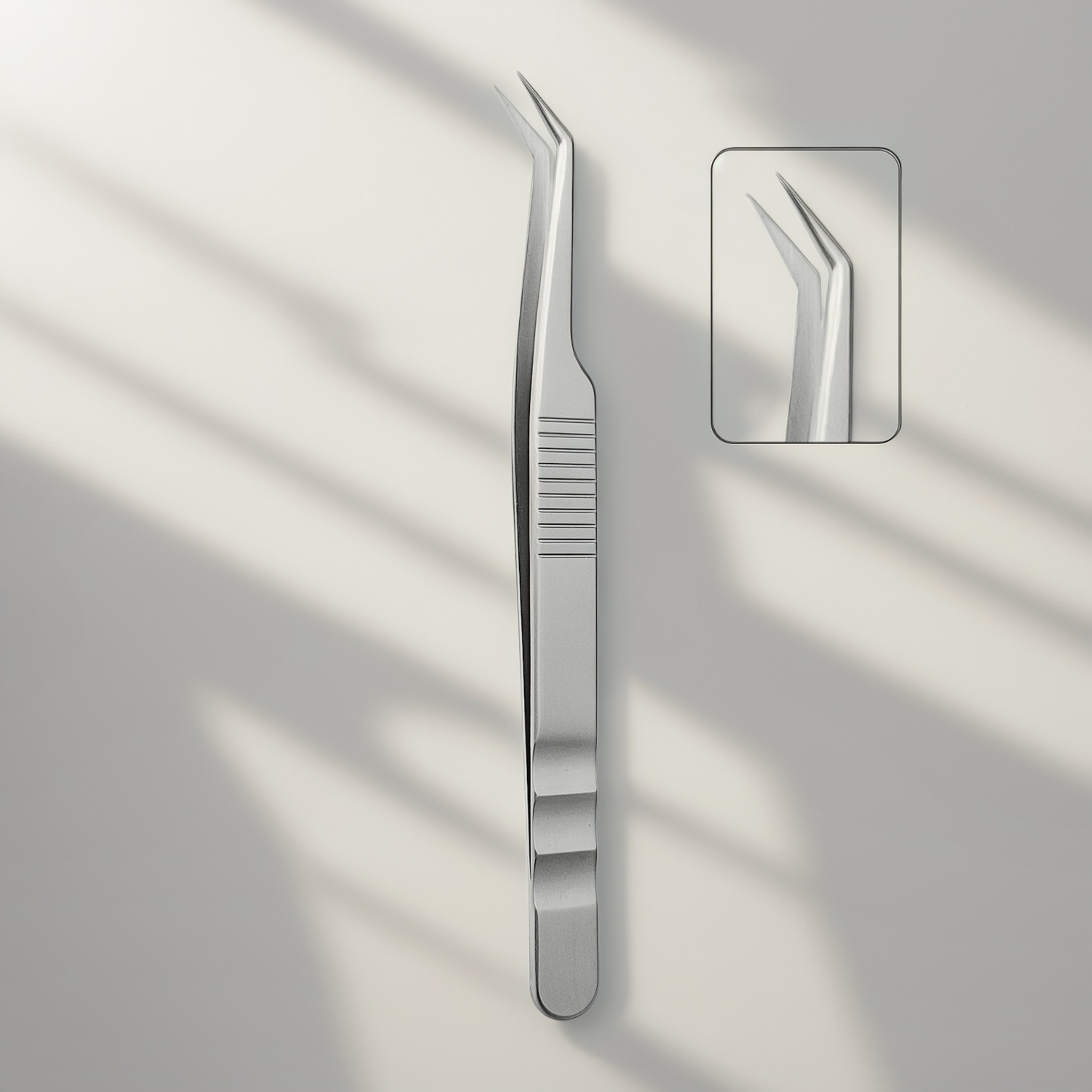
Why Precision Matters When Sourcing Beauty Tweezers
Tweezers are small tools, but the margin for error is also small. A slight mismatch at the tip can make it harder to grip fine hairs or isolate lashes. Excessive tension can fatigue the hand during long appointments. A surface that feels rough or poorly finished may reduce user confidence, while a grip pattern that is too smooth can make the tool harder to control when hands are damp or gloved.
For professional users, precision is closely connected to repeatability. A lash artist may use the same tweezer shape for hours each day, so small differences between units become noticeable quickly. For brands and distributors, inconsistent quality can lead to returns, negative reviews or difficulty maintaining a reliable product line. This is why strong exporters treat tweezers as precision tools and not merely as stamped metal items.
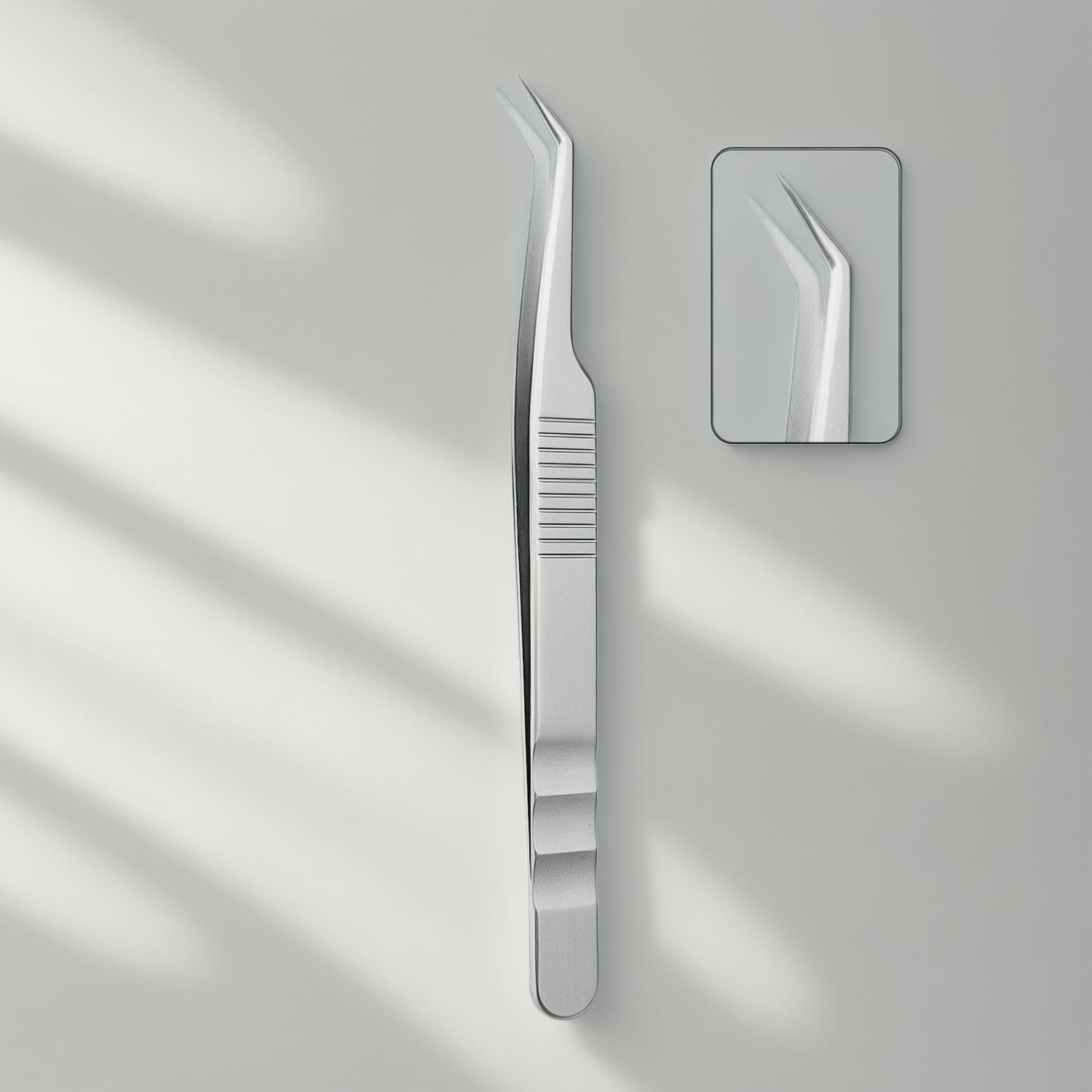
Useful evaluation starts with the intended application. Brow tweezers, lash isolation tweezers, volume lash tweezers and general grooming tweezers may require different tip shapes, closing tension and grip designs. Before comparing quotations, define how the tool will be used, who will use it and what level of finish is expected by your market.
Key Criteria for Comparing Tweezers Exporters
A reliable tweezers supplier should be able to support both product selection and quality consistency. Buyers do not need to become engineers, but they should ask the right questions and inspect the right details. The following table summarizes practical criteria that matter when reviewing samples or discussing a new order.
| Evaluation Area | What to Check | Why It Matters |
|---|---|---|
| Tip alignment | Tips should meet evenly without visible gaps or crossing. | Clean contact improves grip on fine hairs and lashes. |
| Tip shape | Confirm straight, slanted, angled or other shapes based on use. | Different services require different access angles and control. |
| Tension | Open and close the tweezer repeatedly during sample review. | Balanced tension reduces hand fatigue and supports precision. |
| Material | Review stainless steel use and surface finish expectations. | Stainless steel is commonly selected for durability and corrosion resistance. |
| Grip design | Assess whether the grip area supports stable handling. | Control is essential during detailed beauty work. |
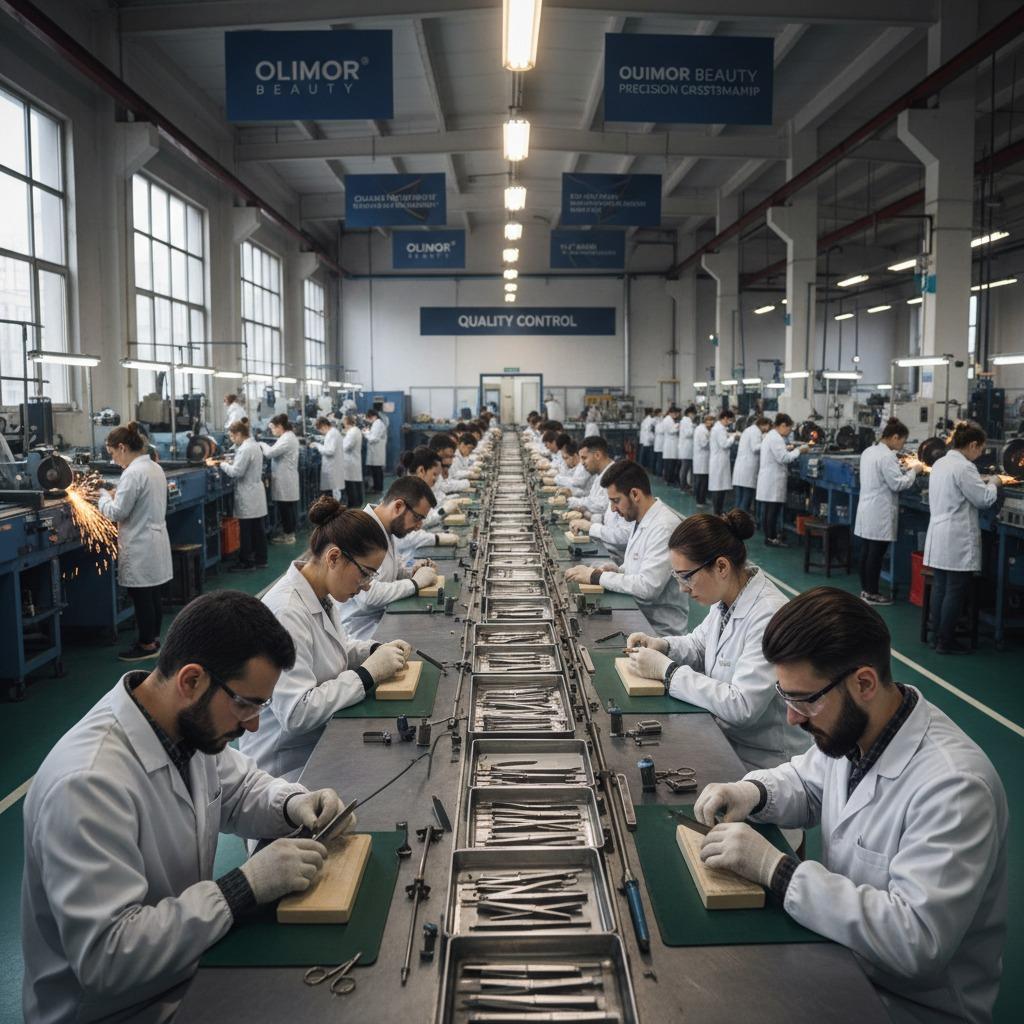
| Inspection process | Clarify how the exporter checks alignment, finish and consistency. | Inspection reduces variation across production batches. |
| Customization options | Discuss tip angle, grip, finish, packaging or branding needs. | Custom made tweezers help match a brand or professional workflow. |
When samples arrive, test them in realistic conditions. Do not review only the appearance under normal room light. Open and close each unit several times, compare tension between samples, inspect the tips from multiple angles and check whether the finish feels comfortable along edges and grip areas. If the tweezers are intended for professional lash or brow work, have an experienced user test them during typical handling movements.
Standard Tweezers or Custom Made Tweezers?
Standard tweezers can be a sensible option when speed, simplicity and familiar shapes are priorities. Many buyers choose existing designs for general retail ranges, salon supply assortments or initial market testing. A standard model can reduce decision time because the basic shape, finish and handling style are already established.
Custom made tweezers become more relevant when a buyer has a defined market position or a specific professional requirement. Customization may involve the tip angle, grip texture, weight balance, finish appearance or packaging presentation. The goal is not to add complexity for its own sake. The goal is to make the tool fit the work, the user and the brand promise more closely.
Before requesting customization, prepare a clear brief. A vague request such as “make it more professional” is difficult to translate into production. A useful brief describes the target user, the primary task, preferred shape, expected feel in the hand, visual style and packaging needs. If you have a reference sample, identify what you like and what should be changed rather than simply asking for a duplicate.
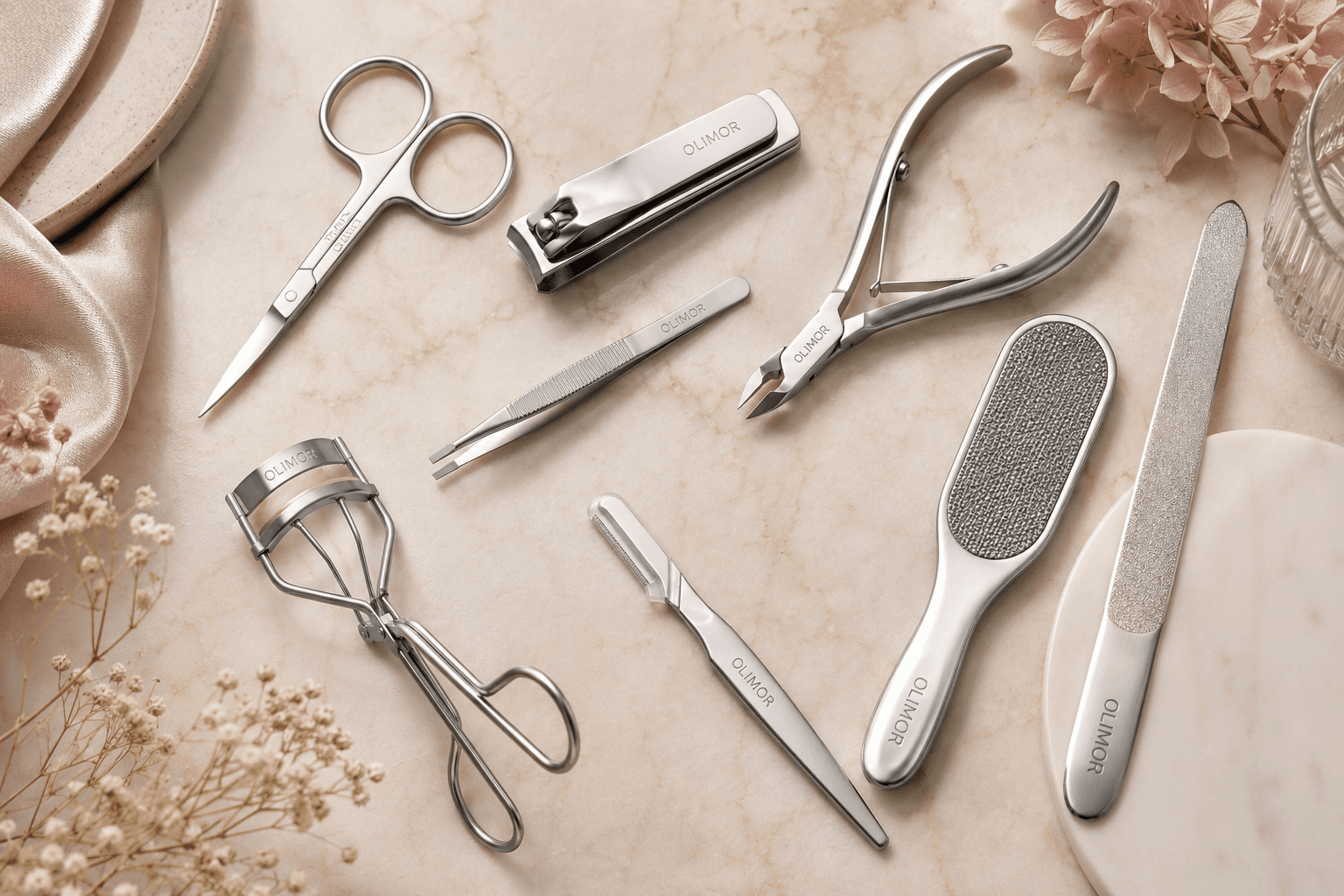
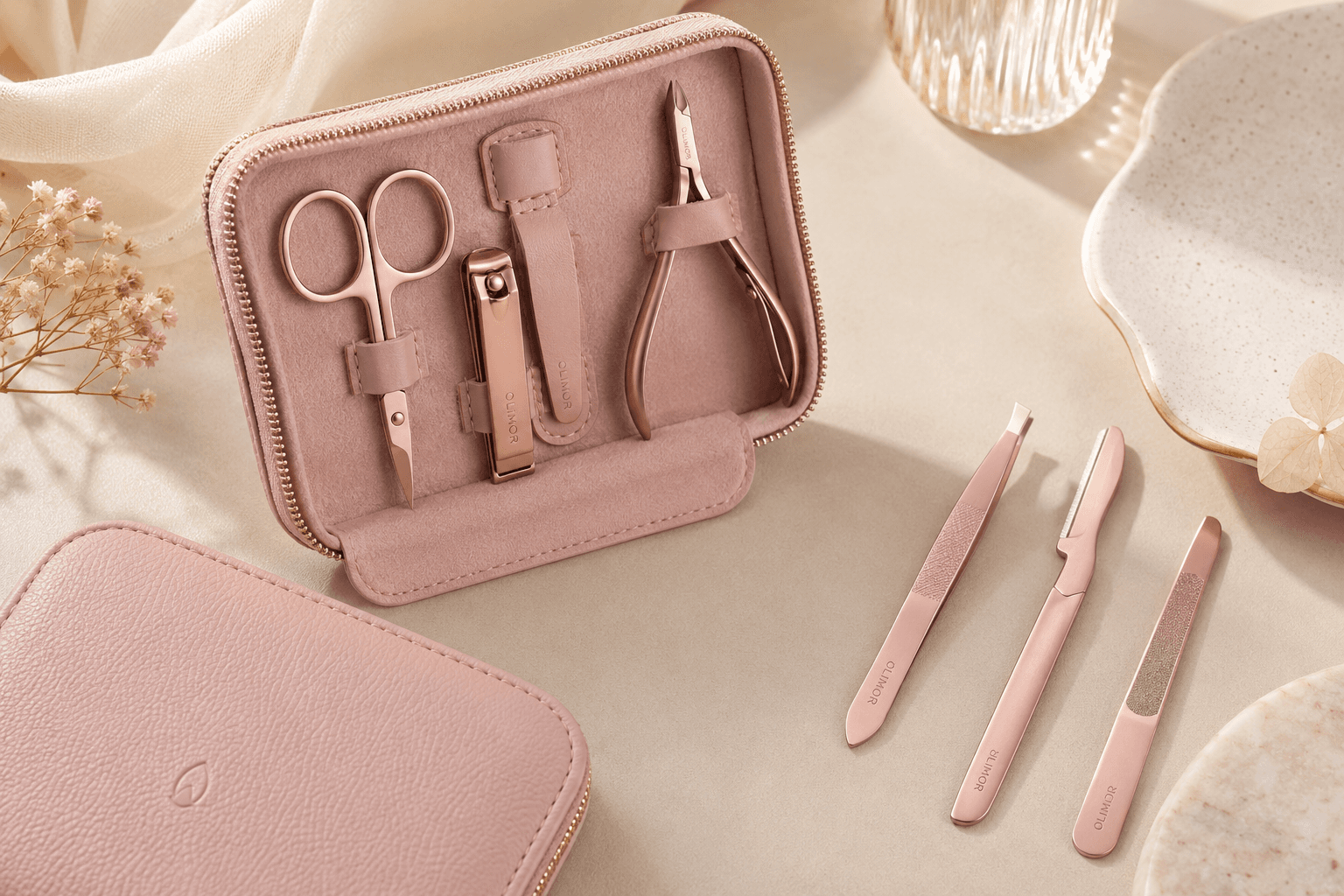
For buyers planning a broader beauty-tool range, it may help to review related beauty tool products and consider how tweezers will sit alongside scissors, lash tools, manicure tools or grooming accessories. A consistent product direction makes sourcing decisions easier and improves the final retail or professional offer.
Quality Control Questions Buyers Should Prepare
Strong exporters should be comfortable discussing quality expectations before production begins. The purpose of these questions is to align standards early, avoid misunderstandings and create a practical basis for sample approval. Not every order needs the same inspection depth, but every order benefits from clear acceptance criteria.
- Tip contact: How will tip alignment and closing contact be checked before shipment?
- Surface finish: What finish issues are considered unacceptable, such as rough edges, visible scratches or uneven polishing?
- Tension consistency: How will the supplier monitor the feel of opening and closing across units?
- Material expectations: What stainless steel and finish requirements are being used for the intended market?
- Packaging condition: How will individual tools be protected from rubbing, movement or cosmetic damage during transport?
- Sample approval: Which sample will be treated as the approved reference for production comparison?
- Customization limits: Which details can be adjusted without affecting the tool’s function or production consistency?
It is useful to create a written checklist for sample approval. Include photos of approved details, notes on tension and comments from actual users. This checklist can later support repeat orders and reduce subjective disagreement about what “good quality” means.
What Makes a Reliable Tweezers Supplier Easier to Work With
Product quality is essential, but sourcing success also depends on communication and process discipline. A supplier that responds quickly but cannot explain product details may not be the best long-term partner. Likewise, a technically capable supplier may still create problems if order requirements, packaging artwork or inspection expectations are not confirmed clearly.
A reliable exporter should help buyers compare options without pushing unnecessary complexity. For example, a new beauty brand may need guidance on selecting a practical tweezer shape for its first range, while an established distributor may need consistent replenishment and packaging alignment across multiple tools. Professional lash suppliers may focus more heavily on tip precision and hand comfort. The right sourcing conversation depends on the buyer’s real use case.
Olimor Beauty positions its tweezers around stainless steel construction, precision-engineered tips, ergonomic handling and controlled production review. For buyers, the practical next step is to match these capabilities with clear requirements: the type of tweezer, expected user, finish preference, packaging direction and any custom made tweezers details that matter to your market.
How to Build a Better Tweezers Inquiry
A well-prepared inquiry saves time and helps exporters respond with more relevant suggestions. Instead of asking only for a price, provide enough context for the supplier to understand the product goal. This is especially important when comparing exporters, because the lowest quotation may not include the same finish standard, inspection expectation or packaging detail.
- Define the use: State whether the tweezers are for brow shaping, lash extension work, general grooming, retail kits or professional salon supply.
- Specify the shape: Mention preferred tip style, such as slanted, straight or angled, if already known.
- Describe the user: Identify whether the product is for beginners, professionals, salons, distributors or private-label retail.
- Share finish expectations: Note whether appearance, grip texture or corrosion resistance is especially important for your market.
- Explain packaging needs: Include whether you need individual packaging, retail-ready presentation or simple protective packing.
- Clarify customization: List branding, grip, tip or balance changes you want considered.
- Request sample review: Plan to evaluate physical samples before confirming larger production decisions.
If you are developing a complete range, compare your tweezer requirements with Olimor’s product collections to keep design and sourcing decisions consistent across categories. For project-specific questions, you can contact Olimor or send an inquiry with your target use, preferred tweezer style and packaging requirements.
Final Thoughts for Professional Buyers
The best tweezers exporters are not defined only by catalog size. They are defined by how well they control precision, communicate options and support repeatable quality. For beauty professionals, a good tweezer should feel stable, close accurately and support detailed work without unnecessary strain. For brands and distributors, it should also arrive consistently, present well and match the intended market position.
Before choosing a supplier, review samples carefully, compare inspection standards and decide whether standard or custom made tweezers best fit your business. By focusing on function, finish and sourcing discipline, buyers can select tweezers that support professional results and build confidence in their beauty-tool range.
Tag: