China Tweezers Exporter Guide for Custom Lash and Beauty Tools
Choosing a China tweezers exporter is not only about finding a low unit cost. For lash artists, brow professionals, beauty distributors and private-label buyers, tweezers are precision tools that affect grip, hand comfort, application speed and the final client result. A good sourcing decision should consider material, tip alignment, finish, weight, packaging readiness and how well the supplier can support custom designs without compromising usability.
Olimor Beauty supplies beauty tools for professional and retail use, including stainless steel tweezers for lash and detailed beauty work. If you are comparing exporters or planning to design your own tweezers, this guide explains the practical details that matter before you place an inquiry, request samples or prepare a private-label order.
What Buyers Should Expect from a China Tweezers Exporter
A reliable tweezer exporter should be able to discuss more than product appearance. Beauty tweezers need consistent tip contact, stable tension and a finish that supports daily professional use. For lash work, even a small mismatch at the tip can make fans difficult to pick up. For brow grooming, an imprecise edge may break hairs instead of removing them cleanly.
When reviewing a supplier, look for clear communication around the intended use of the tweezer. A lash extension tweezer, a pointed precision tweezer and a brow tweezer may look similar in a catalog, but they are not evaluated in the same way. The exporter should understand how different tip shapes affect pickup, isolation, placement and control. This is especially important when you want to customize a tool instead of buying a standard design.
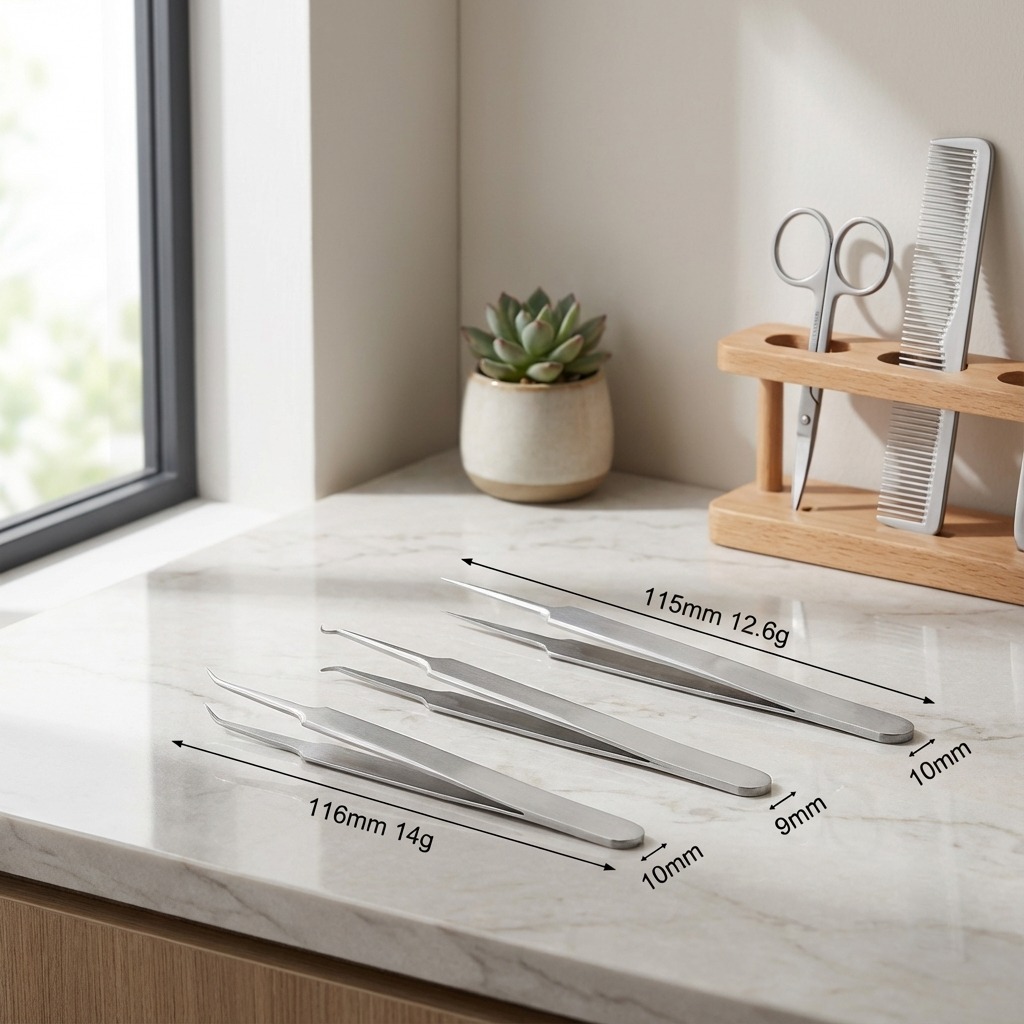
Olimor Beauty focuses on stainless steel tweezers with functional details such as rust resistance and matte silver finishes. A matte finish can help reduce glare during detailed work, which is useful for lash artists working under strong lighting. Lightweight construction also matters: the supplied product information notes designs weighing as little as 12.6 grams, which can help reduce hand fatigue during long appointments.
Key Selection Criteria Before Ordering Custom Tweezers
Custom tweezers should be designed around the way the end user works. Before confirming a shape, finish or packaging direction, define the target application and the buyer profile. A distributor serving lash academies may need dependable all-purpose shapes, while a salon brand may want a more specialized grip feel for experienced technicians.
- Application: Decide whether the tweezer is mainly for lash isolation, volume pickup, brow grooming, detail work or a mixed retail beauty kit.
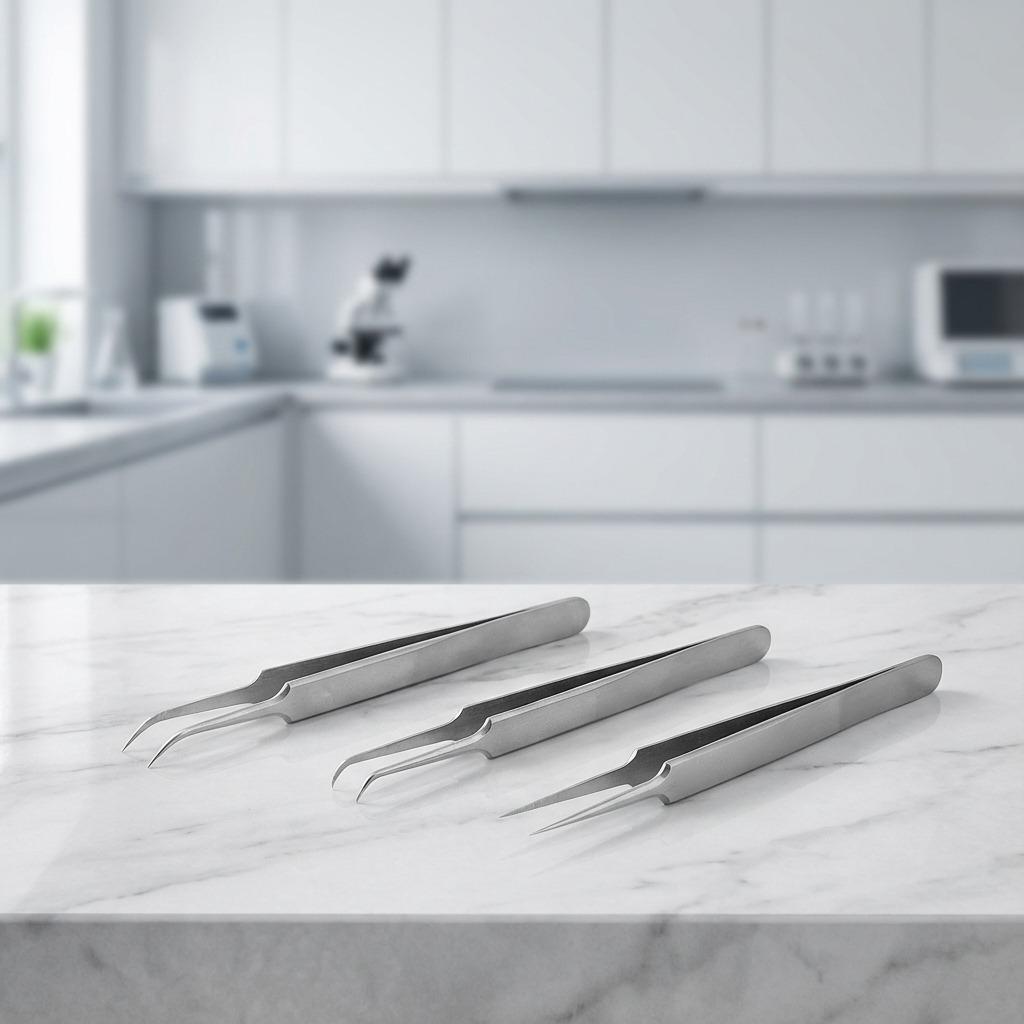
- Tip style: Curved tips can support lash grip and placement, while pointed versions are suited to intricate applications that require accurate contact.
- Length: The original product information includes a 116mm curved-tip option and an 118mm pointed version. Length affects balance, reach and storage compatibility.
- Weight: Very light tweezers can feel comfortable over long service times, but they still need enough stability for confident control.
- Surface finish: A matte silver finish is useful where glare reduction and a clean professional look are priorities.
- Material: Stainless steel is a practical choice for professional beauty tools because it supports durability and rust resistance.
- Branding plan: If you need a private-label product, confirm where branding will appear and how it will hold up during normal handling.
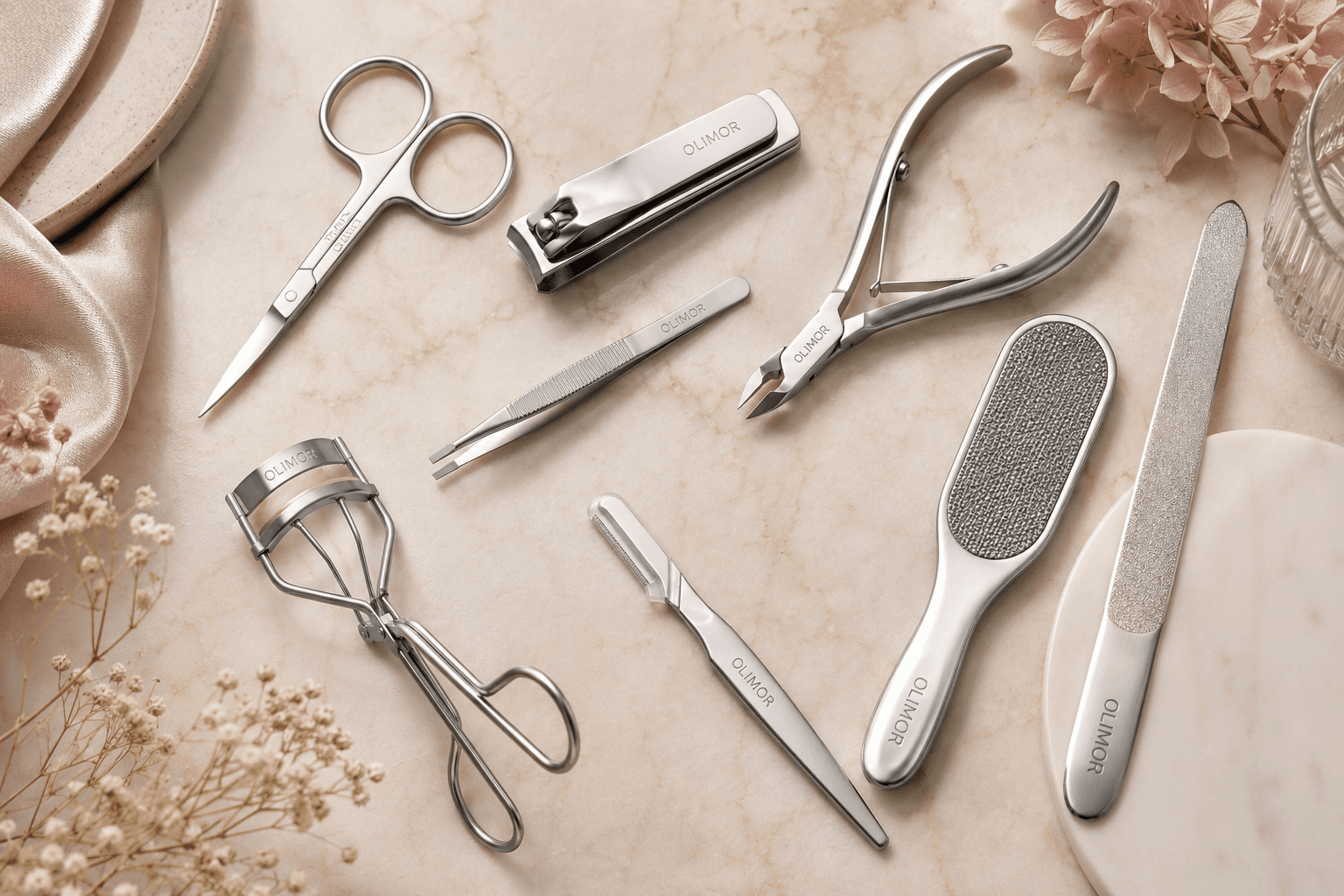
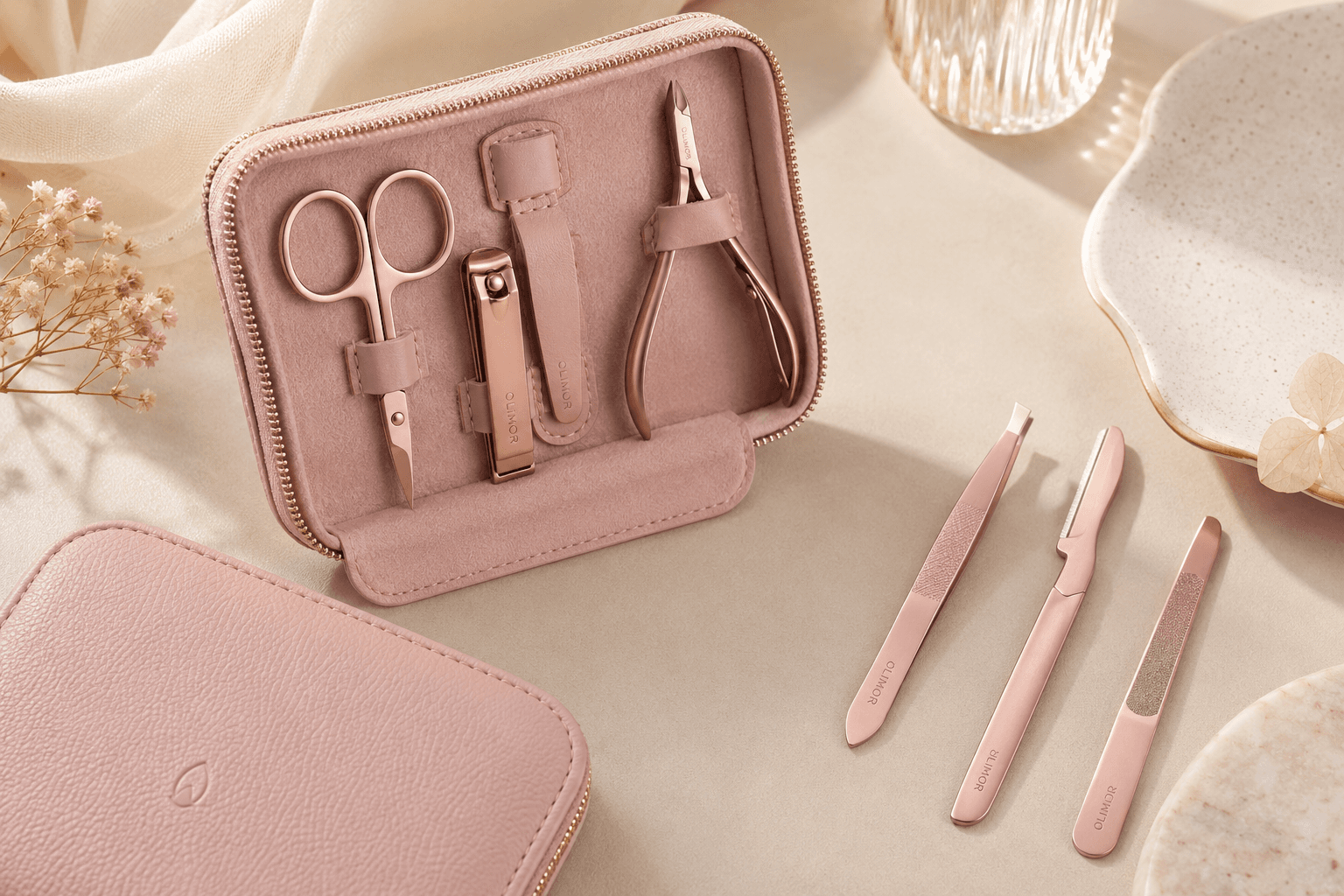
For buyers who are still building a product range, it is useful to compare tweezers with other beauty tool products so the handle style, finish and retail presentation feel consistent across the line.
How Tip Shape Changes Performance
Tip shape is one of the most important decisions in custom tweezer design. It affects how the tool contacts lashes or hairs, how much pressure the user applies and whether the tool feels intuitive in the hand. A 116mm curved-tip model, for example, can be appropriate when the goal is enhanced lash grip. The curve can help the user approach the lash line from a comfortable angle, especially during extension pickup and placement.
An 118mm pointed version suits a different purpose. Pointed tips are often chosen for intricate applications where the user needs visibility and accurate placement. However, pointed tweezers also require careful finishing because roughness, uneven contact or overly sharp edges can affect the user experience. For professional lash and beauty work, a precise tip should not feel unpredictable.
Instead of selecting a shape only because it looks popular, test it with the actual service workflow. Ask sample users to perform the same task repeatedly: pick up fine lashes, isolate a lash, remove a hair, or handle a small beauty accessory. The preferred tweezer is usually the one that gives consistent contact with less hand strain, not simply the one with the most dramatic silhouette.
Quality Checks That Matter for Export Orders
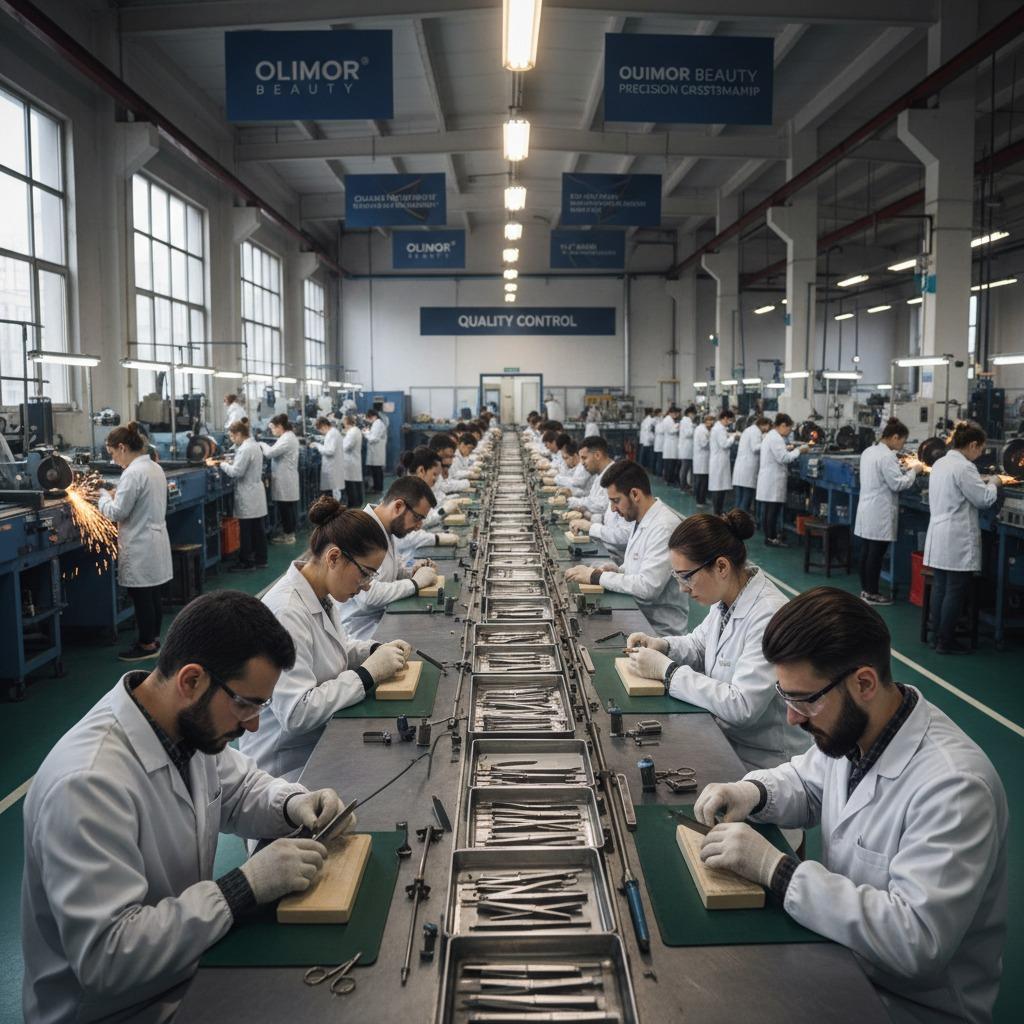
When sourcing from any tweezer manufacturer or exporter, quality control should be practical and repeatable. A beauty brand may inspect samples carefully, but bulk production should also be checked against clear standards. The goal is to avoid tools that look acceptable in packaging but fail during professional use.
| Check point | Why it matters | What to review |
|---|---|---|
| Tip alignment | Determines grip accuracy and pickup consistency | Tips should meet evenly without visible twisting or gaps |
| Tension | Affects comfort during repeated use | Pressure should feel controlled, not too stiff or too loose |
| Finish | Influences appearance, glare and surface feel | Matte silver surfaces should look even and free from rough marks |
| Edges | Prevents discomfort and handling issues | Outer edges should feel smooth during normal grip |
| Packaging fit | Protects the tool during transit and retail display | Tweezers should be secured so tips are not damaged |
These checks are especially important for private-label orders where brand reputation depends on repeat purchases. A customer may forgive a plain package, but they will quickly notice uneven tip contact or uncomfortable tension.
Design Your Own Tweezers: Practical Customization Choices
Designing your own tweezers should begin with function, then move to appearance. A common mistake is starting with color, logo size or packaging before confirming whether the tool performs well for the target user. For professional tools, the better process is to define the application, choose the shape, test the grip, then finalize brand details.
- Define the user: Identify whether the tweezer is for professional lash artists, students, brow technicians, retail consumers or kit buyers.
- Select the working shape: Compare options such as curved-tip and pointed designs based on the service task.
- Review length and balance: Consider whether a 116mm or 118mm tool length matches the hand feel and case design you want.
- Confirm finish direction: Matte silver is a practical option for a professional look and reduced glare.
- Test samples in real use: Have users evaluate pickup, tension, control and comfort during repeated tasks.
- Finalize branding and packaging: Choose presentation details only after the tool itself has met performance expectations.
If you are planning a broader beauty tool line, review Olimor product collections to think about how tweezers can fit with related products in the same retail or salon program.
Questions to Prepare Before Contacting a Supplier
A clear inquiry helps both sides move faster. Instead of sending only a photo and asking for a price, prepare details that describe performance, market position and order goals. You do not need to have every specification decided, but you should know the intended use and the level of customization required.
- What task will the tweezer mainly perform: lash extension, isolation, brow grooming or precision beauty work?
- Do you prefer a curved-tip shape, pointed shape or a sample comparison before deciding?
- Is the priority lightweight comfort, stronger tension, fine tip contact or retail presentation?
- Will the product be sold under your own brand, included in a kit or used in a professional studio?
- Do you need custom packaging, logo placement or a neutral wholesale presentation?
- What market are you selling into, and are there any buyer requirements for labeling or documentation?
For custom projects, you can send an inquiry with your preferred tip style, length, finish and intended application. If you need help narrowing options before requesting samples, you can also contact Olimor with your sourcing plan.
Why Export Buyers Compare Manufacturers Carefully
Searches for the top tweezers manufacturers often lead buyers to compare many similar-looking products. The difference is usually found in details: consistent stainless steel finishing, smooth edges, reliable tip contact, suitable tension and the supplier’s ability to translate a custom request into a usable tool. A design that looks attractive online still needs to perform under salon lighting, repeated hand movement and daily storage.
For Olimor Beauty buyers, the strongest starting point is a practical product brief. Decide what your customer needs from the tweezer, then use samples to confirm whether the selected shape and finish deliver that experience. With stainless steel construction, rust-resistant properties, matte silver finishing and options such as 116mm curved-tip and 118mm pointed designs, custom tweezers can be developed for professional beauty use without losing sight of comfort and precision.
A well-chosen tweezer is a small tool with a large effect on service quality. By evaluating exporter capability, tip geometry, finish, weight, tension and packaging protection, beauty brands and distributors can make better sourcing decisions and build a product line that customers trust after repeated use.
Tag: