Tweezers Factory Direct Sourcing: How to Choose Precision Beauty Tools with Confidence
Buying tweezers factory direct is not only about reducing layers between buyer and manufacturer. For beauty retailers, salon suppliers, private-label buyers, and grooming tool distributors, the real advantage is control: control over tip consistency, surface finish, grip feel, packaging expectations, and repeat order quality. A well-made tweezer looks simple, but its performance depends on details that are easy to overlook until customers begin using it.
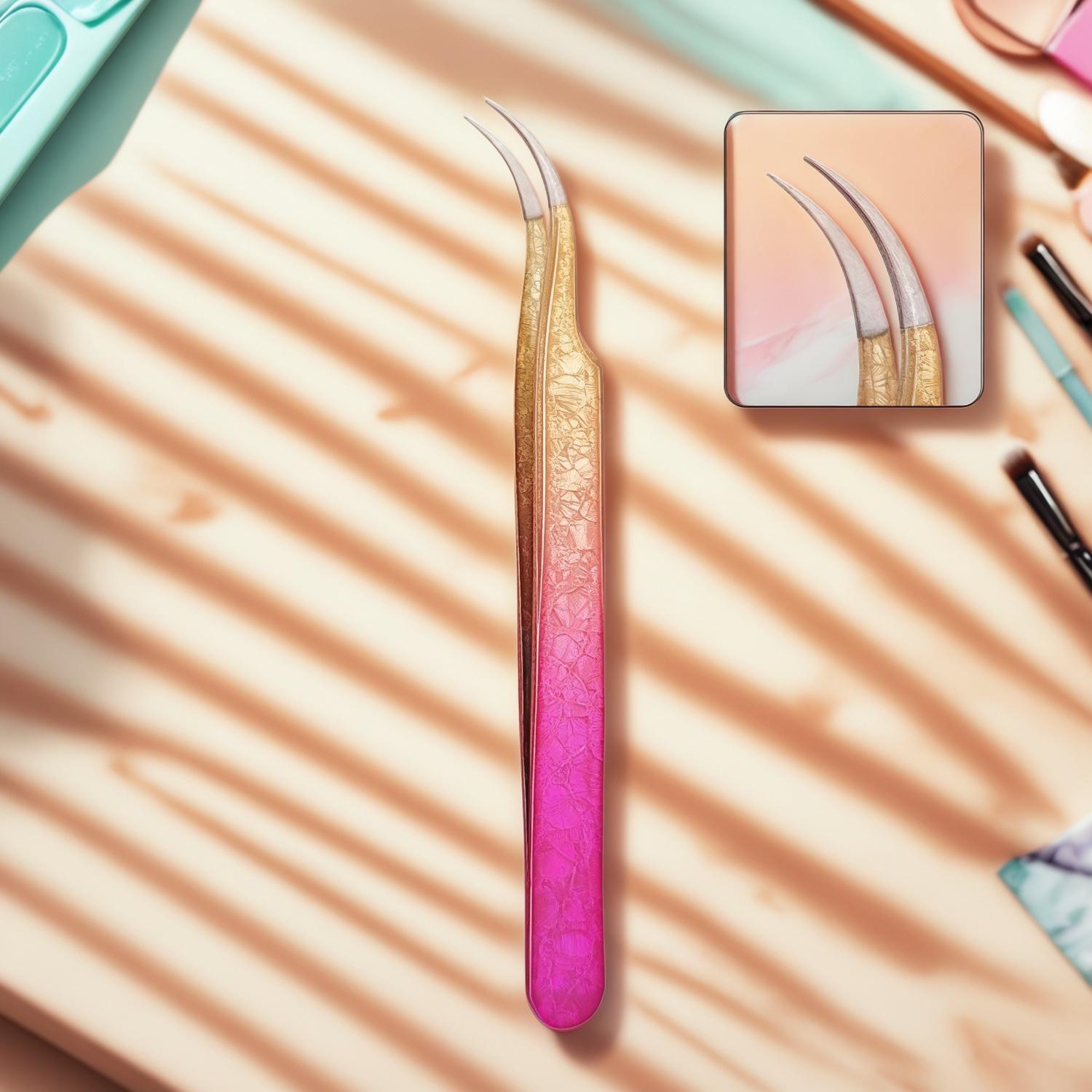
Olimor Beauty works in the beauty-tools category where precision, comfort, and visual appeal all matter. The Gradient Elegance Luxe Tweezer is a clear example of the type of product buyers often want to evaluate when sourcing direct. It features a gradient transition from gold to vibrant fuchsia pink, an embossed texture for a secure grip, curved tips for hair grasping, and stainless steel precision. Those details are important because they connect product appearance with actual handling and use.
This guide explains how to evaluate factory-direct tweezers more carefully, what to check before placing wholesale orders, and how to make sourcing decisions that support long-term product quality rather than one-time purchasing.
What “Factory Direct” Should Mean for Tweezer Buyers
In the tweezers wholesale market, “factory direct” is sometimes used loosely. For a serious buyer, it should mean more than receiving a quotation from a seller. A useful factory-direct relationship gives you clearer communication about production, finishing, inspection, and packaging before the product reaches your warehouse or retail channel.
For tweezers, the main sourcing risk is inconsistency. A sample may close neatly and grip hair cleanly, while bulk goods may vary if material preparation, tip alignment, surface treatment, or final inspection are not controlled. Direct sourcing helps you discuss these points earlier and make sure the product is suitable for your intended customer: everyday brow grooming users, lash application customers, beauty salons, gift sets, or retail beauty aisles.
Factory direct also makes it easier to compare actual product details rather than relying only on catalogue photos. For example, a tweezer with a bold gradient finish may be selected for a premium beauty set, but the buyer still needs to confirm that the grip texture feels stable in hand and that the curved tips meet the intended use. A reliable tweezers supplier should help you connect design, function, and packaging requirements rather than treating them as separate decisions.
Key Product Details That Affect Tweezer Performance
When evaluating beauty tweezers, begin with use, not decoration. Color and finish help the product sell, but performance determines whether the customer trusts it after purchase. The Gradient Elegance Luxe Tweezer combines a visible design feature—a gold-to-fuchsia pink gradient—with practical details such as embossed grip texture and curved tips. That balance is what buyers should look for across any tweezer sourcing project.
Use the following checklist when comparing samples or discussing a new order:
- Tip alignment: The tips should meet cleanly without visible gaps that prevent hair from being held.
- Tip shape: Curved tips are useful for controlled hair grasping and can support brow shaping or lash-related tasks depending on user preference.
- Closing tension: The tweezer should not feel too loose or too stiff. Overly stiff tension can cause hand fatigue, while weak tension can reduce control.
- Grip texture: An embossed surface can improve stability, especially when hands are slightly damp or when the tool is used for detailed grooming.
- Edge comfort: Surfaces should feel smooth enough for regular handling without sharp unfinished edges.
- Finish consistency: Decorative color transitions should appear even across the visible surface, especially for products sold as premium beauty tools.
- Packaging fit: The tweezer should sit securely in its packaging to reduce scuffing, movement, or damage during transport.
These checks are simple, but they reveal a great deal. A buyer does not need to be an engineer to identify whether a tweezer feels stable, closes evenly, and presents well. However, documenting these expectations before purchase helps the supplier inspect against the same priorities.
Why Grip, Tip Geometry, and Finish Matter in Retail
Tweezers are small products, so buyers sometimes underestimate how strongly customers notice small defects. If the tips do not meet properly, the tool may fail at its main task. If the finish scratches easily in packaging, it may look second-rate before the user tries it. If the grip feels slippery, customers may avoid using it for detailed brow work.
Grip is especially important for beauty tools because many users work close to the eye area or on small facial hairs. The embossed texture on the Gradient Elegance Luxe Tweezer is a practical feature because it supports control without requiring a bulky handle. For retail buyers, this can also create a tactile difference when customers compare products in hand.
Tip geometry should match the product’s intended selling angle. Curved tips can provide controlled contact and may appeal to customers who want a precise but approachable grooming tool. They also create a different user experience than straight or slanted tips. If your assortment already includes multiple tweezer styles, defining the role of each tip type helps avoid duplicate products with unclear differences.
Finish matters for positioning. A gradient transition from gold to vibrant fuchsia pink gives the tweezer a strong visual identity. That can be useful for beauty kits, giftable tools, online product images, or merchandising where color helps the item stand out. Still, the finish should support the product, not hide weak construction. Strong factory-direct sourcing keeps both appearance and function in view.
Importing Tweezers from China: Practical Buying Considerations
Many buyers looking to import tweezers from China compare suppliers on price first, but the more useful comparison begins with sample review and production communication. Price differences may reflect material choices, finishing complexity, packaging, inspection scope, or order requirements. Without understanding those factors, a low quotation may not represent better value.
Before confirming a wholesale order, organize your decision around the following stages:
- Define the customer and channel. A salon supply product, a retail carded item, and a gift-set tool may need different packaging, finish standards, and presentation.
- Review physical samples. Test closing tension, tip contact, grip comfort, and finish appearance under normal lighting.
- Clarify the inspection focus. Identify which points matter most: tip alignment, surface finish, color consistency, packaging condition, or all of these.
- Confirm artwork and packaging needs. If packaging is involved, check fit, protection, labeling space, and how the tool will look when displayed.
- Plan repeat orders. Keep an approved sample or clear specification record so future production can be compared against the same reference.
Olimor Beauty’s approach includes quality checks from raw materials to final packaging, which is valuable because tweezer issues can arise at several stages. Material preparation affects strength and feel. Forming and finishing affect alignment and comfort. Packaging affects how the product arrives and how it appears to the end customer. For buyers comparing beauty tool products, this full-chain thinking is often more useful than judging a tweezer only by its catalogue image.
How to Compare Suppliers in the Tweezers Wholesale Market
The tweezers wholesale market can feel crowded because many products appear similar at first glance. A structured comparison helps separate capable suppliers from those offering only generic product listings. Instead of asking only for the lowest price, compare how well each supplier can support your actual business requirements.
| Evaluation Area | What to Check | Why It Matters |
|---|---|---|
| Sample consistency | Tip closure, grip feel, finish, and packaging condition | Shows whether the product performs beyond appearance |
| Design suitability | Tip shape, handle texture, color, and retail positioning | Helps match the tweezer to the correct customer group |
| Quality communication | Inspection points and acceptable defect categories | Reduces misunderstanding before bulk production |
| Packaging planning | Protection, display style, labeling, and carton handling | Protects product appearance through shipment and sale |
| Repeat order control | Approved sample reference and written requirements | Supports consistent restocking over time |
This type of comparison is especially helpful for buyers building a wider beauty-tool assortment. If you source tweezers along with other grooming accessories, it is worth reviewing the full range of product collections to understand how design, finish, and packaging can work together across a line.
Questions to Settle Before Placing a Factory-Direct Order
A productive sourcing discussion should be specific. General claims such as “high quality” or “premium finish” are not enough for a product where small details determine user satisfaction. Buyers should prepare clear questions and, when possible, attach reference photos or approved samples.
Useful questions include: What tip style best suits the intended use? How will tip alignment be checked? What surface finish options are suitable for the desired retail position? How will the embossed grip area be inspected for consistency? What packaging format will protect the tweezer during transit? What visible defects should be unacceptable for your sales channel? What information must appear on packaging for your market?
These questions do not require exaggerated claims or unnecessary complexity. They simply turn a small grooming tool into a managed sourcing project. If you are comparing options or planning a new order, you can send an inquiry with your target use, packaging preference, and sample expectations. For broader sourcing discussions, you may also contact Olimor to share project details.
Building a Better Tweezer Assortment
A strong tweezer assortment should include products that differ for clear reasons: tip type, grip feel, finish, packaging, or intended user. The Gradient Elegance Luxe Tweezer works well as an example of a beauty tool where appearance and handling are both part of the value. Its gold-to-fuchsia gradient creates shelf and online appeal, while the embossed texture and curved tips address control and practical grooming use.
For factory-direct buyers, the best results come from treating tweezers as precision beauty tools rather than simple accessories. Review samples carefully, define inspection priorities, and connect product design with the needs of your sales channel. When sourcing is handled this way, factory direct becomes more than a purchasing route. It becomes a way to build consistent, attractive, and dependable beauty tools for customers who notice the details.
Tag: